About The Nodules
The Nodules is an iconic deep wall dive site located off Bimini, marking the transition from the shallow Bahama Banks to the vast Atlantic abyss. It's renowned for its distinctive coral formations along the wall face and the profound sensation of the seafloor falling away into an invisible depth of thousands of feet. Recreational divers typically explore between 75 and 130 feet, where the wall's unique topography and marine life are concentrated. Technical divers with appropriate training often venture beyond these depths, encountering species rarely seen in shallower waters. This site offers crystalline visibility, often exceeding 150 to 200 feet, due to its exposure to clear oceanic water and the influence of the Gulf Stream. This exceptional clarity enhances the experience of observing marine life from a distance as they emerge from the blue void. Accessible by dive boat from North Bimini, The Nodules is considered an advanced dive requiring documented deep diving experience and excellent gas management skills. Surface support and careful dive planning are essential for all visits to this remote, exposed location.
Highlights
Continental shelf drop-offExceptional oceanic visibilityDeep wall divingPelagic marine life encountersDistinctive coral formationsProfound sense of abyss
Season calendar
Best months to dive here
Jan
Feb
Mar
Apr
May
Jun
Jul
Aug
Sep
Oct
Nov
Dec
Excellent
Dive site facts: The Nodules
- Depth
- 75–200+ ft (23–60+ m)
- Typical dive
- 75–130 ft (23–40 m)
- Current
- Moderate to strong
- Visibility
- 150–200+ ft (45–60+ m)
- Water temperature
- 70–88°F (21–31°C)
- Entry
- Live boat drop / negative entry
- Level
- Advanced, deep diving experience required
- Dive type
- Wall, pelagic, deep
- Night dive
- Not commonly offered
- Region / port
- Bimini
- Coordinates
- 25.4992° N, 79.2855° W
Conditions & Currents
Currents at The Nodules can range from mild to extremely strong, primarily influenced by its position at the continental shelf edge and the nearby Gulf Stream. Divers should expect exposure to variable currents and be prepared for potential drift, particularly on deeper segments of the wall. Excellent buoyancy control and gas management are critical for navigating these conditions and ensuring a safe return to the boat. Entry and exit techniques are adapted by operators to prevailing currents, often involving negative entries or specific surface pick-up procedures to account for the open ocean environment. Visibility, while typically outstanding, remains unaffected by currents, but can occasionally be reduced if strong upwellings occur.
Marine life & sighting chances

Blacktip sharks
common
Caribbean reef sharks
occasional
Marlin
occasional
Large groupers
common
Jacks
common
Hammerhead sharks
December-March · occasional
Atlantic spotted dolphins
occasional
Bottlenose dolphins
occasionalDive profile & how the dive runs
Your dive at The Nodules begins with a live boat entry, often a negative descent, to swiftly reach the wall due to potential currents. You'll descend along the dramatic wall face, maintaining depths typically between 75 and 130 feet for recreational divers, observing the distinctive coral formations. The route follows the edge of the continental shelf, allowing you to gaze into the vast blue abyss where the bottom disappears. Focus is on exploring the wall for cleaning stations and watching the blue water for pelagic encounters. The turn point is determined by gas consumption and no-decompression limits, initiating a gradual ascent back up the wall. The safety stop is conducted at 15 feet, often as a drift stop in the clear oceanic water, with the boat monitoring your location for a precise pick-up.
Underwater photography
The exceptional clarity and dramatic wall topography at The Nodules make it an ideal subject for wide-angle photography. Utilize a fisheye lens to capture the vastness of the wall dropping into the deep, and be prepared for large pelagic subjects that may appear from the blue. Powerful strobes are essential to bring out the vibrant colors of corals and marine life, especially as you descend deeper. Buoyancy control is paramount to avoid contact with the fragile wall formations and to hold steady in potential currents while composing shots. Given the potential for shark encounters, be ready to capture action shots in the blue, maintaining respectful distance and never interfering with natural behavior.
Combine with nearby dive sites
- Victory Reef
A five-mile drift along the Gulf Stream edge, known for coral canyons and pelagic encounters.
- Tuna Alley
A drift dive with depths from 45-100 feet, often combined with The Nodules.
- Rainbow Reef
A protected marine park with shallow coral formations suitable for new divers.
- The Bimini Barge
A 120-foot wreck in 100 feet of water, known for abundant marine life and potential strong currents.
Getting there & logistics
Access to The Nodules is exclusively by dive boat from North Bimini, typically a 45 to 60-minute journey depending on sea conditions. Divers usually arrive in Bimini via the South Bimini airstrip, with flights connecting from major US cities like Miami. Operators offer day trips, often combining The Nodules with other deep wall sites like Victory Reef or Tuna Alley, conditions and diver qualifications permitting. There are no specific park fees for this site, but deep diving experience and appropriate certifications are mandatory, which dive operators will verify upon booking. It is advisable to book well in advance, especially during peak seasons.
Safety & environment
Safety at The Nodules is paramount due to its depth, exposure, and potential currents. It is strictly for advanced divers with documented deep diving experience and excellent gas management skills. The nearest recompression chamber is located in Nassau, requiring air evacuation in a medical emergency. Comprehensive dive insurance, including coverage for hyperbaric treatment and emergency evacuation, is highly recommended. Divers must adhere strictly to their dive plan, monitor no-decompression limits, and ascend slowly. Operators enforce strict buddy procedures, and reliable surface support is always present. Be aware of boat traffic, especially during ascent, and maintain situational awareness in the open ocean environment.
Who it suits — and who it doesn't
Suited for
- Experienced deep divers
- Advanced Open Water divers and above
- Photographers seeking wide-angle pelagic shots
- Divers comfortable with strong currents
- Those seeking dramatic wall topography
Less suited for
- Beginner divers or Open Water certified
- Divers with limited experience in currents
- Individuals prone to seasickness
- Those uncomfortable with deep water exposure
- Divers without advanced certifications
FAQ
The Nodules FAQ
How deep can recreational divers go at The Nodules?
Recreational divers typically explore The Nodules between 75 and 130 feet (23-40 meters). While the wall extends much deeper, this range allows enjoyment of the primary coral formations and marine life within standard recreational limits. Operators will assess your individual qualifications and experience before allowing dives to these depths.
Why is visibility so exceptional at The Nodules?
The Nodules' location at the very edge of the continental shelf exposes it to clear oceanic water, rather than the shallower, often cloudier, bank water. Additionally, the influence of the powerful Gulf Stream continuously flushes the area with pristine water. This combination results in consistently high visibility, often exceeding 150 to 200 feet (45-60 meters).
What sharks might I see at The Nodules?
Blacktip sharks are frequently encountered patrolling the wall at The Nodules. Caribbean reef sharks also visit the area occasionally, adding to the excitement. Given its deep-water, open-ocean location, there is an occasional chance of spotting larger pelagic species like marlin or even other transient shark species, though sightings are never guaranteed.
Is The Nodules suitable for new divers?
No, The Nodules is strictly an advanced dive site and is not suitable for new divers. Its significant depth range (75-130 feet for recreational), potential for strong currents, and remote, exposed location require documented deep diving experience, excellent gas management, and comfort in open ocean environments. Operators require specific certifications and logged experience.
How do currents affect diving at The Nodules?
Currents at The Nodules can be a significant factor, ranging from mild to very strong due to its position on the continental shelf and proximity to the Gulf Stream. Divers should be prepared for drift diving conditions and excellent buoyancy control is essential. Dive operators will provide detailed briefings and employ specific entry and exit strategies, such as negative entries and careful boat pickups, to manage these currents safely.
Why dive The Nodules from a liveaboard?
The Nodules is one of Bahamas's signature dive sites. A liveaboard sleeps you on the water and puts you in the water for three to four guided dives per day, including dawn and night dives that day-boat operators rarely offer. You skip the daily commute back to port and reach quieter, less-crowded sites in the same region on a single trip.
Below are the liveaboards that include The Nodules on their Bahamas itineraries.
Liveaboards diving The Nodules
These liveaboards may visit The Nodules on selected itineraries — the exact dive sites depend on departure, weather and conditions.
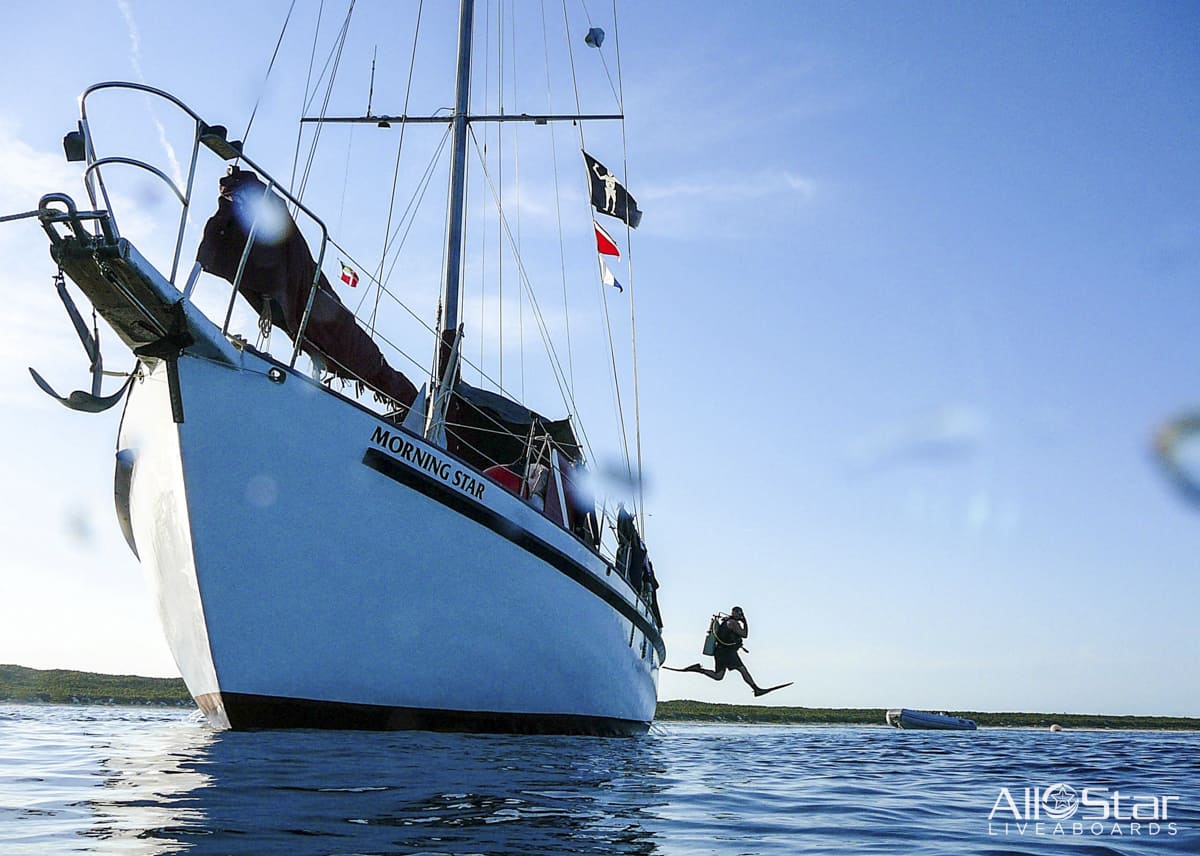
All Star Blackbeards Morning Star
Bahamas
24 guests19.81 m
$156/day
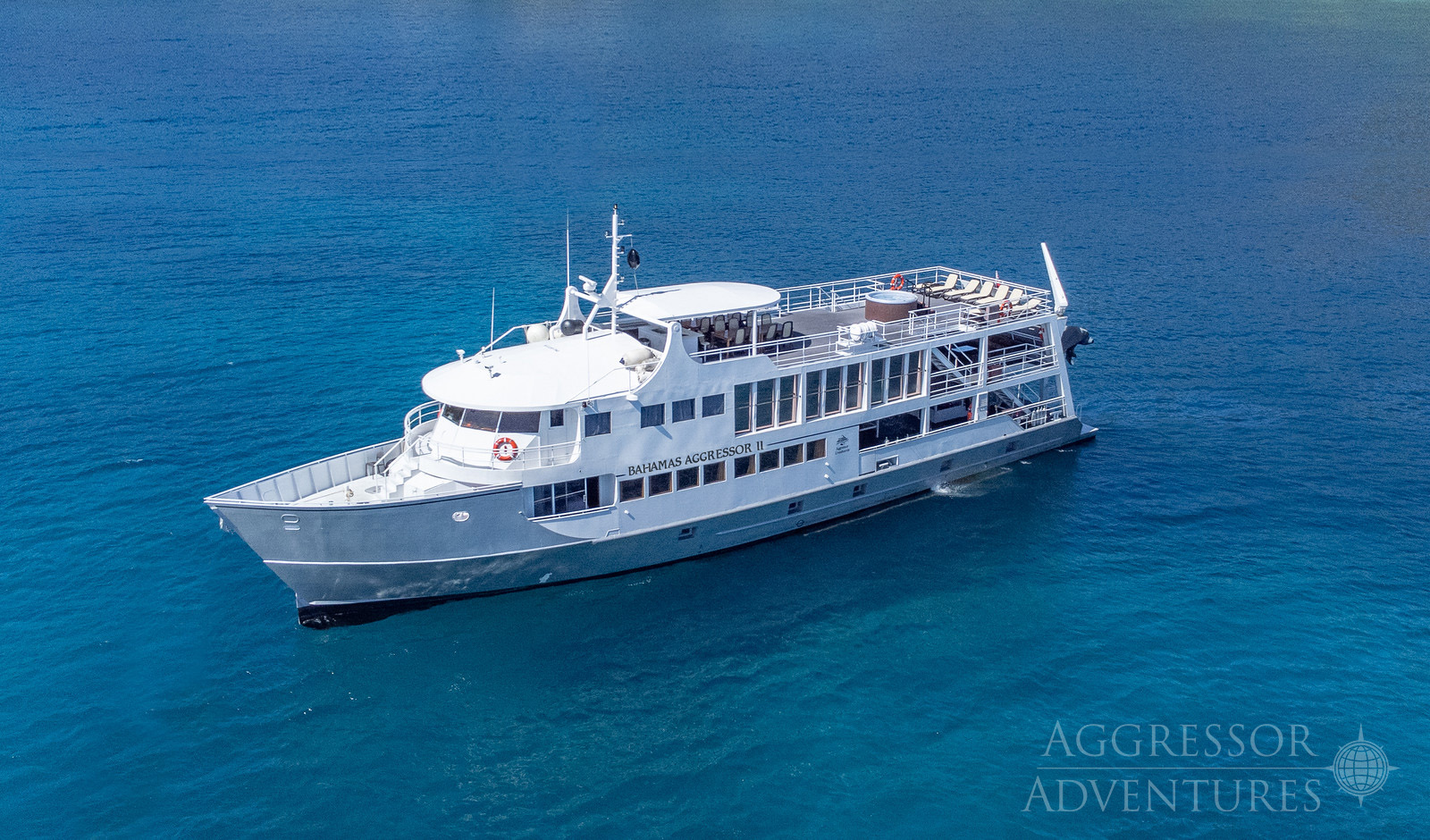
Bahamas Aggressor II
Bahamas
20 guests33.5 m
$328/day
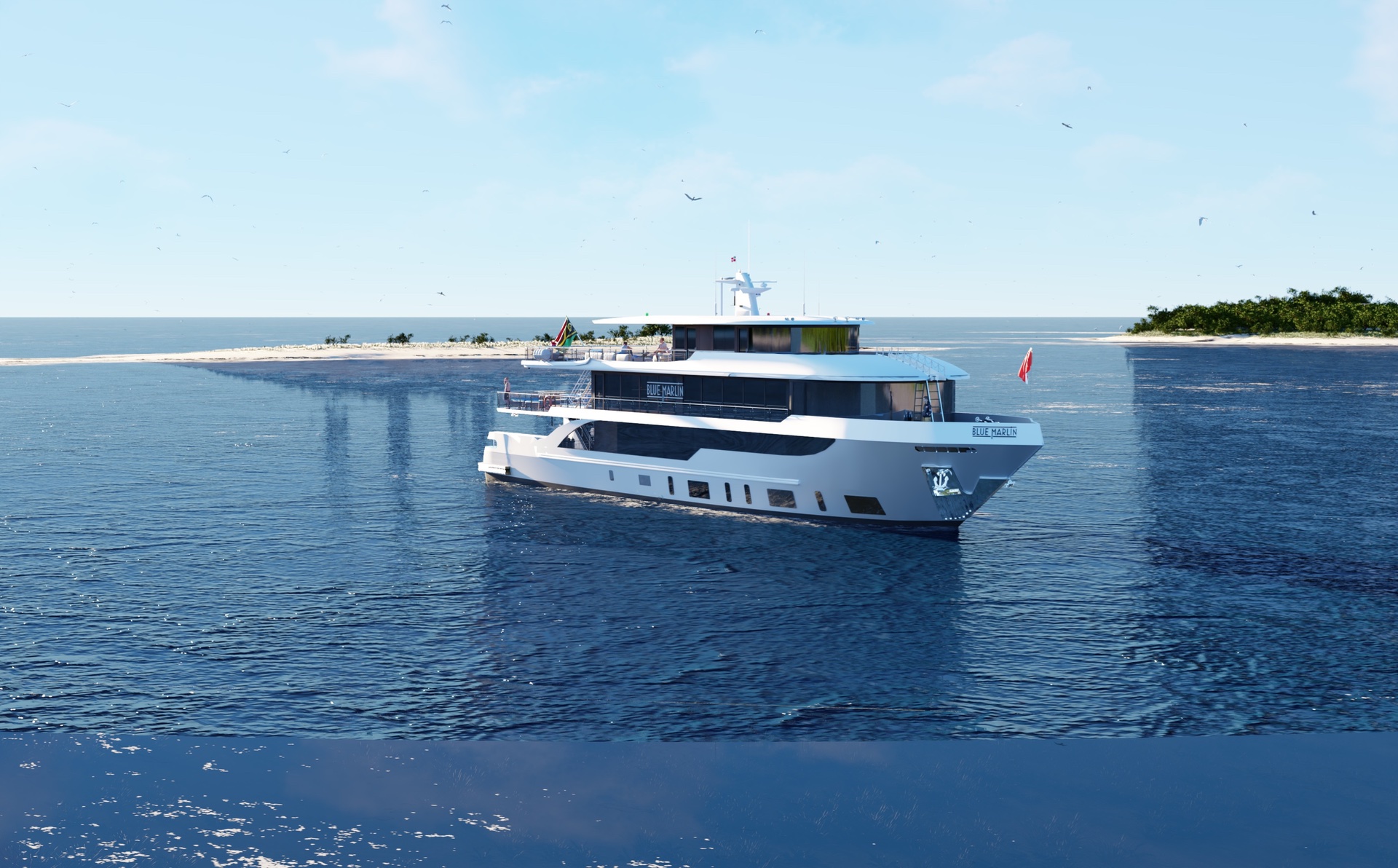
Blue Marlin
Bahamas
26 guests42 m
$318/day
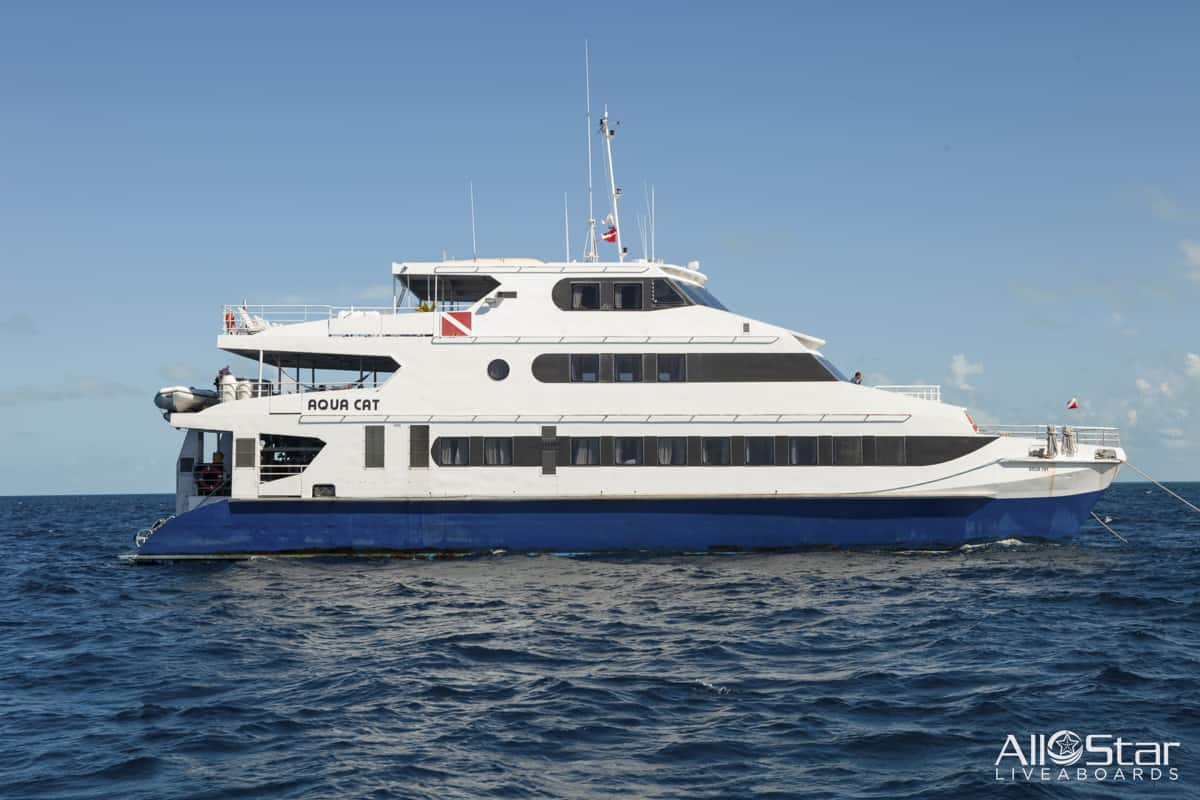
All Star Aqua Cat
Bahamas
30 guests31.09 m
$312/day
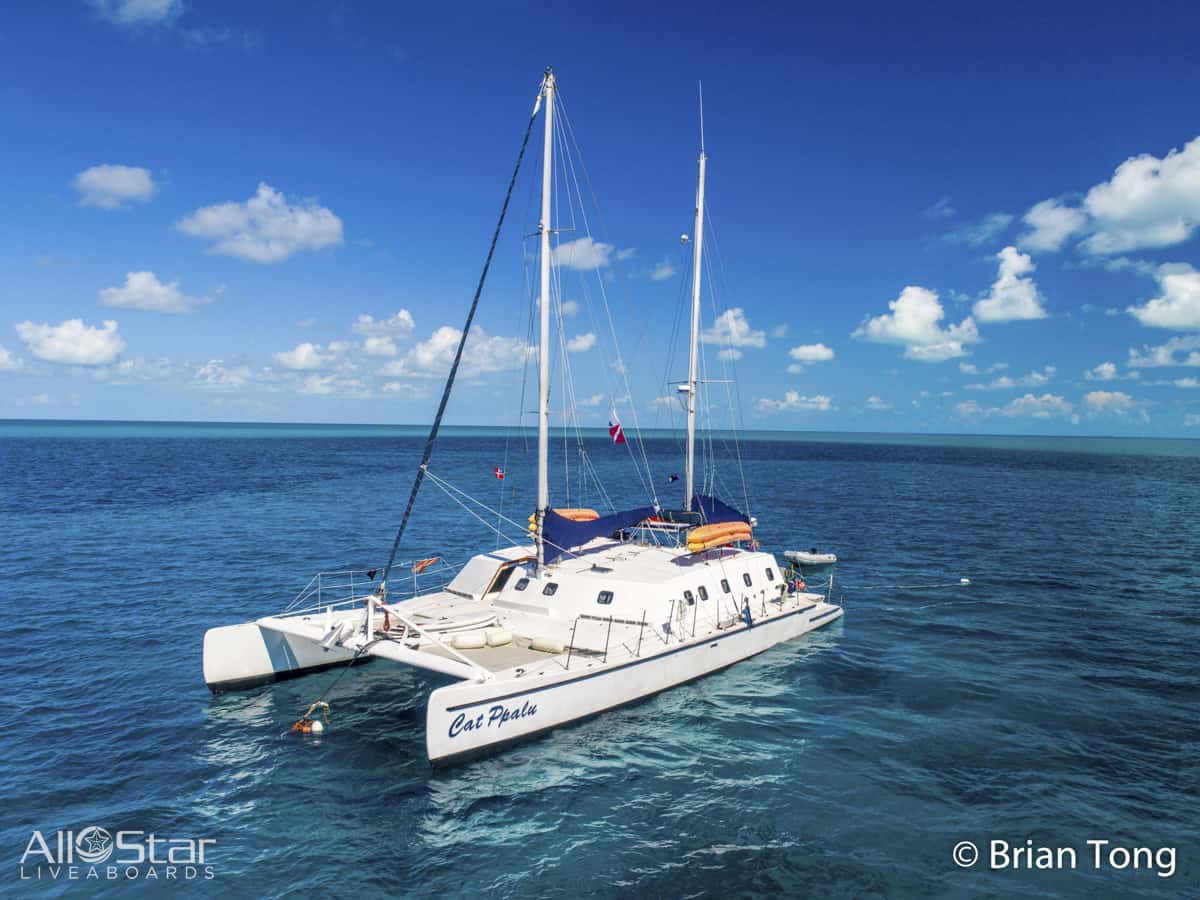
All Star Cat Ppalu
Bahamas
12 guests20 m
$237/day
Dive sites similar to The Nodules
Same character, same waters — six more sites divers love for the exact same reasons.Compare seasons, access and liveaboard routes — then pick the site that fits your trip best.
© Esri — Maxar, Earthstar, GIS
Columbus Point
Bahamas
Columbus Point, situated off Cat Island in the Bahamas, stands out as an advanced dive destination renowned for its dramatic wall diving along one of the region's most untouched reef systems.
- Suitable for
- Advanced
- Current
- Strong
- Access
- Dayboat
- Depth
- ≤ 40 m
- Theme
- Wall / Drift
© Esri — Maxar, Earthstar, GIS
Cut Through City
Bahamas
Cut Through City is a standout dive site located off the coast of Eleuthera in the Bahamas, a region renowned for its diverse underwater topography.
- Suitable for
- Intermediate
- Current
- Mild
- Access
- Liveaboard only
- Depth
- 27–40 m
- Theme
- Wall / Reef
© Esri — Maxar, Earthstar, GIS
Metropolis
Bahamas
Metropolis is a standout dive site in the Bahamas, renowned for its consistent and diverse shark encounters, making it a thrilling destination for divers seeking pelagic action.
- Suitable for
- Intermediate
- Current
- Moderate
- Access
- Liveaboard only
- Depth
- ≤ 13 m
- Theme
- Reef
© Esri — Maxar, Earthstar, GIS
The Bimini Barge
Bahamas
The Bimini Barge is a prominent wreck dive located on the extreme northwestern edge of the Great Bahama Bank, just a short distance from the deep wall and the powerful Gulf Stream currents.
- Suitable for
- Intermediate
- Current
- Moderate
- Access
- Liveaboard or dayboat
- Depth
- 30–30 m
- Theme
- Wreck / Drift
© Esri — Maxar, Earthstar, GIS
Mt. Olympus
Bahamas
Mt. Olympus is a dynamic dive site in the Bahamas, regularly visited by liveaboards, known for its healthy marine ecosystem and varied underwater terrain.
- Suitable for
- Advanced
- Current
- Moderate
- Access
- Liveaboard only
- Depth
- ≤ 122 m
- Theme
- Reef / Drift
© Esri — Maxar, Earthstar, GIS
Ras Mohammed
Bahamas
Ras Mohammed National Park, situated approximately 20 kilometers south of Sharm El Sheikh, marks the southernmost tip of the Sinai Peninsula in Egypt.
- Suitable for
- Advanced
- Current
- No current
- Access
- Shore / dayboat
- Depth
- ≤ 100 m
- Theme
- Reef