About Mantigue Island
Mantigue Island, a designated marine sanctuary off the coast of Camiguin, is a pristine diving destination known for its dramatic drop-offs and vibrant reef ecosystems. This small, idyllic island features white sand beaches above the surface and an underwater world teeming with life, making it a highlight for divers exploring the Mindanao region of the Philippines. Its crystal-clear waters consistently offer excellent visibility, allowing divers to fully appreciate the rich biodiversity. Diving here typically involves exploring impressive walls and reef slopes that extend to depths of up to 40 meters. The topography supports a wide array of soft and hard corals, which in turn attract a diverse population of reef fish, pelagics, and macro critters. The healthy coral gardens are a testament to its protected status, providing a thriving habitat for numerous species. While diving is excellent year-round, the dry season from March to August generally offers the calmest seas and best conditions, though even during the wet season, conditions can remain favorable. Mantigue Island is particularly renowned for frequent sightings of sea turtles and a multitude of colorful tropical fish. The relatively calm currents make it accessible for a range of diver experience levels. Beyond diving, the island provides a peaceful escape, ideal for snorkeling or relaxing on its beautiful shores. Access is typically via a short boat ride from Camiguin, often included as part of day trips from local resorts. Divers can expect a serene and uncrowded experience, focusing on the natural beauty both above and below the water.
Highlights
Dramatic wall divingAbundant sea turtlesVibrant coral gardensExcellent visibilityDiverse reef fishMacro photography opportunities
Season calendar
Best months to dive here
Jan
Feb
Mar
Apr
May
Jun
Jul
Aug
Sep
Oct
Nov
Dec
Excellent
Good
Dive site facts: Mantigue Island
- Depth
- 5–40 m
- Typical dive
- 19–24 m, 36–63 min
- Current
- Calm to mild (up to 1 knot)
- Visibility
- 25–30 m
- Water temperature
- 27–29 ℃
- Entry
- Boat
- Level
- Open Water Diver and above
- Dive type
- Reef, Wall, Macro
- Region / port
- Camiguin Island, Mindanao
- Coordinates
- 9.238, 124.815
Conditions & Currents
Currents at Mantigue Island are generally calm, often rated as mild to calm, making it suitable for a wide range of diver experience levels. However, occasional mild currents, up to 1 knot, can be present, particularly at certain times of the day or around specific features like drop-offs. These provide gentle drift opportunities without being overly challenging, helping to maintain excellent visibility by sweeping away particulate matter. Entry and exit are typically boat-based, directly over the dive site. Visibility often exceeds 25 meters, reaching up to 30 meters during optimal conditions, influenced primarily by seasonal weather patterns rather than strong tidal flows. Water temperatures remain consistently warm, ranging from 27°C to 29°C, ensuring comfortable diving without significant thermoclines.
Marine life & sighting chances

Sea Turtle
common
Reef Fish
common
Nudibranch
occasional
Anemonefish
common
Ribbon Eel
occasional
Octopus
occasional
Jack
occasional
Snapper
occasional
Grouper
occasional
Fusilier
occasionalDive profile & how the dive runs
Diving at Mantigue Island typically begins with a boat entry, allowing divers to drop directly onto the reef or wall. A common profile involves descending along the vibrant wall, which often starts shallow and drops to significant depths, exploring the coral formations and marine life clinging to its face. Divers can navigate along the wall, observing various reef fish and searching for macro subjects tucked into crevices. The dive often progresses along a reef slope, gradually ascending as bottom time dictates. Turnaround occurs when gas limits or no-decompression limits are approached, leading to a slow ascent back along the reef, maintaining a watchful eye for any new sightings. The safety stop is usually conducted in the shallower, coral-rich areas, offering a final opportunity to observe marine life before surfacing near the boat.
Underwater photography
Mantigue Island is a superb destination for underwater photography, particularly for wide-angle shots of the vibrant walls and abundant reef scenes, as well as macro photography focusing on its diverse small critters. For wide-angle, a dome port and external strobes will effectively illuminate the colorful corals and schooling fish, bringing out their true hues against the clear blue water. Given the excellent visibility, natural light photography can also be very effective in shallower sections. For macro subjects like nudibranchs, ribbon eels, and anemonefish, a dedicated macro lens with a snoot can highlight intricate details and create stunning bokeh effects. Practice good buoyancy control to avoid disturbing the delicate coral ecosystems, and be patient when approaching marine life to capture natural behavior. A powerful focus light is beneficial for spotting shy subjects in crevices.
Combine with nearby dive sites
- Camiguin Sunken Cemetery
The Camiguin Sunken Cemetery, located near Catarman, is a unique dive site that emerged from a devastating volcanic eruption in 1871.
- Black Forest
Black Forest is a premier dive site located off Balicasag Island, renowned for its exceptional marine biodiversity and distinct topography.
- Apo Island
A bit further but a popular combination for Visayas dive trips.
- Moalboal Sardine Run
A popular site often combined with other Visayas destinations.
Getting there & logistics
To reach Mantigue Island, you'll first fly into a major Philippine airport like Mactan-Cebu International Airport (CEB) or Cagayan de Oro (CGY). From Cebu, you can take a connecting flight to Camiguin Airport (CMG) or travel by ferry. From Cagayan de Oro, a ferry to Camiguin is a common option. Once on Camiguin, local resorts, particularly in areas like Mahinog, offer day trips to Mantigue Island, typically involving a short banca boat ride. These excursions often include beach picnics, snorkeling, and multiple dives. Park fees are usually included in the dive package or paid locally upon arrival at the marine sanctuary. A typical dive trip to Camiguin and its surrounding sites, including Mantigue Island, usually spans 3 to 7 days, often integrated into a wider Philippine dive itinerary focusing on the Visayas or Mindanao regions.
Safety & environment
For diving at Mantigue Island, ensuring you have comprehensive dive insurance, including coverage for emergency medical and evacuation, is highly recommended. The nearest recompression chamber is located in Mandaue City, Cebu, which can be a significant distance depending on sea conditions and available transport. Emergency evacuations from Mantigue Island to Camiguin, and then onward to Cebu for hyperbaric treatment, can be time-consuming and logistically complex. Divers should always dive within their certification limits and strictly adhere to dive plan details. Given the island's status as a marine sanctuary, respectful interaction with marine life is paramount; avoid touching corals or disturbing animals. Maintain good buoyancy to prevent accidental damage to the delicate reef environment.
Who it suits — and who it doesn't
Suited for
- Open Water divers seeking vibrant reef experiences
- Underwater photographers focusing on macro and wide-angle
- Divers interested in seeing numerous sea turtles
- Beginner divers looking for calm conditions
- Divers who appreciate healthy coral ecosystems
Less suited for
- Divers seeking strong currents and large pelagic action
- Technical divers needing deep or specialized wreck penetration
- Divers who prefer extensive night diving opportunities
- Individuals sensitive to boat travel on smaller local vessels
- Divers expecting extreme adrenaline rushes
FAQ
Mantigue Island FAQ
What kind of marine life can I expect to see at Mantigue Island?
Mantigue Island is teeming with diverse marine life. Divers frequently encounter numerous sea turtles, a wide variety of colorful reef fish, and healthy populations of soft and hard corals. Keep an eye out for interesting macro critters like nudibranchs, ribbon eels, and anemonefish, as well as occasional sightings of jacks, snappers, groupers, and fusiliers.
Is Mantigue Island suitable for beginner divers?
Yes, Mantigue Island is generally suitable for beginner divers. The currents are typically calm to mild, and the excellent visibility makes for a comfortable and enjoyable experience. Many dive sites offer shallower sections where newer divers can gain confidence while still appreciating the vibrant marine ecosystem.
What are the typical dive depths at Mantigue Island?
Dive depths at Mantigue Island range from approximately 5 meters down to 40 meters. While there are impressive walls that descend deeper, many of the most vibrant reef areas are found between 10 and 25 meters, catering to a wide range of certification levels. Typical dives often stay within the 19-24 meter range for optimal bottom time and enjoyment.
How do I get to Mantigue Island for diving?
Mantigue Island is accessible via a short boat ride from Camiguin Island. Most dive operators and resorts on Camiguin offer day trips that include transportation to and from Mantigue. You can reach Camiguin by flying from major Philippine hubs like Cebu or Cagayan de Oro, or by ferry.
What is the best time of year to dive Mantigue Island?
The best time to dive Mantigue Island is typically during the dry season, from March to August. These months offer the calmest seas, stable weather, and superb underwater visibility, maximizing your chances for an exceptional dive experience. While diving is possible year-round, conditions are most ideal during this period.
Why dive Mantigue Island from a liveaboard?
Mantigue Island is one of Philippines's signature dive sites. A liveaboard sleeps you on the water and puts you in the water for three to four guided dives per day, including dawn and night dives that day-boat operators rarely offer. You skip the daily commute back to port and reach quieter, less-crowded sites in the same region on a single trip.
Below are the liveaboards that include Mantigue Island on their Philippines itineraries.
Liveaboards diving Mantigue Island
These liveaboards may visit Mantigue Island on selected itineraries — the exact dive sites depend on departure, weather and conditions.
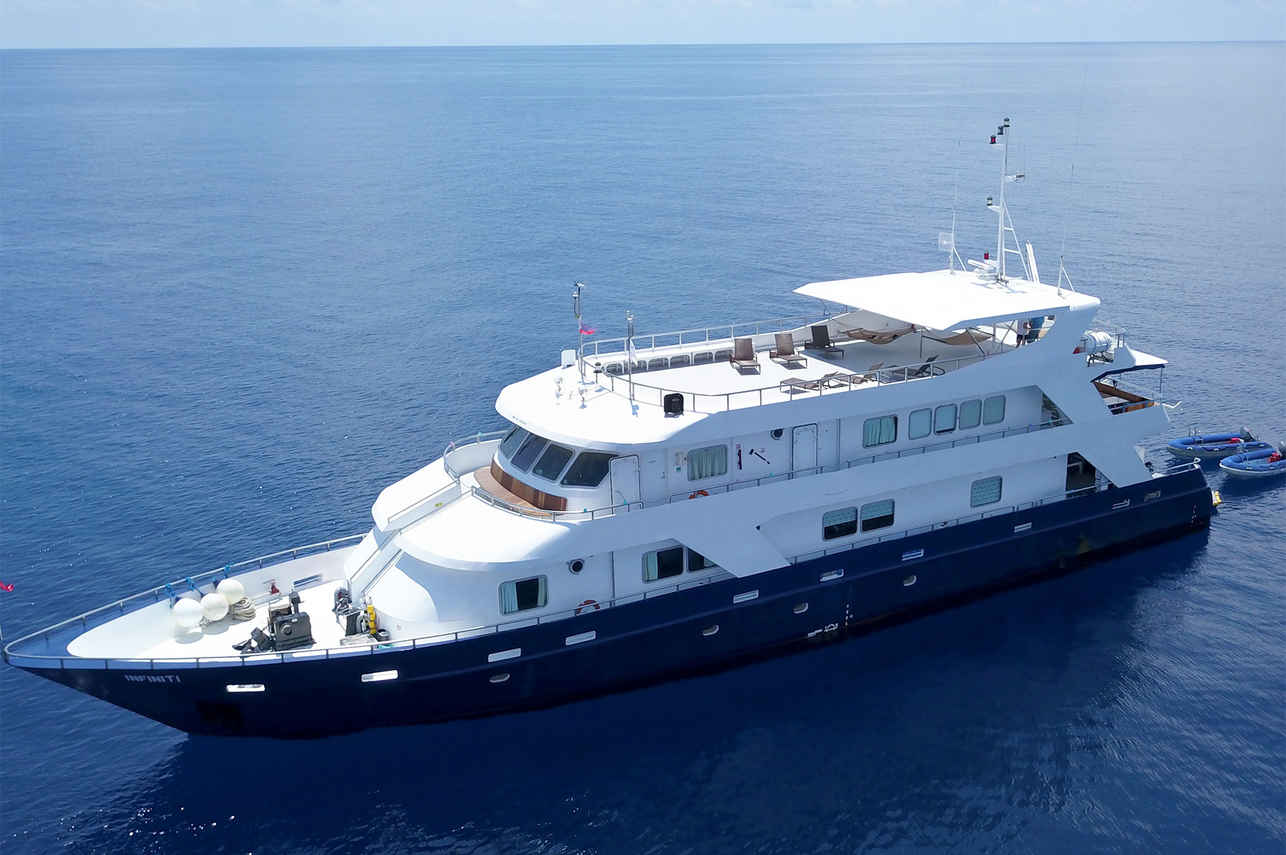
Infiniti
Philippines
25 guests39 m
$280/day
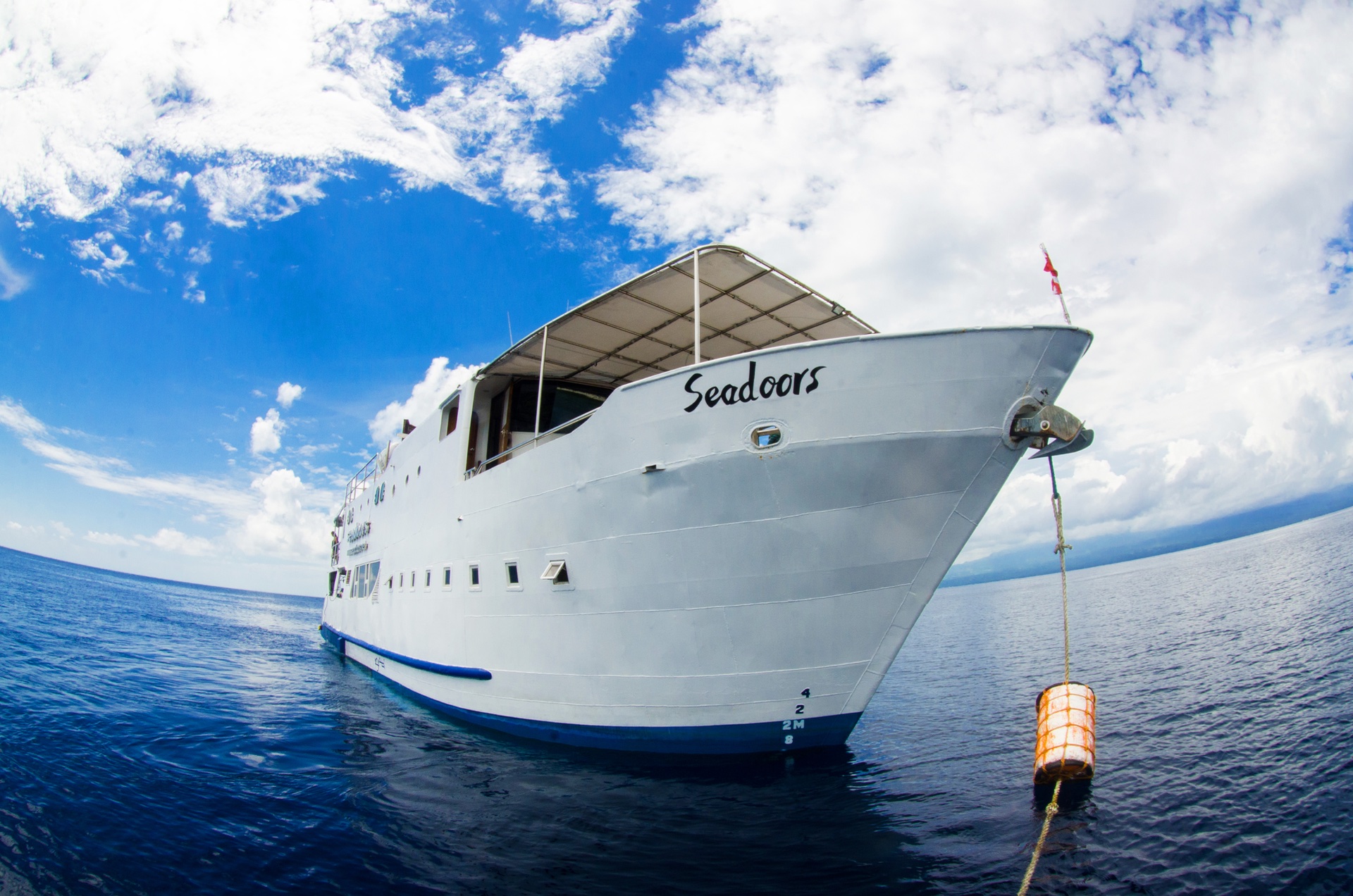
Seadoors
Philippines
16 guests25 m
$335/day
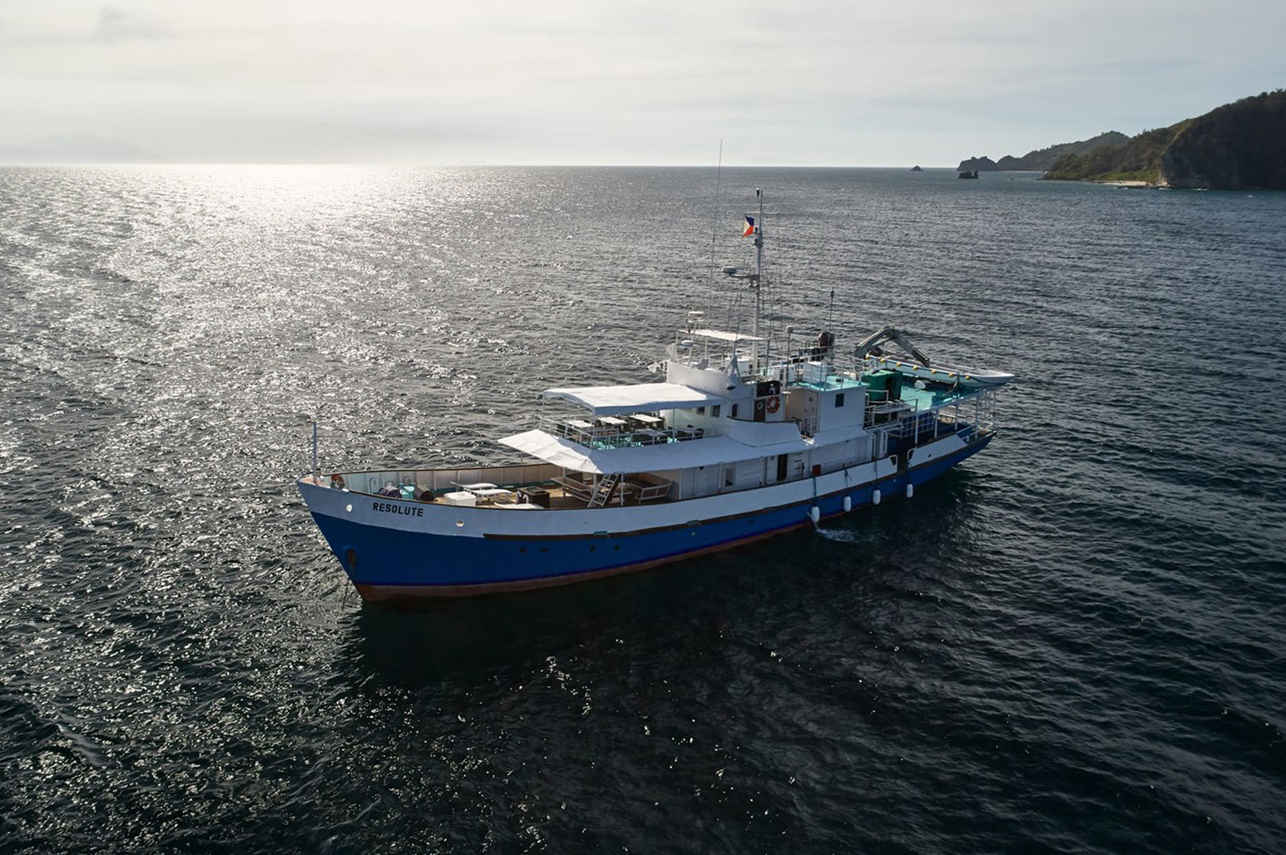
Resolute
Philippines
16 guests34.6 m
$314/day
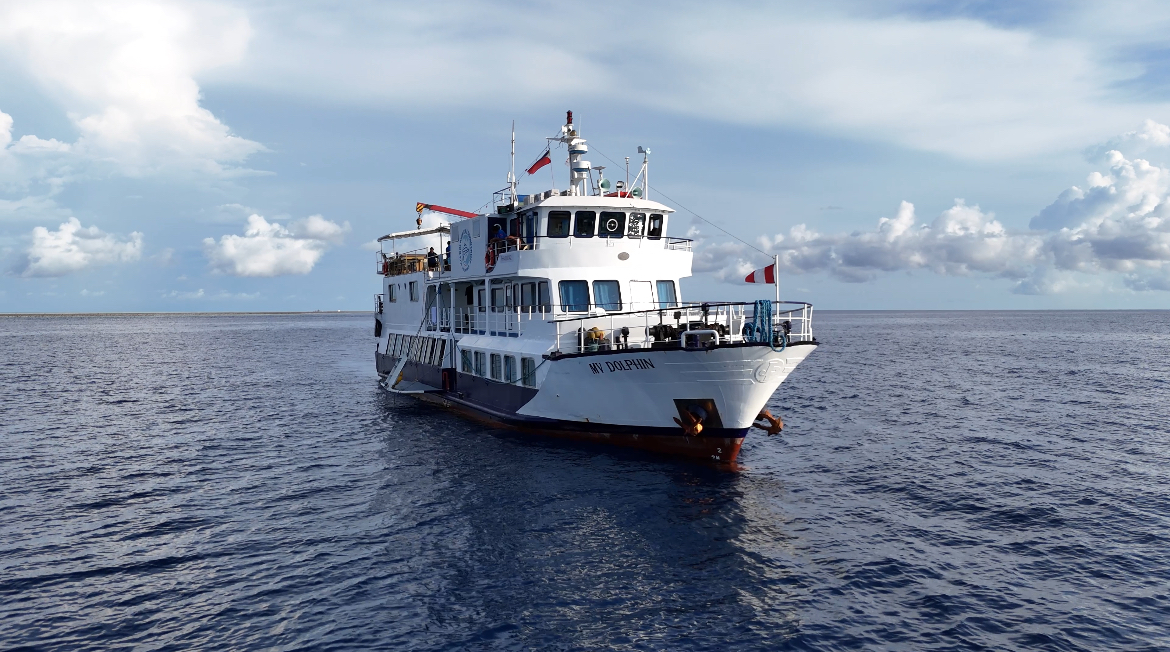
Dolphin
Philippines
18 guests31 m
$326/day
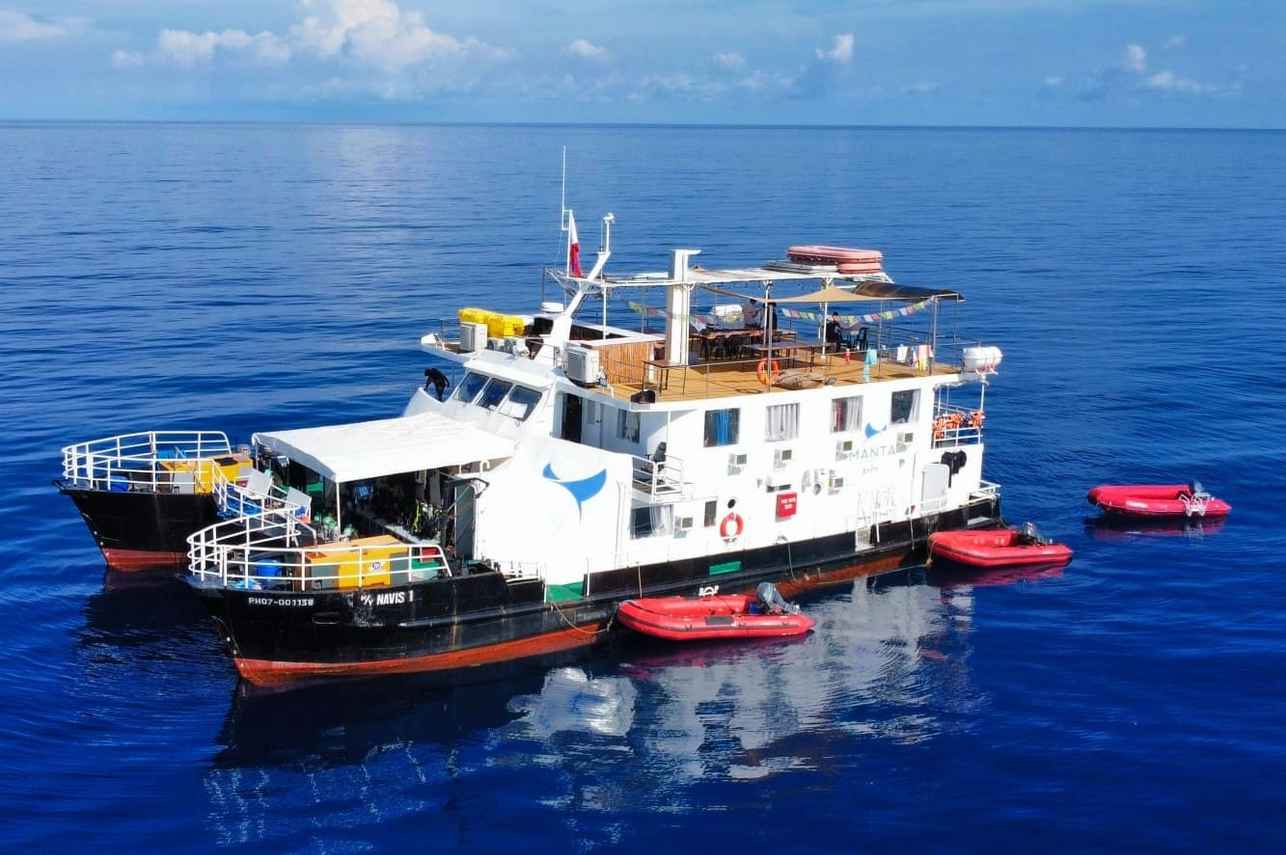
Navis 1
Philippines
22 guests23 m
$250/day
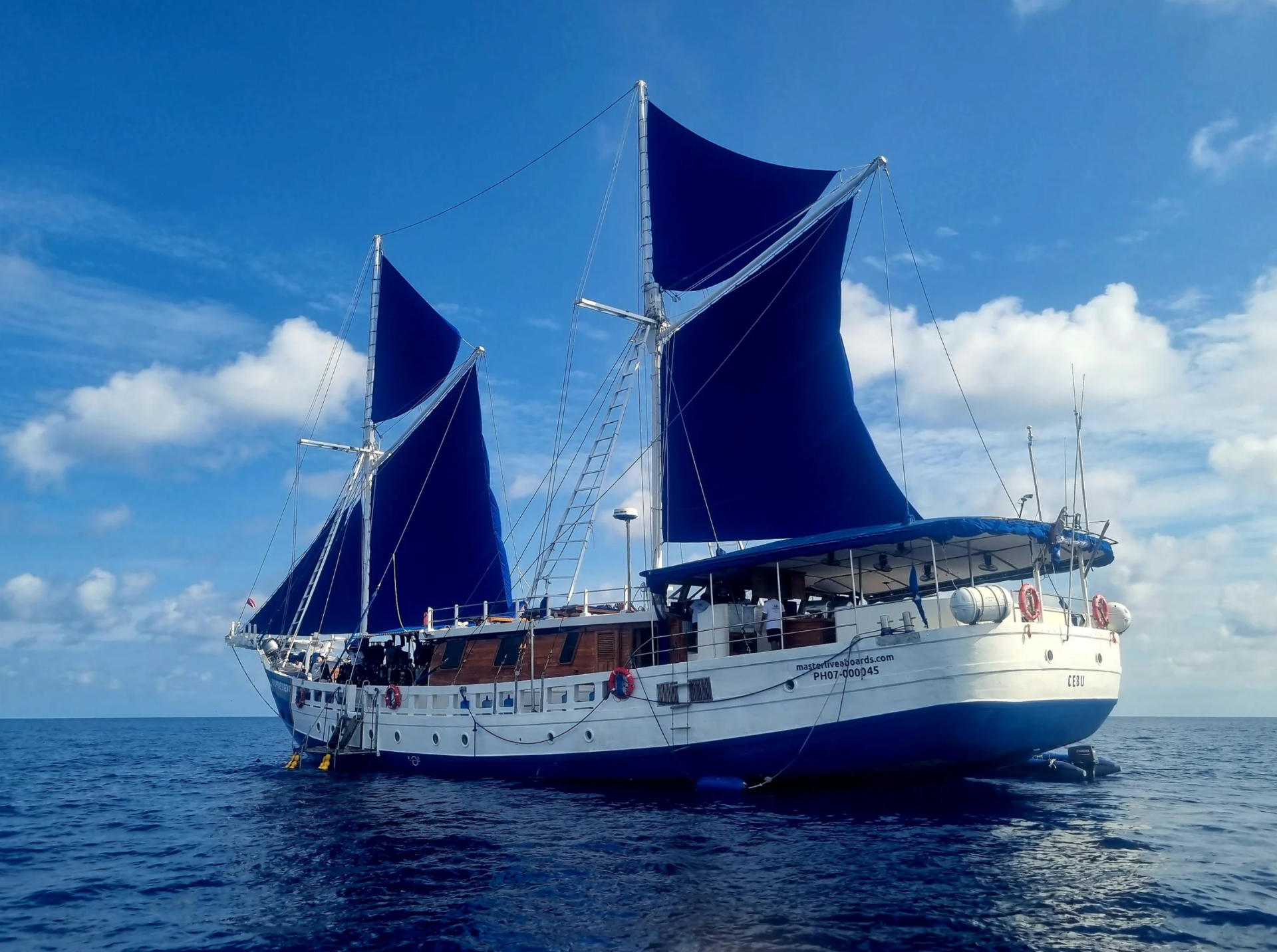
Philippine Siren
Philippines
16 guests
$309/day
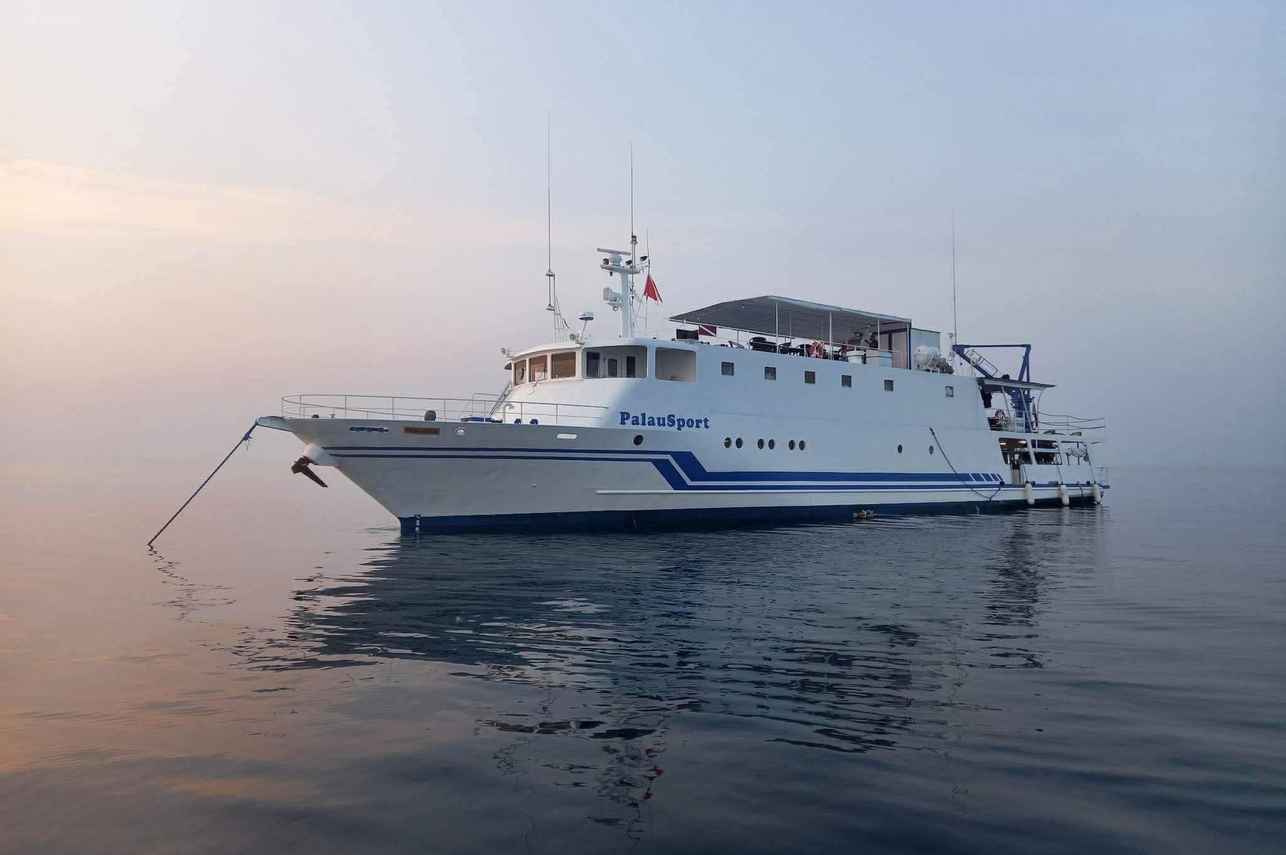
Palau Sport
Philippines
24 guests38.35 m
$215/day
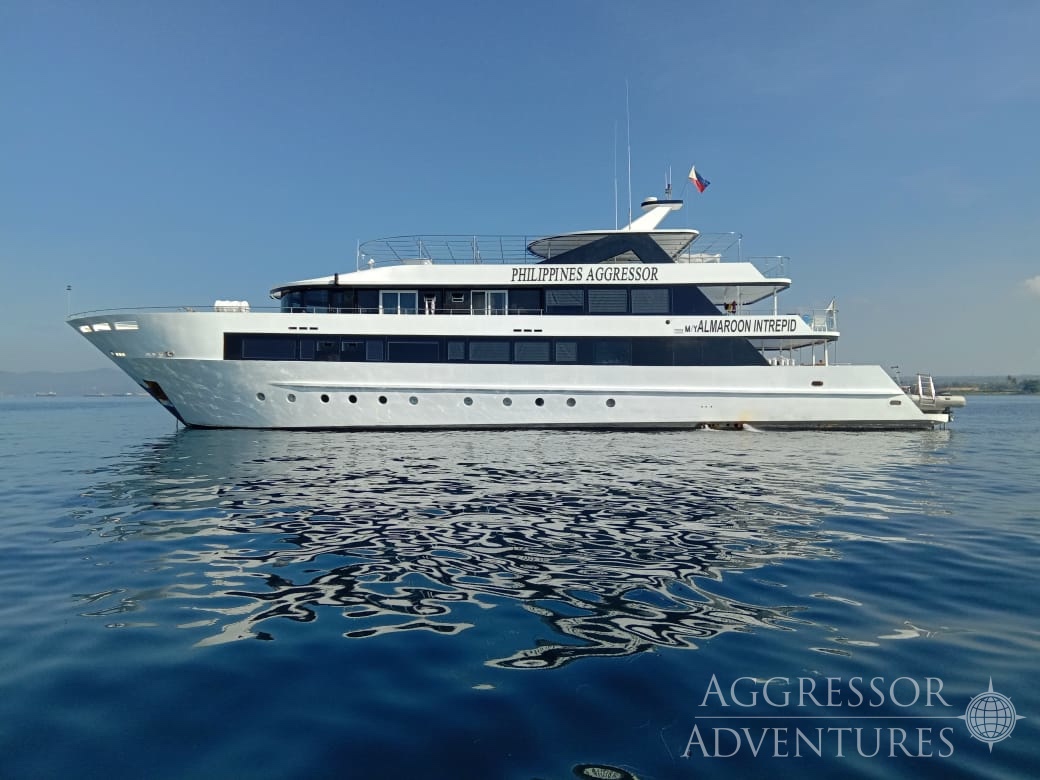
Philippines Aggressor
Philippines
26 guests42.7 m
$381/day
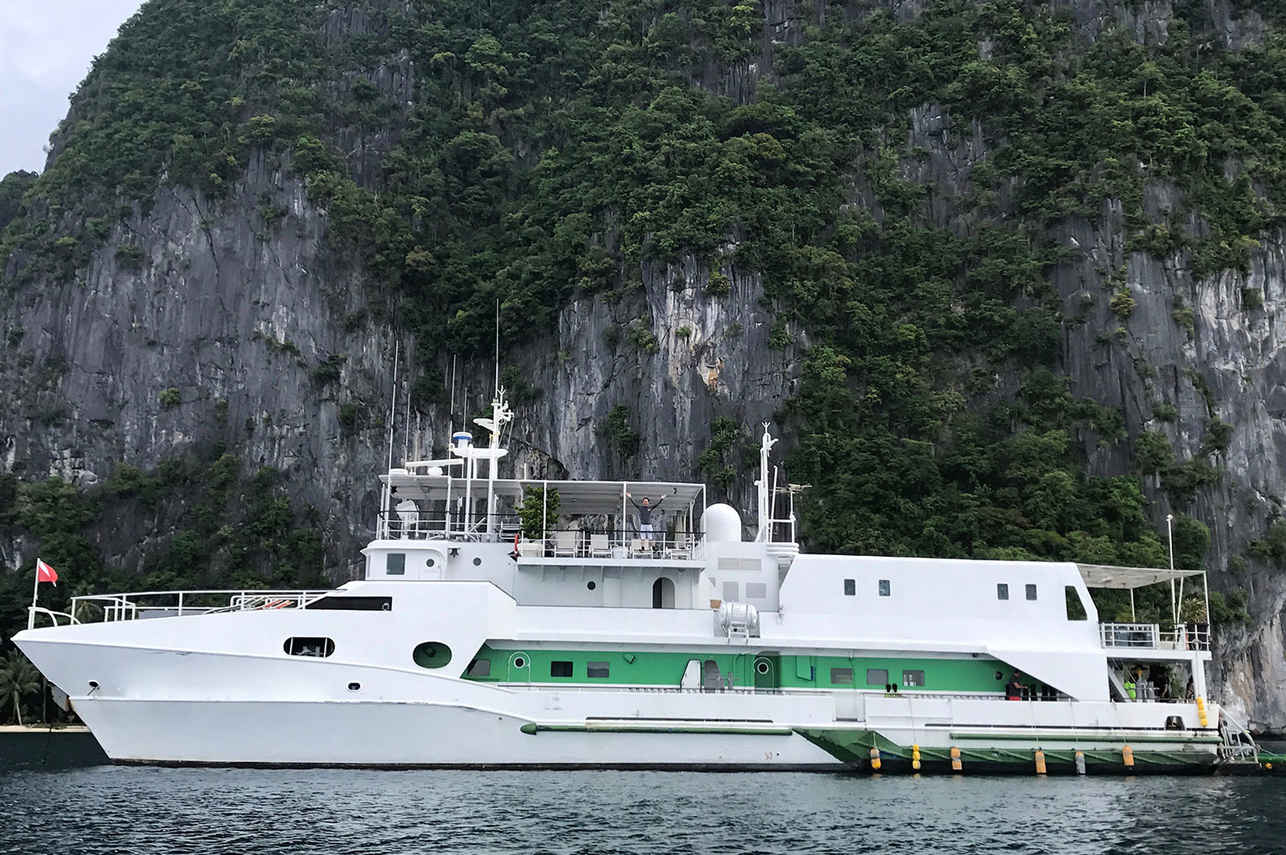
Stella Maris Explorer
Philippines
20 guests33 m
$398/day
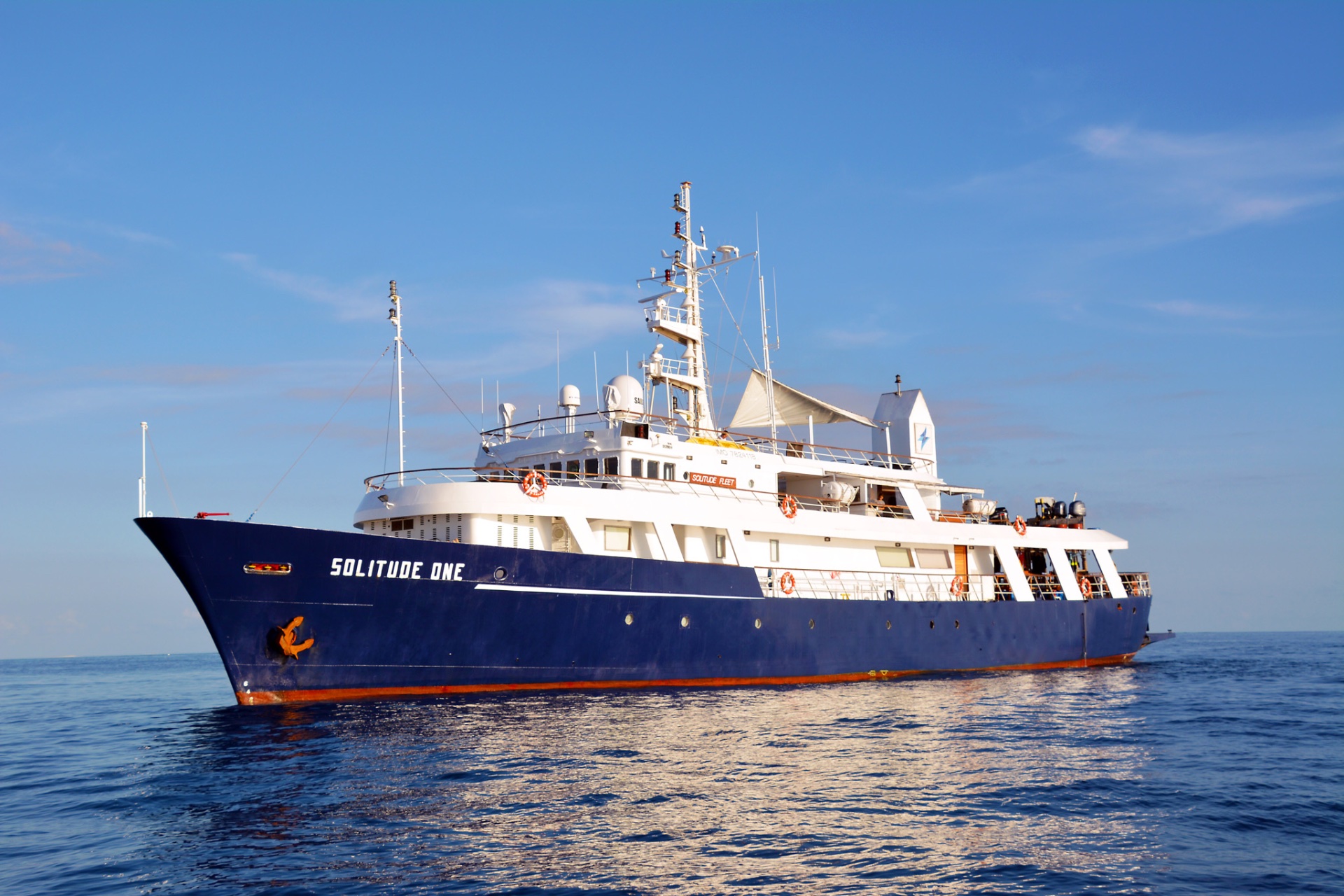
Solitude One
Philippines
24 guests52 m
$460/day
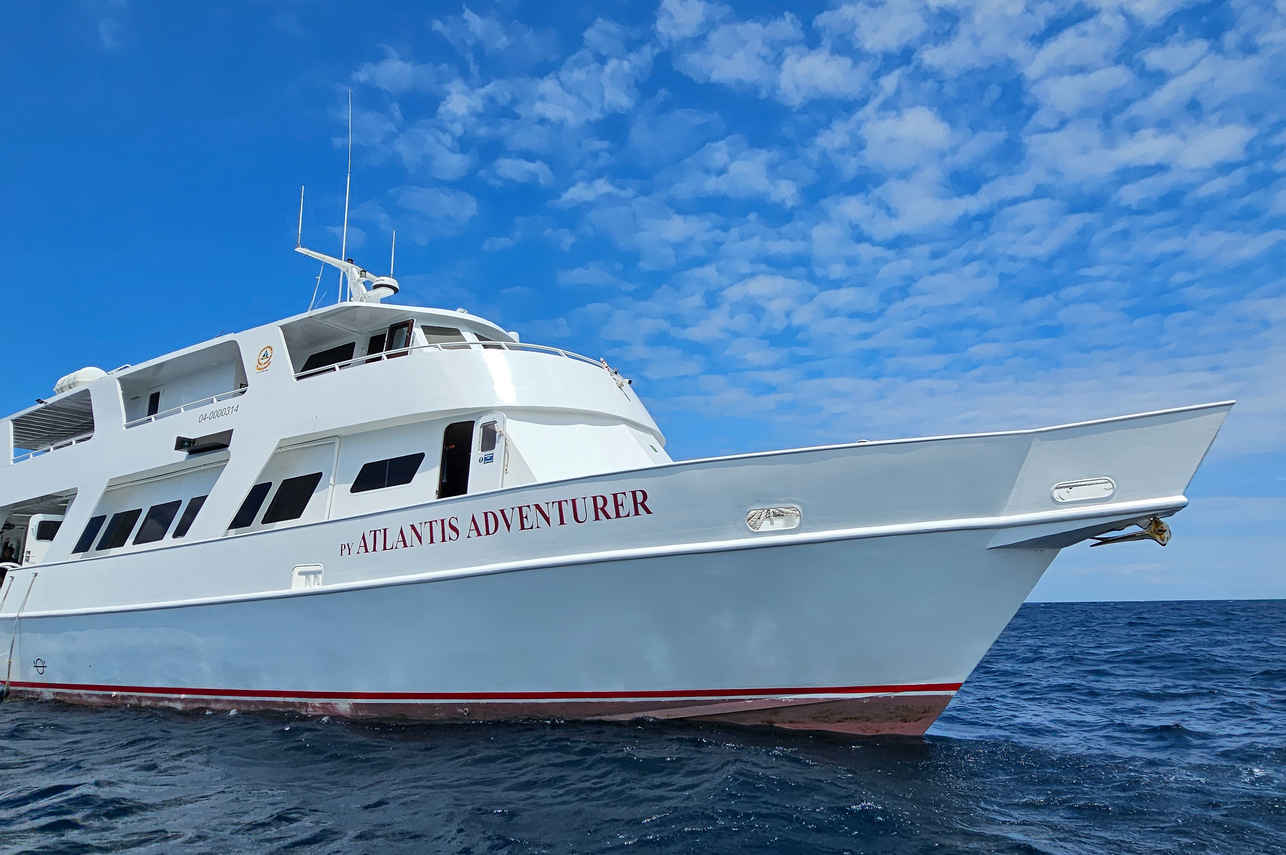
Atlantis Adventurer
Philippines
16 guests32.5 m
$421/day
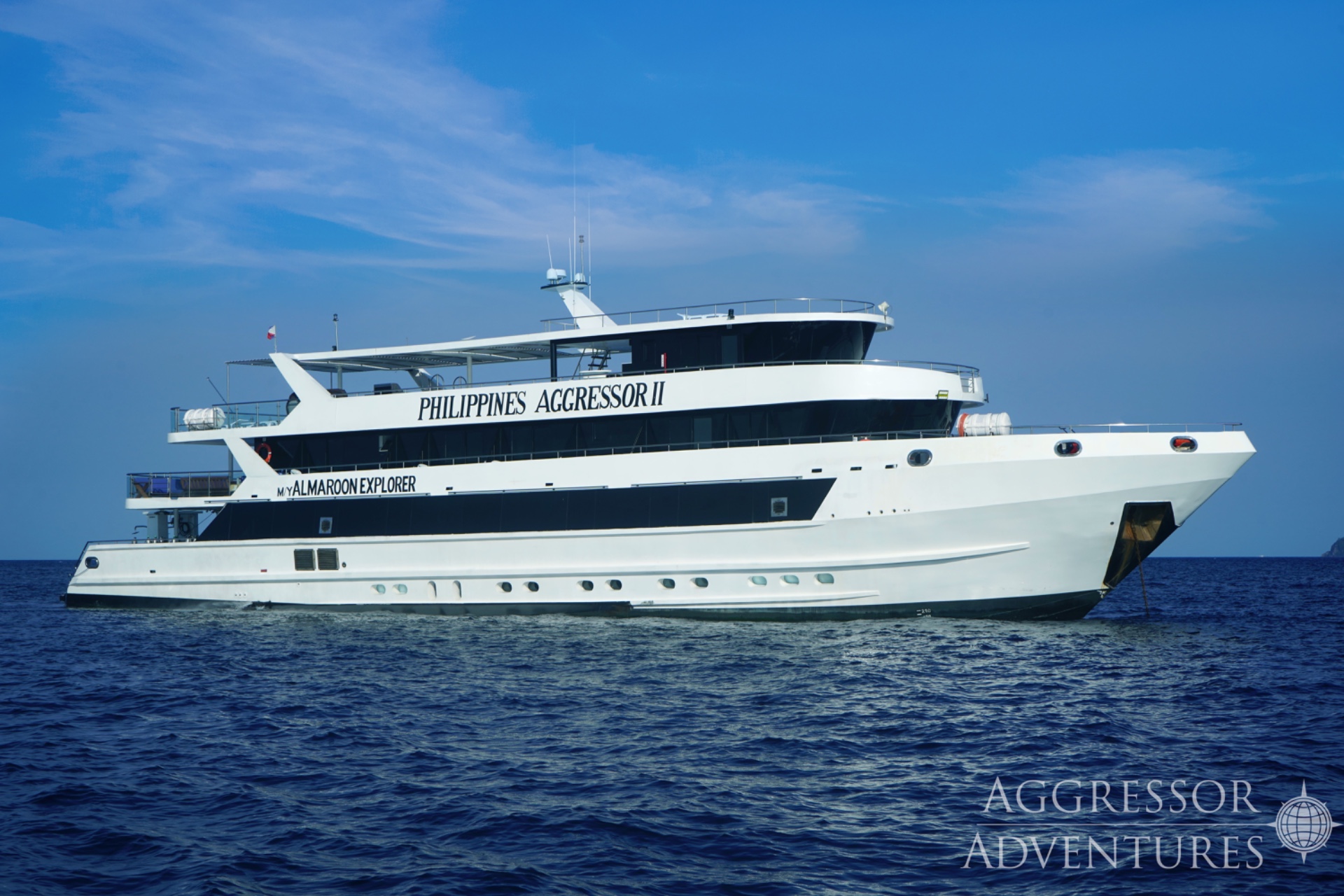
Philippines Aggressor II
Philippines
26 guests42.7 m
$247/day
Dive sites similar to Mantigue Island
Same character, same waters — six more sites divers love for the exact same reasons.Compare seasons, access and liveaboard routes — then pick the site that fits your trip best.
© Esri — Maxar, Earthstar, GIS
Big La Laguna
Philippines
Big La Laguna is a beach community situated on the western edge of the Sabang Peninsula, a popular dive region on Mindoro Island, Philippines.
- Suitable for
- Intermediate
- Current
- Moderate
- Access
- Dayboat
- Depth
- 5–35 m
- Theme
- Reef / Wall
© Esri — Maxar, Earthstar, GIS
Black Forest
Philippines
Black Forest is a premier dive site located off Balicasag Island, renowned for its exceptional marine biodiversity and distinct topography.
- Suitable for
- Intermediate
- Current
- Strong
- Access
- Liveaboard or dayboat
- Depth
- 10–30 m
- Theme
- Drift / Reef
© Esri — Maxar, Earthstar, GIS
Panagsama Beach
Philippines
Panagsama Beach, situated on a peninsula near Moalboal town in Cebu, serves as a central hub for diving activities in the region, boasting over 20 dive sites along its shoreline.
- Suitable for
- Intermediate
- Current
- Moderate
- Access
- Liveaboard or dayboat
- Depth
- ≤ 30 m
- Theme
- Reef / Wall
© Esri — Maxar, Earthstar, GIS
Binangaan Drop Off
Philippines
Binangaan Drop Off is a premier dive site within Apo Reef National Park, located off Occidental Mindoro in the Philippines.
- Suitable for
- Advanced
- Current
- Strong
- Access
- Liveaboard only
- Depth
- 10–40 m
- Theme
- Wall / Drift
© Esri — Maxar, Earthstar, GIS
Olympia Maru
Philippines
The Olympia Maru is a prominent Japanese cargo ship wreck from World War II, located within Coron Bay, Philippines.
- Suitable for
- Intermediate
- Current
- Mild
- Access
- Dayboat
- Depth
- 17–24 m
- Theme
- Wreck / Reef
© Esri — Maxar, Earthstar, GIS
Balinghai Wall
Philippines
Balinghai Wall is a notable dive site located on the northwest side of Boracay, known for its accessible wall and coral slope formations.
- Suitable for
- Intermediate
- Current
- Mild
- Access
- Dayboat
- Depth
- 8–24 m
- Theme
- Wall / Reef