About The Odyssey Wreck
The Odyssey Wreck, a massive commercial freighter stretching 300 feet long, 50 feet wide, and 85 feet tall, was intentionally scuttled in 2002 to become an artificial reef. After sustaining fire damage during rebuilding, its new purpose provides an extraordinary underwater habitat off Roatan's northern coast, now hosting a full reef ecosystem. Its deepest point rests at 33 meters (110 feet), making it an advanced deep dive. The wreck's structure is adorned with soft corals, sponges, and sea fans, transforming its hull into a living, vibrant spectacle. Penetration is possible for certified wreck divers, revealing the ship's interior where green moray eels and nurse sharks find refuge. Beyond the wreck itself, the surrounding reef wall offers an extension to the dive, allowing for extended bottom time and further exploration of diverse marine life. This combination of wreck and wall diving makes the Odyssey a unique and compelling experience in Roatan. The site boasts excellent visibility, often exceeding 30 meters (100 feet), providing clear views of the extensive colonization and varied marine inhabitants.
Highlights
Large artificial reefExtensive coral colonizationDeep wreck penetrationDiverse marine ecosystemCombine with wall divingExceptional visibilityNurse sharks and morays
Season calendar
Best months to dive here
Jan
Feb
Mar
Apr
May
Jun
Jul
Aug
Sep
Oct
Nov
Dec
Excellent
Good
Dive site facts: The Odyssey Wreck
- Depth
- 33 m (110 ft)
- Typical dive
- 33 m, 45-60 min
- Current
- Moderate
- Visibility
- 18–30+ m (60–100+ ft)
- Water temperature
- 27–31°C (79–88°F)
- Entry
- Boat only
- Level
- Advanced, Deep Diver
- Dive type
- Wreck, Deep, Wall, Artificial Reef
- Region / port
- Roatan, Honduras
- Coordinates
- 16.295, -86.525
Conditions & Currents
Currents at the Odyssey Wreck are generally moderate, especially around the main structure. However, conditions can vary, particularly given its proximity to the reef wall where currents might be trickier, demanding advanced diver skills. While often mild, occasional moderate currents have been reported, which can influence drift and bottom time for divers, especially those attempting wreck penetration. Visibility is typically excellent, often exceeding 30 meters, though localized sediment stirring can occur. Divers should always confirm current conditions with their dive operator on the day of the dive and plan their entry, exit, and gas consumption accordingly.
Marine life & sighting chances
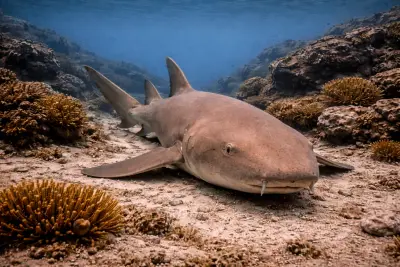
Nurse Shark
common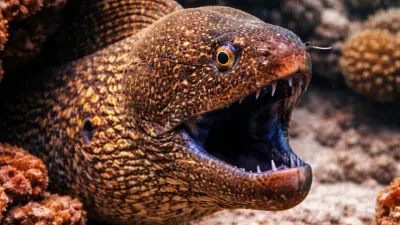
Green Moray Eel
common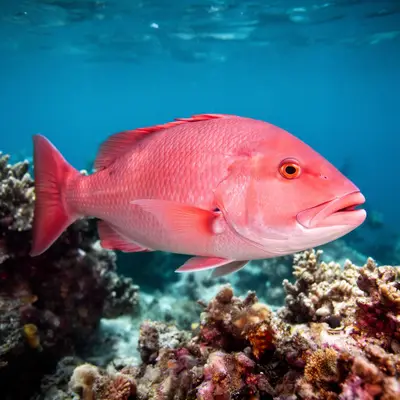
Snapper
common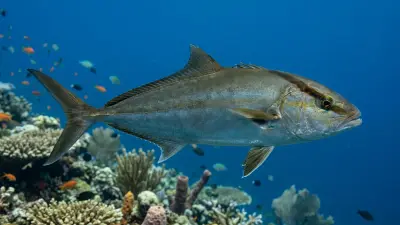
Jack
common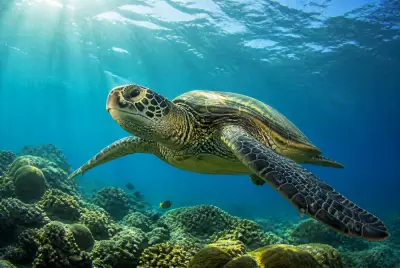
Sea Turtle
occasional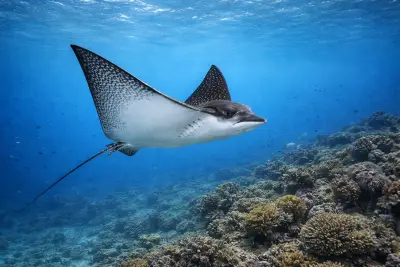
Eagle Ray
occasional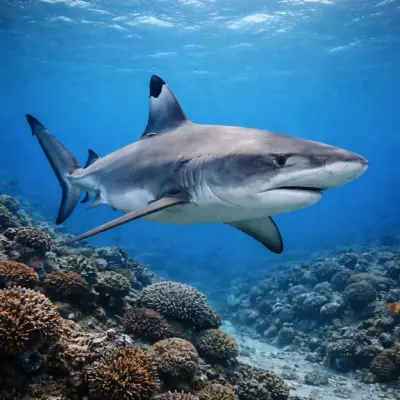
Reef Shark
rare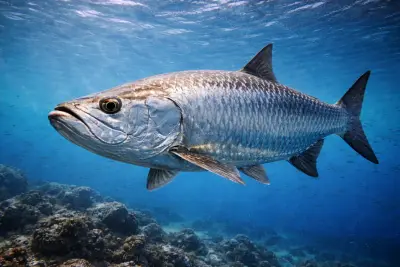
Tarpon
occasional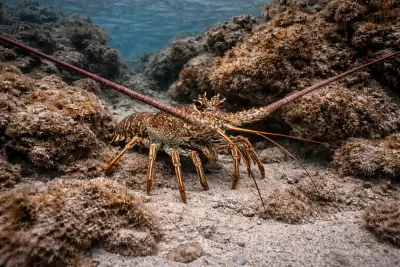
Lobster
common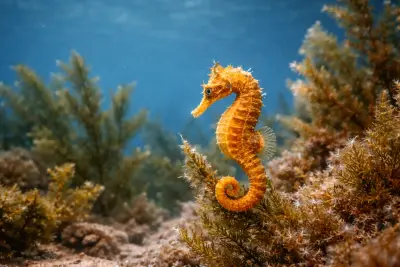
Seahorse
rareDive profile & how the dive runs
The dive to the Odyssey Wreck typically begins with a descent along the mooring line directly to the wreck's stern, which rests at a maximum depth of 33 meters (110 feet) on a sandy bottom. Divers explore the vast exterior of the 300-foot vessel, observing the extensive coral growth and marine life that have colonized the hull. For certified wreck divers, careful penetration into the interior compartments is possible, revealing resident green moray eels and nurse sharks. After thoroughly exploring the wreck's main structure, the dive plan often includes a gradual ascent to the shallower surrounding reef wall. This allows for an extended bottom time in more accessible depths, observing reef fish and corals before beginning the safety stop.
Underwater photography
The Odyssey Wreck presents fantastic opportunities for both wide-angle and macro photography. Its sheer size and the dramatic colonization of corals, sponges, and sea fans call for wide-angle lenses to capture the entire structure or large sections of it. Natural light can be quite good given Roatan's typical visibility, but strobes are essential to bring out the true colors at depth and inside darker areas. For macro enthusiasts, the extensive coral growth and numerous hiding spots along the wreck host a variety of smaller creatures, including tiny crabs and anemone residents. Buoyancy control is paramount, especially near the wreck's delicate growth and for those venturing inside, to avoid stirring up sediment or damaging the fragile ecosystem. Patience is key when seeking out resident nurse sharks or morays within the wreck's confines.
Combine with nearby dive sites
- El Aguila Wreck
Another significant artificial reef and popular wreck dive in Roatan, broken into three pieces.
- Mary's Place
Famous for its dramatic vertical walls and crevices, providing excellent opportunities for unique photographic compositions.
- Gibson Bight
Known for its small shallow canyons and a dramatic reef crack at 90 feet, offering diverse marine life.
- Jado Trader Wreck
The Jado Trader Wreck, located in the Bay Islands of Honduras, offers a fantastic wreck diving experience.
Getting there & logistics
Diving the Odyssey Wreck typically involves boat trips departing from various operators in Roatan, particularly from West End and West Bay. The nearest major airport is Juan Manuel Gálvez International Airport (RTB) in Roatan. Most dive packages include daily boat dives to sites like the Odyssey, often as part of a two-tank morning trip or specialized wreck diving excursions. While not specifically a marine park with separate fees, operators usually factor any relevant costs into their dive packages. Liveaboards operating in the Bay Islands can also visit the Odyssey, allowing divers to explore multiple sites across the region without daily transfers.
Safety & environment
Diving the Odyssey Wreck requires advanced certification, and due to its depth of 33 meters (110 feet), a deep diver specialty is highly recommended. Wreck penetration is strictly regulated, requiring a dedicated wreck diver certification from most Roatan operators to ensure safety within overhead environments. Divers should always carry appropriate safety equipment, including a surface marker buoy. The nearest recompression chamber is located in Roatan, typically in Coxen Hole. All divers must have comprehensive dive insurance covering emergency medical treatment and evacuation, as medical facilities for serious dive accidents can be limited on the island. Always dive with a reputable operator and adhere to their safety briefings and guidelines.
Who it suits — and who it doesn't
Suited for
- Advanced certified divers
- Wreck diving enthusiasts
- Deep diver specialty holders
- Underwater photographers seeking large structures
- Divers interested in artificial reef ecosystems
Less suited for
- Open Water divers
- Divers without deep dive experience
- Divers uncomfortable with overhead environments
- Beginners or those with limited buoyancy control
- Divers without wreck penetration certification (for interior exploration)
FAQ
The Odyssey Wreck FAQ
What is the depth of the Odyssey Wreck?
The Odyssey Wreck's deepest point is 33 meters (110 feet). Its sheer size means different sections can be explored at varying depths, making it an advanced dive requiring appropriate certification and experience for safe exploration.
Is wreck penetration allowed at the Odyssey?
Yes, penetration into the Odyssey Wreck is possible for divers holding a specific wreck diver certification. Roatan dive operators strictly enforce this requirement to ensure diver safety within the ship's interior compartments. Without this specialty, exploration is limited to the exterior.
What marine life can be seen on the Odyssey Wreck?
The Odyssey Wreck has developed into a rich artificial reef, attracting a variety of marine life. You can commonly spot green moray eels and nurse sharks within the wreck, while the exterior and surrounding reef host schools of snapper, jacks, various reef fish, and abundant soft corals and sponges.
When is the best time to dive the Odyssey Wreck?
The optimal time to dive the Odyssey Wreck is during Roatan's dry season, from March through October. During these months, visibility is consistently excellent, often exceeding 30 meters (100 feet), and water temperatures are comfortably warm, providing the best conditions for exploring this large deep wreck.
Is the Odyssey Wreck suitable for beginner divers?
No, the Odyssey Wreck is not suitable for beginner divers. Its maximum depth of 33 meters (110 feet) and the nature of wreck diving classify it as an advanced dive. Divers should have an Advanced Open Water certification, and a Deep Diver specialty is highly recommended.
Why dive The Odyssey Wreck from a liveaboard?
The Odyssey Wreck is one of Honduras's signature dive sites. A liveaboard sleeps you on the water and puts you in the water for three to four guided dives per day, including dawn and night dives that day-boat operators rarely offer. You skip the daily commute back to port and reach quieter, less-crowded sites in the same region on a single trip.
Below are the liveaboards that include The Odyssey Wreck on their Honduras itineraries.
Liveaboards diving The Odyssey Wreck
These liveaboards may visit The Odyssey Wreck on selected itineraries — the exact dive sites depend on departure, weather and conditions.
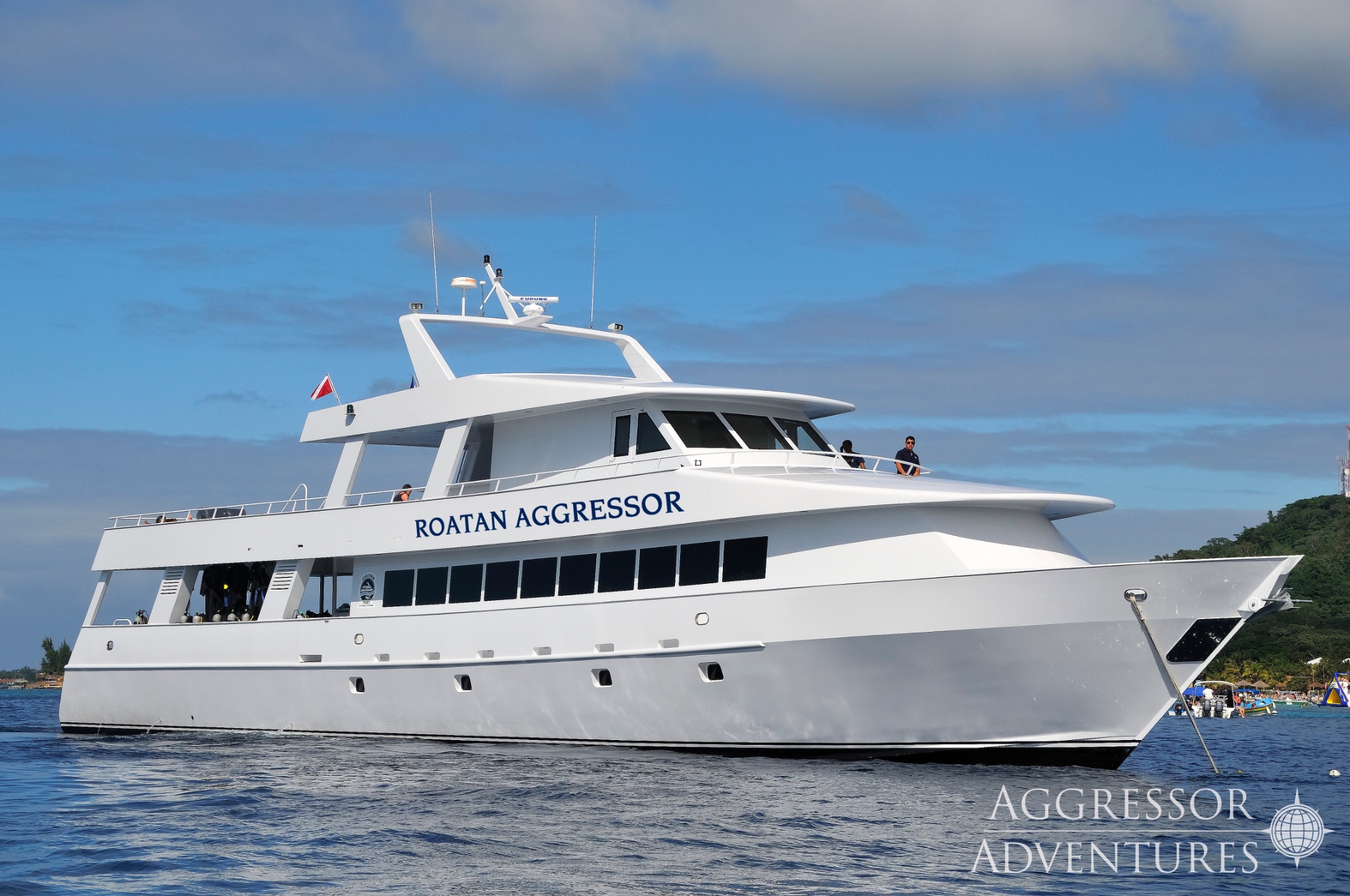
Roatan Aggressor
Honduras
18 guests31.1 m
$309/day
Dive sites similar to The Odyssey Wreck
Same character, same waters — six more sites divers love for the exact same reasons.Compare seasons, access and liveaboard routes — then pick the site that fits your trip best.
© Esri — Maxar, Earthstar, GIS
Satoshi’s Grave
Honduras
Satoshi’s Grave is a distinctive wreck site located on the southern shore of Roatan, specifically the Wreck of Mr. Bud.
- Suitable for
- Beginner
- Current
- Moderate
- Access
- Liveaboard or dayboat
- Depth
- 18–18 m
- Theme
- Wreck / Reef
© Esri — Maxar, Earthstar, GIS
Blackish Point
Honduras
Blackish Point is a captivating shore-drift wall dive located on the north side of Utila, offering a unique blend of volcanic rock formations, soft corals, and an intricate network of caves, overhangs, and crevices.
- Suitable for
- Intermediate
- Current
- Mild
- Access
- Shore / dayboat
- Depth
- 11–27 m
- Theme
- Cave & cavern / Drift
© Esri — Maxar, Earthstar, GIS
Black Coral Wall
Honduras
Black Coral Wall is a captivating dive site situated off the coast of Utila, Honduras, characterized by its extensive formations of black coral.
- Suitable for
- Intermediate
- Current
- Moderate
- Access
- Liveaboard only
- Depth
- ≤ 50 m
- Theme
- Wall
© Esri — Maxar, Earthstar, GIS
Wreck of the Aguila
Honduras
The Wreck of the Aguila, affectionately known as 'The Eagle,' is a 60-meter (200-foot) cargo ship purposefully sunk in 1997 to create an artificial reef within recreational diving limits.
- Suitable for
- Intermediate
- Current
- Mild
- Access
- Dayboat
- Depth
- 20–33 m
- Theme
- Wreck / Reef
© Esri — Maxar, Earthstar, GIS
Gold Chain Reef
Honduras
Gold Chain Reef is a celebrated dive site located off the coast of Roatan, Honduras, within the vast Mesoamerican Barrier Reef System, the world's second-largest coral reef.
- Suitable for
- Intermediate
- Current
- Mild
- Access
- Liveaboard only
- Depth
- 3–9 m
- Theme
- Wall
© Esri — Maxar, Earthstar, GIS
Hole in the Wall
Honduras
Hole in the Wall is a celebrated dive site in Roatan, part of the extensive Mesoamerican Barrier Reef System, which is the second-largest barrier reef globally.
- Suitable for
- Beginner
- Current
- No current
- Access
- Liveaboard only
- Depth
- 33–33 m
- Theme
- Wall / Cavern