About Nisaleme Island
Nisaleme Island is a notable dive site within Komodo National Park, an area celebrated for its rich marine biodiversity located between the Flores Sea and the Savu Sea. This unique geographical position creates dynamic currents that funnel between the islands, shaping a vibrant underwater ecosystem. The park is recognized globally for its ecological significance and was established in 1980, later designated a World Heritage Site and Man of Biosphere Reserve by UNESCO. While Nisaleme itself isn't detailed, the region is characterized by diverse topography, from current-swept pinnacles to colorful coral gardens, supporting an abundance of marine life. Diving in Komodo often involves varying depths and structures, catering to different experiences, though specific details for Nisaleme Island's underwater layout are not provided in the sources. The general diving experience in Komodo National Park is renowned for encounters with prolific fish schools, healthy reefs, and a wide array of pelagic species. Divers might anticipate sightings of manta rays, reef sharks, and sea turtles across the park, with the cooler, plankton-rich waters of the southern areas sometimes offering denser marine life. The practical experience of diving in this region is defined by its strong and often unpredictable currents. Sites like Nisaleme Island are particularly known for challenging conditions, including powerful downward currents that can test even experienced divers. Due to these strong currents, many dives in Komodo are drift dives, requiring proficiency in buoyancy control and often negative entries. Dive operators frequently adapt schedules to tidal conditions to maximize safety and enjoyment, sometimes utilizing reef hooks or live boat pickups. Divers should be prepared for an intermediate to advanced level of diving, often involving strong currents and specific entry techniques. The exact number of dives at this specific site per trip is not specified, but the overall park offers a wide range of dive opportunities.
Highlights
Powerful dynamic currentsKomodo National Park biodiversityRich marine lifeAbundant fish schoolsAdvanced drift divingPotential for pelagic encounters
Season calendar
Best months to dive here
Jan
Feb
Mar
Apr
May
Jun
Jul
Aug
Sep
Oct
Nov
Dec
Excellent
Good
Dive site facts: Nisaleme Island
- Current
- Ripping
- Visibility
- 15-40 m
- Water temperature
- 19-30°C
- Entry
- Negative entry, drift
- Level
- Advanced
- Dive type
- Drift
- Region / port
- Komodo, Indonesia
- Coordinates
- 8.4727° S, 119.4754° E
Conditions & Currents
Komodo National Park is famed for its strong, often unpredictable currents, and Nisaleme Island is specifically identified as notorious for powerful downward currents, which can pose a significant challenge for divers. These downdrafts, along with potentially dangerous upward currents, necessitate careful planning and experienced guidance. Currents in the park are heavily influenced by tides, generally moving from south to north during a rising tide and north to south during a falling tide. The strength of these tidal currents can vary, with falling tides often being stronger. Diving conditions are best managed by understanding tidal movements; some sites, though not explicitly Nisaleme, are recommended only during slack tide. The moon's phase also affects current strength, with full and new moons bringing stronger spring tides. Visibility in the Komodo region typically ranges from 15 to 40 meters, though nutrient-rich southern areas can sometimes have lower visibility. Water temperatures average between 19 and 30°C. Due to these dynamic conditions, divers should be prepared for negative entries, drift dives, and potentially using reef hooks. This site is best suited for intermediate to advanced divers who are comfortable with strong currents and have recent boat diving experience and excellent buoyancy control.
Dive profile & how the dive runs
Due to the strong and unpredictable currents at Nisaleme Island, dives are typically conducted as drift dives. Entry is often a negative entry, ensuring divers quickly descend below the surface turbulence and into the main current flow. The dive profile will follow the reef's contour, with divers actively managing their buoyancy to stay at the desired depth while being carried along by the current. Dive guides often use reef hooks at specific points to allow divers to pause and observe marine life without being swept past. The exact route and turn point are highly dependent on the day's tidal conditions and the prevailing current direction, with the boat following the divers for a live pick-up. Safety stops are often performed in the blue, potentially using a safety sausage, or in calmer, shallower areas if available down-current, requiring excellent buoyancy control and attention to ascent rates.
Underwater photography
Capturing images at Nisaleme Island requires equipment and techniques suited for strong currents and potentially lower visibility from plankton. A wide-angle lens is ideal for capturing the expansive reefscapes and schooling pelagic fish often found in current-swept areas. Fast-firing strobes are beneficial for freezing motion and adding vibrant colors, especially when subjects are moving quickly in the current. Maintaining excellent buoyancy is paramount for stable shots and preventing accidental contact with the reef. Be prepared for drift photography, anticipating subjects as you move. When encountering large pelagics like mantas or sharks, maintain a respectful distance and avoid aggressive pursuit to ensure natural behavior and clear shots. Focus on composition that highlights the dynamic environment and the sheer volume of marine life.
Combine with nearby dive sites
- Batu Bolong
Batu Bolong, meaning "Hollow Rock" in Bahasa Indonesian, is a renowned dive site in Komodo National Park, situated in the central Lintah…
- Makassar Reef (Manta Alley)
Makassar Reef, commonly known as Manta Point, is a premier dive site in Komodo National Park, located in the central zone between Komodo…
- Mawan
Mawan is a small, picturesque island located in the central part of Komodo National Park, renowned for its pristine white sand beaches and…
- Castle Rock
Castle Rock, an iconic dive site within Komodo National Park, is celebrated as one of Indonesia's premier destinations for exhilarating…
- Crystal Rock
Crystal Rock is a renowned dive site in the northern reaches of Komodo National Park, celebrated for its exceptional visibility and the…
Getting there & logistics
Access to Nisaleme Island and other Komodo dive sites is primarily via liveaboard, which typically departs from Labuan Bajo on Flores Island. Liveaboards provide multiple dives daily, including opportunities for dawn and night dives that are less common with day boat operators. Divers flying into the region typically arrive at Komodo Airport (LBJ) in Labuan Bajo. The Komodo National Park imposes a daily entrance fee, which was Rp 150,000 on weekdays and Rp 225,000 on Sundays and public holidays as of January 2023, with an additional Rp 25,000 for diving activities per diver per day. Trip lengths vary, but liveaboards often offer itineraries ranging from a few days to over a week, combining Nisaleme with other signature sites across the park.
Safety & environment
Diving at Nisaleme Island requires a high level of preparedness due to the strong and often unpredictable currents, including powerful downward currents. Divers must possess excellent buoyancy control, advanced current diving experience, and be comfortable with negative entries and drift diving. A safety sausage (DSMB) is essential for every diver for surface signaling in case of separation or being swept away, given the potential for open ocean conditions. Comprehensive dive insurance, including coverage for emergency evacuation and hyperbaric treatment, is highly recommended. The nearest recompression chamber is typically in Denpasar, Bali, requiring air evacuation in a medical emergency. Always dive with a qualified local dive operator who is experienced with Komodo's challenging conditions and adheres to strict safety protocols, including meticulous dive planning based on tidal charts.
Who it suits — and who it doesn't
Suited for
- Advanced divers with extensive current experience
- Divers seeking challenging drift dives
- Photographers accustomed to dynamic conditions
- Those who appreciate abundant pelagic life
- Divers comfortable with negative entries and live boat pickups
Less suited for
- Beginner divers
- Divers with limited experience in strong currents
- Those with poor buoyancy control
- Divers prone to seasickness in strong currents
- Photographers who prefer calm, static conditions
FAQ
Nisaleme Island FAQ
What makes Nisaleme Island a challenging dive site?
Nisaleme Island is known for its challenging conditions primarily due to strong, unpredictable currents, including notorious downward currents. These conditions require advanced diving skills, excellent buoyancy control, and comfort with drift diving and negative entries. Divers should be prepared for a dynamic underwater environment.
What kind of marine life can I expect at Nisaleme Island?
While specific species for Nisaleme Island are not detailed, it is located within Komodo National Park, a region celebrated for its rich marine biodiversity. Divers can generally expect prolific fish schools, healthy coral ecosystems, and encounters with pelagic species such as reef sharks, manta rays, and sea turtles.
When is the best time to dive Nisaleme Island?
The best times to dive Nisaleme Island and the broader Komodo region are generally from March to May and September to November, offering good visibility and more manageable currents. However, diving is possible year-round, with different seasons offering varied experiences, such as higher manta activity or cooler water bringing more pelagics.
Is Nisaleme Island suitable for beginner divers?
No, Nisaleme Island is not suitable for beginner divers. The site is characterized by strong and unpredictable currents, including powerful downward currents, which demand an intermediate to advanced level of diving experience. Divers should have excellent buoyancy control and prior experience with challenging current conditions.
What are the typical water temperatures at Nisaleme Island?
Water temperatures around Nisaleme Island, like much of Komodo, can vary. Generally, temperatures range from 19°C to 30°C. The southern areas of Komodo, influenced by upwellings, can be cooler, sometimes dropping to 24°C, while northern and central areas tend to be warmer.
How do liveaboards manage diving Nisaleme Island with its strong currents?
Liveaboard operators meticulously plan dives at Nisaleme Island around tidal charts to maximize safety and enjoyment. They often schedule dives during optimal tidal conditions and utilize techniques like negative entries and drift diving. The dive boat typically follows the divers for a live pickup, adapting to the current's flow.
Why dive Nisaleme Island from a liveaboard?
Nisaleme Island is one of Komodo, Indonesia's signature dive sites. A liveaboard sleeps you on the water and puts you in the water for three to four guided dives per day, including dawn and night dives that day-boat operators rarely offer. You skip the daily commute back to port and reach quieter, less-crowded sites in the same region on a single trip.
Below are the liveaboards that include Nisaleme Island on their Komodo, Indonesia itineraries.
Liveaboards diving Nisaleme Island
These liveaboards may visit Nisaleme Island on selected itineraries — the exact dive sites depend on departure, weather and conditions.
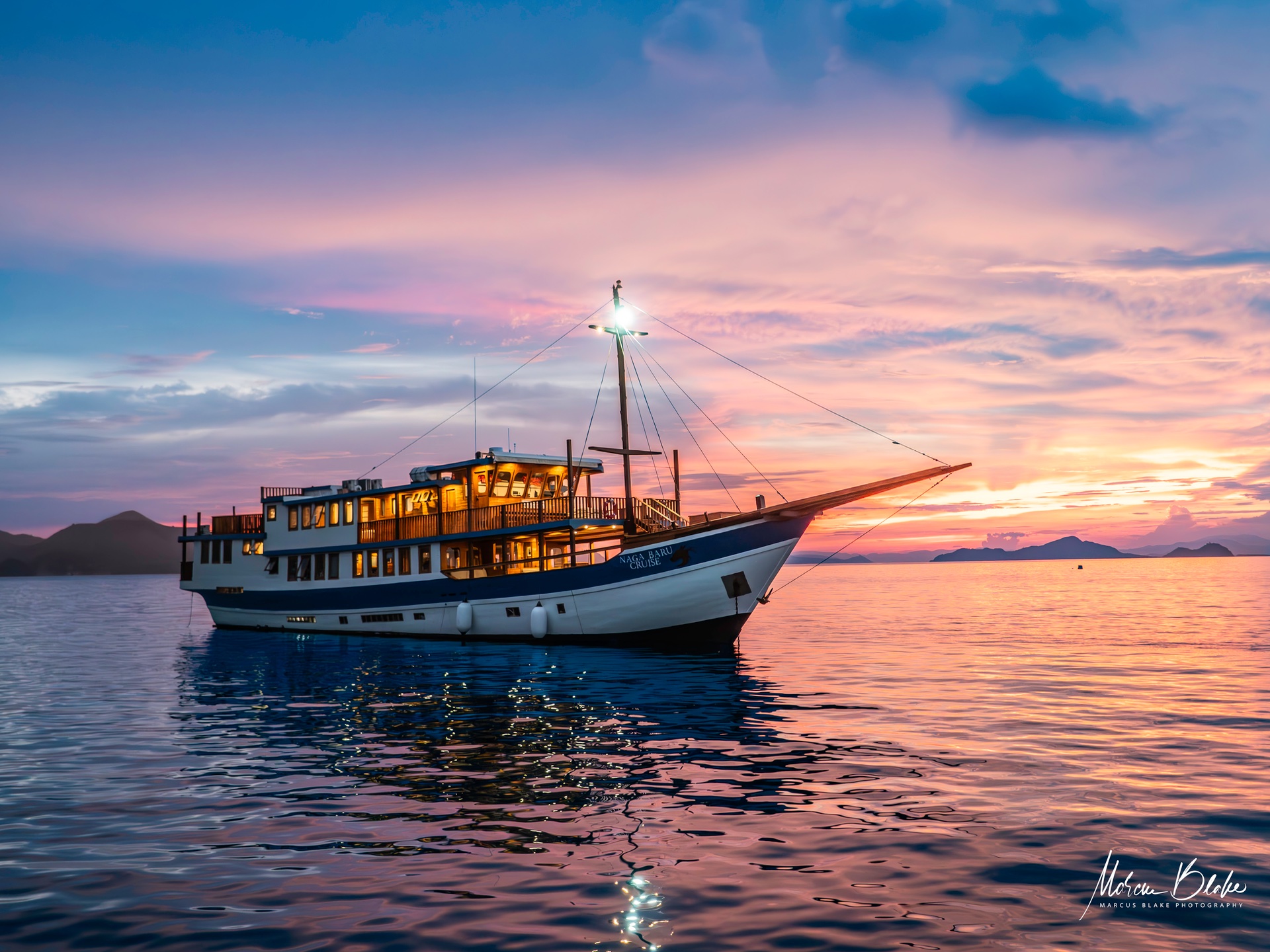
Naga Biru
Indonesia
12 guests40 m
$274/day
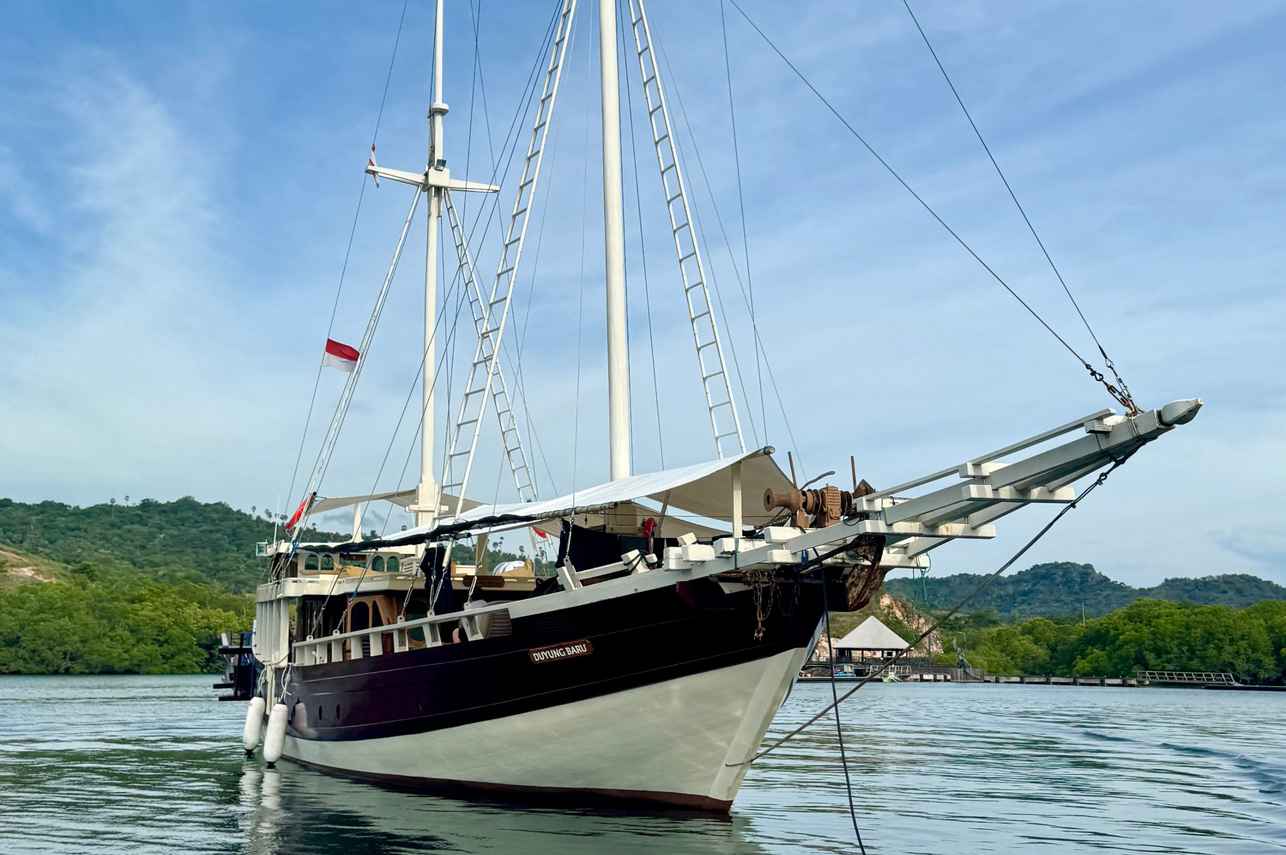
Ecopro Duyung Baru
Indonesia
6 guests27 m
$361/day
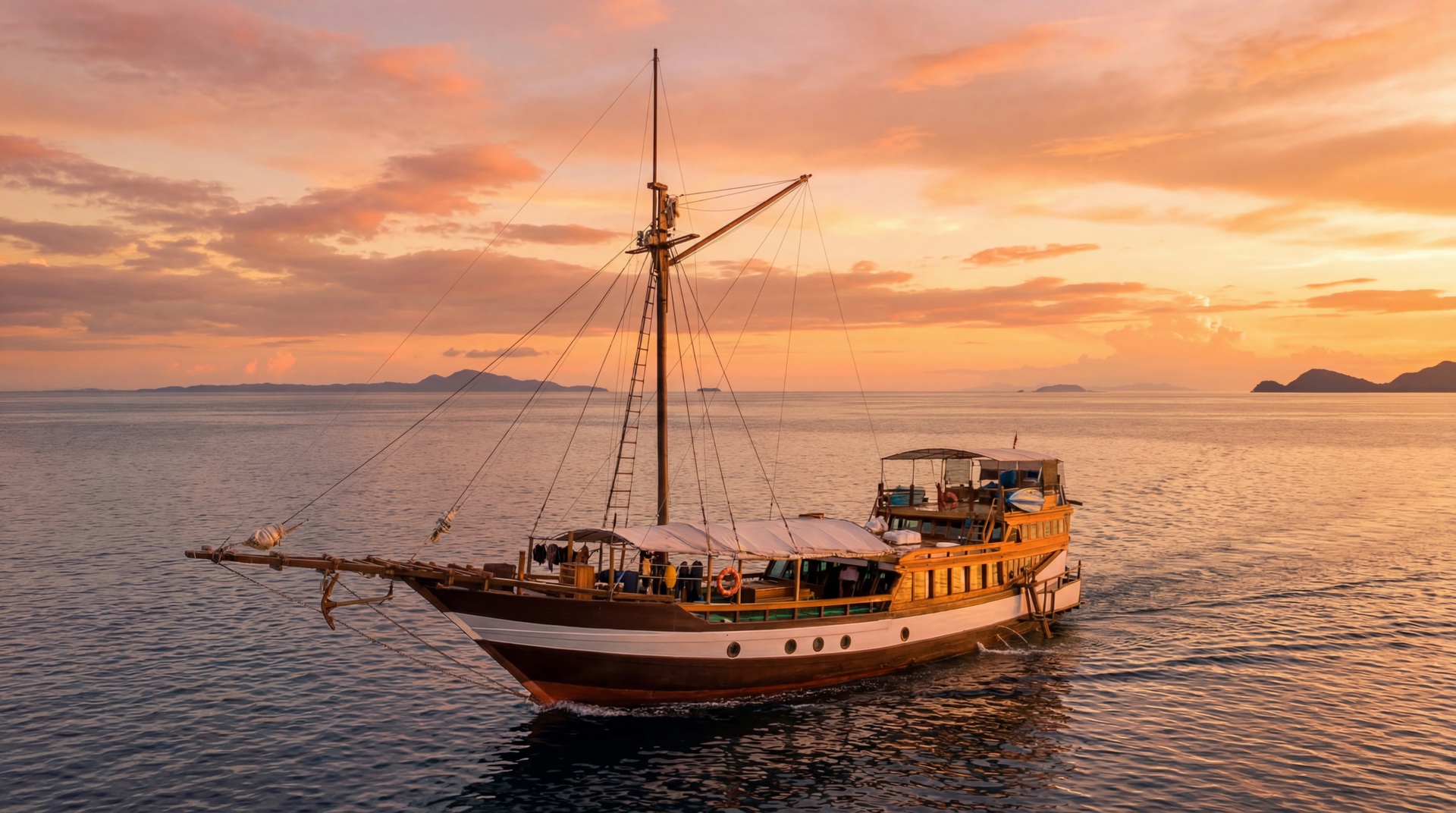
Wellenreng
Indonesia
9 guests25 m
$427/day
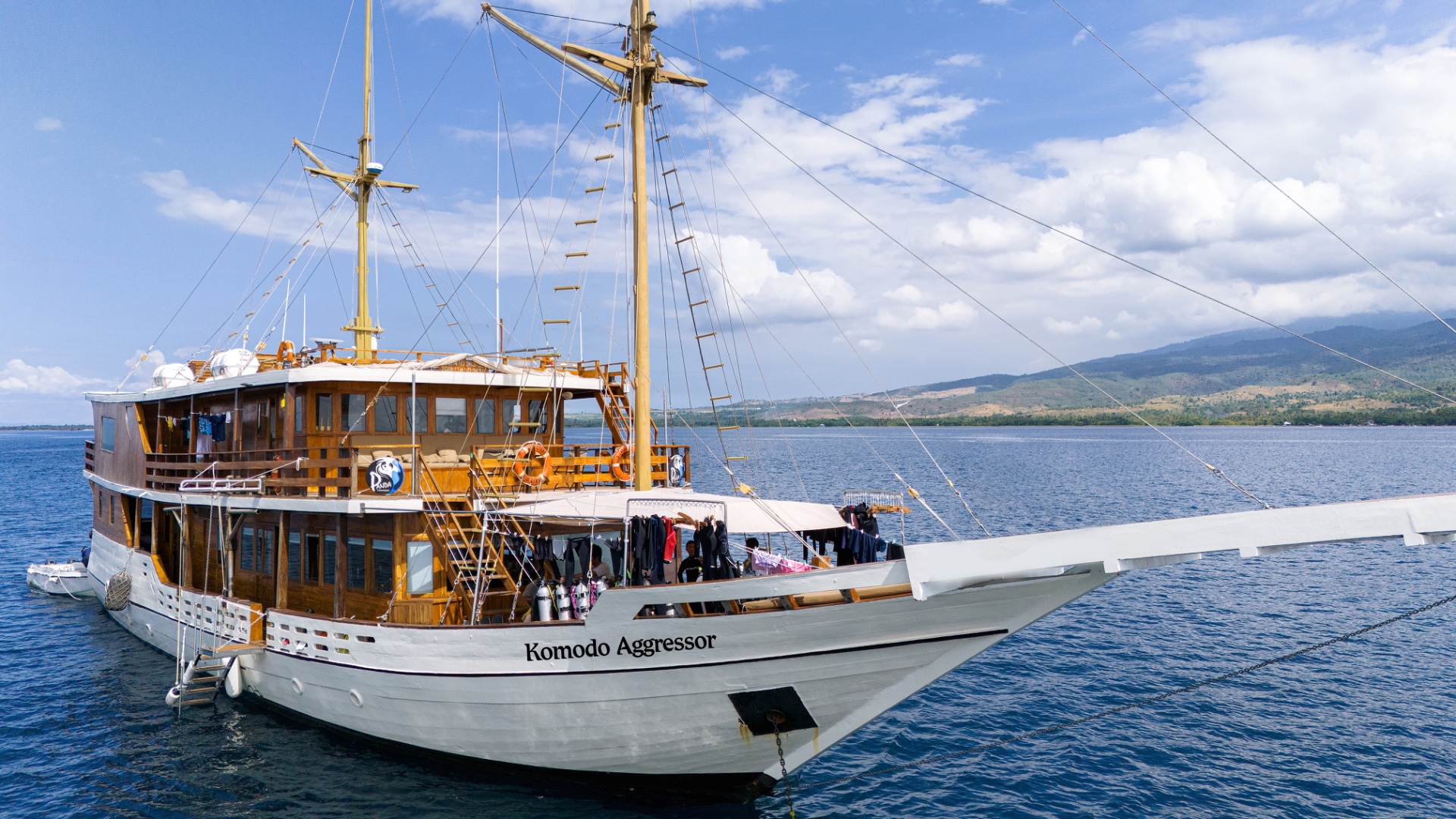
Komodo Aggressor
Komodo, Indonesia
16 guests29 m
$312/day
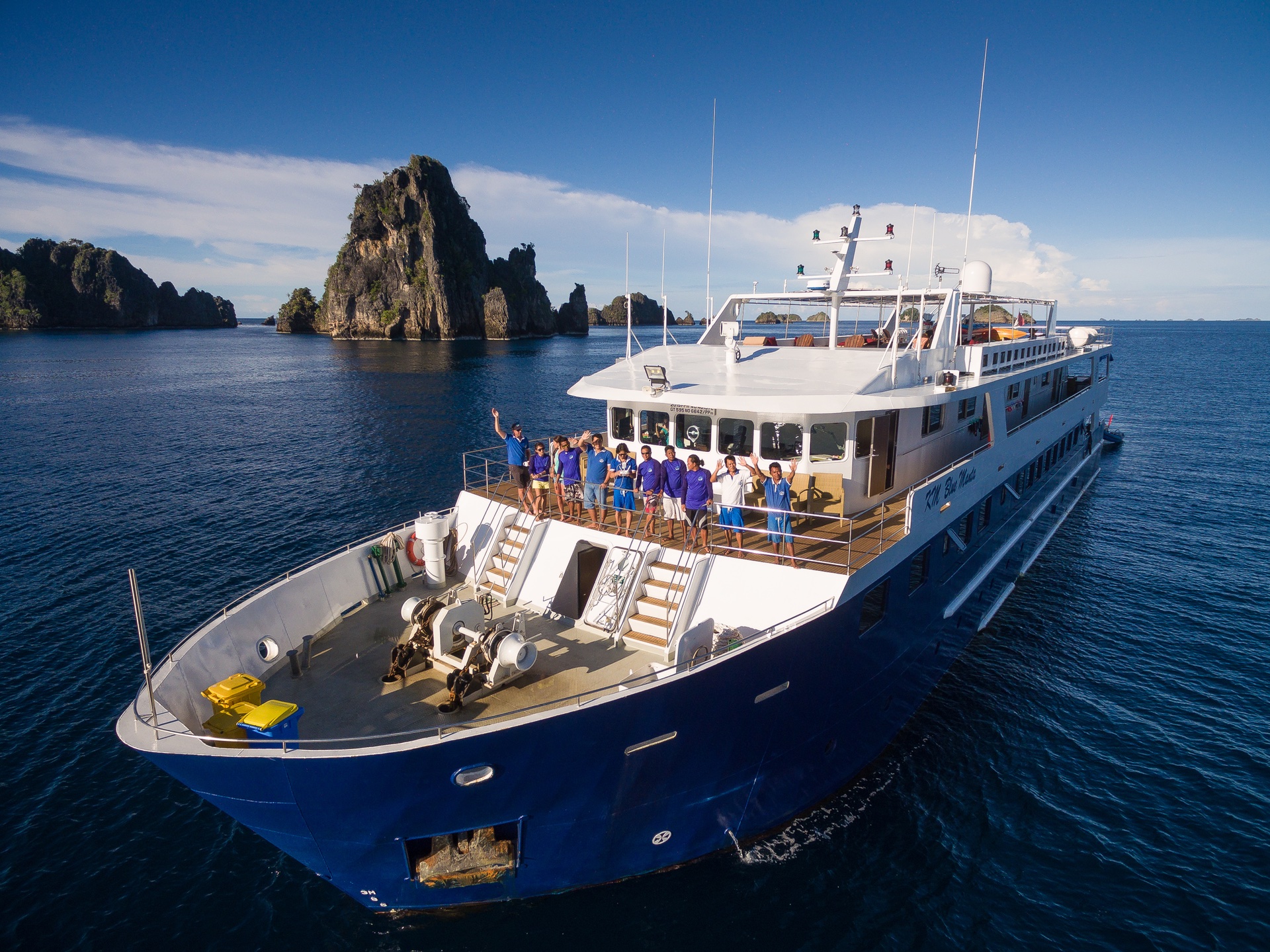
Blue Manta
Indonesia
20 guests45 m
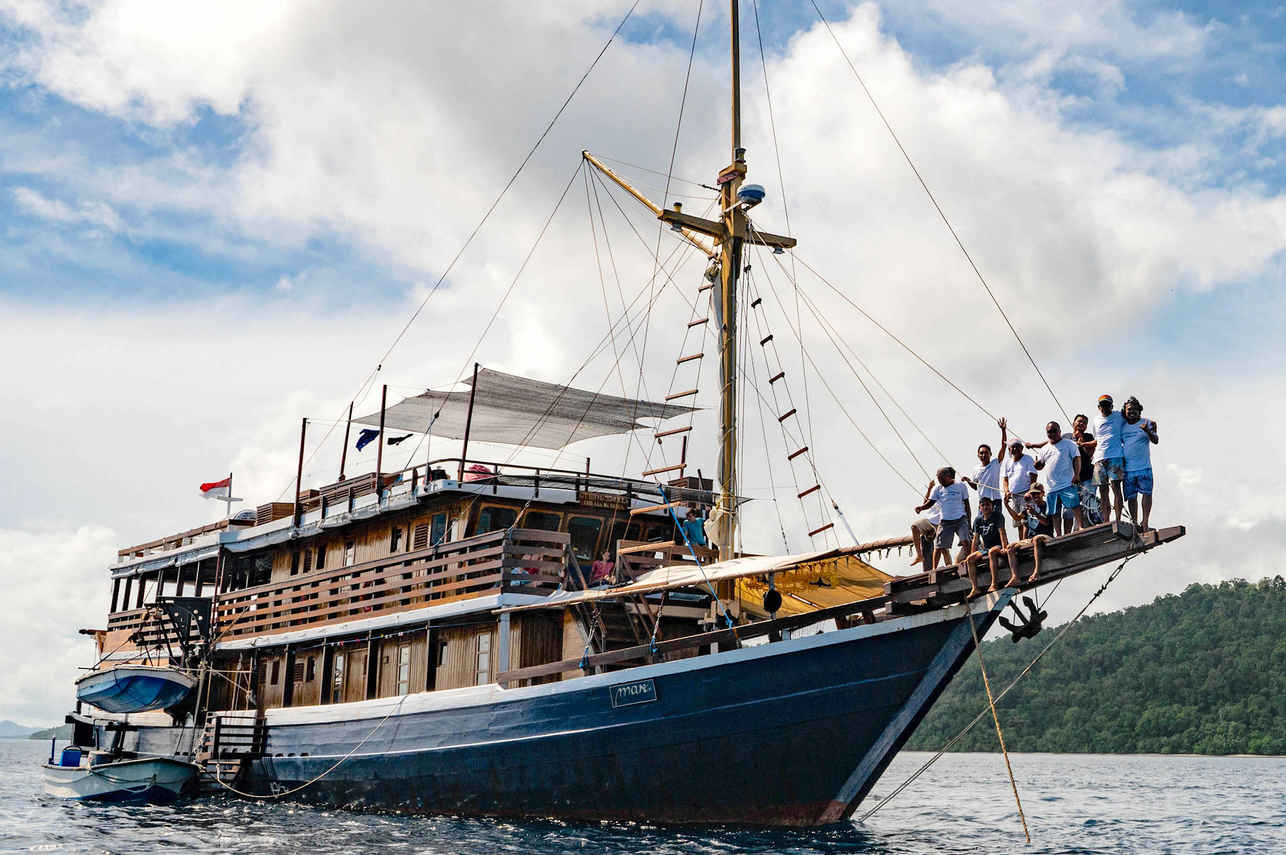
Mari
Indonesia
14 guests32.2 m
$329/day
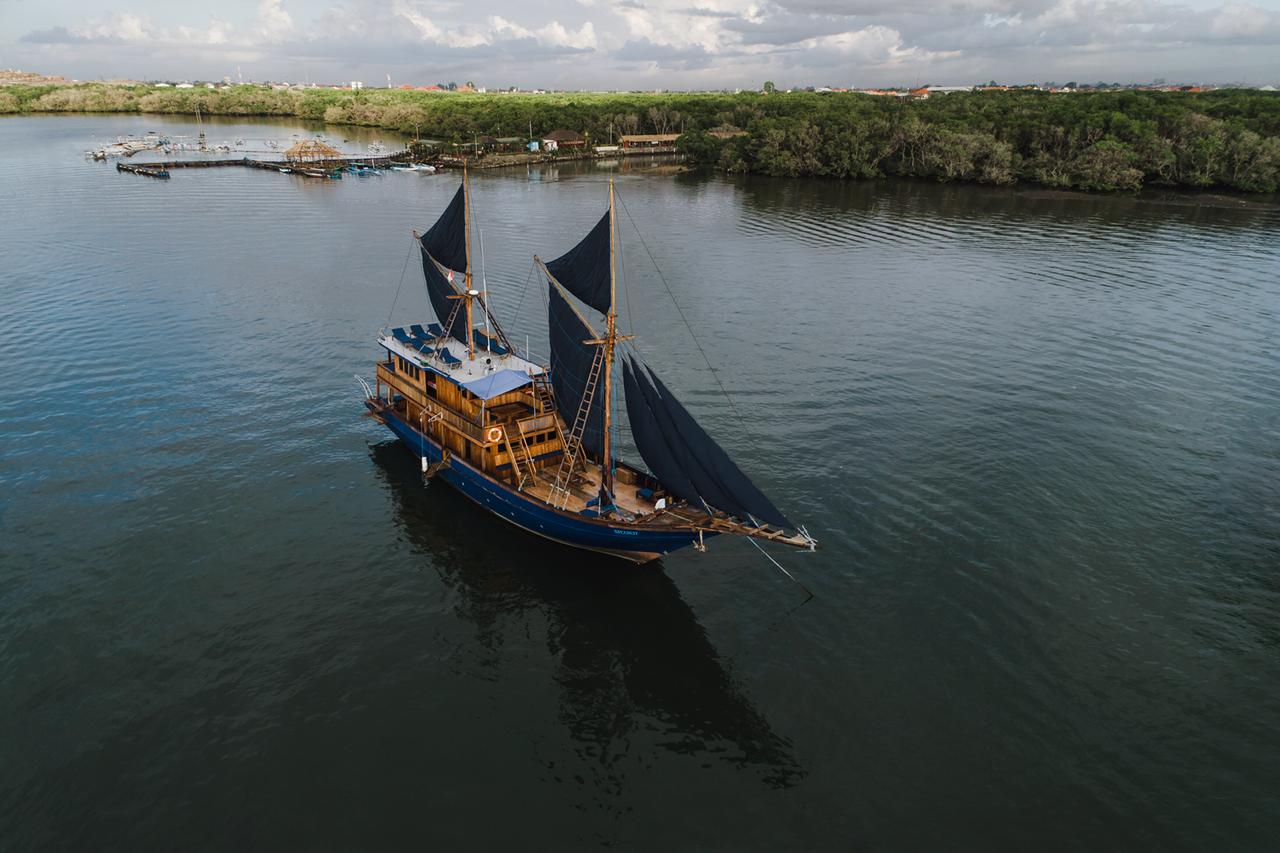
Situju7
Komodo, Indonesia
10 guests32.7 m
$362/day
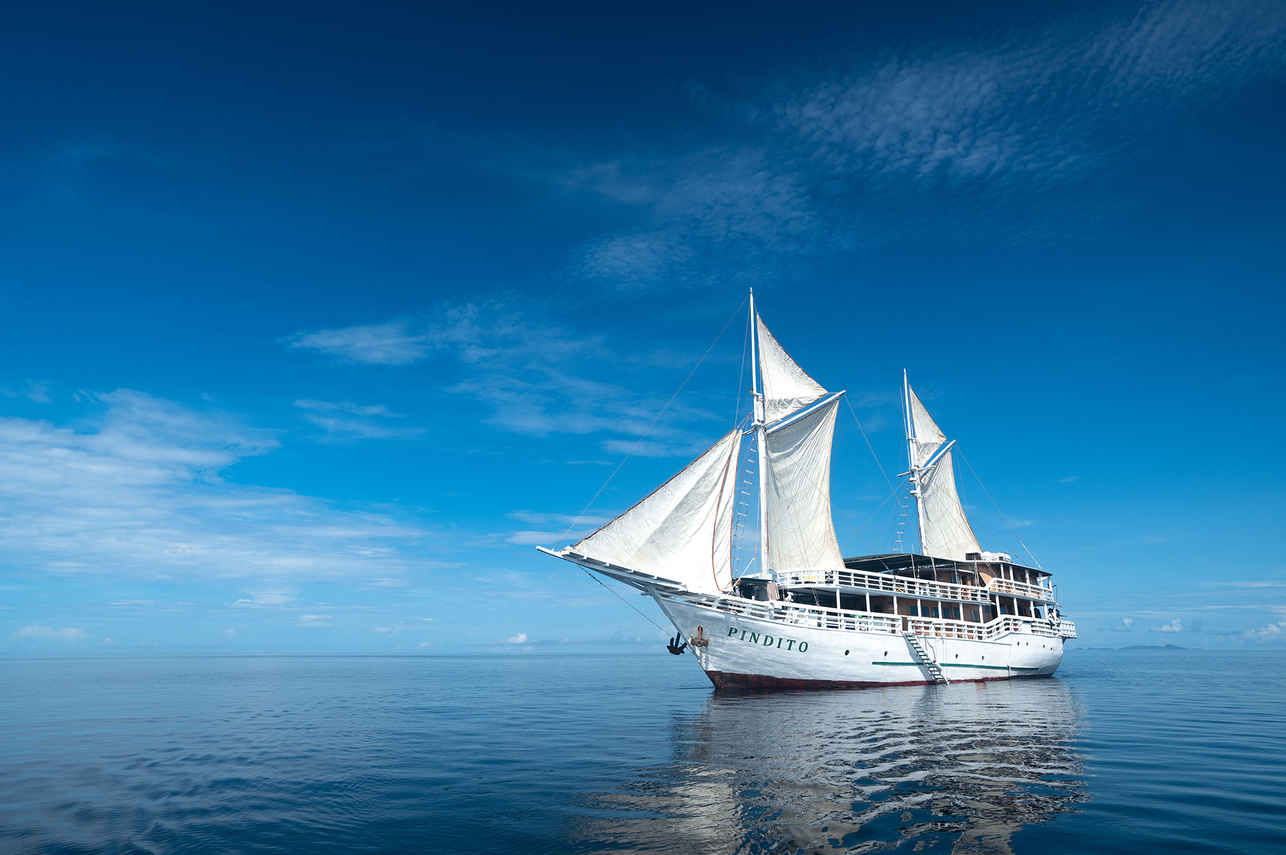
Pindito
Indonesia
16 guests37.79 m
$533/day
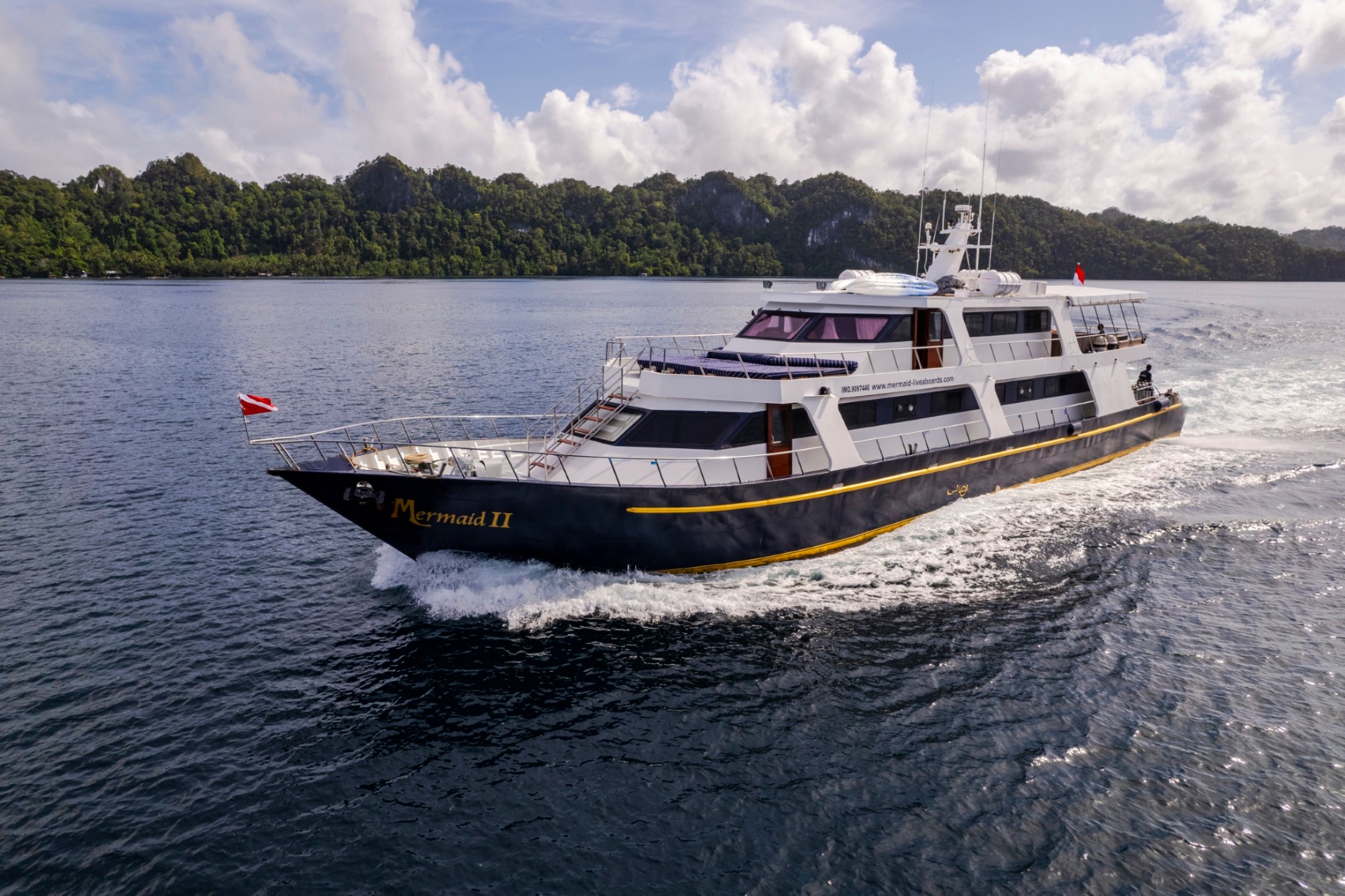
Mermaid II
Komodo, Indonesia
18 guests
$356/day
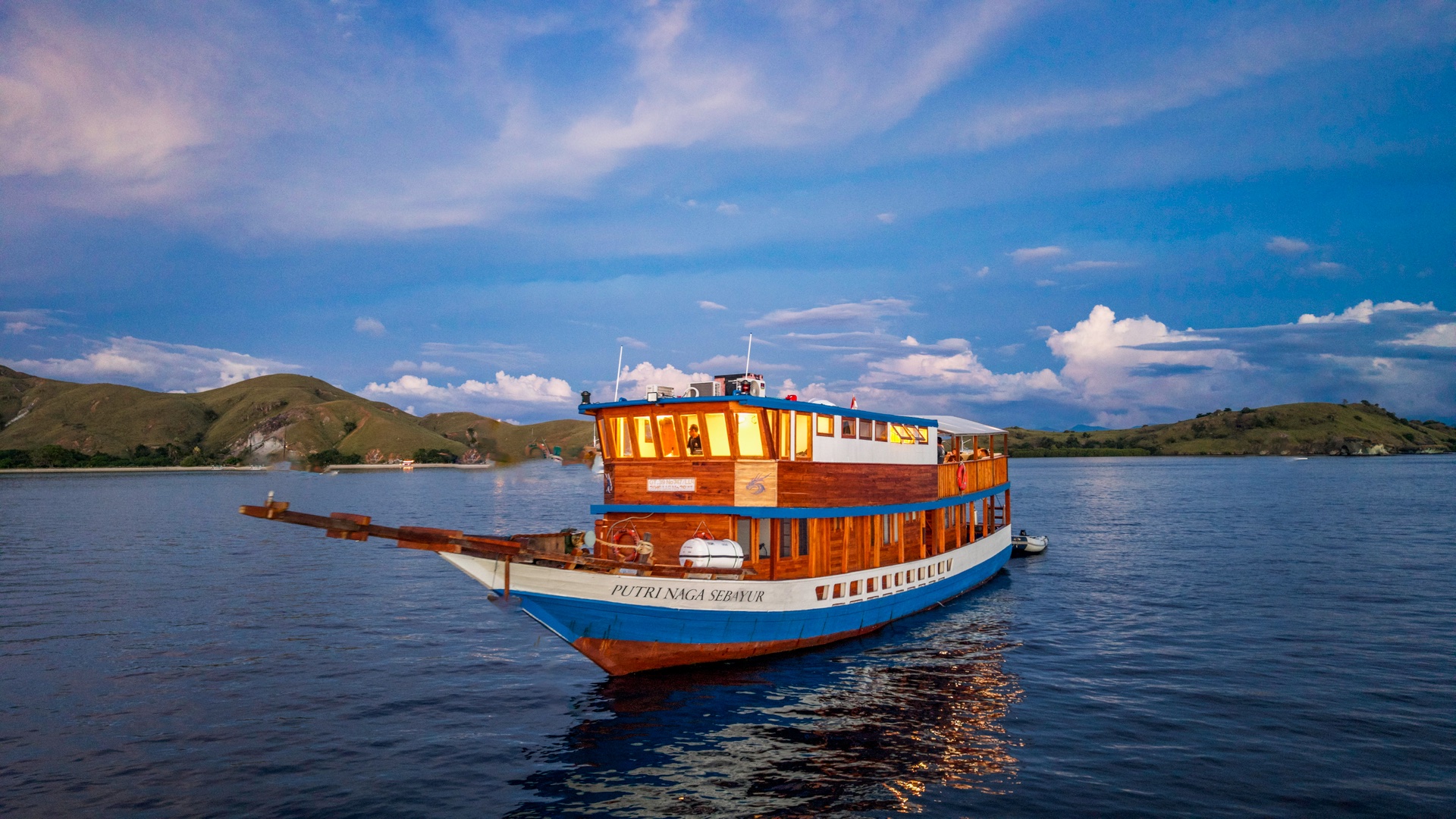
Putri Naga
Komodo, Indonesia
6 guests25 m
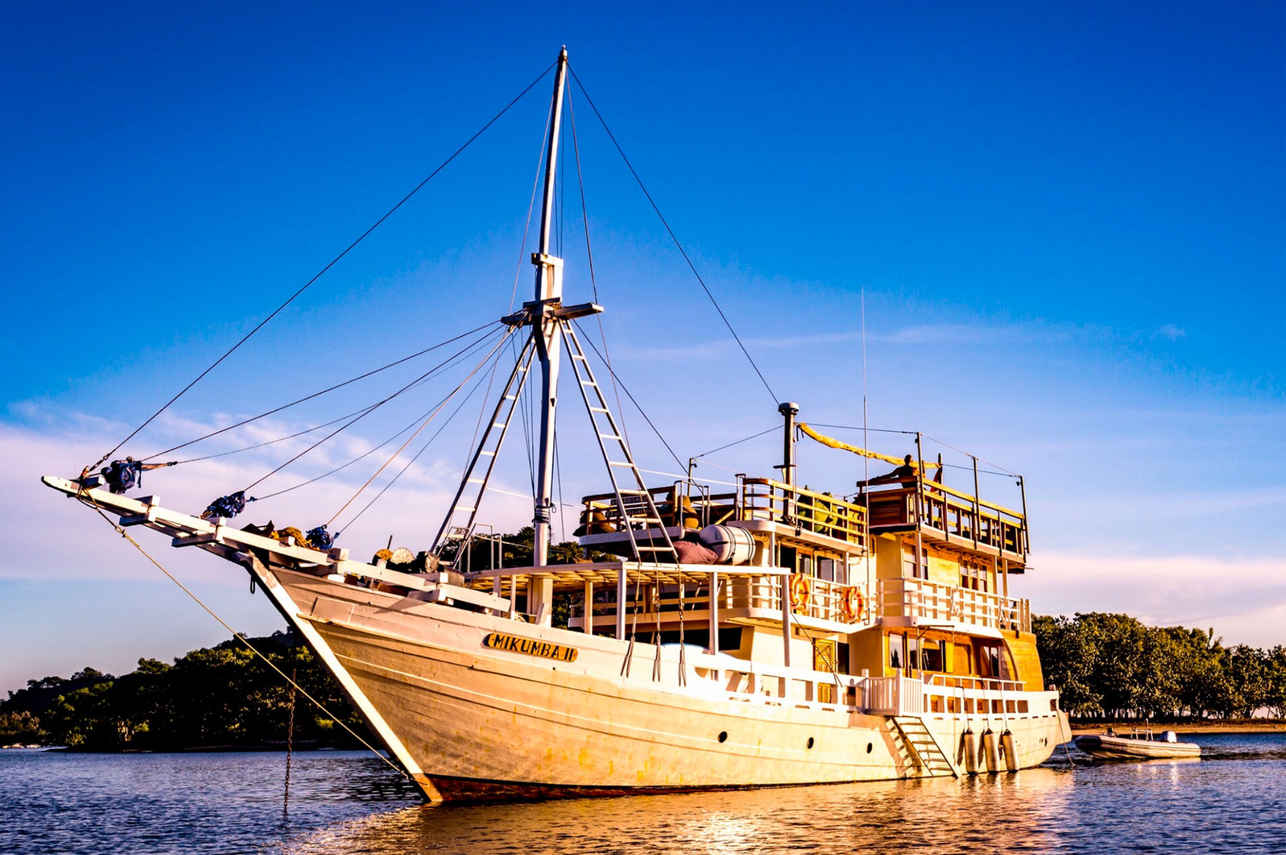
Mikumba Dua
Indonesia
10 guests30 m
$335/day
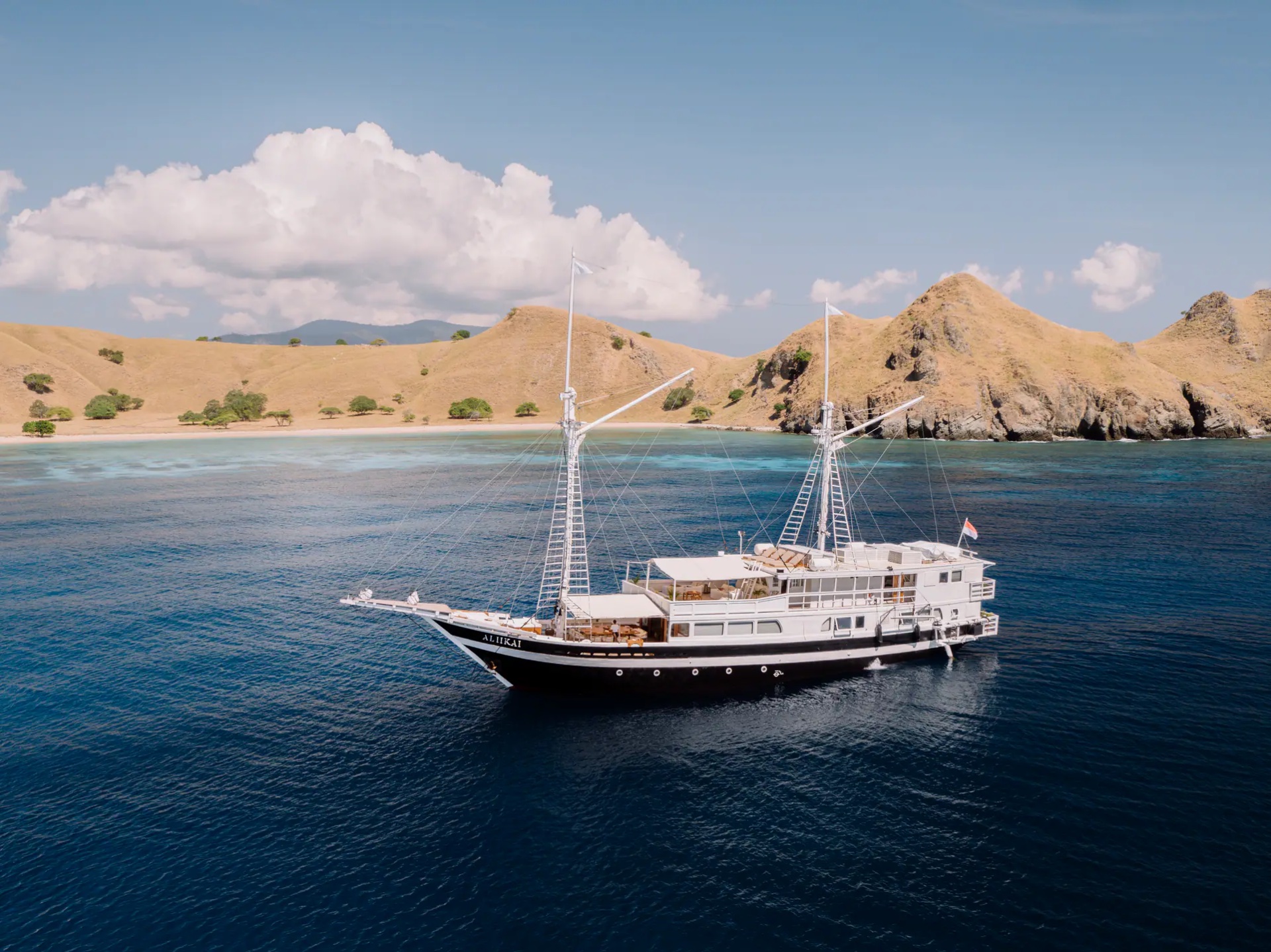
Aliikai Voyage
Indonesia
15 guests40 m
$658/day
Dive sites similar to Nisaleme Island
Same character, same waters — six more sites divers love for the exact same reasons.Compare seasons, access and liveaboard routes — then pick the site that fits your trip best.
© Esri — Maxar, Earthstar, GIS
Siaba Kecil
Komodo, Indonesia
Siaba Kecil is a distinct dive site located in the central part of Komodo National Park, positioned in a channel where waters flow between the north and south.
- Suitable for
- Intermediate
- Current
- Strong
- Access
- Liveaboard only
- Depth
- 8–25 m
- Theme
- Drift / Reef
© Esri — Maxar, Earthstar, GIS
Castle Rock
Komodo, Indonesia
Castle Rock, an iconic dive site within Komodo National Park, is celebrated as one of Indonesia's premier destinations for exhilarating underwater encounters.
- Suitable for
- Advanced
- Current
- Strong
- Access
- Liveaboard or dayboat
- Depth
- 5–35 m
- Theme
- Drift / Pinnacle
© Esri — Maxar, Earthstar, GIS
Pink Beach
Komodo, Indonesia
Pink Beach is a renowned dive site within Komodo National Park, famous for its unique pink-hued sands, a result of microscopic red foraminifera.
- Suitable for
- Intermediate
- Current
- Strong
- Access
- Liveaboard or dayboat
- Depth
- 1–15 m
- Theme
- Drift / Reef
© Esri — Maxar, Earthstar, GIS
Batu Bolong
Komodo, Indonesia
Batu Bolong, meaning "Hollow Rock" in Bahasa Indonesian, is a renowned dive site in Komodo National Park, situated in the central Lintah Strait between Komodo Island and Tatawa Besar.
- Suitable for
- Advanced
- Current
- Strong
- Access
- Liveaboard or dayboat
- Depth
- 10–30 m
- Theme
- Drift / Pinnacle
© Esri — Maxar, Earthstar, GIS
Komodo Corner
Komodo, Indonesia
Komodo Corner, or Police Corner, is a captivating dive site situated on the south side of Siaba Besar Island within Central Komodo National Park.
- Suitable for
- Advanced
- Current
- Strong
- Access
- Liveaboard or dayboat
- Depth
- 5–30 m
- Theme
- Cave & cavern / Drift
© Esri — Maxar, Earthstar, GIS
Rollercoaster
Komodo, Indonesia
Rollercoaster is a premier dive site in Komodo National Park, renowned for its exhilarating drift diving experience, where strong, channeled currents create a sensation akin to a theme park ride.
- Suitable for
- Expert
- Current
- Strong
- Access
- Liveaboard or dayboat
- Depth
- 10–40 m
- Theme
- Drift / Wall