About Isdhoo Kandu (Laamu)
Isdhoo Kandu, located in the Laamu Atoll, offers an exhilarating channel diving experience characterized by its powerful tidal flows. These currents, funneling in and out of the central lagoon, create a rich feeding ground that attracts an impressive array of marine life, making it a prime spot for encountering large pelagic species. While the main draw is the high-energy drift diving in the channels, the inner reefs within the Laamu Atoll also boast vibrant coral formations and diverse smaller reef inhabitants. The dive site typically features a shallow reef top leading to a steeper ocean-facing slope, with much of the action concentrated on the upper to mid-slope down to about 30 meters. Visibility here is generally excellent, often exceeding 20-30 meters, though it can fluctuate with plankton blooms during the wet season, which in turn enhances opportunities for spotting filter feeders. Divers can expect to see healthy corals, particularly robust hardier species and table corals, along with schooling fish and patrolling sharks. The currents at Isdhoo Kandu can range from manageable to strong, demanding a certain level of experience and careful planning. Diving is always conducted from a boat, with guides utilizing current-aware timing to maximize encounters while ensuring diver safety. The site is best appreciated as a fish-rich drift dive rather than a tranquil coral garden, promising dynamic interactions with the underwater environment. While advanced divers will revel in the pelagic action, the broader Laamu Atoll offers gentler sites suitable for beginners and macro photographers.
Highlights
Pelagic drift divingStrong channel currentsShark encountersAbundant schooling fishVibrant coral formationsEagle ray sightings
Season calendar
Best months to dive here
Jan
Feb
Mar
Apr
May
Jun
Jul
Aug
Sep
Oct
Nov
Dec
Excellent
Good
Aug – Sep & Nov – Apr (NE Monsoon)
Best visibility up to 40m, calm seas, manta rays on the eastern atolls, whale sharks in South Ari Atoll.
May – Jul & Oct (Transition)
Changing conditions, good value, mantas moving between atolls, occasional rain showers.
Dive site facts: Isdhoo Kandu (Laamu)
- Depth
- 5–30 m
- Current
- Strong
- Visibility
- 20–30 m
- Water temperature
- 27–30°C
- Entry
- Boat / drift entry
- Level
- Intermediate to Advanced
- Dive type
- Channel, drift, pelagic
- Region / port
- Laamu Atoll
- Coordinates
- 1.9258, 73.5711
Conditions & Currents
Isdhoo Kandu is a channel dive site where currents are a defining feature, often ranging from moderate to very strong due to the tidal flows moving in and out of the atoll's lagoon. These currents are crucial for bringing in the nutrient-rich waters that attract pelagic life, but they necessitate careful dive planning and execution. Divers typically enter from a tender and perform a drift dive, following the current along the channel. Entry and exit strategies are highly dependent on the current direction and strength, with guides determining the best approach to maximize safety and encounters. Surge can be present on the outer reef sections, and visibility, while generally good, can be affected by plankton during certain seasons, which paradoxically can increase manta and whale shark activity. Divers should be proficient in drift diving techniques and comfortable in stronger currents, m
Marine life & sighting chances

Whitetip Reef Shark
Year-round · common
Eagle Ray
Year-round · common
Hawksbill Turtle
Year-round · occasional
Jackfish
Year-round · common
Snapper
Year-round · common
Parrotfish
Year-round · common
Grouper
Year-round · occasional
Emperor
Year-round · occasional
Wrasse
Year-round · occasional
Sweetlips
Year-round · occasionalDive profile & how the dive runs
Diving at Isdhoo Kandu typically begins with a boat entry, often a negative entry depending on current strength, directly into the channel. The dive follows the incoming current along the front of the reef, allowing divers to drift past the outer-reef corner. The primary objective is to reach a depth of approximately 30 meters to observe the larger pelagic species that congregate in the deeper sections, then ascend to the upper to mid-slope, around 10-20 meters, where much of the fish action occurs. Divers will typically continue to drift with the current, enjoying the dynamic environment along the channel. The turn point is determined by gas consumption and current conditions, with the safety stop usually performed as divers drift towards calmer waters or a designated pickup point. It is essential to stay with the guide and maintain good buoyancy control due to the varying current strengths.
Underwater photography
Isdhoo Kandu is an excellent location for wide-angle photography, particularly when aiming to capture schooling fish and pelagic encounters like sharks and eagle rays against the clear blue water. A wide-angle lens is essential to encompass the vastness of the channel and the groups of marine life. During the dry season (December to May), the excellent visibility and strong sunlight provide ideal conditions for vibrant reef shots and pelagic action without the need for excessive artificial lighting. However, strobes are recommended to bring out the true colors of corals and fish. During the wet season, increased plankton can reduce visibility, but this can also create dramatic opportunities to photograph manta rays and whale sharks feeding near the surface, often best captured with natural light or video lights to highlight their silhouettes. Maintaining good buoyancy is critical here due to the currents.
Combine with nearby dive sites
- Maabaidhoo Kandu
A strong-current channel dive in Laamu Atoll, featuring pelagic encounters.
- Fushi Kandu
An advanced Laamu channel dive known for whitetip reef sharks, barracuda, and eagle rays.
- Mundoo Kandu
A channel dive with very strong currents, offering frequent manta ray sightings.
- Villingili Kandu (Gaafu Alifu)
Another pelagic-rich channel dive in a southern atoll, often combined in longer itineraries.
Getting there & logistics
Access to Isdhoo Kandu in Laamu Atoll typically involves flying into Gan International Airport (GAN) in Addu Atoll, or Male International Airport (MLE) with a domestic transfer to a local island airport in Laamu. Liveaboards are the most popular way to explore the Laamu Atoll, offering itineraries that combine various channel dives and outer reef sites. Trips often range from 7 to 10 nights. Land-based options are also available through resorts in the Laamu Atoll, which organize daily dive excursions. There are no specific permits required for diving, but dive operators will manage all logistical aspects, including boat access, which is mandatory for this site. It's common for liveaboards to combine Laamu Atoll with Thaa Atoll for a comprehensive southern Maldives diving experience.
Safety & environment
Diving at Isdhoo Kandu requires adherence to strict safety protocols due to the presence of strong currents. Divers should be experienced in drift diving and always stay with their dive guide, especially when navigating the outer-reef corners. A surface marker buoy (SMB) is essential for every diver, used both as a safety measure for surface pickup and to signal the dive boat during safety stops. The nearest recompression chamber is located in Malé, emphasizing the importance of adequate dive insurance that covers emergency medical evacuation. Divers should ensure their equipment is well-maintained and that they have sufficient gas for potential longer bottom times or slower ascents caused by currents. Always attend the dive briefing carefully and understand the entry and exit procedures, as well as the plan for current management.
Who it suits — and who it doesn't
Suited for
- Experienced drift divers
- Advanced Open Water certified divers
- Photographers seeking pelagic action
- Divers comfortable with strong currents
- Marine life enthusiasts keen on sharks and schooling fish
Less suited for
- Beginner divers
- Divers with limited current experience
- Those prone to seasickness in choppy conditions
- Divers primarily interested in macro photography
- Individuals seeking calm, sheltered dives
FAQ
Isdhoo Kandu (Laamu) FAQ
What kind of marine life can I expect at Isdhoo Kandu?
Isdhoo Kandu is renowned for its pelagic encounters. You can frequently see whitetip reef sharks, eagle rays, and large schools of various fish such as snappers and jacks. Occasional sightings of hawksbill turtles, groupers, and emperors also add to the rich biodiversity of the site.
How strong are the currents at Isdhoo Kandu?
The currents at Isdhoo Kandu can be quite strong, often ranging from moderate to very strong, depending on tidal movements. These powerful flows are what attract the abundant pelagic life but require divers to be experienced in drift diving techniques and comfortable in dynamic underwater conditions.
Is Isdhoo Kandu suitable for beginner divers?
Isdhoo Kandu is generally not recommended for beginner divers due to the strong currents and the nature of drift diving required. It is best suited for intermediate to advanced divers who have experience with challenging currents and are comfortable with boat entries and open water conditions.
When is the best time of year to dive Isdhoo Kandu?
The best time to dive Isdhoo Kandu is during the dry northeast monsoon season, which runs from December to May. During these months, visibility is excellent, often reaching 25-40 meters, and the weather conditions are generally calm and sunny, enhancing the overall dive experience.
What type of dive is Isdhoo Kandu?
Isdhoo Kandu is primarily a channel and drift dive. Divers enter from a boat and are carried by the current along an outer reef corner, observing the rich marine life that congregates in these nutrient-rich waters. It offers thrilling encounters with pelagic species rather than tranquil reef exploration.
Why dive Isdhoo Kandu (Laamu) from a liveaboard?
Isdhoo Kandu (Laamu) is one of Maldives's signature dive sites. A liveaboard sleeps you on the water and puts you in the water for three to four guided dives per day, including dawn and night dives that day-boat operators rarely offer. You skip the daily commute back to port and reach quieter, less-crowded sites in the same region on a single trip.
Below are the liveaboards that include Isdhoo Kandu (Laamu) on their Maldives itineraries.
Liveaboards diving Isdhoo Kandu (Laamu)
These liveaboards may visit Isdhoo Kandu (Laamu) on selected itineraries — the exact dive sites depend on departure, weather and conditions.
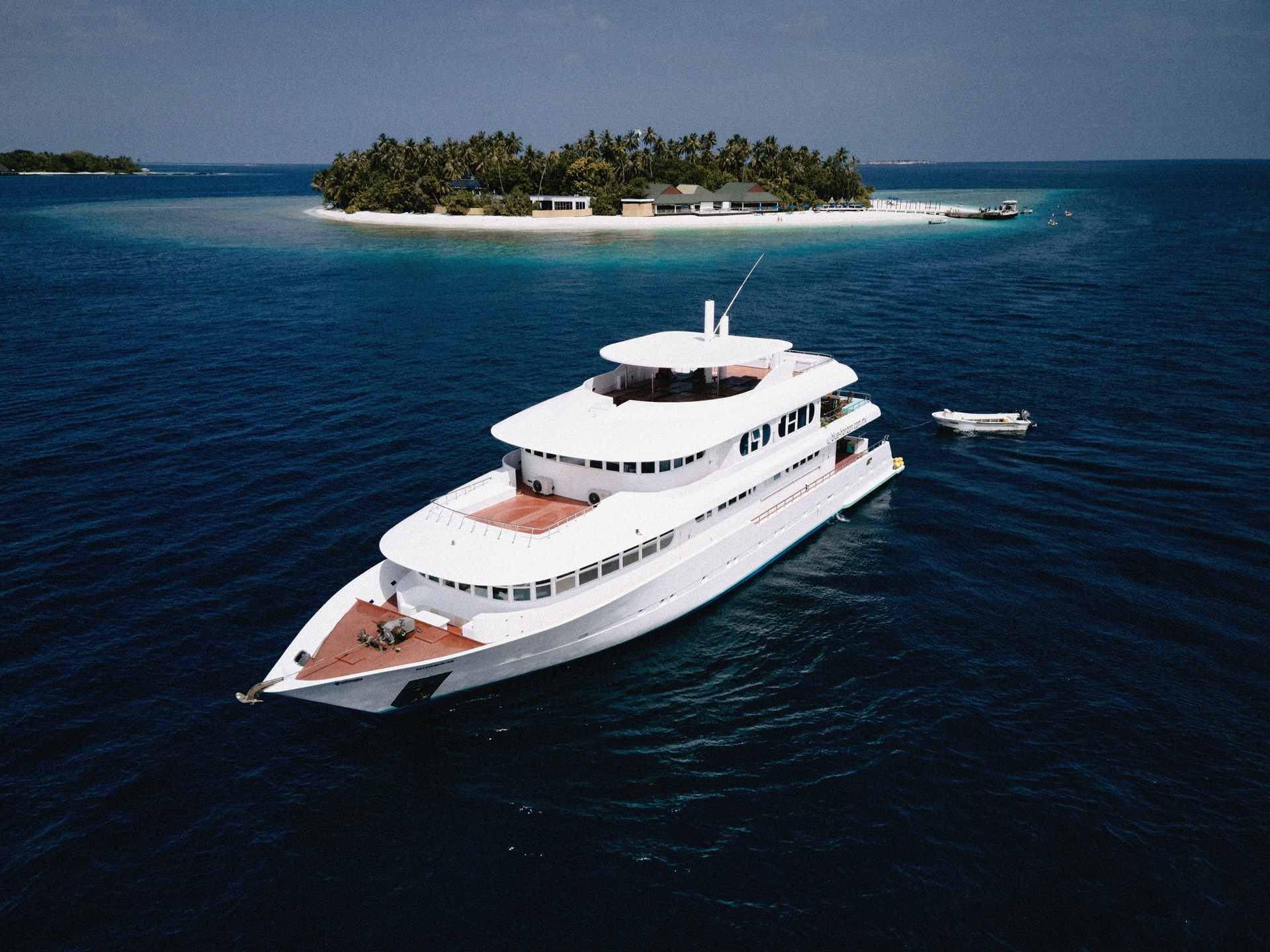
Horizon III
Maldives
25 guests
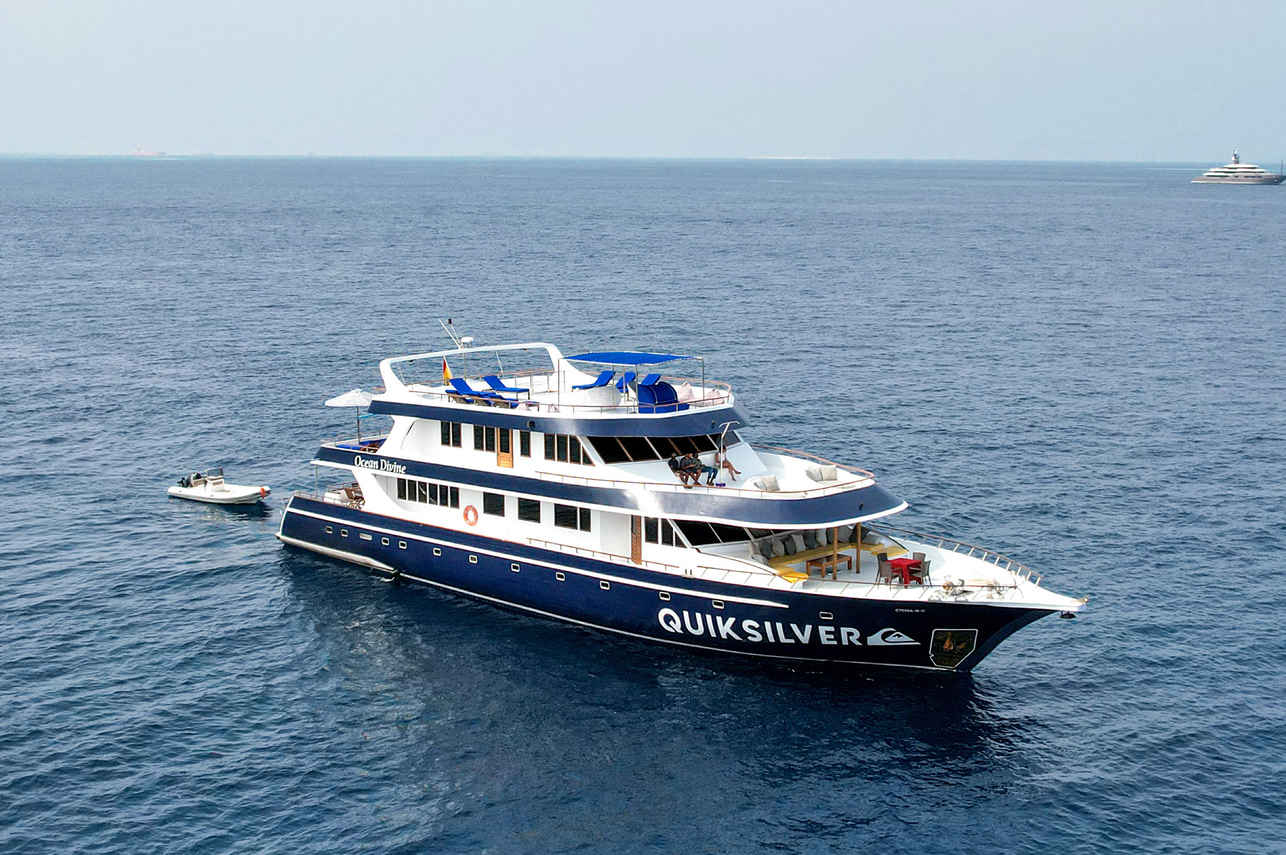
Ocean Divine
Maldives
16 guests34 m
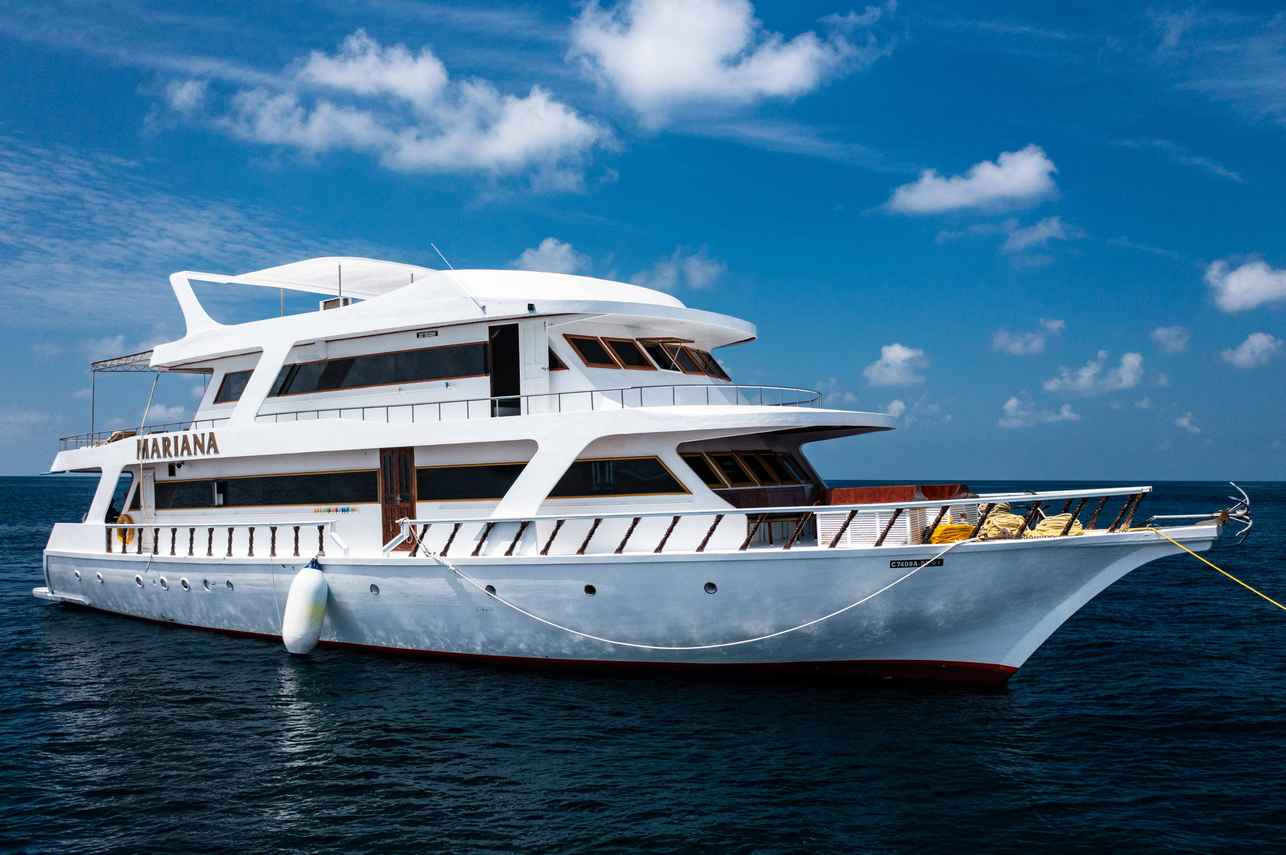
EcoPro Mariana
Maldives
16 guests30 m
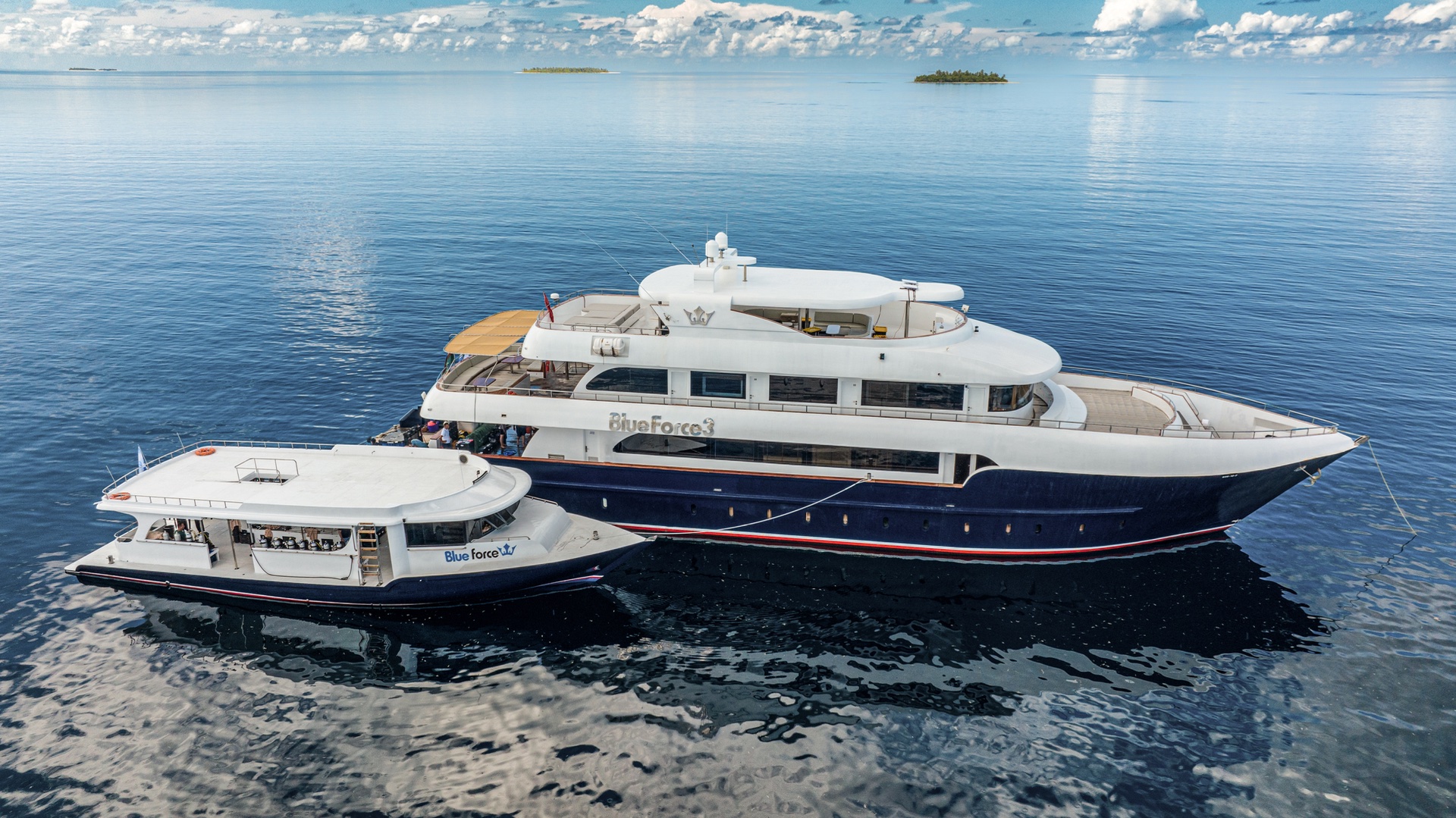
Maldives Blue Force 3
Maldives
26 guests42 m
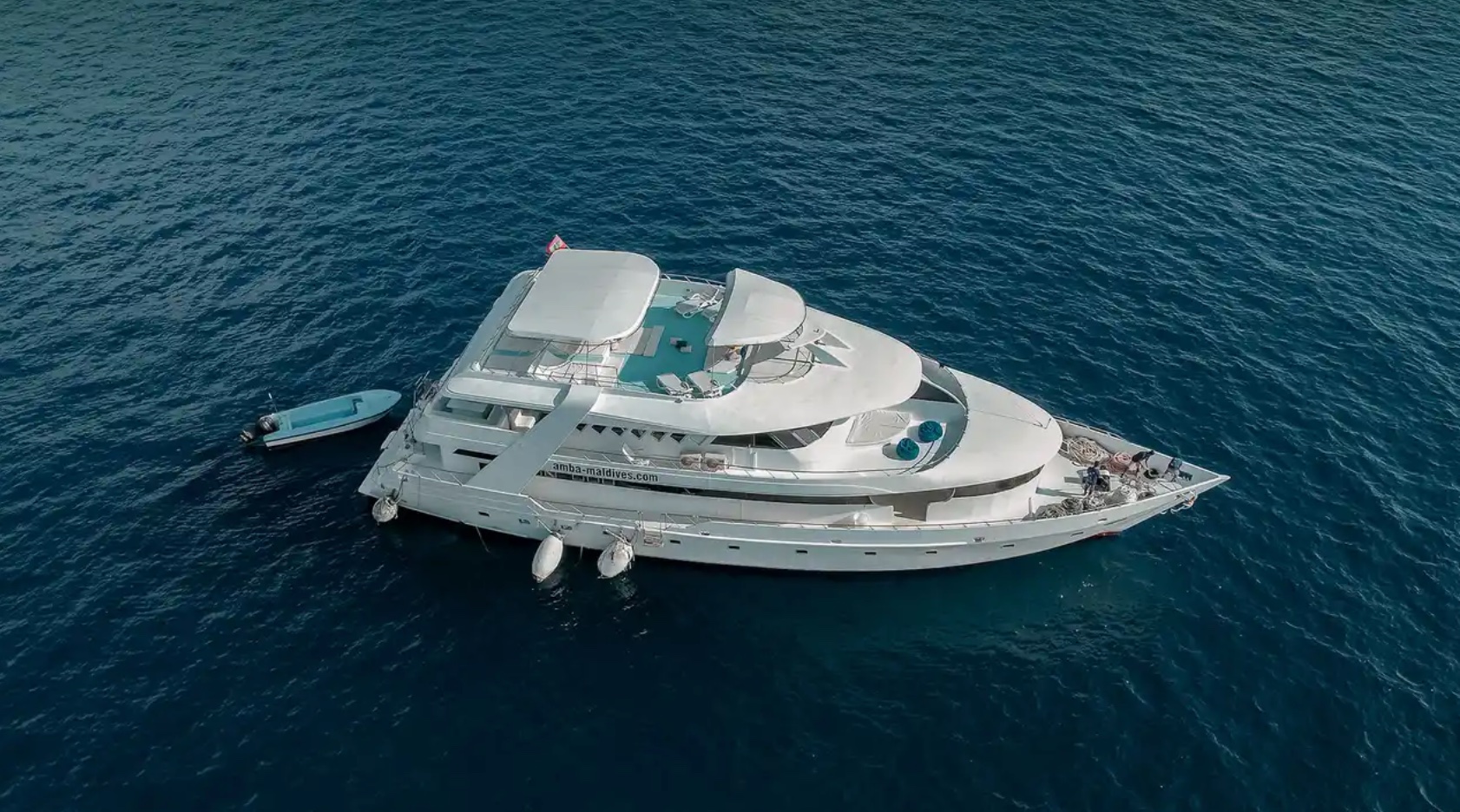
Amba
Maldives
20 guests
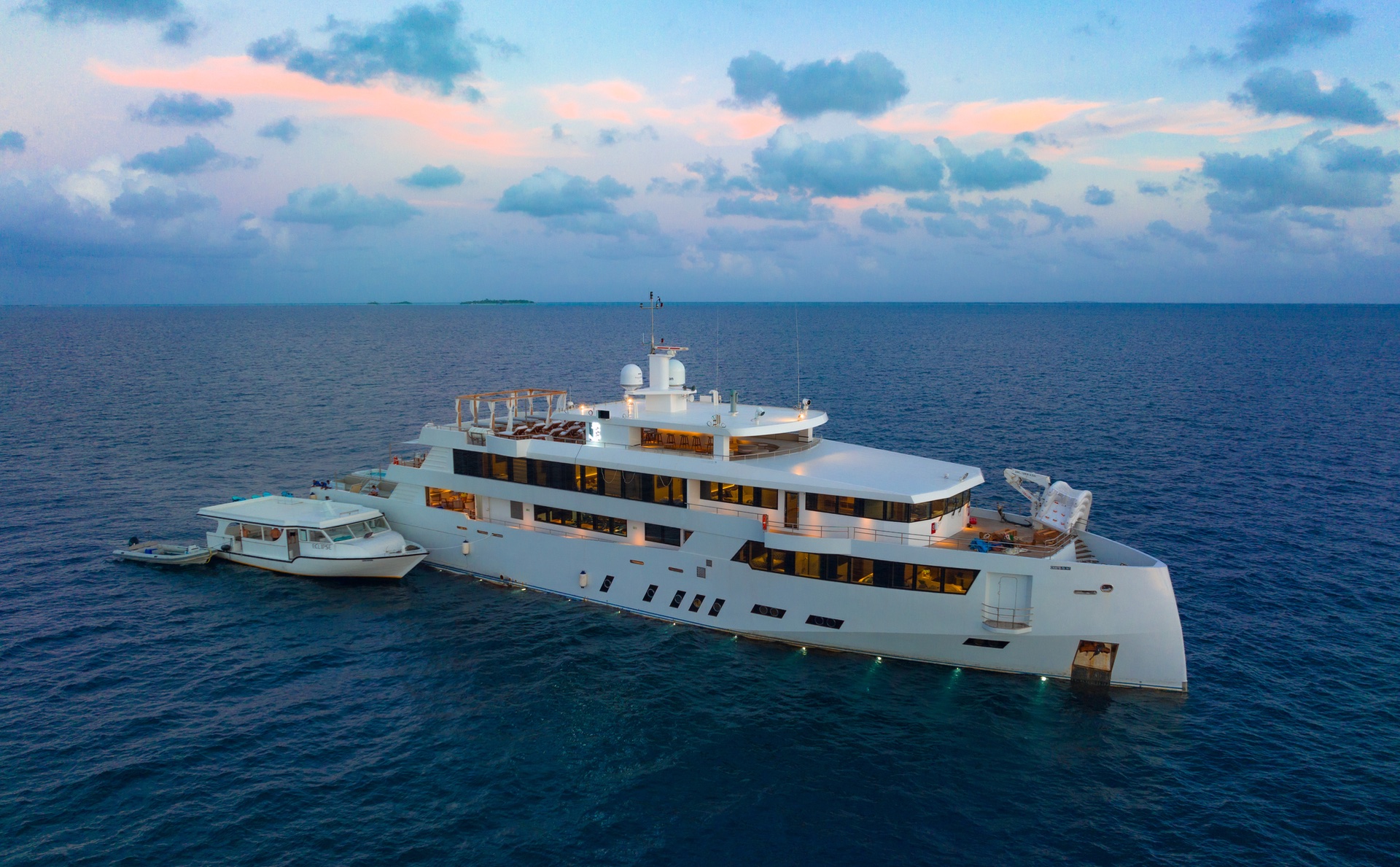
White Pearl
Maldives
26 guests
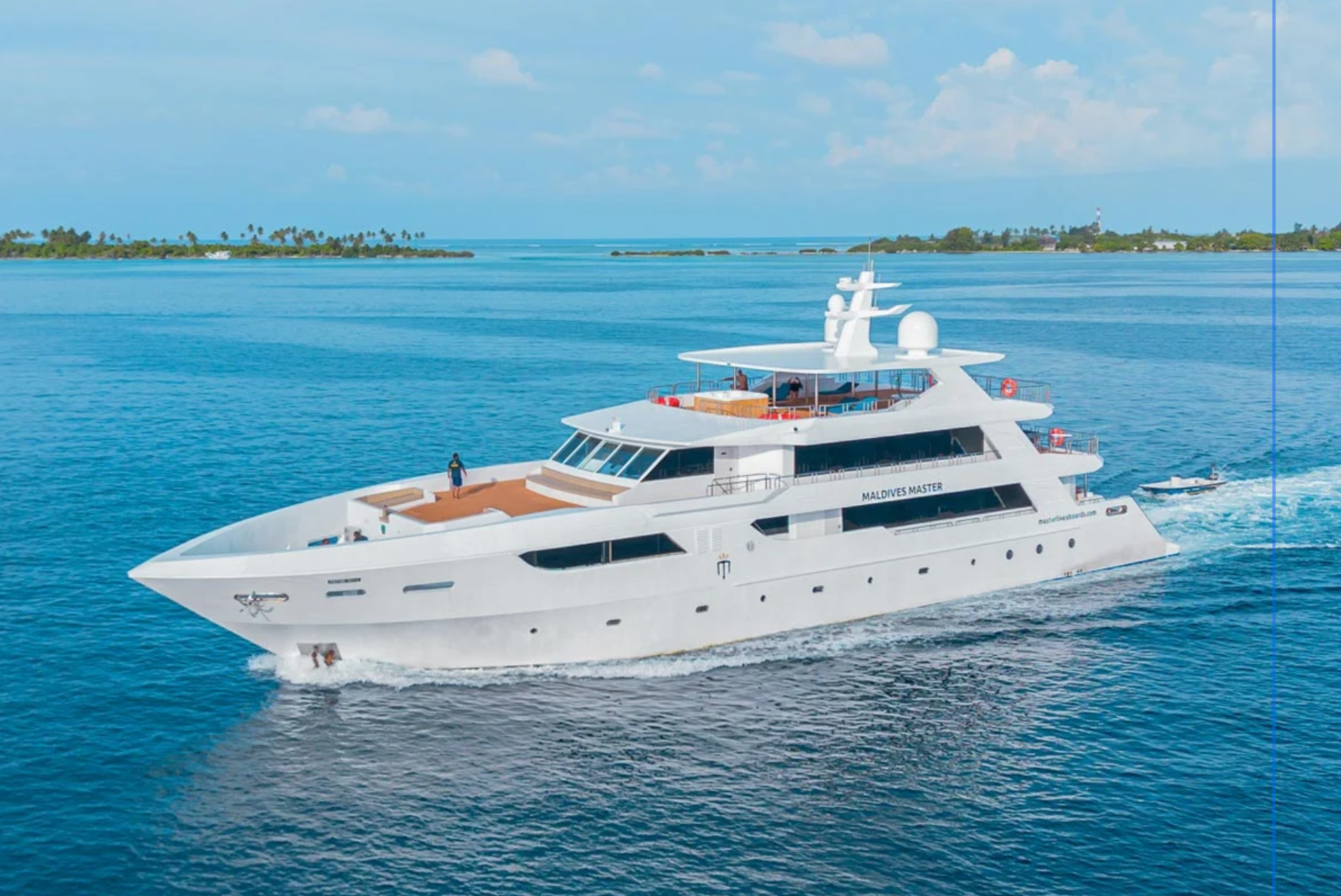
Maldives Master
Maldives
26 guests
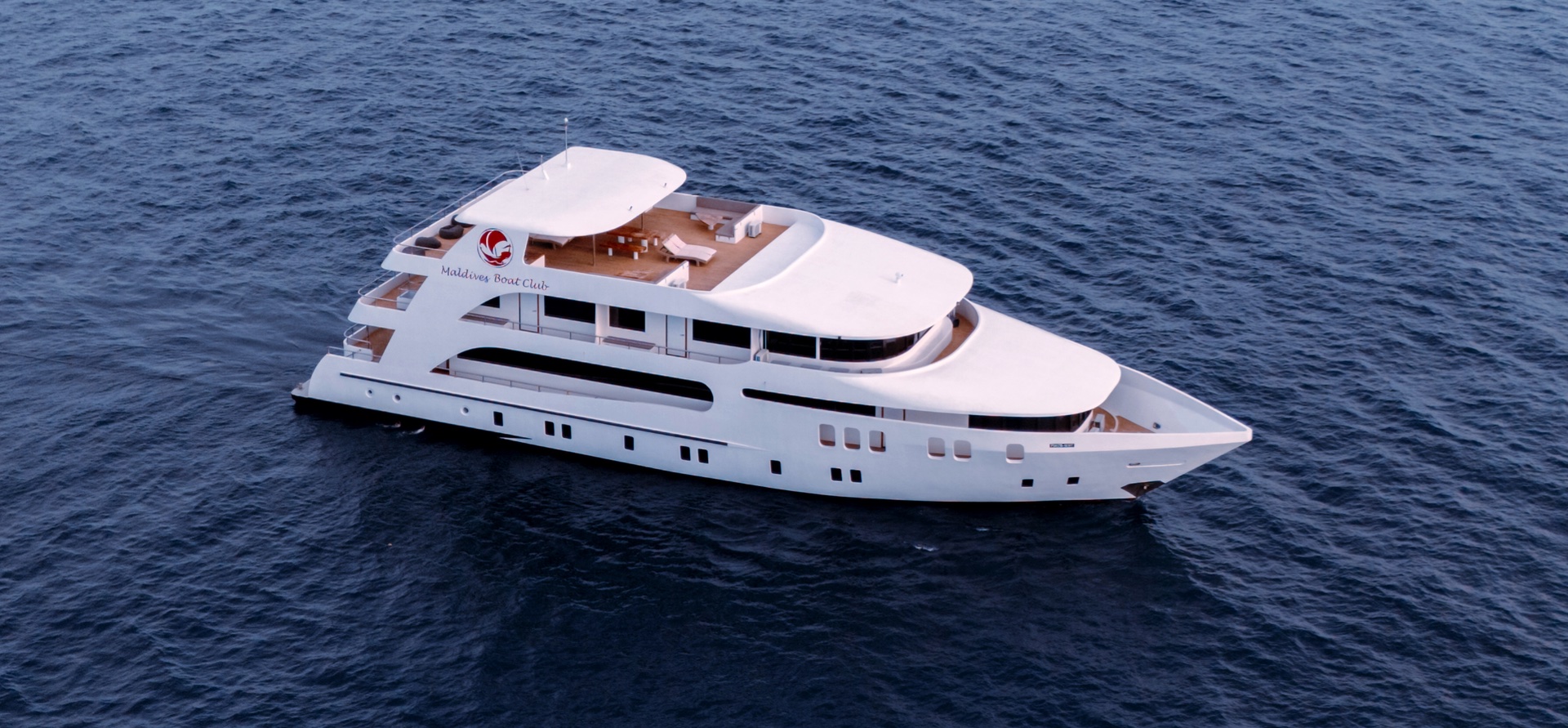
Adora
Maldives
22 guests
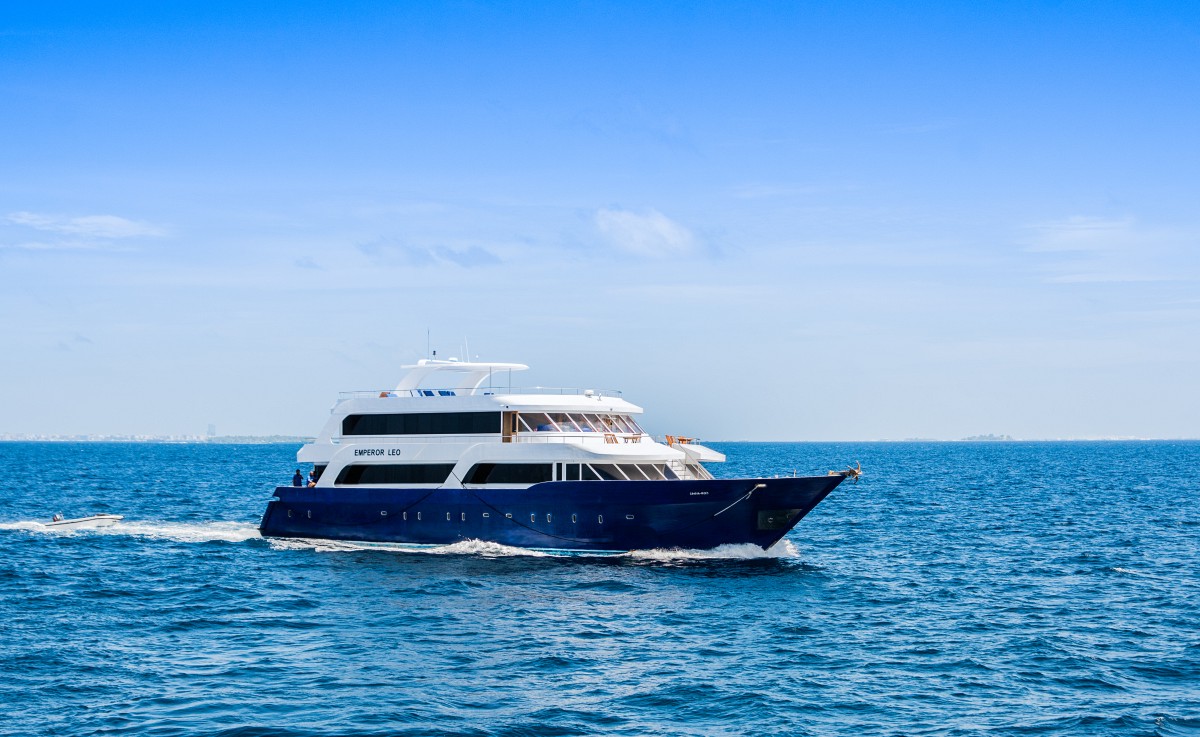
Emperor Leo
Maldives
24 guests35 m
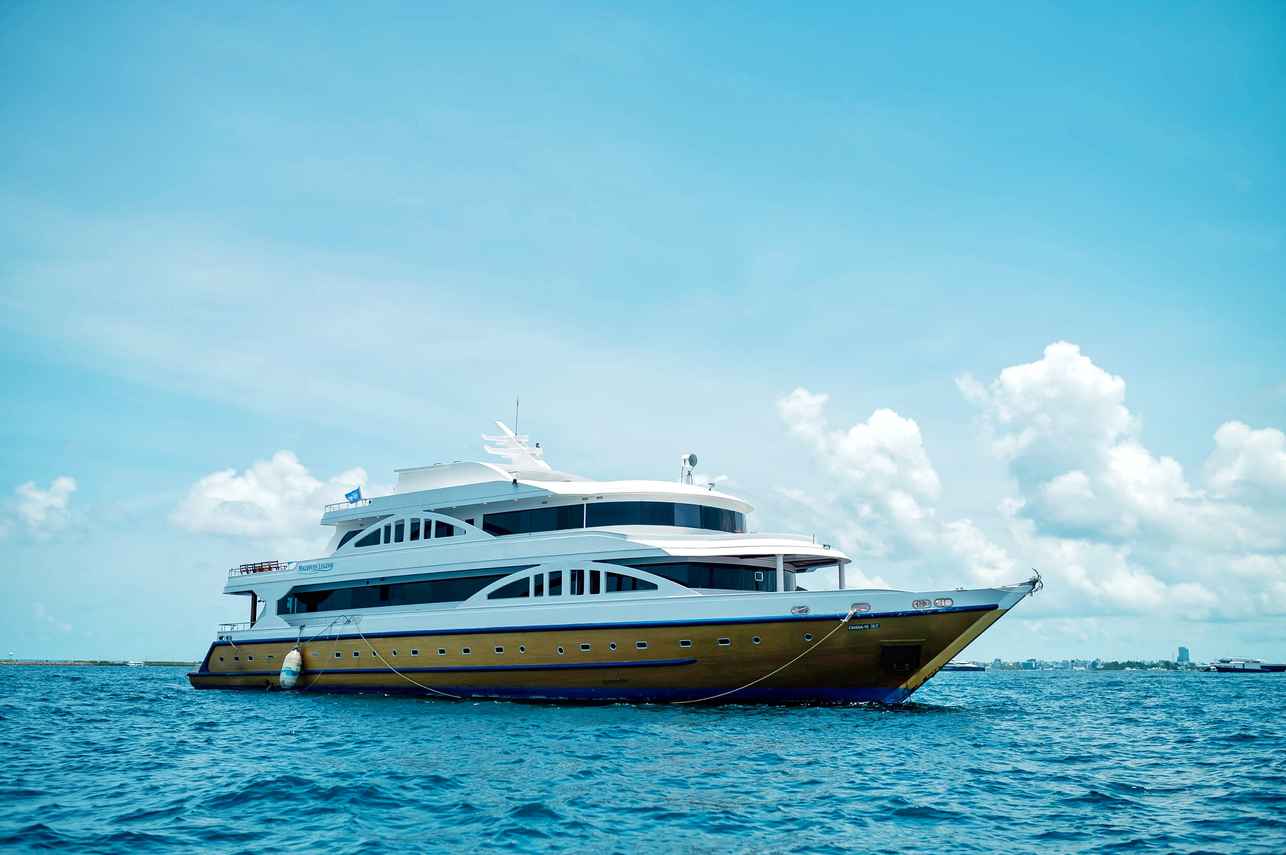
Maldives Legend Zen
Maldives
24 guests41 m
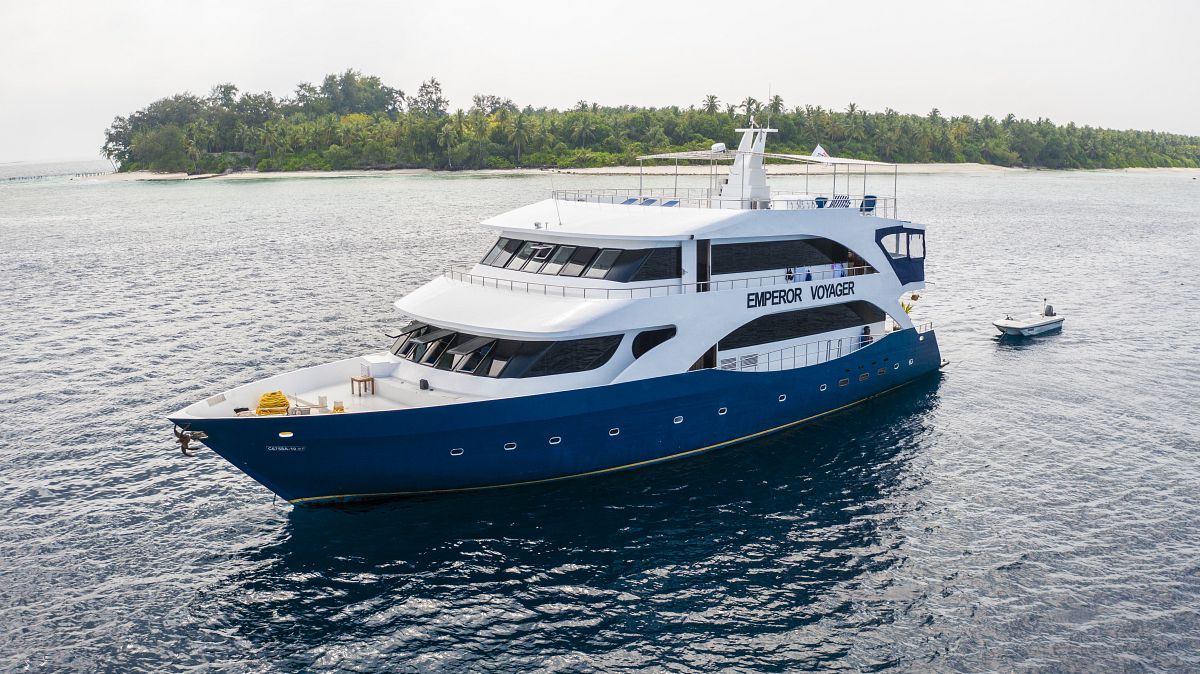
Emperor Voyager
Maldives
20 guests30 m
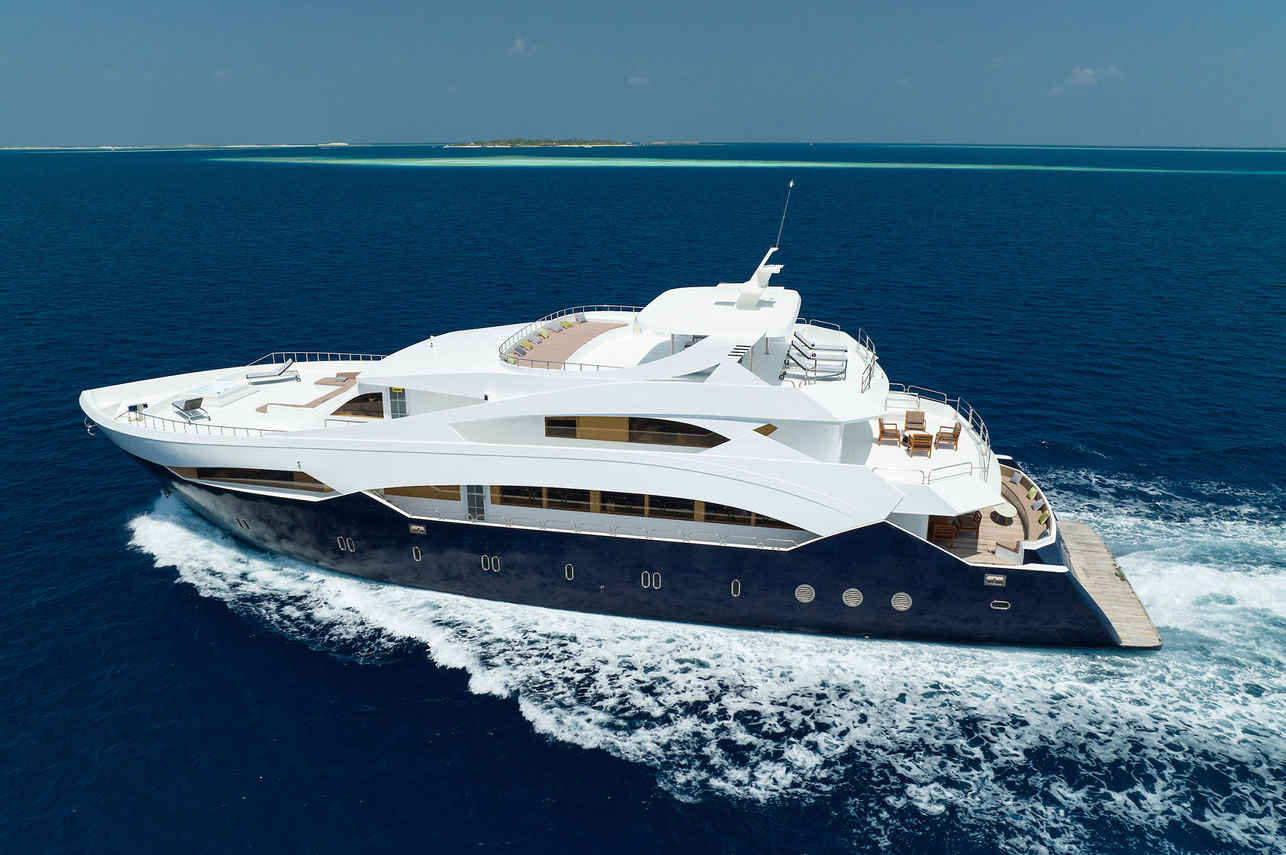
Felicity
Maldives
26 guests41 m
Dive sites similar to Isdhoo Kandu (Laamu)
Same character, same waters — six more sites divers love for the exact same reasons.Compare seasons, access and liveaboard routes — then pick the site that fits your trip best.
© Esri — Maxar, Earthstar, GIS
7th Heaven
Maldives
7th Heaven is a vibrant channel reef located in the South Ari Atoll of the Maldives.
- Suitable for
- Intermediate
- Current
- Strong
- Access
- Liveaboard only
- Depth
- 10–30 m
- Theme
- Reef / Drift
The dive site known as "Abyss" is not specifically mentioned or described in the provided sources.
- Suitable for
- Intermediate
- Current
- Moderate
- Access
- Liveaboard or dayboat
- Depth
- 18–50 m
- Theme
- Reef
© Esri — Maxar, Earthstar, GIS
Addu Kandu
Maldives
Addu Kandu, also known as Addu Channel, is a significant natural waterway situated within the Addu Atoll, which is the southernmost atoll in the Maldives.
- Suitable for
- Advanced
- Current
- Strong
- Access
- Liveaboard only
- Depth
- 10–35 m
- Theme
- Drift
© Esri — Maxar, Earthstar, GIS
Aldabra Atoll
Seychelles
Aldabra Atoll, a remote UNESCO World Heritage Site in the Seychelles, offers an unparalleled diving experience that transports you back to a pristine, pre-industrial marine ecosystem.
- Suitable for
- Advanced
- Current
- Strong
- Access
- Liveaboard or dayboat
- Depth
- 5–40 m
- Theme
- Cave & cavern / Drift
© Esri — Maxar, Earthstar, GIS
Aldebaran Wreck
Seychelles
The Aldebaran Wreck, a 28-meter (92-foot) fishing vessel, was intentionally sunk on July 11, 2008, by the Seychelles Tourism Board to create an artificial reef.
- Suitable for
- Advanced
- Current
- Moderate
- Access
- Liveaboard or dayboat
- Depth
- 28–40 m
- Theme
- Wreck
© Esri — Maxar, Earthstar, GIS
Alimatha Jetty
Maldives
Alimatha Jetty, situated in the Vaavu Atoll beside the Alimatha Aquatic Resort's working pier, is celebrated as a premier night dive destination in the Maldives.
- Suitable for
- Beginner
- Current
- Moderate
- Access
- Liveaboard or dayboat
- Depth
- 2–12 m
- Theme
- Reef