About Mundoo Kandu
Mundoo Kandu is a renowned advanced channel dive located in the southern Maldives, specifically within the Laamu Atoll. This site is celebrated for its powerful tidal flows, which create exhilarating drift diving opportunities and attract a spectacular array of marine life. The channel acts as a nutrient-rich passage, fostering dense fish aggregations and vibrant coral growth, making it a quintessential Maldivian kandu experience. The topography features a channel opening around 12 meters, deepening rapidly to a plateau at 30-35 meters. The dive involves drifting through a passage adorned with exceptional soft coral displays, including massive gorgonian fans and branching soft corals that thrive on overhangs. These overhangs also provide shelter for schooling fish, adding to the site's biological density. Divers can expect frequent sightings of impressive pelagic species due to the strong currents. Grey reef sharks confidently patrol the channel, while eagle rays elegantly sweep through. Schools of trevally and barracuda fill the water column, and hammerhead sightings are a realistic possibility given the southern location. Manta rays are also attracted to this pass, with a cleaning station located within the channel. This site offers a dynamic underwater experience best suited for confident, experienced divers. The powerful currents demand careful planning and proficient drift diving techniques. Diving here means embracing the raw power of the Indian Ocean and being immersed in an ecosystem teeming with large, active marine creatures.
Highlights
Powerful channel drift divingAbundant grey reef sharksVibrant soft coral wallsManta ray cleaning stationSchools of pelagic fishEagle ray encountersPotential hammerhead sightings
Season calendar
Best months to dive here
Jan
Feb
Mar
Apr
May
Jun
Jul
Aug
Sep
Oct
Nov
Dec
Excellent
Good
Dive site facts: Mundoo Kandu
- Depth
- 12–35 m
- Current
- Strong to very strong
- Visibility
- 18–30 m
- Water temperature
- 27–31°C
- Entry
- Boat / drift entry
- Level
- Advanced
- Dive type
- Channel, drift, pelagic
- Region / port
- Laamu Atoll
- Coordinates
- 3.2191° N, 73.1486° E
Conditions & Currents
Mundoo Kandu is characterized by powerful and often very strong currents, a defining feature of this channel dive. These tidal flows, moving in and out of the atoll's lagoon, are responsible for bringing in nutrient-rich waters that attract extensive pelagic life. Divers typically perform a negative or drift entry from a tender directly into the channel, following the current's path. Entry and exit strategies are highly dependent on the current's direction and strength, with dive guides crucial for ensuring safety and optimizing marine encounters. Surge can be present on the outer reef sections, adding to the dynamic conditions. While visibility is generally good, sometimes reaching up to 30 meters, it can fluctuate with plankton blooms; paradoxically, these blooms can increase activity for filter feeders like mantas and whale sharks. Divers must possess proficient drift diving skills, m
Marine life & sighting chances

Grey Reef Shark
Year-round · common
Eagle Ray
Year-round · common
Reef Manta Ray
Occasional to frequent · common
Barracuda
common
Tuna
common
Hawksbill Turtle
Year-round · occasional
Hammerhead Shark
occasional
Whale Shark
occasional
Surgeonfish
common
Sweetlips
commonDive profile & how the dive runs
Diving at Mundoo Kandu typically commences with a boat entry, often a negative entry due to the strong currents, directly into the channel. The dive follows the incoming current, drifting along the channel's walls and overhangs. The primary depth target is often around 30-35 meters to observe large pelagic species that aggregate in deeper sections, then gradually ascending to the upper to mid-slope, between 10-20 meters, where much of the reef life and schooling fish are concentrated. Divers continuously drift with the current, enjoying the dynamic environment along the channel's impressive soft coral gardens. The turn point is determined by gas consumption, dive time, and current conditions. The safety stop is usually performed as divers drift towards calmer waters or a designated pickup point, maintaining close proximity to the dive guide and ensuring diligent buoyancy control throughout the dive.
Underwater photography
Mundoo Kandu excels as a site for wide-angle underwater photography, ideal for capturing the grandeur of schooling pelagics like barracuda and trevally, as well as encounters with sharks, eagle rays, and manta rays against the clear blue channel backdrop. A wide-angle lens is essential to encompass the vastness of the channel and the large groups of marine life. For optimal results, especially during the dry season with its excellent visibility, consider using strobes to bring out the vibrant colors of the soft corals and fish. When photographing manta rays at the cleaning station, maintain a respectful distance and avoid sudden movements to prevent disturbing these gentle giants. During plankton blooms, natural light photography can capture unique silhouettes, and a red filter or video lights may assist in capturing clearer images of whale sharks if encountered.
Combine with nearby dive sites
- Fushi Kandu
Advanced Laamu channel dive with sharks and mantas
- Maabaidhoo Kandu
Strong-current channel dive in Laamu Atoll
- Isdhoo Muli
Laamu outer-reef corner with pelagic drift potential
- Vadinoloo Kandu
Current-driven Laamu channel dive with strong pelagic potential
Getting there & logistics
Mundoo Kandu is located in the Laamu Atoll, in the southern Maldives, which is typically accessed via domestic flight from Velana International Airport (MLE) to a local airport, followed by a speedboat transfer to your liveaboard or resort. This dive site is primarily accessed by liveaboard, offering the best way to experience multiple remote channels within the Laamu Atoll. Typical liveaboard itineraries in this region can range from 7 to 10 days, often combining various atolls. No specific diving permits are required for Mundoo Kandu itself, but it is essential to dive with experienced local operators who understand the intricate current patterns of the area. This site is frequently included in southern Maldives itineraries focusing on big animal encounters and advanced drift diving.
Safety & environment
Diving at Mundoo Kandu, due to its strong and often very strong currents, necessitates a high level of diver proficiency and strict adherence to safety protocols. Divers must be comfortable with drift diving, maintain excellent buoyancy control, and stay close to their dive guide. Using a reef hook and a dive computer is strongly recommended. The nearest recompression chamber is typically located in the capital, Malé, emphasizing that medical evacuation can be a lengthy process from remote southern atolls like Laamu. Comprehensive dive insurance, including emergency evacuation and recompression coverage, is therefore mandatory. It is critical to follow all channel briefings and conservation rules provided by the local dive operator, especially regarding marine life interaction, to ensure both diver safety and environmental protection.
Who it suits — and who it doesn't
Suited for
- Advanced divers with drift diving experience
- Divers seeking strong pelagic action
- Underwater photographers targeting wide-angle subjects
- Those who enjoy high-energy channel dives
- Divers interested in shark and manta encounters
Less suited for
- Beginner divers or those new to strong currents
- Divers with poor buoyancy control
- Individuals prone to seasickness in dynamic conditions
- Photographers primarily interested in macro subjects
- Divers who prefer calm, sheltered reef dives
FAQ
Mundoo Kandu FAQ
What kind of marine life can I expect to see at Mundoo Kandu?
Mundoo Kandu is renowned for its diverse pelagic encounters. You can frequently see grey reef sharks patrolling the channel, large schools of barracuda and trevally, and elegant eagle rays. Manta rays are also common visitors, particularly at a known cleaning station within the pass. Hammerhead sharks and whale sharks are occasional but realistic possibilities, especially given the site's location in the southern Maldives.
How strong are the currents at Mundoo Kandu?
The currents at Mundoo Kandu can range from strong to very strong, making it a quintessential Maldivian channel drift dive. These powerful tidal flows are responsible for attracting the abundant marine life to the site. Divers should be well-versed in drift diving techniques and possess excellent buoyancy control, always staying close to their dive guide to manage these dynamic conditions effectively.
Is Mundoo Kandu suitable for all diver levels?
No, Mundoo Kandu is classified as an advanced dive site due to its powerful and unpredictable currents. It requires divers to have significant experience with drift diving, excellent buoyancy control, and full confidence in their diving skills. Beginners or those uncomfortable in strong currents would find this site overly challenging and potentially unsafe.
What is the typical dive profile at Mundoo Kandu?
A typical dive at Mundoo Kandu involves a boat entry, often a negative entry, directly into the current-swept channel. Divers drift along the reef, exploring depths up to 30-35 meters to observe large pelagics, then gradually ascend to shallower sections around 10-20 meters to enjoy schooling fish and vibrant corals. The dive concludes with a safety stop while drifting towards a designated pickup point, with the entire route guided by the current.
When is the best time to visit Mundoo Kandu for optimal diving conditions?
The period from May to November is generally considered the best time to dive Mundoo Kandu for experiencing the strongest current-driven action and the highest probability of pelagic encounters. However, diving is possible year-round. While visibility can sometimes be affected by plankton during certain seasons, these blooms can also increase the chances of spotting filter feeders like manta and whale sharks.
Why dive Mundoo Kandu from a liveaboard?
Mundoo Kandu is one of Maldives's signature dive sites. A liveaboard sleeps you on the water and puts you in the water for three to four guided dives per day, including dawn and night dives that day-boat operators rarely offer. You skip the daily commute back to port and reach quieter, less-crowded sites in the same region on a single trip.
Below are the liveaboards that include Mundoo Kandu on their Maldives itineraries.
Liveaboards diving Mundoo Kandu
These liveaboards may visit Mundoo Kandu on selected itineraries — the exact dive sites depend on departure, weather and conditions.
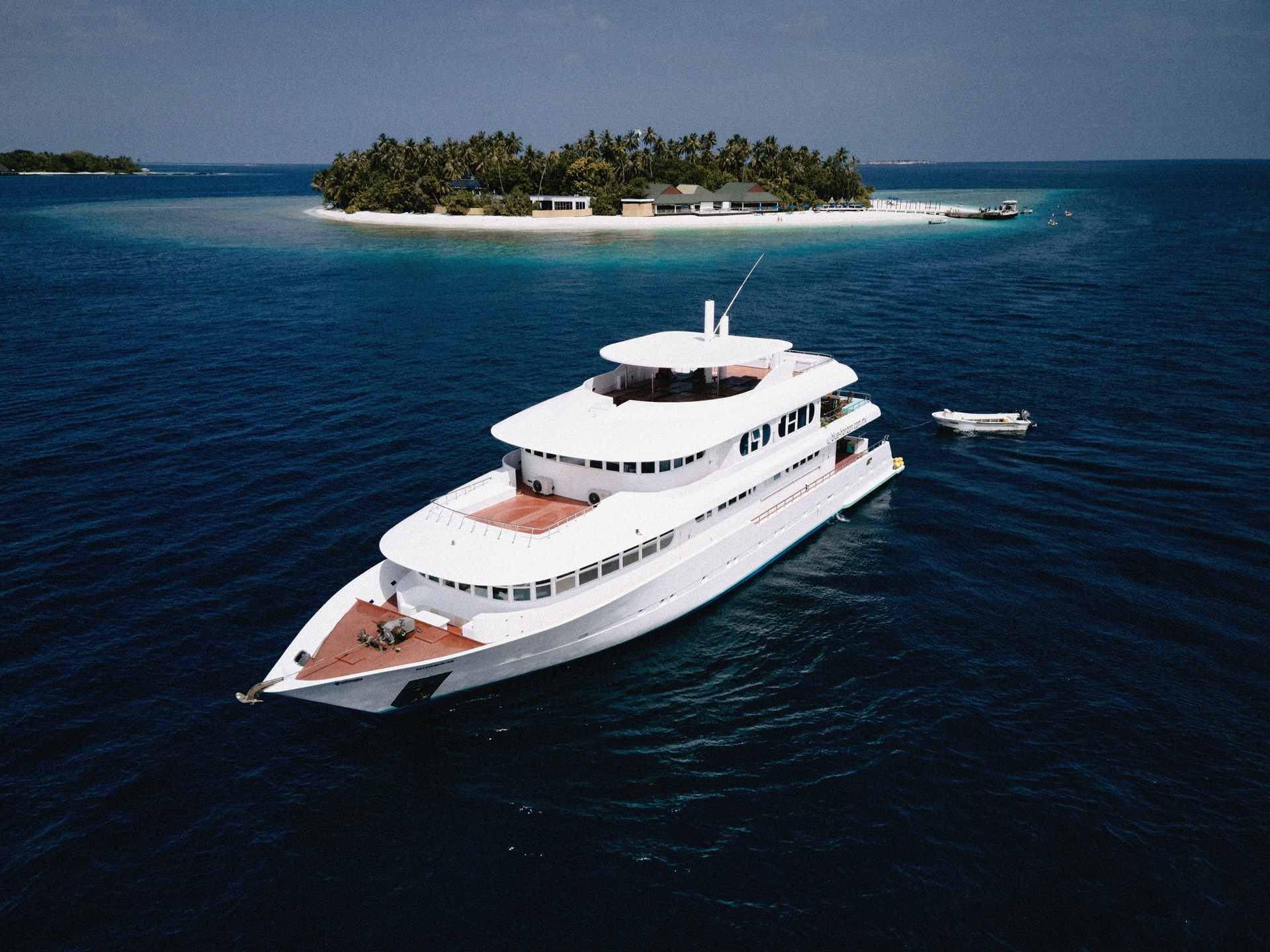
Horizon III
Maldives
25 guests
$204/day
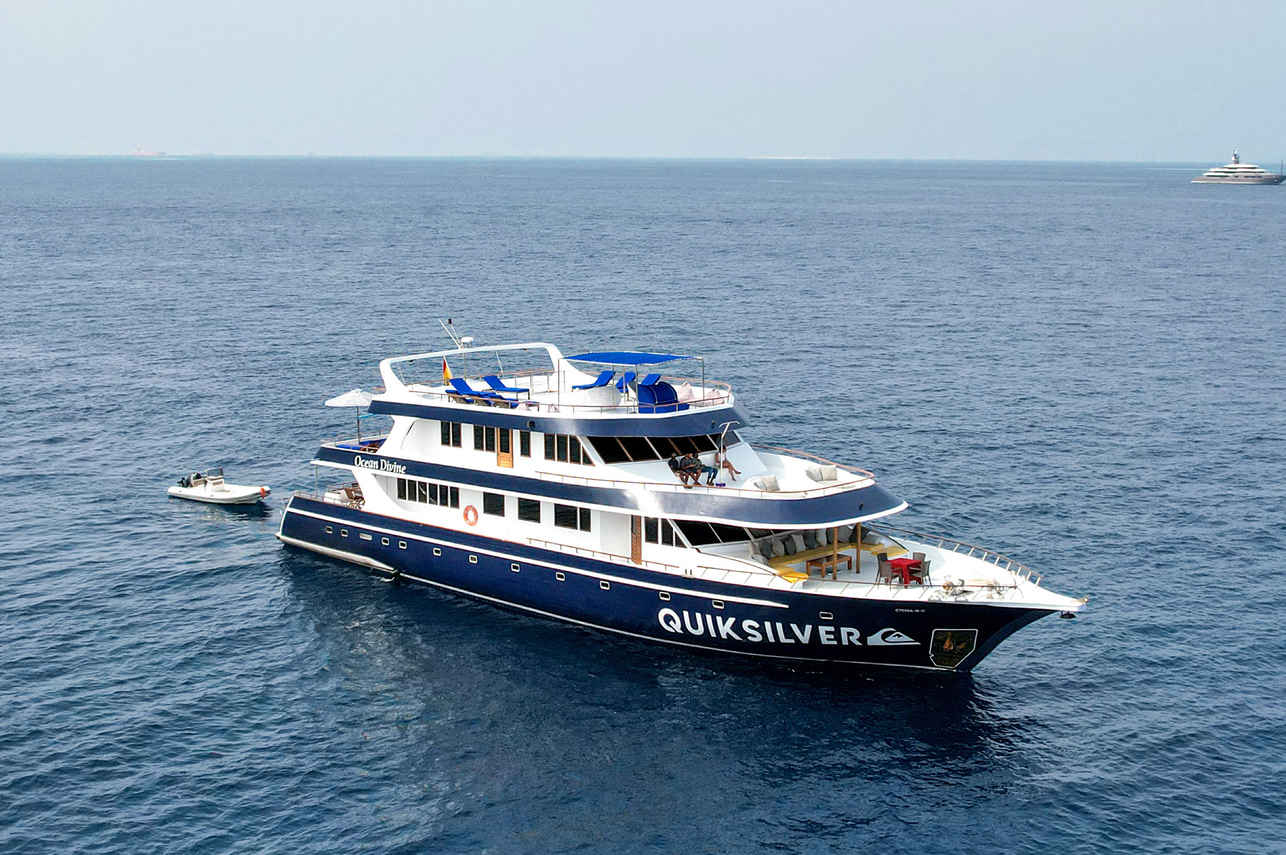
Ocean Divine
Maldives
16 guests33.528 m
$287/day
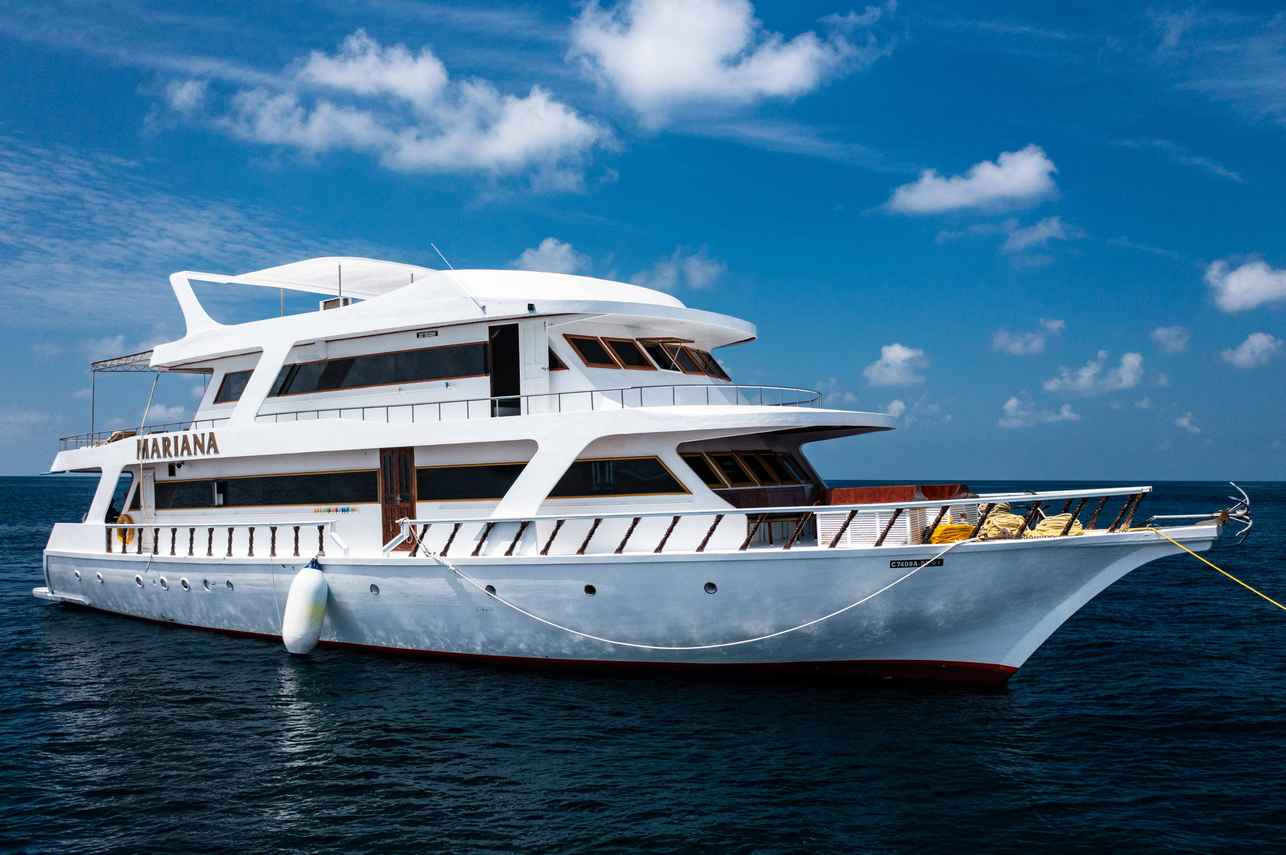
EcoPro Mariana
Maldives
16 guests30 m
$236/day
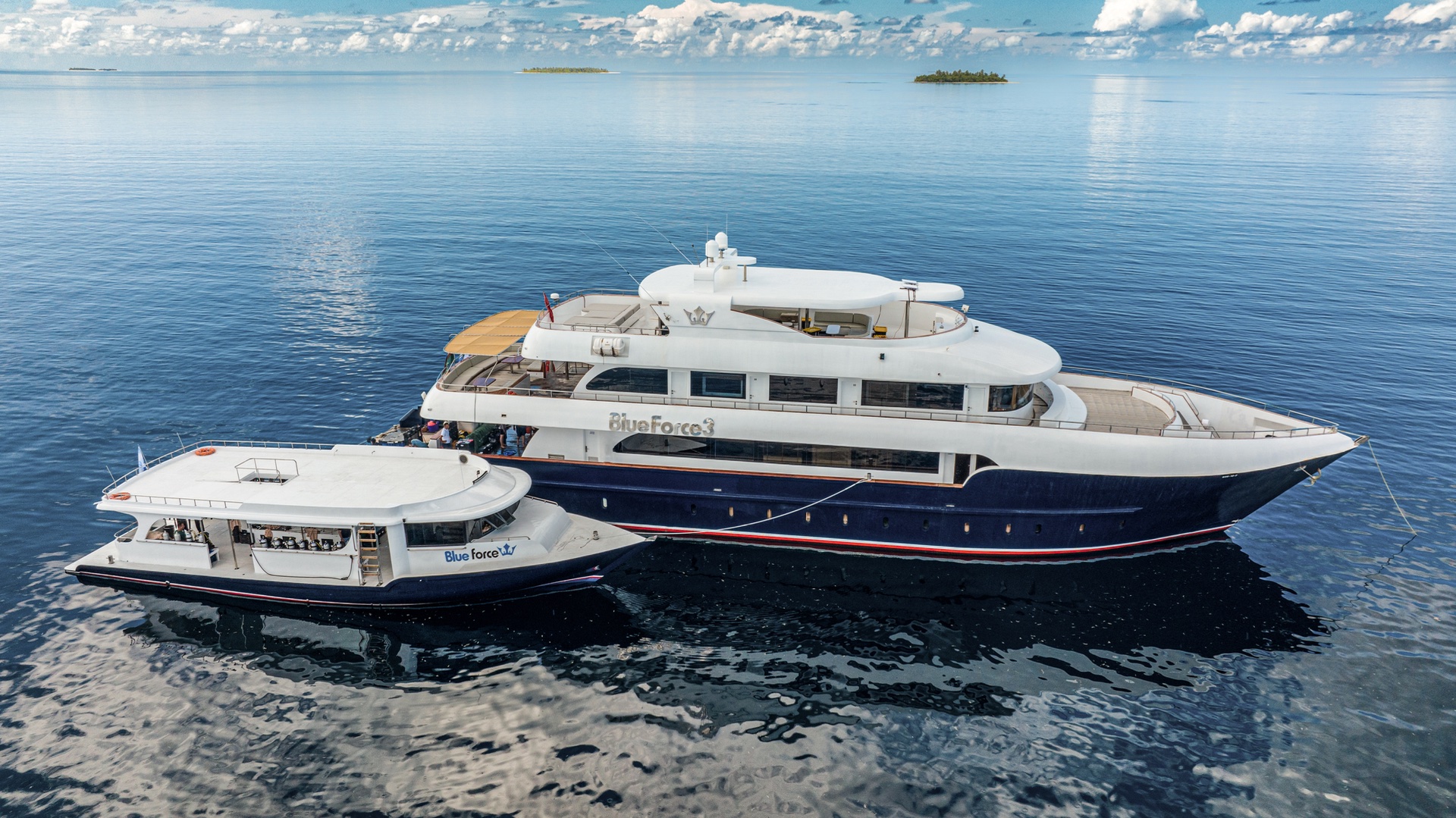
Maldives Blue Force 3
Maldives
26 guests42 m
$236/day
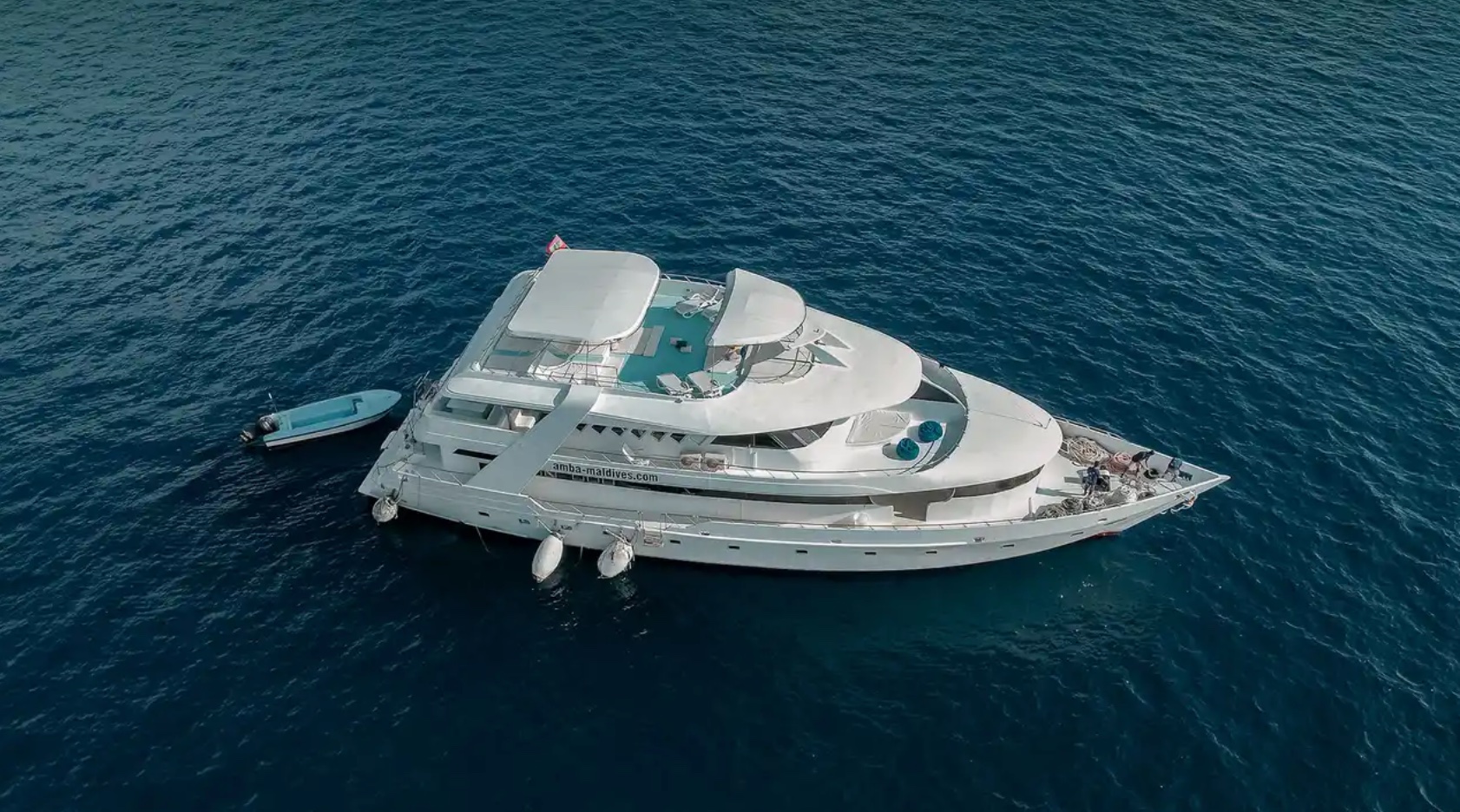
Amba
Maldives
20 guests
$199/day
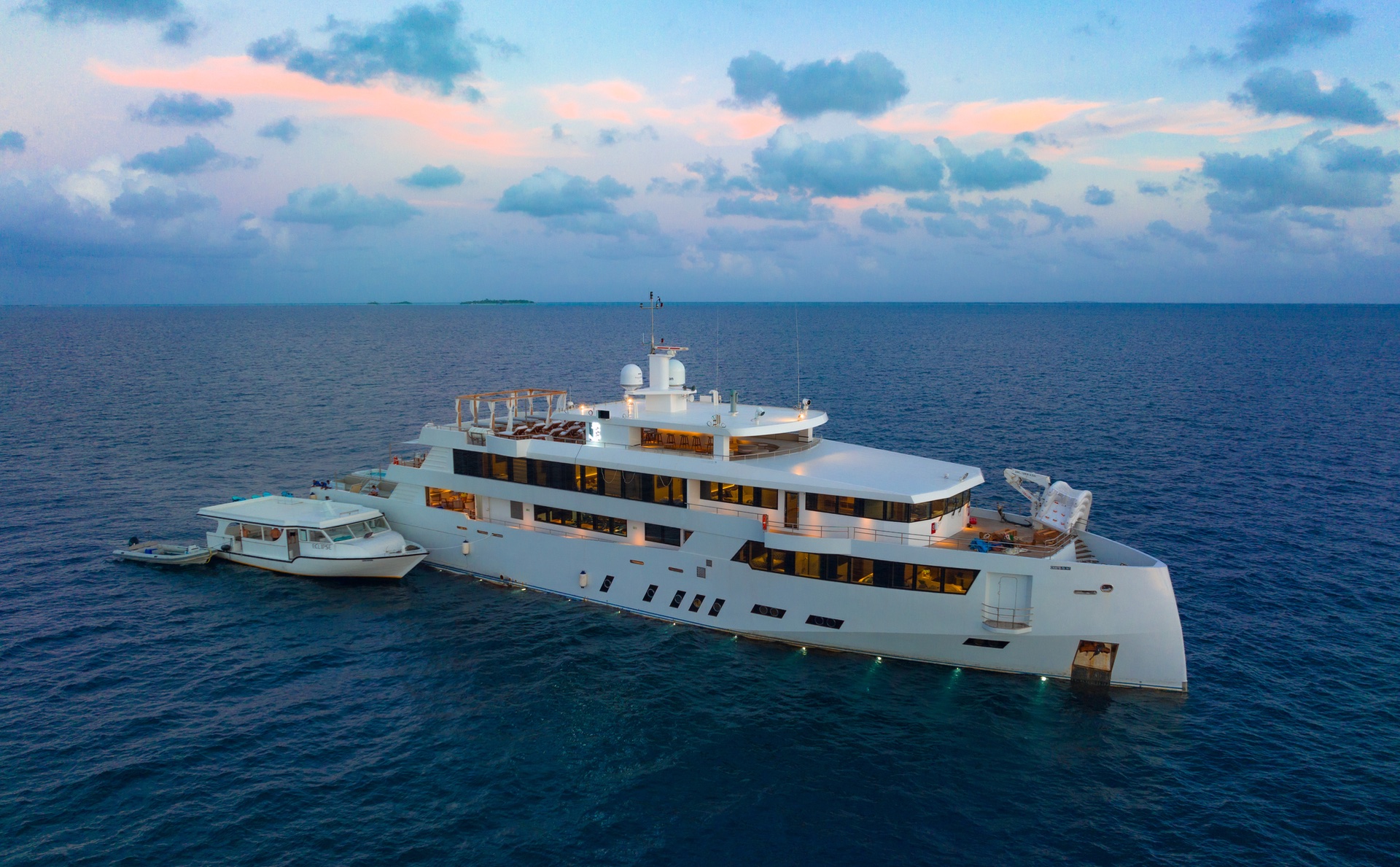
White Pearl
Maldives
26 guests
$375/day
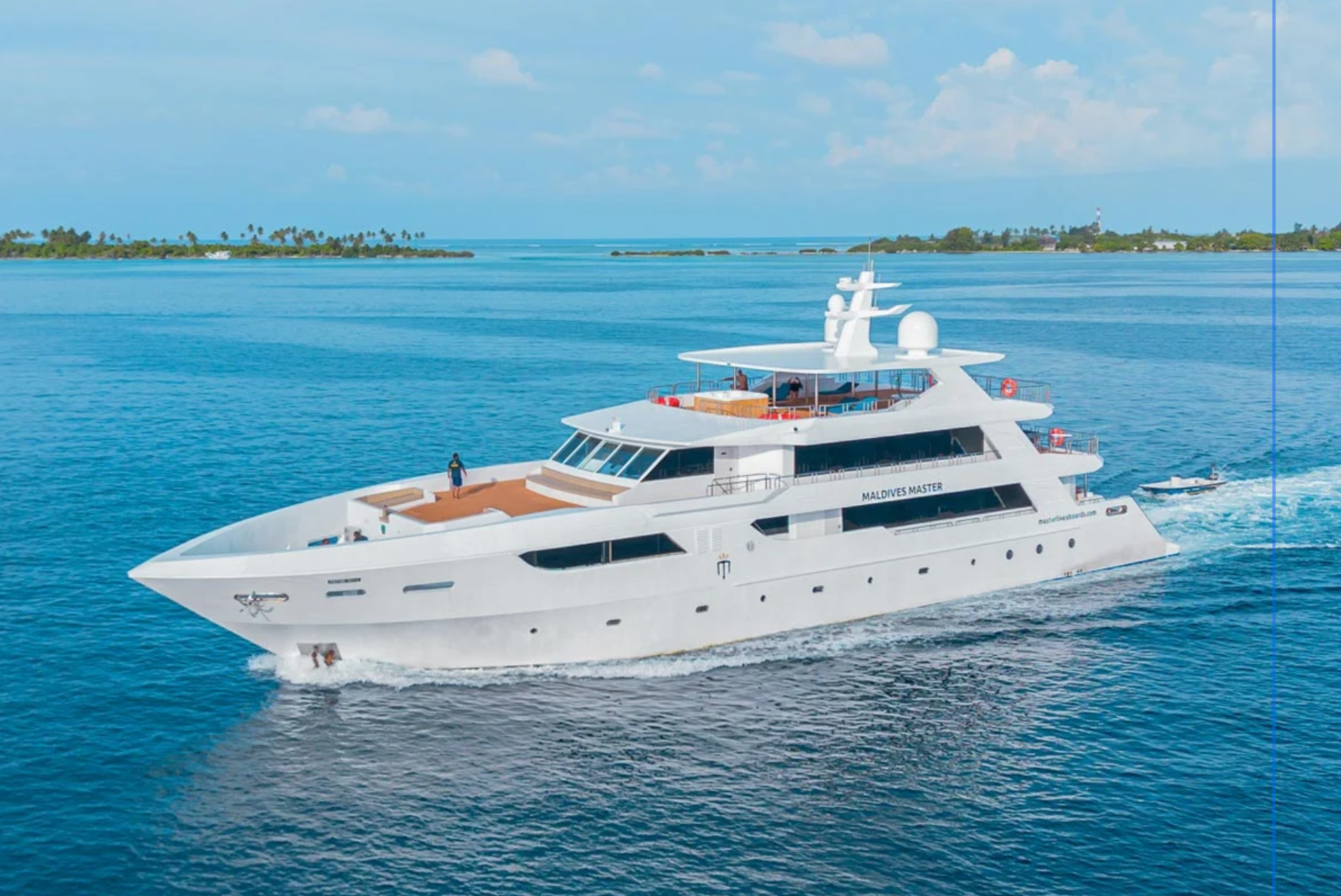
Maldives Master
Maldives
26 guests
$207/day
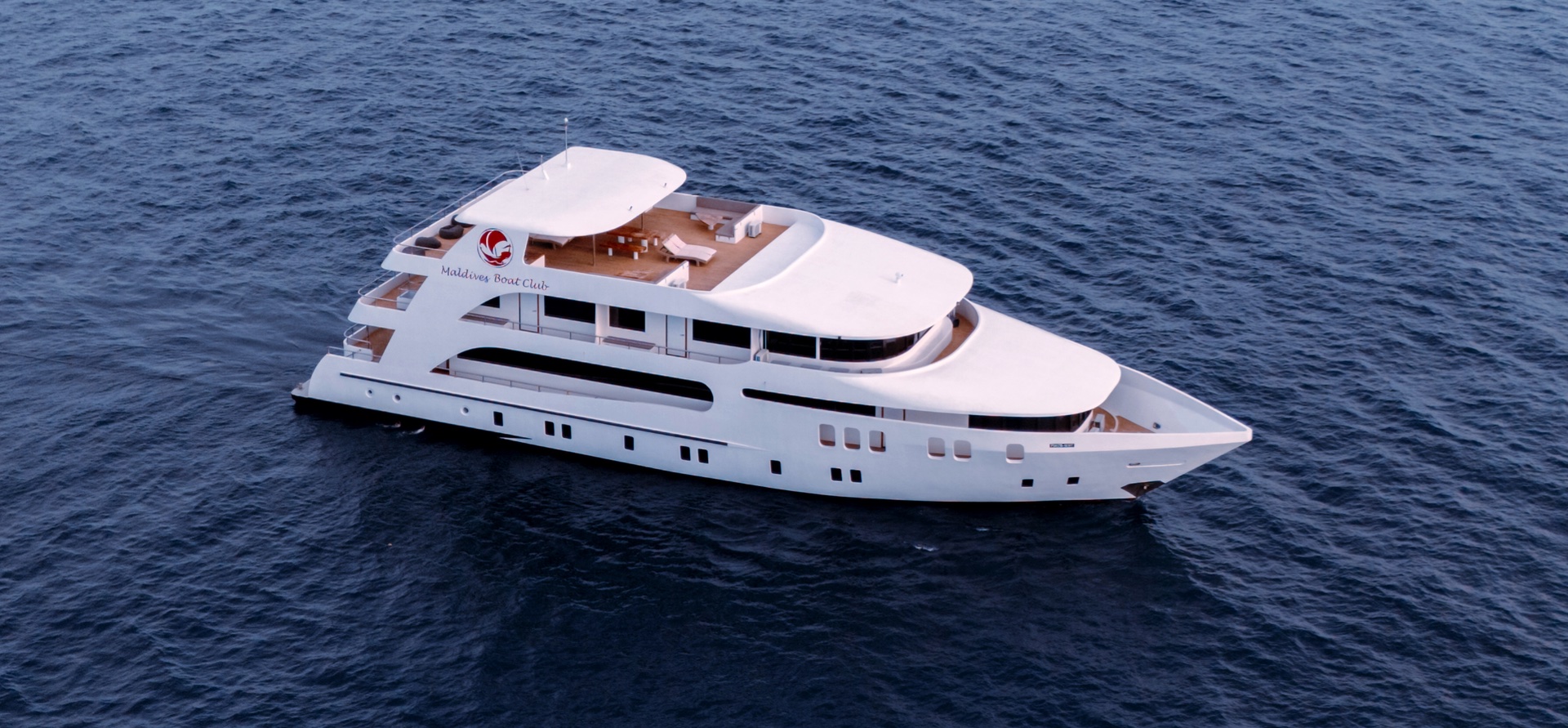
Adora
Maldives
22 guests
$297/day
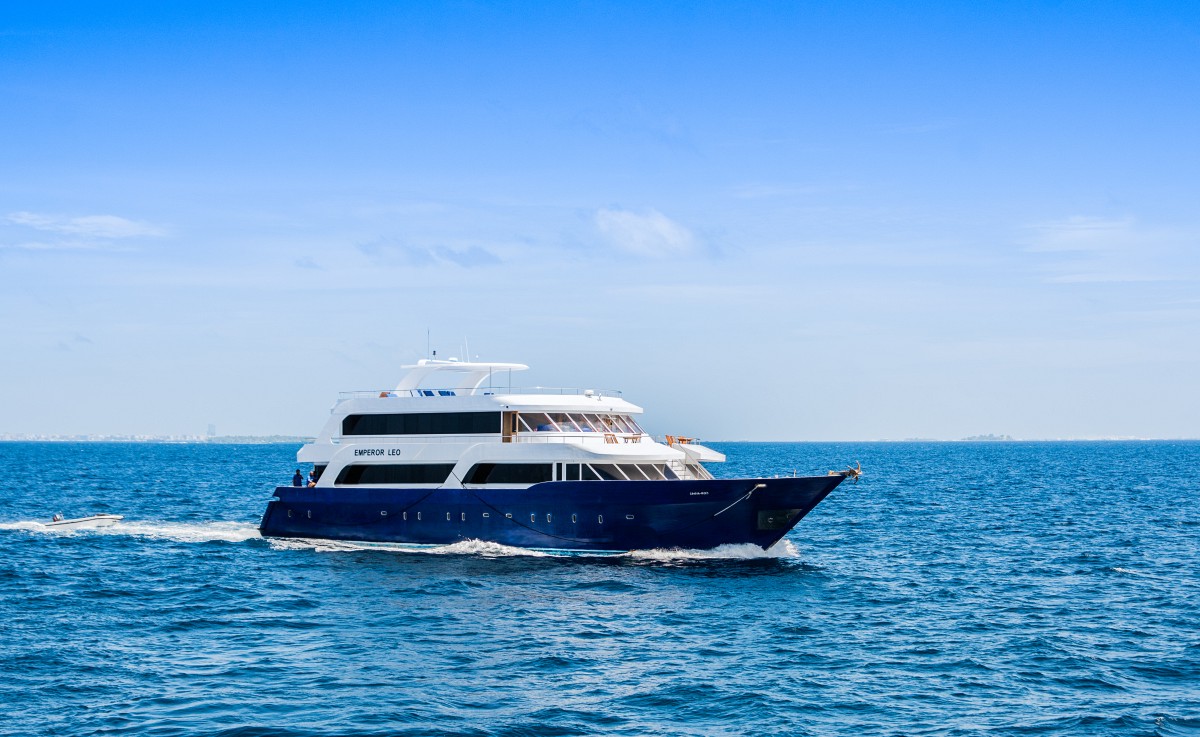
Emperor Leo
Maldives
24 guests35.1 m
$277/day
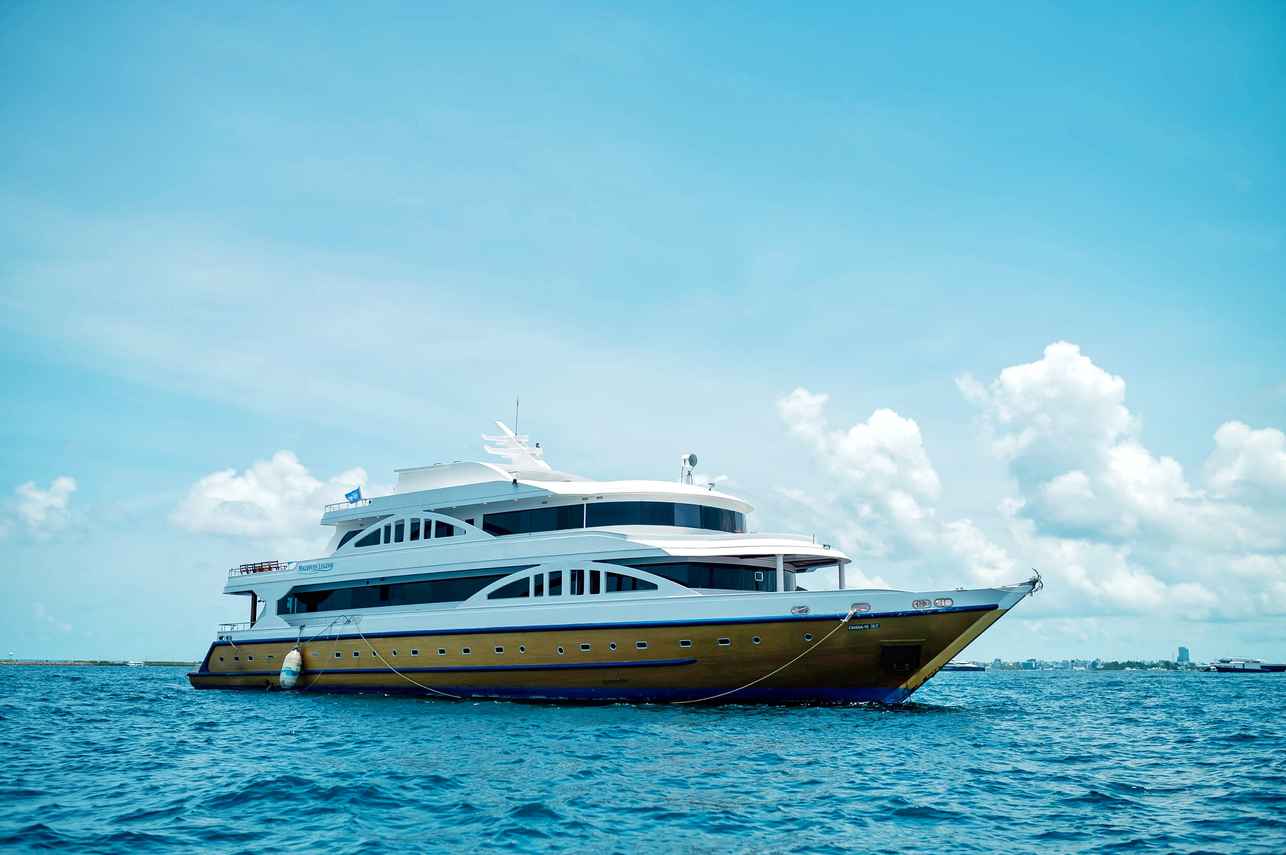
Maldives Legend Zen
Maldives
24 guests41 m
$316/day
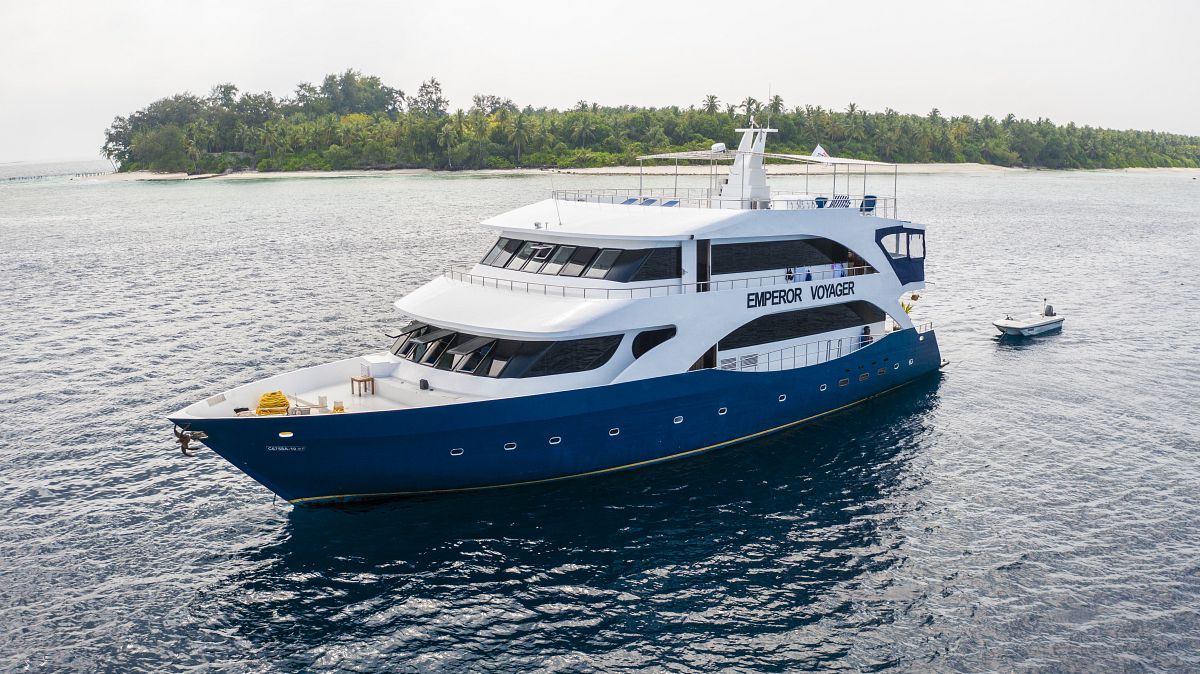
Emperor Voyager
Maldives
20 guests29.9 m
$325/day
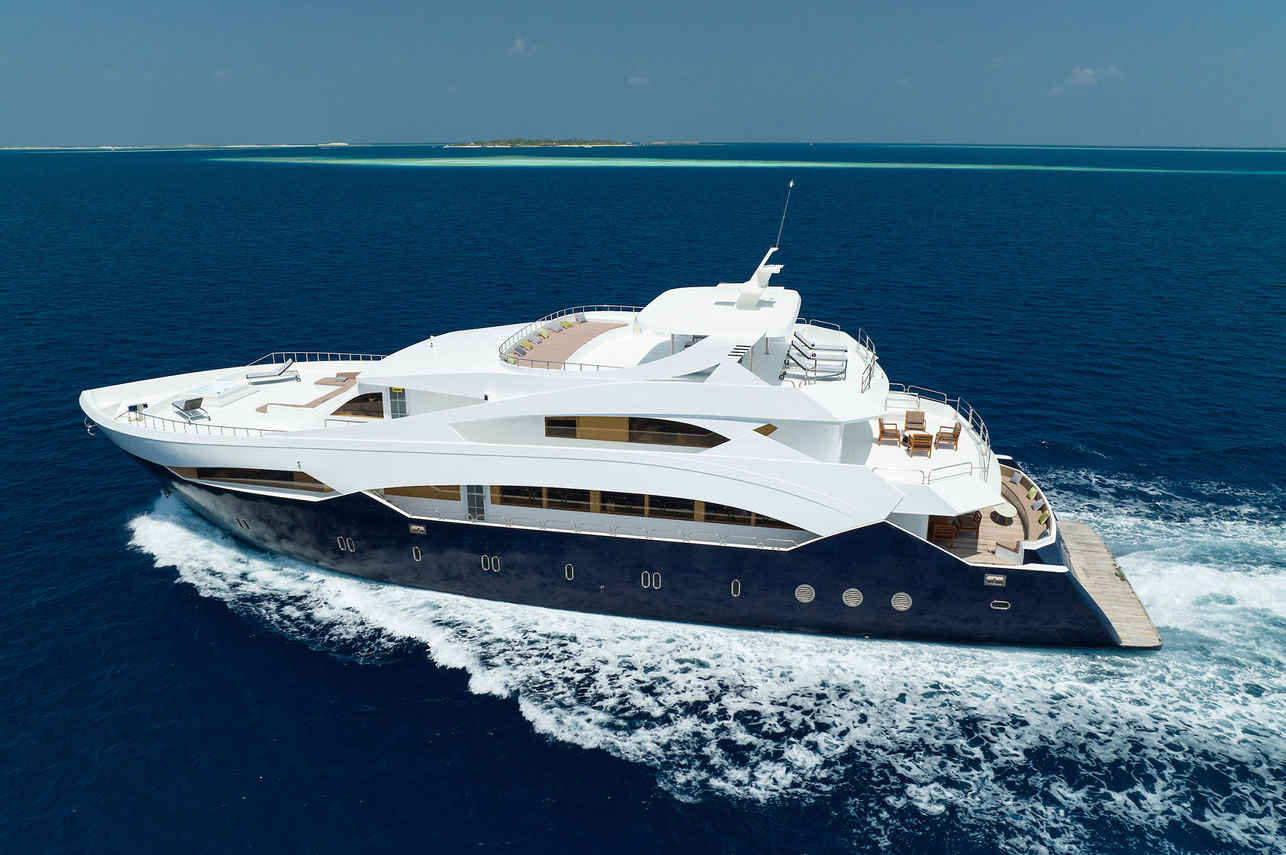
Felicity
Maldives
26 guests41 m
$229/day
Dive sites similar to Mundoo Kandu
Same character, same waters — six more sites divers love for the exact same reasons.Compare seasons, access and liveaboard routes — then pick the site that fits your trip best.
© Esri — Maxar, Earthstar, GIS
Kudimaa Wreck
Maldives
The Kudimaa Wreck is a compelling dive site in the Maldives, offering a fascinating artificial reef environment.
- Suitable for
- Advanced
- Current
- Moderate
- Access
- Liveaboard only
- Depth
- ≤ 30 m
- Theme
- Wreck / Reef
© Esri — Maxar, Earthstar, GIS
Blizzard Ridge
Australia
Blizzard Ridge is a renowned dive site situated within Lighthouse Bay on Ningaloo Reef, Western Australia, easily accessible from Exmouth.
- Suitable for
- Beginner
- Current
- Moderate
- Access
- Liveaboard or dayboat
- Depth
- ≤ 15 m
- Theme
- Reef
© Esri — Maxar, Earthstar, GIS
Andilana Reef
Madagascar
Andilana Reef, situated near Nosy Be on Madagascar's northwestern coast, presents a captivating underwater landscape that appeals to divers of all experience levels.
- Suitable for
- Intermediate
- Current
- Mild
- Access
- Liveaboard or dayboat
- Depth
- 6–22 m
- Theme
- Cave & cavern / Reef
© Esri — Maxar, Earthstar, GIS
Aldebaran Wreck
Seychelles
The Aldebaran Wreck, a 28-meter (92-foot) fishing vessel, was intentionally sunk on July 11, 2008, by the Seychelles Tourism Board to create an artificial reef.
- Suitable for
- Advanced
- Current
- Moderate
- Access
- Liveaboard or dayboat
- Depth
- 28–40 m
- Theme
- Wreck
© Esri — Maxar, Earthstar, GIS
Rottnest Island
Australia
Rottnest Island, located approximately 18 kilometers off Perth, Western Australia, offers exceptional diving characterized by its distinctive limestone formations.
- Suitable for
- Intermediate
- Current
- Mild
- Access
- Dayboat
- Depth
- 8–22 m
- Theme
- Reef / Cave & cavern
© Esri — Maxar, Earthstar, GIS
North Island
Seychelles
North Island is an exclusive dive location within the Seychelles, known for its pristine underwater environment and the opportunity to explore newly discovered sites.
- Suitable for
- Intermediate
- Current
- Moderate
- Access
- Liveaboard only
- Depth
- 18–35 m
- Theme
- Reef