About Maabaidhoo Kandu
Maabaidhoo Kandu is a significant dive site located within the Laamu Atoll, recognized for its rich pelagic marine life and dynamic channel diving experiences. Positioned on the southern dive route of the Maldives, this site is a crucial part of itineraries focusing on shark encounters in less-frequented atolls. The topography of Maabaidhoo Kandu features a channel that acts as a conduit for currents, bringing in nutrients and attracting a variety of larger marine species. Depths commonly range to about 30 meters, where divers can observe the interaction between the strong water flow and the resident reef and pelagic inhabitants. The site benefits from the predominantly incoming currents from the east during certain months, which enhances the pelagic activity. Divers can anticipate encounters with a diverse array of sharks, including Grey Reef Sharks, Hammerheads, Tiger Sharks, Silver Tips, and Zebra Sharks. The currents at the site are a major draw, providing consistent opportunities to observe these apex predators in their natural hunting grounds. The abundance of fish-filled channels in the Laamu Atoll generally ensures excellent visibility, making these encounters particularly spectacular. Diving at Maabaidhoo Kandu typically involves drift dives through the channel. Due to the medium to strong currents, this site is best suited for experienced divers comfortable with these conditions. The strong water movement means negative entries are common, allowing divers to quickly descend and position themselves to observe the pelagic life. This site is exclusively accessed via liveaboard, integrating into multi-atoll southern itineraries.
Highlights
Grey Reef Shark encountersHammerhead Sharks sightingsTiger SharksSilver Tip SharksZebra SharksStrong channel currentsLaamu Atoll pelagic actionDrift diving
Season calendar
Best months to dive here
Jan
Feb
Mar
Apr
May
Jun
Jul
Aug
Sep
Oct
Nov
Dec
Excellent
Good
Aug – Sep & Nov – Apr (NE Monsoon)
Best visibility up to 40m, calm seas, manta rays on the eastern atolls, whale sharks in South Ari Atoll.
May – Jul & Oct (Transition)
Changing conditions, good value, mantas moving between atolls, occasional rain showers.
Dive site facts: Maabaidhoo Kandu
- Depth
- 18–30 m
- Typical dive
- Variable, depends on current
- Current
- Medium to strong
- Visibility
- 20–30 m
- Water temperature
- 27–30°C
- Entry
- Negative entry / Liveaboard tender
- Level
- Advanced, 100+ logged dives, drift experience
- Dive type
- Drift, big_animals, shark
- Night dive
- Not typical for channel dives
- Region / port
- Laamu Atoll, Southern Maldives
- Coordinates
- 3.2271° N, 73.2266° E
Conditions & Currents
Maabaidhoo Kandu is characterized by medium to strong currents, which are a defining feature of channel dives in the Maldives. The currents are predominantly incoming from the east, especially between December and March, funnelling nutrients and pelagic species into the atoll. Divers should expect rapid drift dives, requiring proficiency in negative entries to quickly descend and hook into the reef to observe marine life. These strong currents necessitate advanced diving skills and experience with drift diving, making reef hooks a valuable tool. Visibility typically ranges between 20 and 30 meters, though strong currents can sometimes stir up sediment. Divers must be attentive to the dive guide's briefing regarding current direction and entry points to ensure safety and maximize the experience. This environment is not suitable for novice divers due to the demanding conditions.
Marine life & sighting chances

Grey Reef Shark
common
Hammerhead Shark
occasional
Tiger Shark
occasional
Silver Tip Shark
common
Zebra Shark
occasional
Whale Shark
occasionalDive profile & how the dive runs
Diving Maabaidhoo Kandu typically involves a negative entry from a tender to quickly reach depth and mitigate the strong currents. The dive begins by dropping directly into the channel, often along a vertical wall or reef edge. Divers use reef hooks to hold position against the current, allowing for observation of pelagic species such as Grey Reef Sharks, Hammerheads, Silver Tips, Tiger Sharks, and Zebra Sharks as they patrol the channel. The dive progresses as a drift, following the current through the channel, with depths commonly ranging between 18 to 30 meters. The dive team carefully plans the entry and exit points to work with the current, not against it. The safety stop is conducted as a drifting ascent, maintaining good buoyancy control, typically near the end of the channel or a sheltered area. Nitrox is recommended for extended bottom times.
Underwater photography
Capturing the dynamic pelagic action at Maabaidhoo Kandu requires a wide-angle lens, ideally an ultra-wide or fisheye, to encompass large subjects like Hammerhead and Tiger Sharks, as well as the schooling Grey Reef Sharks. Strong strobes are essential to bring out color and detail against the blue water, especially when subjects are distant or you are shooting against the light. Given the often significant currents, excellent buoyancy control and positioning are critical to avoid stirring up sediment and to maintain a stable shooting platform. Be patient and wait for the marine life to come to you, utilizing the reef hook for stability. Due to the high probability of sharks, be prepared for fast-moving action and adjust camera settings accordingly for rapid focus and burst shooting.
Combine with nearby dive sites
- Isdhoo Muli
Another dive site within Laamu Atoll.
- Munniyafushi Kandu
Another dive site within Laamu Atoll.
- Kooddoo Corner (Gaafu Alifu)
A channel dive in the neighbouring Huvadhoo Atoll, known for sharks.
- Vilingili Kandu (Gaafu Alifu)
A channel dive in the neighbouring Huvadhoo Atoll, known for sharks.
- Mareehaa
A channel dive in the neighbouring Huvadhoo Atoll, known for sharks.
Getting there & logistics
Access to Maabaidhoo Kandu is exclusively via liveaboard, typically as part of a southern Maldives itinerary that spans 10 to 14 nights. Trips often start or end in Malé (MLE) and involve domestic flights to or from regional airports like Addu (GAN), which are usually arranged by the liveaboard operator, potentially at an extra cost. The southern routes encompass several atolls, including South Malé, Vaavu, Meemu, Thaa, Laamu, Huvadhoo, and Fuvahmulah. Divers should budget for these domestic flights in addition to the liveaboard package. Check-in times for liveaboards vary, with a comprehensive briefing on boat safety and diving protocols usually held on the first day. Dive schedules are flexible, dictated by weather, currents, and visibility, with up to three dives per day common and night dives being less frequent on these pelagic-focused southern itineraries.
Safety & environment
Diving at Maabaidhoo Kandu requires a high level of preparedness due to the strong and unpredictable currents. Divers should have Advanced Open Water certification and a minimum of 100 logged dives, with proven experience in drift diving techniques. Nitrox certification is highly recommended to maximize bottom time within no-decompression limits. It is crucial to carry a personal audible signaling device, a visual signaling device, and a reef hook. Comprehensive dive accident insurance, such as that provided by DAN, is mandatory due to the remote nature of the southern atolls and the potential need for medical evacuation. The nearest recompression chamber is located in Malé, meaning evacuations from the southern atolls can be lengthy and complex. Always follow the dive guide's instructions, maintain close proximity to your buddy, and be proficient in self-rescue techniques.
Who it suits — and who it doesn't
Suited for
- Experienced divers comfortable with strong currents
- Advanced Open Water certified divers with 100+ logged dives
- Divers seeking pelagic encounters and shark action
- Liveaboard enthusiasts who enjoy multi-atoll itineraries
- Photographers with wide-angle setups focusing on large marine life
Less suited for
- Beginner divers or those with limited current experience
- Divers uncomfortable with negative entries
- Individuals prone to seasickness on liveaboards
- Those preferring relaxed, shallow reef dives
- Divers without comprehensive dive accident insurance
FAQ
Maabaidhoo Kandu FAQ
What kind of sharks can I see at Maabaidhoo Kandu?
At Maabaidhoo Kandu, divers frequently encounter Grey Reef Sharks and Silver Tip Sharks. There are also good chances to spot Hammerhead Sharks, Tiger Sharks, and Zebra Sharks. The channel's strong currents attract these pelagic species, making it a prime location for shark enthusiasts.
What is the typical depth and visibility at Maabaidhoo Kandu?
Dive depths at Maabaidhoo Kandu generally range from 18 to 30 meters, making it a moderately deep channel dive. Visibility is typically excellent, often reaching between 20 and 30 meters. This clear water provides fantastic opportunities to observe the abundant marine life.
Are the currents strong at Maabaidhoo Kandu?
Yes, Maabaidhoo Kandu is known for its medium to strong currents, which are a defining characteristic of channel dives in the Maldives. These currents are beneficial for attracting large pelagic species but require divers to be experienced in drift diving techniques and comfortable with swift water movement.
What is the best time of year to dive Maabaidhoo Kandu?
The ideal time to dive Maabaidhoo Kandu is during the dry season, from December to March. During these months, the prevailing currents in the channels are incoming from the east, which creates optimal conditions for pelagic encounters and shark sightings.
Is Maabaidhoo Kandu suitable for all divers?
No, Maabaidhoo Kandu is not suitable for all divers. Due to the strong currents and the nature of channel diving, it is recommended for advanced divers with a minimum of 100 logged dives and prior experience with drift diving. Beginners or those uncomfortable with currents should opt for less challenging sites.
Why dive Maabaidhoo Kandu from a liveaboard?
Maabaidhoo Kandu is one of Maldives's signature dive sites. A liveaboard sleeps you on the water and puts you in the water for three to four guided dives per day, including dawn and night dives that day-boat operators rarely offer. You skip the daily commute back to port and reach quieter, less-crowded sites in the same region on a single trip.
Below are the liveaboards that include Maabaidhoo Kandu on their Maldives itineraries.
Liveaboards diving Maabaidhoo Kandu
These liveaboards may visit Maabaidhoo Kandu on selected itineraries — the exact dive sites depend on departure, weather and conditions.
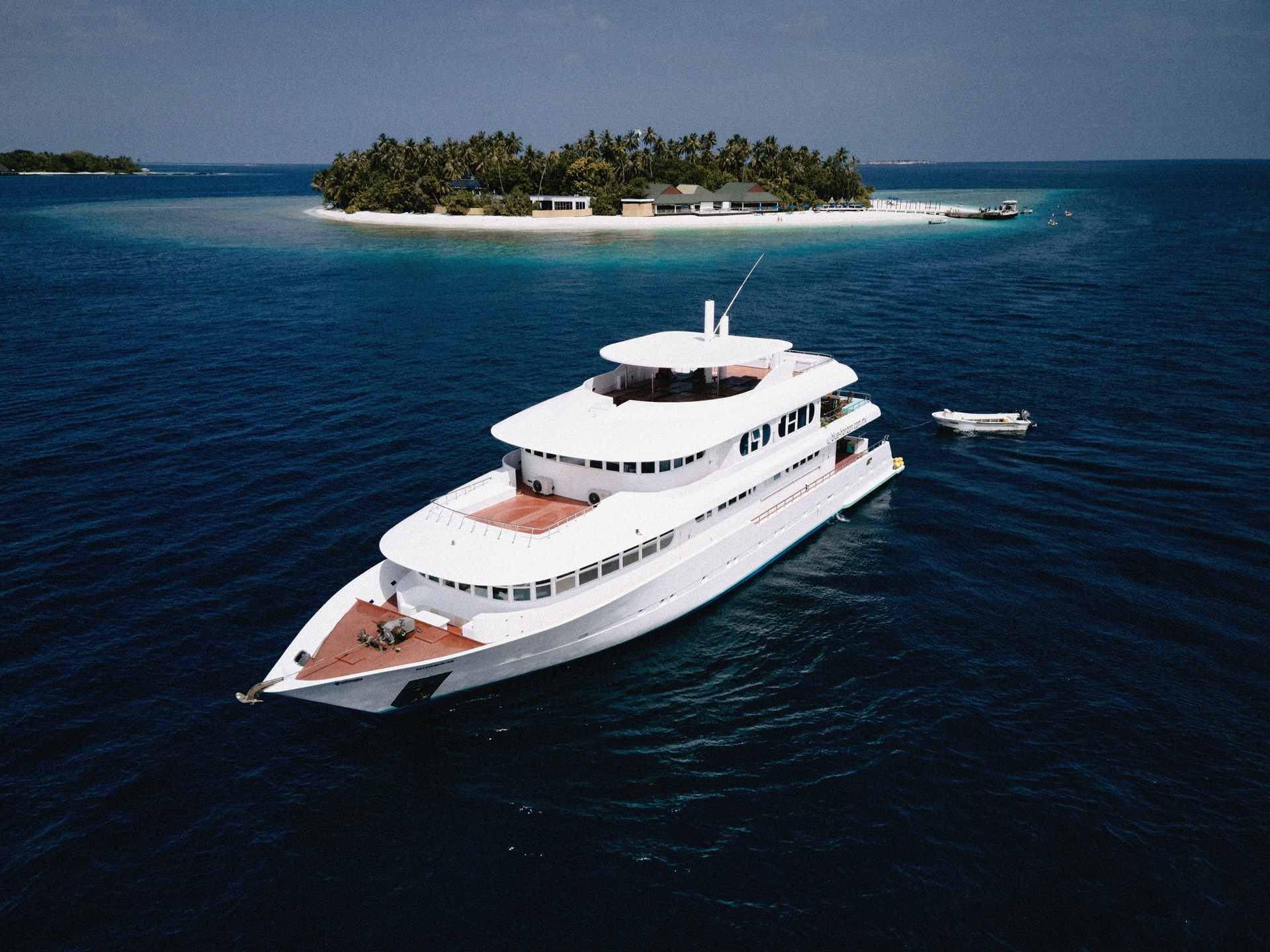
Horizon III
Maldives
25 guests
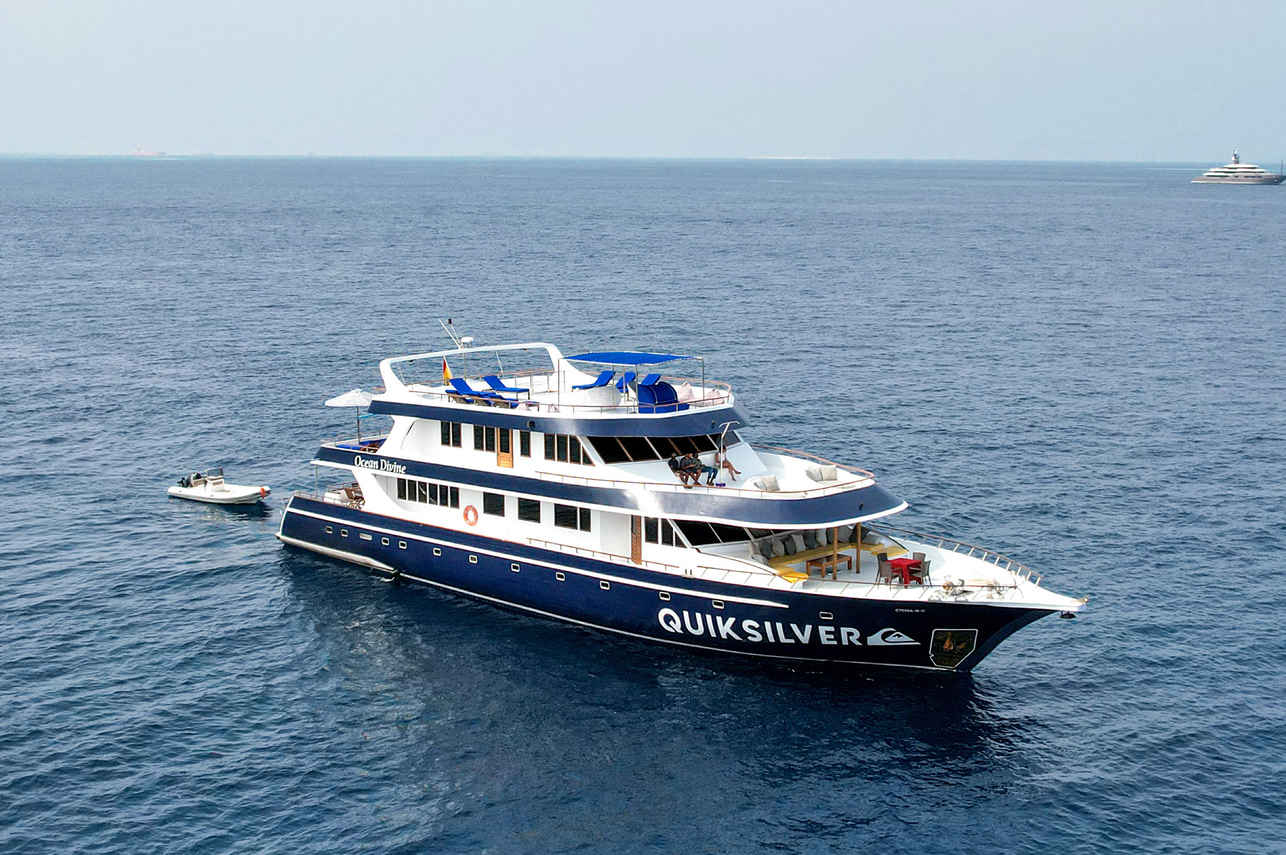
Ocean Divine
Maldives
16 guests34 m
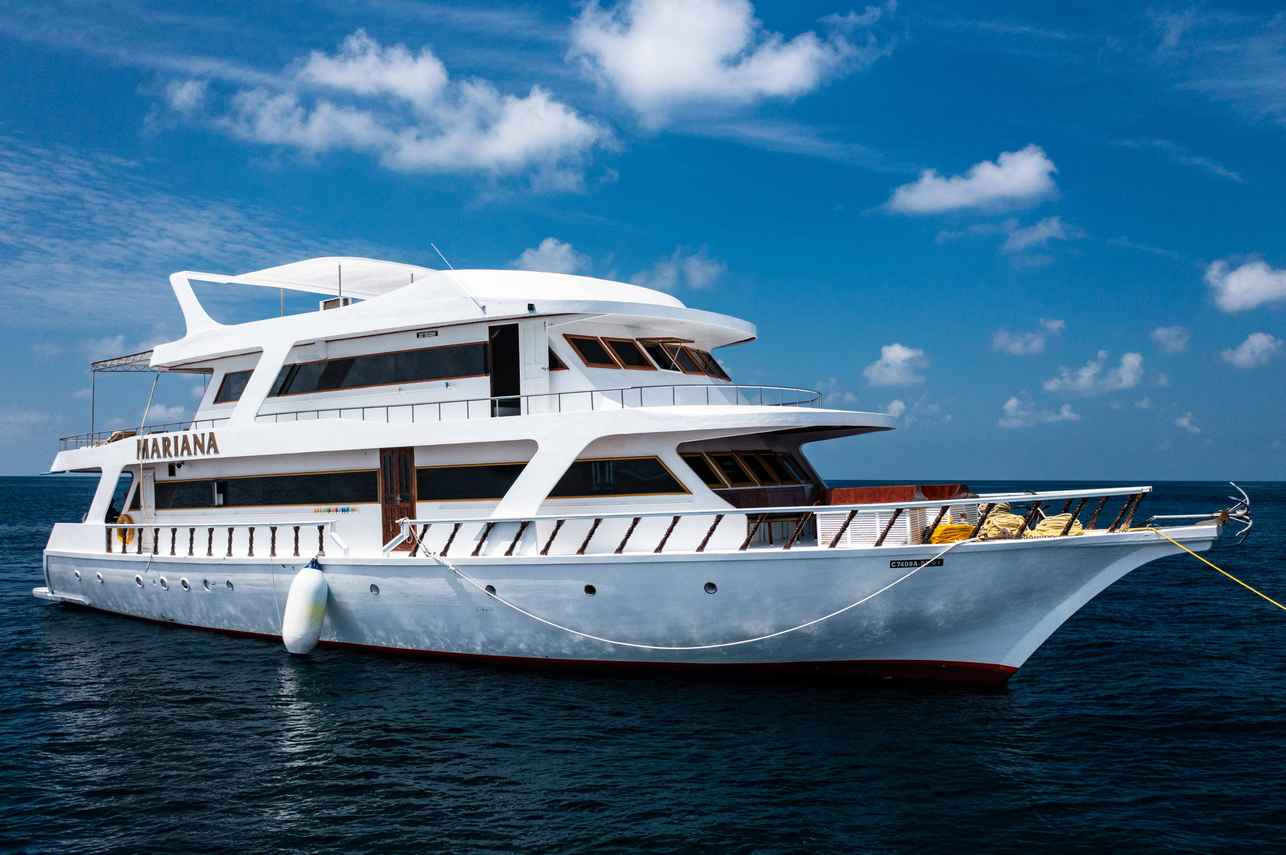
EcoPro Mariana
Maldives
16 guests30 m
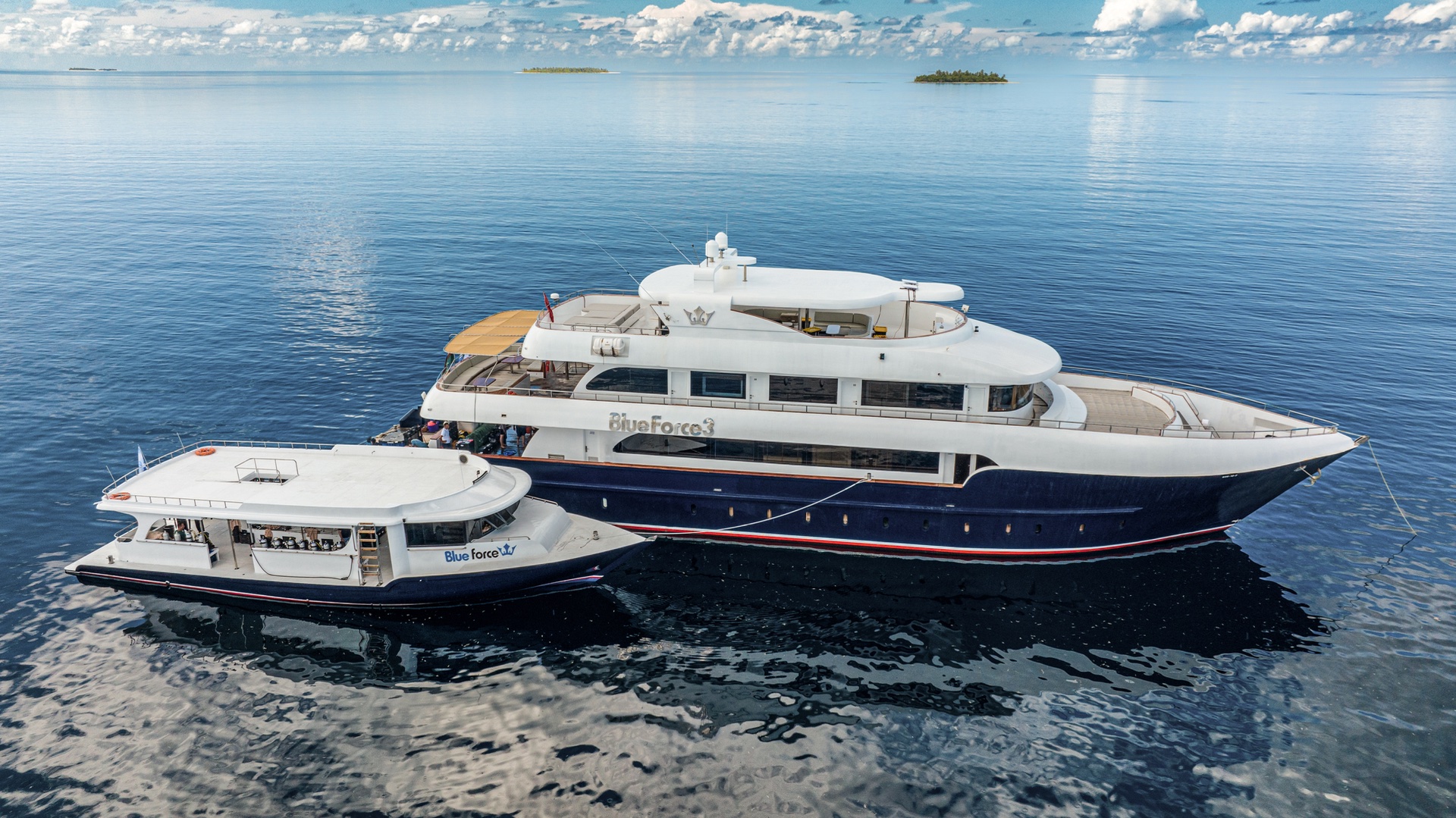
Maldives Blue Force 3
Maldives
26 guests42 m
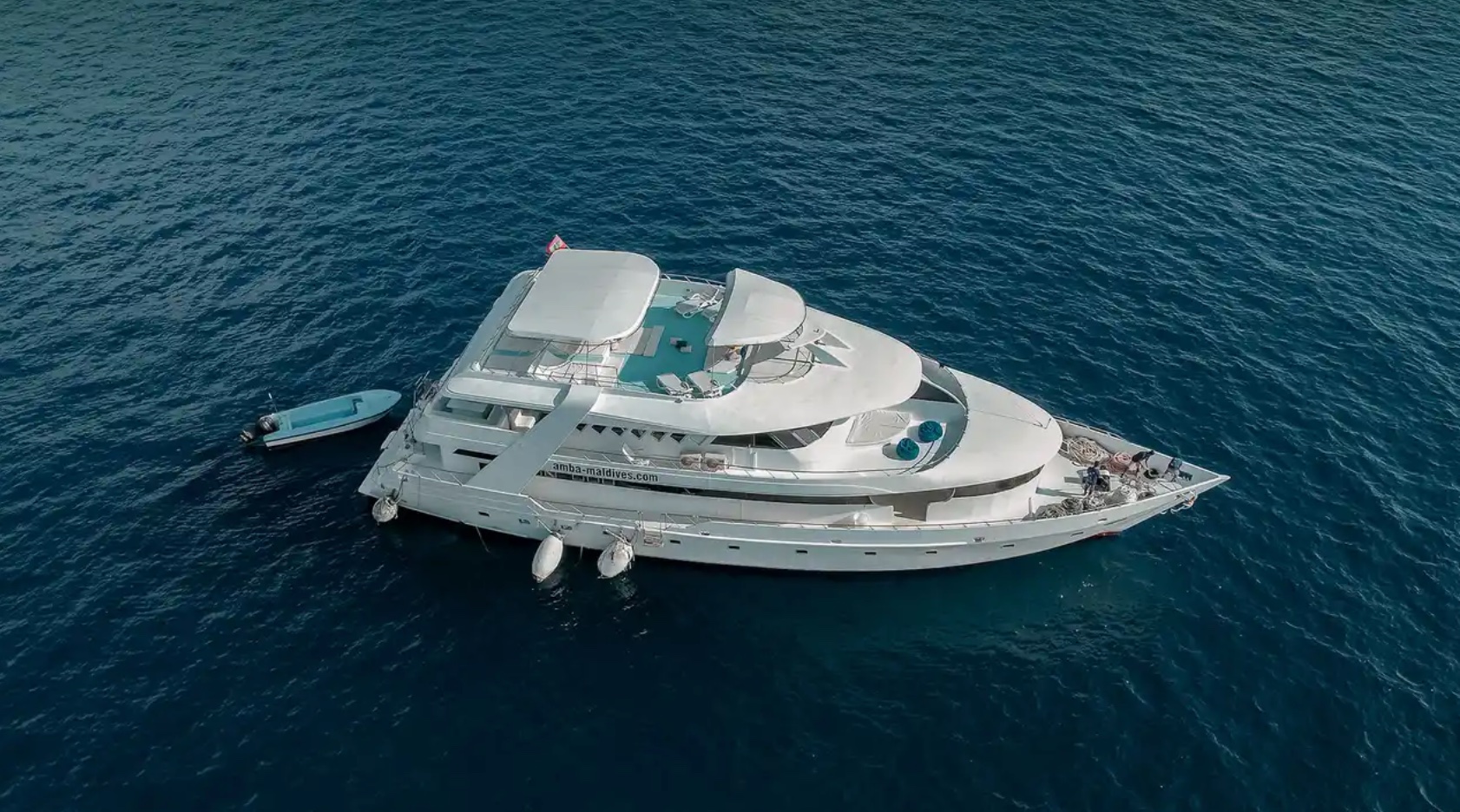
Amba
Maldives
20 guests
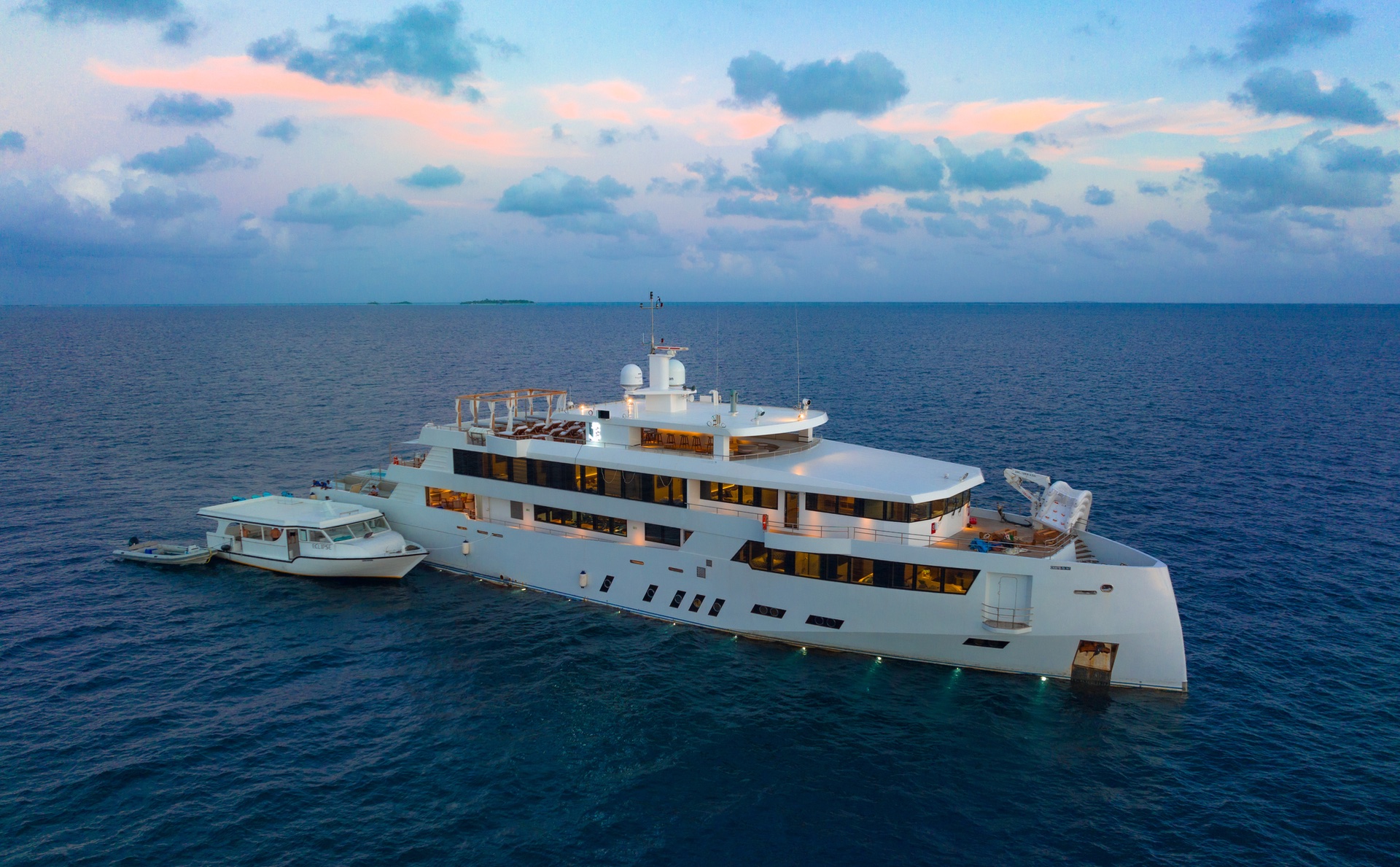
White Pearl
Maldives
26 guests
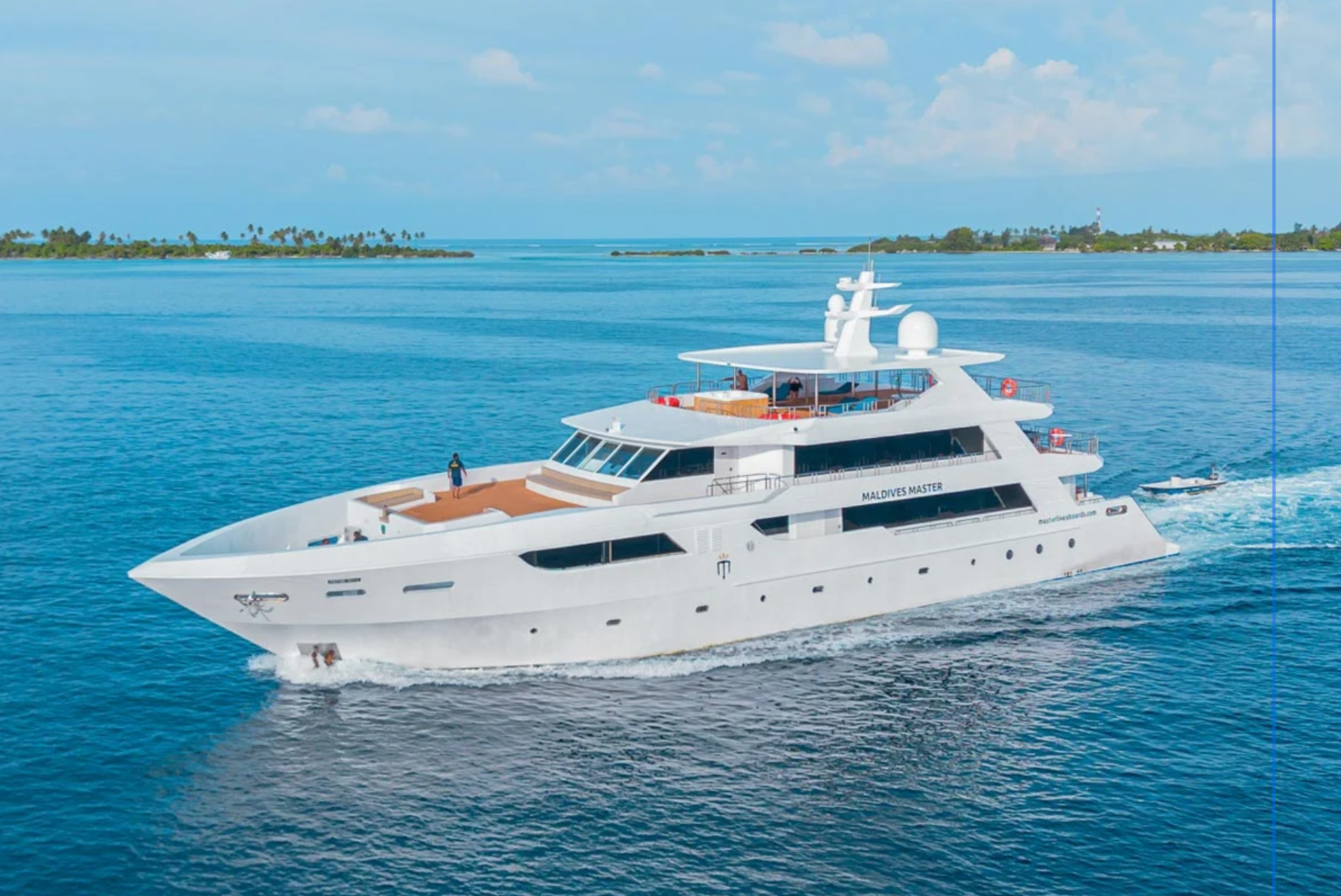
Maldives Master
Maldives
26 guests
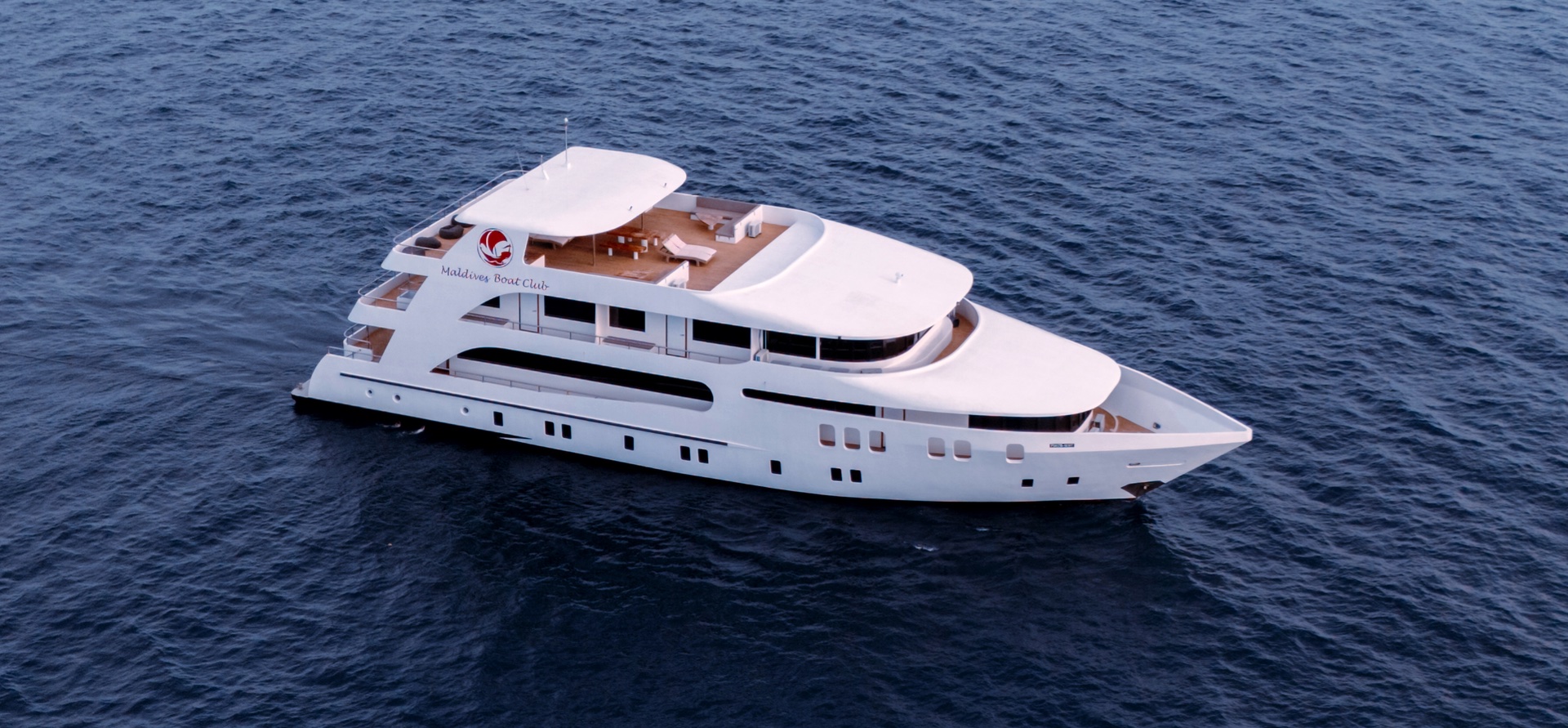
Adora
Maldives
22 guests
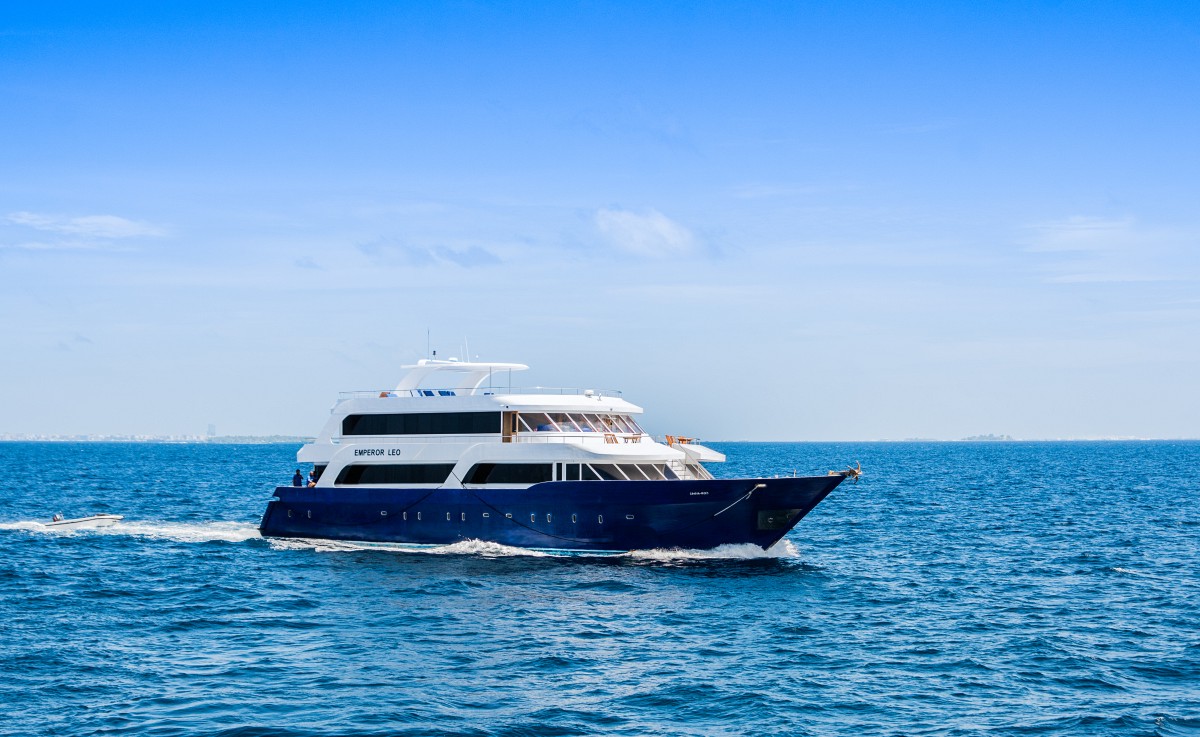
Emperor Leo
Maldives
24 guests35 m
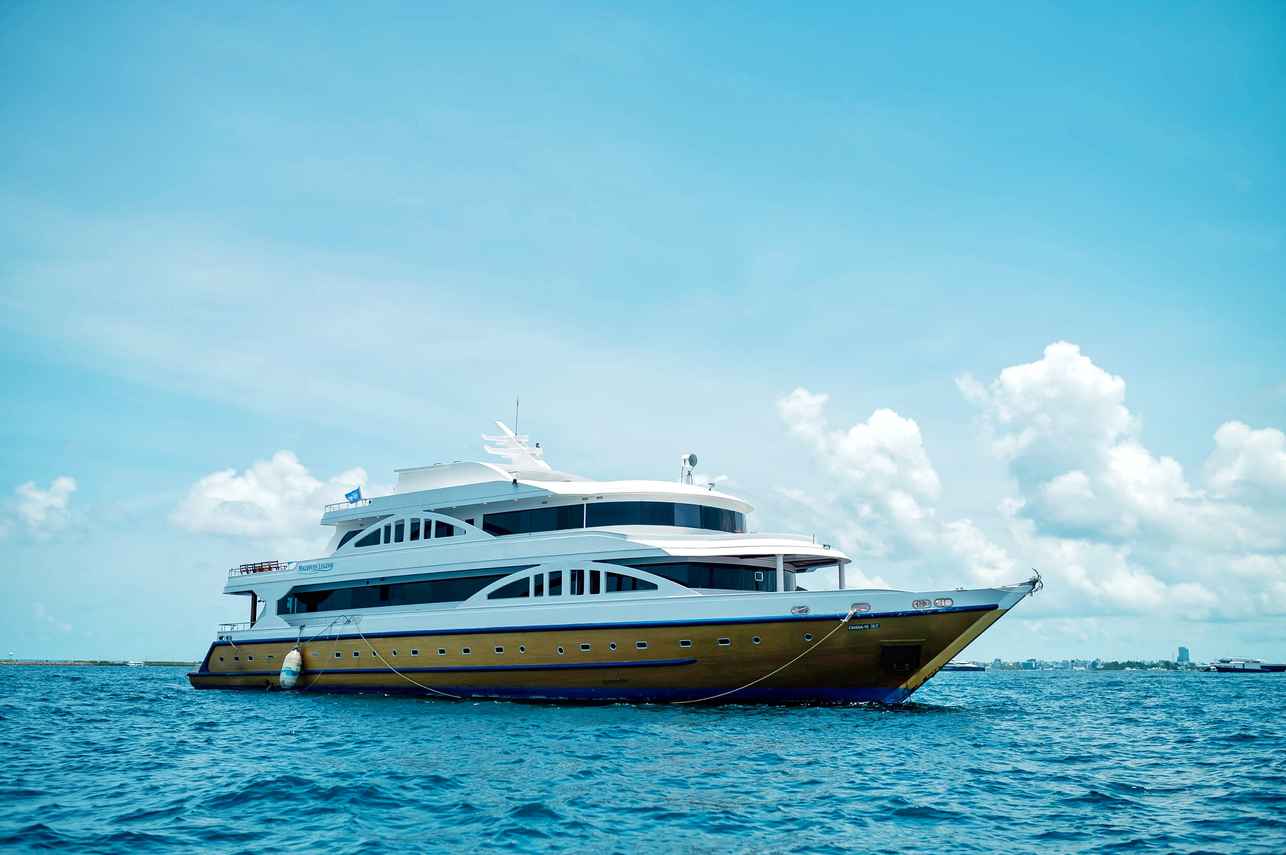
Maldives Legend Zen
Maldives
24 guests41 m
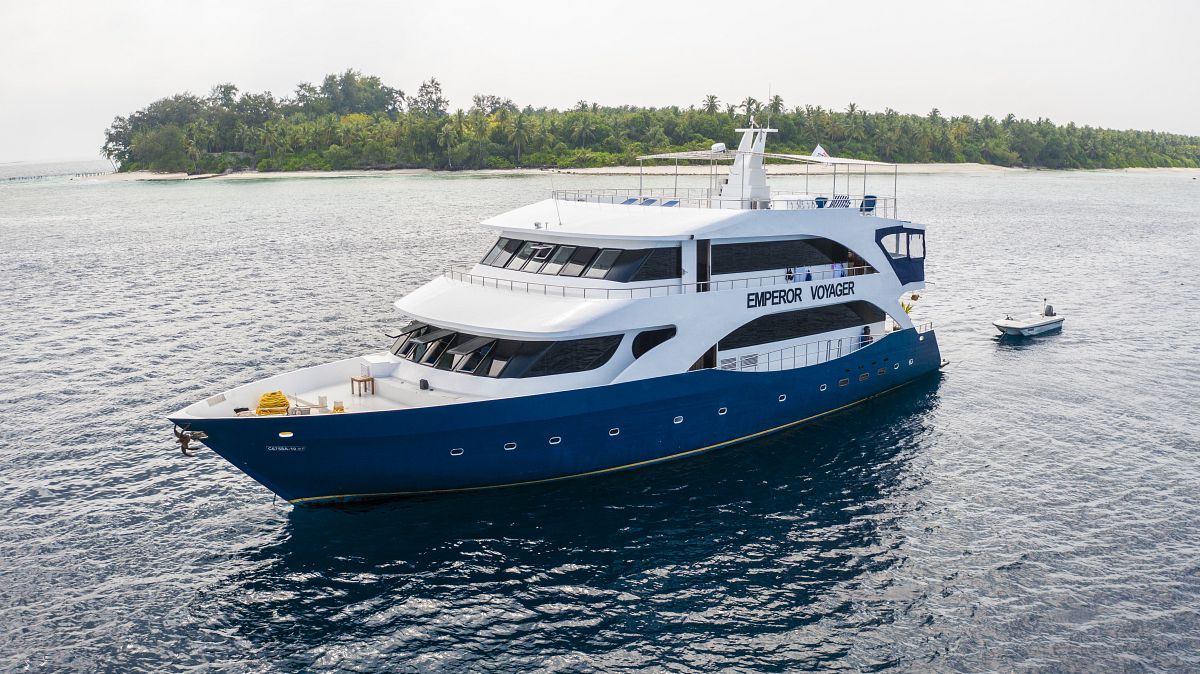
Emperor Voyager
Maldives
20 guests30 m
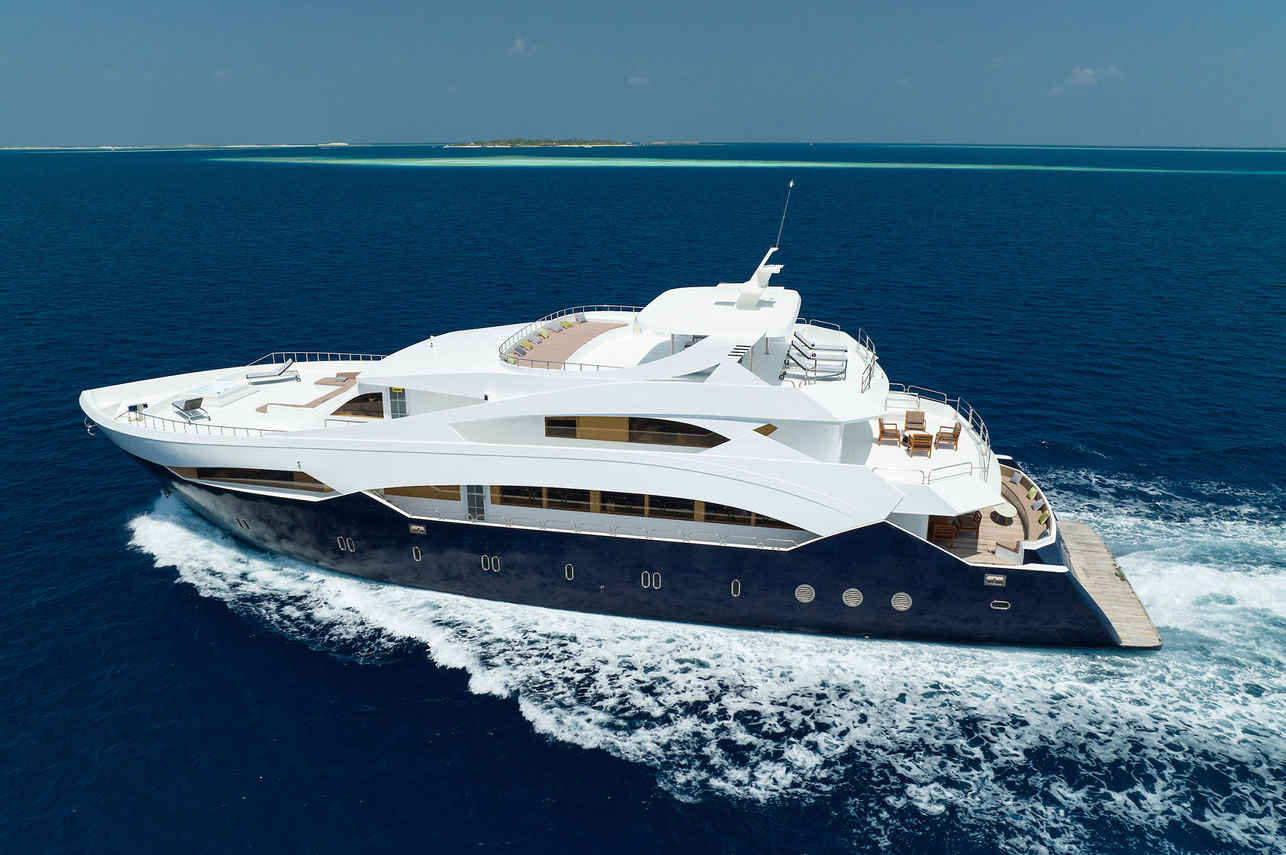
Felicity
Maldives
26 guests41 m
Dive sites similar to Maabaidhoo Kandu
Same character, same waters — six more sites divers love for the exact same reasons.Compare seasons, access and liveaboard routes — then pick the site that fits your trip best.
© Esri — Maxar, Earthstar, GIS
7th Heaven
Maldives
7th Heaven is a vibrant channel reef located in the South Ari Atoll of the Maldives.
- Suitable for
- Intermediate
- Current
- Strong
- Access
- Liveaboard only
- Depth
- 10–30 m
- Theme
- Reef / Drift
The dive site known as "Abyss" is not specifically mentioned or described in the provided sources.
- Suitable for
- Intermediate
- Current
- Moderate
- Access
- Liveaboard or dayboat
- Depth
- 18–50 m
- Theme
- Reef
© Esri — Maxar, Earthstar, GIS
Addu Kandu
Maldives
Addu Kandu, also known as Addu Channel, is a significant natural waterway situated within the Addu Atoll, which is the southernmost atoll in the Maldives.
- Suitable for
- Advanced
- Current
- Strong
- Access
- Liveaboard only
- Depth
- 10–35 m
- Theme
- Drift
© Esri — Maxar, Earthstar, GIS
Aldabra Atoll
Seychelles
Aldabra Atoll, a remote UNESCO World Heritage Site in the Seychelles, offers an unparalleled diving experience that transports you back to a pristine, pre-industrial marine ecosystem.
- Suitable for
- Advanced
- Current
- Strong
- Access
- Liveaboard or dayboat
- Depth
- 5–40 m
- Theme
- Cave & cavern / Drift
© Esri — Maxar, Earthstar, GIS
Aldebaran Wreck
Seychelles
The Aldebaran Wreck, a 28-meter (92-foot) fishing vessel, was intentionally sunk on July 11, 2008, by the Seychelles Tourism Board to create an artificial reef.
- Suitable for
- Advanced
- Current
- Moderate
- Access
- Liveaboard or dayboat
- Depth
- 28–40 m
- Theme
- Wreck
© Esri — Maxar, Earthstar, GIS
Alimatha Jetty
Maldives
Alimatha Jetty, situated in the Vaavu Atoll beside the Alimatha Aquatic Resort's working pier, is celebrated as a premier night dive destination in the Maldives.
- Suitable for
- Beginner
- Current
- Moderate
- Access
- Liveaboard or dayboat
- Depth
- 2–12 m
- Theme
- Reef