About Train Wreck
The Train Wreck is a unique dive site located off the northern tip of Eleuthera, forming part of the infamous Devil's Backbone reef. This site is the scattered remains of a barge carrying a steam locomotive that sank during a severe storm in 1865. The wooden barge has largely disintegrated over time, but the iron components of the locomotive, including wheels, trucks, and boiler plates, remain recognizable, creating an intriguing underwater landscape. Resting in shallow waters, typically around 4.5 to 7.5 meters (15 to 25 feet), the Train Wreck is accessible to a wide range of divers, including beginners and snorkelers. The site's historical significance and ease of access make it a popular spot for underwater photographers and history enthusiasts. Visibility here is often excellent, especially during the dry season, revealing the vibrant marine life that has colonized the wreck. The iron wreckage has transformed into a thriving artificial reef, attracting various marine species. Divers can observe schools of snapper, nudibranchs, angelfish, parrotfish, and even occasional octopus sheltering within the remnants. Its shallow depth allows for extended bottom times, providing ample opportunity to explore the unique combination of historical artifact and vibrant ecosystem. While part of the Devil's Backbone, a reef known for its challenging conditions, the specific location of the Train Wreck generally experiences minimal current exposure. It is typically reached via boat trips from nearby Harbour Island or Spanish Wells, offering a convenient and rewarding dive experience as part of a multi-site itinerary.
Highlights
1865 steam locomotive wreckageShallow, accessible diveDevil's Backbone historyArtificial reef for snapperNudibranch habitatExcellent for photography
Season calendar
Best months to dive here
Jan
Feb
Mar
Apr
May
Jun
Jul
Aug
Sep
Oct
Nov
Dec
Excellent
Good
Dive site facts: Train Wreck
- Depth
- 4.5–7.5 m (15–25 ft)
- Current
- Mild
- Visibility
- 24–30 m (80–100 ft)
- Water temperature
- 24–29°C (75–84°F)
- Entry
- Boat
- Level
- Beginner / Open Water
- Dive type
- Wreck, historical, reef
- Region / port
- Eleuthera / Harbour Island
- Coordinates
- 25.38, -76.78
Conditions & Currents
The Train Wreck, being part of the Devil's Backbone, can occasionally be affected by currents, though generally, it offers minimal current exposure due to its shallow depth. Conditions can vary, particularly on the Atlantic-facing sites along the Devil's Backbone which are weather-dependent. Dive operators typically plan trips during calm conditions, especially given the site's suitability for less experienced divers. Divers should always be mindful of local conditions and follow guide instructions, particularly for entry and exit, although strong currents are not the norm here. Visibility is consistently excellent, often exceeding 24 meters, which helps in navigating the site regardless of minor water movement.
Marine life & sighting chances

Snapper
common
Nudibranchs
common
Angelfish
common
Parrotfish
common
Spotted trunkfish
common
Anemones
common
Shrimps
common
Queen conch
common
Octopus
occasional
Corals (various)
common
Sea fans
common
Sponges
commonDive profile & how the dive runs
Dives to the Train Wreck typically begin with a boat drop directly over the site, which lies in 4.5 to 7.5 meters of water. Divers descend to the scattered remains of the steam locomotive, immediately encountering train wheels, boiler plates, and other iron components. The dive typically involves a leisurely exploration of the wreck, moving across the sandy bottom to examine the various artifacts and the marine life they host. Due to its shallow depth, bottom times can be extended, allowing ample opportunity for photography and observation. There is no specific turn point as the wreck itself is the main focus, and divers can circle the area repeatedly. Safety stops are often integrated into the end of the dive at this shallow depth, or performed as a brief pause before ascending to the surface directly from the site.
Underwater photography
The Train Wreck offers exceptional opportunities for underwater photography, particularly for wide-angle and macro shots. For wide-angle, a fisheye or wide rectilinear lens is ideal to capture the expanse of the scattered train components and the blue Bahamian water. The shallow depth means ambient light is abundant, but strobes will help bring out the vibrant colors of the corals, sponges, and marine life on the wreckage. For macro subjects, such as nudibranchs and small crustaceans hiding within the iron structures, a macro lens and focus light are highly recommended. Buoyancy control is crucial here to avoid stirring up sand from the bottom, which can quickly reduce visibility and spoil shots. Be mindful not to disturb the historical artifacts and maintain a respectful distance from marine life.
Combine with nearby dive sites
- Cienfuegos
A 300-foot steam-powered passenger ship wreck in 10m of water, teeming with angelfish and conch.
- Vanaheim
An 85-foot freighter near the Cienfuegos, covered in vibrant corals.
- Carnarvon
A 185-foot steel freighter with well-preserved engine and boiler in 8m of water.
- Current Cut
Known for exhilarating drift dives through a narrow channel.
- Cape Eleuthera Wall
Deep walls dropping to 600m, with vibrant corals and pelagic encounters.
Getting there & logistics
To dive the Train Wreck, you typically fly into North Eleuthera Airport (ELH), which has connections from major US cities via Nassau or other Bahamian islands. From ELH, a short taxi ride and water taxi will take you to Harbour Island or Spanish Wells, which serve as primary departure points for dive operators. Liveaboards like the Bahamas Aggressor II also offer itineraries that include Eleuthera dive sites. Day trips to the Train Wreck are common from these islands, often combining it with other nearby Devil's Backbone wrecks due to their close proximity and similar shallow depths. No special permits are generally required for diving this site, and typical dive excursions last a half-day or full-day, often including multiple dives.
Safety & environment
Diving the Train Wreck is generally considered safe due to its shallow depth and usually mild currents. However, all divers should have appropriate dive insurance that covers emergency medical treatment and evacuation, as recompression chambers are not immediately available on Eleuthera or nearby islands. The nearest chamber is typically in Nassau. In case of a dive emergency, evacuation would likely involve a boat transfer to shore followed by air transport, which can be costly without proper insurance. Divers should always dive with a reputable local guide who understands the specific conditions of the Devil's Backbone and be mindful of not touching or disturbing the historical wreckage. Staying hydrated and well-rested is important, especially when diving multiple times a day.
Who it suits — and who it doesn't
Suited for
- Beginner divers
- Underwater photographers
- Wreck enthusiasts
- Snorkelers
- History buffs
- Divers seeking shallow, extended bottom times
Less suited for
- Divers seeking deep technical dives
- Those expecting pristine, intact wreck structures
- Divers preferring strong current drift dives
FAQ
Train Wreck FAQ
What is the history behind the Train Wreck?
The Train Wreck dates back to 1865 when a barge transporting a steam locomotive for the war effort ran aground on the Devil's Backbone reef during a severe storm. The barge sank with its cargo, scattering the heavy iron components of the train across the seabed where they remain today, providing a unique historical diving experience.
How deep is the Train Wreck and what level of diver is it suitable for?
The Train Wreck is remarkably shallow, resting in approximately 4.5 to 7.5 meters (15 to 25 feet) of water. This makes it an ideal site for beginner divers, including those with Open Water certification. Its accessibility also makes it suitable for snorkelers, provided conditions are calm.
What kind of marine life can I expect to see at the Train Wreck?
Despite being a historical wreck, the iron components of the locomotive have become a thriving artificial reef. Divers commonly encounter schools of snapper, colorful nudibranchs, angelfish, parrotfish, and spotted trunkfish. Anemones, various corals, and sponges also adorn the wreckage, occasionally sheltering octopuses.
Is the Train Wreck intact enough to penetrate?
No, the Train Wreck consists of scattered components rather than an intact vessel. The original wooden barge has largely disintegrated, leaving behind the heavy iron parts of the steam locomotive. Therefore, there are no interior spaces for wreck penetration; exploration focuses on the scattered debris and marine life.
How do I get to the Train Wreck dive site?
The Train Wreck is located off the northern tip of Eleuthera and is typically accessed by boat. Most divers fly into North Eleuthera Airport, then take a short taxi and water taxi to either Harbour Island or Spanish Wells, where local dive operators offer guided trips to the site, often combining it with other nearby wrecks.
Why dive Train Wreck from a liveaboard?
Train Wreck is one of Bahamas's signature dive sites. A liveaboard sleeps you on the water and puts you in the water for three to four guided dives per day, including dawn and night dives that day-boat operators rarely offer. You skip the daily commute back to port and reach quieter, less-crowded sites in the same region on a single trip.
Below are the liveaboards that include Train Wreck on their Bahamas itineraries.
Liveaboards diving Train Wreck
These liveaboards may visit Train Wreck on selected itineraries — the exact dive sites depend on departure, weather and conditions.
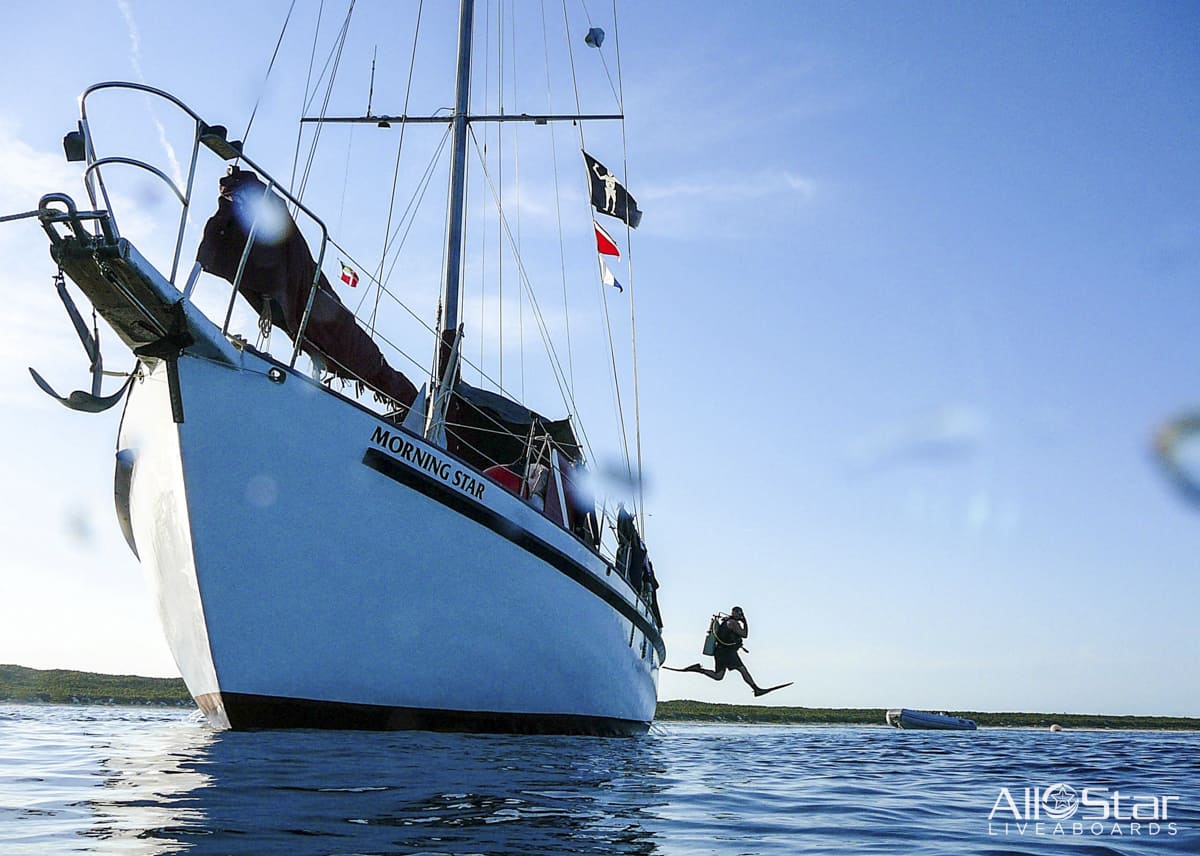
All Star Blackbeards Morning Star
Bahamas
24 guests19.81 m
$156/day
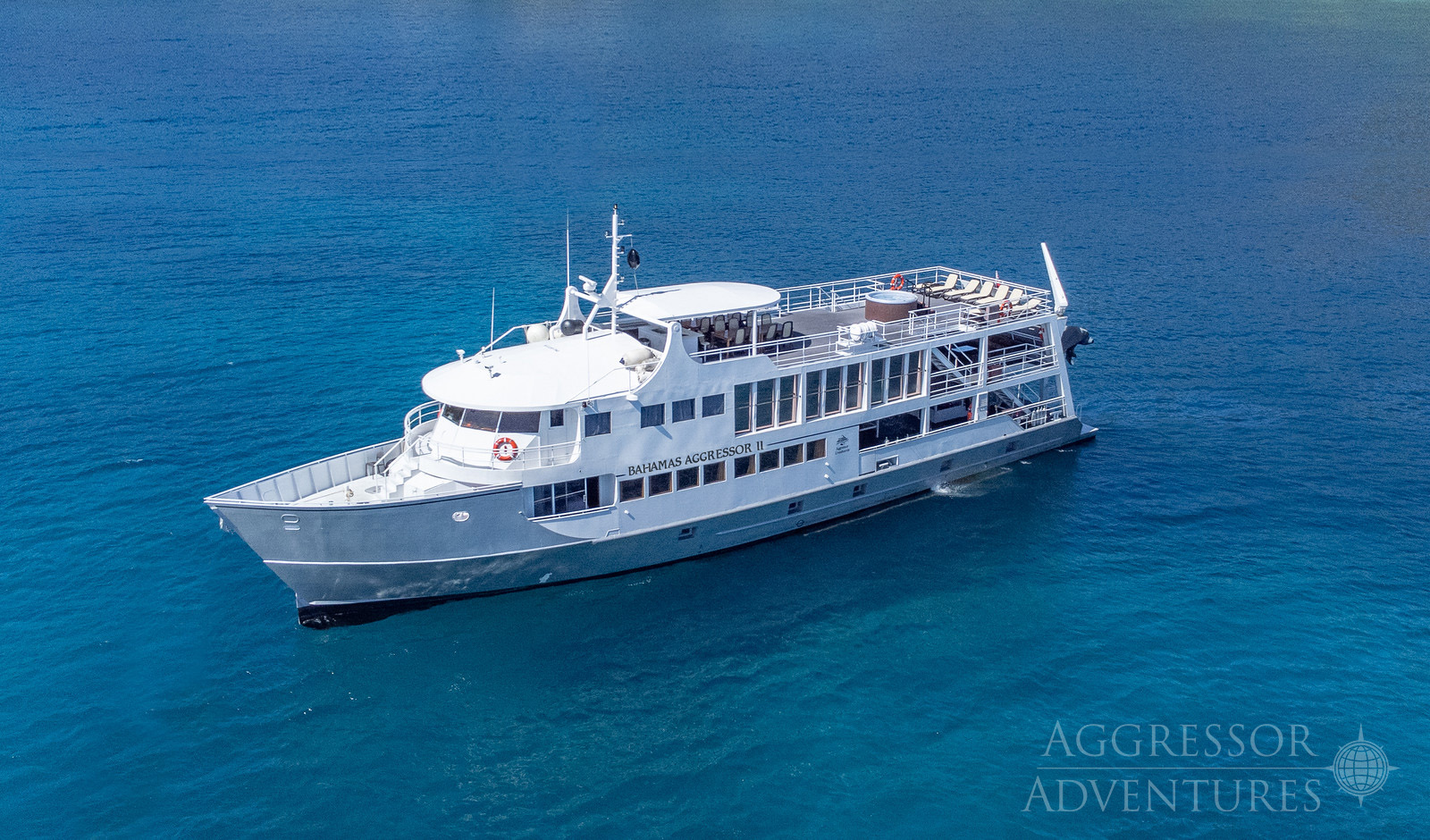
Bahamas Aggressor II
Bahamas
20 guests33.5 m
$328/day
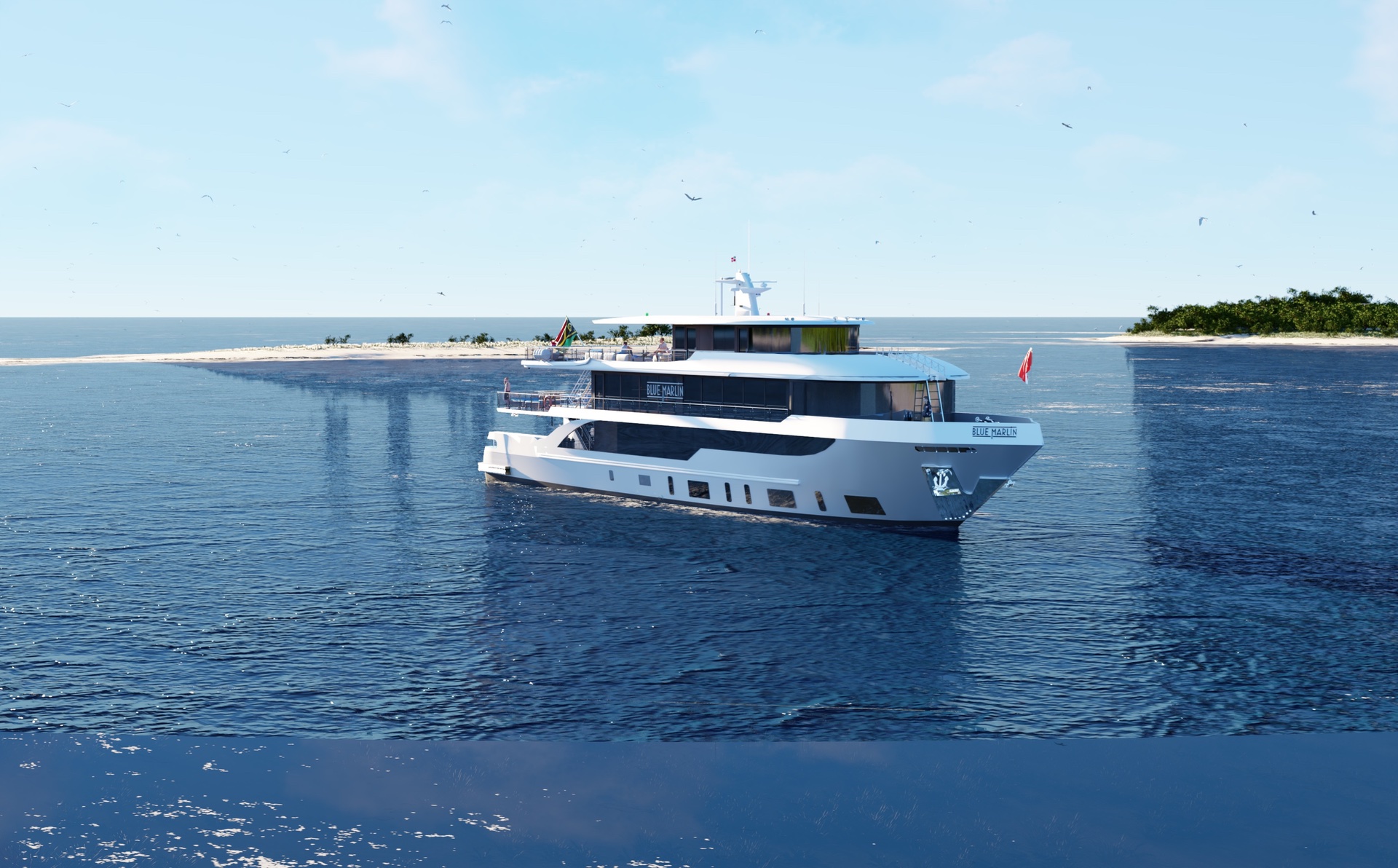
Blue Marlin
Bahamas
26 guests42 m
$318/day
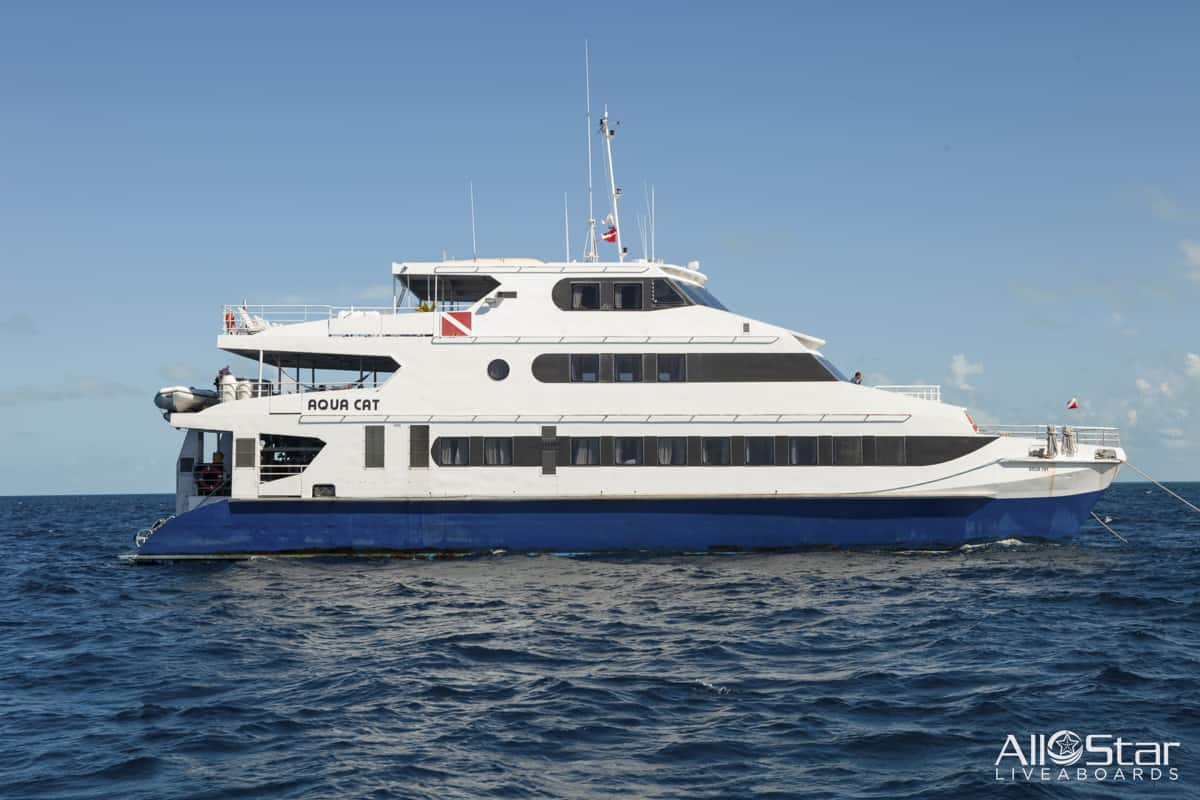
All Star Aqua Cat
Bahamas
30 guests31.09 m
$312/day
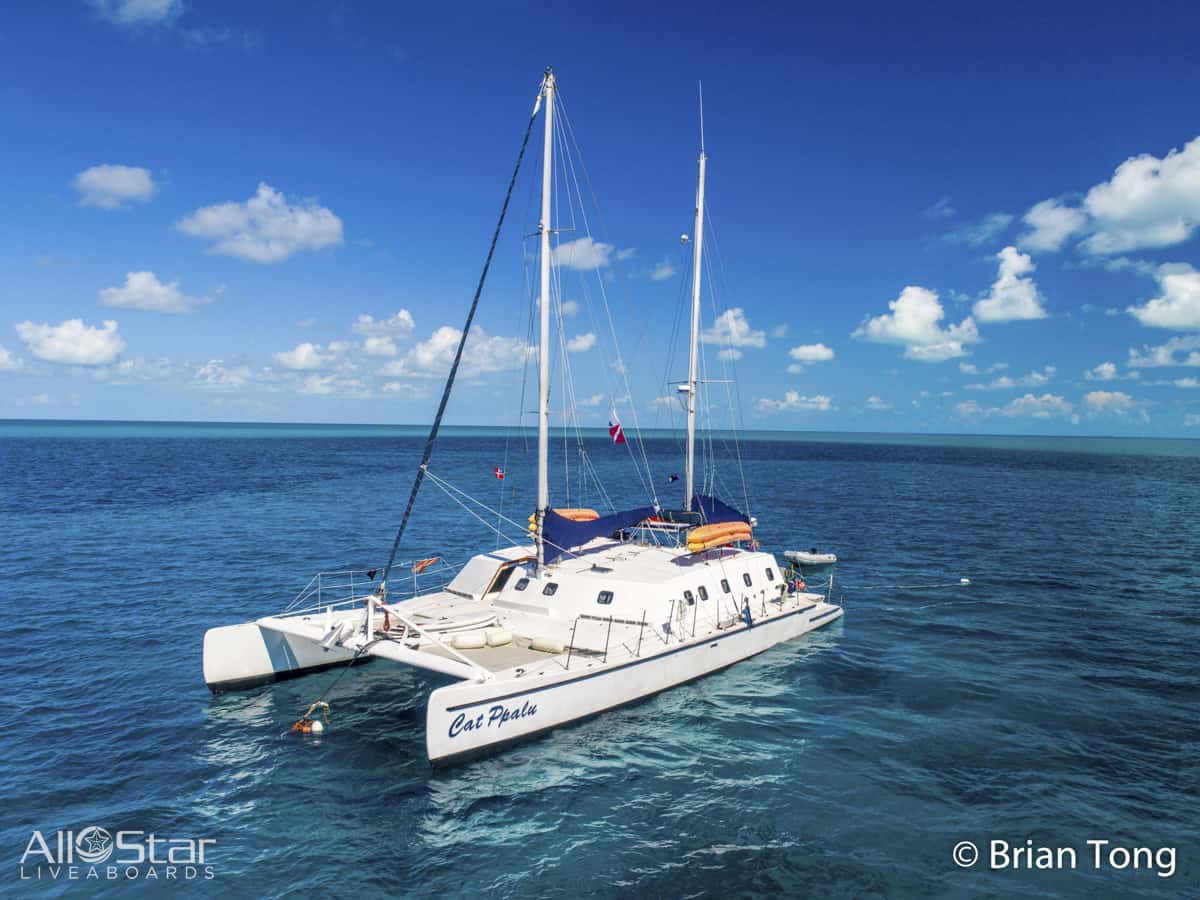
All Star Cat Ppalu
Bahamas
12 guests20 m
$237/day
Dive sites similar to Train Wreck
Same character, same waters — six more sites divers love for the exact same reasons.Compare seasons, access and liveaboard routes — then pick the site that fits your trip best.
© Esri — Maxar, Earthstar, GIS
The Bimini Barge
Bahamas
The Bimini Barge is a prominent wreck dive located on the extreme northwestern edge of the Great Bahama Bank, just a short distance from the deep wall and the powerful Gulf Stream currents.
- Suitable for
- Intermediate
- Current
- Moderate
- Access
- Liveaboard or dayboat
- Depth
- 30–30 m
- Theme
- Wreck / Drift
© Esri — Maxar, Earthstar, GIS
Twin Sister Wrecks
Bahamas
The Twin Sister Wrecks offer a compelling paired wreck dive experience off New Providence, presenting two small tanker hulls that rest at differing depths.
- Suitable for
- Intermediate
- Current
- Mild
- Access
- Dayboat
- Depth
- 13–30 m
- Theme
- Wreck
The Vanaheim is a captivating wreck dive located off North Eleuthera, an island chain celebrated for its diverse underwater landscapes.
- Suitable for
- Beginner
- Current
- Mild
- Access
- Dayboat
- Depth
- 8–10 m
- Theme
- Wreck / Reef
The Carnarvon is a prominent wreck site located on the infamous Devil's Backbone, a shallow, rocky reef stretching along the northern coast of Eleuthera.
- Suitable for
- Beginner
- Current
- Mild
- Access
- Dayboat
- Depth
- 7–8 m
- Theme
- Wreck / Reef
© Esri — Maxar, Earthstar, GIS
Cobia Cage
Bahamas
The Cobia Cage off Eleuthera in the Bahamas presents a truly unique underwater landscape.
- Suitable for
- Beginner
- Current
- No current
- Access
- Liveaboard only
- Depth
- 15–27 m
- Theme
- Wreck
© Esri — Maxar, Earthstar, GIS
Austin Smith
Bahamas
The Austin Smith wreck, also known as the HMBS Flamingo, is a former 90-foot Bahamian Defense Force Cutter that was decommissioned in 1995. Originally intended as an artificial…
- Suitable for
- Intermediate
- Current
- Moderate
- Access
- Liveaboard only
- Depth
- 18–18 m
- Theme
- Wreck / Reef