About Enderby Rock
Enderby Rock is a renowned dive site within the Galápagos Marine Reserve. This pinnacle, emerging just above the surface, is celebrated for its dynamic currents and abundant marine life. Its unique topography, characterized by rocky slopes, strong currents, and underwater plateaus, serves as a magnet for a diverse range of pelagic species. While visibility can sometimes be variable, the consistent presence of large marine animals makes it a favored destination for experienced divers. Diving Enderby Rock offers thrilling encounters with numerous iconic Galápagos species. Divers frequently observe schools of hammerhead sharks, Galapagos sharks, and silky sharks patrolling the waters. Manta rays, eagle rays, and golden cow-nosed rays glide gracefully through the currents, while massive tuna and large schools of jacks and barracuda create spectacular displays. The site also provides excellent opportunities to spot sea turtles and whitetip reef sharks resting on the reef. Due to the often strong and unpredictable currents, diving at Enderby Rock is generally recommended for intermediate to advanced divers. Entry is typically by liveaboard, as are most of the more remote and thrilling sites in the Galápagos. Divers should be proficient in drift diving techniques and comfortable in challenging conditions. Nitrox is highly recommended to maximize bottom time, given the typical depths and the desire to extend each encounter with the incredible marine biodiversity.
Highlights
HammerheadsGalapagos sharksCreole fishStrong currents
Best Season
Galapagos offers excellent diving opportunities year-round, with specific seasons enhancing the chances of encountering certain species.
Dive site facts: Enderby Rock
- Depth
- 8–30 m
- Typical dive
- 15–25 m, 40–50 min
- Current
- Strong, unpredictable
- Visibility
- 15–25 m
- Water temperature
- 18–24°C
- Entry
- Tender / negative entry
- Level
- Advanced, current experience essential
- Dive type
- Wall, drift, pelagic
- Night dive
- Not permitted
- Region / port
- Galápagos / Puerto Ayora
- Coordinates
- -1.085, -91.025
Conditions & Currents
Enderby Rock is characterized by significant and often unpredictable currents, making it suitable for advanced divers only. These currents can be extremely strong, requiring swift negative entries to reach the shelter of the rock face. Divers should be prepared for drift diving and maintain excellent buoyancy control to avoid being swept away. Vertical currents and downcurrents can also occur, adding to the challenge. Visibility generally remains good, but strong currents can sometimes stir up sediment. Understanding the dive guide's signals and staying close to the group are crucial for safety in these dynamic conditions.
Marine life & sighting chances

Hammerhead shark
common
Galápagos shark
common
White-tip reef shark
occasional
Sea lion
common
Manta ray
occasional
Eagle ray
occasional
Giant barracuda
common
King angelfish
common
Scrawled filefish
common
Moray eel
commonDive profile & how the dive runs
The dive at Enderby Rock typically begins with a rapid negative entry to quickly descend and latch onto the rock face, avoiding the strong surface currents. Divers usually explore the windward side of the rock first, which often features deeper sections where pelagic species congregate. The route progresses along the wall, observing crevices and ledges for reef inhabitants and smaller sharks. Mid-dive, the profile often involves navigating around a corner of the rock, transitioning into a drift along the leeward side, which can offer a calmer experience or different current patterns. The turn point is determined by gas consumption and bottom time, after which a controlled ascent is initiated. The safety stop is often conducted as a free-water stop, or by holding onto a designated reef hook if currents allow, before surfacing and being picked up by the tender.
Underwater photography
Capturing the dynamic action at Enderby Rock requires a wide-angle lens to frame schooling hammerheads or interacting sea lions. Due to strong currents, photographers should prioritize stable buoyancy and quick reactions. External strobes are beneficial for adding color and detail to subjects in deeper water or against the open blue. Be mindful of current direction when approaching marine life to avoid stirring up sediment or disturbing animals. Patience and excellent current management are key to successful photography here, allowing you to wait for the perfect moment without being swept away. High-speed sync can also be useful for freezing action shots of fast-moving pelagics.
Combine with nearby dive sites
- Gordon Rocks
Another renowned site for schooling hammerheads and strong currents.
- Kicker Rock (León Dormido)
Famous for its channel dives and shark encounters.
- Santa Cruz - Academy Bay
Often a departure point or stopover for liveaboards.
- Floreana - Devil's Crown
An impressive volcanic crater known for pelagics and reef life.
Getting there & logistics
Access to Enderby Rock is primarily via liveaboard vessels departing from Puerto Ayora on Santa Cruz Island. Divers typically fly into Baltra Island (GPS) and then transfer to Puerto Ayora. Trip lengths vary, but most Galápagos liveaboard itineraries range from 7 to 10 days, combining Enderby Rock with other iconic dive sites across the archipelago. All visitors to the Galápagos National Park must pay a park entrance fee. Due to the challenging nature of the dive, it's often scheduled towards the middle or end of an itinerary when divers are acclimatized.
Safety & environment
Diving at Enderby Rock demands a high level of preparedness due to the strong and unpredictable currents. Always dive with an experienced guide familiar with the site and remain aware of local current patterns. A reef hook is essential equipment for maintaining position without expending excessive energy. The nearest recompression chamber is located in Puerto Ayora on Santa Cruz Island, but evacuation can be complex and time-consuming. Comprehensive dive insurance, including coverage for emergency medical treatment and evacuation, is mandatory. It's crucial to stay with your buddy and group, as separation in strong currents can be dangerous.
Who it suits — and who it doesn't
Suited for
- Advanced divers with current experience
- Liveaboard enthusiasts
- Photographers seeking pelagic action
- Divers interested in large marine animal encounters
- Those who enjoy drift diving
Less suited for
- Novice divers
- Divers uncomfortable with strong currents
- Those with limited buoyancy control
- Individuals prone to seasickness
- Divers seeking easy, relaxed dives
FAQ
Enderby Rock FAQ
What kind of marine life can I expect at Enderby Rock?
Enderby Rock is famous for its abundant pelagic species. You can frequently encounter schooling hammerhead sharks and Galápagos sharks, as well as sea lions. Occasional sightings of manta rays, eagle rays, and white-tip reef sharks are also common, alongside various reef fish and moray eels.
How strong are the currents at Enderby Rock?
The currents at Enderby Rock are typically strong and can be unpredictable, often requiring advanced diving skills and a quick, negative entry. Divers should be prepared for drift diving and potential vertical currents. Excellent buoyancy control and staying close to the dive guide are essential for safety.
Is Enderby Rock suitable for beginner divers?
No, Enderby Rock is not suitable for beginner divers. Due to the very strong and often unpredictable currents, it is recommended only for advanced divers with considerable experience in current diving and excellent buoyancy control. Novice divers would find the conditions too challenging and potentially dangerous.
What is the water temperature like at Enderby Rock?
Water temperatures at Enderby Rock typically range from 18–24°C (64–75°F). During the warmer season from December to May, temperatures can reach the higher end of this range. A 5mm or 7mm wetsuit is generally recommended for comfort during dives.
What specific equipment is recommended for diving Enderby Rock?
For diving Enderby Rock, a reef hook is highly recommended to safely hold position in strong currents without damaging the reef. Additionally, a robust dive computer, an audible signaling device, and a surface marker buoy (SMB) are essential. Given the cooler temperatures, a 5mm or 7mm wetsuit is advisable.
Why dive Enderby Rock from a liveaboard?
Enderby Rock is one of Galápagos's signature dive sites. A liveaboard sleeps you on the water and puts you in the water for three to four guided dives per day, including dawn and night dives that day-boat operators rarely offer. You skip the daily commute back to port and reach quieter, less-crowded sites in the same region on a single trip.
Below are the liveaboards that include Enderby Rock on their Galápagos itineraries.
Liveaboards diving Enderby Rock
These liveaboards may visit Enderby Rock on selected itineraries — the exact dive sites depend on departure, weather and conditions.
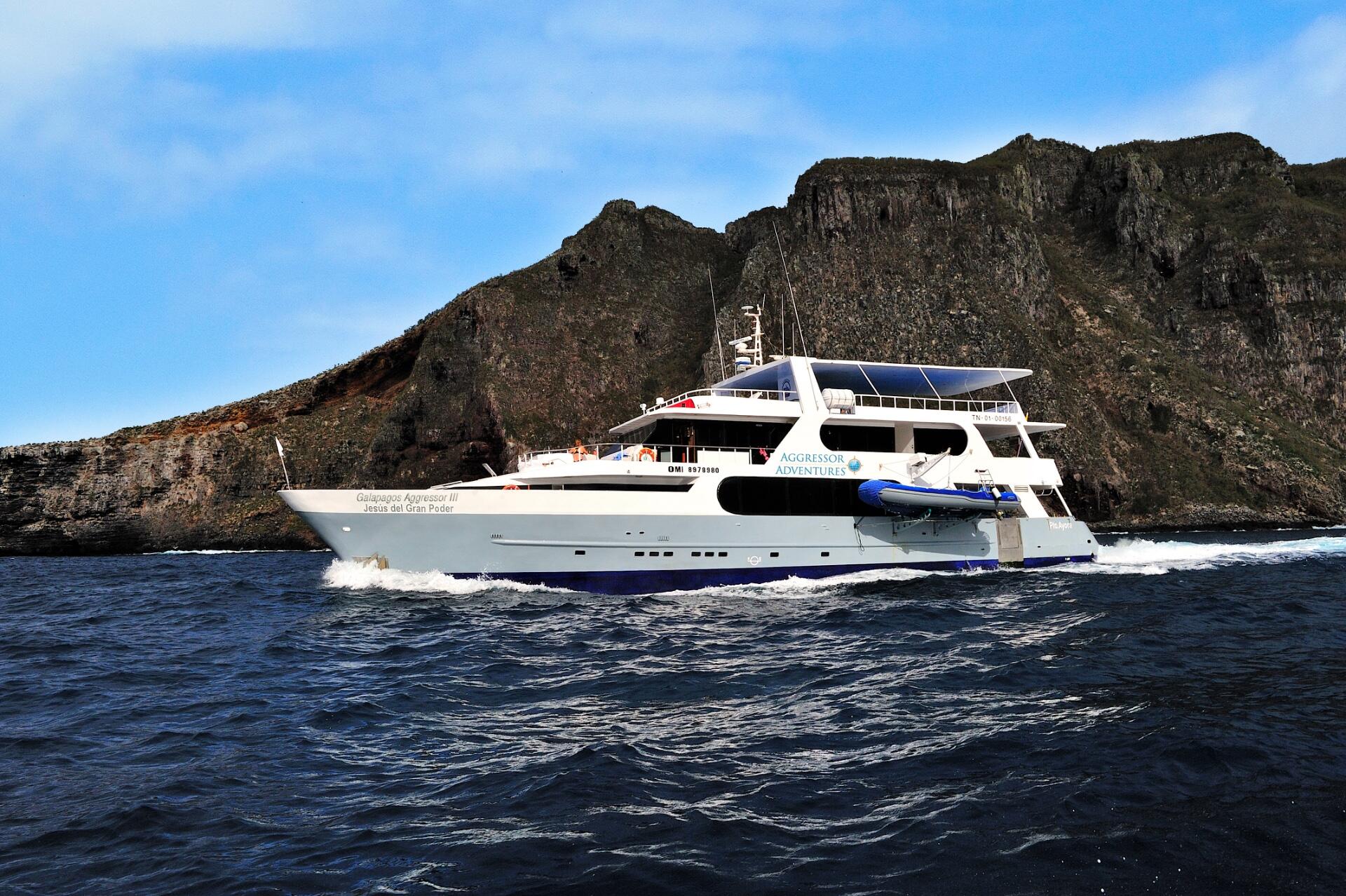
Galapagos Aggressor III
Galápagos
16 guests30.5 m
$913/day
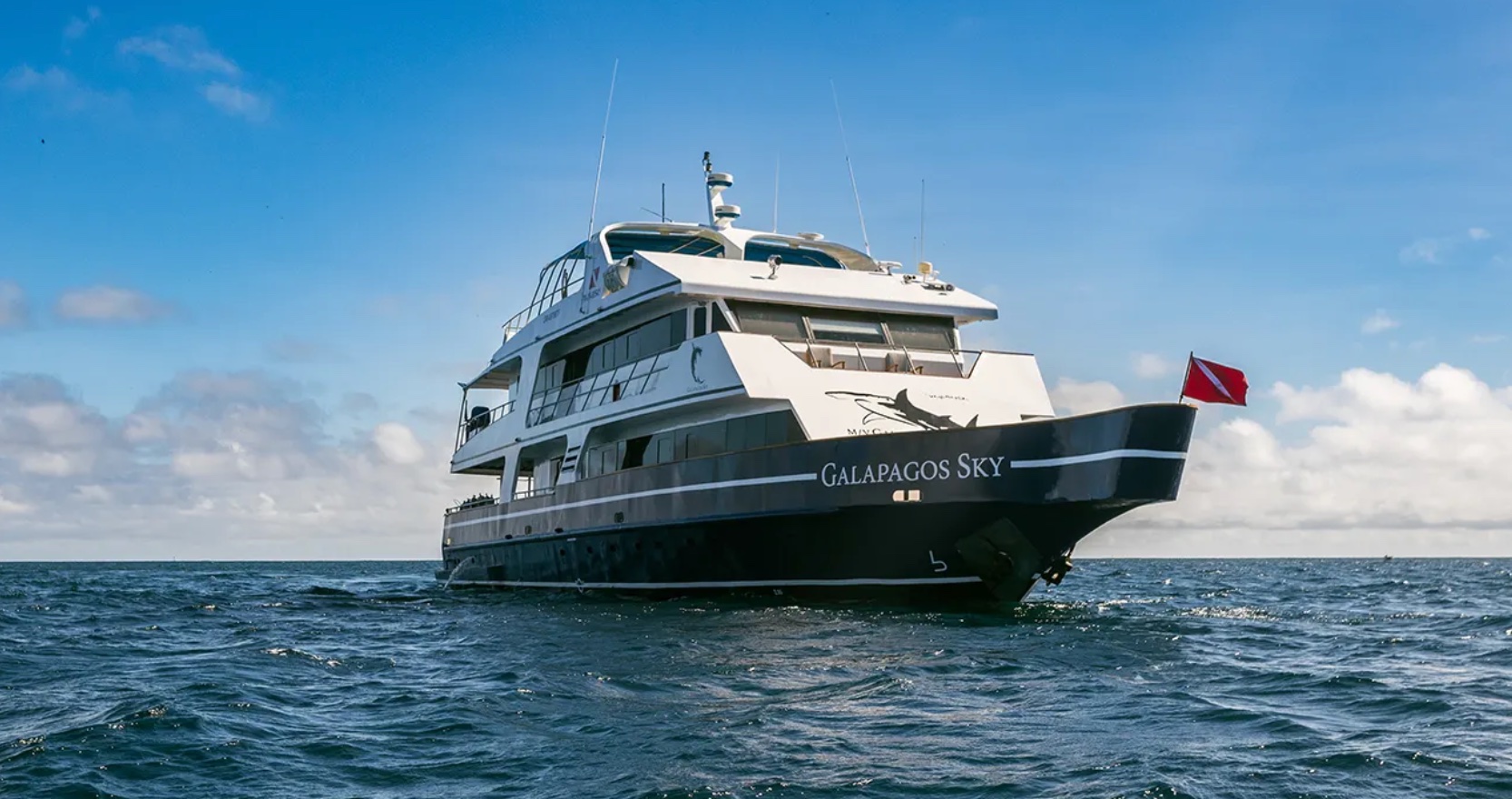
Galapagos Sky
Galápagos
16 guests
$937/day
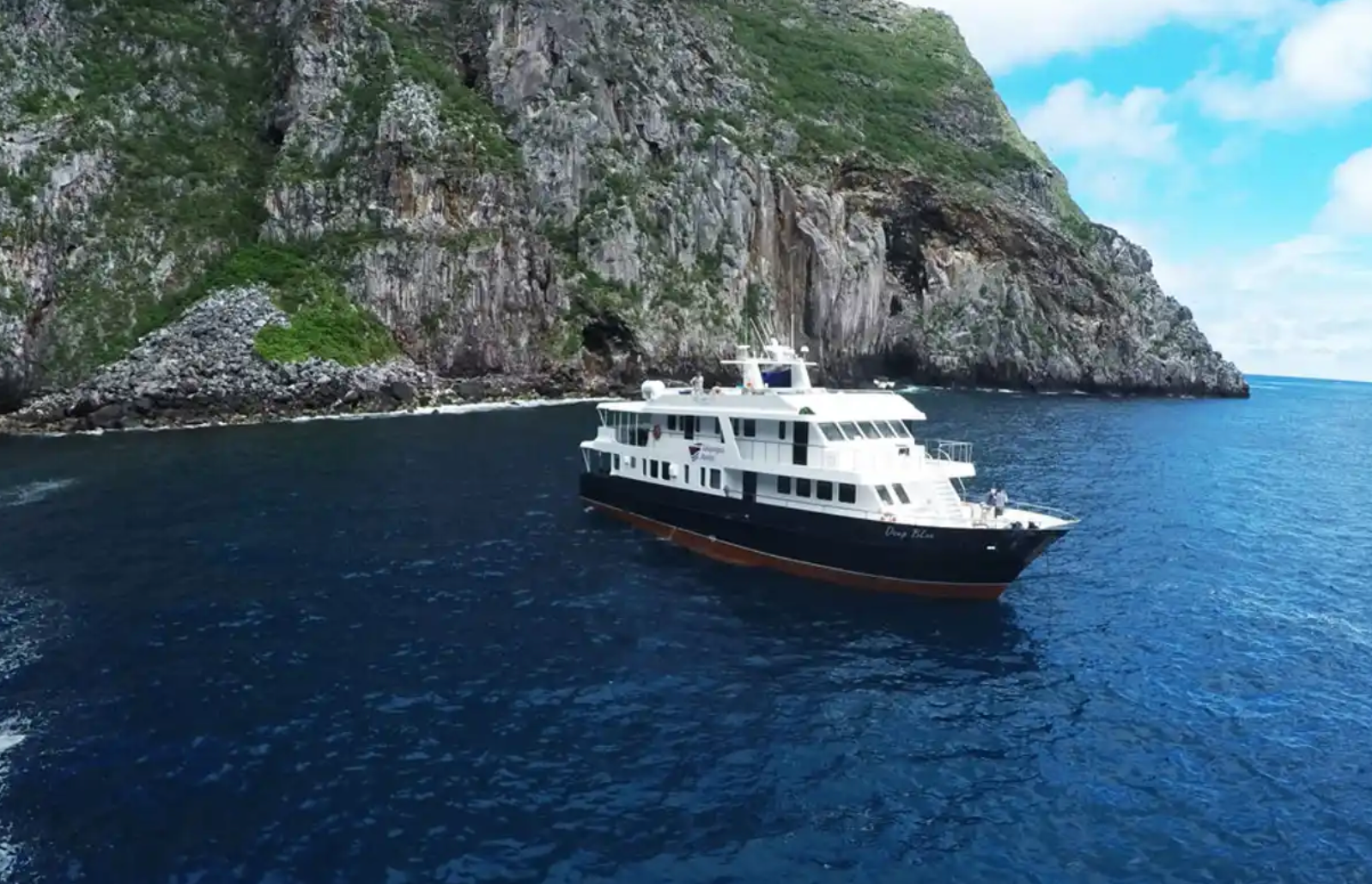
Galapagos Master
Galápagos
16 guests
$669/day
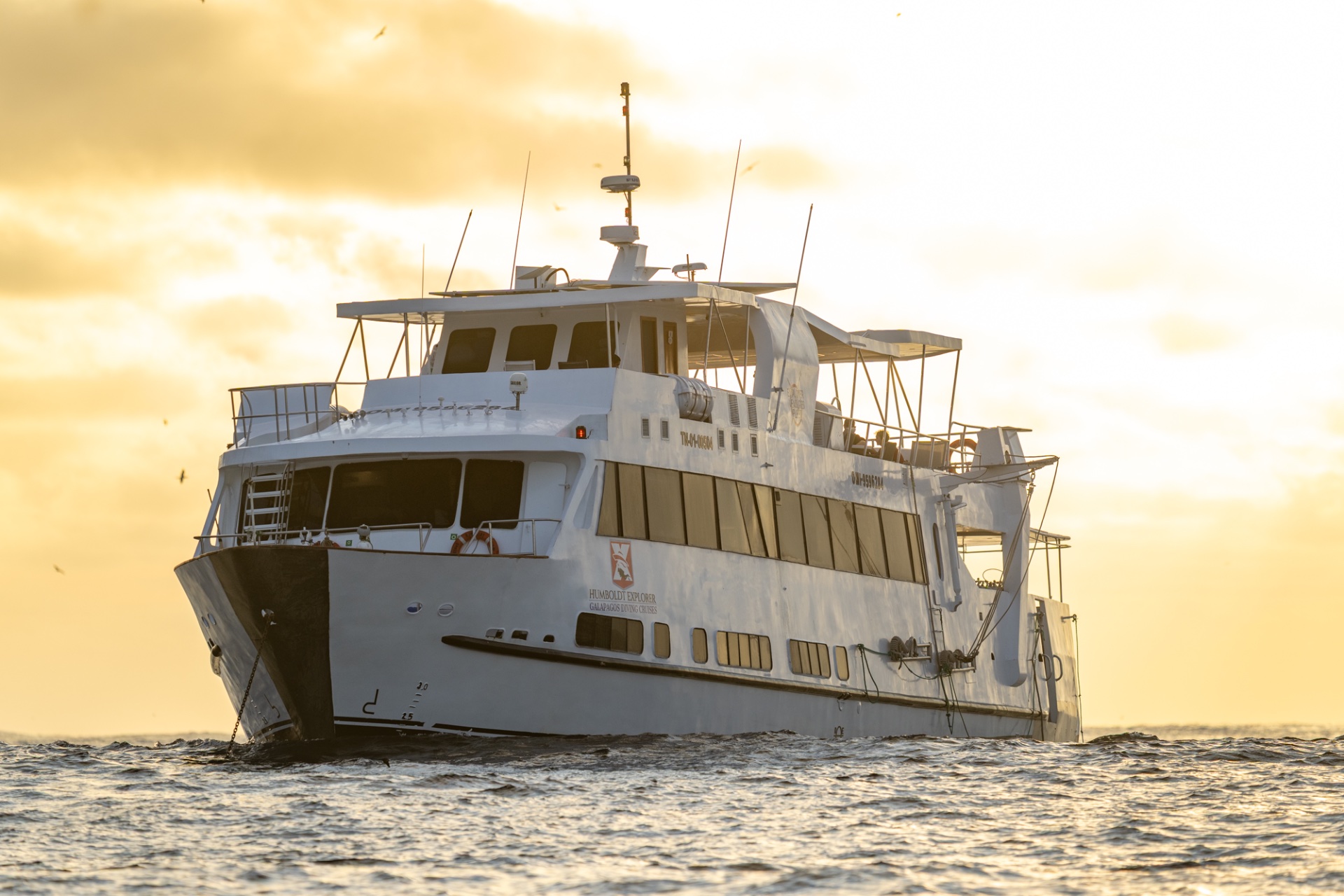
Humboldt Explorer
Galápagos
16 guests
$612/day
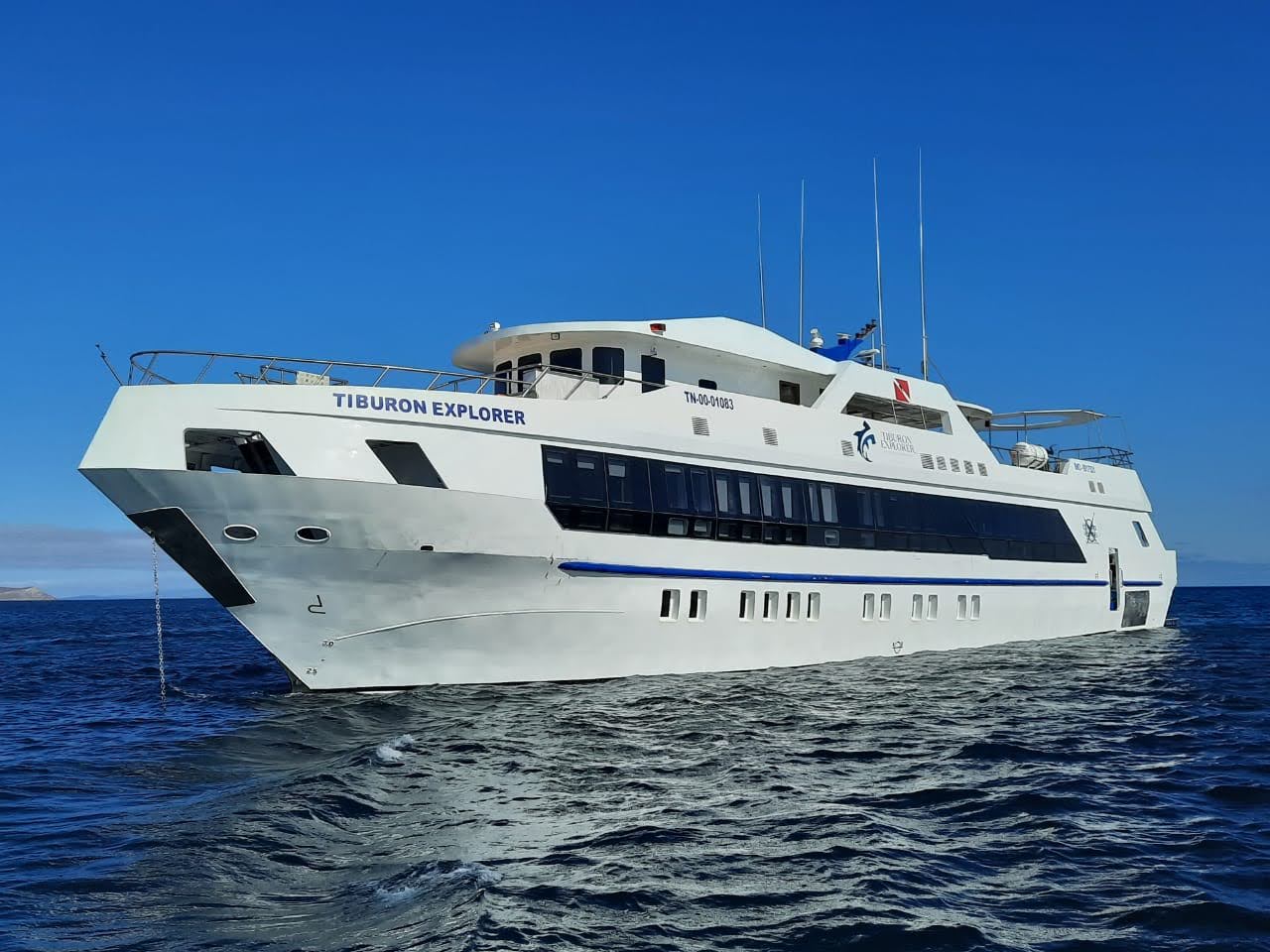
Tiburon Explorer
Galápagos
16 guests
$924/day
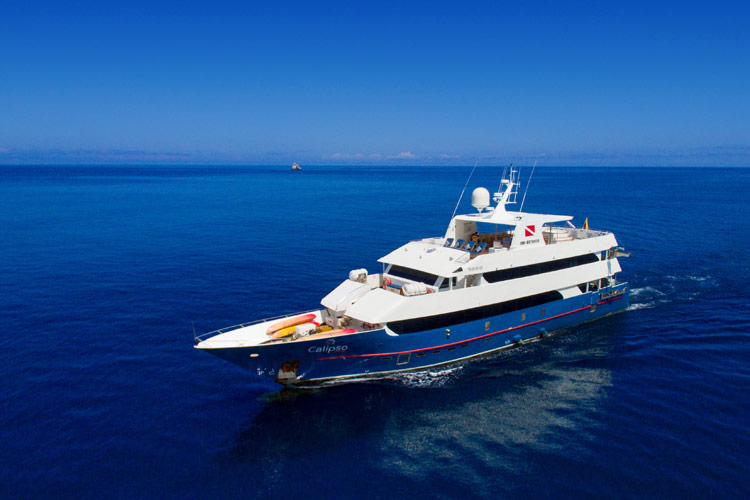
Calipso
Galápagos
16 guests
$819/day
Dive sites similar to Enderby Rock
Same character, same waters — six more sites divers love for the exact same reasons.Compare seasons, access and liveaboard routes — then pick the site that fits your trip best.
Landslide, known locally as El Derrumbe, is a renowned dive site situated off Wolf Island in the remote northern Galápagos archipelago.
- Suitable for
- Advanced
- Current
- Ripping
- Access
- Liveaboard only
- Depth
- 9–37 m
- Theme
- Drift
Shark Bay, known in Spanish as Bahia de Tiburones, is a celebrated dive site located off Wolf Island in the remote northern reaches of the Galapagos archipelago.
- Suitable for
- Advanced
- Current
- Ripping
- Access
- Liveaboard only
- Depth
- —
- Theme
- Drift
© Esri — Maxar, Earthstar, GIS
Cabo Douglas - Fernandina
Galápagos
Cabo Douglas, located on Fernandina Island, offers a truly unique underwater experience as the sole location worldwide where divers can observe marine iguanas grazing on algae beneath the surface.
- Suitable for
- Advanced
- Current
- Strong
- Access
- Liveaboard only
- Depth
- 6–6 m
- Theme
- Drift
Pinzon is situated among the central islands of the Galápagos archipelago, an area characterized by waters that are generally warmer and more protected compared to the northern or western regions.
- Suitable for
- Advanced
- Current
- Strong
- Access
- Liveaboard or dayboat
- Depth
- ≤ 18 m
- Theme
- Reef / Drift
The Caves, located at San Cristóbal, offers a unique underwater adventure, blending skill and direct contact with the Galápagos archipelago's rich biodiversity.
- Suitable for
- Advanced
- Current
- Ripping
- Access
- Liveaboard only
- Depth
- ≤ 35 m
- Theme
- Drift