About Dinah's Beach
Dinah's Beach, or Lauadi, in Milne Bay, Papua New Guinea, holds global recognition as the original muck diving site. Here, an unassuming sandy slope offshore from a village transforms into a treasure trove for macro photographers and marine life enthusiasts. Unlike typical reef dives, the site's allure lies in patiently discovering an unparalleled diversity of camouflaged and bizarre creatures against a backdrop of dark volcanic sand, making every square meter a potential discovery. The topography consists primarily of a gentle sandy slope, contrasting sharply with the vibrant coral gardens of nearby Deacon's Reef. This unique substrate highlights species that would otherwise blend into more complex environments. The calm, shallow conditions make it accessible for divers of all levels, yet the rewards are immense for those willing to embrace a slow, observational diving style. Milne Bay offers consistent warmth, with water temperatures ranging from 25-29°C year-round. While diving is possible all year, the period from October to March typically brings optimal visibility and calmer surface conditions. Beyond its macro wonders, the broader Milne Bay region also boasts diverse diving, including stunning reefs, pelagic encounters, and historical WWII wrecks. Local dive guides, with their extensive knowledge and keen eyes, are crucial for maximizing the Dinah's Beach experience. They possess an extraordinary ability to locate the site's elusive inhabitants, transforming each dive into a guided safari through a world of the small, the strange, and the truly wonderful.
Highlights
World's original muck diving siteExtraordinary macro marine lifeHome to unique crittersDark volcanic sand substrateExceptional underwater photographyCalm, shallow, beginner-friendly
Season calendar
Best months to dive here
Jan
Feb
Mar
Apr
May
Jun
Jul
Aug
Sep
Oct
Nov
Dec
Excellent
Good
Dive site facts: Dinah's Beach
- Depth
- Shallow, recreational limits
- Current
- Mild to moderate
- Visibility
- Up to 30 m
- Water temperature
- 25–29°C
- Entry
- Pebbled shoreline / Boat
- Level
- Beginner friendly
- Dive type
- Macro, muck, sandy slope
- Night dive
- Possible
- Region / port
- Milne Bay
- Coordinates
- -10.325, 150.695
Conditions & Currents
Currents at Dinah's Beach are typically mild to moderate, ensuring comfortable and extended bottom times for divers engaged in meticulous critter hunting. The site's sandy slope and relatively sheltered location contribute to these generally calm conditions. While surface conditions can be affected by increased wind speeds and wave heights from May through September, underwater currents remain manageable. This predictability, combined with the shallow depths, makes it suitable for divers who prefer a slow-paced, observational experience, though a keen awareness of minor shifts is always prudent for maintaining position during detailed macro photography.
Marine life & sighting chances
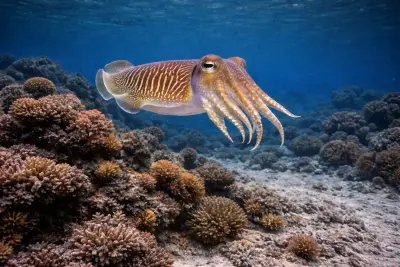
Flamboyant Cuttlefish
common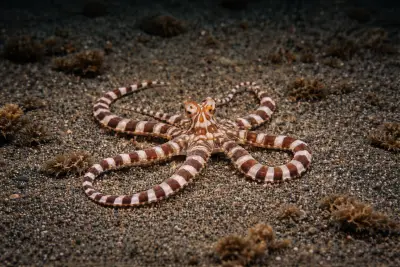
Mimic Octopus
common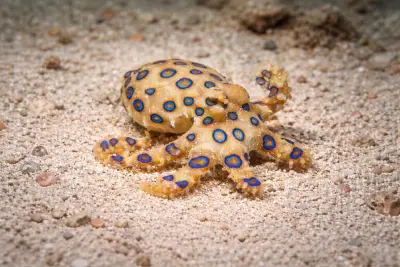
Blue-ringed Octopus
occasional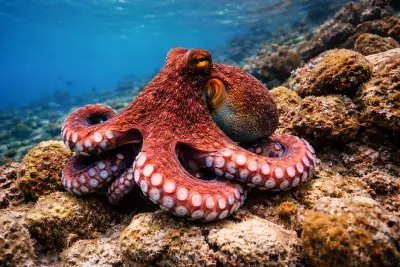
Wonderpus Octopus
occasional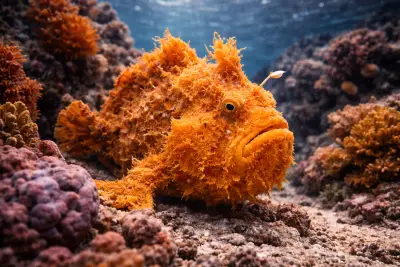
Frogfish
common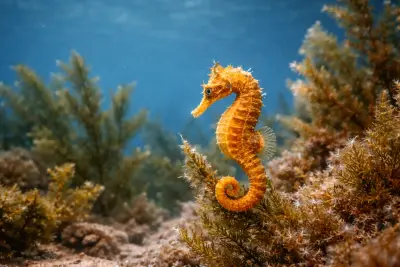
Thorny Seahorse
common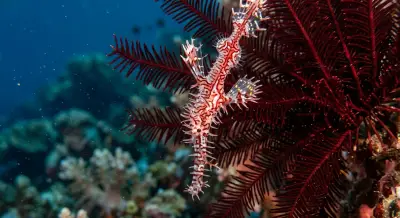
Ornate Ghost Pipefish
common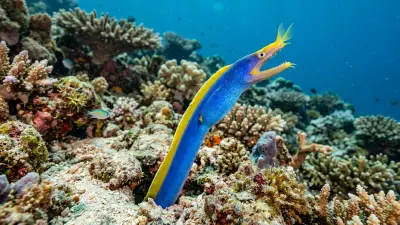
Ribbon Eel
common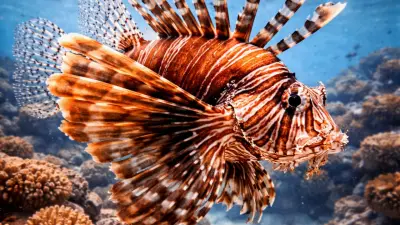
Dwarf Lionfish
common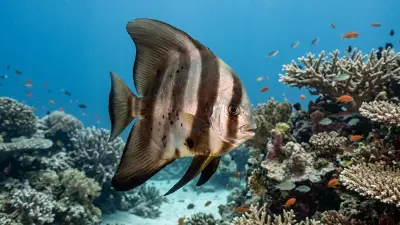
Juvenile Batfish
common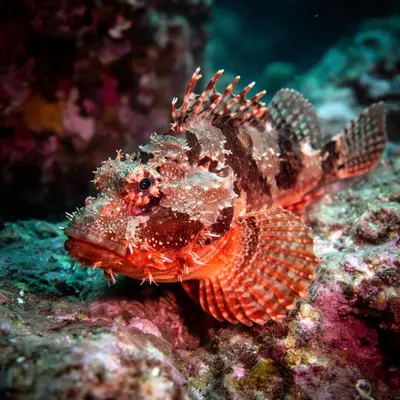
Scorpionfish
common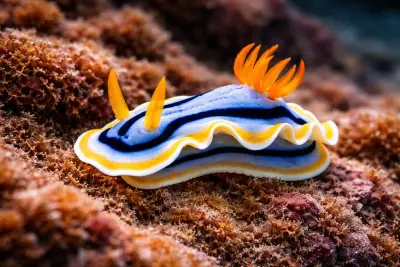
Nudibranchs
commonDive profile & how the dive runs
Dives at Dinah's Beach typically begin from a boat, anchoring near the pebbled shoreline. Divers descend onto the gently sloping dark sand, usually staying within recreational depths, often not exceeding 15-20 meters. The dive profile involves a slow, methodical search across the sandy bottom, focusing intently on every small detail and slight movement. There isn't a defined route or turn point in the traditional sense; instead, divers leisurely explore an area, guided by an expert who points out camouflaged creatures. Ascent is gradual, allowing for a standard safety stop, often performed over the shallower parts of the sand, still offering chances for macro discoveries.
Underwater photography
Dinah's Beach is a paradise for macro photographers, demanding specific gear and a patient approach. A macro lens (e.g., 60mm or 100mm) is essential to capture the intricate details of tiny subjects like pygmy seahorses, nudibranchs, and pipefish. Twin strobes are highly recommended for even lighting, reducing backscatter from the silty bottom, and creating dramatic contrast against the dark sand. Snoots can be incredibly effective for isolating subjects and creating dramatic lighting. Buoyancy control is paramount to avoid disturbing the fine sediment and to allow for long periods of hovering while composing shots. Patience and a keen eye are more valuable than technical diving skill, as subjects are often camouflaged and require careful observation to locate and photograph without stress.
Combine with nearby dive sites
- Deacon's Reef
Nearby vibrant coral gardens contrasting with muck diving
- Banana Bommie
Large bommie attracting schooling fish and reef sharks
- Wahoo Point
Known for larger pelagic sightings like hammerheads and manta rays
- Observation Point
Muck diving in mangroves, seagrass, and rubble
- Samarai Wharf
Potentially a muck diving site with unique critters
Getting there & logistics
Access to Dinah's Beach, located in Milne Bay, typically involves flying into Port Moresby (POM) and then taking a domestic flight to Alotau (GUR) airport. Air Niugini operates daily flights to Alotau. From Alotau, transfers to liveaboards or resorts like Tawali, which is accessible only by boat, are arranged. Many liveaboard itineraries for Milne Bay incorporate Dinah's Beach as a key macro stop. Trip durations usually range from 7 to 10 days, allowing ample time to explore the diverse sites of Milne Bay. Park fees or specific site fees might be part of the liveaboard or resort package.
Safety & environment
While Dinah's Beach offers generally mild conditions, dive safety remains paramount in a remote region like Papua New Guinea. The nearest recompression chamber is located in Port Moresby, necessitating significant evacuation time and resources in case of a serious incident. Comprehensive dive insurance, including evacuation and recompression coverage, is therefore non-negotiable. Divers should maintain excellent buoyancy control to avoid contact with the silty bottom, which can obscure visibility and potentially disturb delicate marine life. Always dive with an experienced local guide, as their knowledge of the site and its unique inhabitants is crucial for both discoveries and safety.
Who it suits — and who it doesn't
Suited for
- Macro photography enthusiasts
- Muck diving aficionados
- Beginner and intermediate divers
- Underwater naturalists and critter hunters
- Divers seeking unique marine life encounters
Less suited for
- Divers seeking large pelagic action
- Those preferring dramatic wall or reef diving
- Divers with limited patience for slow, observational diving
- Photographers exclusively shooting wide-angle
- Divers uncomfortable with silty environments
FAQ
Dinah's Beach FAQ
What makes Dinah's Beach special for diving?
Dinah's Beach is renowned as the birthplace of muck diving, offering an unparalleled opportunity to discover rare and unusual macro marine life. Its unique dark sandy slope serves as a perfect backdrop for observing camouflaged creatures that are difficult to spot elsewhere, providing a distinct contrast to traditional coral reef diving.
What kind of marine life can I expect to see?
You can anticipate encountering a remarkable array of critters, including flamboyant cuttlefish, various species of mimic and blue-ringed octopuses, frogfish, ghost pipefish, and numerous nudibranchs. The site is a haven for macro life, presenting a constantly evolving cast of strange and beautiful invertebrates and small fish.
Is Dinah's Beach suitable for beginner divers?
Yes, Dinah's Beach is considered beginner-friendly due to its shallow depths, gentle sandy slope, and typically mild currents. While no technical skills are required, a calm demeanor and good buoyancy control will enhance the experience, especially for those interested in macro observation or photography.
What is the best time of year to dive Dinah's Beach?
The optimal period for diving Dinah's Beach is generally between October and March. During these months, Milne Bay experiences peak visibility and calmer surface conditions, which are ideal for spotting the site's unique inhabitants and maximizing your dive time comfortably.
Do I need special equipment for diving here?
For macro photography, a dedicated macro lens and twin strobes are highly recommended to capture the intricate details of the small subjects. For general diving, standard recreational gear is sufficient, but keen eyesight and an attentive local guide will greatly enhance your chances of finding the camouflaged creatures.
Why dive Dinah's Beach from a liveaboard?
Dinah's Beach is one of Papua New Guinea's signature dive sites. A liveaboard sleeps you on the water and puts you in the water for three to four guided dives per day, including dawn and night dives that day-boat operators rarely offer. You skip the daily commute back to port and reach quieter, less-crowded sites in the same region on a single trip.
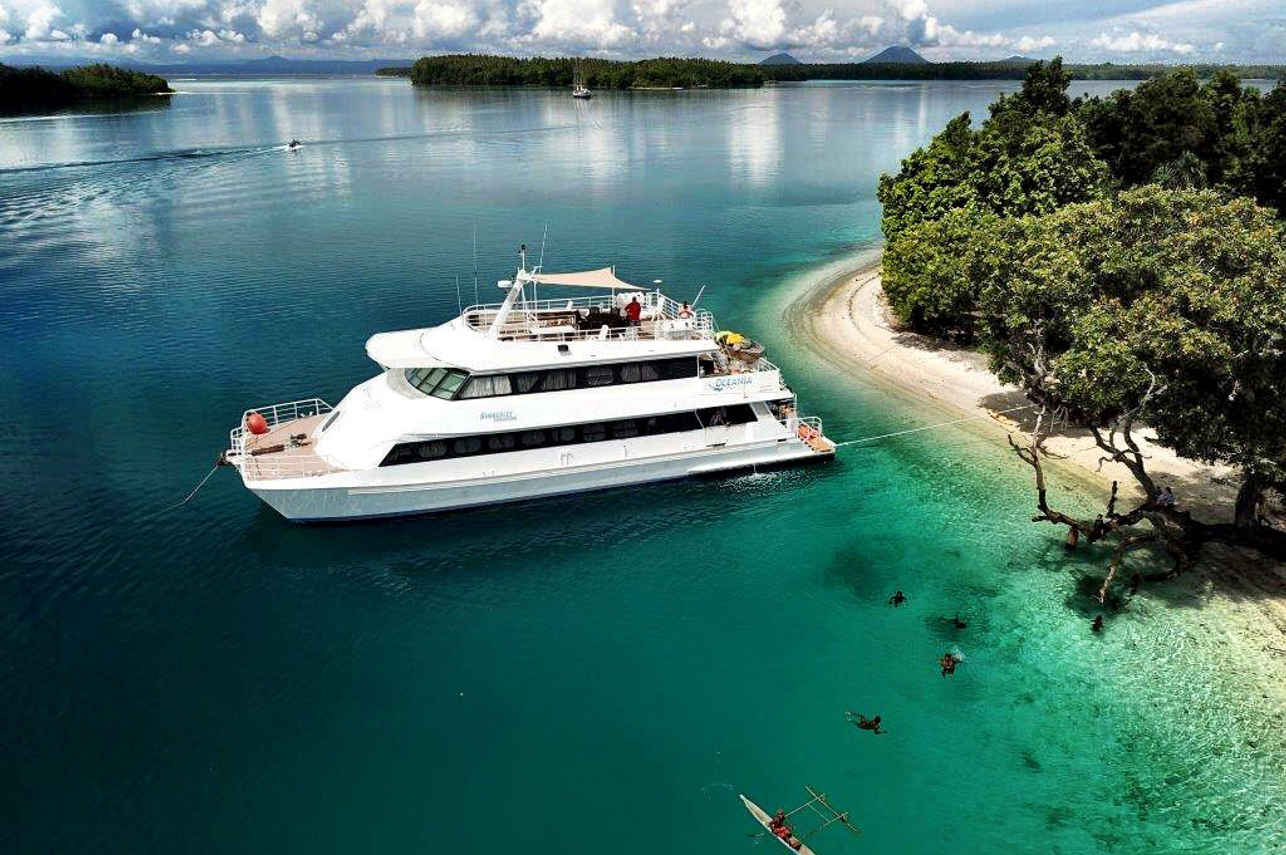
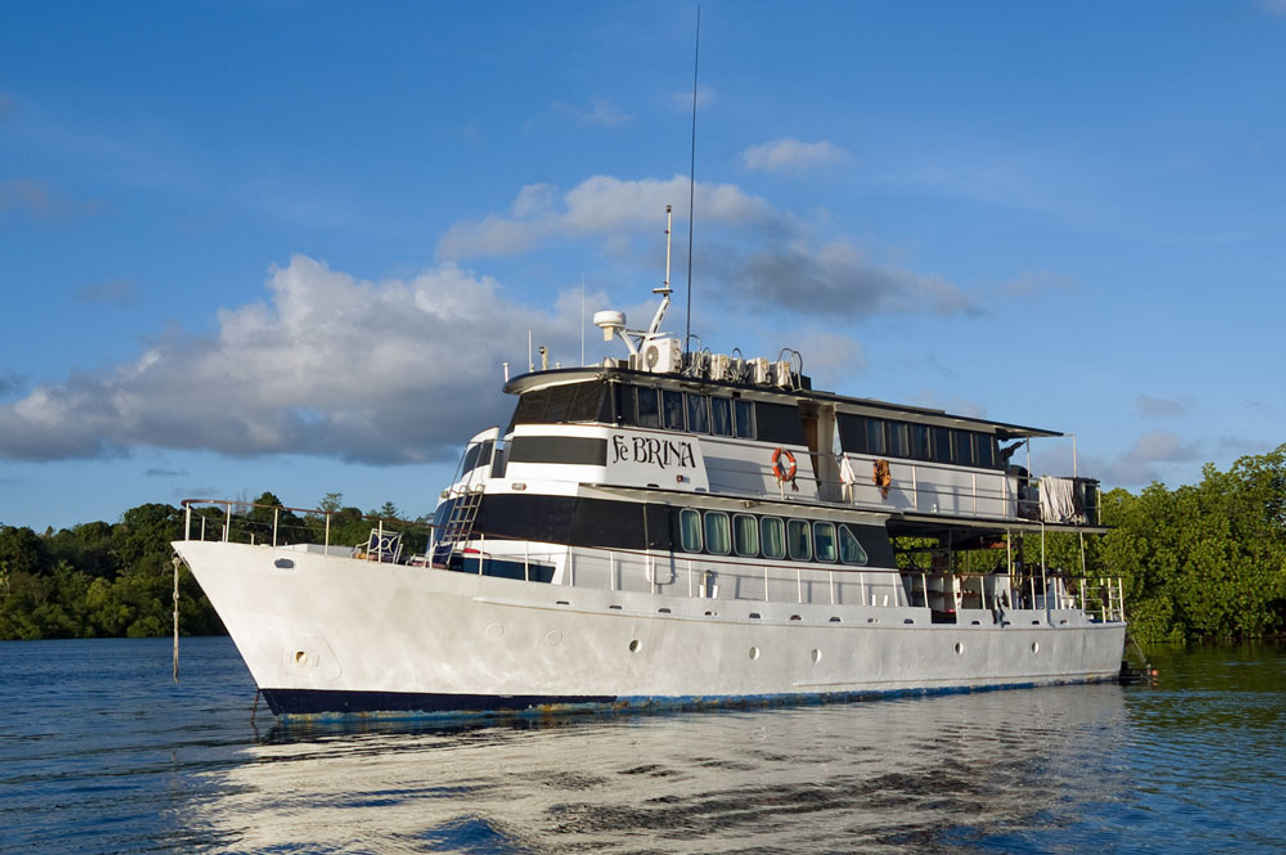
Below are the liveaboards that include Dinah's Beach on their Papua New Guinea itineraries.
Liveaboards diving Dinah's Beach
These liveaboards may visit Dinah's Beach on selected itineraries — the exact dive sites depend on departure, weather and conditions.
Dive sites similar to Dinah's Beach
Same character, same waters — six more sites divers love for the exact same reasons.Compare seasons, access and liveaboard routes — then pick the site that fits your trip best.
© Esri — Maxar, Earthstar, GIS
Tufi Fjords
Papua New Guinea
Tufi Fjords, nestled on Cape Nelson along Papua New Guinea's northeast coast, offers a unique diving experience in a stunning, tropical fjord-like landscape.
- Suitable for
- Intermediate
- Current
- Strong
- Access
- Liveaboard only
- Depth
- 5–200 m
- Theme
- Muck diving / Reef
© Esri — Maxar, Earthstar, GIS
Albatross Muck
Papua New Guinea
Albatross Muck is a notable dive site located in Papua New Guinea, specifically mentioned as being on the way from Lissenung Island to Albatross Passage in New Ireland Province.
- Suitable for
- Intermediate
- Current
- Moderate
- Access
- Liveaboard or dayboat
- Depth
- 20–25 m
- Theme
- Muck diving
© Esri — Maxar, Earthstar, GIS
MV New Marine
Papua New Guinea
The MV New Marine is an intentionally scuttled vessel located in Bootless Bay, southeast of Port Moresby, Papua New Guinea.
- Suitable for
- Advanced
- Current
- Moderate
- Access
- Liveaboard only
- Depth
- ≤ 20 m
- Theme
- Wreck / Drift
© Esri — Maxar, Earthstar, GIS
Observation Point
Papua New Guinea
Observation Point, situated on Normanby Island in Milne Bay, Papua New Guinea, stands out as a premier destination for macro diving.
- Suitable for
- Intermediate
- Current
- Mild
- Access
- Liveaboard only
- Depth
- 8–20 m
- Theme
- Drift / Muck diving
© Esri — Maxar, Earthstar, GIS
The Bottleshop
Papua New Guinea
The Bottleshop is a distinctive dive site situated within Kavieng Harbour, renowned as the area's best muck dive.
- Suitable for
- Beginner
- Current
- No current
- Access
- Dayboat
- Depth
- ≤ 16 m
- Theme
- Muck diving
© Esri — Maxar, Earthstar, GIS
Samarai Wharf
Papua New Guinea
Samarai Wharf, situated in Papua New Guinea's Milne Bay Province, was once the bustling center of Samarai Island, a significant colonial port from the 1880s.
- Suitable for
- Beginner
- Current
- Moderate
- Access
- Liveaboard only
- Depth
- 3–10 m
- Theme
- Drift / Muck diving