About Dhigali Haa
Dhigali Haa is a notable underwater pinnacle, locally known as a "Haa," situated in the Baa Atoll of the Northern Maldives. This region is recognized for its exceptional biodiversity and has been designated a UNESCO Biosphere Reserve. Unlike "thilas" which start at shallower depths, a Haa typically lies deeper, not visible from the surface, making it challenging to locate without modern navigation. This dive site is celebrated for its thriving marine ecosystem and is a key attraction in the less frequented Northern Atolls, offering a serene and pristine diving experience. The dive site consists of a submerged pinnacle characterized by vibrant corals, supporting a diverse range of marine life. The top of a typical Haa is often found at depths requiring experienced divers, distinguishing it from shallower formations. You will navigate around the structure, observing its varied topography which provides numerous hiding spots and feeding grounds for reef dwellers. The intricate coral formations here are particularly rich and colorful. Encounters with a variety of species are common at Dhigali Haa. Divers can expect to see large pelagic species such as grey reef sharks, trevally, and barracuda patrolling the open water. The pinnacle also hosts numerous reef fish, moray eels, and macro life like nudibranchs among its corals. The Baa Atoll is globally renowned for seasonal manta ray and whale shark aggregations, particularly from May to November at nearby Hanifaru Bay, although Dhigali Haa itself is noted for sharks and other pelagics year-round. Due to its deeper nature and potential for strong currents, diving Dhigali Haa typically requires an experienced certification level. Dives are often conducted as drift dives, allowing you to cover the entire pinnacle. The site promises a thrilling and picturesque underwater exploration for those seeking rich biodiversity and exciting encounters in a less crowded setting.
Highlights
Underwater pinnacle (Haa)Grey reef sharksSchooling trevallyBarracuda schoolsVibrant coral formationsMoray eelsNudibranchs
Season calendar
Best months to dive here
Jan
Feb
Mar
Apr
May
Jun
Jul
Aug
Sep
Oct
Nov
Dec
Excellent
Good
Dive site facts: Dhigali Haa
- Depth
- 5–30 m
- Typical dive
- 15–30 m, 50 min
- Current
- Moderate
- Visibility
- 15–30 m
- Water temperature
- 25–30 °C
- Entry
- Boat
- Level
- Intermediate
- Dive type
- Reef, pinnacle, drift, big_animals
- Region / port
- Baa Atoll (South Maalhosmadulu)
- Coordinates
- 5.2505, 72.9358
Conditions & Currents
Dhigali Haa experiences moderate currents that can vary in strength, particularly during the transition months between monsoons. These currents are often beneficial, bringing in nutrient-rich water and attracting schooling fish and pelagic species, which makes for exciting drift dives. Divers should anticipate mild to moderate surge, especially on shallower reef sections. Visibility at the site generally ranges from 15 to 30 meters, though it can decrease during periods of high plankton concentration, typically from July to October. Entry is usually from a boat, often involving a negative entry in stronger currents to descend quickly to sheltered areas. Divers should be proficient in drift diving techniques and be prepared for potential changes in current direction and strength, especially when exploring the pinnacle's various sides.
Marine life & sighting chances

Fusilier fish
common
Snapper
common
Batfish
common
Groupers
common
Oriental sweetlips
common
Stingrays
common
Scorpionfish
occasional
Stonefish
occasional
Reef sharks
occasional
Whip corals
commonBlack corals
common
Sea fans
common
Whale sharks
July to October · rare
Manta rays
July to October · occasionalDive profile & how the dive runs
Dhigali Haa is best dived as a drift around its pinnacle. Entry is typically by boat, often as a negative entry to quickly descend to the top of the thila, which starts around 5 meters. Divers then follow the reef contours, exploring the various ledges, caves, and overhangs that are abundant between 10 to 25 meters. The dive usually progresses deeper along one side of the pinnacle, allowing for observation of the rich coral growth and schooling fish in the current-swept areas. Turnaround points are determined by air consumption and current strength, after which divers ascend gradually along the reef or drift away from the pinnacle. The safety stop is typically conducted in the shallower water near the reef top or in the blue, depending on the drift and conditions, before ascending to the surface for boat pickup.
Underwater photography
Dhigali Haa offers excellent opportunities for both wide-angle and macro photography. For capturing the expansive schools of fusiliers, snappers, and the dramatic coral formations, a wide-angle lens is highly recommended. Utilizing strobes will help bring out the vibrant colors of the soft corals, especially within the overhangs and sheltered areas. When photographing the more elusive scorpionfish and stonefish in the shallower parts, a macro lens will be invaluable. Buoyancy control is paramount, especially when navigating around delicate corals or within the current, to avoid disturbing marine life or kicking up sediment. Be mindful of lighting conditions; the best light for wide-angle shots is often when the sun is higher in the sky, illuminating the reef.
Combine with nearby dive sites
Getting there & logistics
Dhigali Haa is located in Baa Atoll, in the South Maalhosmadulu administrative division of the Maldives. This dive site is predominantly accessed via liveaboards, which typically depart from Malé, the capital. Malé is easily reachable by international flights from major hubs like Singapore, Dubai, and Colombo. Liveaboard itineraries visiting Baa Atoll usually range from 7 to 10 nights, often combining Dhigali Haa with other sites in North Malé Atoll and Ari Atoll. Some liveaboards may also depart from Hanimaadhoo in the north, accessible by domestic seaplane from Malé. No special diving permits are generally required for Dhigali Haa, but liveaboards ensure compliance with any marine park regulations, especially for nearby protected areas like Hanifaru Bay.
Safety & environment
While diving at Dhigali Haa, divers should be aware of moderate to strong currents, which can be unpredictable; a strong current can carry you away from the pinnacle. Divers should be comfortable with drift diving and maintaining excellent buoyancy. The nearest recompression chamber is located in Malé, which necessitates emergency evacuations by seaplane or speedboat, highlighting the importance of comprehensive dive insurance that covers medical emergencies and evacuation. Always dive within your certification limits and training. Always verify local conditions with your dive guide, as conditions can change rapidly. Personal locator beacons and surface marker buoys are recommended for all divers.
Who it suits — and who it doesn't
Suited for
- Intermediate to advanced divers
- Divers seeking strong currents and drift dives
- Underwater photographers
- Divers interested in diverse reef ecosystems
- Liveaboard enthusiasts
Less suited for
- Beginner divers without current experience
- Divers uncomfortable with drift diving
- Those prone to seasickness in choppy conditions
- Divers seeking exclusively macro subjects
FAQ
Dhigali Haa FAQ
What kind of marine life can I expect at Dhigali Haa?
Dhigali Haa is teeming with marine life, especially schooling fish like fusiliers and snappers, creating a vibrant 'fish soup.' You can also expect to see friendly batfish, large groupers, oriental sweetlips, and various stingrays. Occasional sightings of reef sharks, scorpionfish, and stonefish are also possible. During certain seasons, manta rays and even whale sharks may pass by.
What are the typical dive conditions at Dhigali Haa?
Dive conditions at Dhigali Haa generally involve moderate currents, which can make for exciting drift dives. Visibility is usually excellent, ranging from 15 to 30 meters, though it can be reduced during plankton blooms. Water temperatures are consistently warm, between 25-30 °C. Mild surge might be encountered in shallower areas, so good buoyancy control is essential.
Is Dhigali Haa suitable for beginner divers?
Dhigali Haa is rated as an intermediate dive site due to the potential for moderate to strong currents. While the topography is captivating, divers should be comfortable with drift diving and have good buoyancy control. Beginners with limited experience in currents may find the site challenging, so it is often recommended for more experienced divers.
How is Dhigali Haa usually accessed?
Dhigali Haa is primarily accessed via liveaboard trips that explore the Baa Atoll region. Liveaboards typically depart from Malé and offer itineraries ranging from 7 to 10 nights, combining this site with other notable dive spots in the central and northern atolls. It is less commonly visited as a day trip due to its location.
What is the best time of year to dive Dhigali Haa?
While diving is possible year-round, the period from November to April offers the best conditions with clear skies and excellent visibility, thanks to the northeast monsoon. From July to October, the southwest monsoon brings more plankton, which can attract large pelagics like manta rays and whale sharks, but may slightly reduce visibility.
Why dive Dhigali Haa from a liveaboard?
Dhigali Haa is one of Maldives's signature dive sites. A liveaboard sleeps you on the water and puts you in the water for three to four guided dives per day, including dawn and night dives that day-boat operators rarely offer. You skip the daily commute back to port and reach quieter, less-crowded sites in the same region on a single trip.
Below are the liveaboards that include Dhigali Haa on their Maldives itineraries.
Liveaboards diving Dhigali Haa
These liveaboards may visit Dhigali Haa on selected itineraries — the exact dive sites depend on departure, weather and conditions.
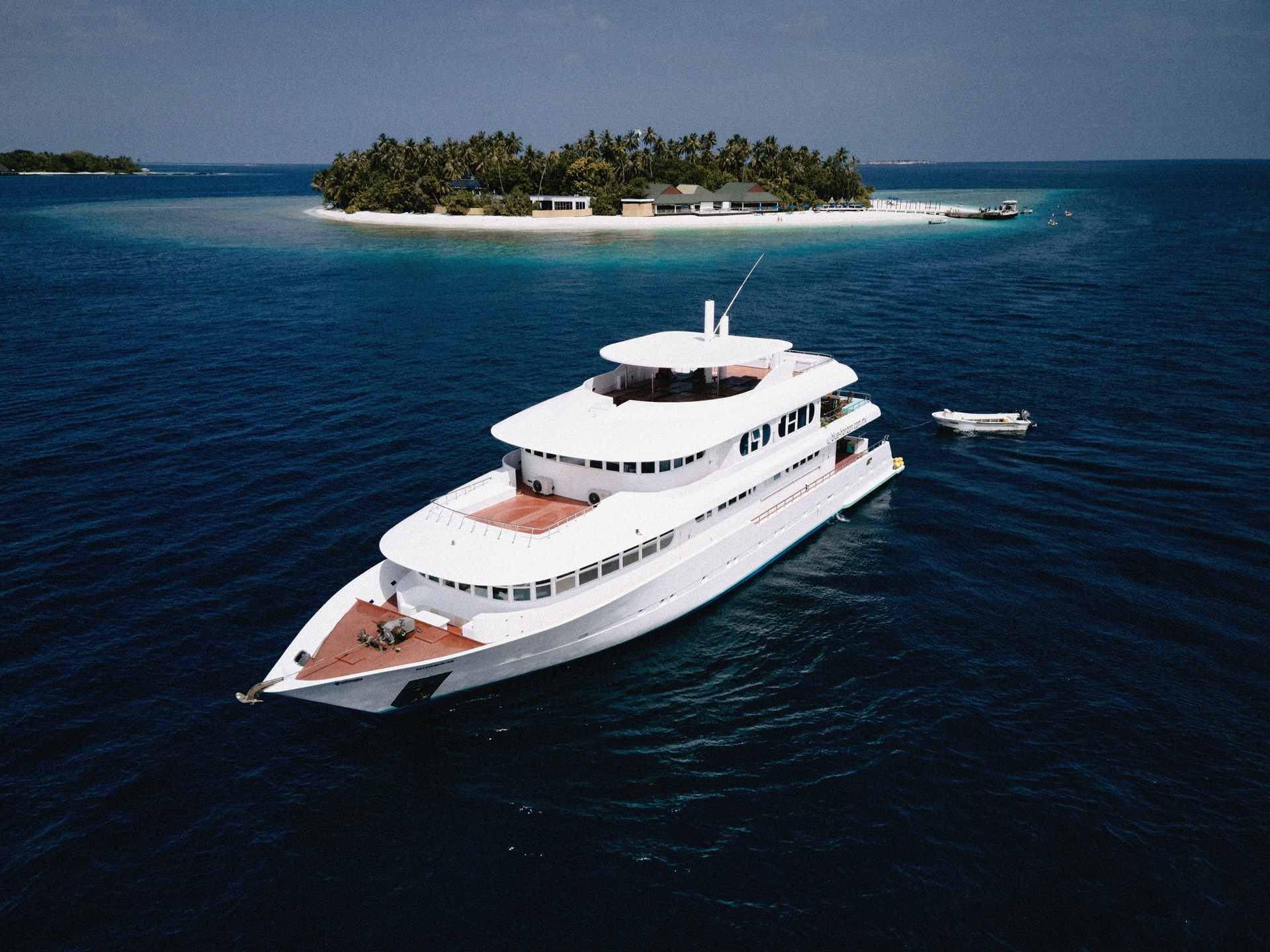
Horizon III
Maldives
25 guests
$204/day
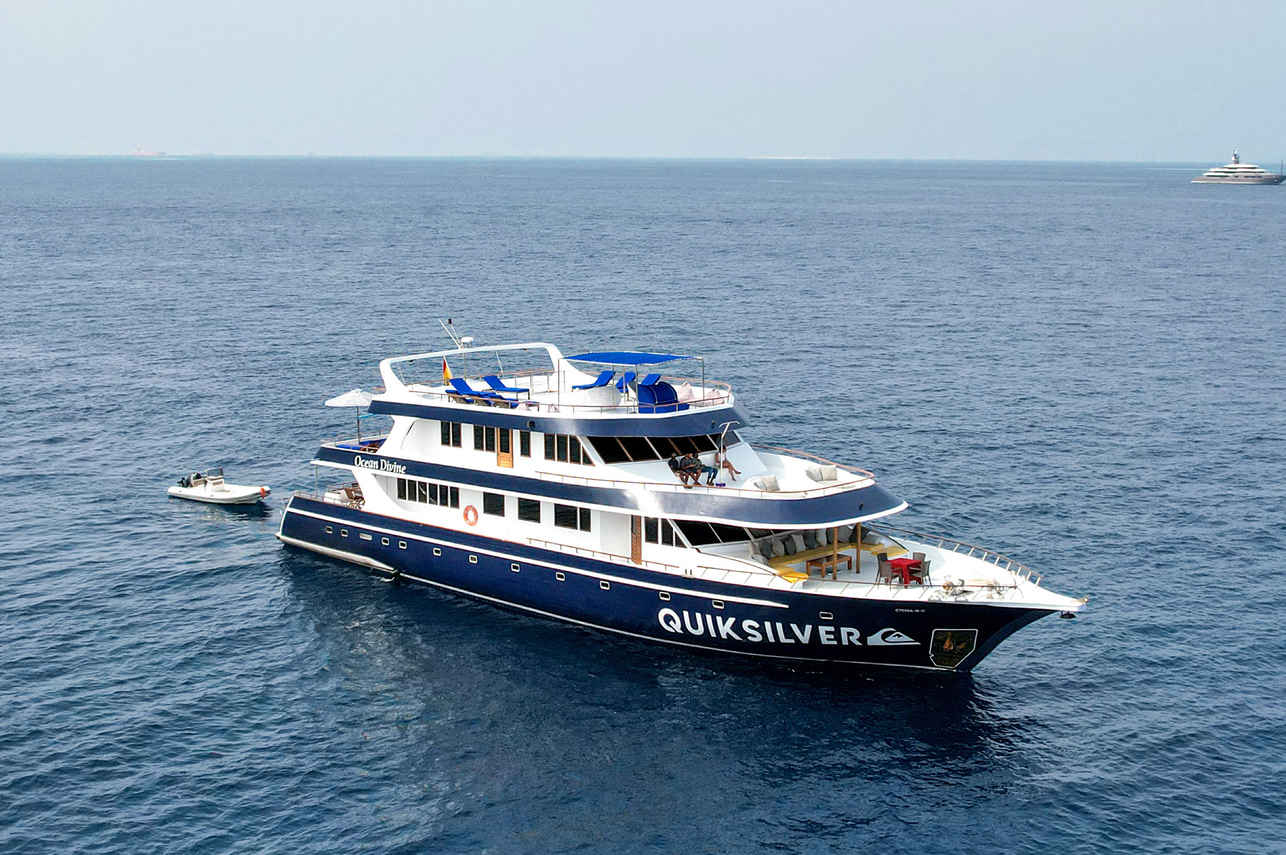
Ocean Divine
Maldives
16 guests33.528 m
$287/day
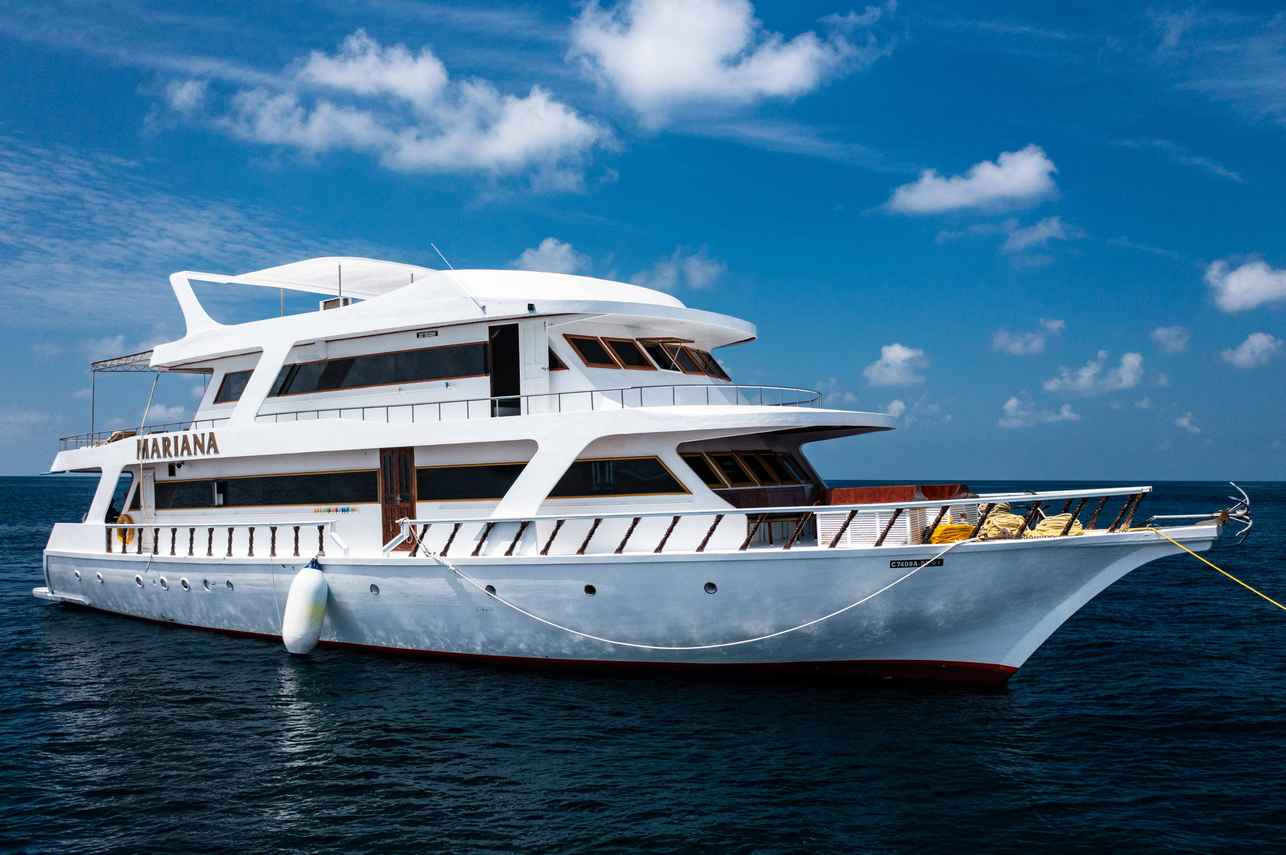
EcoPro Mariana
Maldives
16 guests30 m
$236/day
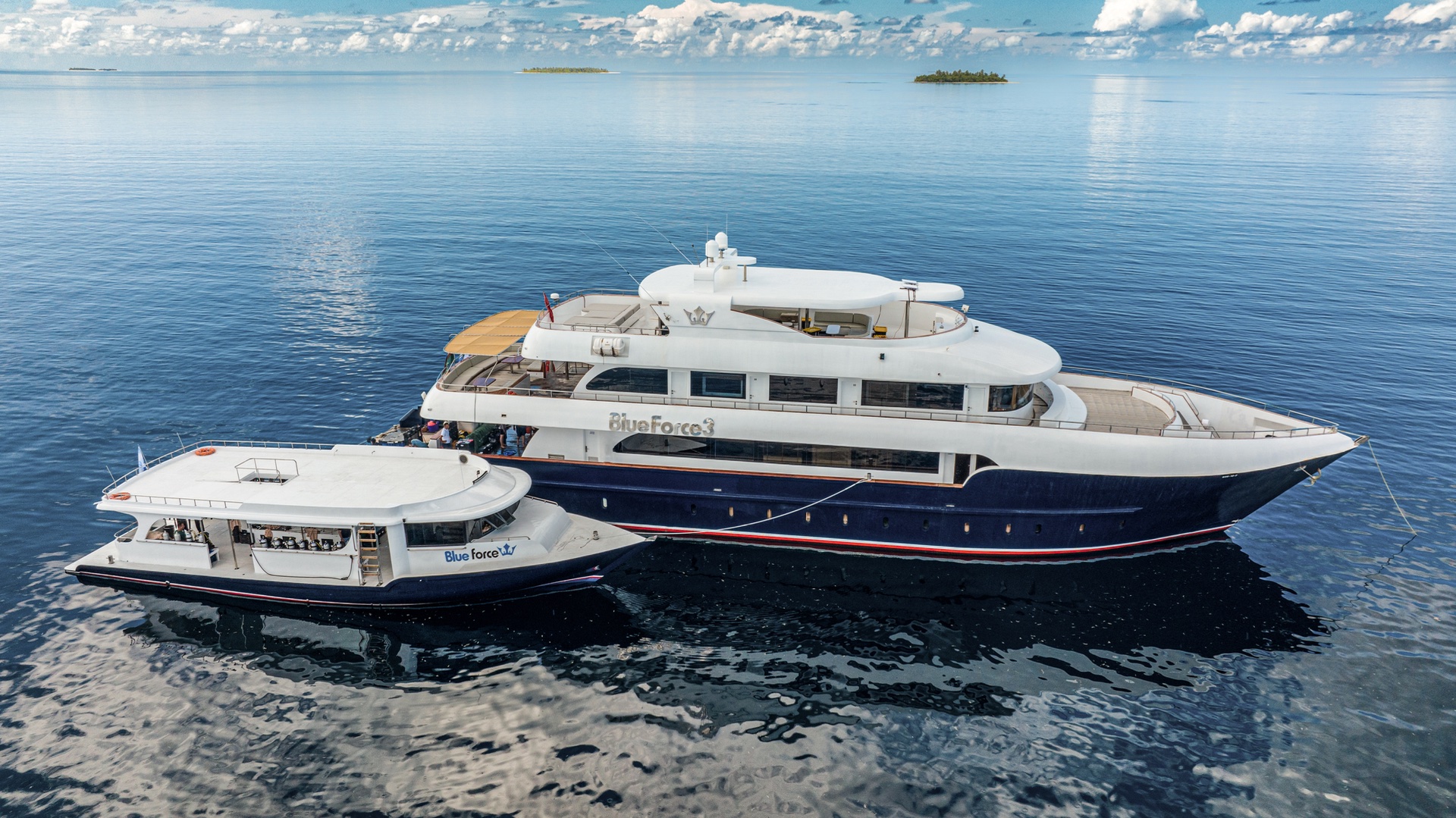
Maldives Blue Force 3
Maldives
26 guests42 m
$236/day
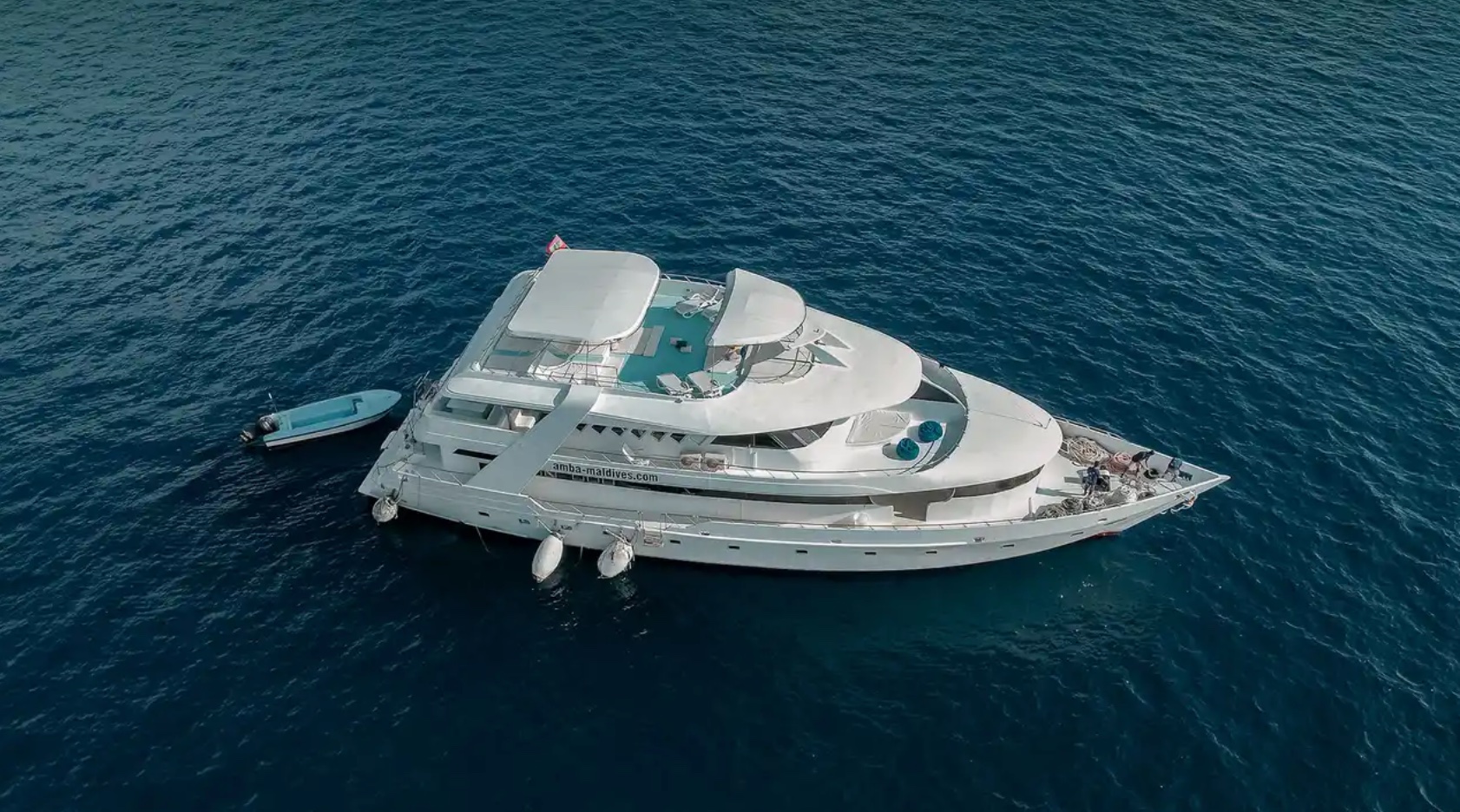
Amba
Maldives
20 guests
$178/day
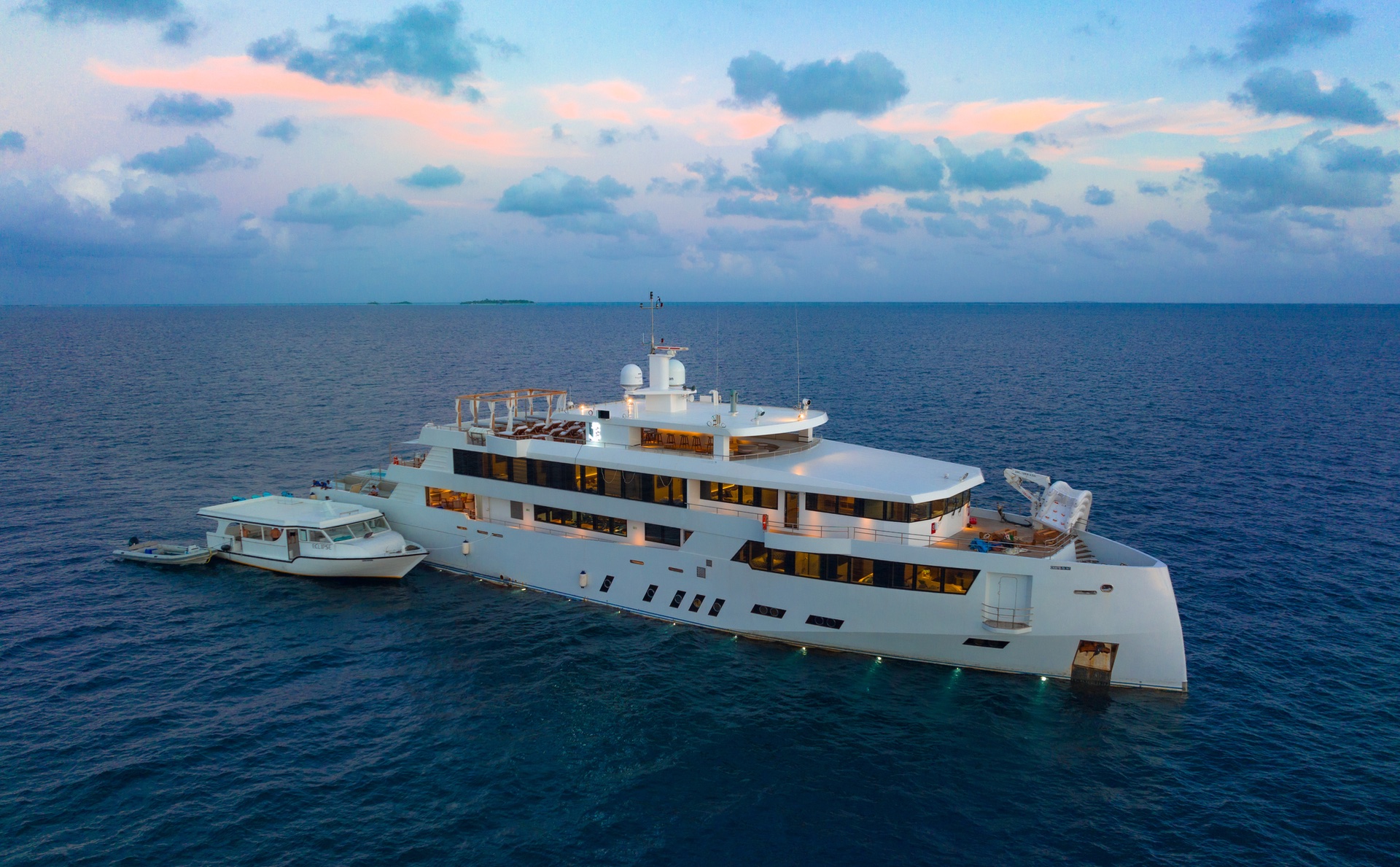
White Pearl
Maldives
26 guests
$375/day
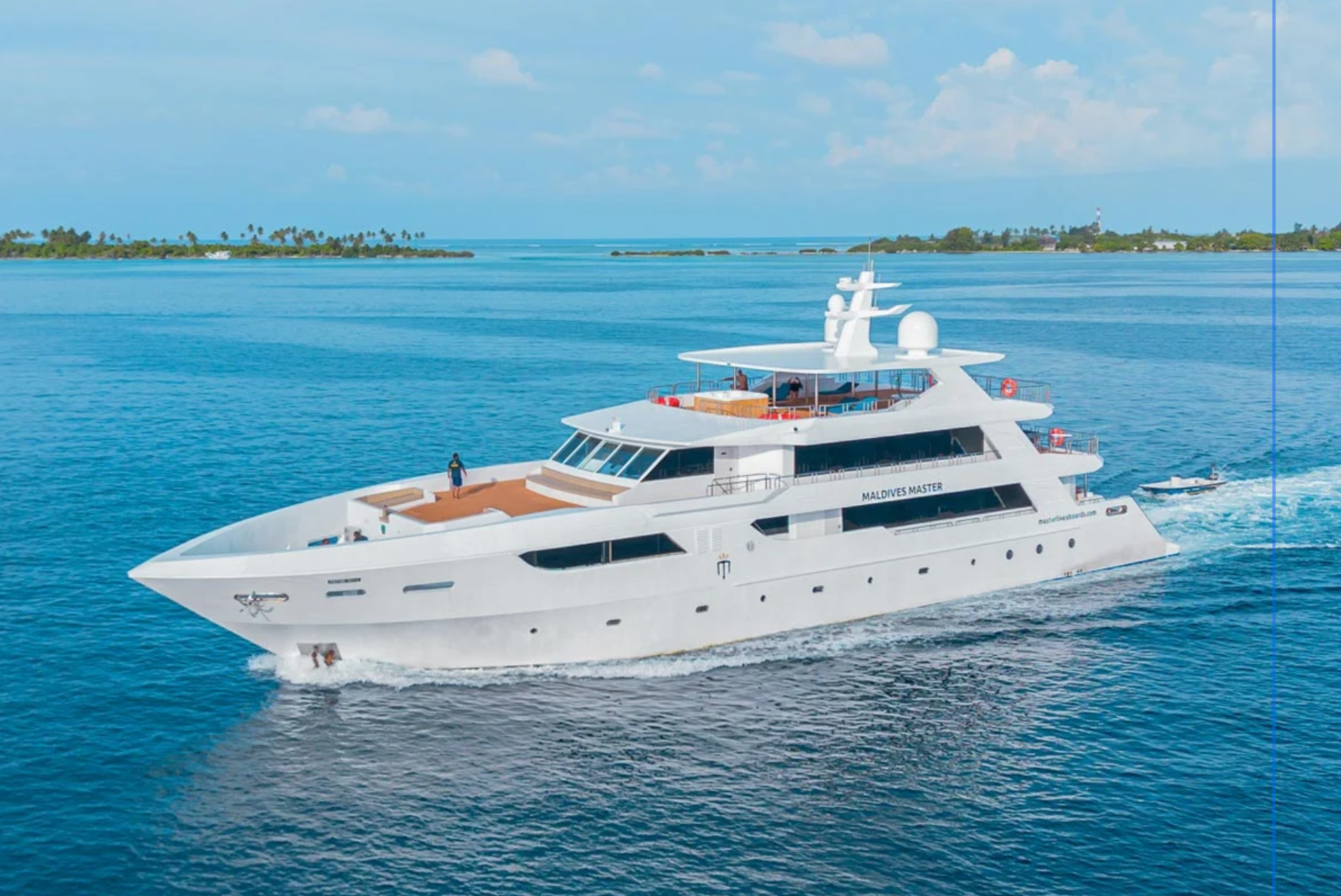
Maldives Master
Maldives
26 guests
$207/day
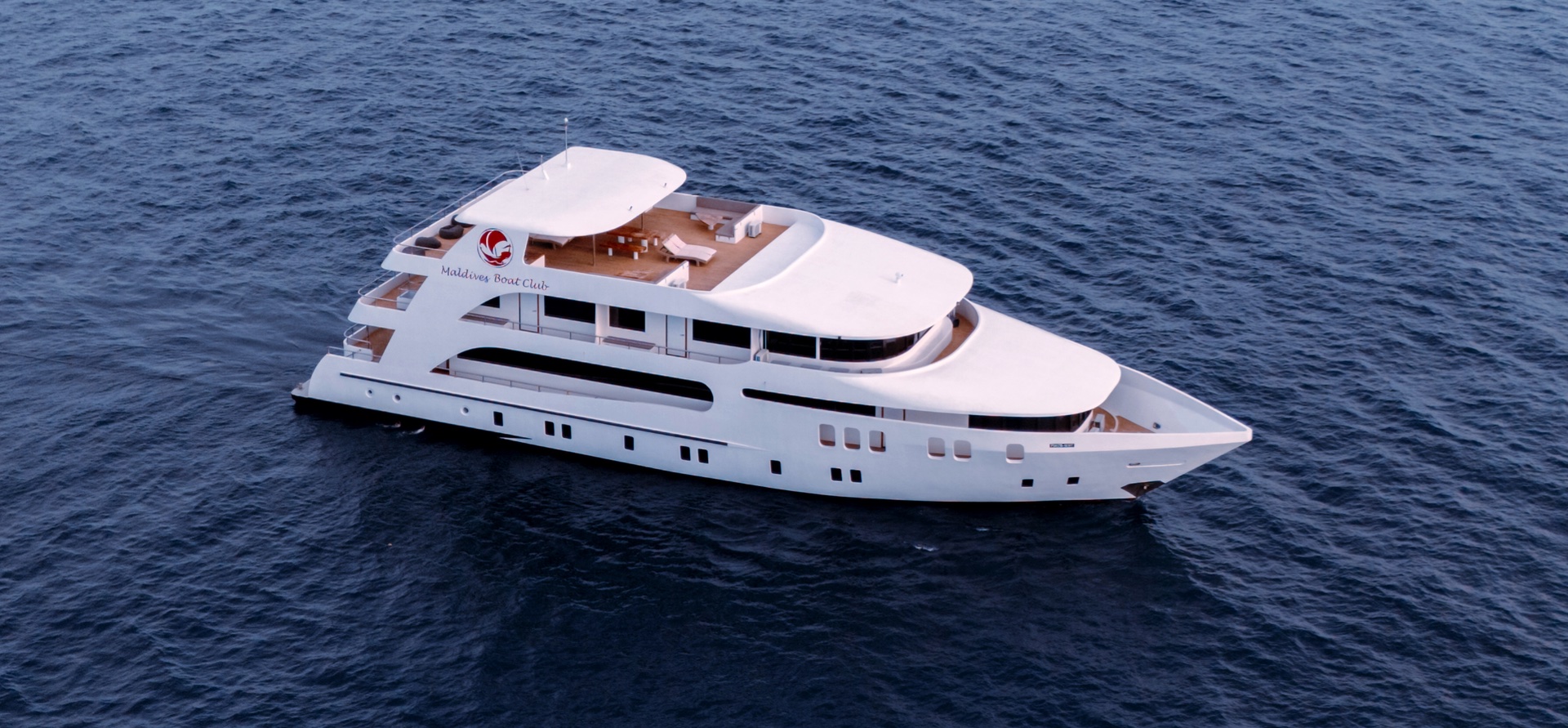
Adora
Maldives
22 guests
$297/day
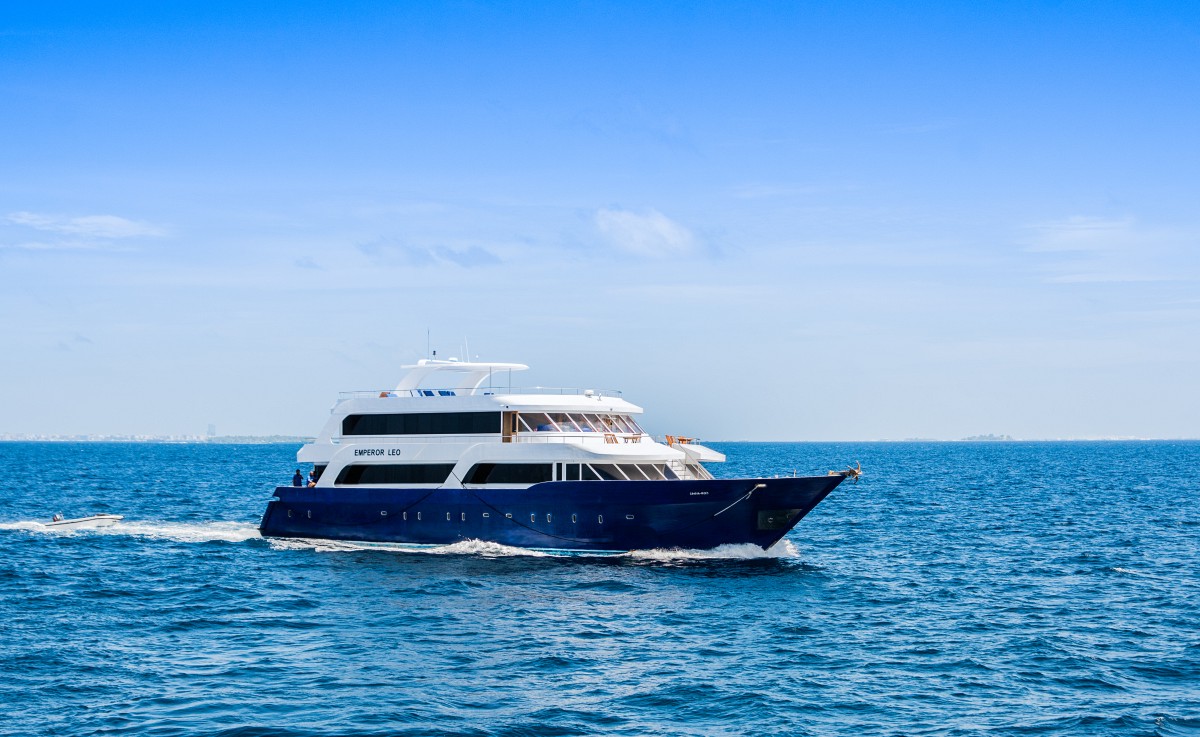
Emperor Leo
Maldives
24 guests35.1 m
$339/day
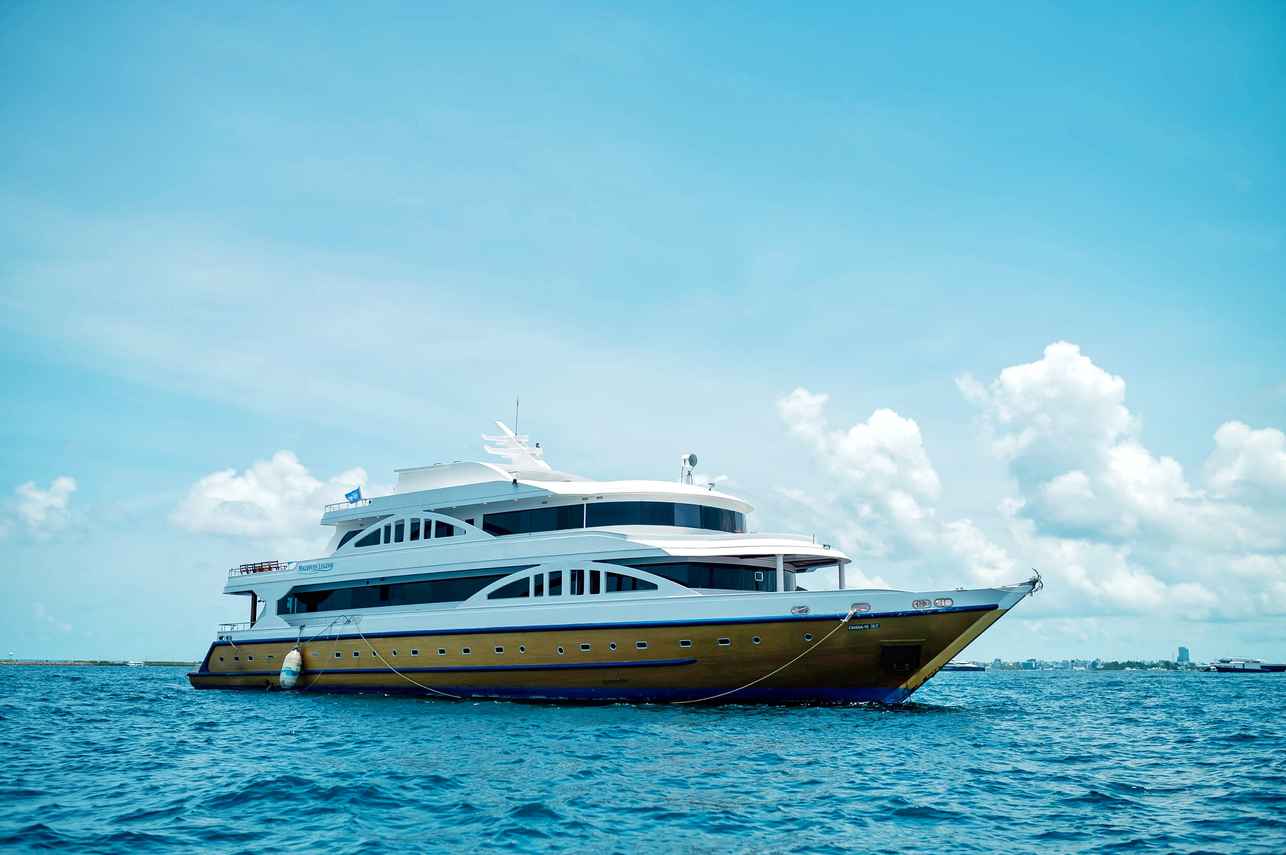
Maldives Legend Zen
Maldives
24 guests41 m
$316/day
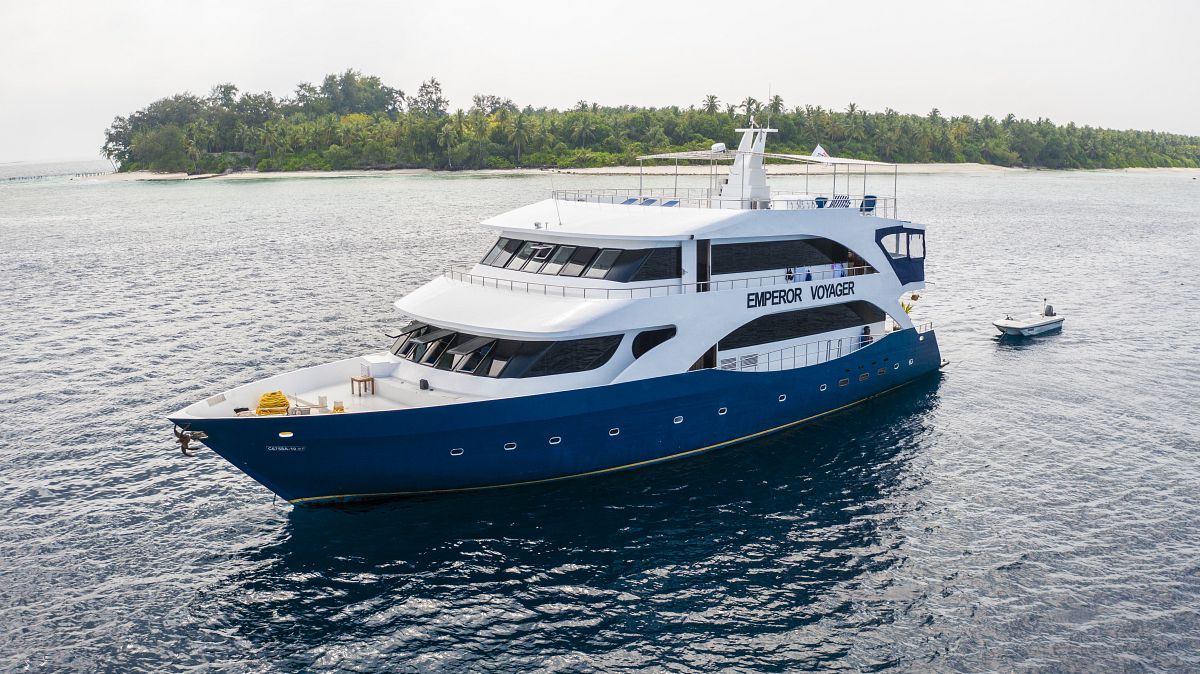
Emperor Voyager
Maldives
20 guests29.9 m
$332/day
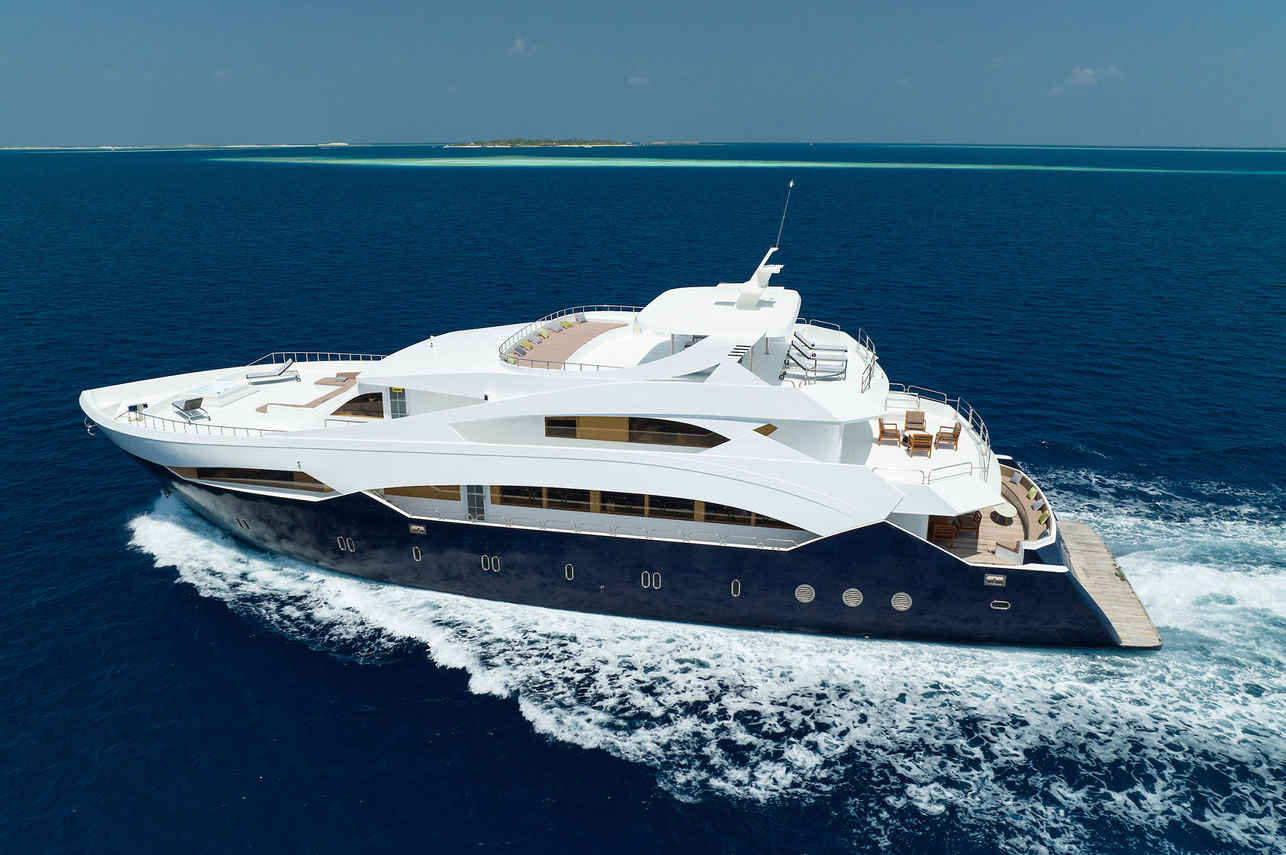
Felicity
Maldives
26 guests41 m
$229/day
Dive sites similar to Dhigali Haa
Same character, same waters — six more sites divers love for the exact same reasons.Compare seasons, access and liveaboard routes — then pick the site that fits your trip best.
© Esri — Maxar, Earthstar, GIS
Kudimaa Wreck
Maldives
The Kudimaa Wreck is a compelling dive site in the Maldives, offering a fascinating artificial reef environment.
- Suitable for
- Advanced
- Current
- Moderate
- Access
- Liveaboard only
- Depth
- ≤ 30 m
- Theme
- Wreck / Reef
© Esri — Maxar, Earthstar, GIS
Filitheyo Reef (Faafu)
Maldives
Filitheyo Reef, situated in the Faafu Atoll, offers an unspoiled underwater paradise, unique as the only tourist island in the atoll.
- Suitable for
- Beginner
- Current
- Strong
- Access
- Liveaboard or dayboat
- Depth
- 1–30 m
- Theme
- Reef / Wall
© Esri — Maxar, Earthstar, GIS
Embudu Express
Maldives
Embudu Express, also known as Embudu Channel, is a celebrated dive site situated within the Malé Atoll of the Maldives, specifically in the South Malé Atoll.
- Suitable for
- Advanced
- Current
- Ripping
- Access
- Dayboat
- Depth
- 25–30 m
- Theme
- Drift / Reef
© Esri — Maxar, Earthstar, GIS
Gahaa Kandu
Maldives
Gahaa Kandu is a prime dive site within the Fuvahmulah Atoll in the Maldives, renowned for its dynamic underwater environment.
- Suitable for
- Advanced
- Current
- Moderate
- Access
- Liveaboard only
- Depth
- —
- Theme
- Reef
© Esri — Maxar, Earthstar, GIS
Skipjack 1 & 2
Maldives
Skipjack 1 & 2 are two distinct wreck dive sites located within the Lhaviyani Atoll in the northern Maldives.
- Suitable for
- Intermediate
- Current
- Moderate
- Access
- Liveaboard only
- Depth
- ≤ 28 m
- Theme
- Wreck / Reef
© Esri — Maxar, Earthstar, GIS
Maavaru Kandu
Maldives
Maavaru Kandu is a renowned dive site in the Maldives, characterized by its stunning underwater topography.
- Suitable for
- Intermediate
- Current
- Moderate
- Access
- Liveaboard only
- Depth
- 15–50 m
- Theme
- Reef / Drift