About Daphne Major
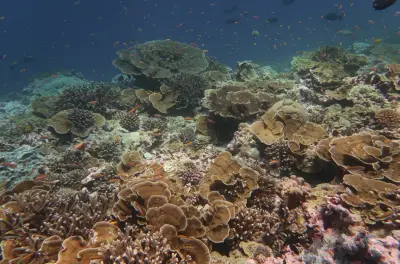
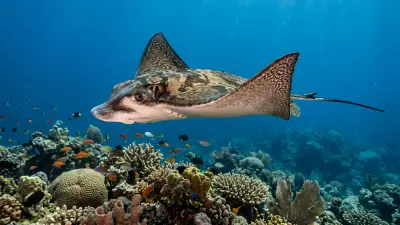
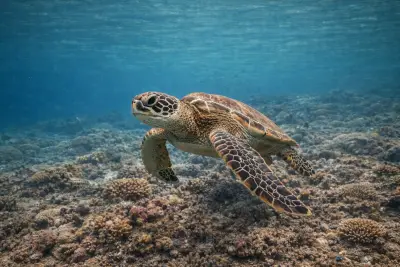
Daphne Major is an extinct tuff cone in the central Galápagos, known more for its birdlife and excellent snorkeling rather than traditional scuba diving. Unlike its smaller counterpart, Daphne Minor, which is a dedicated dive site, Daphne Major itself does not have visitor landing sites or specific scuba routes. Its rim rises approximately 400 feet above sea level, defining its stark, treeless landscape. The underwater environment around Daphne Major features a variety of tropical fish, green turtles, various ray species, and sharks, particularly enjoyed by snorkelers. The area is also notable for the seabirds that frequently hunt in its nutrient-rich waters. While specific dive profiles are not detailed for Daphne Major, the nearby waters provide a vivid underwater experience for those exploring from a boat. The marine activity supports a rich ecosystem, drawing diverse species. Access to the vicinity of Daphne Major is typically part of broader Galápagos itineraries, often included as an opportunity for panga rides or snorkeling excursions. Its significance lies in its role as a crucial ecological zone and a scenic point of interest within the archipelago.
Highlights
Excellent snorkeling opportunitiesDiverse tropical fish speciesGreen turtle sightingsVariety of ray speciesShark encountersAbundant seabird activityScenic volcanic topography
Season calendar
Best months to dive here
Jan
Feb
Mar
Apr
May
Jun
Jul
Aug
Sep
Oct
Nov
Dec
Excellent
Good
Dive site facts: Daphne Major
- Depth
- 28 m
- Current
- Variable, typically moderate to strong in the region
- Visibility
- Variable, good to excellent in the region
- Water temperature
- 16–27°C (regionally)
- Entry
- Panga ride / snorkeling
- Level
- Snorkeling / observation
- Dive type
- Observation / Snorkeling
- Region / port
- Central Galápagos / Santa Cruz
- Coordinates
- 0.3430° S, 90.9189° W
Conditions & Currents
Information specifically for Daphne Major's dive conditions is not detailed, as it is primarily a snorkeling and panga ride location rather than a designated scuba dive site. However, Galápagos waters in general are characterized by moderate to strong currents, particularly during the cool season from June to November. These currents are vital for bringing nutrients that sustain the rich marine ecosystem, though they can vary in strength and direction. Water temperatures fluctuate from 22-27°C in the warm season to 16-20°C in the cool season, with thermoclines being more prevalent in cooler months. Visibility can range widely, often decreasing during plankton blooms that attract large marine life. Divers in the Galápagos must be proficient in current diving techniques and prepared for variable conditions, typically involving negative entries from tenders to mitigate surface chop.
Marine life & sighting chances
Dive profile & how the dive runs
As Daphne Major is primarily an excellent snorkeling and panga ride location rather than a scuba dive site, there is no established dive profile. Boat trips around the island offer opportunities for observing seabirds and for snorkelers to explore the vibrant shallow waters. During snorkeling excursions, participants typically enter the water from a panga (dinghy) to drift along the shores, encountering various tropical fish, green turtles, and rays. The focus is on surface observation and shallow water exploration, enjoying the marine life attracted to the nutrient-rich currents without deep descent plans.
Underwater photography
While not a scuba dive site, Daphne Major offers excellent opportunities for underwater photography for snorkelers. A wide-angle lens is ideal for capturing the expansive volcanic topography and schooling fish, along with the green turtles and rays often found near the surface. For close-up shots of smaller marine life or vibrant reef sections, a macro lens could also be beneficial, depending on the clarity and subject distance. Natural light is usually sufficient for snorkeling photography in the clear Galápagos waters, though an external strobe or video light can enhance colors and reduce backscatter. Respect marine life by maintaining a comfortable distance and avoiding sudden movements to capture natural behaviors.
Combine with nearby dive sites
- Mosquera
Mosquera Island is a unique dive site in the Galápagos Marine Reserve, located between Seymour and Baltra islands.
- North Seymour
North Seymour is one of the most frequented dive sites in the Galápagos, conveniently located a short boat ride from the Itabaca Channel on…
- Gordon Rocks
Gordon Rocks, located off the northeast coast of Santa Cruz Island in the Galápagos, stands as a premier dive site globally, primarily…
Getting there & logistics
Access to the area around Daphne Major is typically facilitated by day trips from Santa Cruz, particularly Puerto Ayora, often integrated into land-based itineraries. High-speed boats transport visitors to the site, usually as part of a two-dive or snorkeling day trip that includes lunch. The journey from Santa Cruz to Daphne Major is relatively short, making it a convenient option. For those arriving in the Galápagos, Baltra Island (with its airport) is a common entry point, followed by transfer to Santa Cruz. Liveaboards in the Galápagos generally focus on more remote, advanced dive sites, so visits to Daphne Major are more common on day excursions. National Park fees are required for all visitors to the Galápagos.
Safety & environment
While snorkeling at Daphne Major, standard Galápagos safety protocols apply. Divers and snorkelers should always be aware of the currents, which can be moderate to strong in the region. Maintaining a safe distance from marine life and avoiding touching or disturbing the fragile ecosystem is crucial. All marine activities should be conducted under the guidance of experienced, certified local guides. In case of a medical emergency, the nearest recompression chamber is located in Puerto Ayora, Santa Cruz. Emergency evacuation from remote sites can be complex and time-consuming, necessitating comprehensive dive insurance that covers emergency medical treatment and evacuation, including potential hyperbaric chamber treatment. Always follow your guide's instructions and conduct thorough pre-dive safety checks.
Who it suits — and who it doesn't
Suited for
- Snorkelers looking for abundant marine life
- Visitors interested in observing seabirds
- Photographers seeking underwater and topside wildlife opportunities
- Travelers on land-based itineraries from Santa Cruz
- Those new to Galápagos marine encounters
Less suited for
- Divers seeking deep, challenging wreck or reef dives
- Beginner scuba divers without current experience (for nearby dive sites)
- Those expecting remote, untouched dive sites (as it's a popular snorkeling spot)
- Individuals with limited swimming ability (for snorkeling in currents)
FAQ
Daphne Major FAQ
Is Daphne Major a scuba diving site?
Daphne Major is primarily known as an excellent location for snorkeling and panga boat rides, rather than a designated scuba diving site. While its waters are rich with marine life, organized scuba dives are typically conducted at nearby sites like Daphne Minor. Visitors to Daphne Major enjoy observing seabirds and exploring the vibrant shallow waters from the surface.
What marine life can be seen around Daphne Major?
Around Daphne Major, snorkelers and boat passengers can frequently spot a variety of tropical fish, green turtles, and different species of rays. Occasional sightings of sharks also occur in the surrounding waters. The island's vicinity is also a prime area for observing numerous seabirds that hunt in the nutrient-rich currents.
How do I get to Daphne Major?
Access to Daphne Major is typically arranged through day trips from Santa Cruz, particularly from Puerto Ayora. These excursions often involve high-speed boats and might combine the visit with other nearby attractions or snorkeling opportunities. It is generally included as part of a broader Galápagos itinerary rather than a standalone destination.
What are the water conditions like for snorkeling at Daphne Major?
Water conditions around Daphne Major, similar to the broader Galápagos region, can experience varying currents, which are often moderate. Water temperatures fluctuate seasonally, ranging from 22-27°C in the warm season to 16-20°C in the cool season. Visibility is generally good to excellent, making it ideal for snorkeling and marine observation.
Are there any visitor landing sites on Daphne Major?
No, there are no visitor landing sites on Daphne Major island itself. The island is conserved primarily for its bird colonies and ecological research. All exploration and observation activities take place from boats or by snorkeling in the surrounding waters, ensuring minimal disturbance to the terrestrial ecosystem.
Why dive Daphne Major from a liveaboard?
Daphne Major is one of Galápagos's signature dive sites. A liveaboard sleeps you on the water and puts you in the water for three to four guided dives per day, including dawn and night dives that day-boat operators rarely offer. You skip the daily commute back to port and reach quieter, less-crowded sites in the same region on a single trip.
Below are the liveaboards that include Daphne Major on their Galápagos itineraries.
Liveaboards diving Daphne Major
These liveaboards may visit Daphne Major on selected itineraries — the exact dive sites depend on departure, weather and conditions.
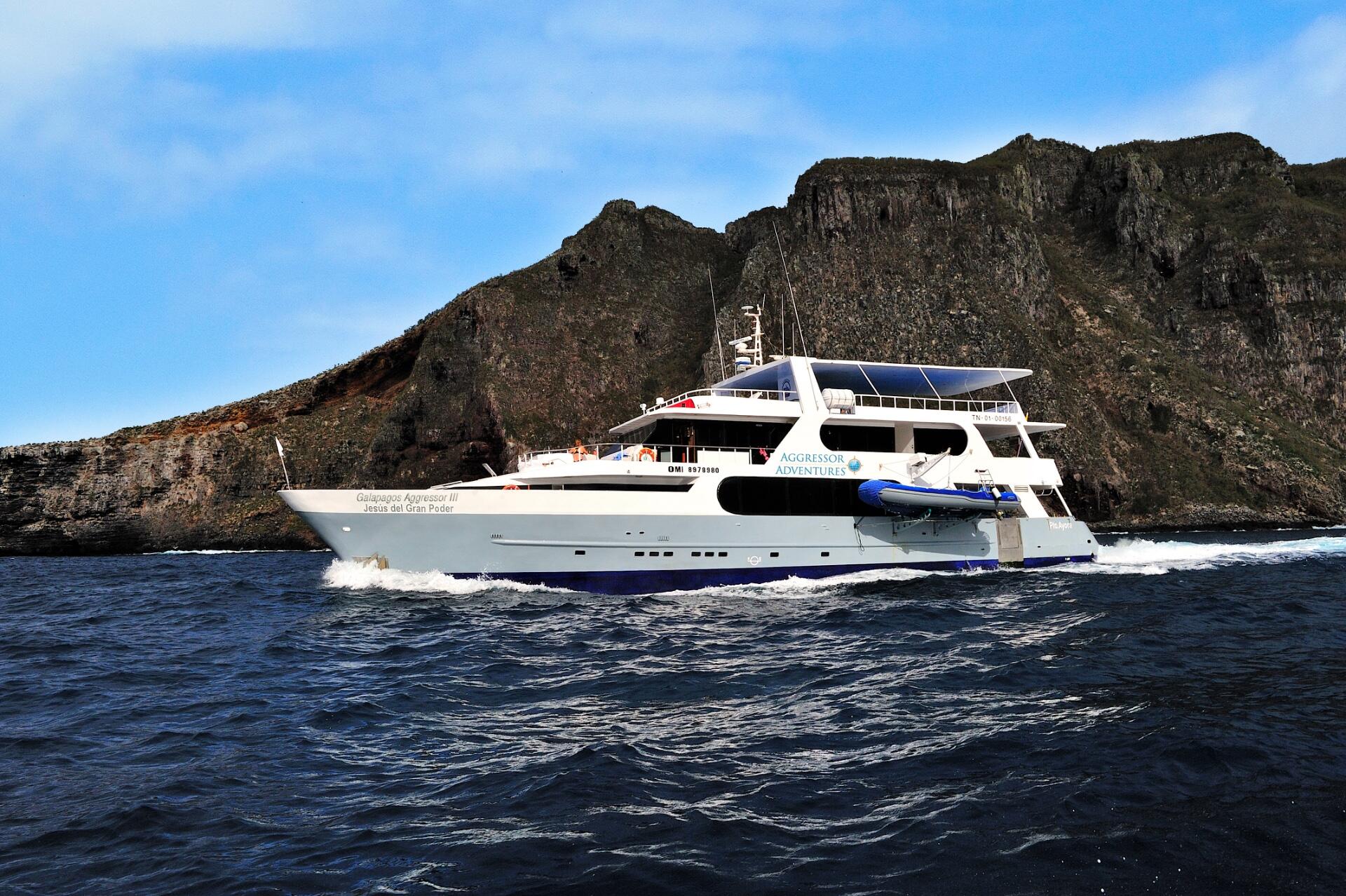
Galapagos Aggressor III
Galápagos
16 guests30.5 m
$913/day
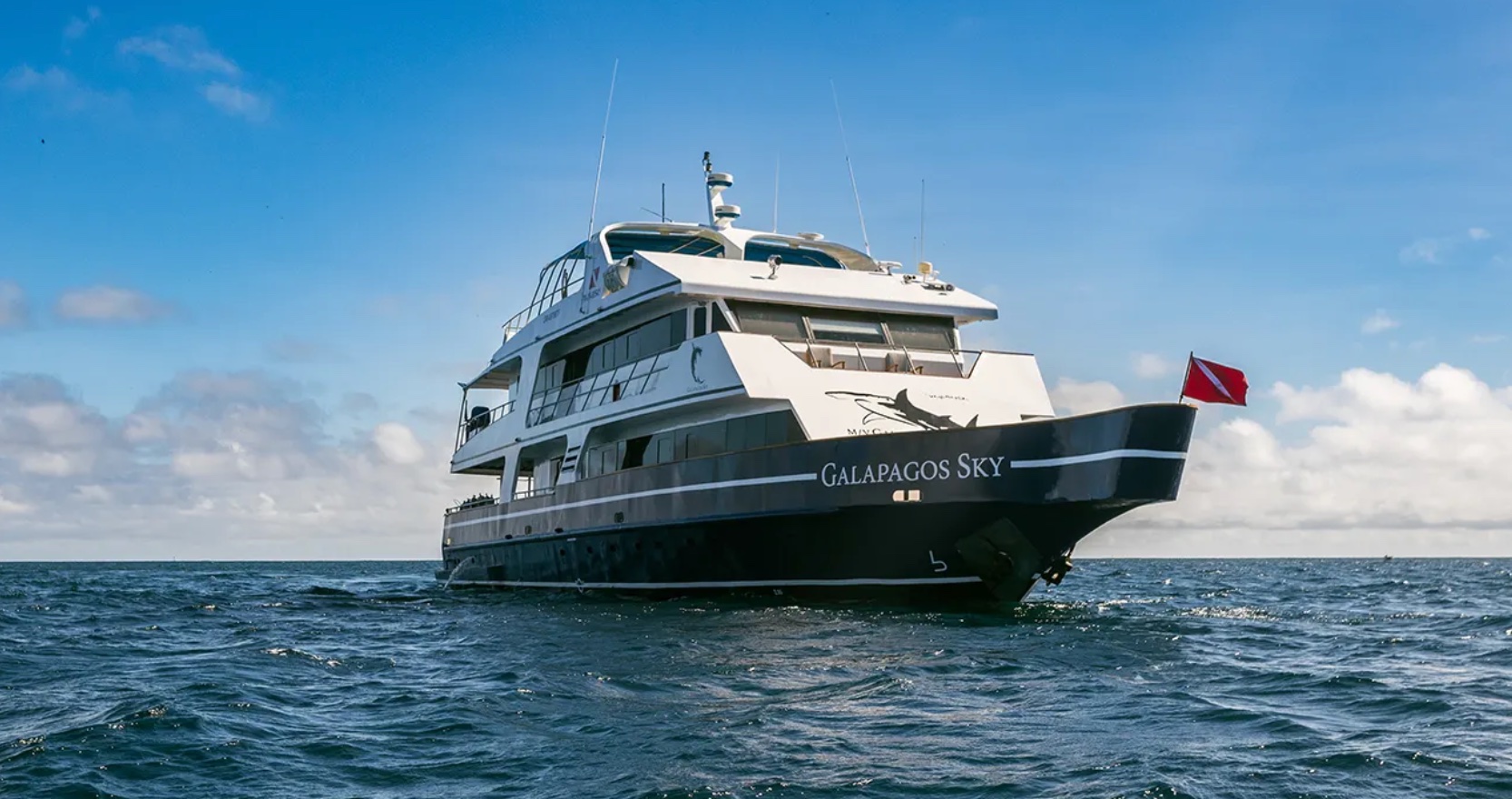
Galapagos Sky
Galápagos
16 guests
$937/day
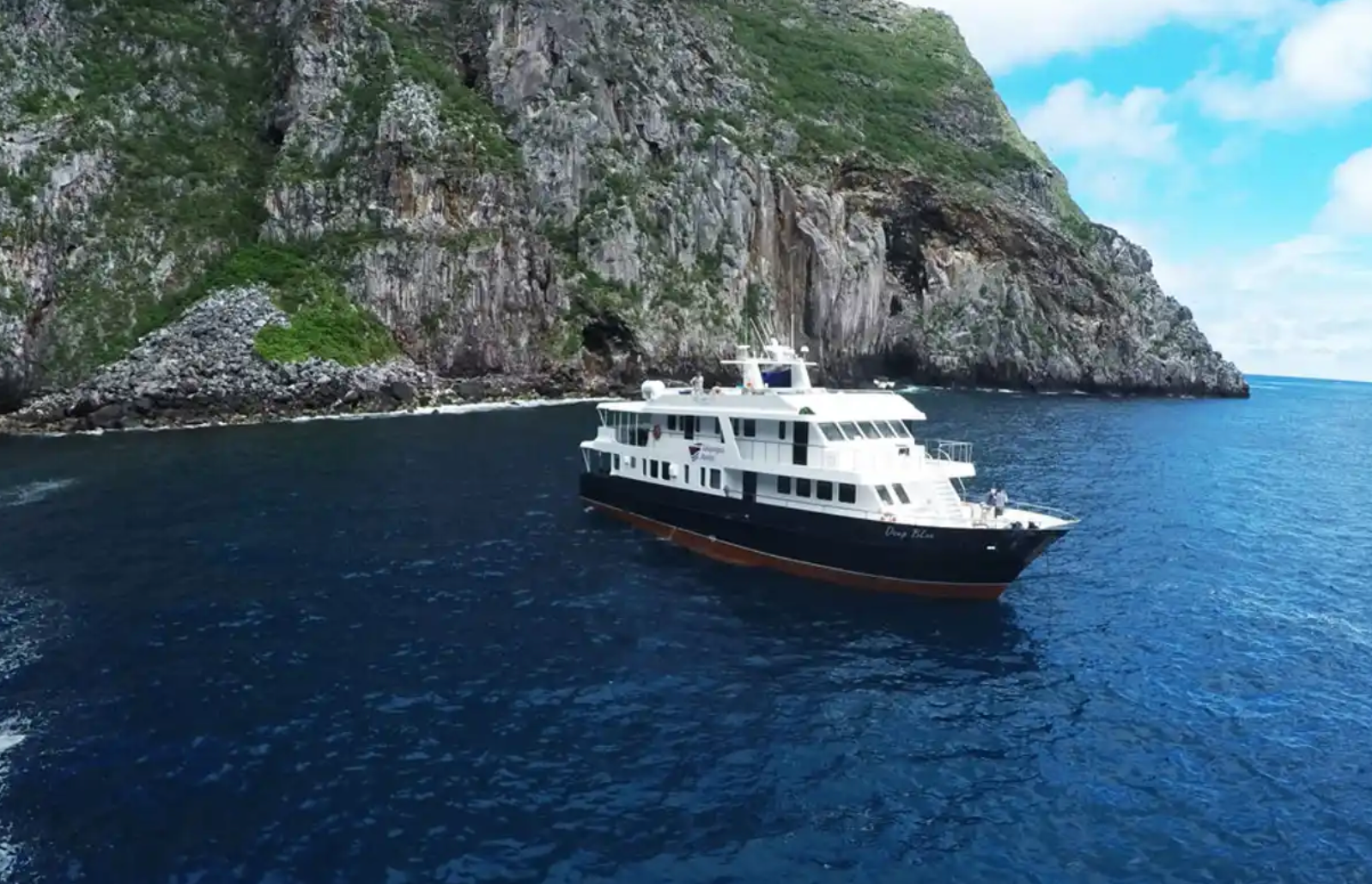
Galapagos Master
Galápagos
16 guests
$669/day
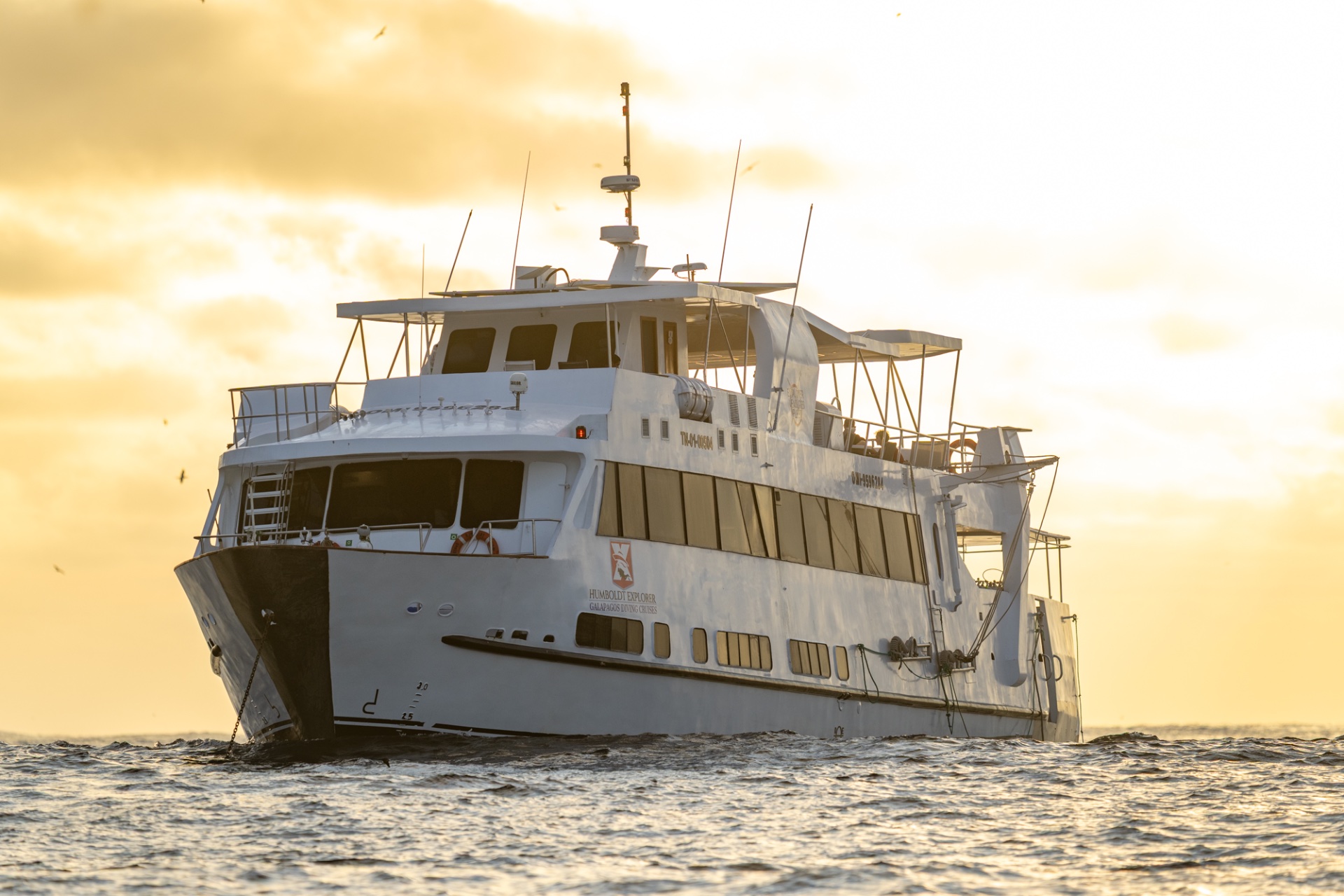
Humboldt Explorer
Galápagos
16 guests
$612/day
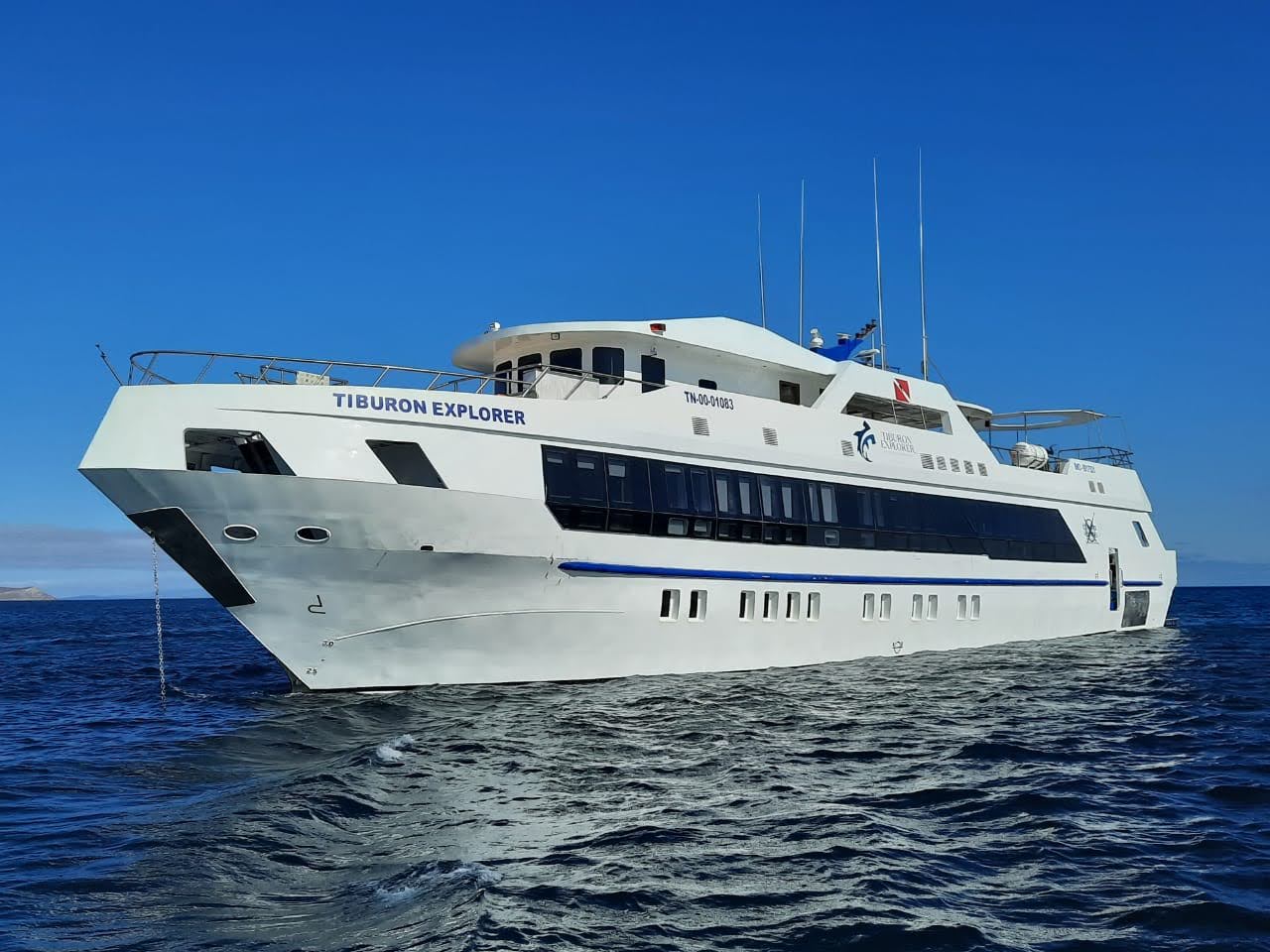
Tiburon Explorer
Galápagos
16 guests
$924/day
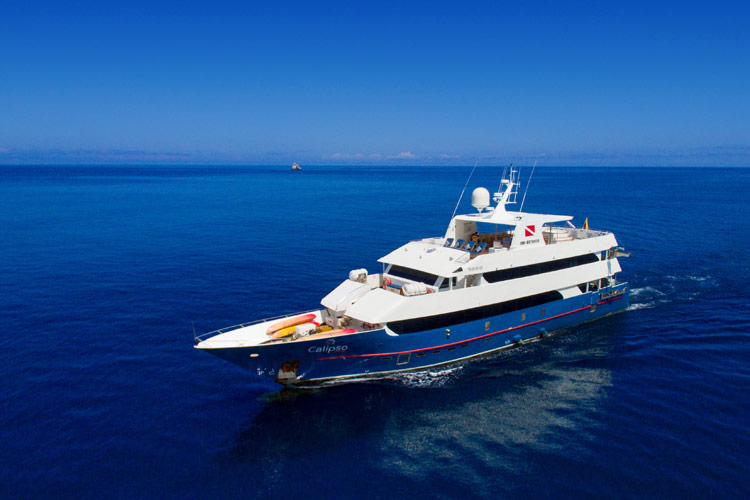
Calipso
Galápagos
16 guests
$819/day
Dive sites similar to Daphne Major
Same character, same waters — six more sites divers love for the exact same reasons.Compare seasons, access and liveaboard routes — then pick the site that fits your trip best.
The Caves, located at San Cristóbal, offers a unique underwater adventure, blending skill and direct contact with the Galápagos archipelago's rich biodiversity.
- Suitable for
- Advanced
- Current
- Ripping
- Access
- Liveaboard only
- Depth
- ≤ 35 m
- Theme
- Drift
© Esri — Maxar, Earthstar, GIS
Guy Fawkes Islands
Galápagos
The Guy Fawkes Islands are a pair of small islands located close to Santa Cruz, offering a more accessible dive experience compared to the remote northern sites.
- Suitable for
- Intermediate
- Current
- Strong
- Access
- Liveaboard only
- Depth
- 5–25 m
- Theme
- Cave & cavern / Wall
© Esri — Maxar, Earthstar, GIS
Floreana - Devil's Crown
Galápagos
Devil's Crown, located off Floreana Island in the Galápagos, is renowned as one of the archipelago's premier diving and snorkeling destinations.
- Suitable for
- Beginner
- Current
- Strong
- Access
- Liveaboard only
- Depth
- 3–15 m
- Theme
- Reef
Landslide, known locally as El Derrumbe, is a renowned dive site situated off Wolf Island in the remote northern Galápagos archipelago.
- Suitable for
- Advanced
- Current
- Ripping
- Access
- Liveaboard only
- Depth
- 9–37 m
- Theme
- Drift
© Esri — Maxar, Earthstar, GIS
Elizabeth Bay
Galápagos
Elizabeth Bay, located on the eastern coast of Isabela Island, presents a wide and sheltered marine environment rich in biodiversity.
- Suitable for
- Beginner
- Current
- No current
- Access
- Liveaboard only
- Depth
- 3–20 m
- Theme
- —
© Esri — Maxar, Earthstar, GIS
Cabo Douglas - Fernandina
Galápagos
Cabo Douglas, located on Fernandina Island, offers a truly unique underwater experience as the sole location worldwide where divers can observe marine iguanas grazing on algae beneath the surface.
- Suitable for
- Advanced
- Current
- Strong
- Access
- Liveaboard only
- Depth
- 6–6 m
- Theme
- Drift