About Bonnie's Arch
Bonnie's Arch is a renowned dive site located on the West Side of Grand Cayman, celebrated for its spectacular natural arch formation and rich biodiversity. This site features impressive coral structures and offers both shallower and deeper sections, accommodating divers of various experience levels. The arch itself is a prominent topographical feature, creating a dramatic swim-through that is a highlight for many. The surrounding reefs are vibrant, home to an array of fish and other marine creatures, making it an excellent location for underwater exploration and photography. Depths at Bonnie's Arch typically range from 15 to 30 meters, with the arch situated within this band. The site’s topography includes sand, coral, and rock bottoms, providing varied habitats for marine organisms. Visibility here is often excellent, contributing to a clear view of the expansive formations and abundant sea life. Divers can expect to encounter numerous species residing within and around the arch, from colorful reef fish to occasional larger pelagics. Conditions are generally mild, with calm seas for most of the year, particularly favorable during the dry season from December to April. While the site is accessible year-round, these months offer the best visibility and most comfortable surface conditions. The diverse marine ecosystem thrives in these conditions, providing consistent encounters with fascinating species. The site is usually accessed by boat, ensuring a convenient and enjoyable diving experience.
Highlights
Spectacular underwater arch formationDiverse coral formationsAbundant reef fishIdeal for wide-angle photographyQueen angelfish sightingsShallow and deeper exploration zonesCalm sea conditions
Season calendar
Best months to dive here
Jan
Feb
Mar
Apr
May
Jun
Jul
Aug
Sep
Oct
Nov
Dec
Excellent
Good
Dive site facts: Bonnie's Arch
- Depth
- 15–30 m
- Typical dive
- 12–21 m, 50 min
- Current
- Mild
- Visibility
- 15–30 m
- Water temperature
- 24–30 °C
- Entry
- Boat
- Level
- Intermediate
- Dive type
- Reef, arch, photography
- Night dive
- Possible
- Region / port
- Grand Cayman, West Side
- Coordinates
- 19.38, -81.27
Conditions & Currents
Bonnie's Arch generally experiences mild currents, which are influenced by the limited tidal range around the Cayman Islands, contributing to calm and predictable sea conditions. The negligible surge also makes entries and exits from the boat straightforward. While specific current direction can vary, especially during a dusk dive, the overall conditions are typically easy to navigate, suitable for intermediate divers. Visibility at the site is consistently good, often ranging from 15 to 30 meters, with minimal sediment disruption due to the lack of river runoff. Water temperatures remain warm throughout the year, from 24-27°C in winter to 27-30°C in summer, eliminating the need for thick wetsuits. Divers can expect a relaxed experience, focusing on exploration and photography without significant concerns about strong currents.
Marine life & sighting chances

Queen Angelfish
common
Nassau Grouper
common
Porcupinefish
occasional
Seahorses
occasional
Smooth Trunkfish
occasional
Channel-clinging Crab
occasional
Snapper
common
Bermuda Chub
common
Goatfish
commonDive profile & how the dive runs
Diving Bonnie's Arch typically begins with a boat entry, descending along the mooring line. The primary route involves exploring the impressive archway itself, which can be swum through and provides excellent photographic opportunities. Divers often start by circling the arch, observing the abundant marine life that congregates around its structure and the surrounding coral. Depths during this part of the dive will vary between 12 to 21 meters, allowing for extended bottom times. After exploring the arch, divers can extend their dive along the outlying reef system, keeping an eye out for channel-clinging crabs and seahorses. The dive concludes with a gradual ascent to a safety stop near the mooring line, where schools of smaller fish are often present.
Underwater photography
Bonnie's Arch offers superb opportunities for both wide-angle and macro photography. For the arch itself, a wide-angle lens is essential to capture its impressive scale and the divers swimming through it. Ensure your strobes are positioned to illuminate the arch's interior and avoid backscatter in the clear waters. For macro subjects like seahorses or channel-clinging crabs found in the reef's crevices, a macro lens with a focus light will bring out intricate details. Pay attention to the natural light entering the arch, especially during dusk dives, which can create dramatic silhouettes. Buoyancy control is paramount to avoid disturbing the delicate coral formations and to position yourself perfectly for shots within the archway.
Combine with nearby dive sites
- Trinity Caves
Trinity Caves is one of Grand Cayman's most celebrated dive sites, forming part of the sheltered West Wall, renowned for its calm…
- USS Kittiwake
The USS Kittiwake is a renowned wreck dive located just off Seven Mile Beach in Grand Cayman, attracting divers of all experience levels.
- Stingray City Sandbar
Stingray City Sandbar, located in the North Sound of Grand Cayman, is a world-renowned marine attraction.
- Eden Rock
Eden Rock and Devil's Grotto are iconic shore dive sites located off South Church Street in George Town, Grand Cayman.
Getting there & logistics
Access to Bonnie's Arch is exclusively by boat, typically departing from West Bay in Grand Cayman, which is a short five-minute boat ride from popular dive sites. Grand Cayman is easily accessible via Owen Roberts International Airport (GCM) with direct flights from several major US East Coast cities. Dive trips to Bonnie's Arch are often part of a broader itinerary exploring the West Side of Grand Cayman, known for its diverse dive offerings. Liveaboards like the Cayman Aggressor IV also visit this site as part of their week-long itineraries. No special permits are required for diving here, making it a straightforward addition to any dive plan.
Safety & environment
While Bonnie's Arch is generally a safe dive, it's crucial to dive within your certification limits and be aware of your air consumption, especially when navigating through the arch. The nearest recompression chamber is located in George Town, Grand Cayman, approximately 20-30 minutes from West Bay. Divers should always have valid dive insurance that covers emergency medical evacuation and recompression therapy. Although currents are typically mild, always check local conditions with your dive operator. Maintaining proper buoyancy is important to protect the delicate coral formations and to ensure diver safety within the arch. Always follow your dive guide's instructions and never enter overhead environments without appropriate training and equipment.
Who it suits — and who it doesn't
Suited for
- Intermediate divers seeking unique topography
- Underwater photographers (wide-angle and macro)
- Divers interested in diverse reef ecosystems
- Divers comfortable with boat entries and exits
- Those looking for calm conditions
Less suited for
- Absolute beginner divers (due to depths)
- Divers uncomfortable with swim-throughs
- Divers without proper buoyancy control
- Those prone to motion sickness in choppier conditions (during summer/hurricane season)
FAQ
Bonnie's Arch FAQ
What is the main attraction of Bonnie's Arch?
The main attraction is a spectacular natural underwater archway, which gives the site its name. Divers can swim through this large arch, experiencing a dramatic topographical feature surrounded by vibrant coral formations and abundant marine life. It creates a unique and memorable underwater experience.
What kind of marine life can I expect to see at Bonnie's Arch?
Bonnie's Arch is home to a diverse array of marine life. You can frequently spot Queen Angelfish, Nassau Grouper, and various snappers. Occasional sightings include Porcupinefish, Smooth Trunkfish, seahorses, and channel-clinging crabs, making it a rich environment for observation.
Is Bonnie's Arch suitable for all dive levels?
Bonnie's Arch is generally considered suitable for intermediate divers. While the conditions are typically mild and visibility is excellent, the maximum depth can reach 30 meters, and navigating the arch requires good buoyancy control. Beginner divers may find the depths and features challenging without adequate experience.
When is the best time of year to dive Bonnie's Arch?
The best time to dive Bonnie's Arch is from December to April. During these months, Grand Cayman experiences drier weather, lower humidity, and excellent underwater visibility, often exceeding 30 meters. Water temperatures remain comfortably warm, ranging from 24-27°C.
What are the typical diving conditions at Bonnie's Arch?
Diving conditions at Bonnie's Arch are generally favorable, characterized by mild currents and virtually no surge. Visibility typically ranges from 15 to 30 meters, and water temperatures are warm year-round. These calm conditions make it a relaxing and enjoyable dive site for exploration and photography.
Why dive Bonnie's Arch from a liveaboard?
Bonnie's Arch is one of Cayman Islands's signature dive sites. A liveaboard sleeps you on the water and puts you in the water for three to four guided dives per day, including dawn and night dives that day-boat operators rarely offer. You skip the daily commute back to port and reach quieter, less-crowded sites in the same region on a single trip.
Below are the liveaboards that include Bonnie's Arch on their Cayman Islands itineraries.
Liveaboards diving Bonnie's Arch
These liveaboards may visit Bonnie's Arch on selected itineraries — the exact dive sites depend on departure, weather and conditions.
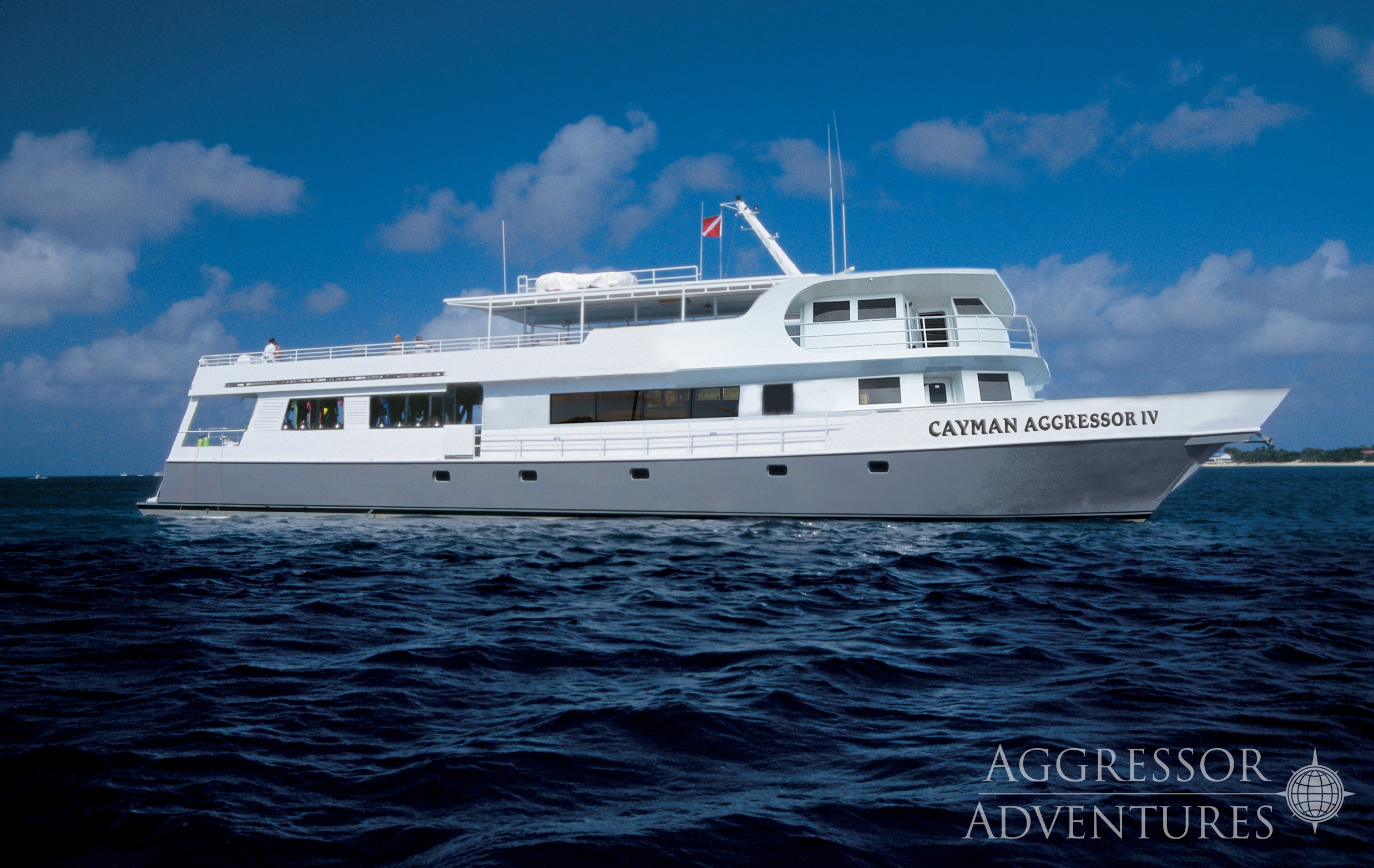
Cayman Aggressor IV
Cayman Islands
18 guests32.9 m
$328/day
Dive sites similar to Bonnie's Arch
Same character, same waters — six more sites divers love for the exact same reasons.Compare seasons, access and liveaboard routes — then pick the site that fits your trip best.
© Esri — Maxar, Earthstar, GIS
Big Table Rock
Cayman Islands
Big Table Rock is a well-known dive site located in George Town, Grand Cayman, offering a diverse and visually striking underwater landscape.
- Suitable for
- Intermediate
- Current
- Mild
- Access
- Dayboat
- Depth
- 10–30 m
- Theme
- Reef / Wall
© Esri — Maxar, Earthstar, GIS
Marty's Wall
Cayman Islands
Marty's Wall is a dive site located in West Bay, Grand Cayman, an area known for its dramatic wall dives and pristine coral ecosystems.
- Suitable for
- Intermediate
- Current
- Mild
- Access
- Dayboat
- Depth
- 12–36 m
- Theme
- Wall / Reef
© Esri — Maxar, Earthstar, GIS
Randy's Gazebo
Cayman Islands
Randy's Gazebo is a highly regarded dive site located in Little Cayman, one of the three Cayman Islands, renowned for its spectacular underwater scenery and healthy marine ecosystems.
- Suitable for
- Intermediate
- Current
- Mild
- Access
- Dayboat
- Depth
- 5–18 m
- Theme
- Reef / Wall
© Esri — Maxar, Earthstar, GIS
Lea Lea's Lookout
Cayman Islands
Lea Lea's Lookout is a renowned dive site located on Little Cayman's northern coast, forming part of the iconic Bloody Bay Wall within the Bloody Bay Marine Park.
- Suitable for
- Beginner
- Current
- Mild
- Access
- Dayboat
- Depth
- 7–36 m
- Theme
- Wall / Reef
© Esri — Maxar, Earthstar, GIS
Disneyworld
Cayman Islands
Disneyworld is a notable dive site located on the west side of Grand Cayman, distinguished by its vibrant coral formations.
- Suitable for
- Intermediate
- Current
- Mild
- Access
- Dayboat
- Depth
- 10–30 m
- Theme
- Reef / Wall
© Esri — Maxar, Earthstar, GIS
Grand Cayman Wall
Cayman Islands
The Grand Cayman Wall stands out as one of the world's premier wall diving destinations, encompassing numerous sites around the island.
- Suitable for
- Intermediate
- Current
- Moderate
- Access
- Dayboat
- Depth
- 12–35 m
- Theme
- Wall / Reef