About Nameless Rock
Nameless Rock is a notable dive site located in the central Galápagos archipelago, nestled among islands like Santiago and Santa Cruz. This volcanic outcrop is part of a region characterized by shallower waters compared to the northern or western reaches of the Galápagos, making for a distinct diving experience. The site is recognized for its unique geological formations and its rich biodiversity, providing a captivating glimpse into the region's unique evolutionary laboratory. The underwater topography of Nameless Rock features sloping rock walls, adorned with sea fans and black corals, interspersed with boulders and pinnacles that create numerous crevices and hiding spots for marine creatures. Depths can range, but the central location generally experiences warmer water temperatures, typically between 21 to 26°C, though conditions can vary. This diverse environment supports a variety of marine life, from vibrant reef fish to larger pelagic species. Divers here can expect to encounter an impressive array of species that thrive in the nutrient-rich waters of the Galápagos. Frequent sightings include various sharks, rays, and playful marine mammals like sea lions and fur seals. The blend of volcanic landscapes and abundant marine life makes Nameless Rock a quintessential Galápagos dive, accessible to intermediate divers and above. The practical dive experience at Nameless Rock is often characterized by the lively interactions with local fauna. While currents can be present, the central location may offer more protected conditions than some of the more exposed sites. Divers typically visit Nameless Rock as part of day trips from Puerto Ayora or as an included stop on liveaboard itineraries exploring the central and southern islands.
Highlights
Volcanic rock formationsPlayful sea lion interactionsRich reef fish diversityEncounters with sharks and raysColourful sea fans and coralsUnique geological landscape
Season calendar
Best months to dive here
Jan
Feb
Mar
Apr
May
Jun
Jul
Aug
Sep
Oct
Nov
Dec
Excellent
Good
Off-Season
Jun – Nov
Cool season with whale sharks at Darwin and Wolf. Strongest currents bring abundant marine life.
Apr – May & Dec
Transition periods with good diversity. Hammerhead sharks present year-round.
Jan – Mar
Warm season with calmer seas. Less pelagic activity but better for snorkelling and land excursions.
Dive site facts: Nameless Rock
- Depth
- Variable
- Current
- Mild to strong
- Visibility
- 8–18 m
- Water temperature
- 16–28°C
- Entry
- Liveaboard / Tender
- Level
- Intermediate to Advanced
- Dive type
- Wall, drift, pelagic
- Region / port
- Central Galápagos
- Coordinates
- -0.265, -90.655
Conditions & Currents
Currents at Nameless Rock can range from mild to strong, typical of many Galápagos dive sites, influenced by the complex interplay of ocean currents. Divers should anticipate drift conditions and be proficient in negative entries, especially if currents are significant. Surge can also be present, particularly closer to the surface or around the rock formations. Visibility generally averages 8-10 meters, improving to 18 meters on calm, sunny days, but can be reduced by plankton blooms that are common in nutrient-rich waters. Water temperatures vary seasonally, being warmer in the first half of the year (22-28°C) and cooler from July to December (16-22°C). Experienced divers are best suited for these dynamic conditions, with careful attention to gas planning and maintaining buddy contact.
Marine life & sighting chances

Whitetip reef shark
Year-round · common
Blacktip reef shark
Year-round · common
Galapagos shark
occasional
Galapagos sea lion
Year-round · common
Galapagos fur seal
Year-round · common
Golden eagle ray
December–April · occasionalSpotted eagle ray
December–April · occasional
Sea turtle
Year-round · common
Red-lipped batfish
occasional
Scorpionfish
occasional
Seahorse
Year-round · occasional
Barberfish
Year-round · commonDive profile & how the dive runs
Dives at Nameless Rock typically begin with a negative entry from a tender to manage potential currents, immediately descending along the sloping rock wall. Divers often follow the contours of the rock, exploring crevices and overhangs where smaller marine life congregates. The depth varies, allowing for exploration of both shallower reef areas and deeper sections where pelagic encounters are more likely. The dive often progresses as a drift, allowing the current to carry divers along the wall, observing the vibrant sea fans and black corals. A common turning point involves circling the main rock formation or reaching a designated depth limit before slowly ascending. The safety stop is conducted in shallower, more protected areas, often with the possibility of playful sea lion interactions, before surfacing to the tender.
Underwater photography
Underwater photography at Nameless Rock offers opportunities for both wide-angle and macro shots, given the diverse marine life and geological features. Wide-angle lenses are ideal for capturing the expansive volcanic rock formations, schools of fish, and interactions with large pelagics like sharks, rays, and especially the charismatic sea lions. For these fast-moving subjects, a quick autofocus system and external strobes are beneficial for freezing motion and adding color. Macro photographers will find subjects among the crevices and coral growth, including seahorses, scorpionfish, and various reef fish. Strong buoyancy control is essential to avoid disturbing the delicate ecosystem and to navigate the currents effectively. Patience is key for capturing candid interactions with the curious local wildlife.
Combine with nearby dive sites
- Gordon Rocks
Gordon Rocks, located off the northeast coast of Santa Cruz Island in the Galápagos, stands as a premier dive site globally, primarily…
- Cousin's Rock
Cousin's Rock is a world-renowned dive site located northeast of Santiago Island, cherished for its dramatic underwater topography and…
- North Seymour
North Seymour is one of the most frequented dive sites in the Galápagos, conveniently located a short boat ride from the Itabaca Channel on…
- Bartolomé Island
Bartolomé Island in the Galápagos archipelago is a distinctive dive site, known for its iconic Pinnacle Rock and accessible from Santa Cruz.
- Santa Cruz - Academy Bay
Academy Bay, located in Puerto Ayora on Santa Cruz Island, serves as a primary hub for Galápagos diving adventures.
Getting there & logistics
Access to Nameless Rock is typically arranged via liveaboard dive boats or day trips from Puerto Ayora on Santa Cruz Island. The main international airports for reaching the Galápagos are Quito (UIO) and Guayaquil (GYE), both in Ecuador, with connecting flights to Seymour/Baltra (GPS) or San Cristóbal (SCY) in the Galápagos. Liveaboard itineraries vary in length, often 7-10 days, and may combine central island sites like Nameless Rock with more remote northern sites. Day trips are shorter, focusing on sites accessible from Puerto Ayora. A Galápagos National Park entrance fee and transit control card are required for all visitors. It is common for divers to spend a few days pre- or post-trip in Puerto Ayora, where dive operators offer local excursions. Nitrox is available on some specialized dive yachts and day tours, enhancing bottom time for multiple dives.
Safety & environment
Diving in the Galápagos, including Nameless Rock, requires careful attention to safety protocols due to potentially strong currents and colder water. A recompression chamber is located in Puerto Ayora on Santa Cruz Island, which is the most significant medical facility for dive emergencies in the archipelago. Evacuation from remote dive sites to the chamber can take several hours depending on sea conditions and boat availability, highlighting the critical importance of dive insurance that covers emergency medical treatment and evacuation. Divers must be certified and should possess experience with drift and cold-water diving. Always dive with a reputable operator, follow your dive guide's instructions, and carry a surface marker buoy. Maintaining good physical fitness and staying hydrated are also crucial for safety in this dynamic environment.
Who it suits — and who it doesn't
Suited for
- Experienced divers comfortable with currents
- Underwater photographers seeking diverse marine life
- Divers interested in pelagic encounters
- Those who enjoy drift dives
- Wildlife enthusiasts eager for sea lion interactions
Less suited for
- Beginner divers
- Divers without cold water experience
- Those prone to seasickness
- Divers uncomfortable with strong currents
- Individuals without comprehensive dive insurance
FAQ
Nameless Rock FAQ
What kind of marine life can I expect to see at Nameless Rock?
Nameless Rock is teeming with diverse marine life. You can frequently encounter whitetip and blacktip reef sharks, playful Galápagos sea lions and fur seals, and various species of sea turtles. Occasional sightings include golden and spotted eagle rays, unique red-lipped batfish, and seahorses, alongside a rich variety of reef fish.
What are the typical dive conditions like at Nameless Rock?
Dive conditions at Nameless Rock can be dynamic, with currents ranging from mild to strong, making it suitable for intermediate to advanced divers. Visibility generally varies between 8 to 18 meters, depending on plankton activity and sea conditions. Water temperatures are cooler from June to December (16-22°C) and warmer from January to May (22-28°C).
Is Nameless Rock suitable for beginner divers?
Nameless Rock is generally not recommended for beginner divers due to the potential for strong currents, cold water, and surge. It is best suited for intermediate to advanced divers who have experience with drift diving and are comfortable in dynamic underwater conditions. Divers should also be proficient in negative entries.
How do I get to Nameless Rock for diving?
Nameless Rock is typically accessed through liveaboard dive cruises that visit the central Galápagos islands, or as part of day trips originating from Puerto Ayora on Santa Cruz Island. After flying into the Galápagos from mainland Ecuador, you would transfer to your liveaboard or a local dive operator for excursions to the site.
What photography gear is best for diving at Nameless Rock?
For photography at Nameless Rock, consider a wide-angle lens for capturing the expansive volcanic topography, schools of fish, and interactions with sea lions and pelagics. A macro lens would be useful for finding smaller, cryptic creatures hidden in the reef. External strobes are highly recommended for enhancing colors and freezing motion, especially in variable light conditions.
Why dive Nameless Rock from a liveaboard?
Nameless Rock is one of Galápagos's signature dive sites. A liveaboard sleeps you on the water and puts you in the water for three to four guided dives per day, including dawn and night dives that day-boat operators rarely offer. You skip the daily commute back to port and reach quieter, less-crowded sites in the same region on a single trip.
Below are the liveaboards that include Nameless Rock on their Galápagos itineraries.
Liveaboards diving Nameless Rock
These liveaboards may visit Nameless Rock on selected itineraries — the exact dive sites depend on departure, weather and conditions.
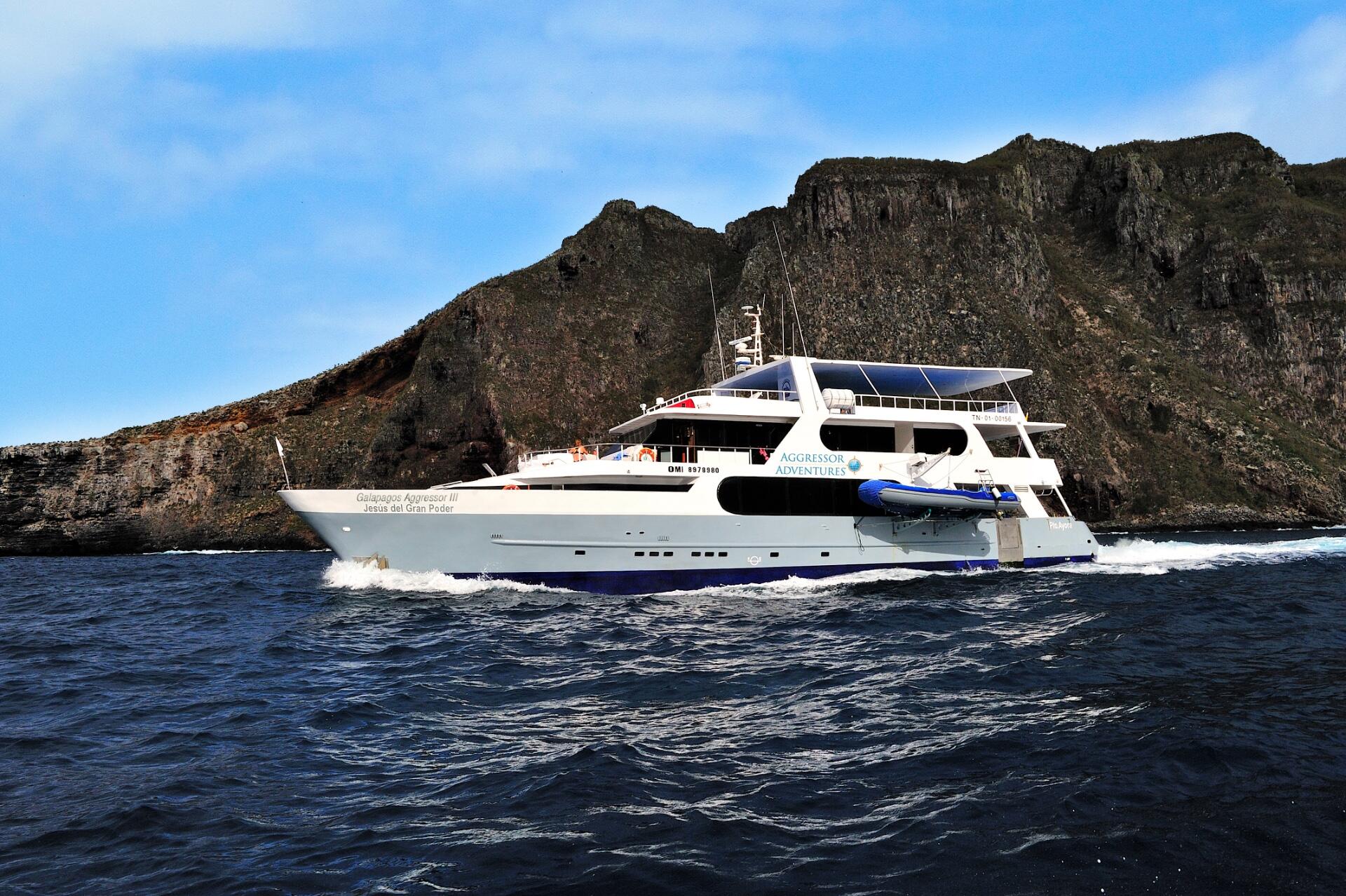
Galapagos Aggressor III
Galápagos
16 guests31 m
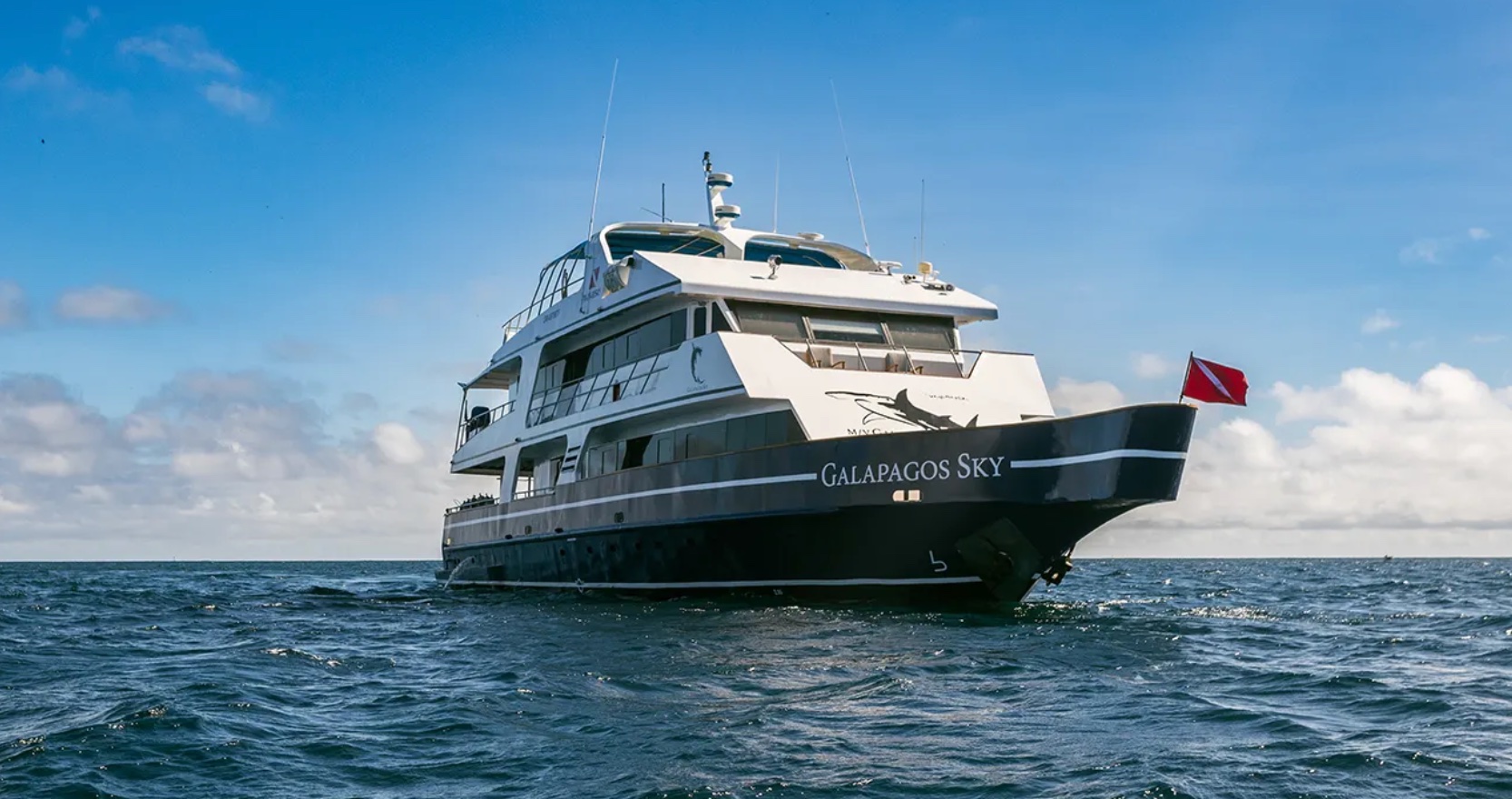
Galapagos Sky
Galápagos
16 guests
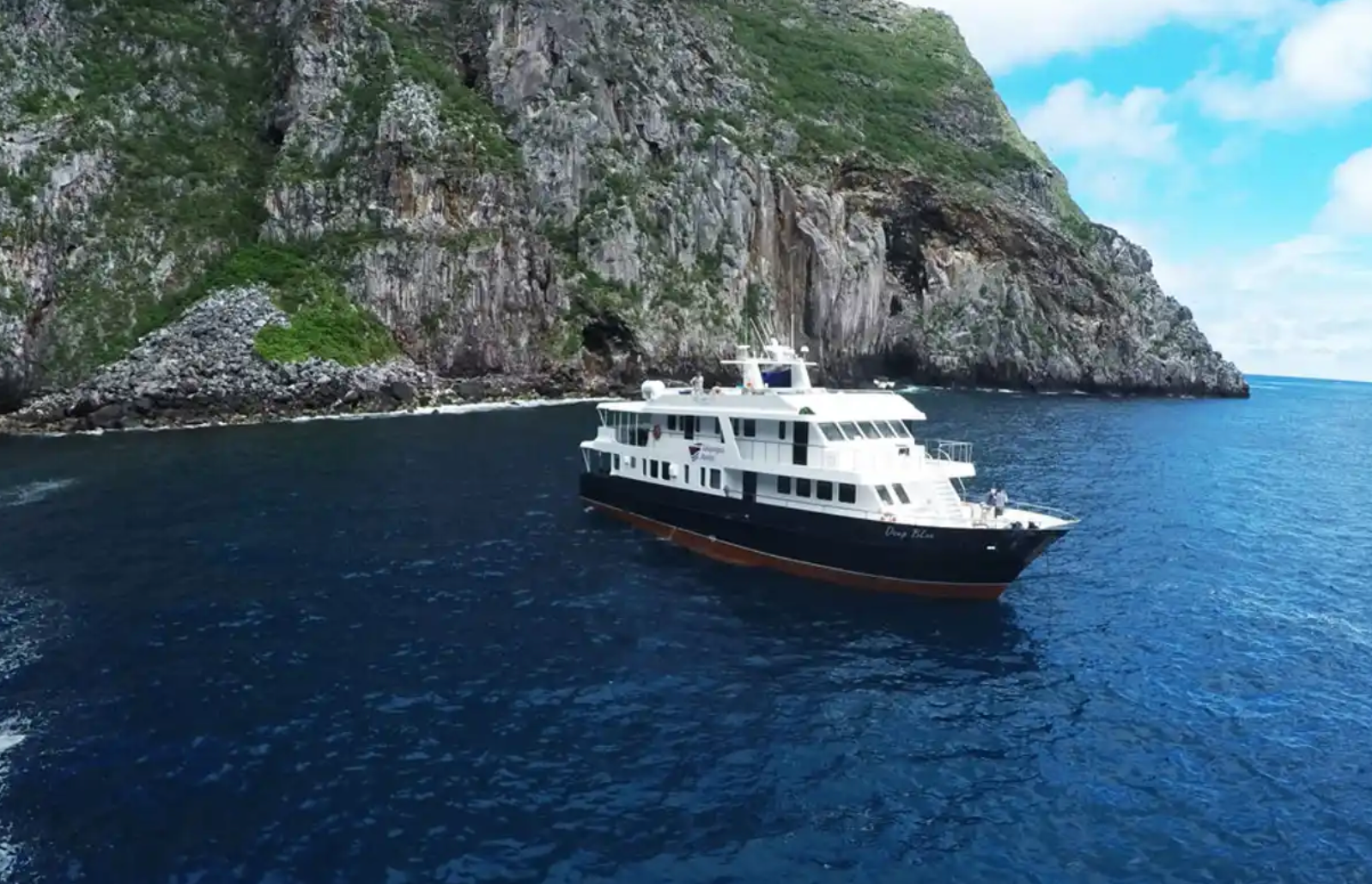
Galapagos Master
Galápagos
16 guests
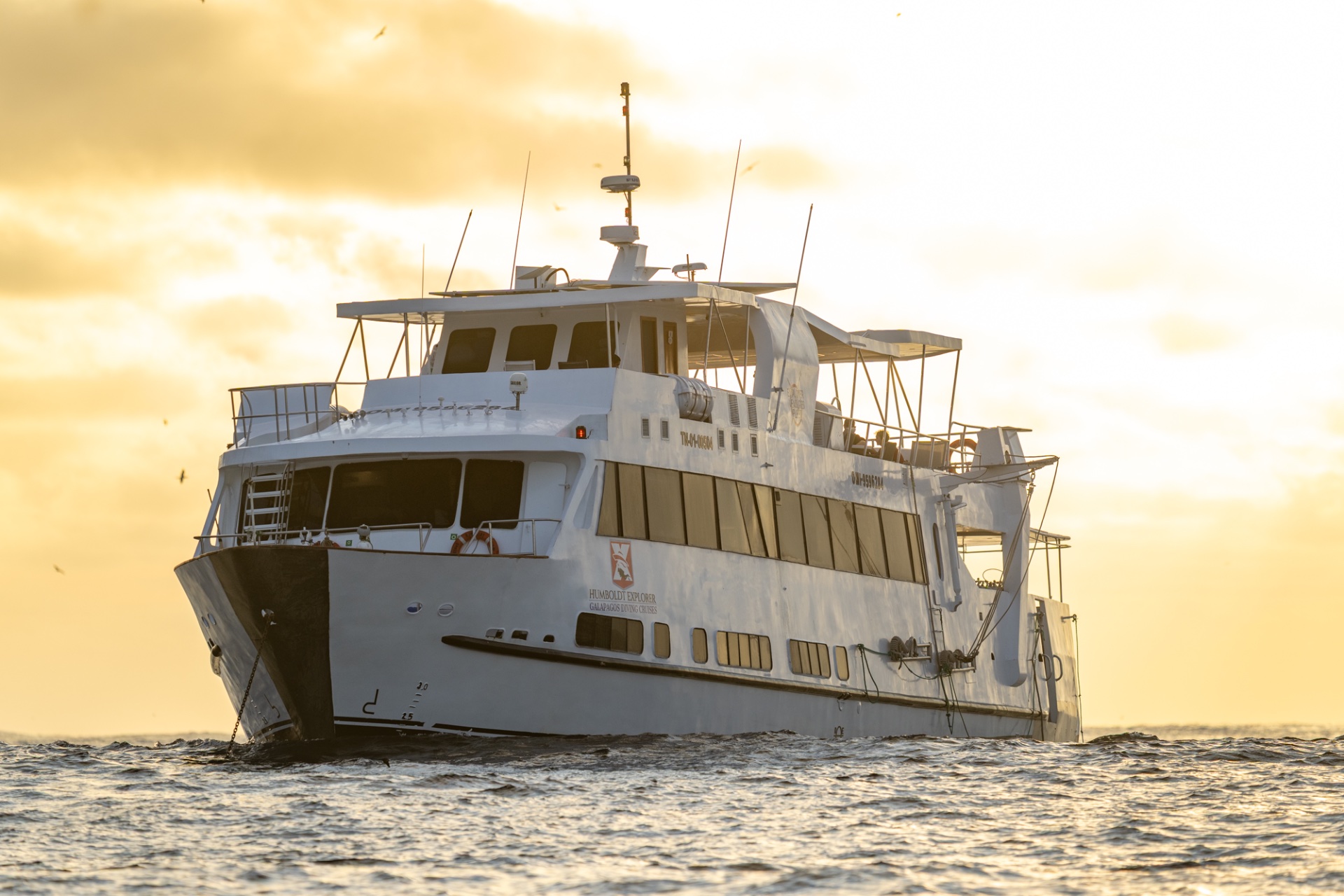
Humboldt Explorer
Galápagos
16 guests
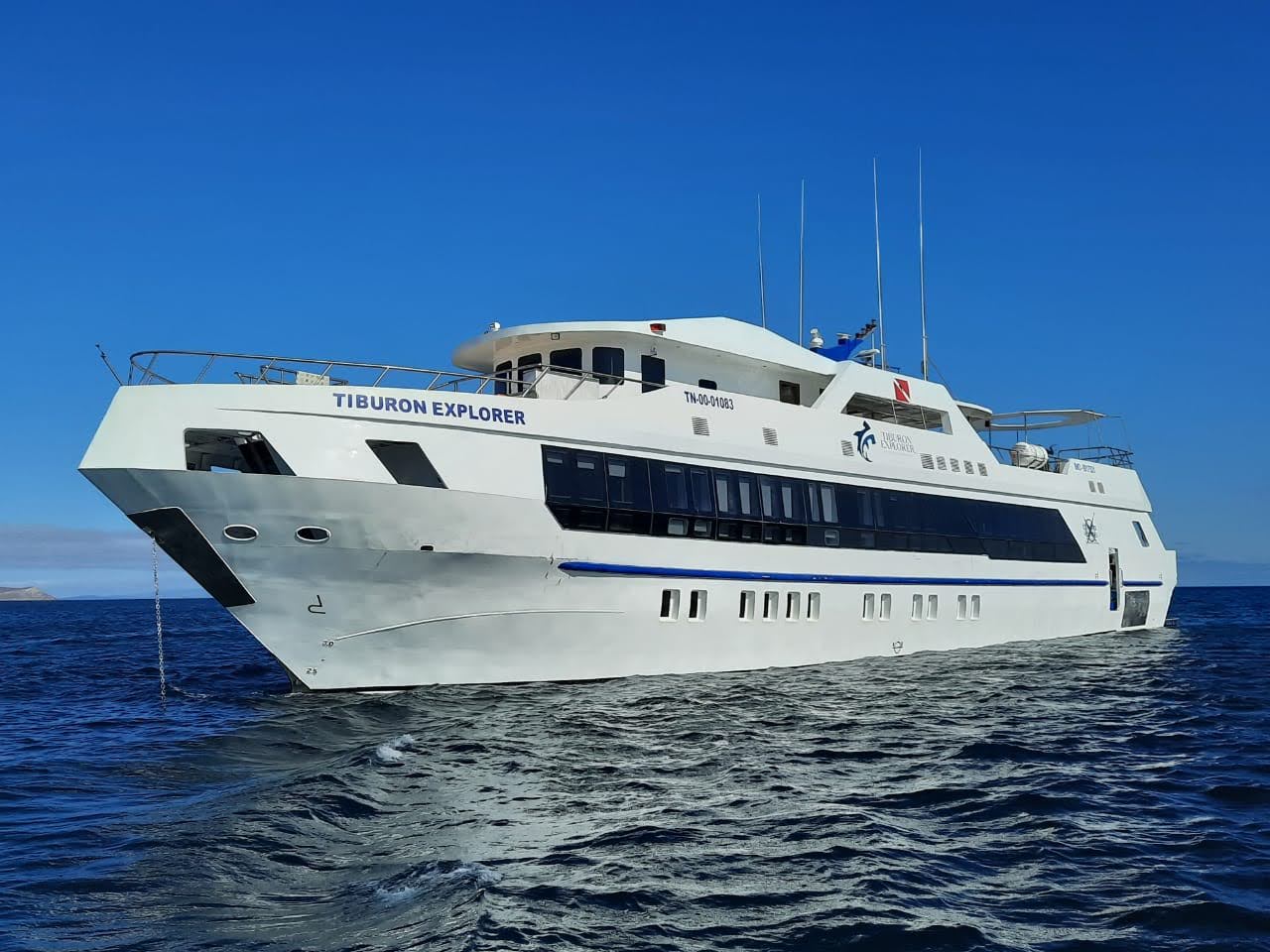
Tiburon Explorer
Galápagos
16 guests
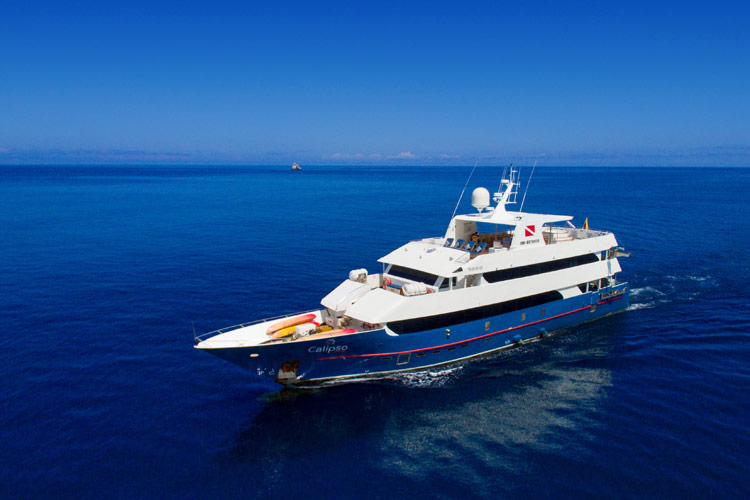
Calipso
Galápagos
16 guests
Dive sites similar to Nameless Rock
Same character, same waters — six more sites divers love for the exact same reasons.Compare seasons, access and liveaboard routes — then pick the site that fits your trip best.
© Esri — Maxar, Earthstar, GIS
Agustín Melgar shipwreck
Mexico
The Agustín Melgar, also known as the C-54, is a 56-meter (185-foot) former minesweeper that rests on a sandy bottom at 24 meters (80 feet) south of Puerto Escondido within the Loreto Bay National Park.
- Suitable for
- Intermediate
- Current
- Mild
- Access
- Liveaboard only
- Depth
- 12–24 m
- Theme
- Wreck
Arco Iris, or "Rainbow" in Spanish, is a prominent dive site located near Brumel Island (Penahuaste), approximately 8km north of Playa Potrero in Costa Rica.
- Suitable for
- Beginner
- Current
- Moderate
- Access
- Dayboat
- Depth
- 9–30 m
- Theme
- Reef
© Esri — Maxar, Earthstar, GIS
Bahía de La Paz
Mexico
Bahía de La Paz serves as the capital of Baja California Sur and the primary gateway to the Sea of Cortez, a region famously dubbed the "world's aquarium" by Jacques Cousteau due to its exceptional biodiversity.
- Suitable for
- Advanced
- Current
- Mild
- Access
- Dayboat
- Depth
- 17–27 m
- Theme
- Big animals / Reef
© Esri — Maxar, Earthstar, GIS
Bahía de los Ángeles
Mexico
Bahía de los Ángeles, nestled in the northern Sea of Cortez, is a remarkable dive destination primarily known for its seasonal aggregations of whale sharks.
- Suitable for
- Intermediate
- Current
- Moderate
- Access
- Liveaboard only
- Depth
- 3–15 m
- Theme
- Reef
© Esri — Maxar, Earthstar, GIS
Bajo Alcyone
Costa Rica
Bajo Alcyone, a submerged seamount near Cocos Island, stands as a world-renowned dive site.
- Suitable for
- Advanced
- Current
- Strong
- Access
- Liveaboard only
- Depth
- 25–40 m
- Theme
- Drift / Seamount
© Esri — Maxar, Earthstar, GIS
Bajo de la Ballena
Mexico
El Bajo, often referred to as Bajo de la Ballena, is a prominent seamount situated approximately eight miles northeast of La Paz, Mexico.
- Suitable for
- Advanced
- Current
- Strong
- Access
- Liveaboard or dayboat
- Depth
- 18–35 m
- Theme
- Pinnacle