About Gordo Banks
Gordo Banks is a world-renowned deep dive site located approximately seven to ten miles offshore from San José del Cabo marina in Mexico. This exhilarating seamount is a pinnacle of underwater topography, rising prominently from the seafloor, with its highest peak reaching about 31 to 38 meters (102 to 125 feet) below the surface. The underwater mountain features unique cracks and canyons, attracting diverse marine life that thrives on the nutrient-rich currents funneled through the area. Its rocky surfaces are adorned with black and wire corals, providing refuge and hunting grounds for smaller species and attracting a rich ecosystem. This site is celebrated for its abundant pelagic life, particularly attracting large predatory fish due to the high concentration of prey. Divers frequently encounter schools of jacks, snappers, and creole fish, which in turn draw in tuna, wahoo, and marlin. Gordo Banks is especially famous for its shark encounters, offering opportunities to spot schooling hammerheads, silky sharks, and tope sharks, among others. Beyond sharks, solo whale sharks, squadrons of mobula rays, and even humpback whales during migration season are known to frequent these waters. While shark sightings are never guaranteed, the prospect of experiencing such a vibrant marine spectacle makes it a highly coveted destination. Given its offshore location, depth, and potential for strong currents, Gordo Banks is reserved for advanced and experienced divers. An Advanced Open Water certification or higher is typically required, along with proficiency in deep diving and excellent buoyancy control. Divers often descend along an anchor line into blue water, with the seamount becoming visible at deeper depths. Nitrox certification is highly recommended, as it allows for extended bottom time at these depths. While best visibility generally occurs from September to December, the site can be rewarding any time from May to January, with schooling hammerheads often arriving in May.
Highlights
HammerheadsWhale sharksMarlinGiant groupers
Season calendar
Best months to dive here
Jan
Feb
Mar
Apr
May
Jun
Jul
Aug
Sep
Oct
Nov
Dec
Excellent
Good
Dive site facts: Gordo Banks
- Depth
- 31 m (102 ft) to 30+ m (100+ ft)
- Typical dive
- 100+ ft / 30+ m
- Current
- Mild to strong
- Visibility
- 5–30 m (15–100 ft)
- Water temperature
- 16–30°C (61–86°F)
- Entry
- Descent line from boat
- Level
- Advanced Open Water
- Dive type
- Pelagic, deep, blue water
- Night dive
- Not typical
- Region / port
- Los Cabos, Baja California Sur
- Coordinates
- 23.04, -109.62
Conditions & Currents
Gordo Banks can present challenging conditions, particularly with currents that funnel through the seamount's canyons. Divers must be prepared for mild to strong currents, necessitating excellent buoyancy control and the ability to hold position against the flow. Visibility can vary significantly; while it can be murky in the shallows during spring, clear blue conditions with up to 30 meters visibility are common from late August through December. Dive operators frequently require divers to carry Surface Marker Buoys (SMBs), dive alert whistles, and marine rescue GPS devices as a precaution against potential drift away in open water conditions. Entry typically involves descending along a line into the deep blue, often without a visual bottom reference, making proficiency in deep diving and mid-water safety stops essential.
Marine life & sighting chances

Scalloped hammerhead shark
May - January · common
Silky shark
May - January · common
Mobula ray
Spring and Autumn · common
Whale shark
occasional
Humpback whale
January - April · occasional
Tuna
common
Wahoo
common
Marlin
occasional
Jack
common
Snapper
common
Creole fish
common
Hound shark
commonDive profile & how the dive runs
Diving Gordo Banks typically begins with a boat ride 7-8 miles offshore from San José del Cabo or Cabo San Lucas. Upon arrival, divers prepare for a deep, blue water descent. You will enter the water and immediately begin a controlled descent down a line, as the dive site lacks a shallow reef reference. The dive proceeds to depths of 30 meters (100 feet) or more, exploring the pinnacle of the seamount and its surroundings in search of schooling pelagics. Navigation focuses on following the contours of the bank and the movements of marine life. Turn points are usually dictated by air consumption and bottom time, considering the deep profile. Ascents are gradual, always including a mid-water safety stop at 5-6 meters (15-20 feet) for three minutes, often in open water, before surfacing.
Underwater photography
Gordo Banks is a prime location for wide-angle photography, focusing on large pelagics like schooling hammerheads, mobula rays, and whale sharks. A wide-angle lens (e.g., fisheye or rectilinear wide-angle) is essential to capture the scale of these magnificent animals and their schools. Given the deep dive profile and potentially murky conditions, external strobes are highly recommended to bring out colors and add contrast, especially in blue water where subjects can appear monochromatic. Be mindful of depth and bottom time; planning your shots efficiently is crucial. Maintain excellent buoyancy to avoid stirring up any sediment and to position yourself respectfully around marine life. Always be ready for unexpected encounters in the blue, as pelagics can appear suddenly.
Combine with nearby dive sites
- Cabo Pulmo - El Vencedor Wreck
Famous national park with thriving reefs and a wreck, further north along the coast.
- Los Islotes
Known for playful sea lions and abundant marine life in the Sea of Cortez.
- El Bajo Seamount
Another pelagic hotspot, particularly for hammerheads, further north in the Sea of Cortez.
- La Reina
Often combined with other Sea of Cortez sites for varied marine encounters.
- Salvatierra Wreck
A popular wreck dive often part of Sea of Cortez itineraries.
Getting there & logistics
Dives to Gordo Banks typically depart from Cabo San Lucas or San José del Cabo. The closest major airport is Los Cabos International Airport (SJD), serving both cities. The site is approximately an 8-mile, 25-minute boat ride from San José del Cabo. Dive trips usually involve two tanks and last 6-7 hours, with early morning departures around 6 AM. Most operators require divers to have an Advanced Open Water certification and often mandate a check-out dive at a local site prior to the Gordo Banks trip to assess skills. Nitrox certification is also recommended due to the deep profiles. While day trips are standard, some liveaboards exploring the Sea of Cortez may include Gordo Banks in their itineraries. No specific park fees are mentioned for Gordo Banks itself, but a previous diving day with the operator is often required as a security procedure.
Safety & environment
Diving at Gordo Banks requires adherence to strict safety protocols due to its deep, open-water, and potentially current-swept nature. The nearest recompression chamber is located in Los Cabos, with evacuation to medical facilities in Cabo San Lucas or San José del Cabo generally efficient. Dive operators strongly recommend, and often provide, personal safety equipment such as Surface Marker Buoys (SMBs), audible signaling devices like dive alert whistles, and Nautilus LifeLine marine rescue GPS for each diver. Divers must maintain excellent buoyancy control, be proficient in deep diving procedures, and comfortable with mid-water safety stops. It is highly advisable to have comprehensive dive insurance, such as through DAN, to cover any potential medical emergencies or evacuations. Always dive with an experienced guide, stay close to your group, and respect the dive plan.
Who it suits — and who it doesn't
Suited for
- Experienced Advanced Open Water divers
- Divers seeking pelagic encounters and large marine life
- Photographers with wide-angle setups for big animals
- Those comfortable with deep and blue water diving
- Divers proficient in managing strong currents
Less suited for
- Beginner divers or Open Water certified divers
- Divers uncomfortable with deep and open water environments
- Individuals lacking strong buoyancy control
- Those prone to seasickness on offshore trips
- Divers without experience in currents
FAQ
Gordo Banks FAQ
What marine life can I expect to see at Gordo Banks?
Gordo Banks is renowned for its pelagic encounters. Divers frequently see schooling hammerhead sharks, silky sharks, and squadrons of mobula rays. Tuna, wahoo, and marlin are also common, with occasional sightings of whale sharks and humpback whales during their migratory seasons.
What is the best time of year to dive Gordo Banks for hammerhead sharks?
While hammerhead sharks can be sighted from May onwards, the period from August to January is considered the preferred season for hammerhead encounters at Gordo Banks. During these months, water temperatures are warmer and visibility generally improves, optimizing conditions for sightings.
What dive certification is required for Gordo Banks?
Due to the deep and often challenging conditions, an Advanced Open Water certification (or equivalent from another recognized agency) is typically required. Many dive operators also recommend Nitrox certification and may mandate a check-out dive to assess a diver's skills and comfort level.
How deep are the dives at Gordo Banks?
Gordo Banks is a deep dive site, with the top of the seamount peaking at 31 meters (102 feet). Dives often take place at depths of 30 meters (100 feet) or more, and typically involve diving in 'the blue' without a shallow bottom reference.
Can I dive Gordo Banks if I haven't been diving recently?
If you haven't dived in the last six months, a refresher course is highly recommended. Given the advanced nature of Gordo Banks, some operators require a local check-out dive before the trip to ensure your comfort and proficiency with deep and open water diving techniques.
What are the typical water conditions and visibility?
Water temperatures at Gordo Banks range from 16°C (61°F) in spring to 30°C (86°F) in autumn. Visibility can vary, with clear blue waters often reaching 30 meters (100 feet) from late August to December. However, colder, nutrient-rich waters in spring (April and May) can reduce visibility to 5-10 meters (15-30 feet), and currents can be present.
Why dive Gordo Banks from a liveaboard?
Gordo Banks is one of Mexico's signature dive sites. A liveaboard sleeps you on the water and puts you in the water for three to four guided dives per day, including dawn and night dives that day-boat operators rarely offer. You skip the daily commute back to port and reach quieter, less-crowded sites in the same region on a single trip.
Below are the liveaboards that include Gordo Banks on their Mexico itineraries.
Liveaboards diving Gordo Banks
These liveaboards may visit Gordo Banks on selected itineraries — the exact dive sites depend on departure, weather and conditions.
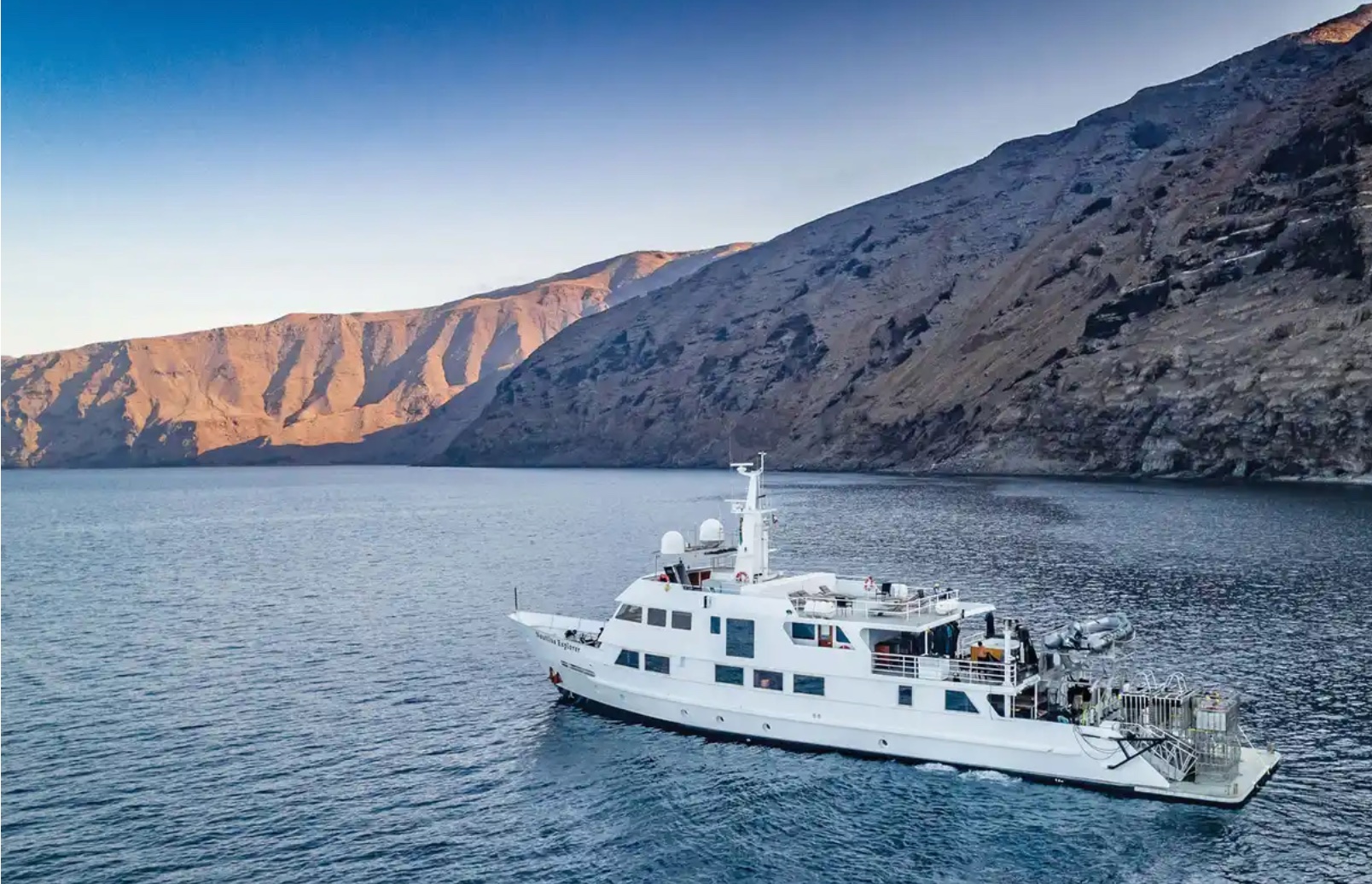
Nautilus Explorer
Mexico
25 guests44.8 m
$230/day
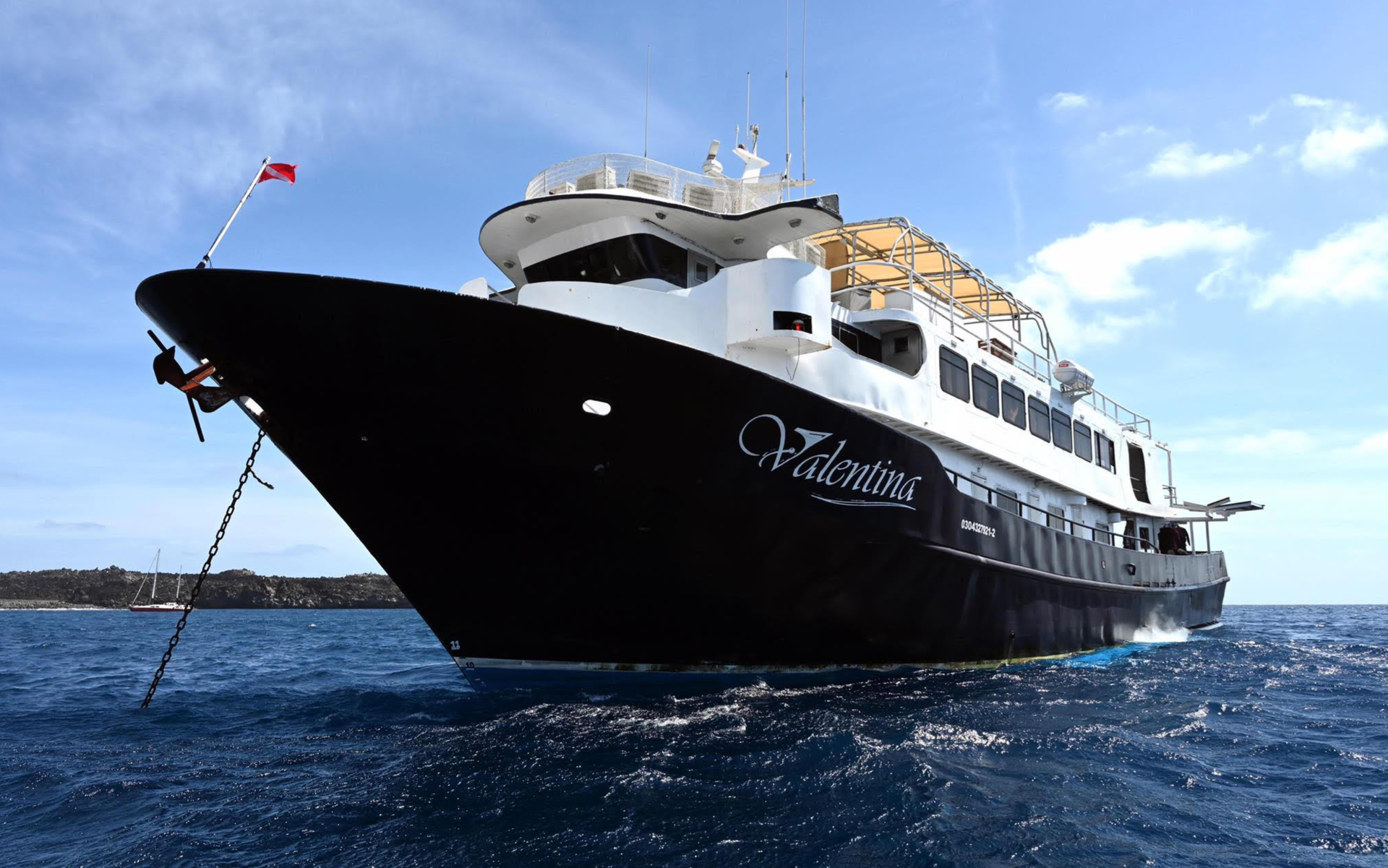
Valentina
Mexico
20 guests38.1 m
$430/day
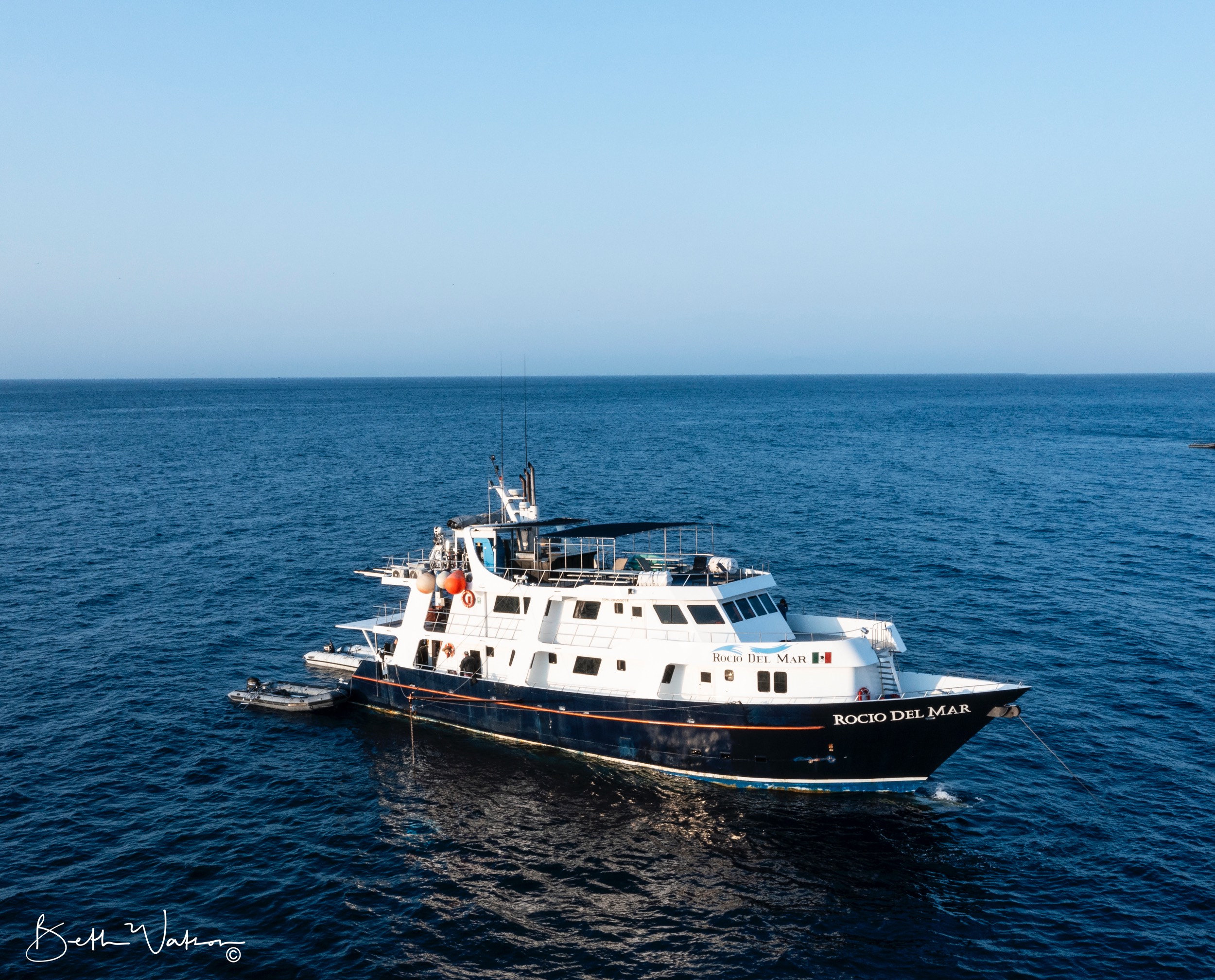
Rocio del Mar
Mexico
20 guests33.5 m
$392/day
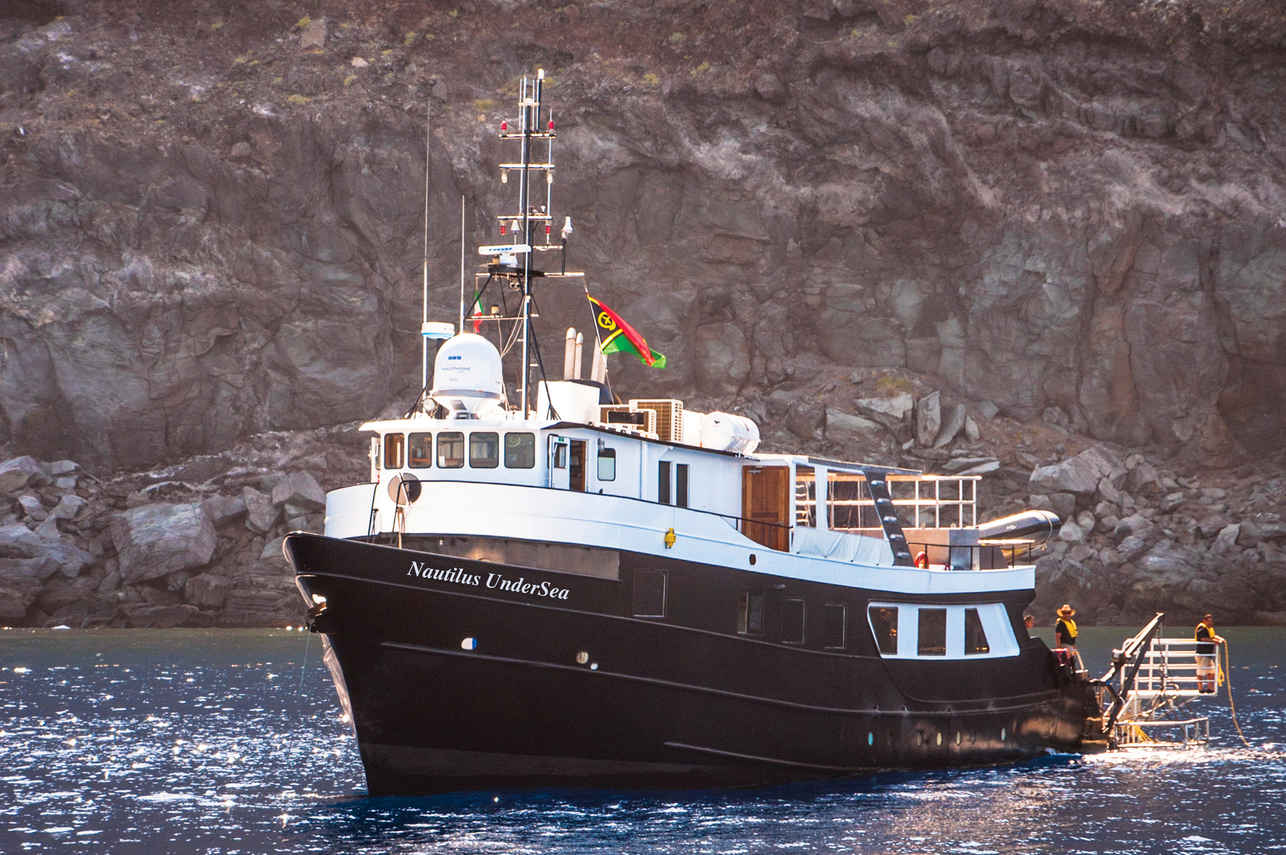
Nautilus Under Sea
Mexico
19 guests32 m
$261/day
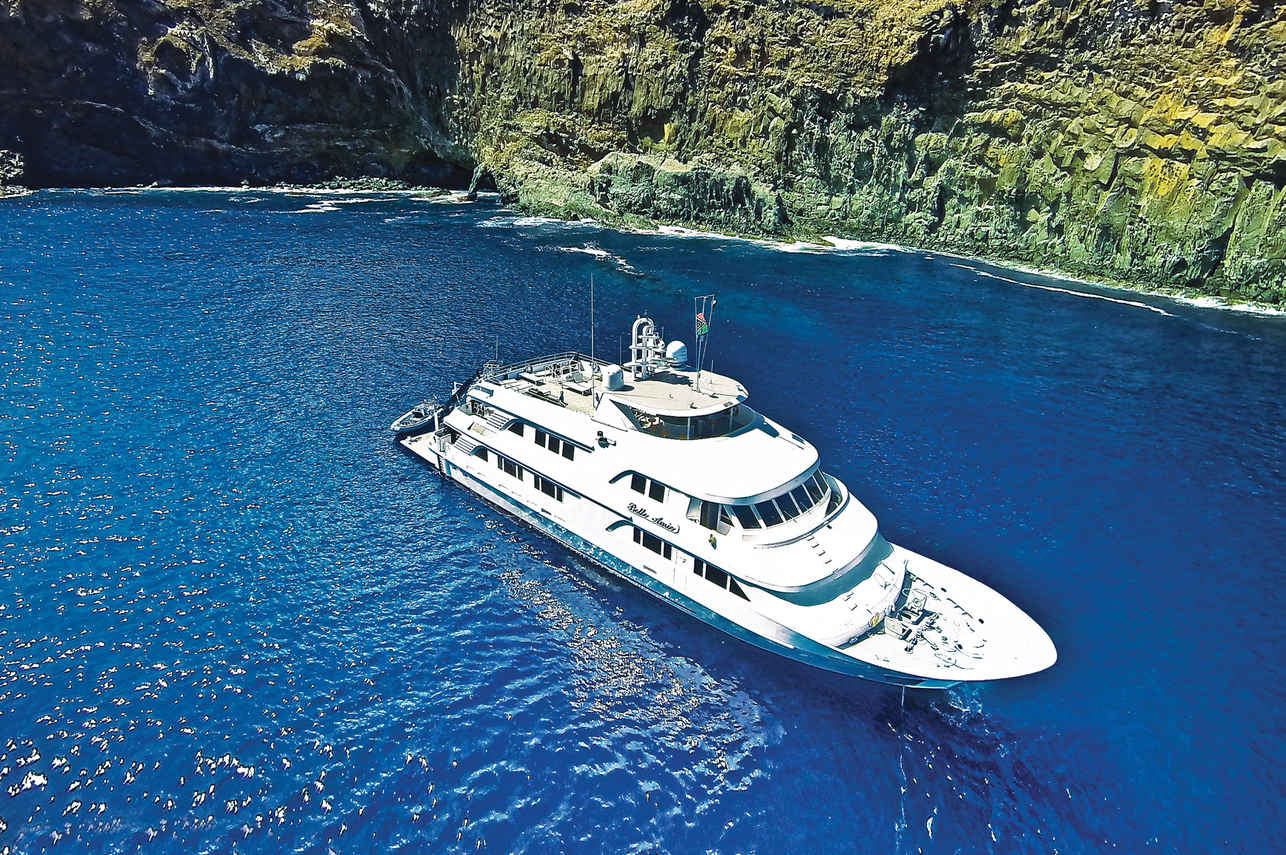
Nautilus Belle Amie
Mexico
32 guests44.8 m
$323/day
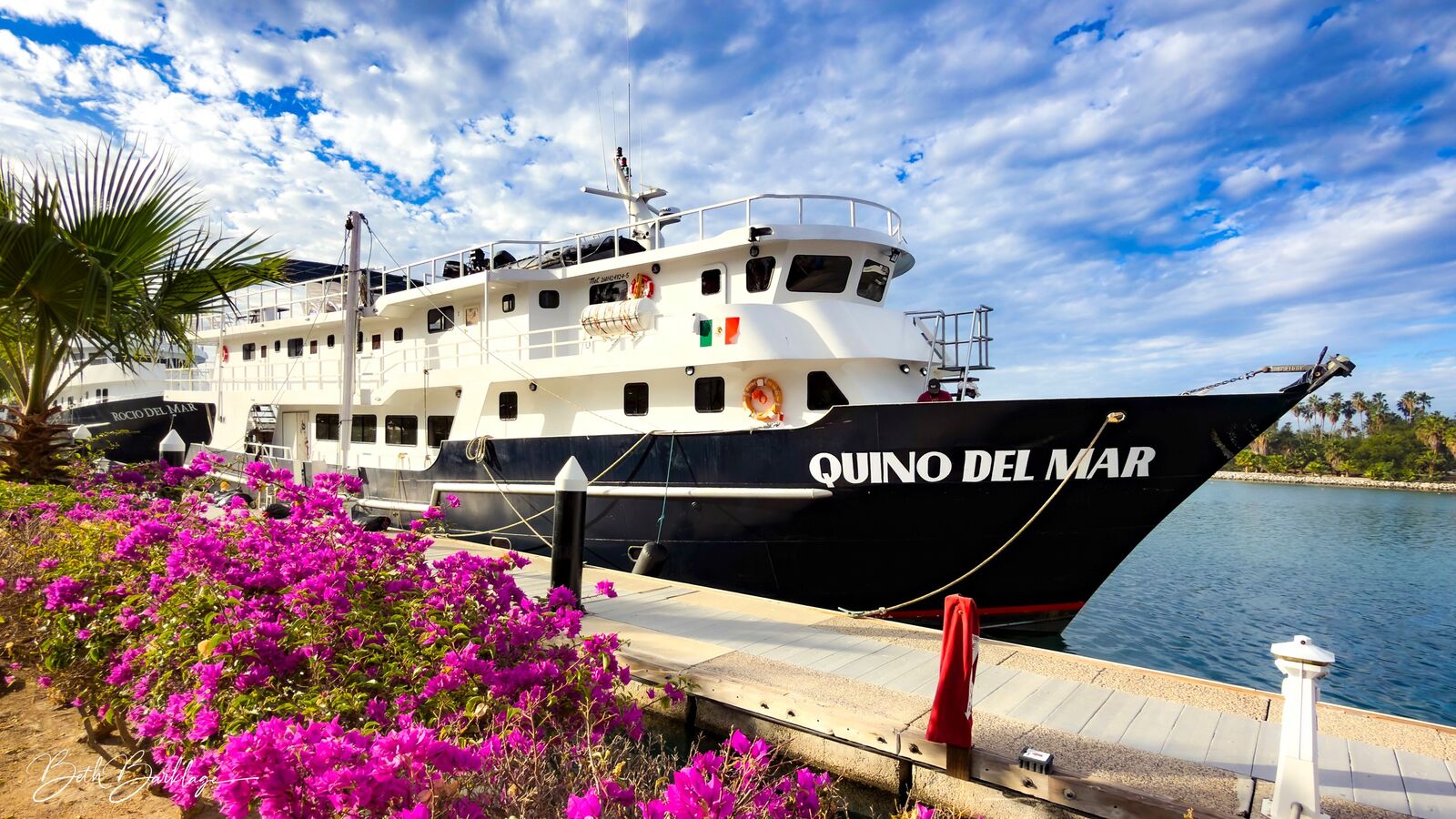
Quino del Mar
Mexico
20 guests36 m
$392/day
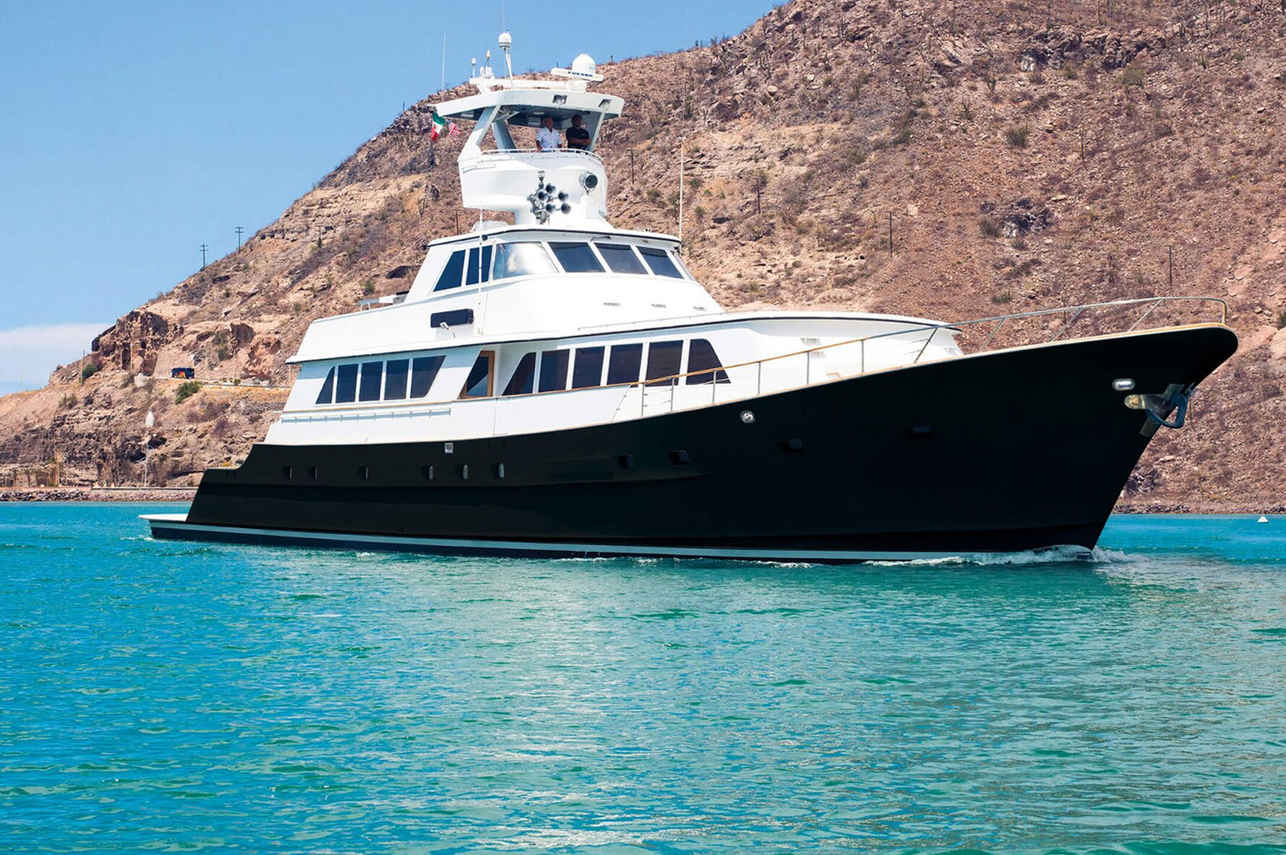
Nautilus Gallant Lady
Mexico
12 guests35.36 m
$332/day
Dive sites similar to Gordo Banks
Same character, same waters — six more sites divers love for the exact same reasons.Compare seasons, access and liveaboard routes — then pick the site that fits your trip best.
© Esri — Maxar, Earthstar, GIS
Cenote Kukulkan, often referred to as Chikin Ha, is a captivating underwater cavern system located in the heart of the Yucatán Peninsula, approximately 25 kilometers (15 miles) from Playa del Carmen.
- Suitable for
- Intermediate
- Current
- No current
- Access
- Dayboat
- Depth
- 10–15 m
- Theme
- Cavern / Pinnacle
© Esri — Maxar, Earthstar, GIS
El Boiler, located off San Benedicto Island, stands as a premier dive site within Mexico's Revillagigedo Archipelago, often likened to the Galapagos for its abundant pelagic encounters.
- Suitable for
- Advanced
- Current
- Strong
- Access
- Liveaboard only
- Depth
- 5–35 m
- Theme
- Pinnacle
© Esri — Maxar, Earthstar, GIS
Mount Eden
Mexico
Mount Eden is a prominent dive site located in Mexico's Sea of Cortez, an area famously dubbed the "world's aquarium" by Jacques Cousteau.
- Suitable for
- Expert
- Current
- Moderate
- Access
- Liveaboard only
- Depth
- —
- Theme
- Seamount
© Esri — Maxar, Earthstar, GIS
The Boiler is a world-renowned dive site located at Socorro Island, part of Mexico's Revillagigedo Archipelago, often referred to as Mexico's "Little Galapagos." This remote…
- Suitable for
- Advanced
- Current
- Strong
- Access
- Shore / dayboat
- Depth
- 15–30 m
- Theme
- Pinnacle
© Esri — Maxar, Earthstar, GIS
El Boiler is a world-renowned dive site situated off San Benedicto Island, part of Mexico's remote Revillagigedo Archipelago, also known as the Socorro Islands.
- Suitable for
- Advanced
- Current
- Strong
- Access
- Liveaboard only
- Depth
- 5–35 m
- Theme
- Pinnacle
© Esri — Maxar, Earthstar, GIS
El Bajo Seamount
Mexico
El Bajo Seamount, also known as Marisla Seamount, is a world-class advanced dive site located off La Paz in the Sea of Cortez.
- Suitable for
- Advanced
- Current
- Strong
- Access
- Liveaboard or dayboat
- Depth
- 18–40 m
- Theme
- Pinnacle / Seamount