About Balandra
Balandra is a picturesque bay in Baja California Sur, near La Paz, famously recognized for its stunning natural beauty and calm, shallow waters. While primarily known for its iconic mushroom-shaped rock formation, El Hongo, and as a top beach destination, the area surrounding Balandra offers tranquil diving conditions ideal for beginners and those seeking relaxed underwater exploration. It provides a unique setting for discovering smaller marine life within a sheltered environment, contrasting with the more challenging offshore sites of the Sea of Cortez. This site is frequently recommended as a side trip from La Paz for its natural charm. The bay itself is quite shallow, making it excellent for snorkeling and introductory dives where you can observe a variety of reef fish and potentially macro species in clear, calm conditions. The gentle topography features sandy bottoms transitioning to rocky patches and small reef formations, creating microhabitats for diverse marine life. Depths typically remain within recreational limits, offering a safe and accessible environment for all skill levels to enjoy the underwater scenery. While Balandra is not a major pelagic hotspot like some of La Paz's deeper sites, it consistently hosts abundant reef life throughout the year. You can expect to see various tropical fish species, nudibranchs, and occasionally sea turtles or small rays gliding over the sand. The warm, clear waters are inviting for extended in-water activities, especially during the summer and fall months when temperatures peak and visibility is optimal. Diving here usually involves easy entry from a boat or even shore, with gentle currents allowing for leisurely exploration. It's a great spot for check-out dives, refreshing skills, or simply enjoying a peaceful underwater experience away from strong currents and deep environments. The focus is on appreciating the smaller, more intricate aspects of the marine ecosystem in a relaxed and beautiful setting.
Highlights
Iconic mushroom rock, El HongoShallow, calm bay watersBeginner-friendly divingSecluded beach environmentMacro marine life observationTranquil snorkeling opportunitiesCoastal ecosystem exploration
Season calendar
Best months to dive here
Jan
Feb
Mar
Apr
May
Jun
Jul
Aug
Sep
Oct
Nov
Dec
Excellent
Good
Dive site facts: Balandra
- Depth
- 1–10 m
- Typical dive
- 3–7 m, 40–60 min
- Current
- None to mild
- Visibility
- 10–20 m
- Water temperature
- 20–29 °C
- Entry
- Shore / Boat
- Level
- Beginner
- Dive type
- Reef, macro, shallow
- Night dive
- Possible (check local regulations)
- Region / port
- La Paz, Baja California Sur
- Coordinates
- 24.3792, -110.3799
Conditions & Currents
Balandra Bay is characterized by exceptionally calm and sheltered conditions, making it an ideal location for entry-level divers and snorkelers. Strong currents are typically absent within the bay, allowing for relaxed and unhurried exploration. Surface conditions are generally placid, with minimal surge or choppiness, ensuring comfortable boat entries and exits. While thermoclines are less pronounced in the very shallow areas, they can be present at slightly deeper edges of the bay during cooler months. Visibility is usually excellent, often exceeding 10 meters, thanks to the calm water and protection from oceanic swells. This predictability makes it a perfect site for skill development and underwater photography without the challenge of significant water movement, though boat traffic near the shore should always be monitored.
Marine life & sighting chances

Pacific reef fish
Year round · common
Nudibranchs
Year round · common
Seahorses
Year round · occasional
Lobsters
Year round · occasional
Sea turtles
Year round · occasional
Giant moray eels
Year round · occasional
Sardines
Year round · common
King angelfish
Year round · common
Surgeonfish
Year round · common
Triggerfish
Year round · common
Pufferfish
Year round · common
Sergeant majors
Year round · commonDive profile & how the dive runs
Diving at Balandra typically begins with an easy entry from the beach or a small boat, descending into clear, shallow waters. Divers then explore the sandy bottom and scattered rocky patches, which host small corals and serve as hiding spots for macro life. The dive route often involves a gentle meandering through the calm bay, staying at depths usually between 3 to 7 meters. You'll observe small schools of reef fish, nudibranchs, and other bottom dwellers. Due to the lack of significant current, divers can take their time to scrutinize the environment. The turn point is flexible, often dictated by air consumption or the desire to explore a different section of the bay. Safety stops are easily conducted in the extremely shallow water near the exit point or by simply surfacing directly from the tranquil depths.
Underwater photography
Balandra's shallow, calm, and clear waters are perfect for wide-angle photography, especially above the surface capturing the famous mushroom rock, El Hongo, and the picturesque bay. Underwater, a macro lens is highly recommended to capture the abundant nudibranchs, seahorses, and small reef fish that inhabit the rocky areas and sand patches. Natural light is often sufficient due to the shallow depths and excellent visibility, but a small strobe or video light can help bring out the true colors of marine life and reduce shadows. Practice good buoyancy control to avoid stirring up the sandy bottom, maintaining the pristine clarity for your shots. Ethical photography is key; approach subjects slowly and avoid disturbing their natural behavior.
Combine with nearby dive sites
Getting there & logistics
Access to Balandra is typically from La Paz, Baja California Sur, which is serviced by Manuel Márquez de León International Airport (LAP) with domestic flights from major Mexican cities like Mexico City and Cabo San Lucas. Most divers base themselves in La Paz and take day trips to nearby dive sites, including Balandra, which is often recommended as a scenic side trip. Day boats depart from various marinas in La Paz, and the journey to Balandra is relatively short. Permits for the Espíritu Santo National Park may be required for diving in protected areas, but Balandra itself is generally a public access beach. Trip lengths vary, from half-day excursions to enjoy the bay's beauty and a simple dive or snorkel, to full-day trips combining Balandra with other closer La Paz dive sites.
Safety & environment
While Balandra is known for its calm and safe conditions, general dive safety precautions are still essential. The nearest recompression chamber is located in La Paz, necessitating prompt evacuation for any serious dive emergencies, which may involve boat transport followed by land travel. Comprehensive dive insurance, including coverage for medical evacuation and hyperbaric treatment, is highly recommended. Site-specific hazards are minimal due to the shallow depth and lack of currents, but awareness of small boat traffic in the bay is important. Always dive with a certified guide and ensure your equipment is well-maintained. Hydration is crucial in the warm climate. Pay attention to your buoyancy to avoid contact with any delicate shallow corals or marine life and to prevent stirring up the sand.
Who it suits — and who it doesn't
Suited for
- Beginner divers seeking calm conditions
- Snorkelers and freedivers
- Underwater photographers focusing on macro life
- Families with young children
- Divers needing a skill refresher
- Those looking for a relaxed, scenic dive
Less suited for
- Experienced divers seeking strong currents and large pelagics
- Divers looking for deep wall or wreck penetrations
- Those who prefer challenging drift dives
- Divers expecting extensive coral gardens
FAQ
Balandra FAQ
What is Balandra Bay famous for?
Balandra Bay is most famous for its stunning natural beauty, particularly its iconic mushroom-shaped rock formation known as El Hongo. It's also renowned for its calm, shallow turquoise waters and pristine white sand beaches, making it a popular spot for relaxation and scenic views.
Is Balandra suitable for beginner divers?
Yes, Balandra is highly suitable for beginner divers due to its extremely calm and shallow conditions. The absence of strong currents and deep waters provides a safe and relaxed environment for learning, practicing skills, or enjoying an introductory dive experience. Visibility is generally excellent, enhancing the overall experience.
What kind of marine life can I expect to see at Balandra?
At Balandra, you can expect to encounter a variety of smaller marine life inhabiting the sandy and rocky bottoms. Common sightings include numerous Pacific reef fish, nudibranchs, lobsters, and occasionally sea turtles. While not a big animal hotspot, it offers excellent opportunities for macro observation in its sheltered ecosystem.
Can I snorkel at Balandra?
Balandra is an exceptional snorkeling destination, often considered one of the best in the region. Its clear, warm, and very shallow waters make it perfect for snorkelers of all ages and abilities. You can easily observe reef fish and other small marine creatures just below the surface.
What are the water temperatures like at Balandra?
Water temperatures at Balandra range from around 19°C (66°F) in the cooler winter months to a warm 29°C (84°F) during summer. These generally comfortable temperatures make it pleasant for extended in-water activities year-round, with peak warmth experienced from June to September.
Why dive Balandra from a liveaboard?
Balandra is one of Mexico's signature dive sites. A liveaboard sleeps you on the water and puts you in the water for three to four guided dives per day, including dawn and night dives that day-boat operators rarely offer. You skip the daily commute back to port and reach quieter, less-crowded sites in the same region on a single trip.
Below are the liveaboards that include Balandra on their Mexico itineraries.
Liveaboards diving Balandra
These liveaboards may visit Balandra on selected itineraries — the exact dive sites depend on departure, weather and conditions.
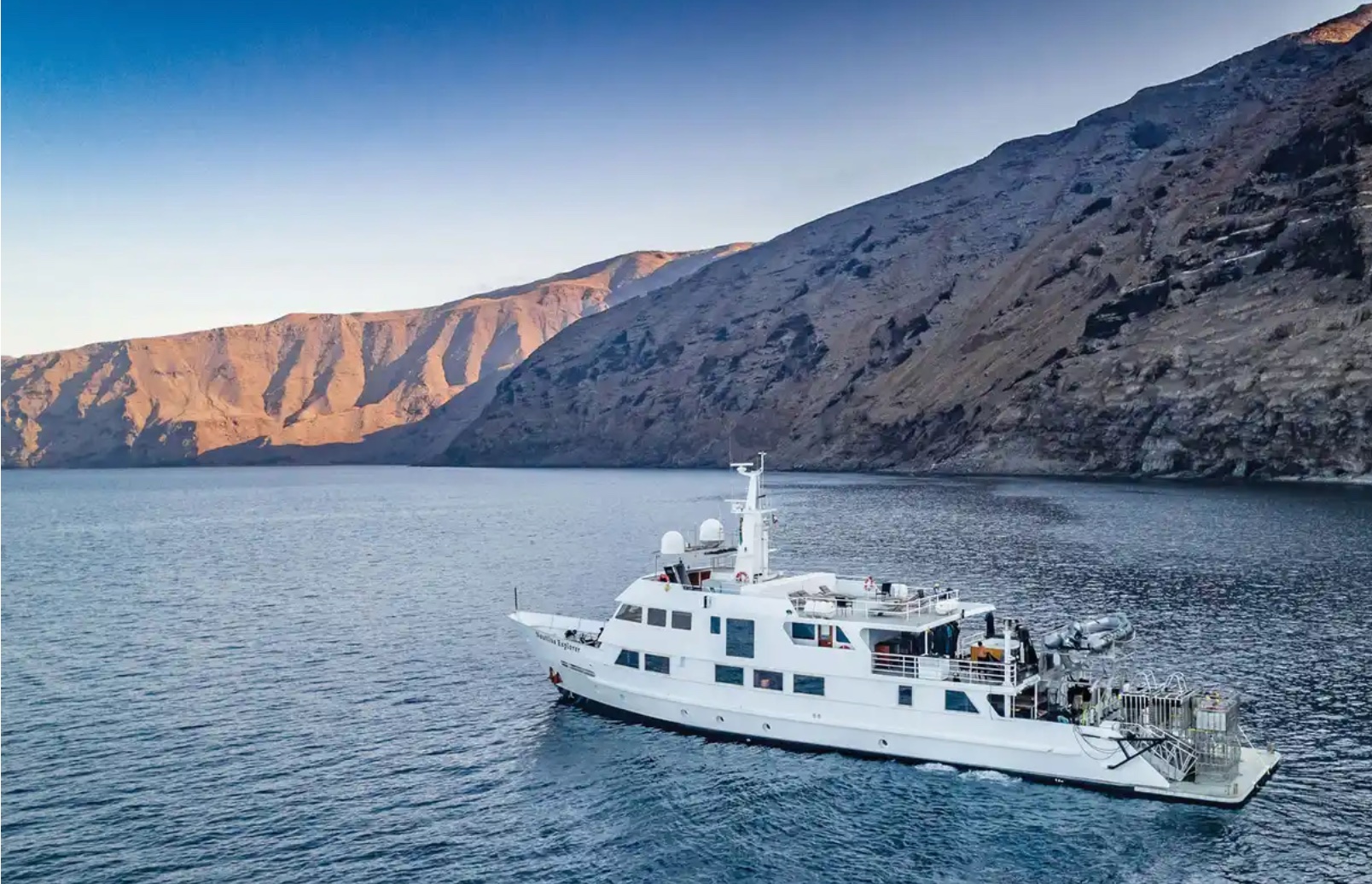
Nautilus Explorer
Mexico
25 guests44.8 m
$336/day
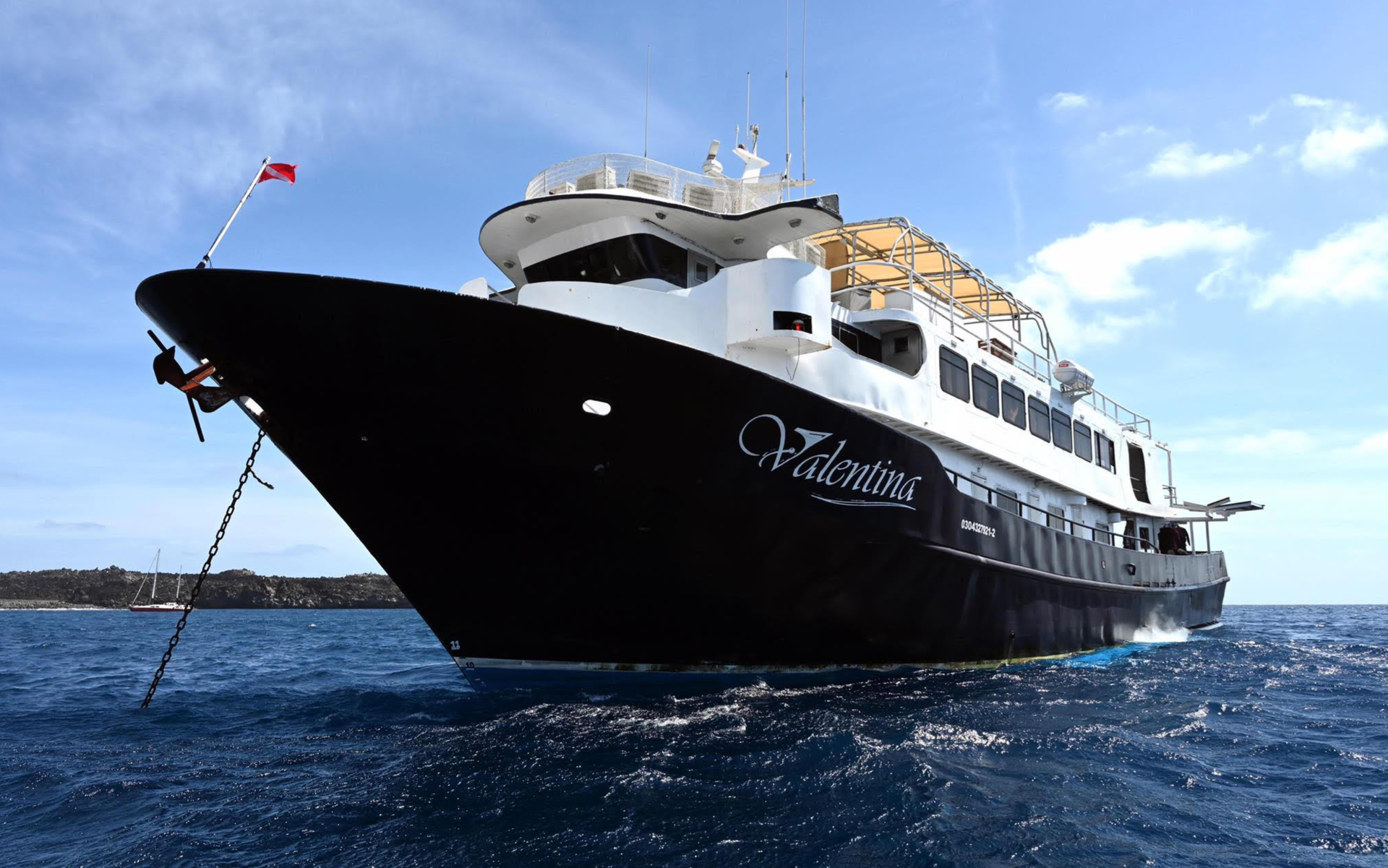
Valentina
Mexico
20 guests38.1 m
$430/day
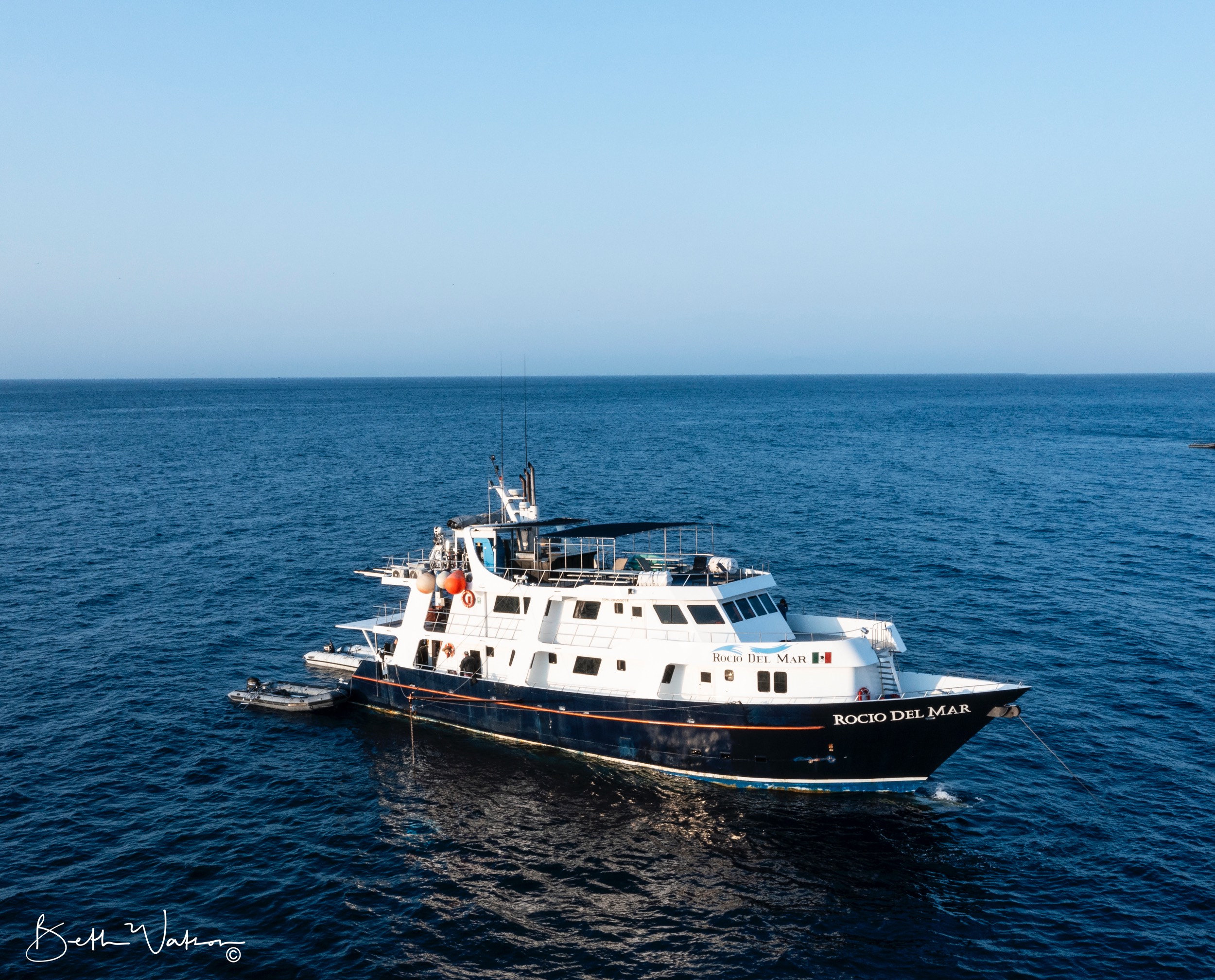
Rocio del Mar
Mexico
20 guests33.5 m
$392/day
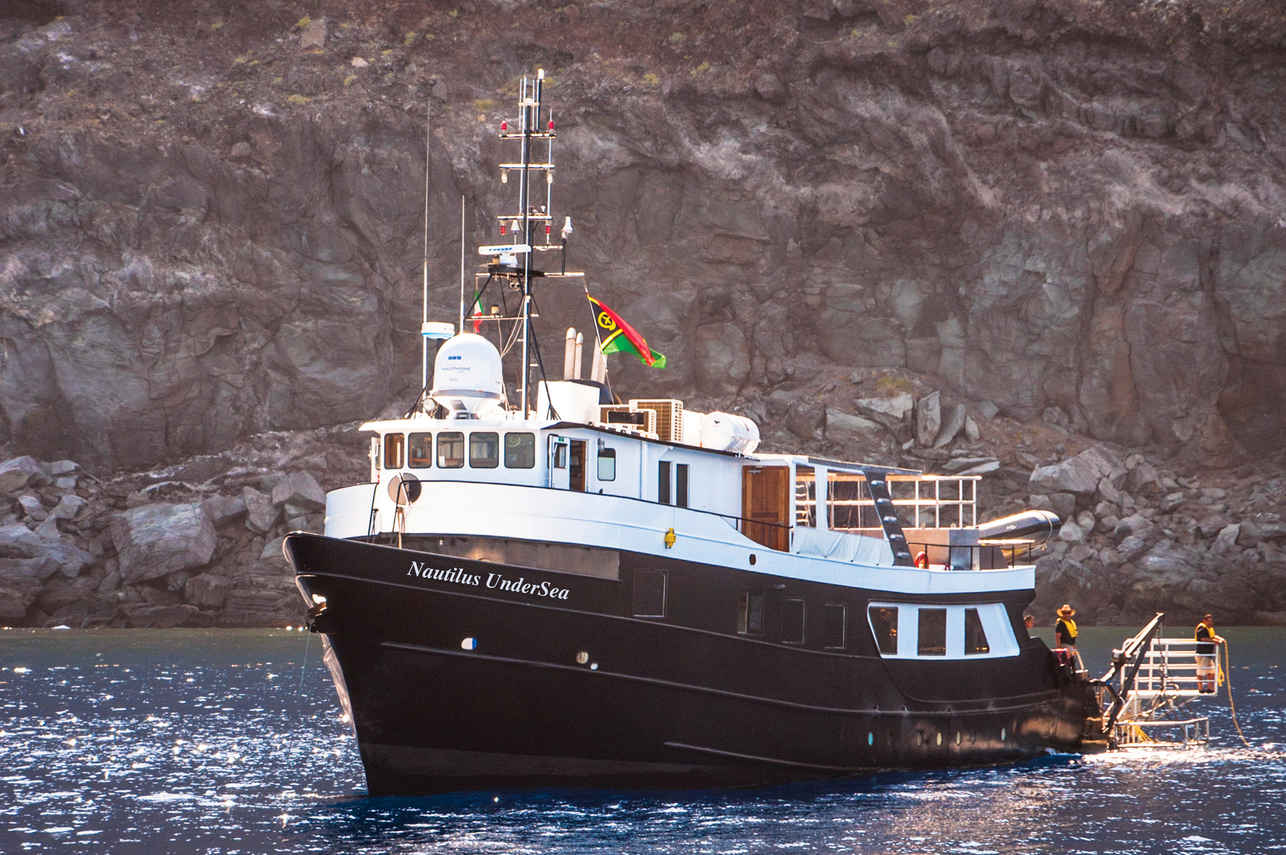
Nautilus Under Sea
Mexico
19 guests32 m
$261/day
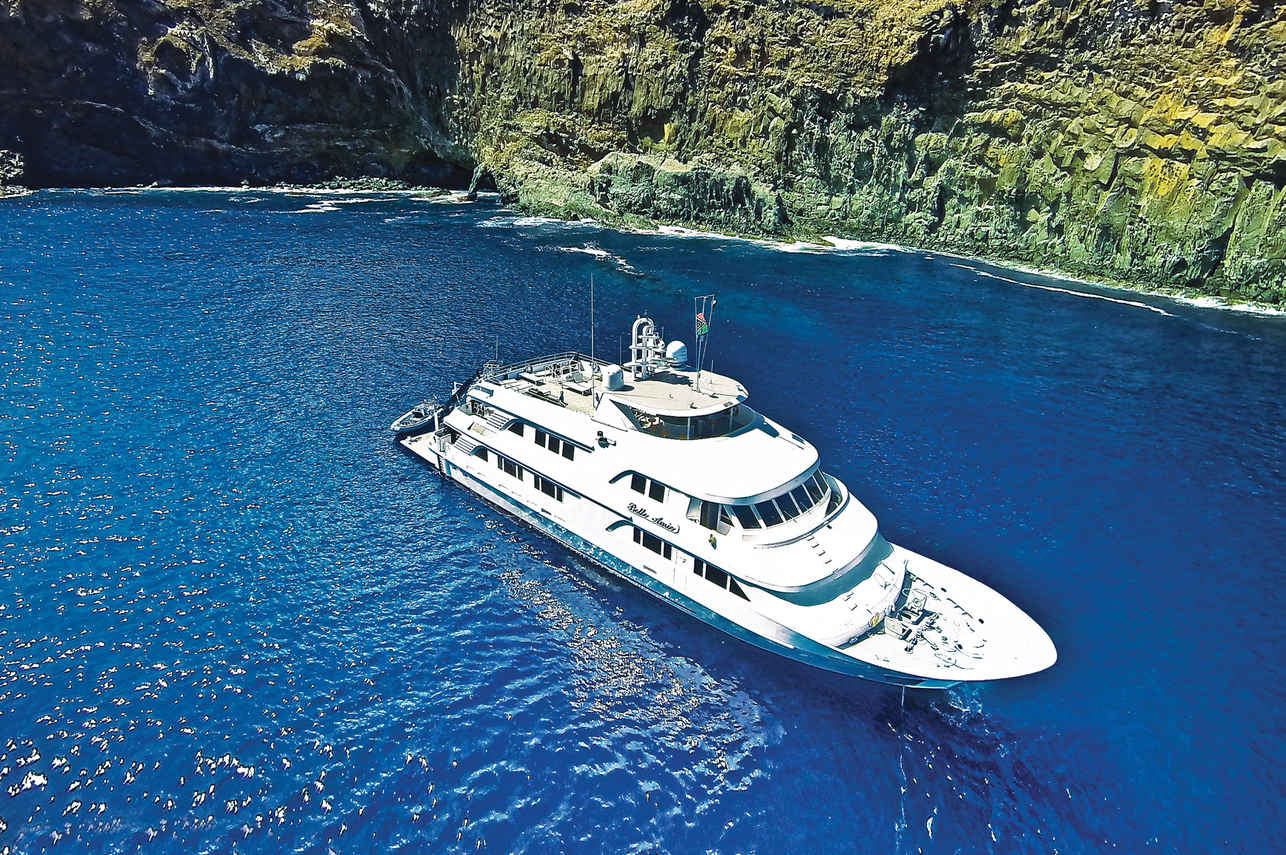
Nautilus Belle Amie
Mexico
32 guests44.8 m
$323/day
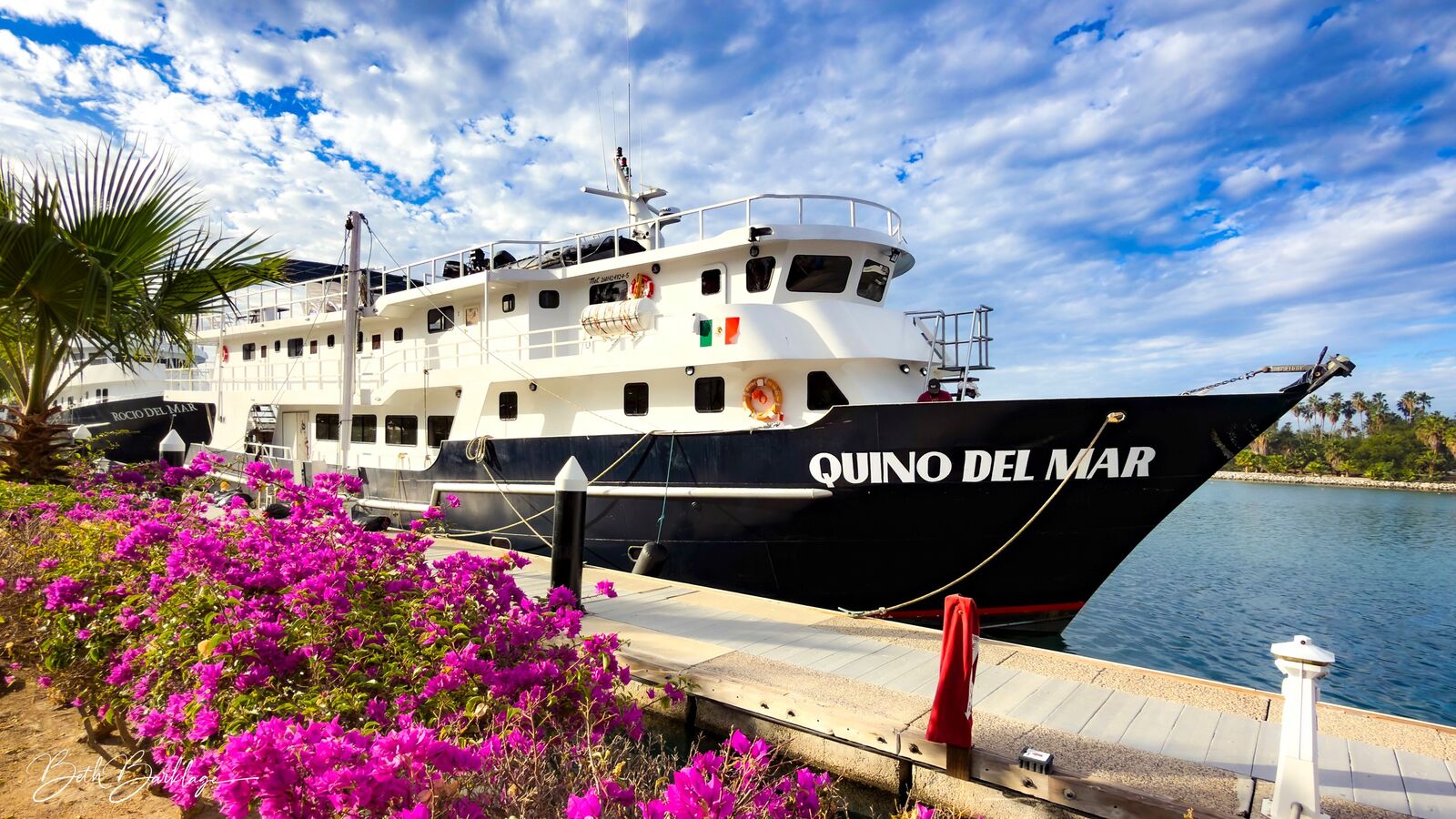
Quino del Mar
Mexico
20 guests36 m
$377/day
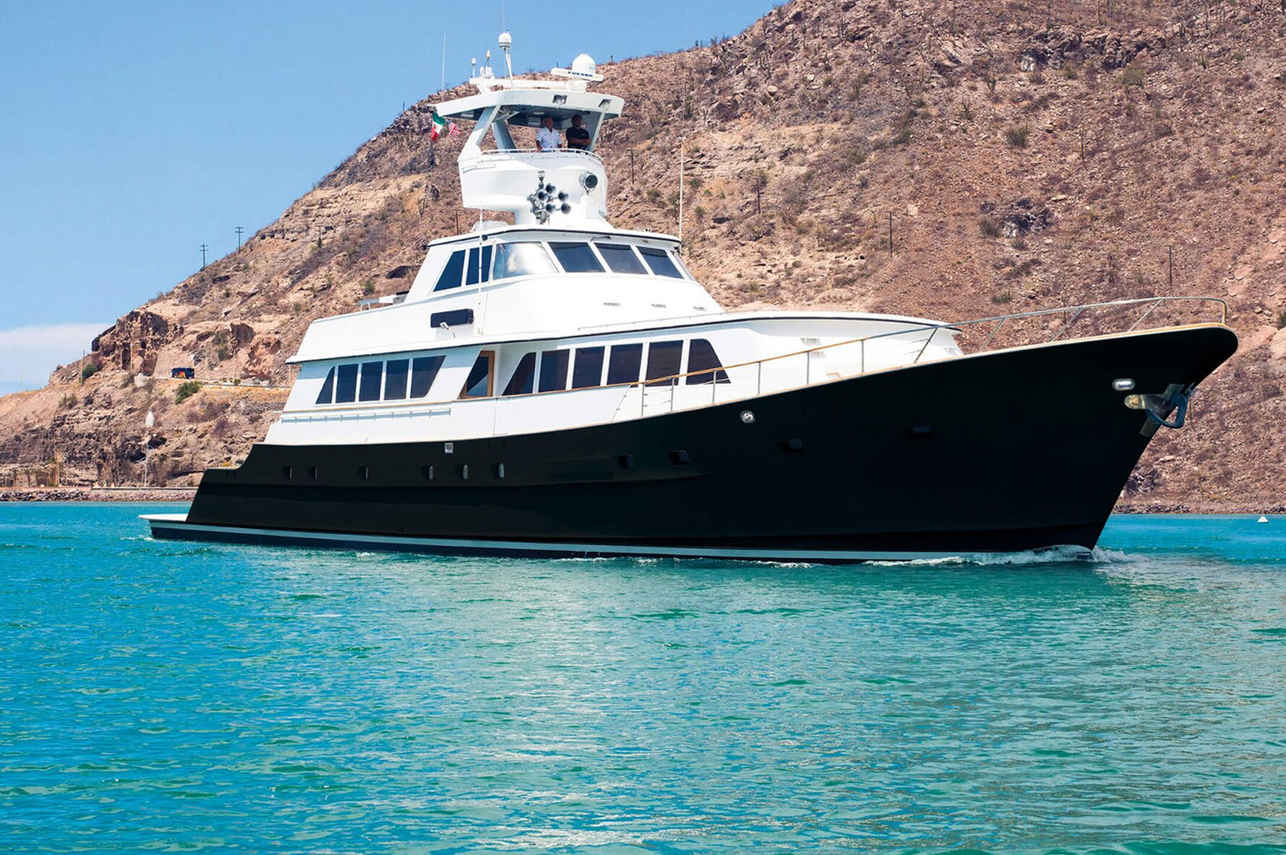
Nautilus Gallant Lady
Mexico
12 guests35.36 m
$332/day
Dive sites similar to Balandra
Same character, same waters — six more sites divers love for the exact same reasons.Compare seasons, access and liveaboard routes — then pick the site that fits your trip best.
© Esri — Maxar, Earthstar, GIS
Tak Be Luum
Mexico
Cenote Tak Be Luum, located in the Mexican state of Quintana Roo, is an exceptional cavern dive that forms part of the vast Sac Actun underwater cave system, one of the world's largest.
- Suitable for
- Advanced
- Current
- No current
- Access
- Shore / dayboat
- Depth
- 4–9 m
- Theme
- Reef
© Esri — Maxar, Earthstar, GIS
Neptune's Finger
Mexico
Neptune's Finger is a renowned dive site located in Cabo San Lucas, Mexico, at the southern tip of the Baja California Peninsula.
- Suitable for
- Beginner
- Current
- Mild
- Access
- Liveaboard or dayboat
- Depth
- 4–152 m
- Theme
- Reef
© Esri — Maxar, Earthstar, GIS
Majahuitas
Mexico
Majahuitas is a pristine and secluded cove located on the southern coast of Banderas Bay, near Puerto Vallarta, Mexico.
- Suitable for
- Beginner
- Current
- Mild
- Access
- Dayboat
- Depth
- 8–14 m
- Theme
- Reef
La Poza is a remarkable dive site located in Xcalak, a serene fishing village situated on Mexico's Caribbean coast, near the Belize border.
- Suitable for
- Advanced
- Current
- Mild
- Access
- Shore / dayboat
- Depth
- 20–25 m
- Theme
- Reef
© Esri — Maxar, Earthstar, GIS
Siete Bocas
Mexico
Cenote Siete Bocas, meaning "Seven Mouths," is a unique cavern dive site nestled along the Ruta de los Cenotes near Puerto Morelos in Mexico's Riviera Maya.
- Suitable for
- Intermediate
- Current
- No current
- Access
- Shore / dayboat
- Depth
- ≤ 30 m
- Theme
- Reef
© Esri — Maxar, Earthstar, GIS
Sleeping Shark Cave
Mexico
Sleeping Shark Cave is a legendary underwater site situated off the eastern coast of Isla Mujeres, Mexico.
- Suitable for
- Intermediate
- Current
- No current
- Access
- Liveaboard or dayboat
- Depth
- 16–20 m
- Theme
- Reef