About Angelfish Reef
Angelfish Reef, situated southwest of Norman Island in the British Virgin Islands, and also identified as a site near George Town in Grand Cayman, is a captivating dive location celebrated for its distinctive underwater topography. The reef features a fascinating network of canyons and ridges, interspersed with coral fingers and sandy patches, creating a complex yet navigable environment for divers. Its shallow depths, averaging 8 meters and reaching a maximum of 17 meters, make it particularly accessible for divers of all experience levels. The site is famously named for its prolific angelfish population, including Queen, Blue, Gray, and French angels, alongside the beautiful Rock Beauty. Beyond these iconic residents, the reef’s vibrant ecosystem supports a wide array of marine life. Divers can frequently encounter stingrays and eagle rays gliding over the sandy bottoms, spotted drums, triplefin blennies, sea horses, various crustaceans, anemones, snake eels, moray eels, turtles, lobsters, and even nurse sharks. The shallow waters are adorned with a rainbow of gorgonians attached to white sand patches, complementing the diverse array of corals that thrive here. Visibility is generally excellent, enhancing the experience of exploring the intricate landscapes and observing the tiny creatures that hide within small crevices and among the lush coral formations. Angelfish Reef is considered ideal for novice divers, snorkelers, and freedivers due to its mild currents, manageable depths, and abundant marine biodiversity. The straightforward navigation allows for a relaxing exploration, emphasizing critter spotting and immersive reef observation, making it a highlight for those seeking a tranquil and richly populated underwater experience.
Highlights
Canyons and ridges topographyAbundant angelfish speciesFrequent ray sightingsVibrant gorgonian gardensDiverse macro lifeShallow, easy divingExcellent visibility
Season calendar
Best months to dive here
Jan
Feb
Mar
Apr
May
Jun
Jul
Aug
Sep
Oct
Nov
Dec
Excellent
Good
Dive site facts: Angelfish Reef
- Depth
- 8–17 m
- Current
- Low to mild
- Visibility
- Excellent
- Entry
- Boat
- Level
- Novice / Beginner
- Dive type
- Reef, canyons, macro, critter
- Region / port
- British Virgin Islands / Grand Cayman
- Coordinates
- 19.6730° N, 80.0510° W
Conditions & Currents
Angelfish Reef typically experiences low to mild currents, making it a comfortable dive for all skill levels. The Cayman Islands, where a version of Angelfish Reef is found, are known for a small tidal range, which generally results in minimal current fluctuation. While the BVI site also reports low current, divers should always be aware that local conditions can vary, particularly with swell and wind influence. Entry and exit points are usually straightforward given the calm sea conditions and gentle waves, allowing divers to easily explore the extensive reef system without the stress of strong water movement. Visibility at this site is often excellent, typically ranging from 60 to over 100 feet, which further enhances the relaxed diving experience. There is no specific mention of thermoclines, but water temperatures in the Caribbean are generally warm and stable.
Marine life & sighting chances
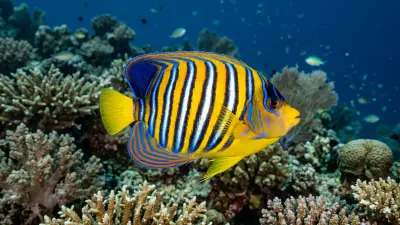
Angelfish
common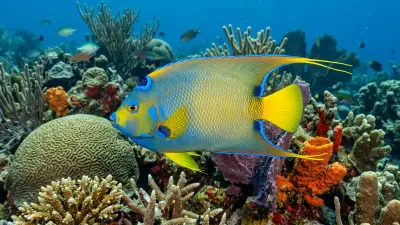
Queen Angelfish
commonBlue Angelfish
commonGray Angelfish
common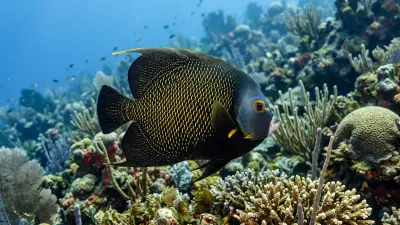
French Angelfish
common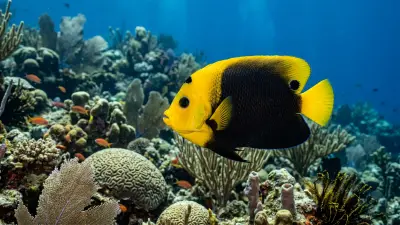
Rock Beauty
common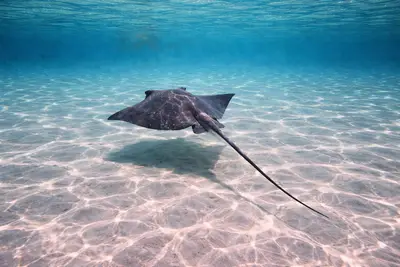
Stingray
occasional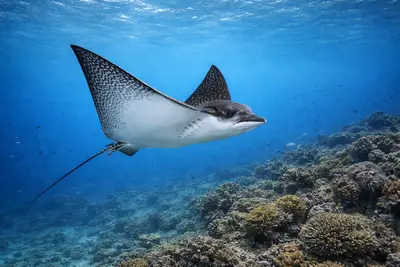
Eagle Ray
occasional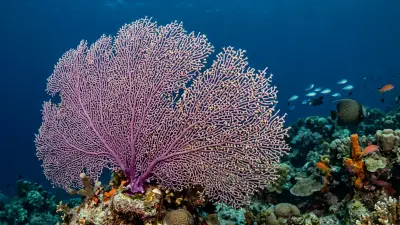
Gorgonians
common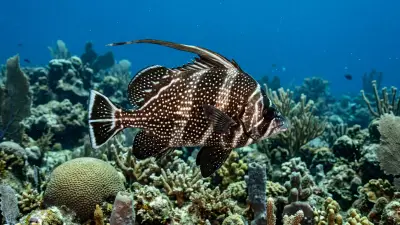
Spotted Drum
common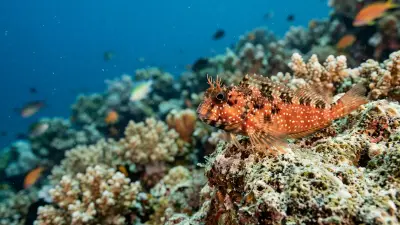
Triplefin Blenny
common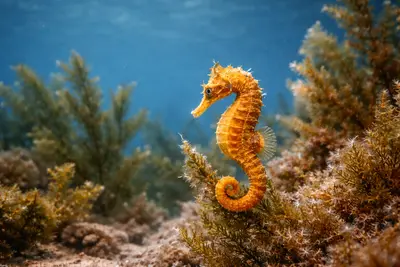
Seahorse
occasional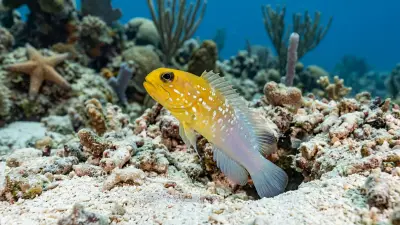
Yellowhead Jawfish
common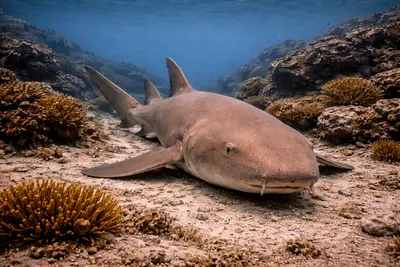
Nurse Shark
occasionalDive profile & how the dive runs
Diving at Angelfish Reef typically begins with a boat entry, as the site is accessible from dive operators. The shallow average depth of 8 meters and a maximum of 17 meters makes for an easy descent. Divers will navigate through an intricate landscape of coral fingers interspersed with sandy patches, exploring the named canyons and ridges. The dive encourages thorough exploration of crevices for macro life, while also scanning the sand for resting rays. Progression is generally slow, allowing ample time to observe the abundant angelfish and other reef inhabitants. The profile is often multi-level, starting shallower and gradually exploring deeper sections of the reef before returning to the shallower areas for a prolonged safety stop, maximizing bottom time. Buoyancy control is paramount to avoid damaging the delicate corals and to safely observe the numerous critters.
Underwater photography
Angelfish Reef is a highly rewarding location for underwater photography, particularly given its abundant marine life and distinctive topography. For wide-angle shots, consider capturing the expansive canyons, ridges, and vibrant gorgonian gardens that characterize the site. A fisheye or wide-angle rectilinear lens is ideal here. For macro enthusiasts, the reef teems with small critters like spotted drums, triplefin blennies, sea horses, and yellowhead jawfish, best captured with a dedicated macro lens. Proper buoyancy is crucial to avoid stirring up sand and to protect the delicate corals, ensuring clear shots and preserving the environment. When photographing rays on the sandy bottom, approach slowly and respectfully to avoid disturbing them. External strobes are recommended to bring out the true colors of the corals and fish, especially in the deeper sections of the reef or within shaded crevices.
Combine with nearby dive sites
- Killer Puffer
Killer Puffer is a vibrant reef dive situated on the western side of Grand Cayman, known for its healthy coral formations and rich…
- The Great Wall
Cozumel's western coast features a dramatic reef shelf that plunges thousands of feet into the ocean.
- 3 Fathom Wall
3 Fathom Wall is an exciting and fish-filled dive site located in the Cayman Islands, specifically at the intersection of the renowned…
- Eden Rock
Eden Rock and Devil's Grotto are iconic shore dive sites located off South Church Street in George Town, Grand Cayman.
- Stingray City
Stingray City, located in Grand Cayman's North Sound, is a world-renowned underwater attraction offering unique interactions with southern…
Getting there & logistics
For Angelfish Reef in Grand Cayman, divers typically fly into Owen Roberts International Airport (GCM) in George Town. Most dive trips to this site are arranged through local dive shops, departing from various ports around George Town or Seven Mile Beach. While specific trip durations vary, Angelfish Reef is often part of a day trip or included in multi-day dive packages that explore the West End's shallow reefs. Liveaboards operating in the Cayman Islands, such as the Cayman Aggressor IV, may also include such sites in their itineraries, offering multiple dives daily. No special permits or fees beyond standard dive operator costs are typically mentioned for this particular reef, but divers should confirm with their chosen operator. The site is commonly combined with other shallow reef dives or as a relaxed complement to deeper wall dives, making it accessible even for shorter dive vacations.
Safety & environment
For diving in Grand Cayman, the nearest recompression chamber is located at the Health City Cayman Islands hospital. In the event of a dive emergency, evacuation would typically involve transport by boat to shore, followed by road transport to the nearest medical facility. Divers are strongly advised to have comprehensive dive insurance that covers emergency medical treatment and evacuation. At Angelfish Reef, site-specific hazards are minimal due to its shallow depth and mild currents; however, divers must maintain excellent buoyancy control to prevent contact with the delicate coral formations and sand, which could both damage the reef and reduce visibility for others. Always dive with a buddy and follow your dive guide's instructions. While marine life is abundant, exercising caution and maintaining a respectful distance from all creatures, including rays and potential nurse sharks, is crucial for both diver safety and animal welfare.
Who it suits — and who it doesn't
Suited for
- Beginner divers
- Open Water certified divers
- Snorkelers and freedivers
- Macro photography enthusiasts
- Divers seeking relaxed, shallow dives
- Critter spotters
Less suited for
- Divers seeking deep wall dives
- Experienced divers looking for strong currents
- Wreck diving specialists
- Adrenaline-seeking divers
- Divers solely interested in large pelagics
FAQ
Angelfish Reef FAQ
What kind of marine life can I expect to see at Angelfish Reef?
Angelfish Reef lives up to its name with a profusion of angelfish species, including Queen, Blue, Gray, and French angels, along with Rock Beauties. Beyond these, you can frequently spot stingrays and eagle rays, spotted drums, triplefin blennies, sea horses, yellowhead jawfish, various crustaceans, and occasionally nurse sharks. The reef also hosts an array of colorful gorgonians and hard corals, creating a rich habitat.
Is Angelfish Reef suitable for beginner divers or snorkelers?
Yes, Angelfish Reef is highly recommended for beginners and snorkelers due to its shallow average depth of 8 meters (26 feet) and a maximum depth of 17 meters (56 feet). The currents are typically low, and the rich marine life is easily observed, making it an ideal and relaxing site for those new to diving or who prefer shallower experiences. Its straightforward topography ensures easy navigation.
What is the underwater topography like at Angelfish Reef?
The reef features a captivating underwater landscape characterized by a maze of canyons and ridges, interspersed with numerous coral fingers and sandy patches. These formations create interesting swim-throughs and hidden nooks for marine life, providing a dynamic yet easy-to-navigate environment. The blend of structural complexity and open sandy areas allows for diverse marine habitats.
When is the best time of year to dive Angelfish Reef in Grand Cayman?
For Angelfish Reef in Grand Cayman, the best time to visit is generally during the dry season, from November to April. During these months, you can expect excellent visibility, lower humidity, and less rainfall, leading to optimal diving conditions. While diving is possible year-round, the peak tourist season often coincides with these prime weather conditions.
Are there strong currents at Angelfish Reef?
No, Angelfish Reef is known for its low to mild currents, making it a very comfortable and accessible dive site. The Cayman Islands generally experience a small tidal range, which contributes to calmer sea conditions. Divers can enjoy a relaxed exploration of the reef without needing to contend with strong water movements, which is a major draw for novice divers.
Why dive Angelfish Reef from a liveaboard?
Angelfish Reef is one of Cayman Islands's signature dive sites. A liveaboard sleeps you on the water and puts you in the water for three to four guided dives per day, including dawn and night dives that day-boat operators rarely offer. You skip the daily commute back to port and reach quieter, less-crowded sites in the same region on a single trip.
Below are the liveaboards that include Angelfish Reef on their Cayman Islands itineraries.
Liveaboards diving Angelfish Reef
These liveaboards may visit Angelfish Reef on selected itineraries — the exact dive sites depend on departure, weather and conditions.
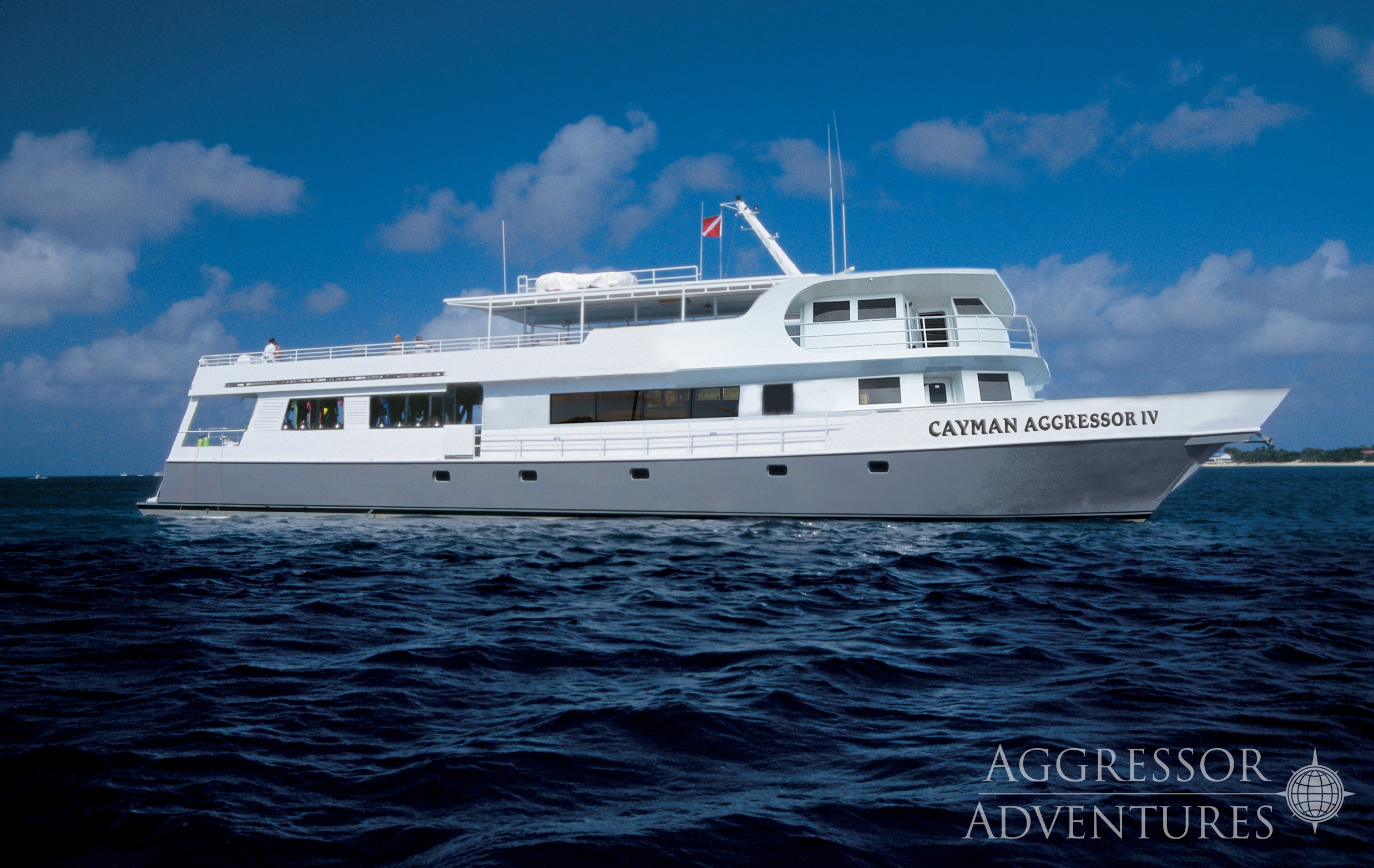
Cayman Aggressor IV
Cayman Islands
18 guests32.9 m
$328/day
Dive sites similar to Angelfish Reef
Same character, same waters — six more sites divers love for the exact same reasons.Compare seasons, access and liveaboard routes — then pick the site that fits your trip best.
Big Table Rock
Cayman Islands
Big Table Rock is a well-known dive site located in George Town, Grand Cayman, offering a diverse and visually striking underwater landscape.
- Suitable for
- Intermediate
- Current
- Mild
- Access
- Dayboat
- Depth
- 10–30 m
- Theme
- Reef / Wall
North Wall
Cayman Islands
The North Wall of Grand Cayman stands as one of the most celebrated and visually striking dive regions, stretching along the island's northern coastline.
- Suitable for
- Advanced
- Current
- Mild
- Access
- Liveaboard or dayboat
- Depth
- 50–100 m
- Theme
- Reef
Parrot's Reef
Cayman Islands
Parrot's Reef is a notable dive site found along Grand Cayman's South coast, distinct from the more frequently dived West and North Walls.
- Suitable for
- Beginner
- Current
- Mild
- Access
- Dayboat
- Depth
- 12–15 m
- Theme
- Reef
Marty's Wall
Cayman Islands
Marty's Wall is a dive site located in West Bay, Grand Cayman, an area known for its dramatic wall dives and pristine coral ecosystems.
- Suitable for
- Intermediate
- Current
- Mild
- Access
- Dayboat
- Depth
- 12–36 m
- Theme
- Wall / Reef
Big Tunnels
Cayman Islands
Big Tunnels is a prominent dive site located on the West Side of Grand Cayman, specifically south of Northwest Point and near Orange Canyon, forming part of the extensive western wall system.
- Suitable for
- Intermediate
- Current
- Mild
- Access
- Liveaboard or dayboat
- Depth
- 17–27 m
- Theme
- Reef
Randy's Gazebo
Cayman Islands
Randy's Gazebo is a highly regarded dive site located in Little Cayman, one of the three Cayman Islands, renowned for its spectacular underwater scenery and healthy marine ecosystems.
- Suitable for
- Intermediate
- Current
- Mild
- Access
- Dayboat
- Depth
- 5–18 m
- Theme
- Reef / Wall