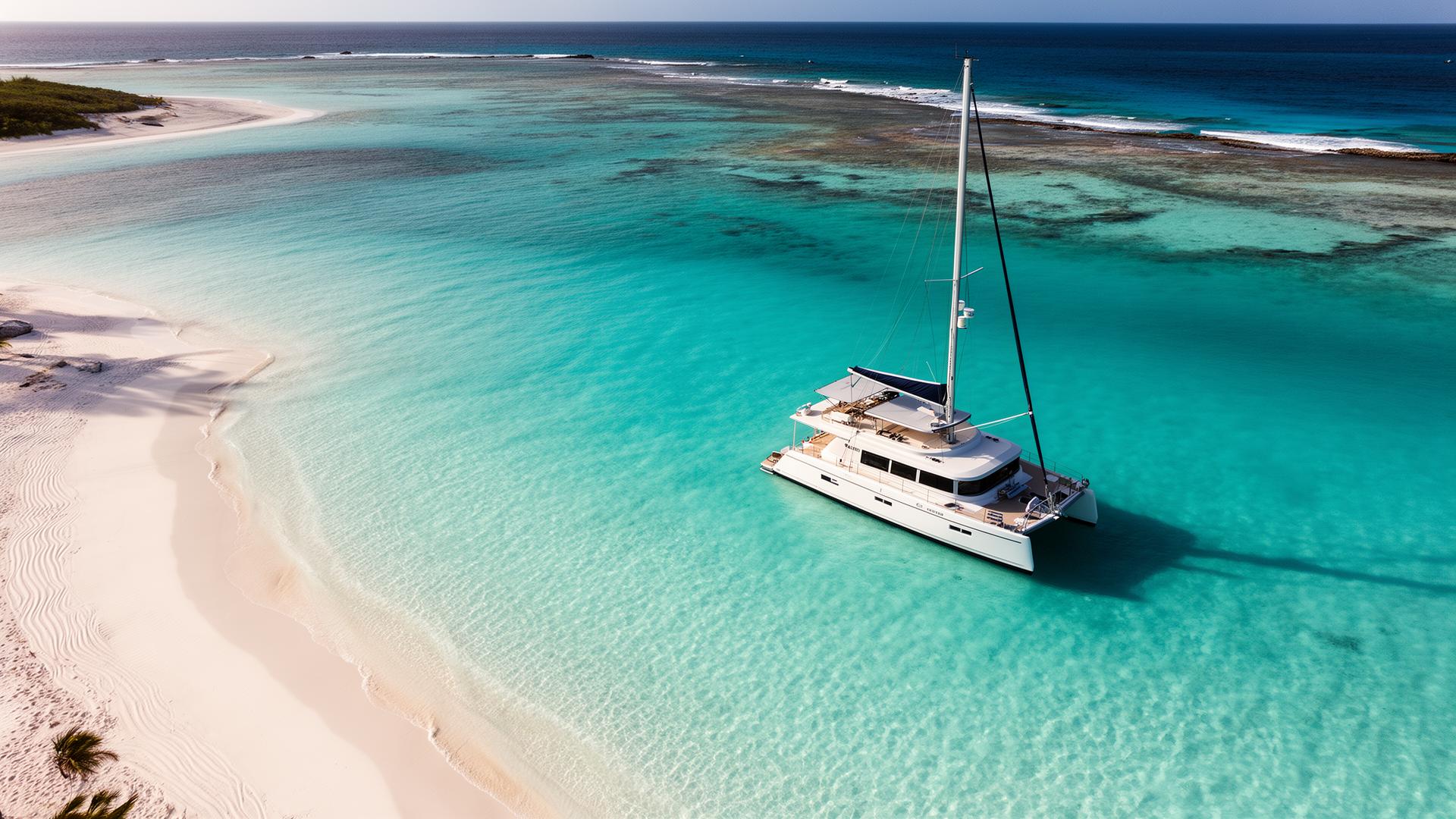



A deep trench splitting two shallow limestone banks defines these islands: world-class wall diving. The 2,100-metre-deep Columbus Passage separates the Turks Bank from the Caicos Bank and creates sheer underwater walls that begin in sunlit coral gardens and drop into the deep blue. This unique topography makes a Turks and Caicos liveaboard the only realistic way to reach the most remote and productive sections of the reef.
Most liveaboard itineraries start in Providenciales and work the wall systems of West Caicos, French Cay, the Northwest Point and, when the weather cooperates, the outlying Turks Bank around Grand Turk and Salt Cay. West Caicos is the signature stop: dive sites such as Elephant Ear Canyon, Boat Cove and Driveway drop from 12 metres straight into open water, with huge barrel sponges, black coral and elephant ear sponges clinging to the vertical face. French Cay is the shark site of the archipelago, where Caribbean reef sharks patrol the shallows in numbers and nurse sharks rest on the sand between coral heads.
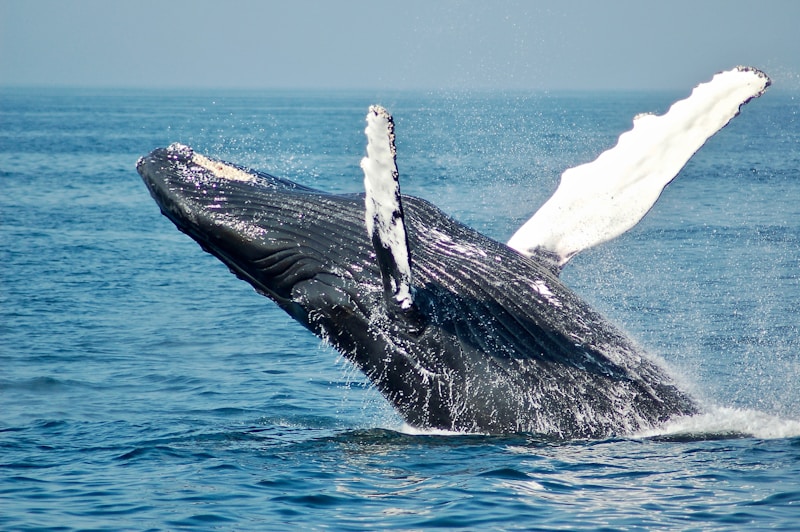
Visibility routinely reaches 25 to 40 metres and often more in winter, and the water sits between 26 and 29 degrees Celsius year-round, so a 3 mm suit is enough for most divers. Diving is possible all year, but the classic liveaboard season runs from November to May, when winds are lighter and the crossing to the Turks Bank is reliable. From January to April, humpback whales migrate through the Columbus Passage on their way to the Silver Bank, and it is not unusual to hear their song underwater or spot them from the deck between dives.
Marine life is the reason divers return. Expect Caribbean reef sharks, eagle rays, hawksbill and green turtles, large schools of horse-eye jacks, Nassau and black groupers, and dense macro life on the wall including flamingo tongue snails, arrow crabs and secretary blennies. The resident bottlenose dolphin known locally as JoJo has been greeting divers on these reefs for decades. Because much of the reef sits inside marine protected areas and receives comparatively little traffic, coral cover here remains among the healthiest in the Caribbean.
A typical week aboard delivers four to five dives per day, including night dives on the wall, with a small guest count and easy access to sites that day boats from Providenciales cannot reach in a single trip. Boats are comfortable, crossings are short and surface intervals are spent in flat, turquoise water over white sand.
Turks and Caicos suits divers who want dependable big-blue drop-offs, warm clear water, sharks on almost every dive and a relaxed Caribbean rhythm rather than demanding current diving. Advanced Open Water certification and around 25 logged dives are the usual recommendation, though the walls are forgiving and buoyancy, not experience, is what matters most here.