About Yanbu Wreck
The Aiona Wreck, also known locally as the Yanbu Wreck, is a prominent dive site off the coast of Yanbu, Saudi Arabia. This British steamship, dating back to the late 19th or early 20th century, provides a fascinating glimpse into maritime history with its well-preserved structure. Located amidst the rich coral systems of the Red Sea, the wreck has become an artificial reef, attracting a diverse array of marine life. The dive site features a shallow section that is accessible to less experienced divers, alongside deeper corridors that appeal to those with more advanced certifications. The wreck is approximately 28 kilometers from the renowned Seven Sisters reef complex, placing it within a region celebrated for its pristine underwater conditions and exceptional visibility. Yanbu itself is often referred to as the 'Pearl of the Red Sea,' benefiting from a unique oceanographic position where nutrient-rich deep water supports dense coral growth. Divers here can expect to encounter healthy coral growth not only on the wreck itself but also in the surrounding areas. The minimal impact from tourism has allowed the marine ecosystem to thrive, offering large fish populations that are often unafraid of divers. The exceptional visibility, frequently exceeding 25 meters, enhances the experience of exploring the ship's intricate details and the marine biodiversity it now hosts. Access to the Aiona Wreck is typically via dive boat, requiring a local operator due to its offshore location. Planning for the dive often involves consideration of the moderate currents that can be present in the area, ensuring a safe and rewarding exploration of this historical underwater landmark.
Highlights
Historic British steamship wreckShallow and deep sectionsAbundant marine lifeHealthy coral growthExcellent visibilityYanbu's premier wreck dive
Season calendar
Best months to dive here
Jan
Feb
Mar
Apr
May
Jun
Jul
Aug
Sep
Oct
Nov
Dec
Excellent
Dive site facts: Yanbu Wreck
- Depth
- 8–22 m
- Current
- Light to moderate
- Visibility
- 25 m
- Water temperature
- 24–31°C
- Entry
- Boat / Tender
- Level
- Advanced
- Dive type
- Wreck, Reef, Drift
- Night dive
- Possible
- Region / port
- Yanbu, Saudi Arabia
- Coordinates
- 24.05, 37.98
Conditions & Currents
The Aiona Wreck can experience light to moderate currents, which guides carefully consider when planning dives. While typically manageable, divers should be prepared for potential movement, especially in deeper sections or around the more exposed parts of the wreck. Entry and exit procedures are usually conducted by boat, with tender operations often utilized to ensure safe access and retrieval. Visibility at the site is consistently excellent, often reaching 25 meters, which enhances the exploration of the wreck's features despite any current. The water temperature remains warm, but thermal layers can sometimes be encountered at depth depending on the season. Divers with experience in current will find the conditions straightforward, allowing for an enjoyable drift along sections of the wreck when currents are present.
Marine life & sighting chances
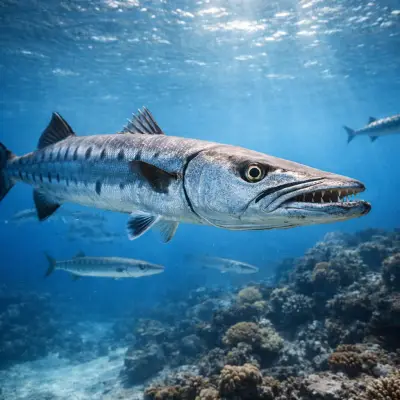
Barracuda
common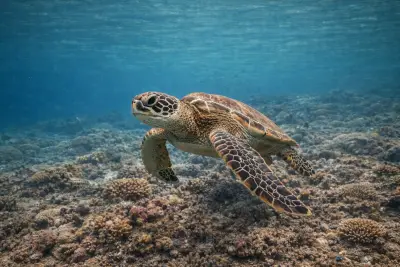
Green Turtle
Year-round · occasional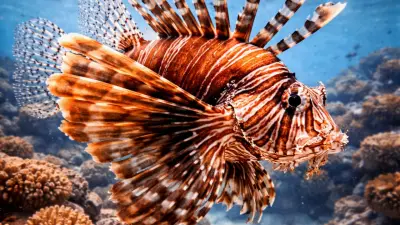
Lionfish
common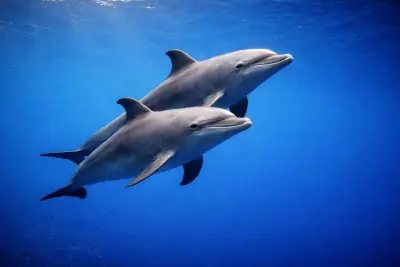
Bottlenose Dolphin
Jan-May, Oct-Dec · occasional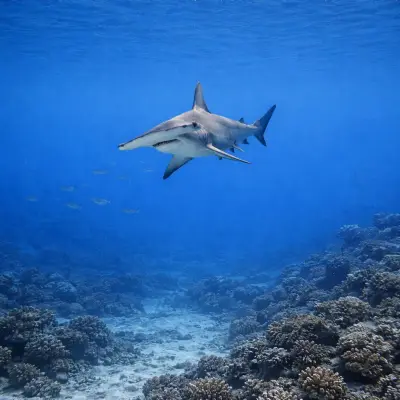
Hammerhead Shark
Jan-Apr, Oct-Nov · occasional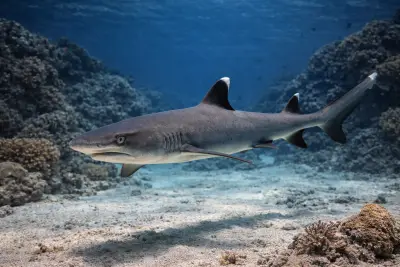
Whitetip Reef Shark
occasional
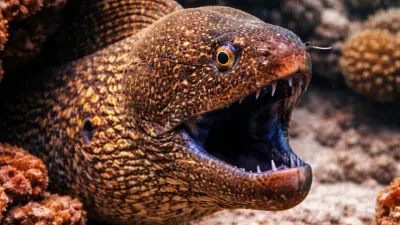
Moray Eel
common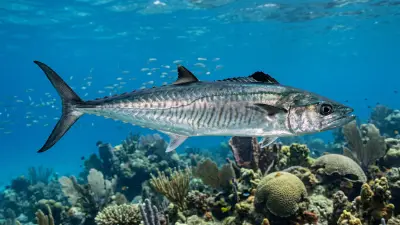
King Mackerel
occasionalDive profile & how the dive runs
Diving the Aiona Wreck typically begins with a boat entry, often via tender, near the wreck's structure. Divers descend along a mooring line or the wreck itself, starting with the shallower sections that are rich in coral growth. The exploration then follows the contours of the ship, navigating through open cargo holds and along the deck. The profile usually involves a gradual descent to explore deeper corridors and structural elements, while keeping an eye on depth and bottom time. Currents can influence the route, leading to a gentle drift along the wreck's length. The turn point is determined by air consumption and no-decompression limits, after which divers gradually ascend, spending the last part of the dive exploring the shallower, brightly lit sections for macro opportunities. Safety stops are conducted in the blue water above the wreck, followed by boat retrieval.
Underwater photography
The Aiona Wreck offers diverse photographic opportunities, from wide-angle shots capturing the ship's entire structure against the clear Red Sea backdrop to macro details of the corals and cryptic marine life that now inhabit it. For wide-angle, a rectilinear wide-angle lens is ideal to convey the scale of the wreck, especially when positioned to show divers exploring its various sections. Natural light penetration is excellent due to high visibility, but strobes are crucial for bringing out the vibrant colors of soft corals and reef fish. For macro photography, focus on the intricate ecosystems within the wreck's crevices and amongst the healthy coral growth, where you might find nudibranchs, gobies, or juvenile fish. Practicing excellent buoyancy control is essential to avoid disturbing the fragile corals on the wreck and the potentially silty interior areas. Be mindful of your fins and equipment, ensuring they don't impact the delicate environment or kick up sediment that could ruin your shots.
Combine with nearby dive sites
Getting there & logistics
Access to Yanbu for diving the Aiona Wreck is typically via Yanbu Airport (YNB), with direct flights from major Saudi cities like Riyadh (1 hr 45 min) and Jeddah (1 hr 5 min). Alternatively, a drive of about 3.5 hours north from Jeddah is also an option. Dive operations for the Aiona Wreck are exclusively boat-based, usually departing from Yanbu's port. Divers typically book day trips through local operators, which often include two-tank dives. Liveaboard options are also emerging in Saudi Arabia, which might combine the Aiona Wreck with other remote sites like the Seven Sisters. A tourist e-visa is generally required for many nationalities. Day trip costs usually range from $80–$135 for a two-tank dive, while liveaboard trips can range from $2,040–$3,880 for longer itineraries.
Safety & environment
Diving the Aiona Wreck requires adherence to standard Red Sea diving safety protocols. Due to its offshore location and the potential for moderate currents, dives are always guided by experienced local operators. It is crucial to follow your guide's current-based briefings closely, especially regarding entry procedures, dive planning, and exit points. Divers should maintain strong situational awareness, particularly in areas with overhead environments or tighter corridors within the wreck. Always dive within your training and certification limits, and ensure your equipment is in excellent working order. As with all remote diving, comprehensive dive insurance covering emergency medical treatment and evacuation is essential. The nearest recompression chamber and medical facilities would be in Yanbu, but evacuation from an offshore site to a medical facility can take time. Avoid touching any part of the wreck or marine life to prevent injury and protect the fragile ecosystem. Dangerous wildlife, such as stonefish or barracuda, may be present, so maintain respectful distance and observe marine life without interaction.
Who it suits — and who it doesn't
Suited for
- Advanced Open Water Divers
- Wreck enthusiasts
- Underwater photographers
- Divers comfortable with currents
- Those seeking historical exploration
Less suited for
- Absolute beginners (entry-level)
- Divers uncomfortable with boat entries
- Divers without current experience
- Individuals prone to seasickness on offshore trips
FAQ
Yanbu Wreck FAQ
What kind of wreck is the Aiona?
The Aiona is a British steamship dating from the late 19th or early 20th century. It offers a fascinating historical dive experience, with parts of the ship's structure still well-preserved and accessible for exploration by divers. The wreck has since become an artificial reef, supporting a vibrant marine ecosystem.
What is the visibility like at the Aiona Wreck?
Visibility at the Aiona Wreck is consistently excellent, often reaching 25 meters or more. This exceptional clarity allows divers to fully appreciate the scale of the wreck and observe the abundant marine life that has colonized it. Good visibility enhances both safety and the overall enjoyment of the dive.
Are there strong currents at the Aiona Wreck?
The Aiona Wreck typically experiences light to moderate currents. Dive guides carefully assess the conditions before each dive to ensure a safe and enjoyable experience. Divers with some experience in currents will find the conditions manageable, and sometimes a gentle drift dive along the wreck is possible.
What marine life can I expect to see at the Aiona Wreck?
The Aiona Wreck is home to a variety of marine life, including barracuda, lionfish, and several species of reef fish. Green turtles are occasionally sighted, and the surrounding reefs can attract larger pelagics such as hammerhead sharks, especially during specific seasons. The wreck itself is covered in healthy coral, attracting numerous smaller creatures.
Is the Aiona Wreck suitable for beginner divers?
The Aiona Wreck is generally recommended for Advanced Open Water Divers due to its depth, offshore location, and potential for currents. While there are shallower sections, the full exploration of the wreck's deeper corridors and its overall environment are best suited for divers with more experience and specialized training. Beginners might find nearby sites like Sharm Yanbu more suitable.
Why dive Yanbu Wreck from a liveaboard?
Yanbu Wreck is one of Saudi Arabia's signature dive sites. A liveaboard sleeps you on the water and puts you in the water for three to four guided dives per day, including dawn and night dives that day-boat operators rarely offer. You skip the daily commute back to port and reach quieter, less-crowded sites in the same region on a single trip.
Below are the liveaboards that include Yanbu Wreck on their Saudi Arabia itineraries.
Dive sites similar to Yanbu Wreck
Same character, same waters — six more sites divers love for the exact same reasons.Compare seasons, access and liveaboard routes — then pick the site that fits your trip best.
© Esri — Maxar, Earthstar, GIS
Jeddah Wreck Valley
Saudi Arabia
Jeddah Wreck Valley, located off the coast of Jeddah in Saudi Arabia, is a captivating dive destination renowned for its collection of historical shipwrecks and thriving coral gardens.
- Suitable for
- Intermediate
- Current
- Strong
- Access
- Shore / dayboat
- Depth
- 18–35 m
- Theme
- Wreck
© Esri — Maxar, Earthstar, GIS
Cable Wreck
Saudi Arabia
The Cable Wreck, also known as the Staphonos or Greek Staphonos, lies off Jeddah's coast in Saudi Arabia.
- Suitable for
- Intermediate
- Current
- Moderate
- Access
- Dayboat
- Depth
- 24–24 m
- Theme
- Wreck / Reef
© Esri — Maxar, Earthstar, GIS
Cable Wreck (Jeddah)
Saudi Arabia
The Cable Wreck, originally known as the Staphonos, sank in 1978 near Jeddah while carrying a cargo of construction materials, including steel beams, cables, chain link fence, and asbestos sheets.
- Suitable for
- Intermediate
- Current
- Moderate
- Access
- Dayboat
- Depth
- 15–24 m
- Theme
- Wreck / Reef
© Esri — Maxar, Earthstar, GIS
Sharm Yanbu
Saudi Arabia
Sharm Yanbu is a well-regarded dive site situated north of Yanbu City, offering easy shore access to a shallow, sheltered bay.
- Suitable for
- Beginner
- Current
- Mild
- Access
- Shore / dayboat
- Depth
- ≤ 12 m
- Theme
- Reef / Wreck
The SS Iona is a well-known British steamship wreck located off the coast of Yanbu, Saudi Arabia.
- Suitable for
- Beginner
- Current
- Mild
- Access
- Dayboat
- Depth
- 10–50 m
- Theme
- Wreck / Reef
© Esri — Maxar, Earthstar, GIS
Ann Ann Wreck (Jeddah)
Saudi Arabia
The Ann Ann Wreck, located about a two-hour drive from Jeddah on the 26-Mile-Reef, presents itself as one of Jeddah's largest and most intricate wreck dives.
- Suitable for
- Advanced
- Current
- Strong
- Access
- Liveaboard or dayboat
- Depth
- 5–32 m
- Theme
- Wreck