About Tual
The Banda Sea, located within Indonesia's Maluku Province, is a vast, remote expanse covering over 470,000 square kilometers, nestled between Sulawesi, East Timor, and Papua New Guinea. This region forms a significant part of the Coral Triangle, renowned as the global epicenter of marine biodiversity, and is characterized by volcanic islands that contribute nutrient-rich waters supporting a flourishing ecosystem. Its isolated nature and minimal human interference have preserved pristine waters and untouched reefs, making it an exclusive destination for liveaboard diving. Underwater topography ranges from dramatic drop-offs and steep walls to pinnacles and extensive fringing reefs. The area is known for both volcanic and limestone islands, with some active volcanoes adding to its unique character. These geological features create diverse habitats, from adrenaline-pumping drift dives along sheer walls to sheltered bays ideal for macro exploration. The deep sea and challenging access mean many sites remain largely unexplored, offering a sense of adventure. Marine life here is exceptionally rich, featuring large pelagic species such as schooling hammerhead sharks, mobula rays, and various tuna, often attracted by upwellings of cold, nutrient-rich water. Coral reefs are pristine, adorned with soft corals, sea fans, and massive sponges. Beyond the big fish, divers can discover a wealth of macro life including nudibranchs, ghost pipefish, frogfish, and unique sea snake colonies. The seasonal migration of hammerheads, particularly from September to November, is a major draw. Diving in the Banda Sea is primarily accessible via liveaboard due to its remoteness. Conditions can vary from mild to strong currents, especially in passages between islands and around seamounts, offering exhilarating drift dives. Despite potential currents, dive sites cater to various experience levels, with many sheltered areas suitable for less experienced divers, though advanced experience is r
Highlights
Schooling hammerhead sharksPristine coral wallsSea snake coloniesMassive sea fansRare macro lifeRemote, unexplored sitesVibrant pelagic encountersVolcanic underwater landscapes
Season calendar
Best months to dive here
Jan
Feb
Mar
Apr
May
Jun
Jul
Aug
Sep
Oct
Nov
Dec
Excellent
Good
Off-Season
Sep – Nov (Sep–Nov)
Calmest seas and best visibility (25–30m). Hammerhead shark schools at their largest. Whale shark sightings increase. All liveaboard operators running Banda Sea expeditions.
Mar – May & Aug (Mar–May, Aug)
Transitional weather with generally good conditions. Visibility 18–25m. Fewer boats operating but still excellent diving.
Jun – Jul & Dec – Feb (Dec–Feb, Jun–Jul)
Monsoon brings rough seas, strong currents, and reduced visibility. Most operators do not run Banda Sea trips. Not recommended for diving.
Dive site facts: Tual
- Depth
- 5–40 m
- Typical dive
- 12–30 m, 50–60 min
- Current
- Variable, mild to strong
- Visibility
- 20–30 m (up to 40 m)
- Water temperature
- 25–30°C
- Entry
- Liveaboard / Tender
- Level
- Advanced Open Water recommended, current experience helpful
- Dive type
- Wall, drift, pelagic, macro, coral gardens
- Night dive
- Possible
- Region / port
- Banda Sea, Maluku Province
- Coordinates
- 5.6667° S, 132.7486° E
Conditions & Currents
Currents in the Banda Sea are highly variable, ranging from mild to strong, creating dynamic and exhilarating conditions. Their strength is largely influenced by the lunar cycle and specific geographical features, typically intensifying in passages between islands and around seamounts. These nutrient-rich, current-swept channels attract a multitude of marine species, including large pelagics, making them ideal for drift diving. Divers should possess a basic understanding of diving in currents, and experience with strong currents is beneficial, especially for sites targeting hammerhead sharks. However, the vastness of the Banda Sea means there are also numerous sheltered areas suitable for divers of all experience levels. Visibility generally remains excellent, typically ranging from 20 to 30 meters, and can extend up to 40 meters on exceptional days, but thermoclines can bring cooler wat
Marine life & sighting chances

Scalloped hammerhead shark
September–November · common
Sea snake
common
Mobula ray
occasional
Barracuda
common
Dogtooth tuna
occasional
Manta ray
occasional
Eagle ray
occasional
Ghost pipefish
occasional
Nudibranch
common
Frogfish
occasional
Mandarin fish
occasional
Scorpionfish
occasional
Whale
rare
Dolphin
occasionalDive profile & how the dive runs
Diving in the Banda Sea typically involves liveaboard operations, with dives often commencing via tender. Entry methods vary depending on the site; negative entries are common for current-swept areas to quickly descend to target depths. The profile often follows steep walls or sloping reefs, maintaining depths between 15 to 30 meters to maximize bottom time while exploring vibrant coral gardens and looking for pelagic activity. For hammerhead shark encounters, descents to around 25 meters or deeper may be necessary to reach cleaning stations or observe schooling behavior in cooler thermoclines. Divers will generally drift along the reef, allowing the current to carry them past stunning topography and marine life. Turn points are usually dictated by air consumption or current changes, with guides signaling the ascent. Safety stops are conducted at 5 meters for three minutes, often along the reef top or in sheltered areas, before surfacing for tender pickup. Surface conditions can sometimes be choppy, requiring careful entry and exit procedures.
Underwater photography
The Banda Sea offers exceptional opportunities for both wide-angle and macro photography, thanks to its diverse marine life and pristine conditions. For capturing schooling hammerheads, large pelagics, or expansive coral gardens, a wide-angle lens is essential, complemented by powerful strobes to bring out vibrant colors in the clear, often deep blue waters. For macro enthusiasts, especially in muck or sheltered reef areas, a macro lens will be invaluable for subjects like nudibranchs, ghost pipefish, and frogfish; a snoot can be used to highlight these smaller critters against contrasting backgrounds. Excellent buoyancy control is paramount, particularly in strong currents or when navigating delicate coral structures, to avoid disturbing the environment. Photographers should maintain a respectful distance from marine life, especially the critically endangered hammerhead sharks, and avoid chasing or crowding subjects to capture natural behavior.
Combine with nearby dive sites
- Manuk Ridge
Known for sea snake colonies and hammerhead sightings
- Nil Desperandum Atoll
A hotspot for schooling hammerhead sharks
- Koon
Excellent wall dive with abundant fish life and large pelagics
- Pulau Hatta
Features beautiful sloping reefs and large schools of fusiliers
- Mount Serua
Volcanic island part of the Inner Arc, potential for deep-water pelagics
Getting there & logistics
Access to the Banda Sea is exclusively via liveaboard, with trips typically ranging from 7 to 16 nights, or longer for multi-region expeditions. The primary airport for access is Ambon (AMQ), reachable via domestic flights from Jakarta (CGK) or Bali (DPS). Liveaboards often depart from Ambon, connecting divers to the remote islands. Due to the area's isolation and lack of infrastructure, itineraries combine several dive sites within the Banda Sea and sometimes extend to the Forgotten Islands, Alor, or Raja Ampat. Booking 6-12 months in advance is recommended for peak hammerhead season (Sept-Nov) trips. Marine park fees may apply, varying by itinerary and operator. Given the long distances involved, travel days at the beginning and end of the cruise should be factored in.
Safety & environment
While the Banda Sea offers spectacular diving, its remote location means emergency medical facilities are extremely limited. The nearest recompression chamber is typically in Ambon, but evacuation can be a complex and lengthy process, making comprehensive dive insurance and emergency medical evacuation coverage absolutely essential. Divers should maintain a high level of physical fitness and ensure they are well-prepared for varying current conditions. It is crucial to dive within your certified limits and follow your dive guide's instructions strictly, especially at sites known for strong currents or deep pelagic encounters. Respect for marine life, particularly the venomous sea snakes, is vital; observe from a distance and avoid any provocation. All liveaboards adhere to strict safety protocols, but individual diver responsibility remains paramount in this challenging environment.
Who it suits — and who it doesn't
Suited for
- Experienced Advanced Open Water divers
- Pelagic enthusiasts seeking hammerhead sharks
- Underwater photographers (both wide-angle and macro)
- Divers comfortable with drift diving and currents
- Adventurous explorers seeking remote, untouched sites
- Those interested in volcanic underwater landscapes
Less suited for
- Brand new Open Water divers
- Divers uncomfortable with strong currents
- Individuals prone to seasickness on open ocean crossings
- Those expecting luxury resorts on land
- Divers requiring immediate access to advanced medical facilities
- Budget-focused travelers (liveaboards are the only option)
FAQ
Tual FAQ
What is the best time to see hammerhead sharks in the Banda Sea?
The peak season for schooling hammerhead shark sightings in the Banda Sea is from September to November. During these months, nutrient-rich upwellings attract large schools to specific seamounts and islands, offering the best chance for encounters, with October often reported as the absolute peak. Visibility might be slightly reduced by cooler thermoclines during this time, but the pelagic action is at its highest.
Are the currents in the Banda Sea strong?
Currents in the Banda Sea can be highly variable, ranging from mild to very strong, particularly in channels between islands and around seamounts. These dynamic currents are a key factor attracting large pelagic species. Divers should have experience with drift diving, and a strong understanding of current dynamics is beneficial for safely navigating some of the more exhilarating dive sites.
What kind of marine life can I expect to see beyond hammerheads?
Beyond schooling hammerhead sharks, the Banda Sea boasts incredible biodiversity. Divers can anticipate encounters with mobula rays, barracudas, dogtooth tuna, and occasional manta rays. The region is also famous for unique sea snake colonies and a wide array of macro life, including nudibranchs, ghost pipefish, frogfish, and vibrant reef fish amidst pristine coral gardens.
Is the Banda Sea suitable for beginner divers?
While some sheltered areas are suitable for less experienced divers, the Banda Sea is generally recommended for Advanced Open Water divers. Many sites feature significant currents and depths, especially those where pelagic encounters are common. Prior experience with drift diving and managing varying conditions is highly beneficial to fully enjoy this remote destination.
How do I get to the Banda Sea for diving?
Diving in the Banda Sea is exclusively done via liveaboard, as the region is very remote with limited land-based infrastructure. The typical access point is Ambon's Patimura International Airport (AMQ), which can be reached by domestic flights from major Indonesian hubs like Jakarta or Bali. From Ambon, liveaboards embark on their multi-day itineraries.
Why dive Tual from a liveaboard?
Tual is one of Banda Sea's signature dive sites. A liveaboard sleeps you on the water and puts you in the water for three to four guided dives per day, including dawn and night dives that day-boat operators rarely offer. You skip the daily commute back to port and reach quieter, less-crowded sites in the same region on a single trip.
Below are the liveaboards that include Tual on their Banda Sea itineraries.
Liveaboards diving Tual
These liveaboards may visit Tual on selected itineraries — the exact dive sites depend on departure, weather and conditions.
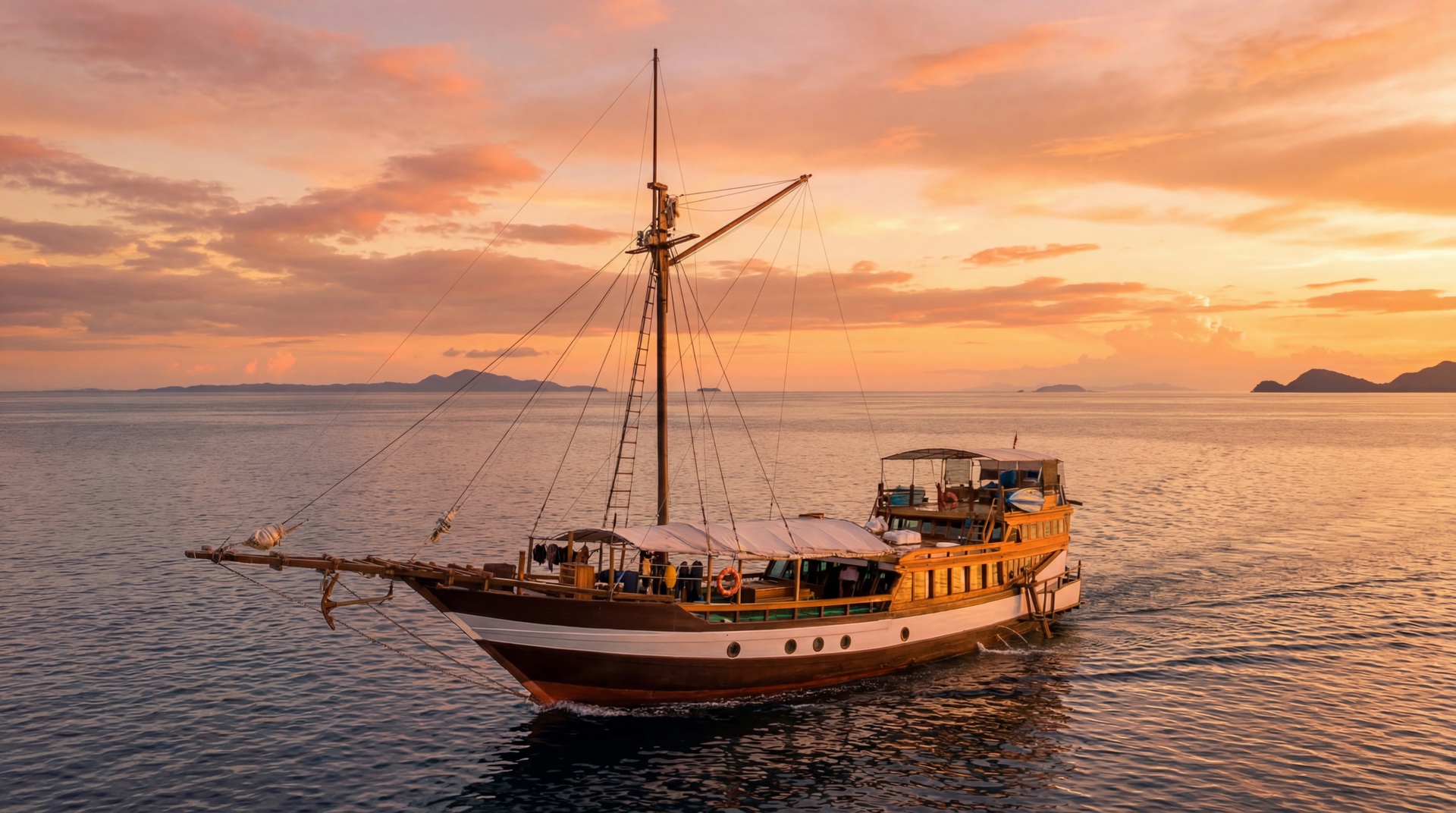
Wellenreng
Indonesia
9 guests25 m
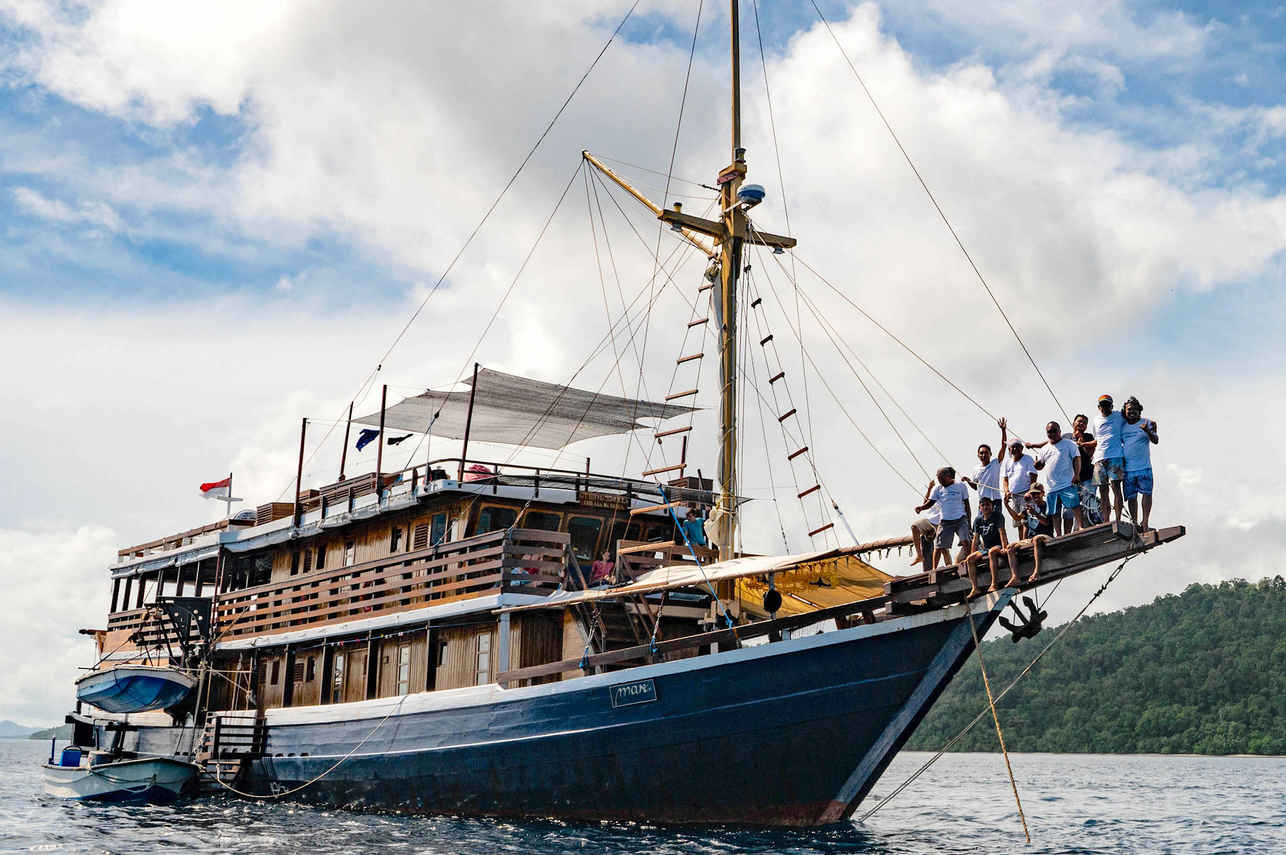
Mari
Indonesia
14 guests32 m
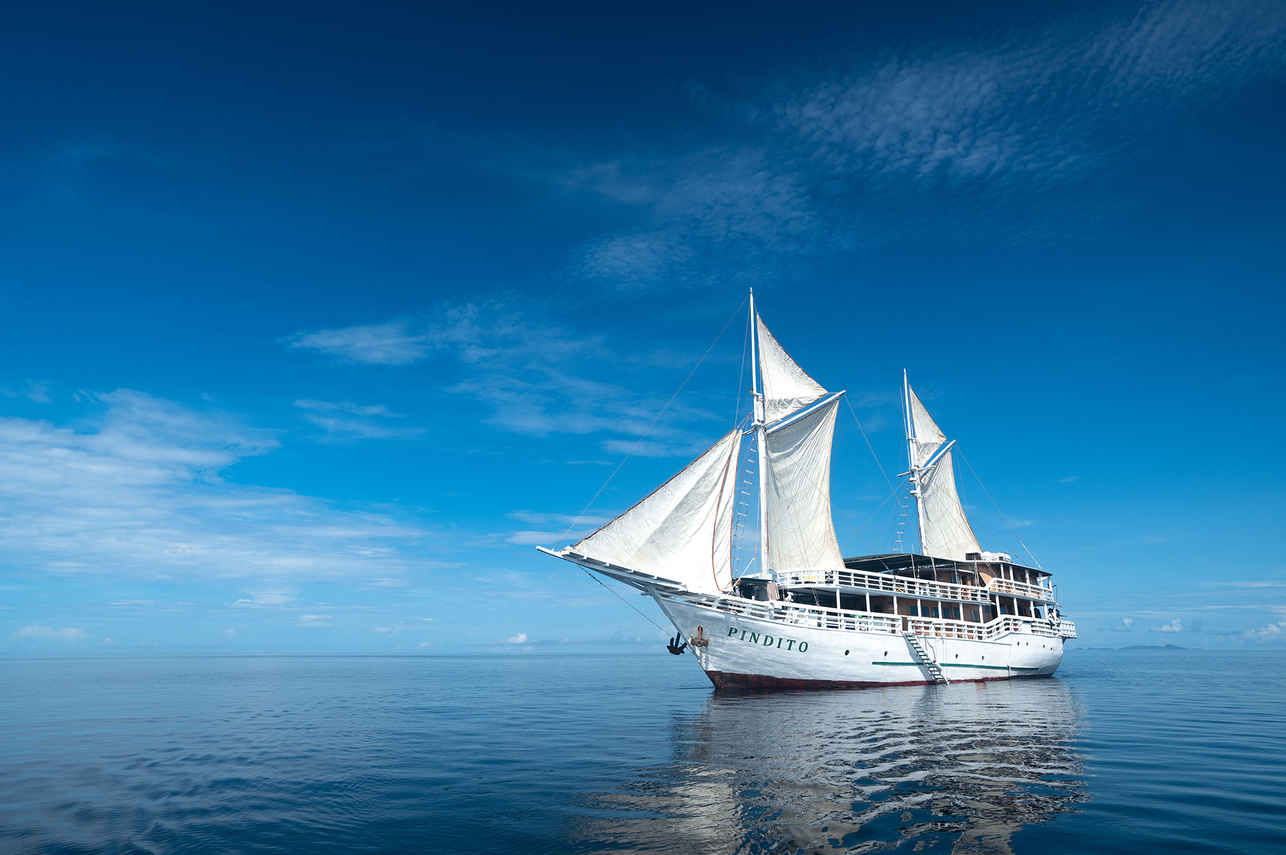
Pindito
Indonesia
16 guests38 m
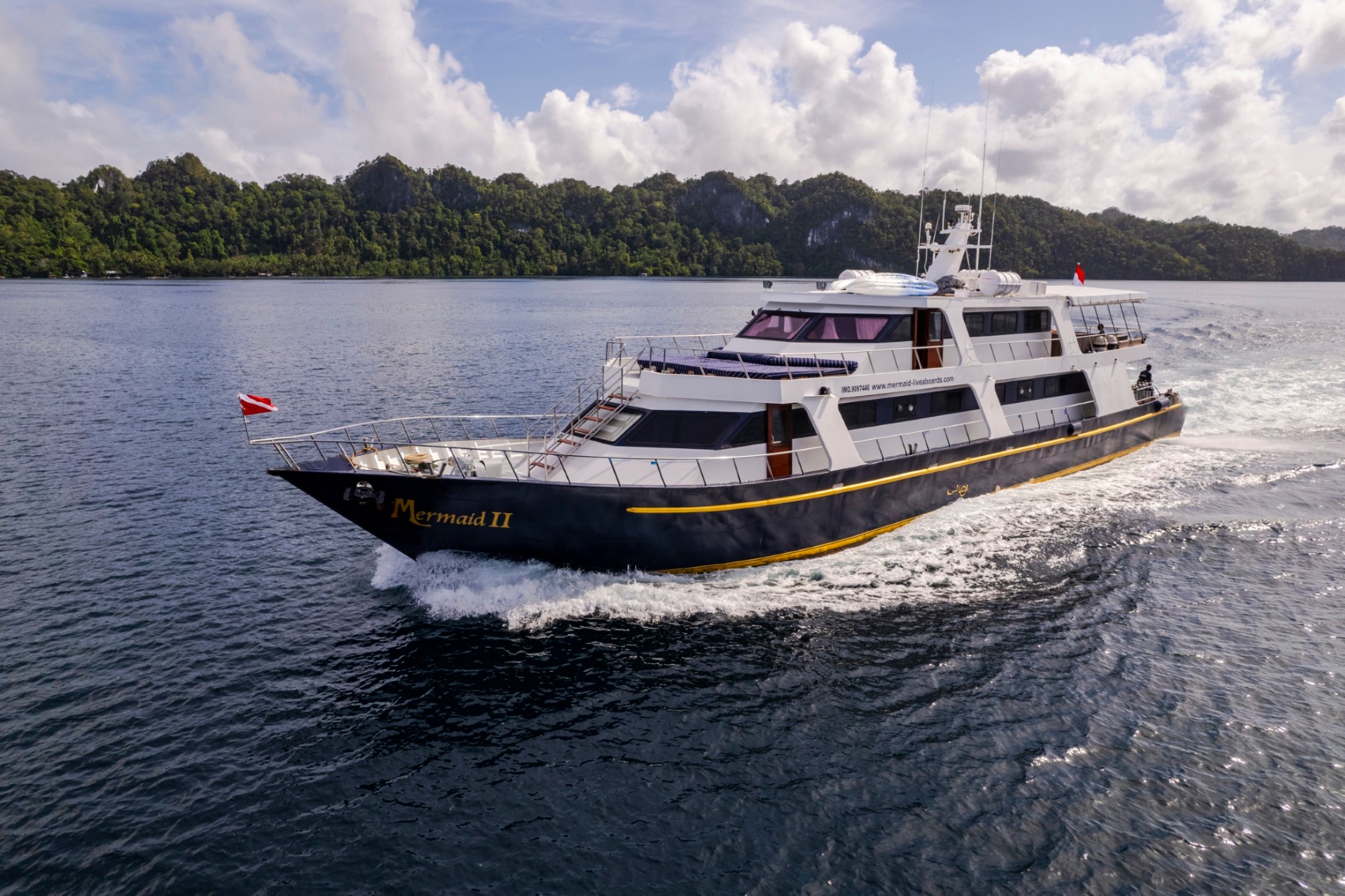
Mermaid II
Komodo, Indonesia
18 guests
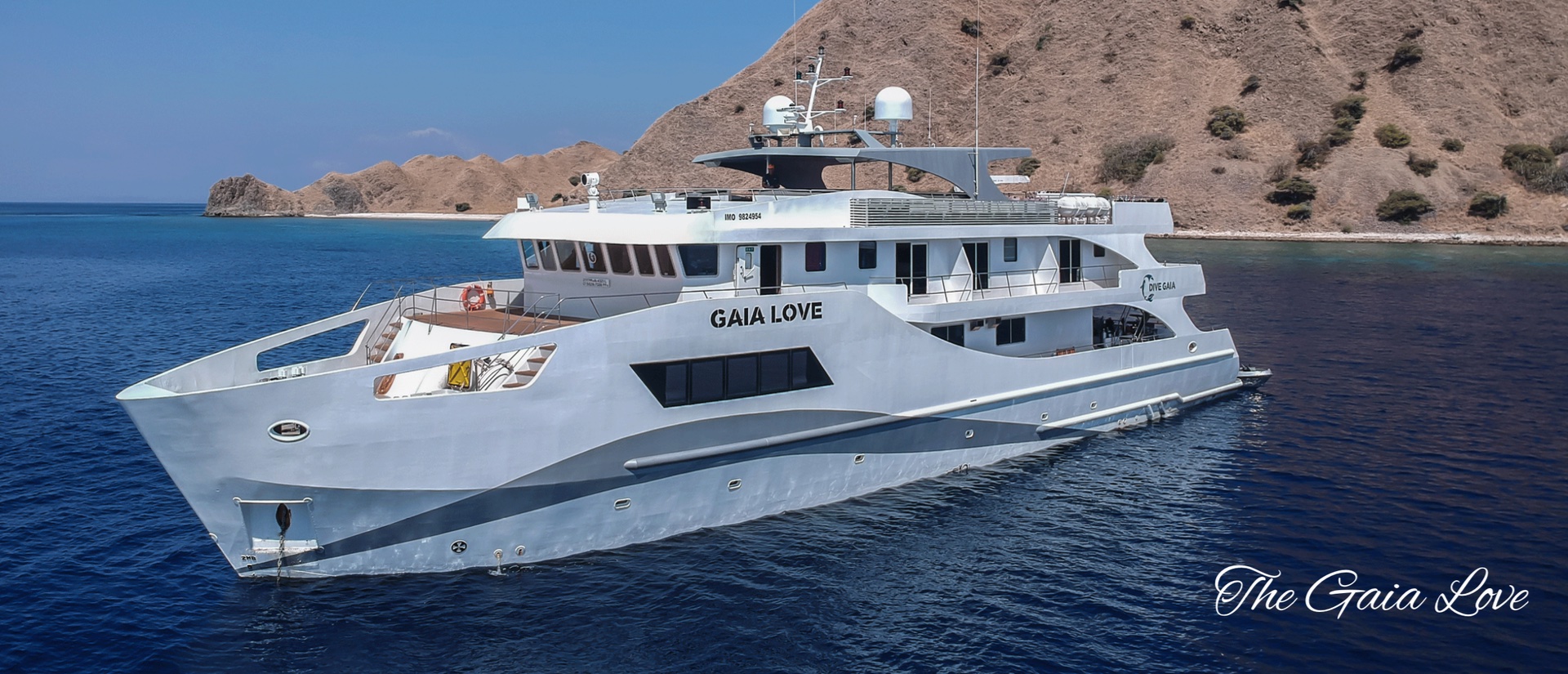
Gaia Love
Alor
20 guests
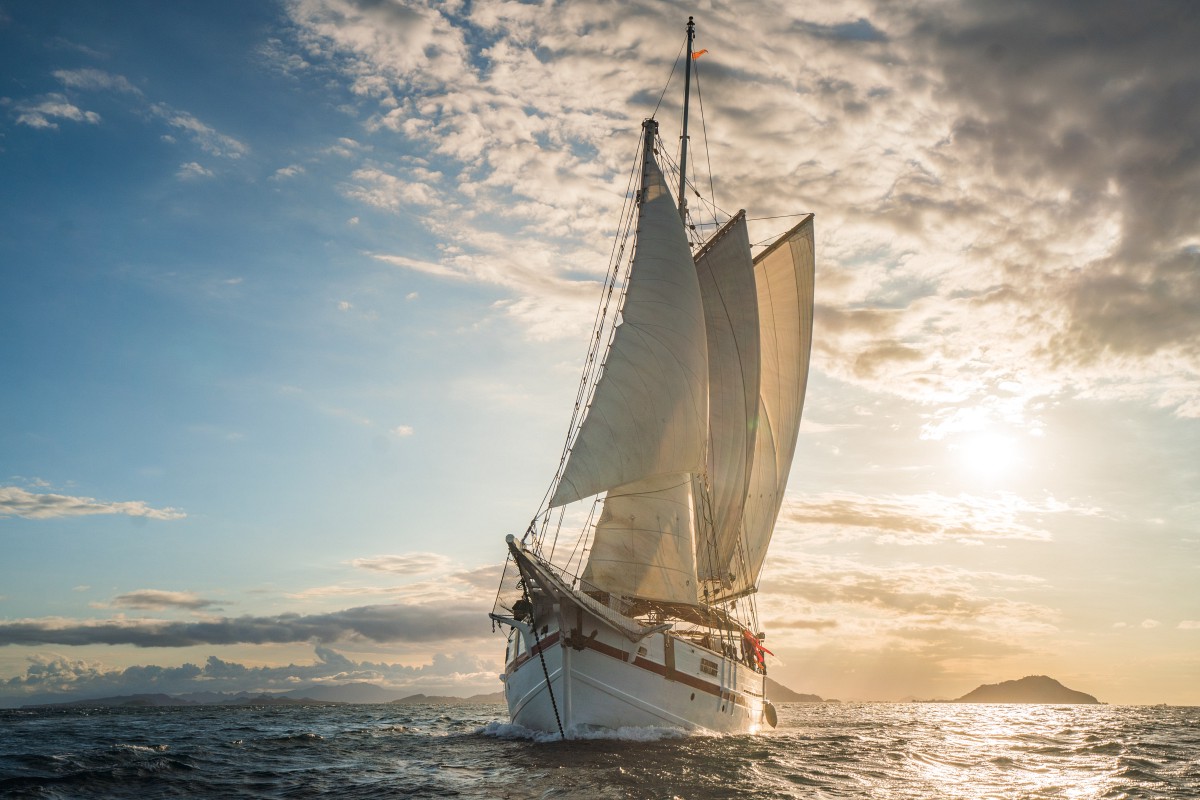
Emperor Raja Laut
Raja Ampat, Indonesia
12 guests31 m
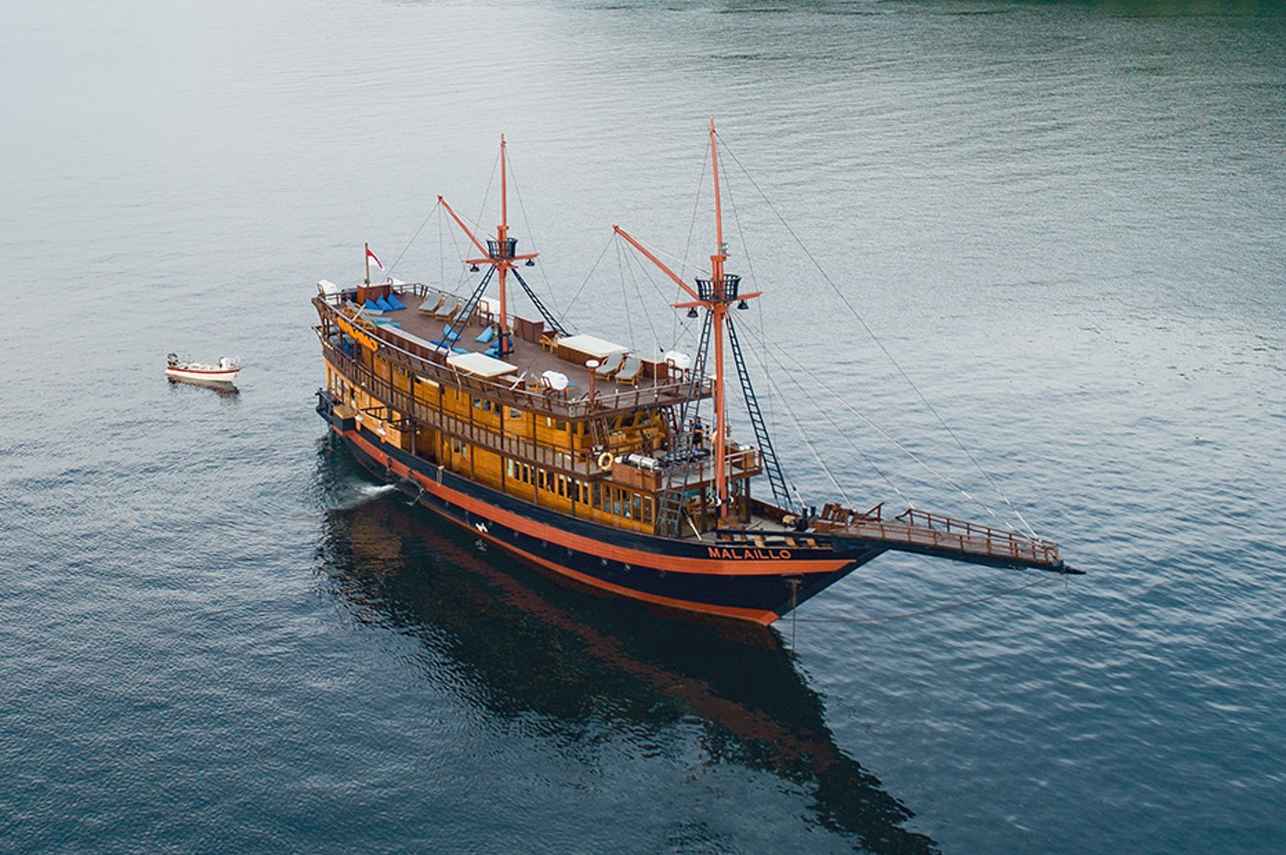
Malaillo
Indonesia
14 guests46 m
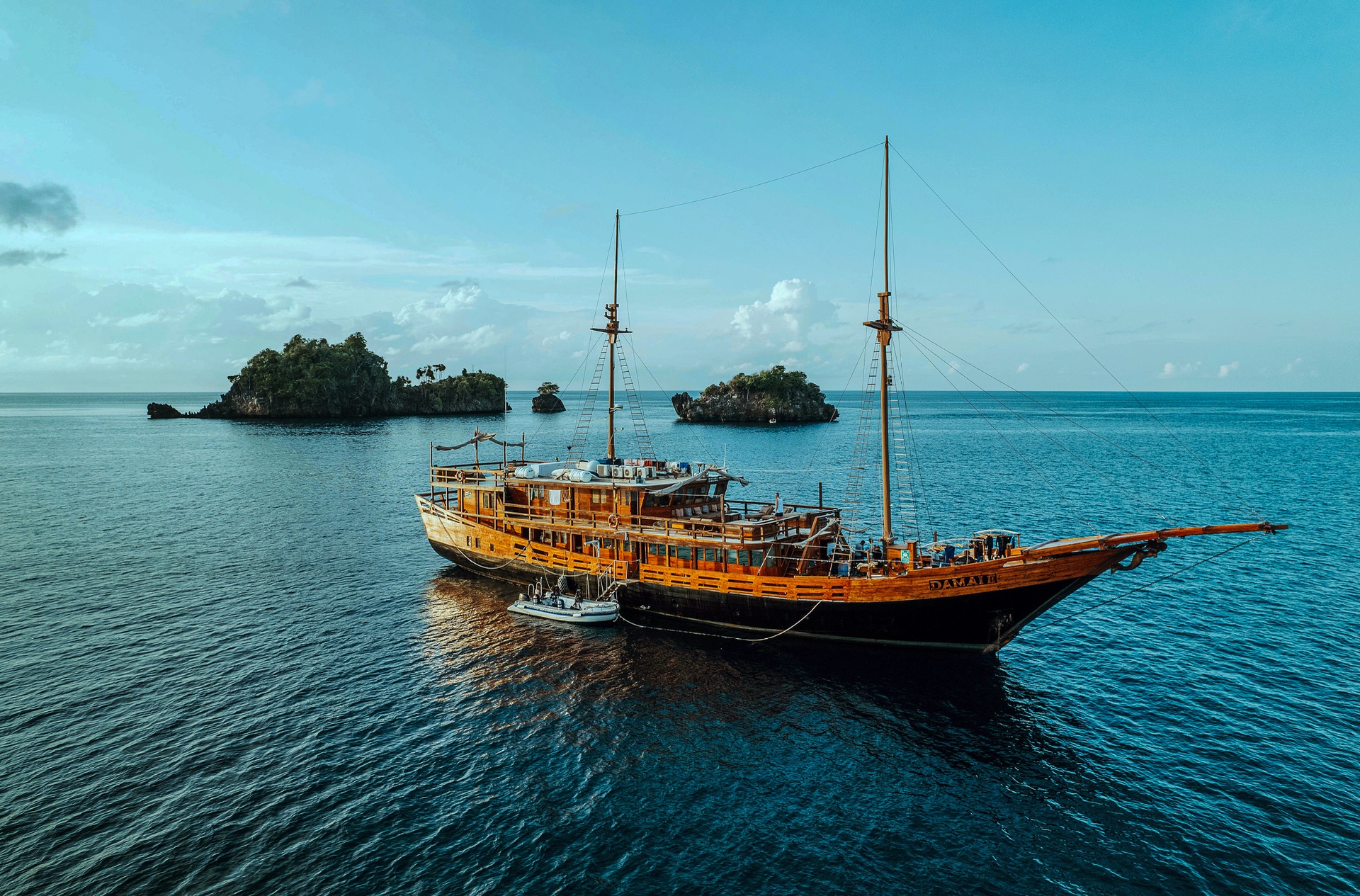
Damai II
Komodo, Indonesia
14 guests
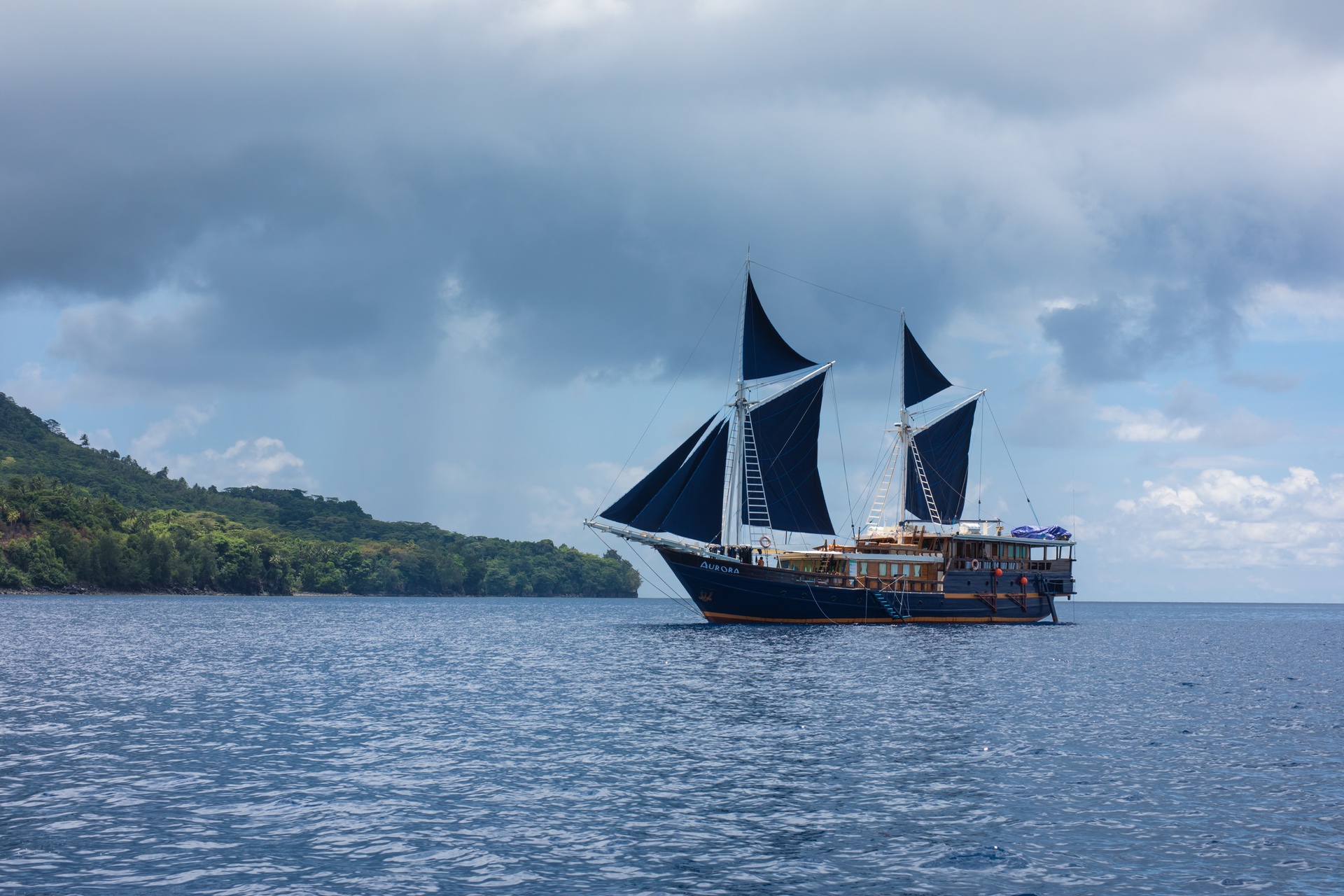
DUNE Aurora
Indonesia
18 guests
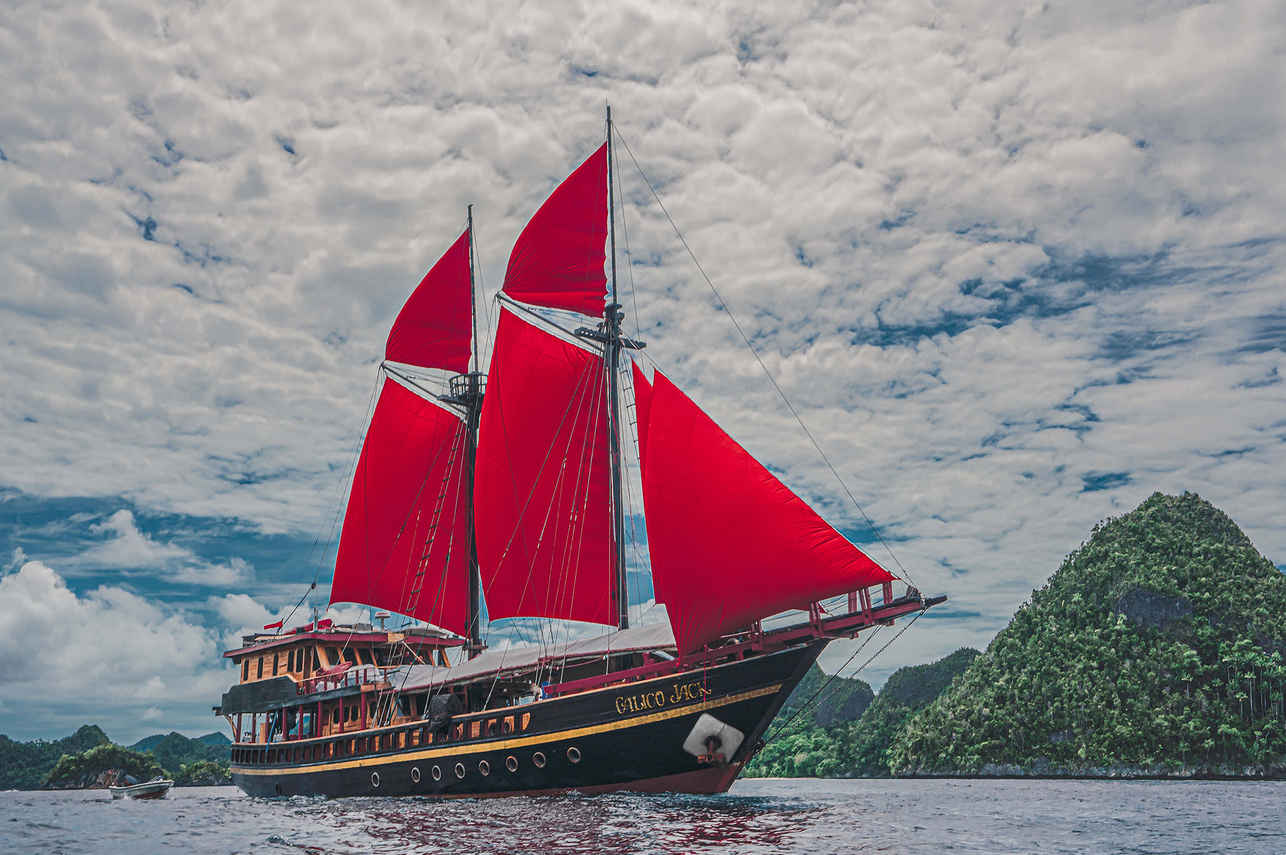
Calico Jack
Indonesia
10 guests30 m
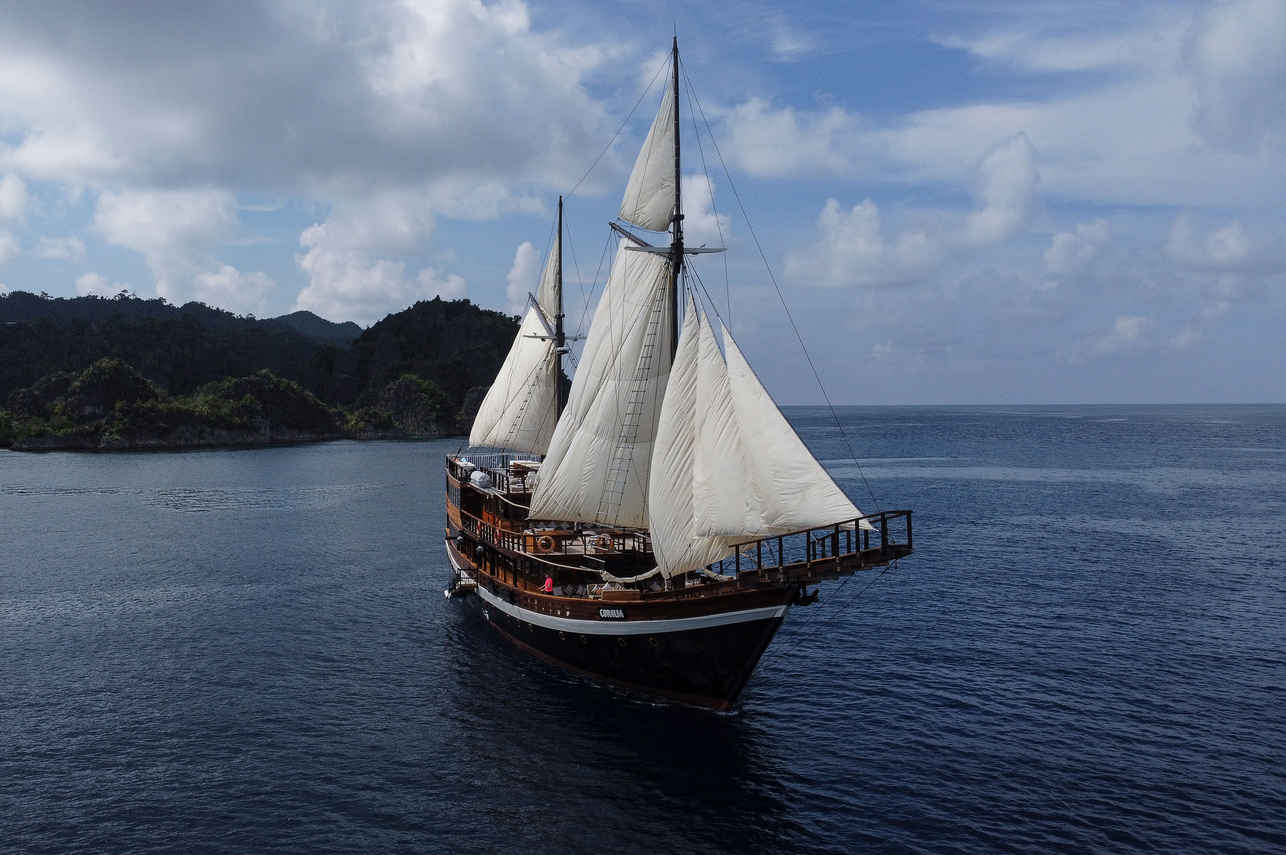
Coralia
Indonesia
16 guests48 m
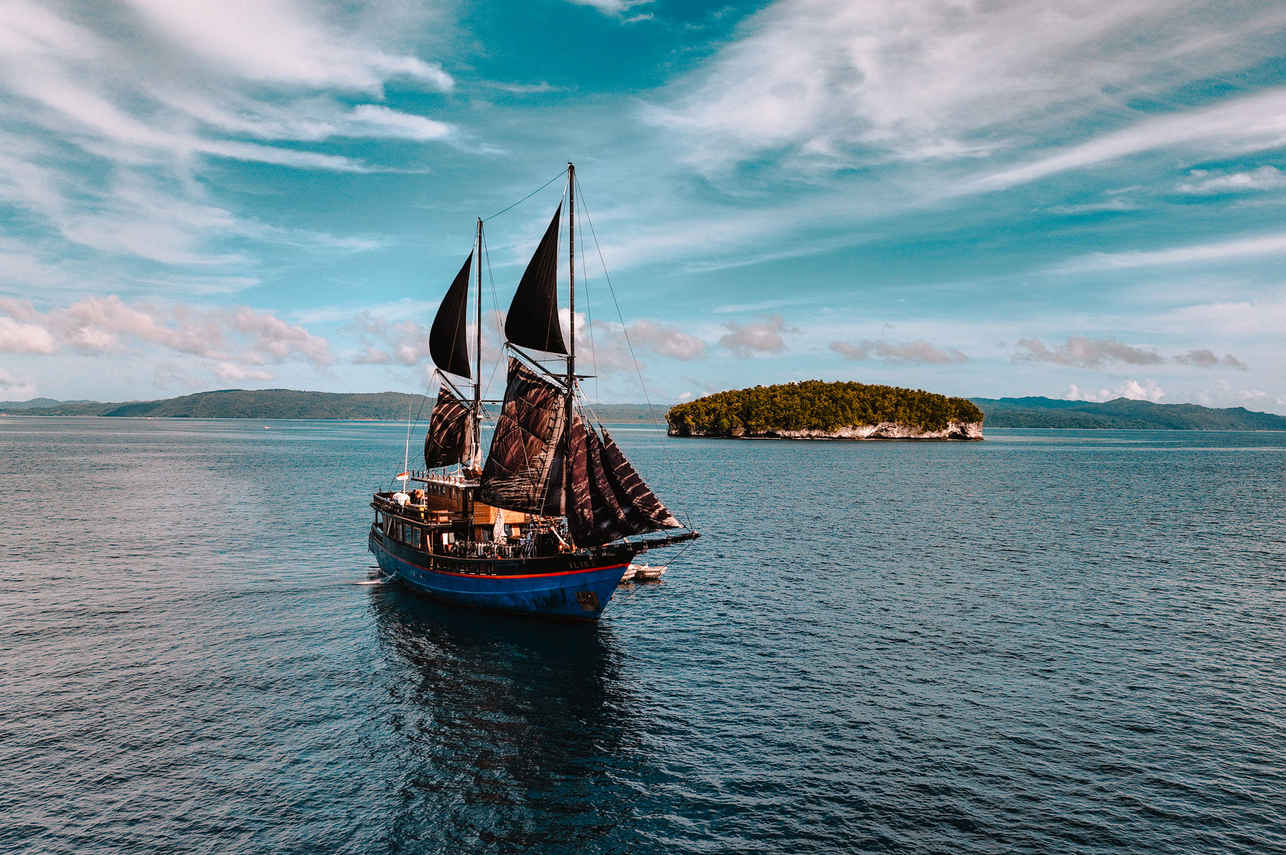
Ilike
Indonesia
16 guests40 m
Dive sites similar to Tual
Same character, same waters — six more sites divers love for the exact same reasons.Compare seasons, access and liveaboard routes — then pick the site that fits your trip best.
Abila is a notable dive site located within the Alor Islands Marine Park, an area celebrated for its rich marine biodiversity due to its position in the Coral Triangle.
- Suitable for
- Beginner
- Current
- Mild
- Access
- Liveaboard only
- Depth
- —
- Theme
- Reef
© Esri — Maxar, Earthstar, GIS
Adonara Channel
Alor
Adonara Channel stands as one of Alor's most iconic dive sites, celebrated for its dynamic currents and exceptionally rich biodiversity.
- Suitable for
- Advanced
- Current
- Strong
- Access
- Liveaboard or dayboat
- Depth
- 10–40 m
- Theme
- Drift / Wall
© Esri — Maxar, Earthstar, GIS
Adonara Wall
Indonesia
Adonara is an Indonesian island dive site, renowned for its vibrant underwater topography characterized by submerged seamounts.
- Suitable for
- Intermediate
- Current
- Strong
- Access
- Liveaboard or dayboat
- Depth
- 5–35 m
- Theme
- Seamount / Wall
© Esri — Maxar, Earthstar, GIS
Agnay Fish Sanctuary
Philippines
Agnay Fish Sanctuary is nestled in a sheltered bay near the village of Agnay in Romblon, a province celebrated for its rich marine biodiversity.
- Suitable for
- Beginner
- Current
- Mild
- Access
- Dayboat
- Depth
- 9–18 m
- Theme
- Reef
© Esri — Maxar, Earthstar, GIS
Ai Island Reef
Banda Sea
Ai Island Reef, nestled within the Banda Sea, offers a remarkable diving experience characterized by its rich marine biodiversity and varied underwater topography.
- Suitable for
- Beginner
- Current
- Strong
- Access
- Liveaboard only
- Depth
- 3–30 m
- Theme
- Reef / Seamount
© Esri — Maxar, Earthstar, GIS
Akitsushima
Philippines
The Akitsushima is a distinguished World War II Japanese seaplane tender, sunk in September 1944 during an American air raid in Coron Bay, Palawan.
- Suitable for
- Advanced
- Current
- Strong
- Access
- Dayboat
- Depth
- 22–38 m
- Theme
- Wreck