About Sulambali
Sulambali is recognized as a premier wall dive site within the Alor archipelago, lauded for its stunning, healthy coral formations and rich marine biodiversity. This site provides a vivid tapestry of marine life against a backdrop of steep, dramatic underwater topography, characteristic of Alor's volcanic origins. It stands out as a prime location for experiencing the region's expansive reef ecosystems and diverse fish populations. The dive profile typically involves exploring a steep wall adorned with a profusion of brilliantly colored hard and soft corals. Depths along the wall can extend significantly, attracting a variety of reef fish and potentially larger pelagics moving in the currents. The healthy state of the corals indicates robust oceanic conditions, including nutrient-rich waters that fuel the ecosystem. While specific seasonality for Sulambali is not detailed, the general Alor diving season from April to November offers optimal conditions, with cooler waters and stronger currents in the July-September period potentially increasing pelagic sightings. The vibrant coral gardens are a constant feature, hosting various reef residents throughout the year. The site is generally known for wide-angle photographic opportunities due to its extensive coral coverage and schooling fish. Diving Sulambali often begins with a boat entry, allowing divers to descend directly onto the wall. The dive typically proceeds along the wall, exploring crevices and overhangs, before a controlled ascent and safety stop. Divers should be prepared for potential currents, which are common in Alor and contribute to the site's rich environment, requiring good buoyancy control and current experience.
Highlights
Steep, vibrant coral wallsTeeming with fish lifeHealthy hard and soft coralsDiverse marine environmentPristine Alor diving
Season calendar
Best months to dive here
Jan
Feb
Mar
Apr
May
Jun
Jul
Aug
Sep
Oct
Nov
Dec
Excellent
Good
Off-Season
Apr – Nov (Dry Season)
Best visibility up to 30m+, calm seas, minimal rain. Peak pelagic action with hammerheads Oct–Nov. Ideal liveaboard conditions.
Mar & Dec (Transition)
Changing conditions, still good diving. Occasional rain showers but underwater life remains excellent. Good value season.
Jan – Feb (Wet Season)
Rainy season with reduced visibility (10–15m) and rougher seas. Some liveaboard operators pause Alor itineraries. Budget-friendly if operating.
Dive site facts: Sulambali
- Current
- Variable, moderate to strong
- Visibility
- 10–40 m (regionally)
- Water temperature
- 25–30°C (regionally)
- Entry
- Boat
- Level
- All levels (current experience beneficial)
- Dive type
- Wall, coral reef
- Region / port
- Alor, Indonesia
- Coordinates
- 8.2530° S, 124.4980° E
Conditions & Currents
Currents in the Alor region are known for being unpredictable and can range from moderate to strong, influenced by the convergence of Pacific and Indian Ocean waters. Divers should always be prepared for changing conditions, and a surface marker buoy (SMB) is an essential safety item due to potential drift. While specific current details for Sulambali Wall are not provided, it is generally understood that sites in Alor can experience varying current strengths that bring in nutrient-rich waters, contributing to the abundant marine life. Entry and exit procedures will be dictated by the prevailing conditions, often involving negative entries on stronger currents to quickly reach the shelter of the reef. Thermoclines are occasionally encountered in Alor, with water temperatures potentially dropping at depth, which can affect comfort and require appropriate thermal protection. Visibility in
Marine life & sighting chances

Tropical fish
common
Nudibranchs
common
Seahorses
occasional
Crustaceans
common
Sea turtles
occasional
Barracudas
occasional
Reef sharks
occasional
Pygmy seahorses
occasional
Ghost pipefish
occasional
Frogfish
occasionalDive profile & how the dive runs
Diving Sulambali Wall typically begins with a boat entry, often close to the wall itself. The dive plan usually involves descending along the vibrant coral-covered wall, allowing divers to explore the rich biodiversity at various depths. You will likely drift along the wall, observing the healthy hard and soft corals that cling to its face, while also keeping an eye out for schooling fish in the blue. The dive guide will lead the group through interesting features, pointing out macro life tucked into crevices and larger marine life patrolling the reef edge. The general progression is often a multi-level profile, starting deeper and gradually ascending as the dive progresses to maximize bottom time. The turnaround point is usually determined by air consumption or bottom time limits. The safety stop is conducted in the shallower sections of the reef, allowing for further observation of smaller marine creatures before surfacing, where the boat will be waiting for pickup.
Underwater photography
Sulambali Wall offers fantastic opportunities for both wide-angle and macro photography due to its diverse ecosystem. For capturing the expansive, colorful coral walls and schooling fish, a wide-angle lens is ideal. Consider using dual strobes to illuminate the vibrant corals and bring out their true colors against the deep blue. When focusing on macro subjects, which are abundant in Alor's reefs, a macro lens will allow you to capture the intricate details of nudibranchs, small crustaceans, and other critters found in the wall's crevices. A snoot can be effective for isolating macro subjects against darker backgrounds. Excellent buoyancy control is paramount to avoid damaging the pristine corals and to maintain stable shots, especially when currents are present. Be mindful of your fin kicks and maintain a respectful distance from marine life, allowing them to behave naturally. Proper lighting is key to showcasing the vivid hues of the reef.
Combine with nearby dive sites
- Red Sand
A noted muck diving site with distinctive rusty-red volcanic sand.
- Abila
A drift and wall dive known for colorful corals, ribbon eels, and rare finds like frogfish.
- Current Alley
Likely a site known for significant currents, common in Alor.
- The Arch
Features a natural underwater rock arch adorned with soft corals and sea fans.
- Mahi Point
A shallow reef site excellent for macro photography.
Getting there & logistics
Access to Alor, the region where Sulambali is located, typically involves a multi-leg journey. International travelers usually fly into Denpasar (Bali) or Jakarta, then take a domestic flight to Kupang (West Timor), followed by a final propeller plane flight to Alor's capital, Kalabahi. From Kalabahi, it's often a car transfer and then a boat ride to resorts or liveaboard departure points. Dive trips in Alor often range from 7 to 10 days, combining various types of sites from vibrant walls like Sulambali to unique muck dives. Alor is sometimes included as part of extended liveaboard itineraries that traverse the Banda Sea or Forgotten Islands. There are no specific national park fees mentioned for Alor diving, but it is always advisable to confirm with your chosen operator.
Safety & environment
Diving in Alor requires adherence to standard safety protocols due to its remote location and potentially changing conditions. The nearest recompression chamber is located in Bali, necessitating robust evacuation plans in case of a serious dive emergency. Comprehensive dive insurance, including medical evacuation coverage, is therefore non-negotiable. Site-specific hazards in Alor can include unpredictable currents, thermoclines, and potentially remote communication. Divers should always carry a surface marker buoy (SMB) and know how to deploy it, especially in areas with potential drift. Listen carefully to dive briefings, maintain proper buoyancy to protect the pristine reefs, and stay with your dive buddy and guide. Always dive within your training and experience limits, especially when currents are strong.
Who it suits — and who it doesn't
Suited for
- Divers seeking pristine, colorful coral reefs
- Underwater photographers interested in wide-angle scenes
- Divers who appreciate diverse fish life on walls
- Those comfortable with potential currents
- Divers looking for less-trafficked, remote destinations
Less suited for
- New divers without current experience
- Divers who prefer entirely calm, current-free sites
- Those who dislike remote travel logistics
- Divers seeking only large pelagic encounters (while possible, it's not guaranteed every dive)
FAQ
Sulambali FAQ
What kind of marine life can I expect at Sulambali Wall?
Sulambali Wall is known for its healthy and diverse marine ecosystem. You can expect to see a wide array of tropical fish, various species of nudibranchs, and other small critters hiding within the coral formations. Occasional sightings of sea turtles and reef sharks are also possible, making each dive a vibrant experience.
Are there strong currents at Sulambali Wall?
Currents in Alor, including at sites like Sulambali Wall, can be unpredictable and range from moderate to strong. These currents bring nutrient-rich waters that support the abundant marine life. Divers should be prepared for varying conditions and listen closely to their dive guide's briefing regarding current strength and direction.
What is the visibility like at Sulambali Wall?
Underwater visibility in Alor is generally very good, often ranging between 10 to 30 meters, and on exceptional days, it can extend up to 40 meters. While specific visibility for Sulambali Wall can vary with conditions and plankton blooms, divers usually enjoy clear views of the vibrant reef.
Is Sulambali Wall suitable for beginner divers?
Sulambali Wall can be suitable for divers of all levels, especially those comfortable with potential currents. While the site offers rich experiences for beginners, those with some experience in current diving will find it more manageable. Always consult with your dive operator about current conditions and your comfort level.
What type of dive is Sulambali Wall known for?
Sulambali Wall is primarily known as a vibrant wall dive. Its steep coral-covered slopes are teeming with life, offering a classic reef diving experience with healthy hard and soft corals. It provides excellent opportunities for both wide-angle photography of the wall's expanse and macro photography of smaller creatures.
Why dive Sulambali from a liveaboard?
Sulambali is one of Alor's signature dive sites. A liveaboard sleeps you on the water and puts you in the water for three to four guided dives per day, including dawn and night dives that day-boat operators rarely offer. You skip the daily commute back to port and reach quieter, less-crowded sites in the same region on a single trip.
Below are the liveaboards that include Sulambali on their Alor itineraries.
Liveaboards diving Sulambali
These liveaboards may visit Sulambali on selected itineraries — the exact dive sites depend on departure, weather and conditions.
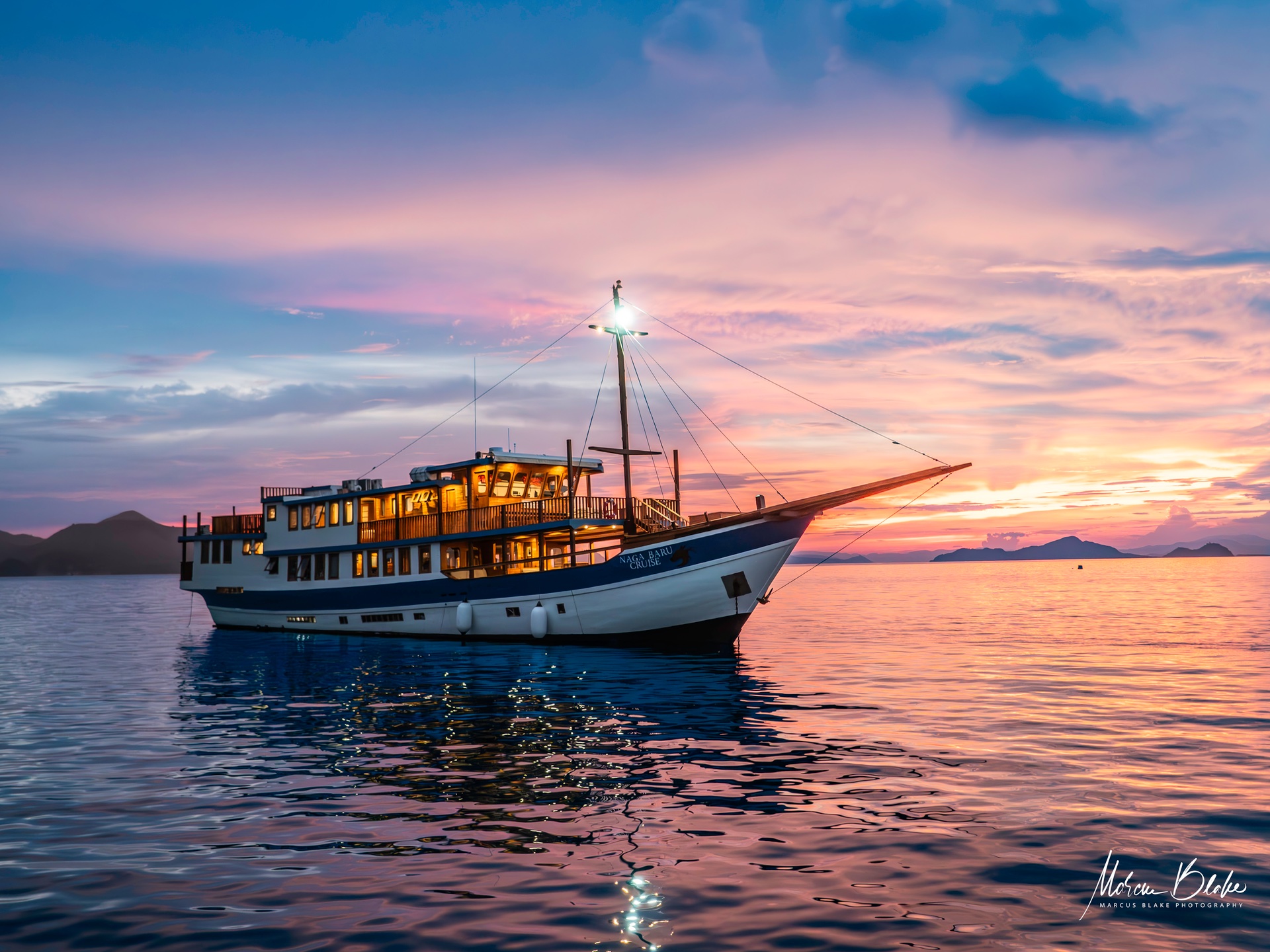
Naga Biru
Indonesia
12 guests40 m
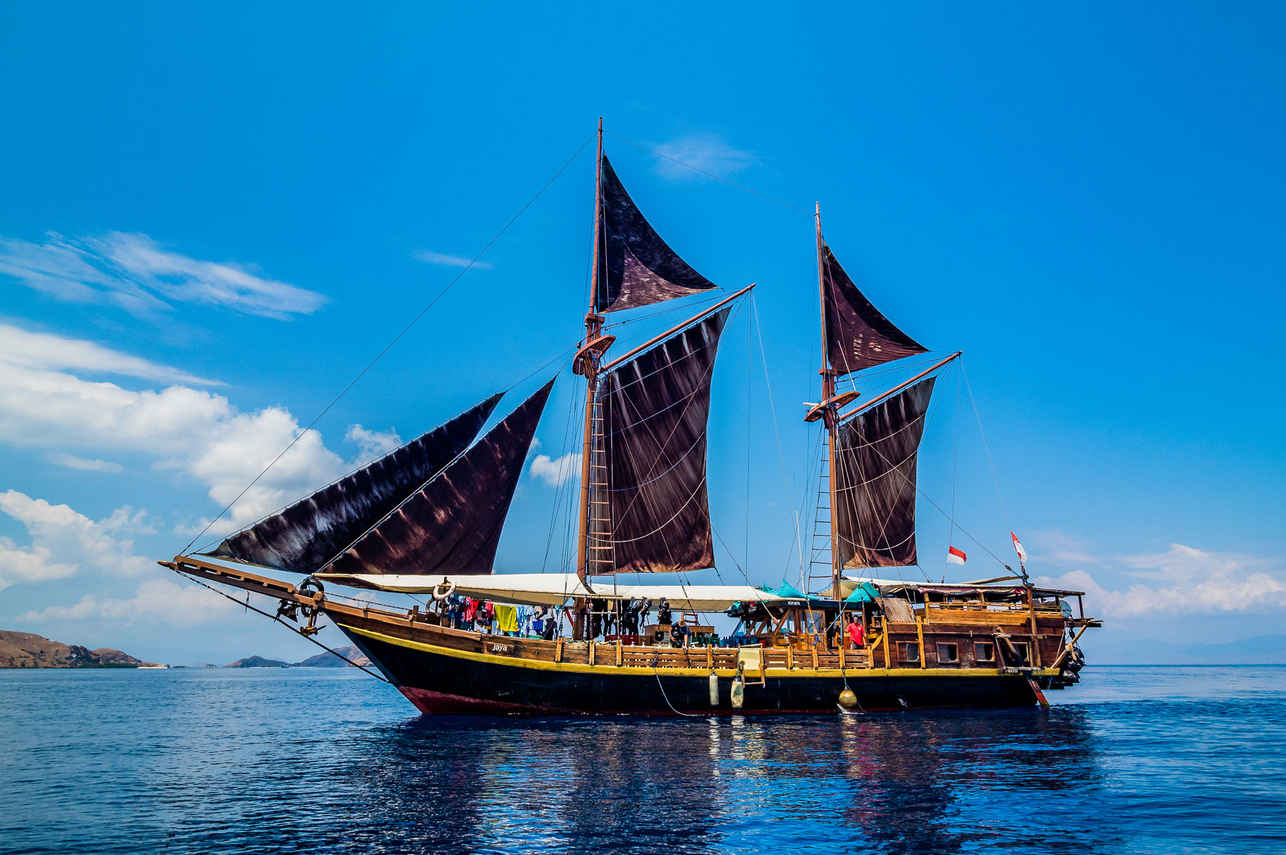
Jaya
Indonesia
14 guests23 m
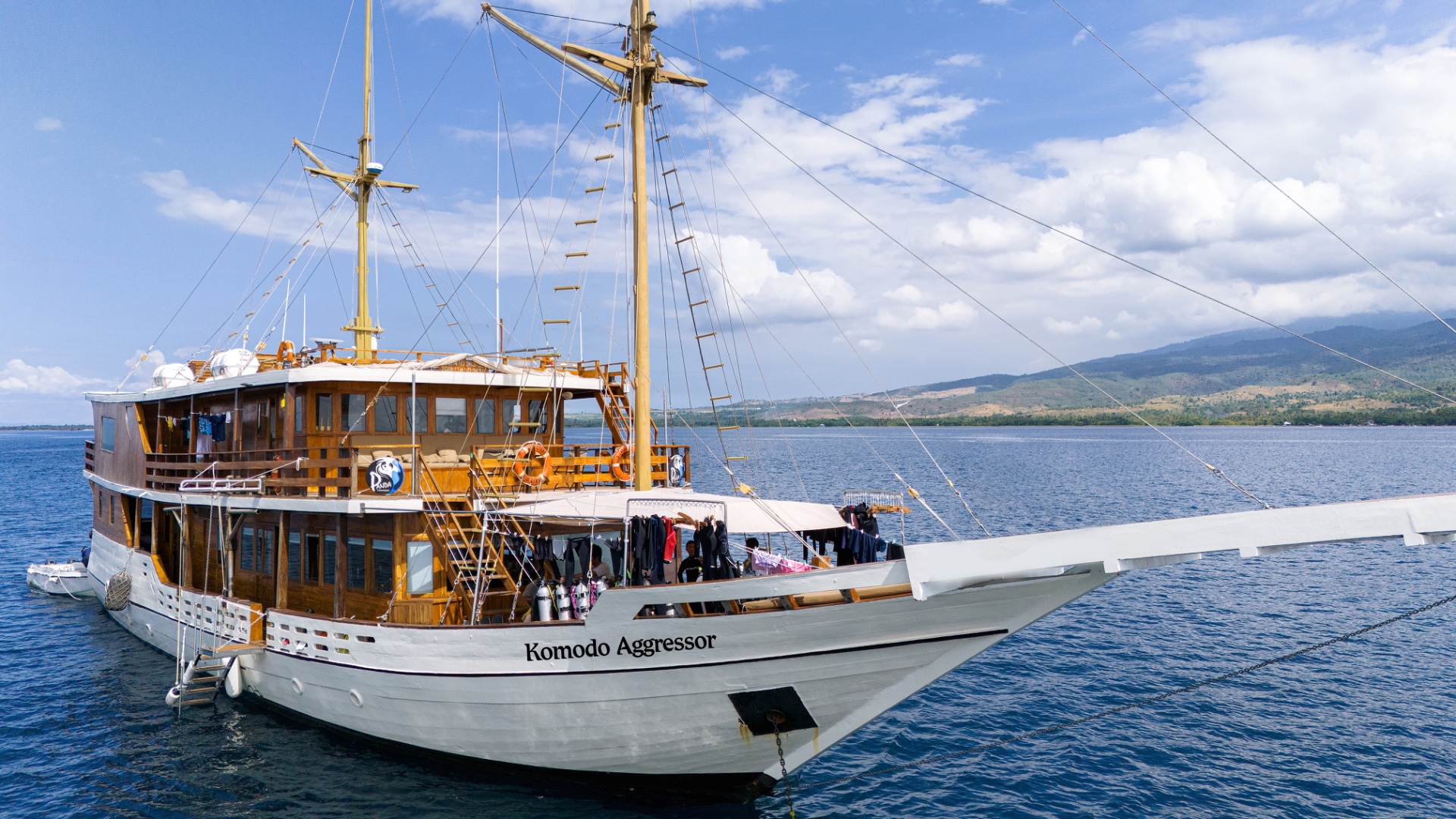
Komodo Aggressor
Komodo, Indonesia
16 guests29 m
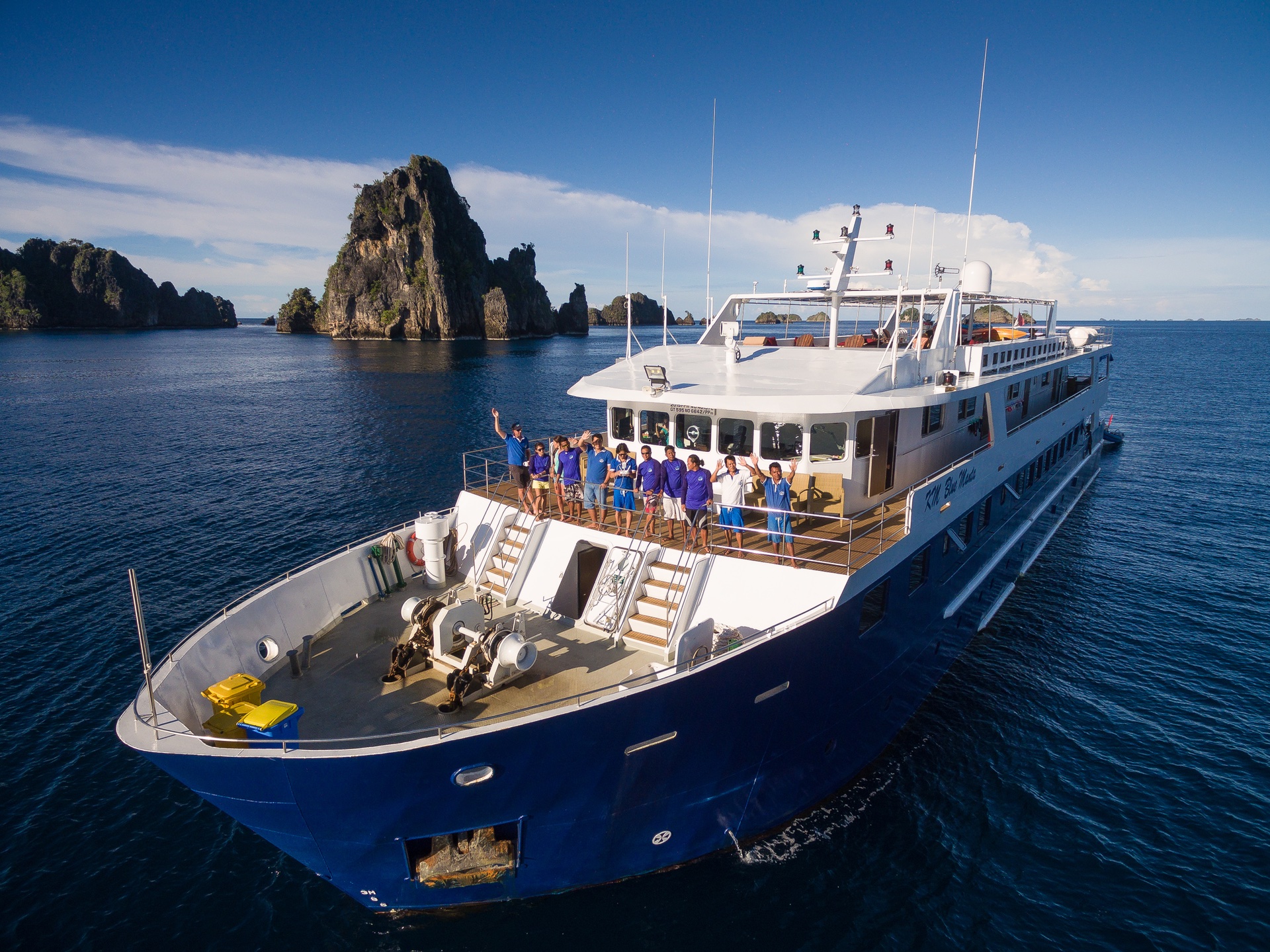
Blue Manta
Indonesia
20 guests45 m
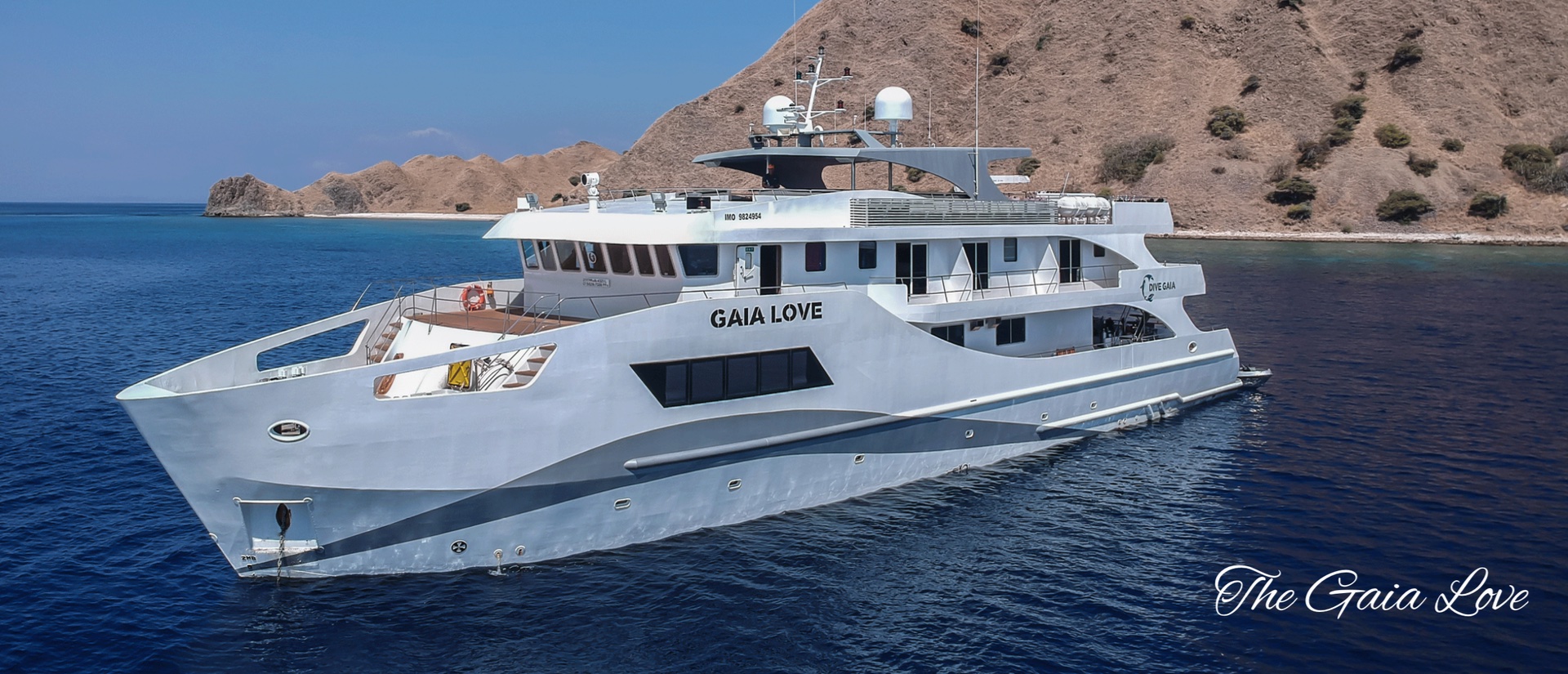
Gaia Love
Alor
20 guests
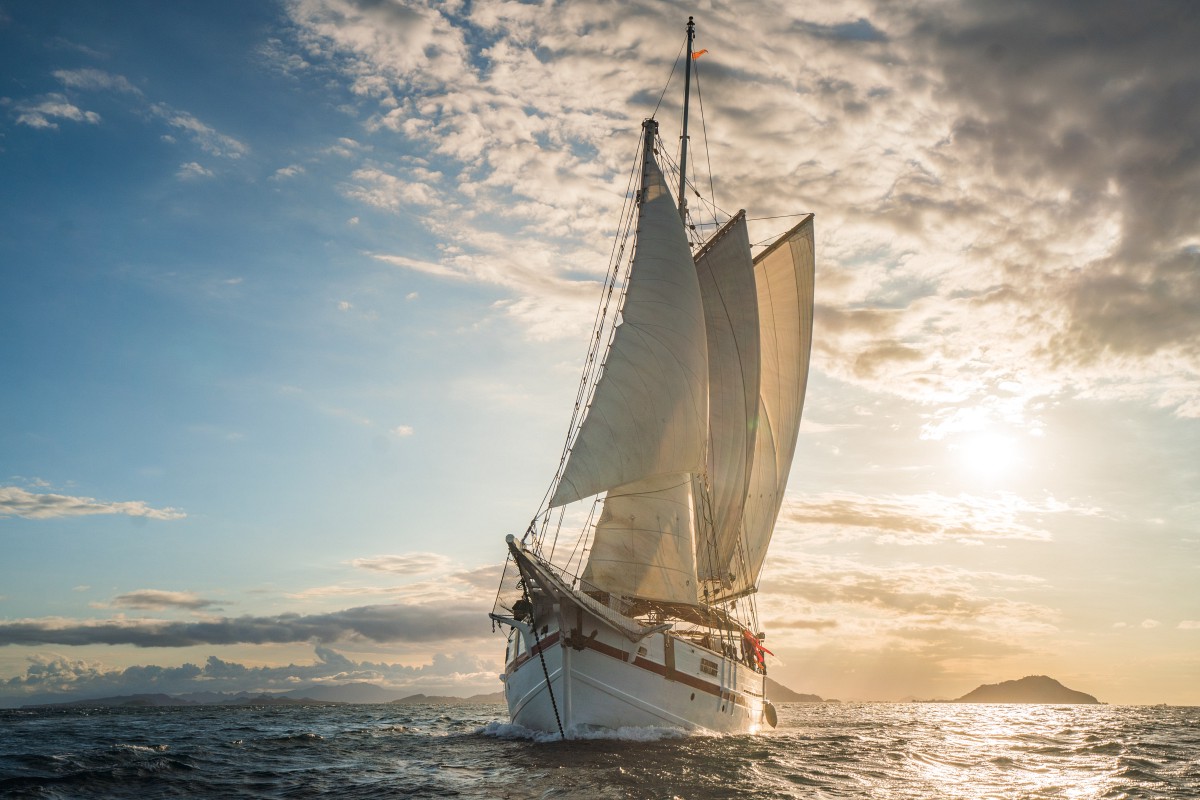
Emperor Raja Laut
Raja Ampat, Indonesia
12 guests31 m
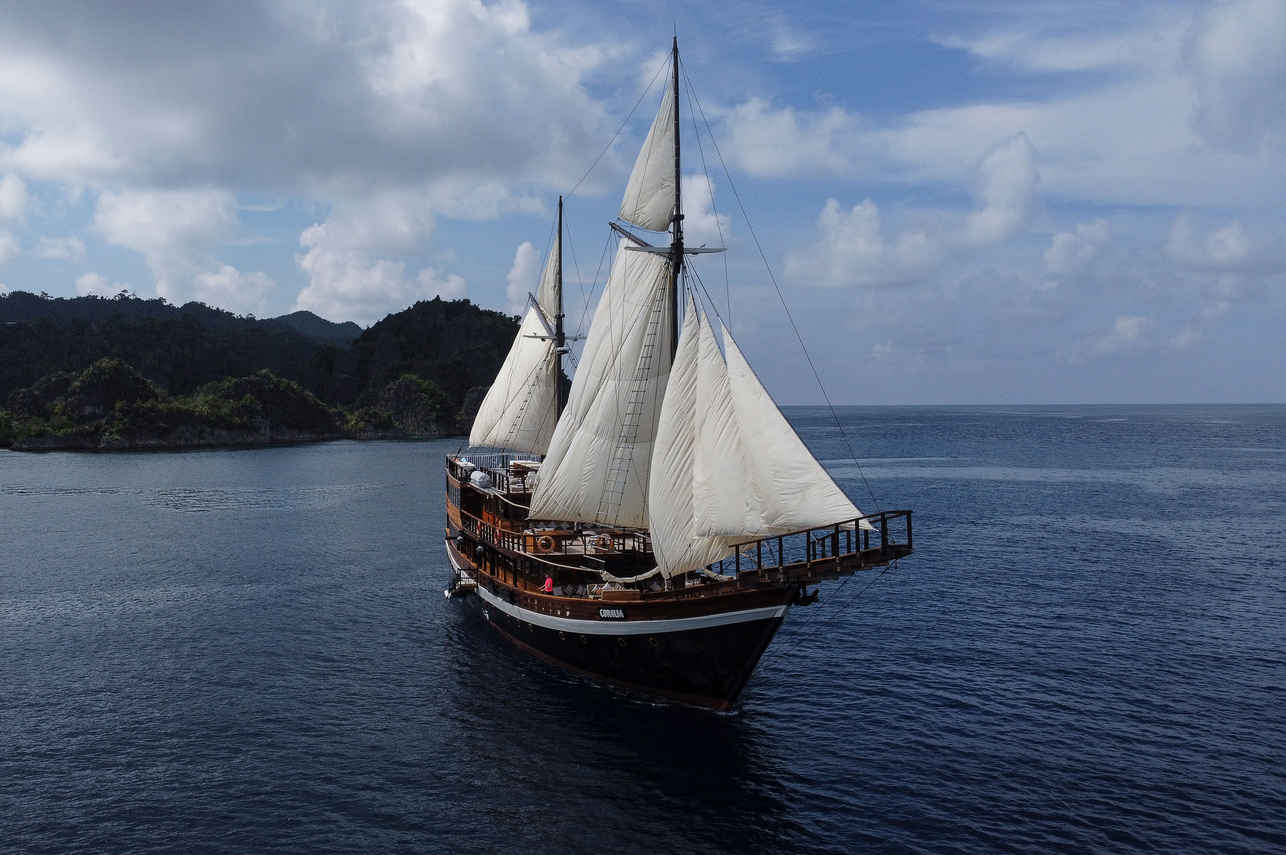
Coralia
Indonesia
16 guests48 m
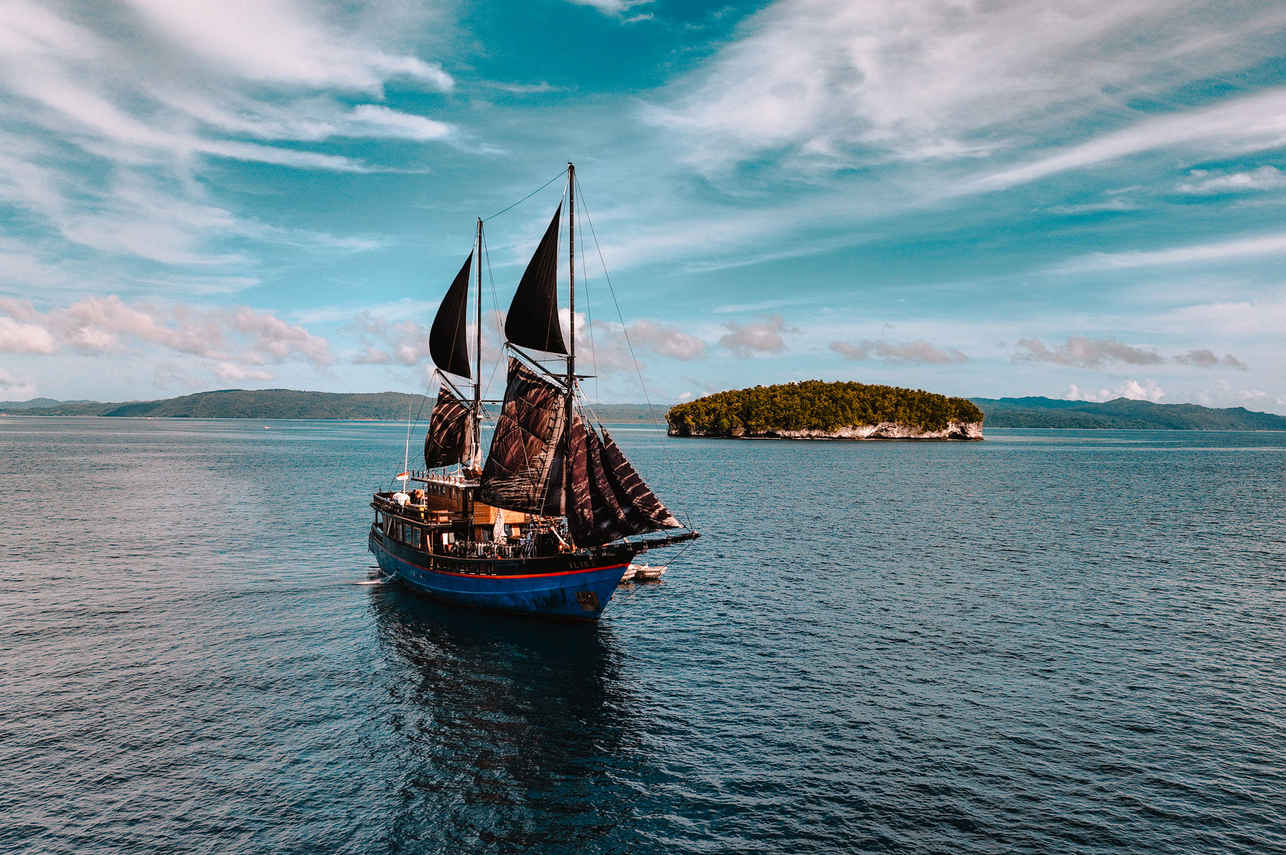
Ilike
Indonesia
16 guests40 m
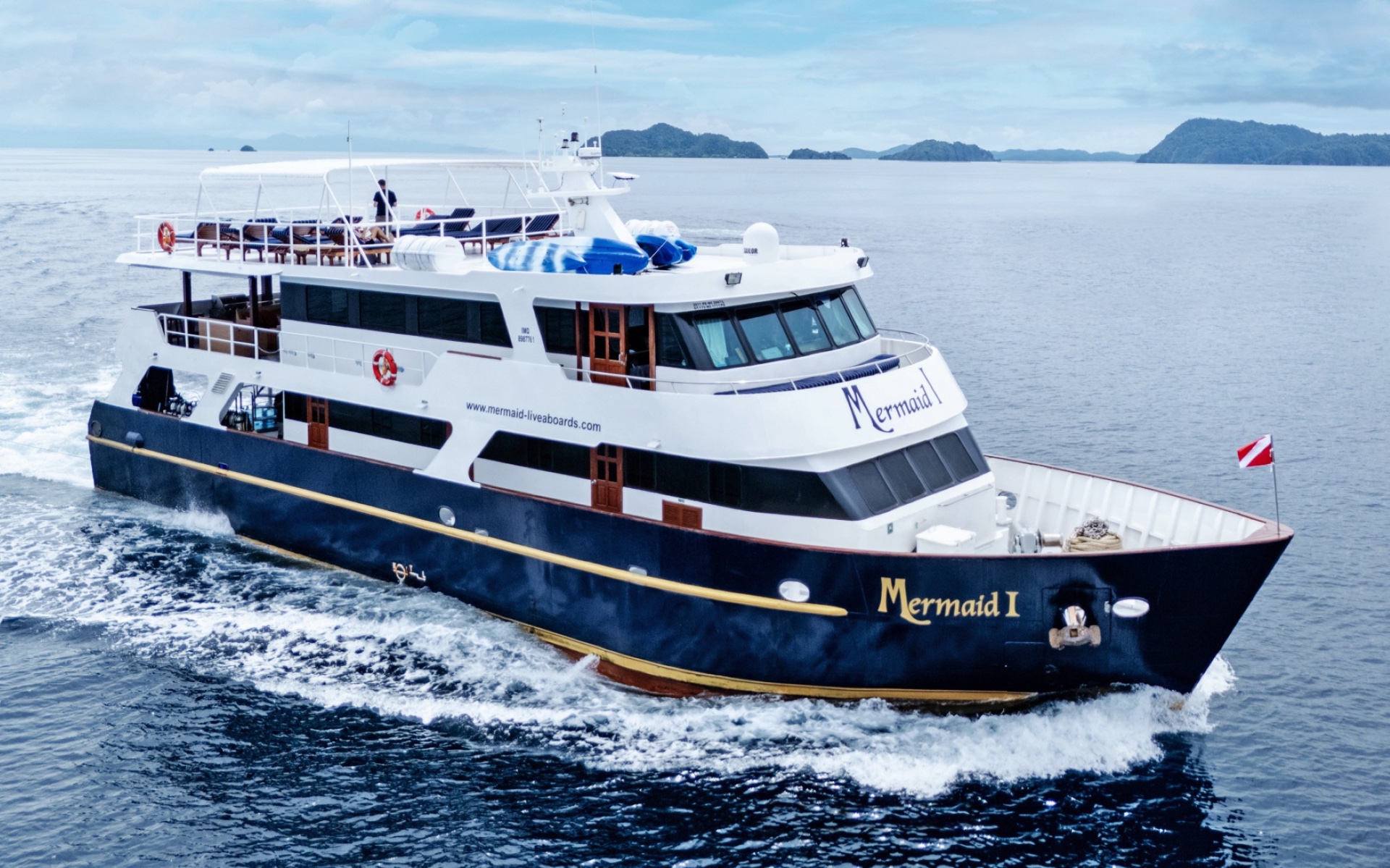
Mermaid I
Alor
15 guests28 m
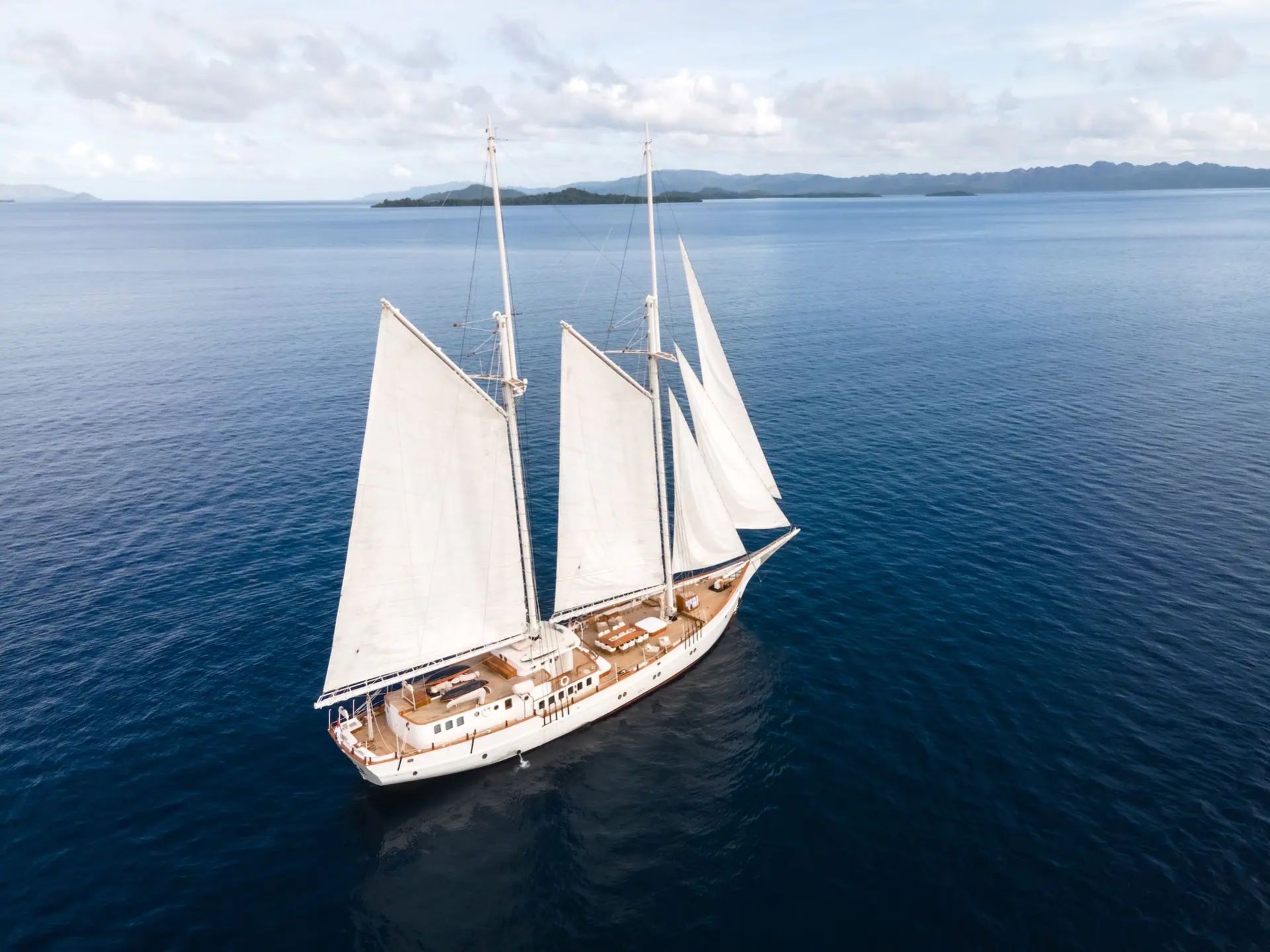
Mutiara Laut
Indonesia
14 guests46 m
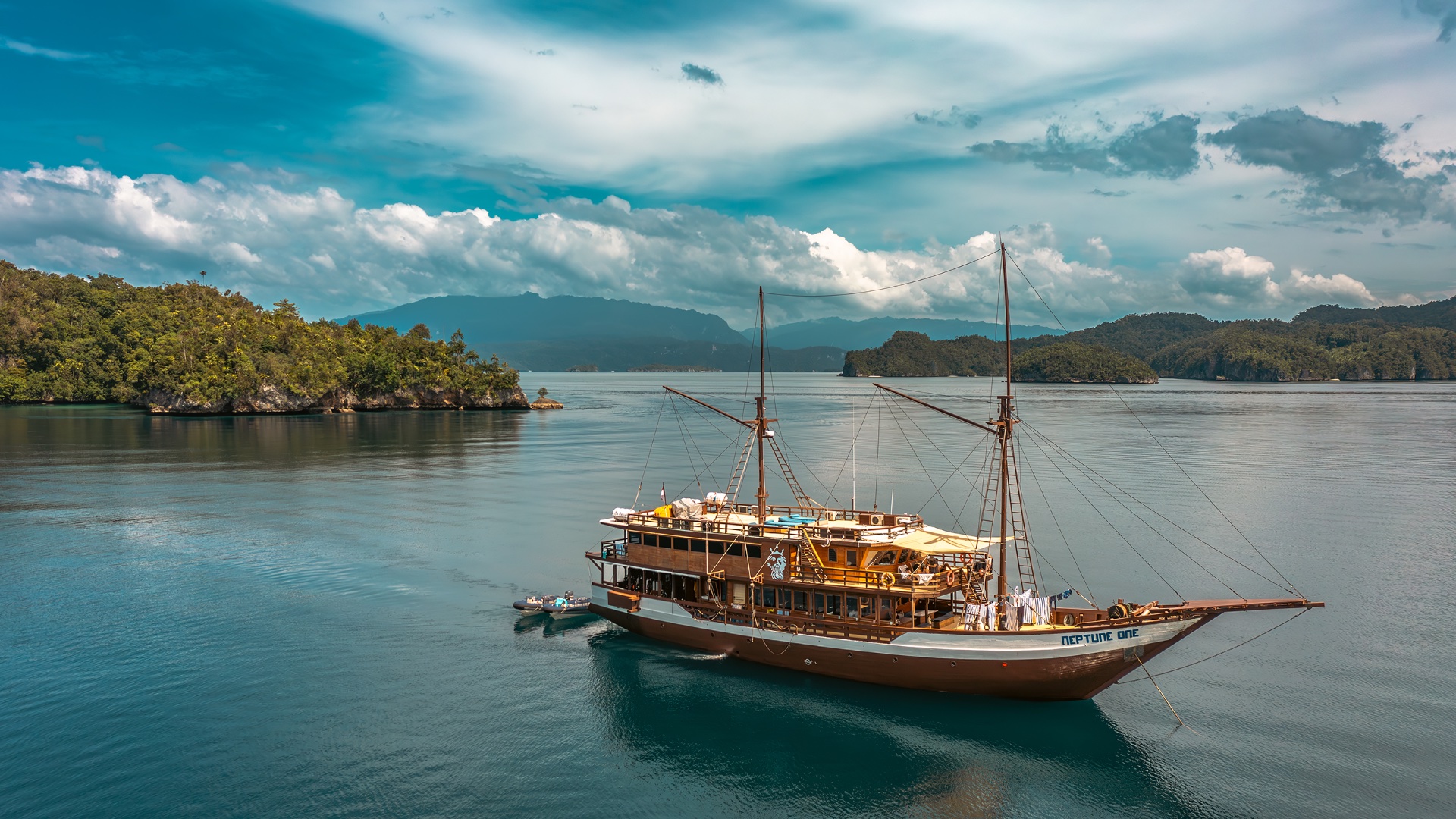
Neptune One
Indonesia
16 guests38 m
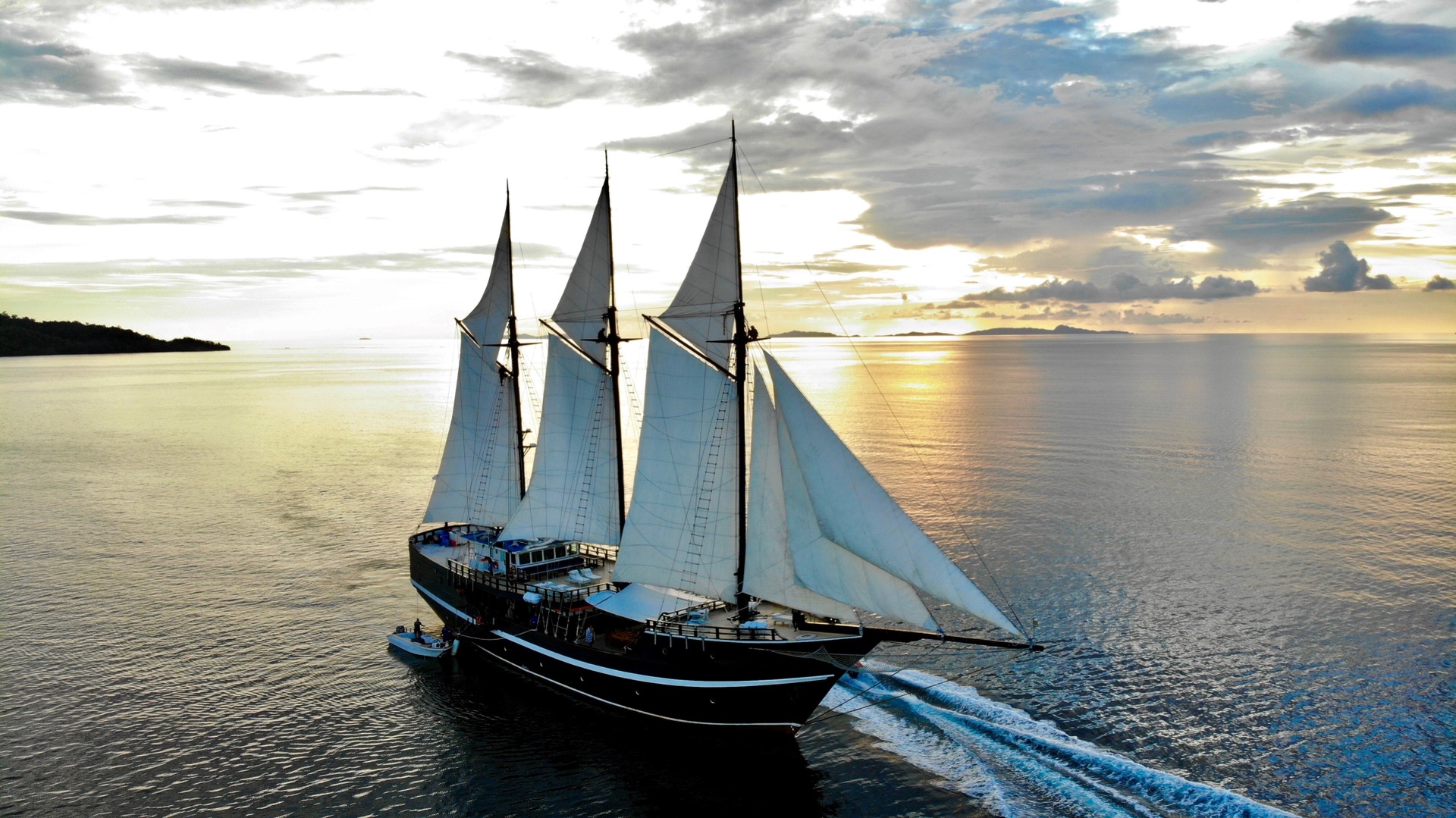
Dewi Nusantara
Indonesia
18 guests57 m
Dive sites similar to Sulambali
Same character, same waters — six more sites divers love for the exact same reasons.Compare seasons, access and liveaboard routes — then pick the site that fits your trip best.
Abila is a notable dive site located within the Alor Islands Marine Park, an area celebrated for its rich marine biodiversity due to its position in the Coral Triangle.
- Suitable for
- Beginner
- Current
- Mild
- Access
- Liveaboard only
- Depth
- —
- Theme
- Reef
© Esri — Maxar, Earthstar, GIS
Adonara Channel
Alor
Adonara Channel stands as one of Alor's most iconic dive sites, celebrated for its dynamic currents and exceptionally rich biodiversity.
- Suitable for
- Advanced
- Current
- Strong
- Access
- Liveaboard or dayboat
- Depth
- 10–40 m
- Theme
- Drift / Wall
© Esri — Maxar, Earthstar, GIS
Adonara Wall
Indonesia
Adonara is an Indonesian island dive site, renowned for its vibrant underwater topography characterized by submerged seamounts.
- Suitable for
- Intermediate
- Current
- Strong
- Access
- Liveaboard or dayboat
- Depth
- 5–35 m
- Theme
- Seamount / Wall
© Esri — Maxar, Earthstar, GIS
Agnay Fish Sanctuary
Philippines
Agnay Fish Sanctuary is nestled in a sheltered bay near the village of Agnay in Romblon, a province celebrated for its rich marine biodiversity.
- Suitable for
- Beginner
- Current
- Mild
- Access
- Dayboat
- Depth
- 9–18 m
- Theme
- Reef
© Esri — Maxar, Earthstar, GIS
Ai Island Reef
Banda Sea
Ai Island Reef, nestled within the Banda Sea, offers a remarkable diving experience characterized by its rich marine biodiversity and varied underwater topography.
- Suitable for
- Beginner
- Current
- Strong
- Access
- Liveaboard only
- Depth
- 3–30 m
- Theme
- Reef / Seamount
© Esri — Maxar, Earthstar, GIS
Akitsushima
Philippines
The Akitsushima is a distinguished World War II Japanese seaplane tender, sunk in September 1944 during an American air raid in Coron Bay, Palawan.
- Suitable for
- Advanced
- Current
- Strong
- Access
- Dayboat
- Depth
- 22–38 m
- Theme
- Wreck