About Rasdhoo Beyru
Rasdhoo Beyru is a prominent dive site located on the south side of Rasdhoo Island within the Rasdhoo Atoll, which is part of the larger Alif Alif Atoll, 56 kilometers west of Malé. This site is defined by a beautiful reef wall, three distinctive offshore coral pinnacles, locally known as thilas, and a narrow sandy corridor separating these formations. The topography creates an engaging environment for divers, blending reef scenery with open-ocean encounters. The thilas begin at depths of 18 to 20 meters, while the sandy bottom between the wall and pinnacles ranges from 25 to 30 meters. The site also features a steep outer-atoll drop-off. Rasdhoo Beyru is known for its excellent combination of pelagic species, such as grey reef sharks, whitetip reef sharks, and eagle rays, alongside abundant macro subjects. Regular sightings of Napoleon wrasse and various smaller creatures make it appealing to divers with different interests. Conditions at Rasdhoo Beyru can vary, with currents ranging from small to strong, and even very strong on occasion, making it suitable for both beginners and advanced divers depending on the chosen route and prevailing conditions. Beginners may explore the shallower island wall, while more experienced divers can navigate the sandy corridor to the deeper pinnacles. Visibility is typically good, enhancing the experience of drifting along this vibrant reef.
Highlights
Wall and pinnacle topographyOffshore coral pinnacles (thilas)Sandy corridor marine lifeGrey and whitetip reef sharksEagle rays and mantasNapoleon wrasse sightingsExcellent macro photographySteep outer-atoll drop-off
Season calendar
Best months to dive here
Jan
Feb
Mar
Apr
May
Jun
Jul
Aug
Sep
Oct
Nov
Dec
Good
Dive site facts: Rasdhoo Beyru
- Depth
- 5-30 m (wall to sandy bottom)
- Current
- Small to very strong
- Visibility
- 15-30 m
- Water temperature
- 26-30°C
- Entry
- Boat
- Level
- Beginner to advanced
- Dive type
- Wall, drift, channel, macro, big_animals
- Region / port
- Rasdhoo Atoll, Alif Alif Atoll
- Coordinates
- 3.0831° N, 73.3216° E
Conditions & Currents
Rasdhoo Beyru is a channel dive site where currents can range from small to medium, but can also become strong or even very strong, especially when the atoll meets open water. The site often experiences a consistent current that keeps the reef healthy and attracts pelagic species. Divers should be prepared for drift diving conditions and maintain good buoyancy control. Entry is typically by boat, requiring careful planning with the dive guide to navigate the current safely. Visibility is generally outstanding, allowing clear views of the wall and its inhabitants despite the strong flow. Diver experience is crucial here, as navigating the varying current strengths, especially when crossing the sandy corridor to deeper pinnacles, requires awareness and adherence to the dive briefing.
Marine life & sighting chances

Grey reef shark
common
Whitetip reef shark
common
Napoleon wrasse
common
Stingray
common
Eagle ray
occasional
Manta ray
rare
Hawksbill turtle
occasional
Jacks
common
Trevally
common
Moray eel
occasional
Sweetlips
occasional
Snappers
occasional
Groupers
occasional
Blue ribbon eel
occasionalDive profile & how the dive runs
Diving at Rasdhoo Beyru typically involves a boat entry onto the wall of Rasdhoo Island. For beginners, the dive may concentrate on the shallower island wall. More experienced divers will often cross the narrow sandy corridor, which lies at approximately 25-30 meters, to explore the three offshore coral pinnacles. These thilas have tops starting at 18-20 meters. The dive usually progresses with the current, allowing for a drift along the wall or between the pinnacles, observing resting stingrays on the sandy bottom and various shark species patrolling the edges. Divers should maintain awareness of their depth and gas, especially when navigating deeper sections. The safety stop is conducted in the shallower reef areas or as determined by the dive guide's briefing, taking into account current conditions.
Underwater photography
Rasdhoo Beyru offers rewarding photography opportunities for both wide-angle and macro enthusiasts. For the sweeping wall and pelagic encounters with sharks, eagle rays, and schooling fish, a wide-angle lens is recommended. Excellent visibility typically supports vibrant reef shots. When focusing on the reef and sandy bottom, keep an eye out for resting stingrays and smaller subjects like blue ribbon eels, mantis shrimp, nudibranchs, and octopuses, which thrive here. A macro lens will be invaluable for capturing these intricate details. Strong currents may necessitate careful buoyancy and positioning to stabilize shots. External strobes are beneficial for color rendition and enhancing detail, especially when shooting into the blue or at deeper sections of the wall and thilas.
Combine with nearby dive sites
- Madivaru Corner
Madivaru Corner, located in the Rasdhoo Atoll, also known as North Ari Atoll (Alif Alif Atoll), stands out as a premier dive destination in…
- Madivaru Channel
- Rasdhoo Channel
- Holhi Faru
- Madi Gaa
Cleaning station within the atoll
Getting there & logistics
Rasdhoo Beyru is located in the Rasdhoo Atoll, which is 56 kilometers west of Malé, the capital of Alif Alif Atoll (Ari Atoll). Divers can reach Rasdhoo Atoll via several transfer options from Velana International Airport (MLE). These include seaplanes (approximately $365 USD round trip), scheduled speedboats ($35 USD one way), or private speedboats ($600 USD one way for up to 22 passengers). Public ferries are also available, taking 2.5 hours from Malé, though these may not be suitable for resort stays. The site is commonly visited as part of Central Atolls liveaboard itineraries or as day trips from resorts and local guesthouses on Rasdhoo Island. No specific permits are mentioned for diving Rasdhoo Beyru itself.
Safety & environment
Diving at Rasdhoo Beyru requires careful attention to the dive briefing due to potentially strong and very strong currents. Divers should be proficient in drift diving techniques and maintain excellent buoyancy control. Always follow the route selected by a knowledgeable local guide. The nearest recompression chamber is likely located in Malé, implying that evacuation for decompression sickness or serious injuries would involve significant travel time. Comprehensive dive insurance covering emergency evacuation and hyperbaric treatment is therefore highly recommended. Be aware of the steep outer drop-off and open-ocean exposure, and ensure all gear is secure before entry.
Who it suits — and who it doesn't
Suited for
- Experienced divers comfortable with strong currents
- Divers seeking pelagic encounters like sharks and rays
- Macro photographers keen on diverse small critters
- Underwater photographers looking for clear visibility
- Divers who enjoy drift dives along healthy walls
Less suited for
- New divers without current experience in channels
- Divers uncomfortable with potential deep sections (25-30m)
- Photographers easily overwhelmed by strong currents
- Divers seeking purely calm, sheltered reef dives
FAQ
Rasdhoo Beyru FAQ
What kind of marine life can I expect to see at Rasdhoo Beyru?
Rasdhoo Beyru is home to a rich variety of marine life. You can regularly encounter grey reef sharks, whitetip reef sharks, and Napoleon wrasse patrolling the wall and pinnacles. Stingrays often rest on the sandy bottom, and there are occasional sightings of eagle rays and, on very lucky days, manta rays. The site is also excellent for macro life, with creatures like blue ribbon eels, mantis shrimp, nudibranchs, and octopuses.
What are the typical diving conditions at Rasdhoo Beyru?
Conditions at Rasdhoo Beyru can be quite dynamic. Currents range from small to medium, but can become strong or very strong, especially as it's an outer channel dive. Visibility is generally outstanding, often exceeding 15-30 meters. Water temperatures are consistently warm, between 26-30°C. Divers should be prepared for drift diving.
Is Rasdhoo Beyru suitable for beginner divers?
Rasdhoo Beyru can accommodate both beginners and advanced divers, depending on the conditions and the dive plan. Beginners typically stay closer to the shallower island wall, while advanced divers can explore the deeper pinnacles across the sandy corridor. Due to potential strong currents and depths up to 30 meters, beginners should have some current experience and always follow the guidance of a local dive instructor.
How deep is Rasdhoo Beyru?
The dive site features a wall that extends down, with the tops of the offshore pinnacles starting at 18 to 20 meters. The sandy bottom between the wall and the pinnacles reaches depths of approximately 25 to 30 meters. The site also has a steep outer-atoll drop-off, making it a dive with varied depth profiles.
What is the topography of Rasdhoo Beyru?
Rasdhoo Beyru's topography is characterized by a beautiful reef wall along the southern side of Rasdhoo Island. This wall is complemented by three small offshore coral pinnacles, or thilas, located further out on the drop-off edge. A narrow sandy corridor lies between the main wall and these pinnacles, creating a distinctive underwater landscape with both reef and channel features.
Why dive Rasdhoo Beyru from a liveaboard?
Rasdhoo Beyru is one of Maldives's signature dive sites. A liveaboard sleeps you on the water and puts you in the water for three to four guided dives per day, including dawn and night dives that day-boat operators rarely offer. You skip the daily commute back to port and reach quieter, less-crowded sites in the same region on a single trip.
Below are the liveaboards that include Rasdhoo Beyru on their Maldives itineraries.
Liveaboards diving Rasdhoo Beyru
These liveaboards may visit Rasdhoo Beyru on selected itineraries — the exact dive sites depend on departure, weather and conditions.
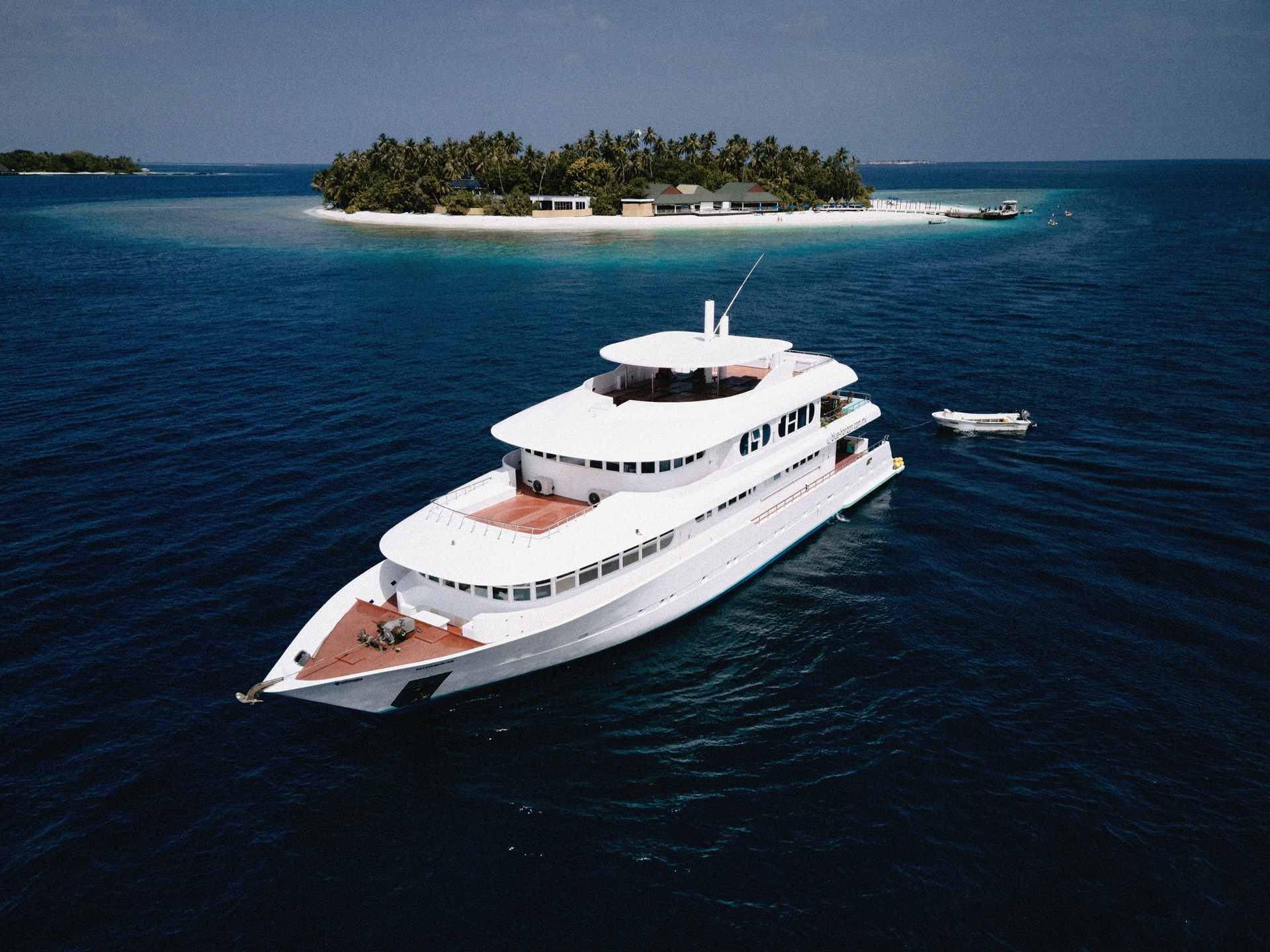
Horizon III
Maldives
25 guests
$204/day
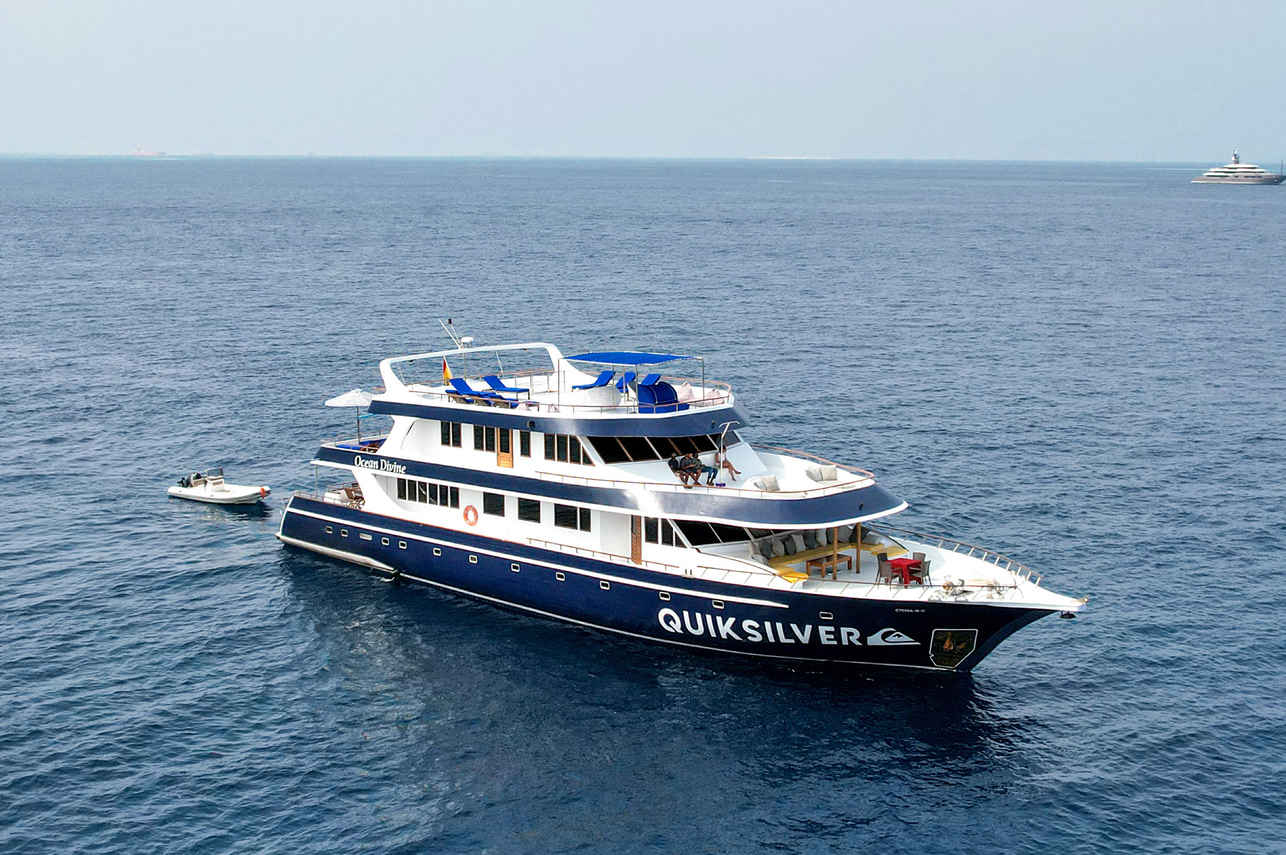
Ocean Divine
Maldives
16 guests33.528 m
$287/day
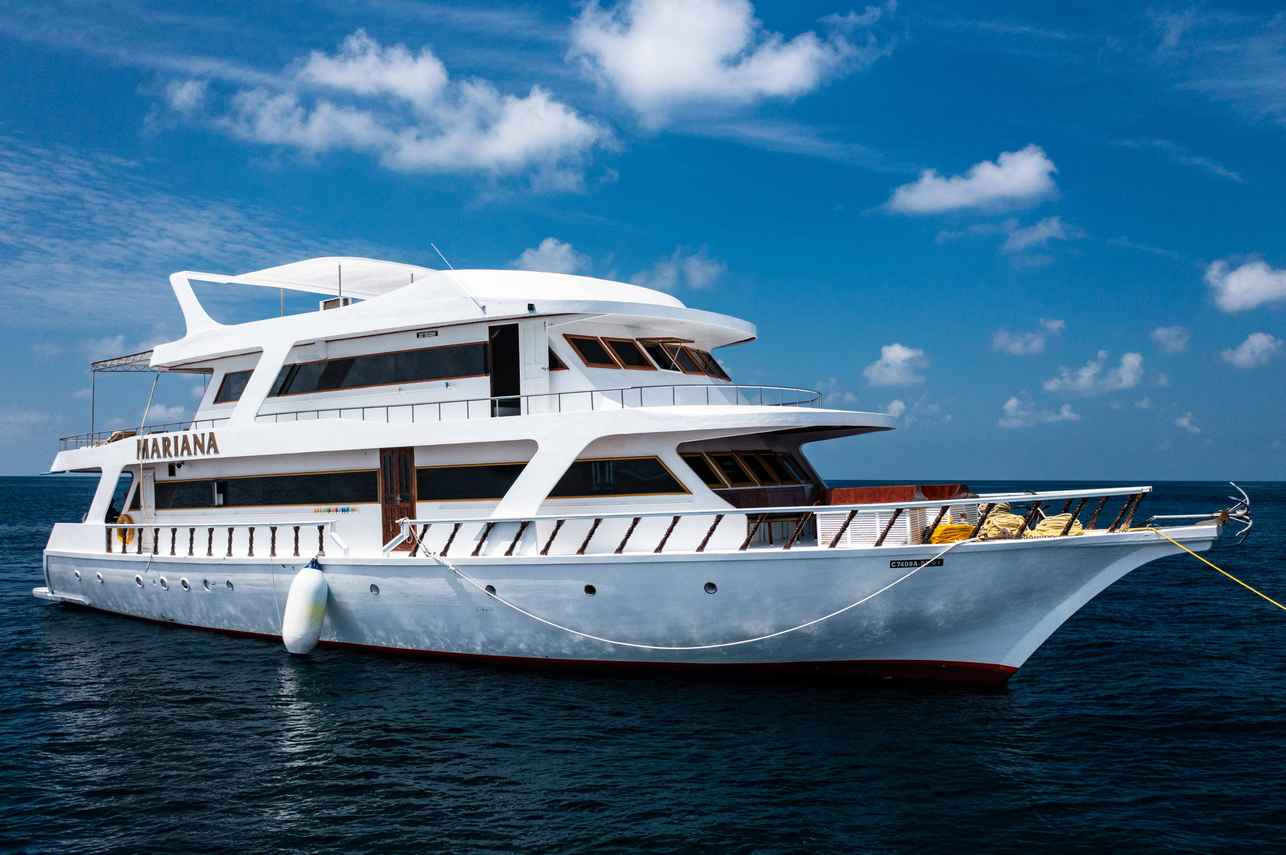
EcoPro Mariana
Maldives
16 guests30 m
$236/day
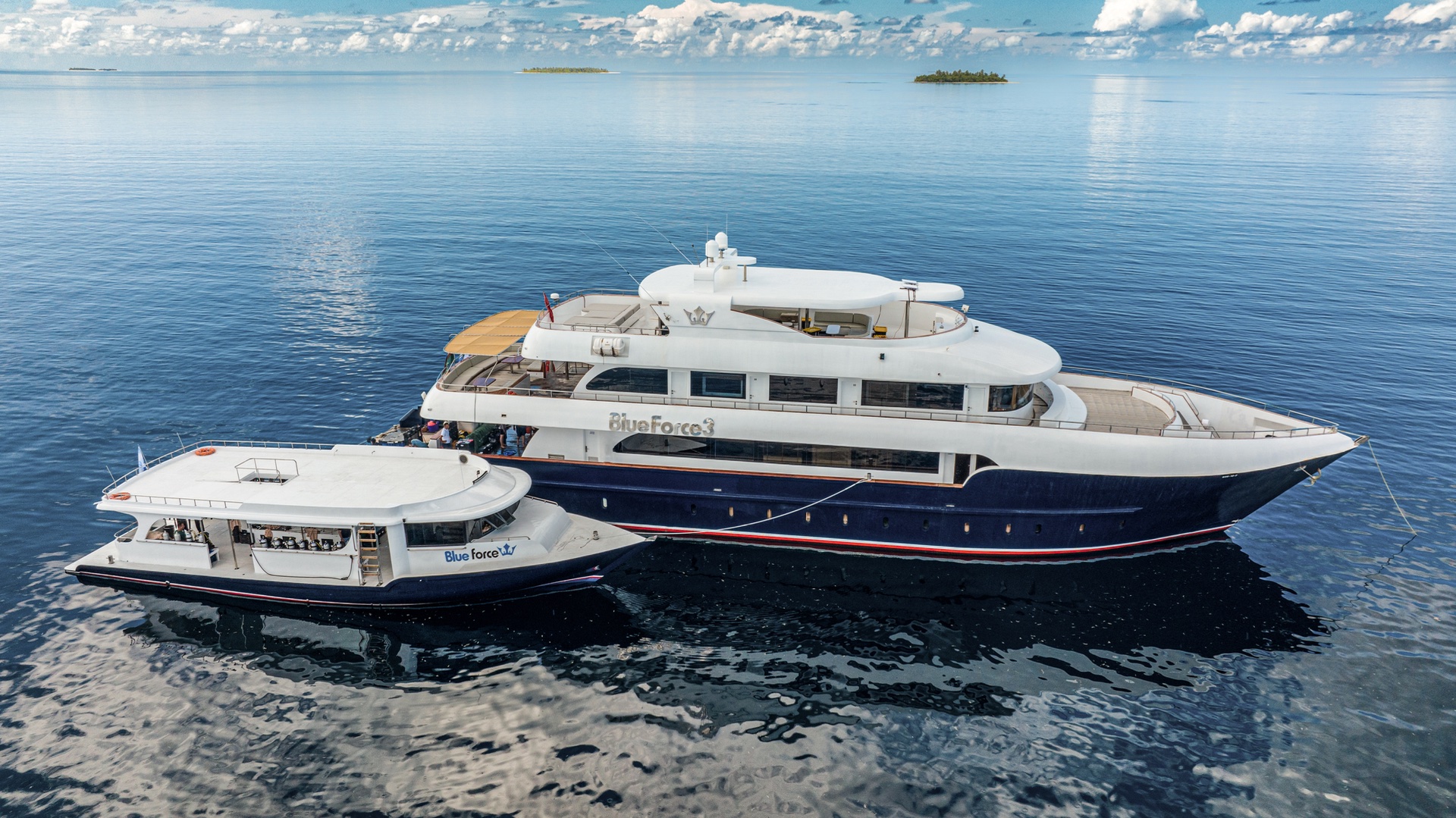
Maldives Blue Force 3
Maldives
26 guests42 m
$236/day
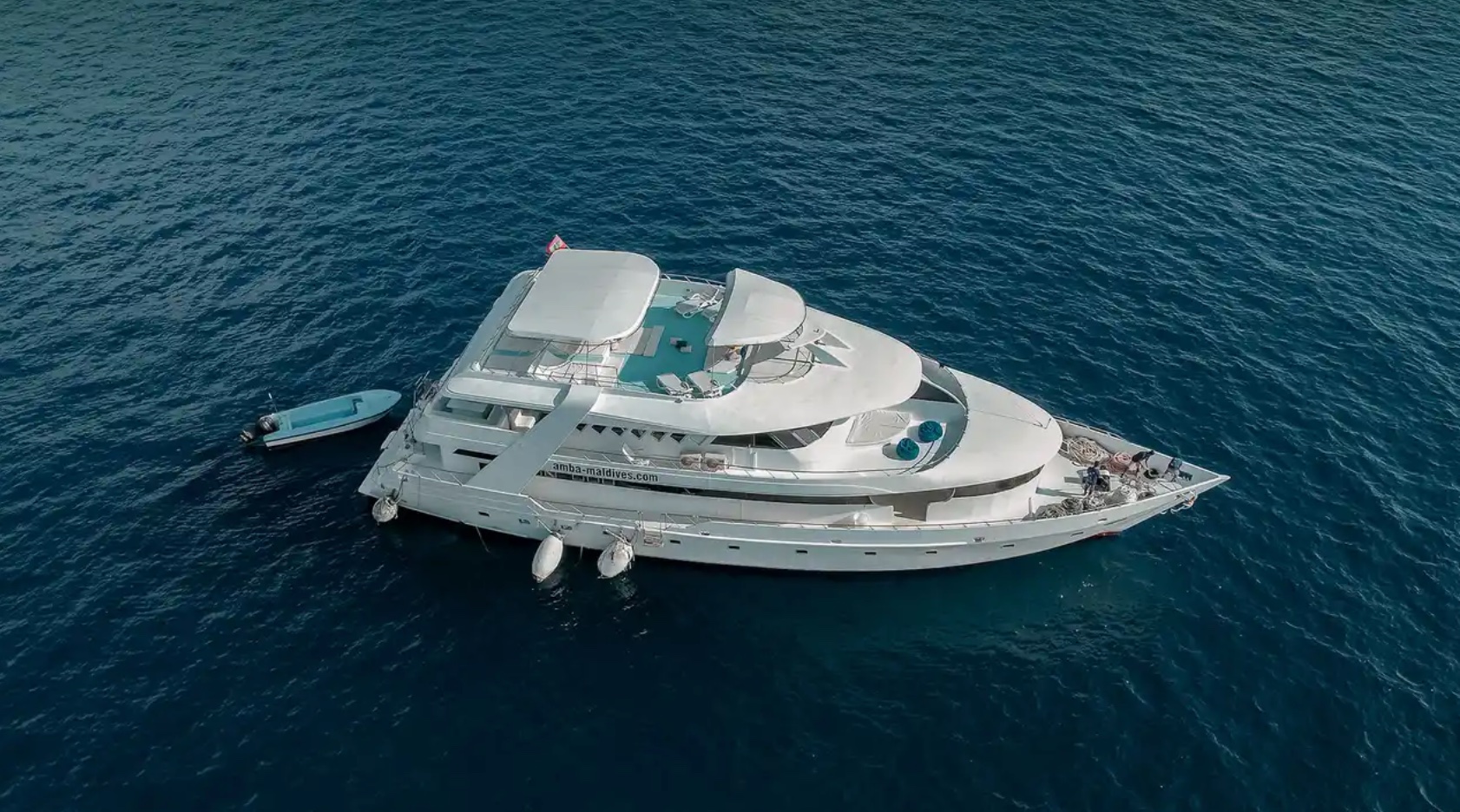
Amba
Maldives
20 guests
$178/day
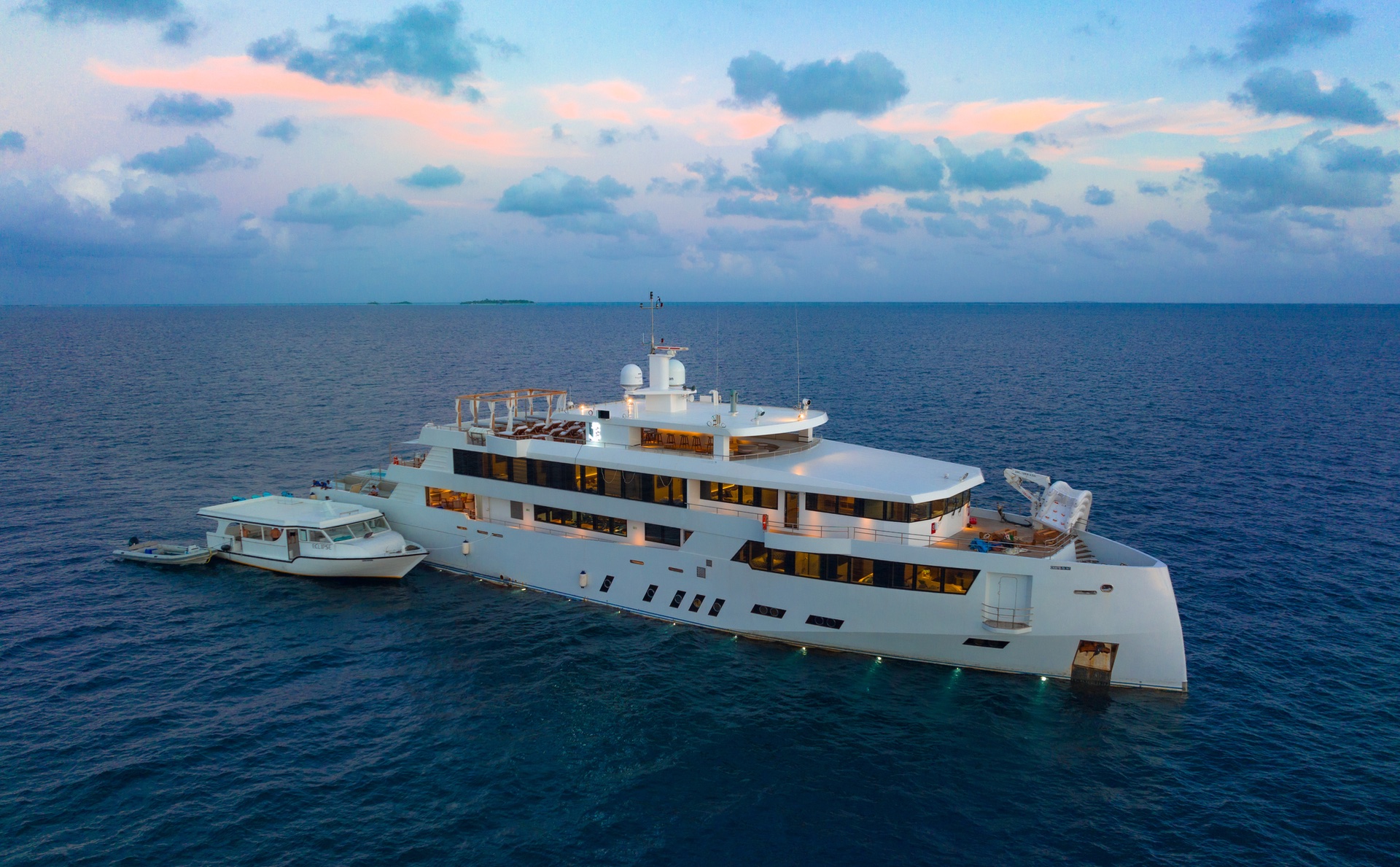
White Pearl
Maldives
26 guests
$375/day
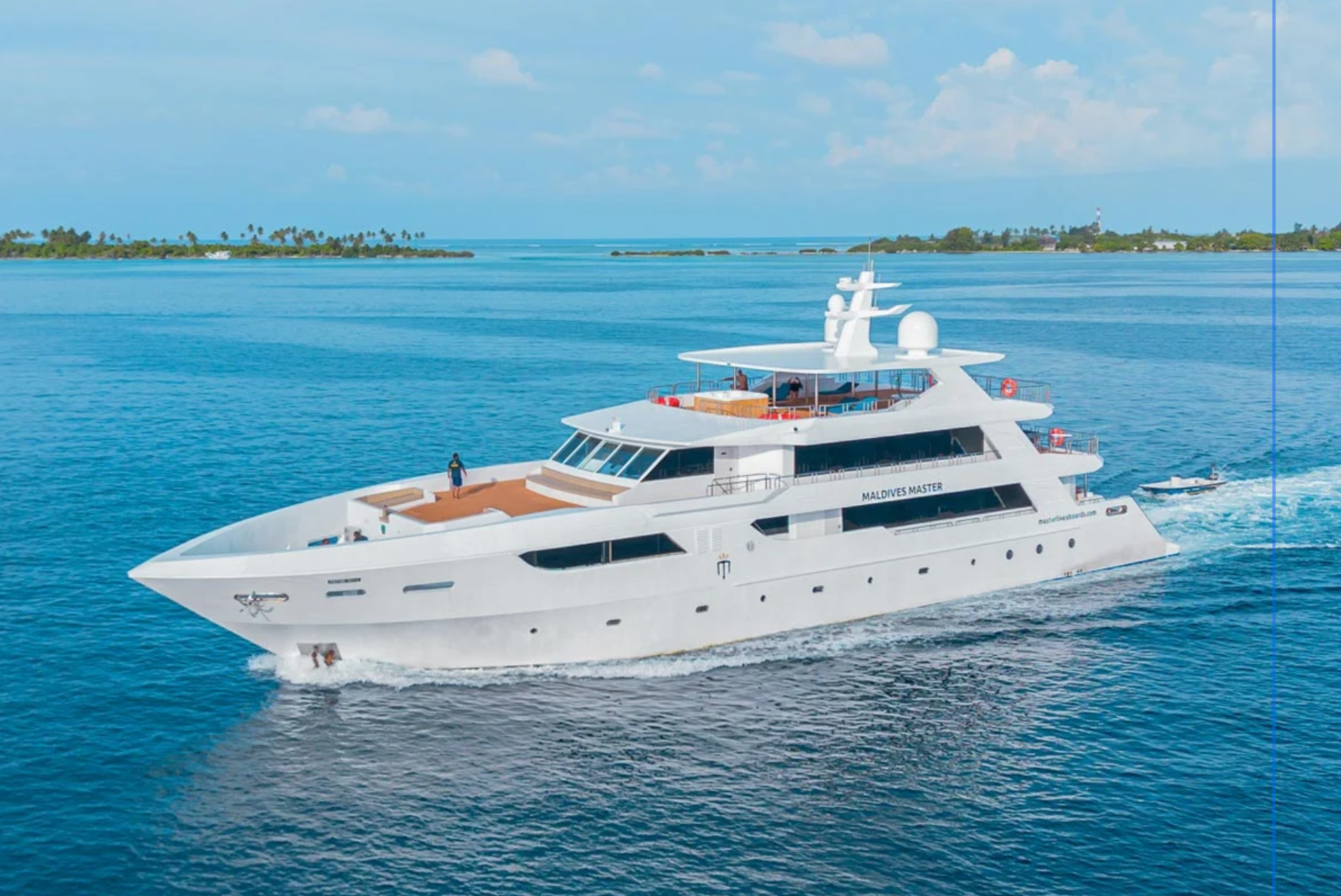
Maldives Master
Maldives
26 guests
$207/day
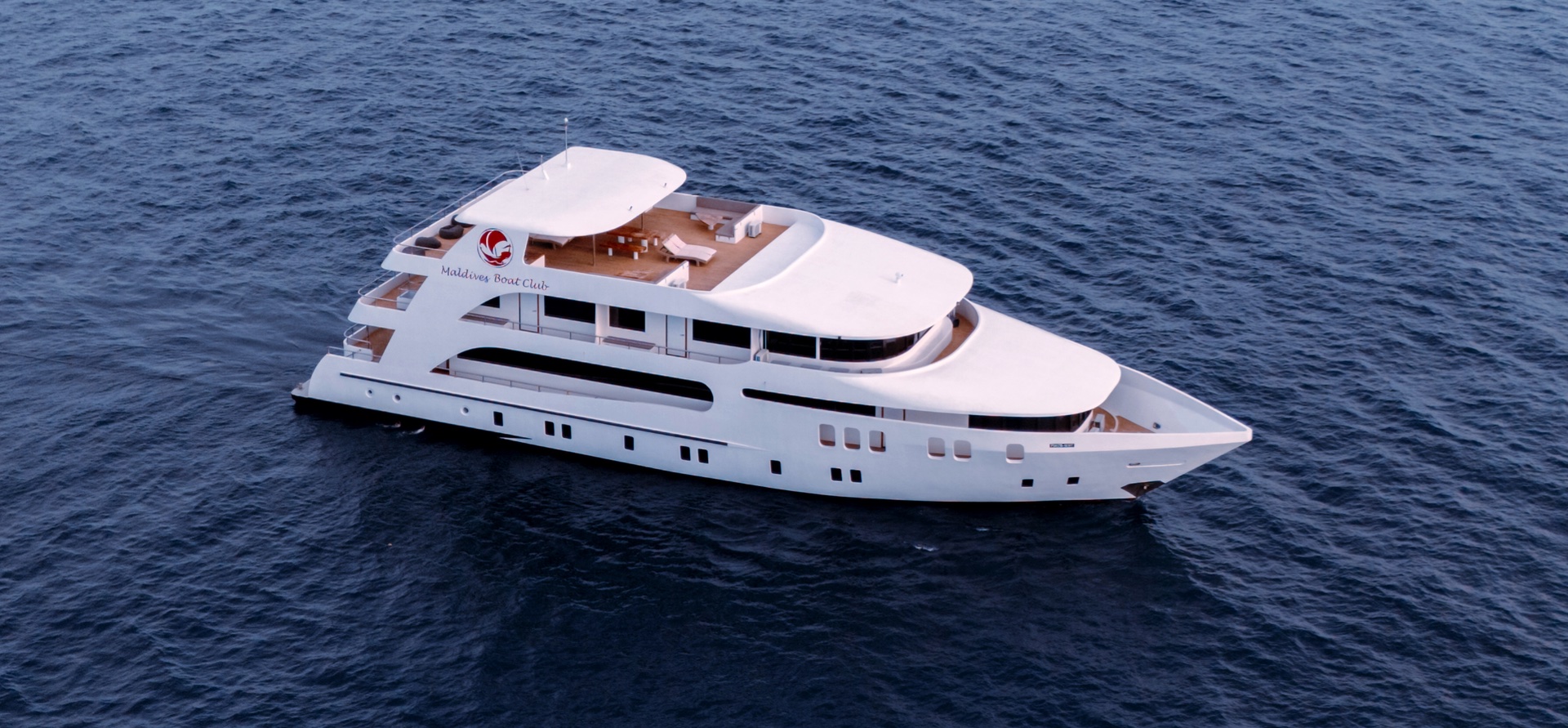
Adora
Maldives
22 guests
$297/day
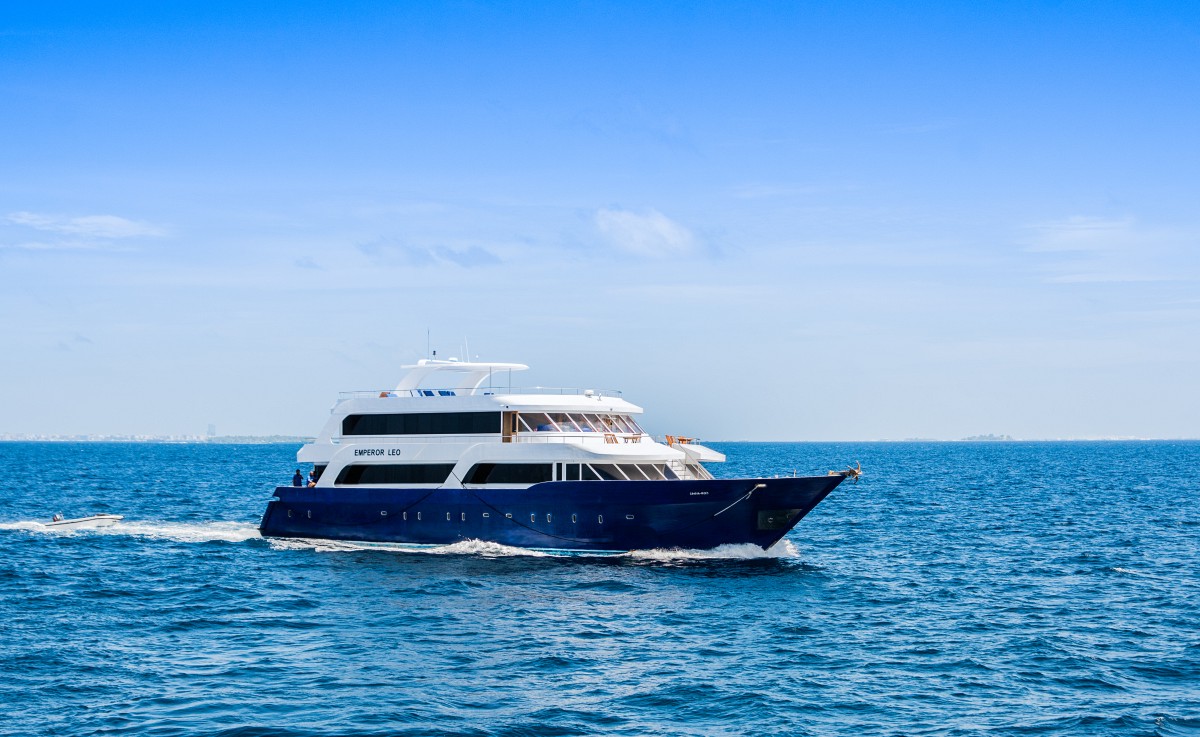
Emperor Leo
Maldives
24 guests35.1 m
$339/day
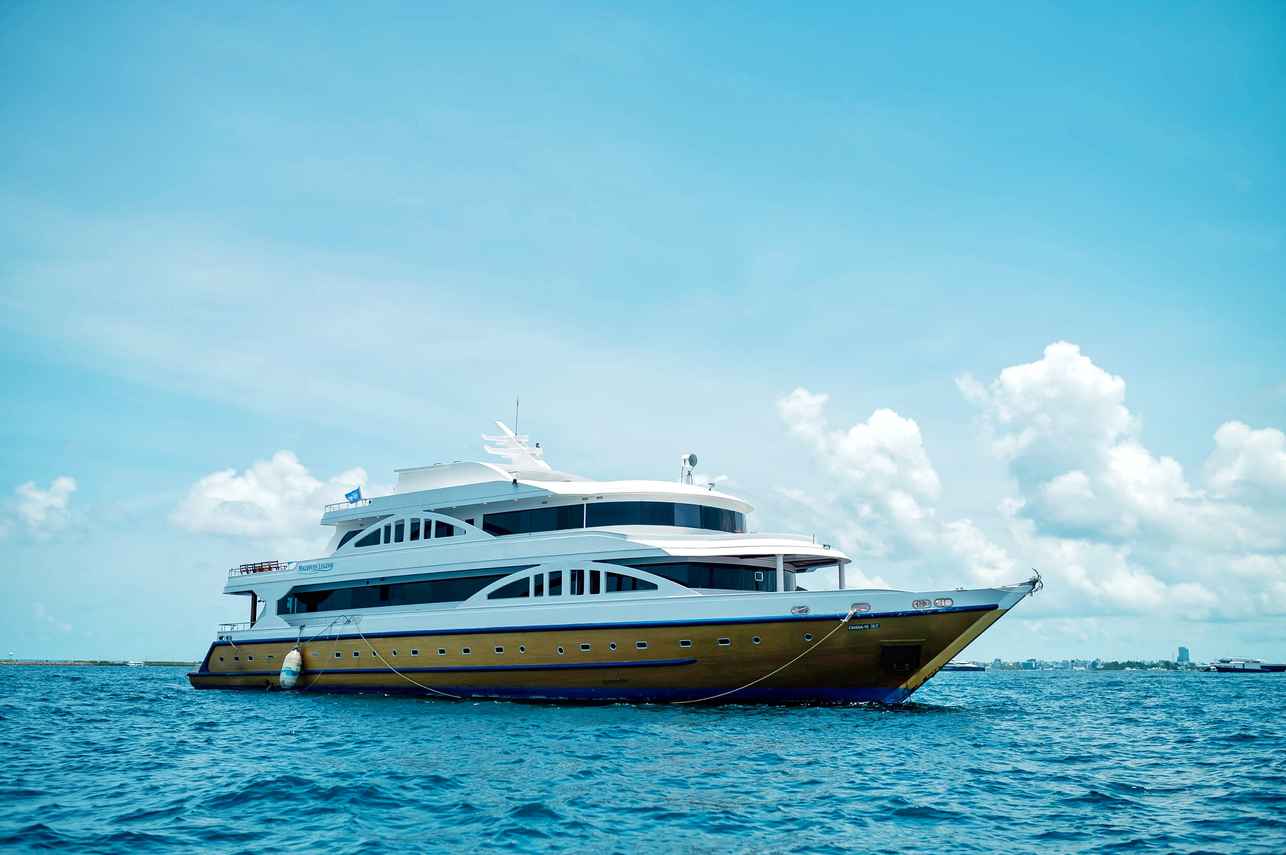
Maldives Legend Zen
Maldives
24 guests41 m
$316/day
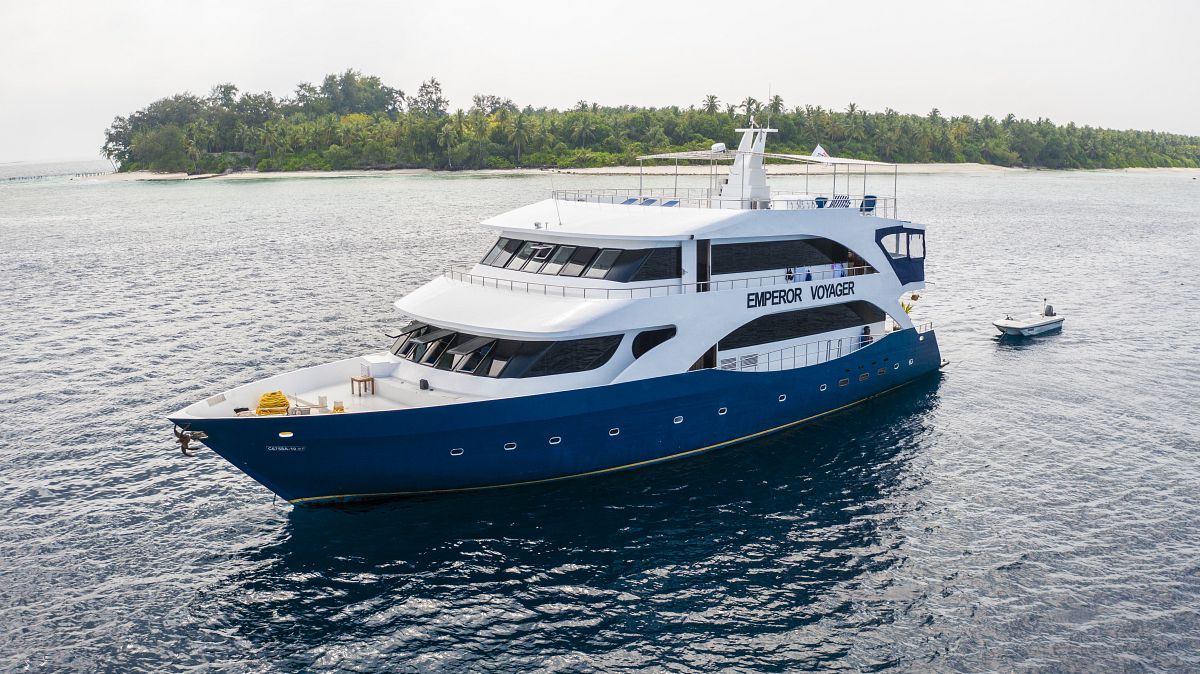
Emperor Voyager
Maldives
20 guests29.9 m
$332/day
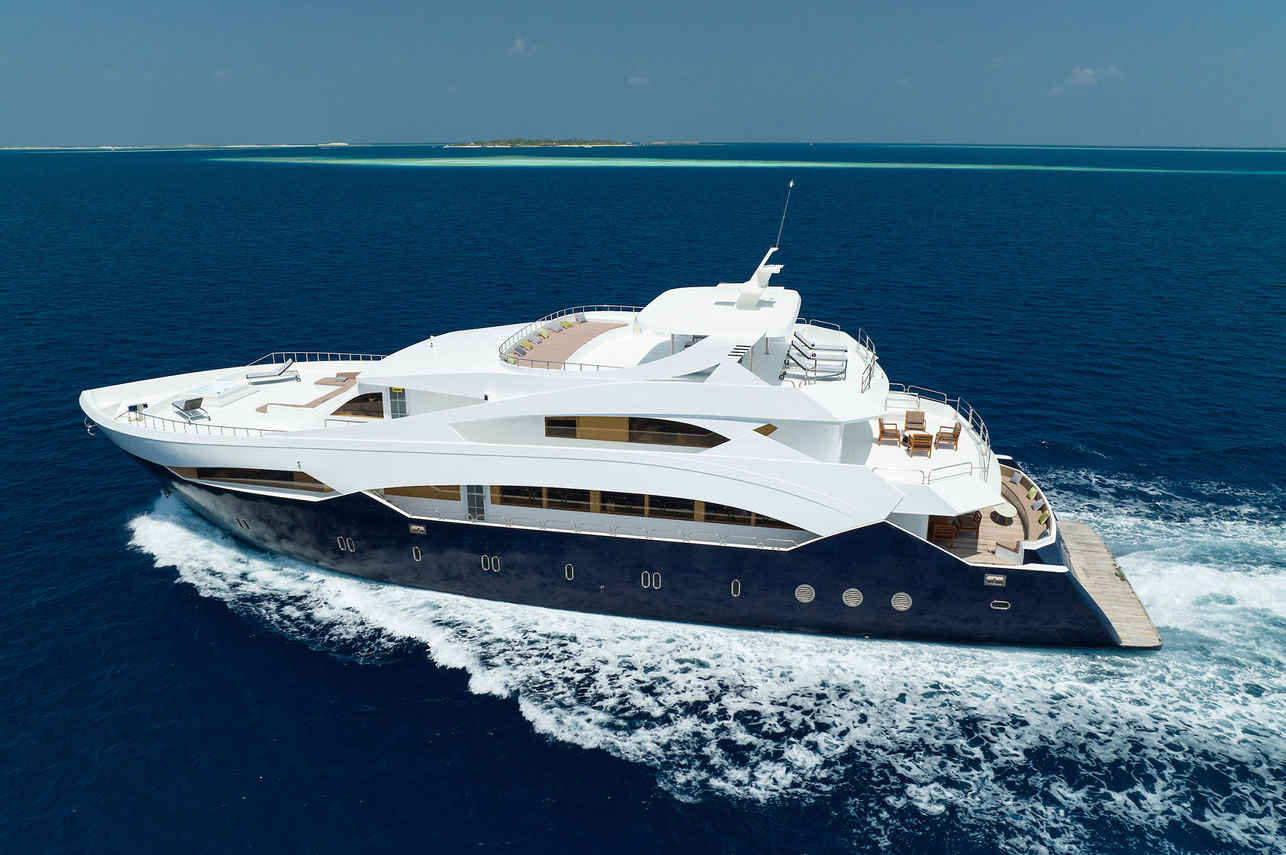
Felicity
Maldives
26 guests41 m
$229/day
Dive sites similar to Rasdhoo Beyru
Same character, same waters — six more sites divers love for the exact same reasons.Compare seasons, access and liveaboard routes — then pick the site that fits your trip best.
© Esri — Maxar, Earthstar, GIS
Emas Thila (North Malé)
Maldives
Emas Thila is a renowned submerged reef pinnacle located in the South Ari Atoll, a protected Marine Protected Area in the Maldives.
- Suitable for
- Intermediate
- Current
- Strong
- Access
- Liveaboard or dayboat
- Depth
- 8–30 m
- Theme
- Cave & cavern / Pinnacle
© Esri — Maxar, Earthstar, GIS
Fushi Kandu (Lhaviyani)
Maldives
Fushi Kandu, located in the Lhaviyani Atoll, is an exciting channel dive site in the Maldives, offering some of the most dynamic drift diving experiences in the Indian Ocean.
- Suitable for
- Advanced
- Current
- Strong
- Access
- Liveaboard or dayboat
- Depth
- 15–35 m
- Theme
- Channel / Drift
© Esri — Maxar, Earthstar, GIS
Gan Corner (Addu Atoll)
Maldives
Gan Corner, locally known as Gan Kandu, is a prominent channel dive site nestled in the southwestern part of Addu (Seenu) Atoll, situated conveniently near the islands of Gan and Feydhoo.
- Suitable for
- Advanced
- Current
- Strong
- Access
- Liveaboard or dayboat
- Depth
- 5–40 m
- Theme
- Channel / Drift
© Esri — Maxar, Earthstar, GIS
Hithadhoo Corner (Addu)
Maldives
Hithadhoo Corner, situated in Addu Atoll, offers a unique opportunity for exceptional diving and snorkeling.
- Suitable for
- Advanced
- Current
- Moderate
- Access
- Liveaboard or dayboat
- Depth
- 3–30 m
- Theme
- Channel / Drift
© Esri — Maxar, Earthstar, GIS
Guraidhoo Corner
Maldives
Guraidhoo Corner, situated at the southern tip of Guraidhoo Island, stands as a marine protected area often celebrated for its exceptional fish diversity and photographic opportunities within the Maldives.
- Suitable for
- Advanced
- Current
- Ripping
- Access
- Liveaboard or dayboat
- Depth
- 5–35 m
- Theme
- Channel / Drift
© Esri — Maxar, Earthstar, GIS
Filitheyo Reef (Faafu)
Maldives
Filitheyo Reef, situated in the Faafu Atoll, offers an unspoiled underwater paradise, unique as the only tourist island in the atoll.
- Suitable for
- Beginner
- Current
- Strong
- Access
- Liveaboard or dayboat
- Depth
- 1–30 m
- Theme
- Reef / Wall