About Phlipper's Peace
Phlipper's Peace is a distinguished dive site located in Roatan, Honduras, forming an integral part of the Mesoamerican Barrier Reef System, the world's second-largest barrier reef. This site is celebrated for its rich marine biodiversity and crystal-clear Caribbean waters that maintain warm temperatures throughout the year. The topography transitions from shallow reef areas and sand patches to vibrant coral gardens, which then lead to steep drop-offs and impressive walls that descend into significant depths. Divers here frequently encounter an array of species, including colorful reef fish like parrotfish, angelfish, and butterflyfish, alongside larger inhabitants such as barracudas and schools of jacks. The warmer months, particularly July, are ideal for encountering sea turtles and various rays. The site's diverse ecosystem supports both macro life, like seahorses and nudibranchs, and occasional sightings of larger pelagics, which are often more prevalent during specific seasonal migrations. The practical dive experience at Phlipper's Peace benefits from Roatan's generally calm conditions and excellent visibility, often exceeding 30 meters. Entry is typically via boat, with dive shops operating primarily from the West End, offering convenient access to numerous sites. Divers can expect to navigate varied underwater landscapes, from intricate reef formations to expansive wall sections, making it a compelling destination for a range of skill levels.
Highlights
Mesoamerican Barrier Reef SystemDramatic wall divesVibrant coral gardensDiverse reef fishCrystal-clear watersYear-round diving
Season calendar
Best months to dive here
Jan
Feb
Mar
Apr
May
Jun
Jul
Aug
Sep
Oct
Nov
Dec
Excellent
Dive site facts: Phlipper's Peace
- Depth
- 5–40 m+
- Typical dive
- 12–25 m, 50–60 min
- Current
- Mild to moderate
- Visibility
- 18–36 m
- Water temperature
- 24–29°C
- Entry
- Boat
- Level
- Open Water Diver+
- Dive type
- Reef, wall, drift
- Night dive
- Possible
- Region / port
- Roatan, Honduras
- Coordinates
- 16.3090° N, 86.5873° W
Conditions & Currents
Currents at dive sites around Roatan, such as Phlipper's Peace, are generally gentle, contributing to an enjoyable and relaxed dive experience. However, conditions can vary, particularly during the winter months when stronger northern winds may lead to choppier surface conditions, even if underwater currents remain mild. While some sites, like 'The Point', are known for allowing divers to drift, Phlipper's Peace typically offers more stable conditions suitable for exploration. Visibility remains excellent year-round, often exceeding 30 meters, though heavy rains in January can stir up sediments and temporarily reduce it. Entry is usually via boat, and the short distances to sites from the West End allow for convenient surface intervals. Divers should be prepared for varying exposure protection needs, as water temperatures fluctuate from 24-29°C, with the coolest temperatures occurring fr
Marine life & sighting chances

Parrotfish
common
Angelfish
common
Butterflyfish
common
Seahorses
occasional
Nudibranchs
occasional
Rays
occasional
Reef sharks
occasional
Barracudas
occasional
Groupers
occasional
Jacks
occasional
Sea turtles
occasional
Moray Eels
occasional
Whale sharks
March-April (peak) · rareDive profile & how the dive runs
A typical dive at Phlipper's Peace begins with a boat entry, often descending directly onto a shallow reef or sandy patch. Divers then navigate towards the impressive wall, which is a key feature of many Roatan sites, characterized by abundant hard and soft corals. The dive progresses along the wall, exploring its crevices and overhangs, with depths varying but commonly staying within the 12-25 meter range for recreational limits. The site allows for gradual depth progression, moving through coral gardens before reaching the main drop-off. The turn point is determined by air consumption and bottom time, typically allowing exploration along a significant section of the reef. The ascent usually follows the wall back towards shallower areas, concluding with a safety stop at 5 meters over a vibrant coral garden or reef flat, providing an excellent opportunity to observe macro life.
Underwater photography
Phlipper's Peace offers diverse photographic opportunities, from wide-angle reefscapes on its dramatic walls to macro subjects nestled within coral formations. For capturing the expansive beauty of the Mesoamerican Barrier Reef, a wide-angle lens is recommended, especially for showcasing the vibrant coral colors and schooling fish along the wall. External strobes are crucial to bring out true colors at depth and counteract backscatter, particularly in the often-clear waters. Practicing excellent buoyancy is essential to avoid damaging fragile corals and to maintain stable shots. When photographing marine life, approach slowly and respectfully, allowing animals like seahorses or nudibranchs to acclimate to your presence without disturbance. Patience will yield the best results, whether you are focusing on the intricate details of macro life or the grandeur of the reef structure.
Combine with nearby dive sites
- Hole in the Wall
Hole in the Wall is a celebrated dive site in Roatan, part of the extensive Mesoamerican Barrier Reef System, which is the second-largest…
- Coco Sea Mount
Coco Sea Mount is a distinctive offshore dive site near Roatan, characterized by its isolation and exposed blue-water environment.
- Black Coral Wall
Black Coral I and II are prominent dive sites within Cuba's renowned Jardines de la Reina marine reserve, an area celebrated for its…
- Inside Outside
The Inside Outside dive site in Roatan, Honduras, earns its name from the abundant cracks and swim-throughs that characterize its unique…
- Anka’s Place
Anka’s Place is a dive site located on Roatan, one of the Bay Islands of Honduras, which forms part of the second largest barrier reef…
- Chimney’s
The "Chimney's" dive site, located in Roatan, Honduras, is renowned for its distinctive topography, characterized by interconnected…
Getting there & logistics
Access to Phlipper's Peace typically originates from dive operators in Roatan, Honduras, specifically from the West End, West Bay, or Sandy Bay areas. Divers usually fly into Juan Manuel Gálvez International Airport (RTB) on Roatan. Most dive packages include transfers from the airport to accommodations, which are often bundled with dive trips. Day trips are standard, with dive shops making short boat rides to the sites and often returning to shore between dives. Trip lengths vary, but a typical stay for divers is one week. There are no specific permits or significant fees mentioned for diving this site beyond standard dive operator costs, although participation in the Roatan Marine Park efforts is encouraged. The site is commonly combined with other nearby reef and wall dives as part of a multi-day itinerary.
Safety & environment
For divers exploring Phlipper's Peace, the nearest recompression chamber is located on Roatan itself, providing essential support in case of decompression sickness. However, comprehensive dive insurance is highly recommended, as emergency evacuation from remote dive sites can be complex and costly. Site-specific hazards are minimal due to generally calm conditions, but divers should always monitor their air consumption and bottom time, especially when exploring deeper sections of the wall. Adherence to responsible diving practices, such as maintaining neutral buoyancy to protect the reef and avoiding contact with marine life, is paramount. Always dive with a reputable operator, follow dive guide instructions, and be aware of your buddy's status to ensure a safe and enjoyable experience.
Who it suits — and who it doesn't
Suited for
- Open Water certified divers
- Underwater photographers
- Divers seeking vibrant coral walls
- Marine life enthusiasts
- Those who enjoy drift diving
Less suited for
- Divers preferring strong currents and pelagic action only
- Those uninterested in reef ecosystems
- Divers who prefer solely muck diving
- Individuals without basic buoyancy control skills
FAQ
Phlipper's Peace FAQ
What kind of marine life can I expect to see at Phlipper's Peace?
At Phlipper's Peace, you can anticipate encountering a rich variety of marine species. Common sightings include colorful reef fish such as parrotfish, angelfish, and butterflyfish. You may also spot larger creatures like barracudas, groupers, and schools of jacks, with occasional appearances by sea turtles and various rays. Macro enthusiasts will appreciate the chance to find seahorses and nudibranchs among the corals.
Is Phlipper's Peace suitable for beginner divers?
Yes, Phlipper's Peace is generally suitable for Open Water certified divers. The site typically features mild currents and excellent visibility, providing a comfortable environment for less experienced divers. While it offers deeper wall sections, shallower reef areas are accessible, allowing divers to explore according to their certification and comfort levels. Always dive with a qualified guide to ensure safety and guidance.
When is the best time of year to dive Phlipper's Peace for optimal conditions?
The prime time to dive Phlipper's Peace for optimal conditions is during Roatan's dry season, from March through October. This period offers the best visibility, often exceeding 30 meters, and consistently calmer seas. Water temperatures are also at their warmest, ranging from 28-31°C, which enhances overall comfort for divers.
Are there strong currents at Phlipper's Peace?
Currents at Phlipper's Peace are generally mild to moderate, making for a relaxed and enjoyable dive experience. While some Roatan sites can experience stronger currents, this location typically allows for comfortable exploration of its reef and wall features. Surface conditions may be choppier during winter months due to winds, but underwater currents usually remain manageable.
What is the typical depth range for diving Phlipper's Peace?
Phlipper's Peace offers a diverse depth range, starting in shallow reef areas around 5 meters and extending down impressive walls to depths exceeding 40 meters. A typical recreational dive will explore depths between 12 and 25 meters, allowing ample time to appreciate the vibrant corals and marine life. Deeper sections are accessible for appropriately certified divers.
Why dive Phlipper's Peace from a liveaboard?
Phlipper's Peace is one of Honduras's signature dive sites. A liveaboard sleeps you on the water and puts you in the water for three to four guided dives per day, including dawn and night dives that day-boat operators rarely offer. You skip the daily commute back to port and reach quieter, less-crowded sites in the same region on a single trip.
Below are the liveaboards that include Phlipper's Peace on their Honduras itineraries.
Liveaboards diving Phlipper's Peace
These liveaboards may visit Phlipper's Peace on selected itineraries — the exact dive sites depend on departure, weather and conditions.
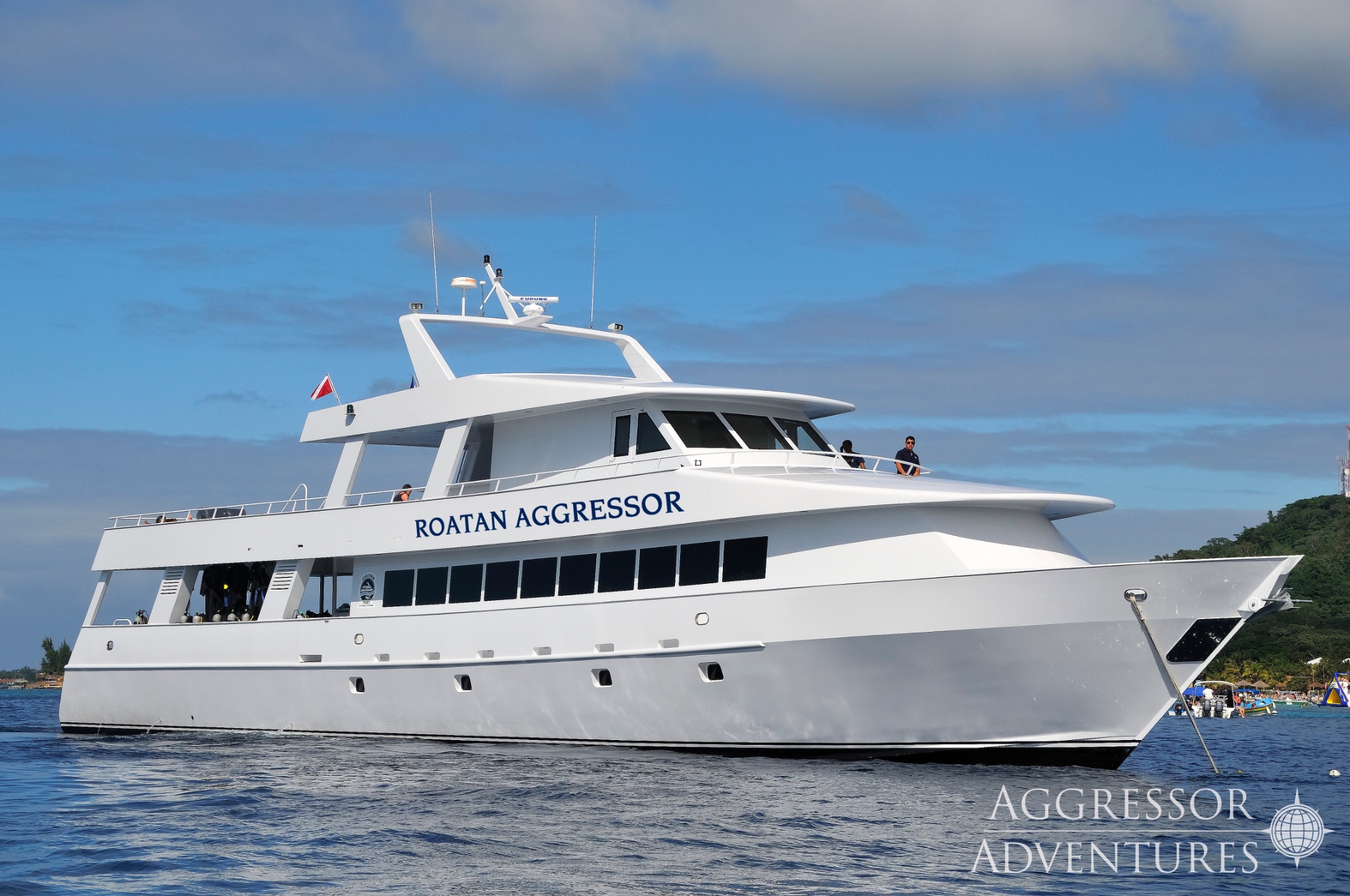
Roatan Aggressor
Honduras
18 guests31.1 m
$309/day
Dive sites similar to Phlipper's Peace
Same character, same waters — six more sites divers love for the exact same reasons.Compare seasons, access and liveaboard routes — then pick the site that fits your trip best.
© Esri — Maxar, Earthstar, GIS
Satoshi’s Grave
Honduras
Satoshi’s Grave is a distinctive wreck site located on the southern shore of Roatan, specifically the Wreck of Mr. Bud.
- Suitable for
- Beginner
- Current
- Moderate
- Access
- Liveaboard or dayboat
- Depth
- 18–18 m
- Theme
- Wreck / Reef
© Esri — Maxar, Earthstar, GIS
Addie's Garden
Honduras
Addie's Garden is one of 350 dive and snorkel sites located around Roatan, Honduras, within the Mesoamerican Barrier Reef System.
- Suitable for
- Intermediate
- Current
- Moderate
- Access
- Liveaboard or dayboat
- Depth
- 5–30 m
- Theme
- Reef
© Esri — Maxar, Earthstar, GIS
Marie's Kitchen
Honduras
Marie's Kitchen is a distinguished dive site located in Roatan, Honduras, forming a crucial part of the Mesoamerican Barrier Reef System, which stands as the world's second-largest coral reef.
- Suitable for
- Intermediate
- Current
- Moderate
- Access
- Liveaboard or dayboat
- Depth
- 5–30 m
- Theme
- Reef
© Esri — Maxar, Earthstar, GIS
Butcher's Bank
Honduras
Butcher's Bank is a celebrated dive site in Roatan, Honduras, widely regarded as one of the island's most enjoyable locations, particularly for novice divers.
- Suitable for
- Beginner
- Current
- Mild
- Access
- Dayboat
- Depth
- 12–18 m
- Theme
- Reef
© Esri — Maxar, Earthstar, GIS
Wreck of the Aguila
Honduras
The Wreck of the Aguila, affectionately known as 'The Eagle,' is a 60-meter (200-foot) cargo ship purposefully sunk in 1997 to create an artificial reef within recreational diving limits.
- Suitable for
- Intermediate
- Current
- Mild
- Access
- Dayboat
- Depth
- 20–33 m
- Theme
- Wreck / Reef
© Esri — Maxar, Earthstar, GIS
Al's Garden
Honduras
Al's Garden is a notable dive site located in Roatan, part of Honduras's Bay Islands, a region renowned for its vibrant underwater topography and diverse marine ecosystems.
- Suitable for
- Intermediate
- Current
- Moderate
- Access
- Liveaboard or dayboat
- Depth
- 9–40 m
- Theme
- Reef