About Osprey Reef - Admiralty Anchor
The Admiralty Anchor dive site, part of Osprey Reef in Australia's remote Coral Sea, is celebrated for its dramatic underwater topography and exceptional marine biodiversity. Located about 350 km from Cairns, this isolated reef system rises from depths of over 1000 meters, creating a pristine environment with unparalleled water clarity and abundant pelagic action. At Admiralty, you'll encounter steep drop-offs, expansive caves, and intricate swim-throughs, all adorned with spectacular soft corals reaching heights of over two meters. The site is named for an antique marine anchor, a historical relic resting within one of its captivating swim-throughs, adding a unique element to its already stunning natural features. The deep-water isolation ensures a constant influx of nutrient-rich currents, fostering a remarkably healthy and vibrant reef ecosystem. Marine life here is prolific, with frequent sightings of various shark species, including grey reef, white-tip reef, and even silvertip sharks. Beyond the resident sharks, the site also attracts larger pelagics such as manta rays, eagle rays, and schooling barracuda and tuna. Green and loggerhead turtles are regularly observed, benefiting from the conservation-dependent status of the area. The healthy condition of the reef and its diverse inhabitants make Admiralty a standout destination for experienced divers seeking an immersive Coral Sea experience. Diving here typically involves liveaboard expeditions, providing extended access to this remote location. The clear, rich waters and sheer walls offer an ideal environment for drift dives, allowing you to witness the dynamic interplay between the reef's inhabitants and the deep blue. This site is particularly renowned for both its daytime exploration and its appeal as a night diving location, revealing different facets of its vibrant ecosystem.
Highlights
Historic marine anchorSheer wall drop-offsExtensive cave systemsVibrant soft coralsDiverse shark encountersPelagic fish schoolsExceptional visibilityRemote Coral Sea location
Season calendar
Best months to dive here
Jan
Feb
Mar
Apr
May
Jun
Jul
Aug
Sep
Oct
Nov
Dec
Excellent
Good
Dive site facts: Osprey Reef - Admiralty Anchor
- Depth
- 5–1000+ m
- Typical dive
- 15–40 m, 45–60 min
- Current
- Mild to strong
- Visibility
- 30–100 m
- Water temperature
- 24–30 °C
- Entry
- Liveaboard tender
- Level
- Advanced recommended, drift experience beneficial
- Dive type
- Wall, drift, caves, pelagic, shark
- Night dive
- Possible and popular
- Region / port
- Coral Sea, Queensland
- Coordinates
- -13.92, 146.56
Conditions & Currents
Admiralty Anchor experiences varying currents, influenced by its location at the southern end of Osprey Reef's lagoon entrance and its proximity to deep oceanic waters. While some areas might have mild conditions suitable for relaxed exploration, strong currents can occasionally sweep into the lagoon or along the wall, particularly when the site is approached as a drift dive. Divers should be prepared for potential drift conditions and have experience managing currents, as this can enhance encounters with pelagic species. Visibility typically remains outstanding, often exceeding 30 meters, due to the constant influx of clear oceanic water. Entry and exit are typically by tender from a liveaboard, and the 'open dive deck' policy on some vessels allows for flexible diving schedules, but always within safe limits and under the guidance of experienced crew.
Marine life & sighting chances

Grey reef shark
common
White-tip reef shark
common
Silvertip shark
occasional
Manta ray
April–October · occasional
Green turtle
occasional
Loggerhead turtle
occasional
Schooling barracuda
common
Tuna
common
Octopus
occasional
Garden eel
occasional
Moray eel
occasional
Lionfish
occasional
Gorgonian fan
common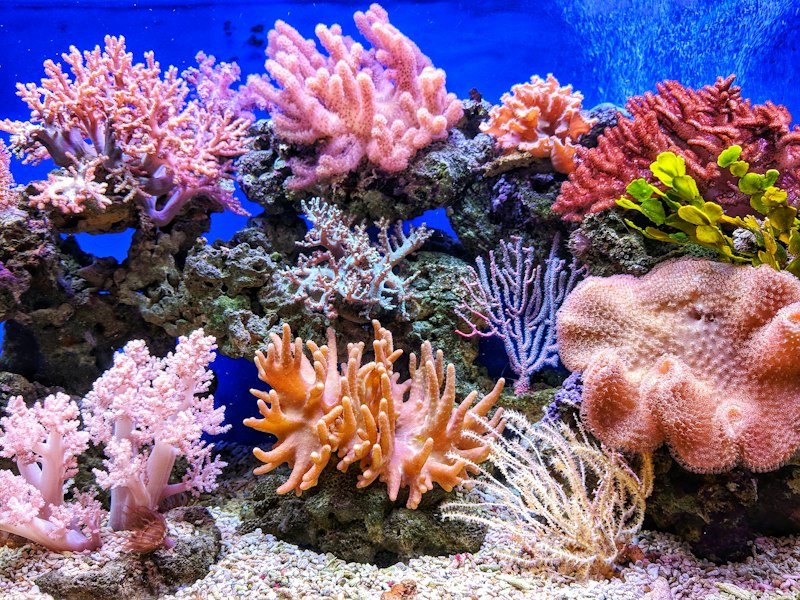
Soft corals
commonDive profile & how the dive runs
Diving at Admiralty Anchor often begins with a tender drop close to the reef edge. You typically descend along the impressive wall, which drops rapidly to depths beyond recreational limits, providing an exhilarating sense of exposure to the open ocean. The route involves exploring numerous caves and swim-throughs, many of which are adorned with large gorgonian fans and vibrant soft corals. A highlight is finding the historic marine anchor nestled within one of these formations. Divers can follow the reef maze into shallower sections of the lagoon area, gradually ascending. The dive might incorporate a drift along the wall, depending on currents, allowing for encounters with pelagic species in the blue. Your safety stop will typically occur in the shallower reef maze, offering opportunities to spot smaller critters before surfacing to the tender.
Underwater photography
Admiralty Anchor presents fantastic opportunities for wide-angle photography, especially to capture the dramatic wallscapes, extensive caves, and the historic anchor. A wide-angle lens is ideal for showcasing the sheer scale of the drop-offs and the vibrant soft corals that carpet the walls. For documenting shark encounters and schooling fish, a fast autofocus system and a good strobe setup are crucial to freeze action in the clear water. Don't forget to pack a macro lens for night dives or closer inspection of the reef maze, as many smaller, interesting critters like gobies, blennies, and octopuses can be found there. Buoyancy control is paramount, particularly within the swim-throughs and around delicate coral formations, to avoid stirring up sediment or damaging the fragile environment.
Combine with nearby dive sites
- Osprey Reef - North Horn
Famous for its shark feed dives and natural amphitheater.
- Bougainville Reef
Offers impressive visibility, coral walls, and wreck remains.
- Cod Hole
Renowned for its resident potato cod population.
- Ribbon Reef No. 9
Part of the pristine Ribbon Reefs, known for diverse marine life.
- Pixie Pinnacle
An isolated coral pinnacle teeming with life.
Getting there & logistics
Access to Osprey Reef and Admiralty Anchor is exclusively via liveaboard from Cairns, Queensland, Australia. Cairns International Airport (CNS) serves as the main gateway, with direct flights from major Australian and international cities. Liveaboard trips typically range from 4 to 7 nights, with 7-night itineraries often extending further into the Coral Sea to include Osprey Reef. Operators like Mike Ball Dive Expeditions provide comprehensive packages. These expeditions often combine diving in the remote Coral Sea with sites along the Northern Great Barrier Reef, such as the Ribbon Reefs. Ensure you check for any marine park fees or conservation levies that may apply.
Safety & environment
Diving at Admiralty Anchor in the remote Coral Sea requires adherence to strict safety protocols due to its isolated location. Liveaboards operating here are well-equipped with emergency oxygen and trained staff. The nearest recompression chamber is located in Cairns, which can be several hours away by sea, emphasizing the critical importance of conservative dive planning and maintaining adequate insurance coverage, including emergency evacuation. Site-specific hazards include potential strong currents, deep drop-offs, and encounters with large marine animals, including various shark species. Always follow your dive guide's instructions, maintain proper buoyancy, and avoid touching marine life or disturbing the delicate coral formations.
Who it suits — and who it doesn't
Suited for
- Experienced open water divers
- Advanced divers seeking pelagic encounters
- Underwater photographers and videographers
- Divers comfortable with wall and drift diving
- Those seeking remote and pristine dive environments
Less suited for
- Novice divers or those with limited experience
- Divers uncomfortable with deep drop-offs
- Individuals prone to seasickness on liveaboards
- Those requiring shore-based diving access
- Divers unwilling to follow strict safety protocols
FAQ
Osprey Reef - Admiralty Anchor FAQ
What makes Admiralty Anchor special compared to other Osprey Reef sites?
Admiralty Anchor is unique for its historical marine anchor, which rests within one of its captivating swim-throughs. Beyond this feature, it boasts an intricate reef maze, a network of caves, and a dramatic wall that plunges into deep ocean, making it a favorite for both day and night dives and offering diverse photographic opportunities.
What kind of marine life can I expect to see at Admiralty Anchor?
At Admiralty Anchor, you'll frequently encounter grey reef and white-tip reef sharks, with occasional sightings of silvertips. The site is also home to green and loggerhead turtles, manta rays, schooling barracuda and tuna, and a variety of macro life such as octopuses, garden eels, moray eels, and lionfish hidden within the reef's crevices.
How deep is the dive at Admiralty Anchor?
While the reef maze and anchor are often explored within recreational limits (around 15-40 meters), Admiralty is characterized by a wall that drops off to over 1000 meters. Divers can appreciate the dramatic topography without needing to venture to extreme depths, making it suitable for advanced divers comfortable with deep environments.
Is Admiralty Anchor suitable for beginners?
Admiralty Anchor is generally recommended for experienced open water or advanced divers. Its remote location, potential for strong currents, and deep wall profiles require a higher level of comfort and skill. Divers should ideally have experience with drift diving and managing varying conditions.
How do I get to Admiralty Anchor?
Admiralty Anchor, like all sites in Osprey Reef, is only accessible via liveaboard dive boats departing from Cairns, Queensland. These expeditions typically offer multi-day itineraries that combine various sites in the Coral Sea and often include parts of the Great Barrier Reef, providing a comprehensive diving experience.
Why dive Osprey Reef - Admiralty Anchor from a liveaboard?
Osprey Reef - Admiralty Anchor is one of Australia's signature dive sites. A liveaboard sleeps you on the water and puts you in the water for three to four guided dives per day, including dawn and night dives that day-boat operators rarely offer. You skip the daily commute back to port and reach quieter, less-crowded sites in the same region on a single trip.
Below are the liveaboards that include Osprey Reef - Admiralty Anchor on their Australia itineraries.
Liveaboards diving Osprey Reef - Admiralty Anchor
These liveaboards may visit Osprey Reef - Admiralty Anchor on selected itineraries — the exact dive sites depend on departure, weather and conditions.
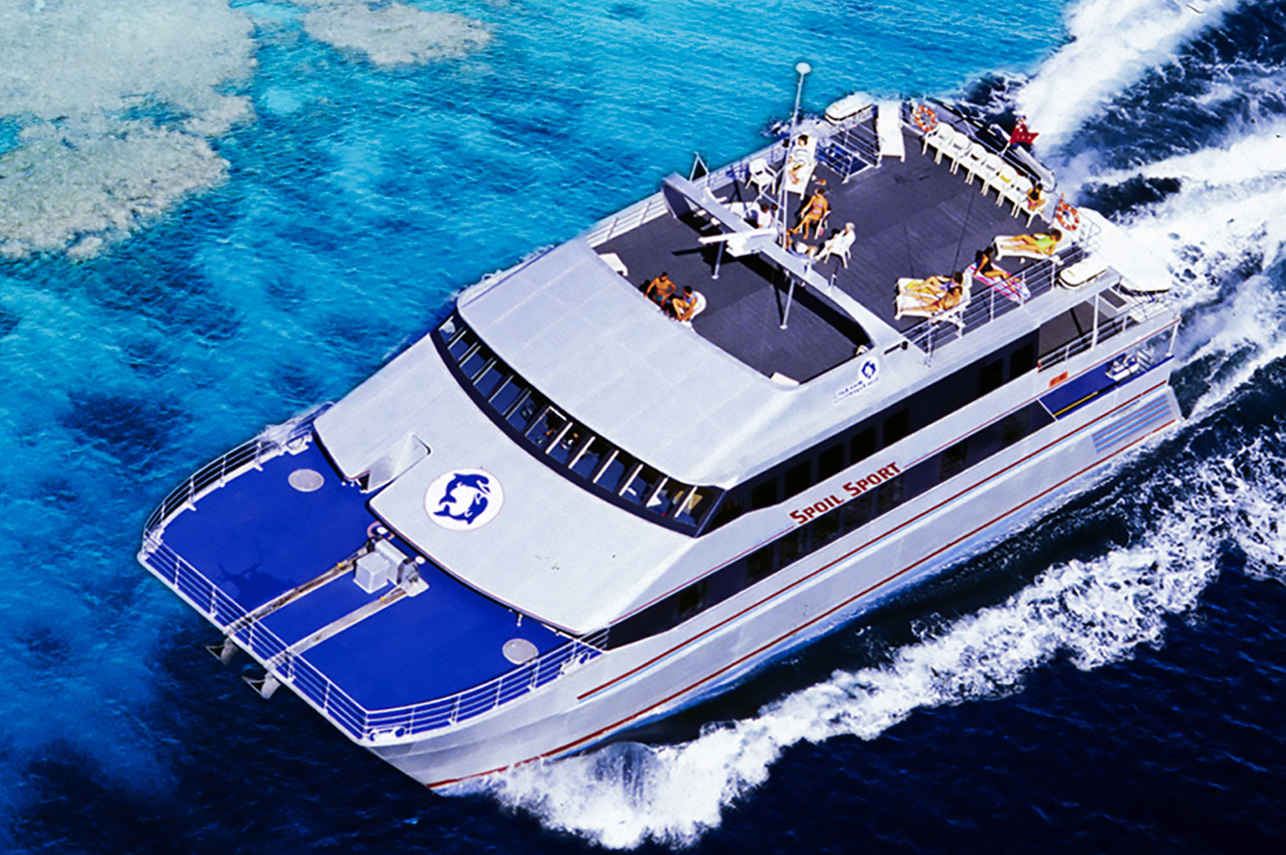
Spoilsport
Australia
28 guests30 m
$404/day
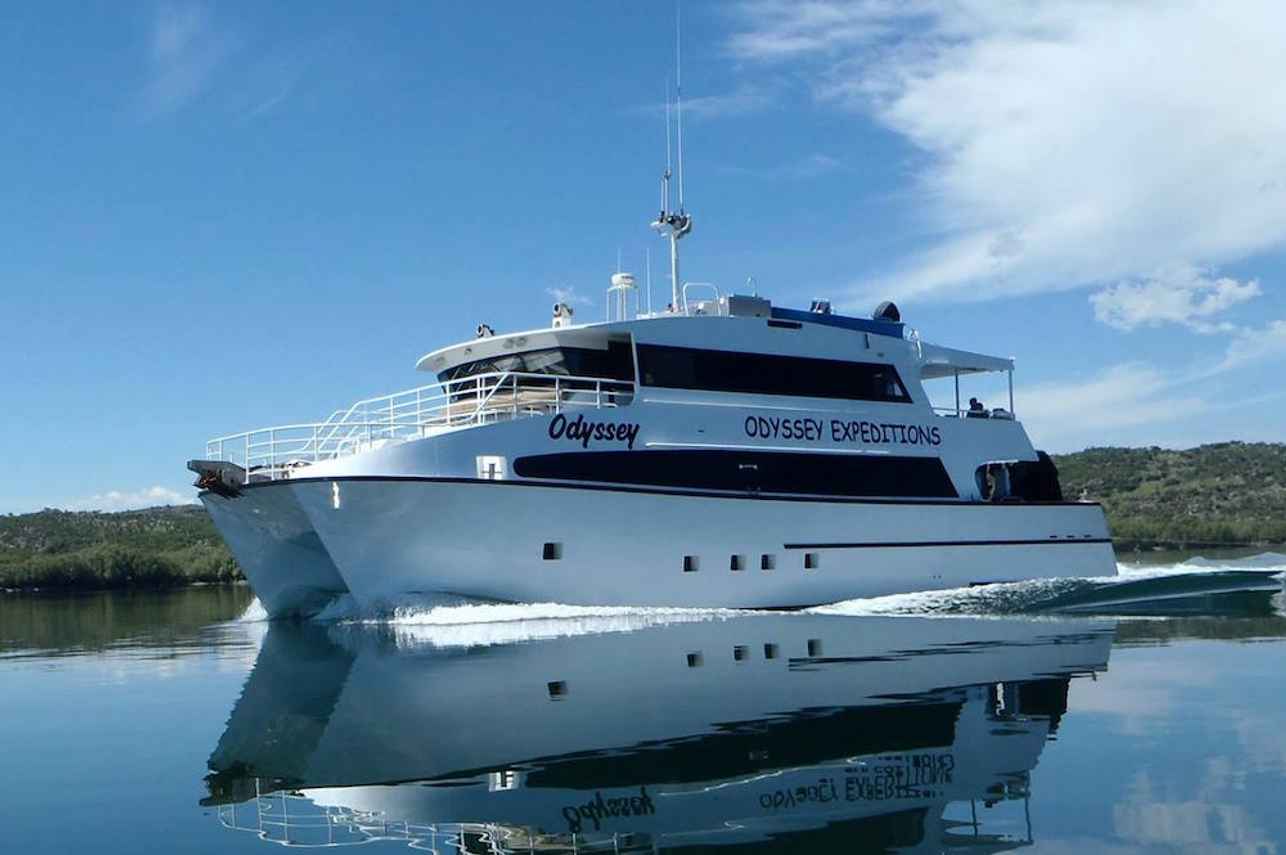
Odyssey Liveaboard
Australia
20 guests24 m
$391/day
Dive sites similar to Osprey Reef - Admiralty Anchor
Same character, same waters — six more sites divers love for the exact same reasons.Compare seasons, access and liveaboard routes — then pick the site that fits your trip best.
© Esri — Maxar, Earthstar, GIS
Challenger Bay
Australia
Challenger Bay, nestled on Ribbon Reef #10, approximately 176 kilometers north of Port Douglas, is a renowned dive site on the remote northern Great Barrier Reef.
- Suitable for
- Advanced
- Current
- Moderate
- Access
- Liveaboard only
- Depth
- 5–30 m
- Theme
- Reef
© Esri — Maxar, Earthstar, GIS
Trochus Sanctuary
Micronesia
Trochus Sanctuary is a distinctive dive site located north of the mid-point of Kosrae, southwest of the island's airport.
- Suitable for
- Beginner
- Current
- Mild
- Access
- Dayboat
- Depth
- 5–13 m
- Theme
- Reef
© Esri — Maxar, Earthstar, GIS
Bare Island East
Australia
Bare Island East is a highly regarded shore dive in Sydney, celebrated for its diverse and colourful sponge gardens.
- Suitable for
- Intermediate
- Current
- Mild
- Access
- Shore / dayboat
- Depth
- 2–11 m
- Theme
- Reef
© Esri — Maxar, Earthstar, GIS
Raine Island
Australia
Raine Island is a pivotal dive site located in the Far Northern Great Barrier Reef, approximately 85 kilometers east-north-east of Cape Grenville and just over 4 nautical miles south of the island itself.
- Suitable for
- Advanced
- Current
- Strong
- Access
- Liveaboard only
- Depth
- 5–40 m
- Theme
- Reef / Wall
© Esri — Maxar, Earthstar, GIS
Neptune Islands
Australia
The Neptune Islands, nestled at the mouth of South Australia's Spencer Gulf, offer an unparalleled opportunity to encounter great white sharks.
- Suitable for
- Advanced
- Current
- Strong
- Access
- Liveaboard or dayboat
- Depth
- 5–15 m
- Theme
- Drift
© Esri — Maxar, Earthstar, GIS
Walung Drop-Off
Micronesia
Walung Drop-Off is a well-known dive site situated off the southwest coast of Kosrae in the Federated States of Micronesia.
- Suitable for
- Intermediate
- Current
- Moderate
- Access
- Dayboat
- Depth
- ≤ 30 m
- Theme
- Wall / Reef