About Moorea - The Canyons
The Canyons is a notable dive site located off the mythical Ōpūnohu Bay in Moorea, one of French Polynesia's easily accessible Society Islands. This region is celebrated for its rich marine biodiversity and offers diverse diving experiences, from shallow lagoons to deeper offshore sites. Moorea itself is a volcanic island characterized by lush rainforests, pineapple plantations, and dramatic mountain peaks, providing a stunning backdrop to its vibrant underwater world. The dive site is particularly renowned for its consistent and lively shark encounters. Underwater, The Canyons features a varied topography where divers can explore formations that attract a wide array of marine life. While specific geological details like caves or extensive walls are not explicitly mentioned for this site, the strong currents that characterize the area suggest a channel or pass-like environment, crucial for drawing in pelagic species. Depths in Moorea's dive sites generally range from calm lagoon areas suitable for beginners to more advanced offshore dives. Marine life at The Canyons is abundant and includes frequent sightings of green and hawksbill turtles, along with diverse shark species such as blacktip reef sharks and lemon sharks. Moray eels, triggerfish, parrotfish, clownfish, and various butterflyfish and angelfish are also commonly observed. Whale encounters, specifically humpback whales, are seasonal from August to October and are typically restricted to snorkeling under strict local regulations. Shark encounters, however, are a year-round highlight. The diving experience at The Canyons is best suited for confident and experienced divers due to the presence of strong currents. These currents play a significant role in attracting the varied marine life, creating a dynamic underwater environment. The consistent water temperatures, ranging from 26°C to 29°C (78°F to 84°F) year-round, ensure comfortable diving conditions, while excellent visibility, often exceeding 30 meters (100 feet), enhances the opportunity to observe the rich ecosystem.
Highlights
Ōpūnohu Bay locationfrequent shark encountersblacktip reef sharkslemon sharksgreen and hawksbill turtlesanemones with clownfishstrong currents
Season calendar
Best months to dive here
Jan
Feb
Mar
Apr
May
Jun
Jul
Aug
Sep
Oct
Nov
Dec
Good
Dive site facts: Moorea - The Canyons
- Depth
- 11–20 m (no bottom)
- Typical dive
- 11–20 m
- Current
- Strong
- Visibility
- 25 m+
- Water temperature
- 26–29°C
- Entry
- Backroll from boat
- Level
- Experienced
- Dive type
- Drift, pelagic, reef
- Night dive
- Possible
- Region / port
- Moorea, Society Islands
- Coordinates
- -17.47, -149.875
Conditions & Currents
The Canyons is known for its strong, often unpredictable currents, which are a defining feature of the dive and attract large pelagic species. Divers should be prepared for drift diving conditions, with currents sometimes strong enough to make swimming against them challenging. Surge can also be significant closer to the reef, requiring excellent buoyancy control. Dive operators typically employ small, fast boats for quick entries and exits, often utilizing backroll entries and ladder exits. Guides plan dives to minimize effort, often starting up-current and drifting back to the pickup point. Experience with currents is highly recommended, and divers should be confident in their abilities to navigate dynamic underwater environments.
Marine life & sighting chances
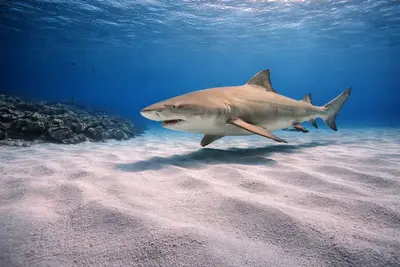
Lemon Shark
Year-round · common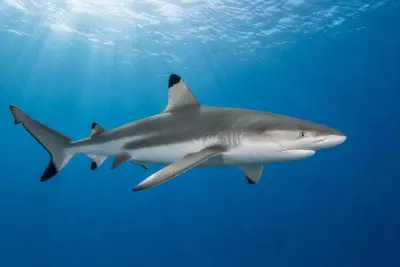
Blacktip Shark
Year-round · common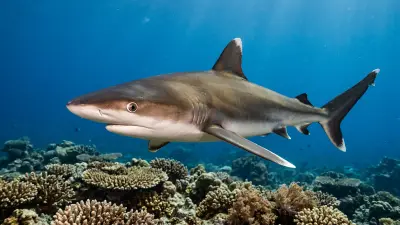
Silvertip Shark
Year-round · common
Grey Reef Shark
Year-round · common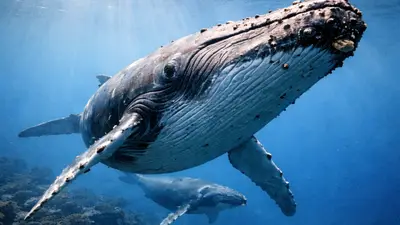
Humpback Whale
August-October · occasional
Dolphin
Year-round · occasional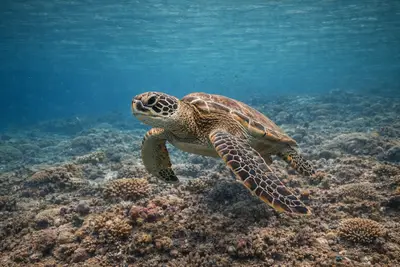
Green Sea Turtle
Year-round · occasional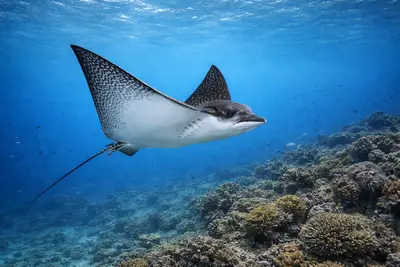
Eagle Ray
Year-round · occasional
Barracuda
Year-round · common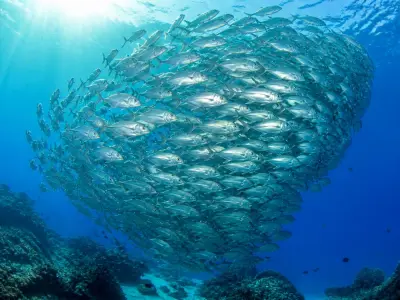
Jackfish
Year-round · common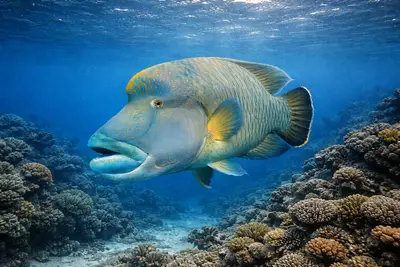
Napoleon Wrasse
Year-round · occasional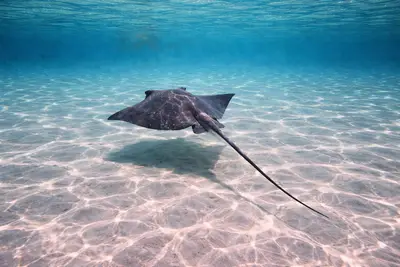
Stingray
Year-round · common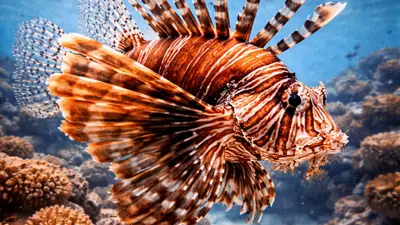
Lionfish
Year-round · occasionalDive profile & how the dive runs
Dives at The Canyons often begin with a backroll entry from a small, fast boat directly into the current, positioning divers to drift along the outer reef. The typical route involves descending to depths between 11 and 20 meters, following the contours of the dramatic canyons. Divers move with the current, observing the walls covered with corals and the pelagic life that congregates in the flow, including various shark species. The dive progresses over multiple canyon structures, with guides maintaining awareness of the dinghy's position up-current for the return. As air supplies deplete, divers will ascend gradually, often conducting a safety stop in shallower, less current-affected areas before surfacing for a boat pickup. Due to the currents, precise navigation and constant awareness of surroundings are crucial.
Underwater photography
Underwater photography at The Canyons can be challenging but highly rewarding, especially for wide-angle enthusiasts. The strong currents and pelagic subjects like sharks call for a wide-angle lens to capture the grandeur of the canyons and the schooling marine life. Fast shutter speeds are often necessary to freeze action, particularly when capturing sharks in motion. While small boats used by dive operators might lack dedicated camera tables, divemasters are typically very helpful with camera handling during entry and exit. Natural light is often sufficient due to excellent visibility, but strobes are beneficial for color and detail, especially in deeper sections or for highlighting reef life against the blue. Good buoyancy control is paramount to avoid disturbing corals and to maintain position in currents, allowing for stable shots.
Combine with nearby dive sites
- Moorea - Tiki Point
Tiki Point is an outstanding dive site located off the picturesque island of Moorea in French Polynesia, easily accessible from Tahiti.
- Moorea - Ray Corridor
The Ray Corridor in Moorea offers an exhilarating drift dive experience within a natural lagoon, making it a favorite for divers seeking…
- Moorea - The Roses
Moorea's 'The Roses' is a celebrated dive site off the stunning volcanic island of Moorea, part of French Polynesia's easily accessible…
- Tahiti - Shark's Hole
Shark's Hole, locally known as "The Shark Hole," is a notable dive site located in the Tuamotu atolls of French Polynesia, specifically…
- Tahiti - The Aquarium
Tahiti - The Aquarium offers a unique and accessible diving experience within the vibrant marine environment of French Polynesia.
Getting there & logistics
Moorea is easily accessible from Tahiti (PPT) by frequent ferries, taking approximately 30-40 minutes. Travelers typically fly into Faa'a International Airport (PPT) in Tahiti, then transfer to the ferry terminal. Many liveaboards and dive operators offer complimentary transfers from hotels on Moorea. Dive trips typically involve multiple dives per day, with liveaboards offering extended itineraries that include Moorea as part of a larger French Polynesia circuit. No specific park fees are mentioned for this site, but general French Polynesia dive safety and environmental regulations apply, including restrictions on shark feeding and whale interaction. Renting a car on Moorea is recommended for exploring the island outside of dive activities.
Safety & environment
Diving at Moorea - The Canyons requires adherence to strict safety protocols due to strong currents and frequent pelagic encounters. French Polynesia has robust dive-safety and environmental regulations, with depths typically limited to 30m unless divers hold higher qualifications. It is essential to listen carefully to local guides, maintain excellent buoyancy, and practice a no-touch, no-chase approach to marine life. The nearest recompression chamber is located in Tahiti. Divers should ensure they have comprehensive dive insurance covering medical emergencies and potential evacuation. Operators generally conduct thorough dive briefings, emphasizing planned safety stops and emergency procedures. Whale interactions, especially during the August-October season, are strictly regulated and typically involve snorkeling under specific guidelines.
Who it suits — and who it doesn't
Suited for
- Experienced divers confident in currents
- Shark enthusiasts
- Macro and wide-angle photographers
- Liveaboard guests seeking varied itineraries
- Divers interested in pelagic encounters
Less suited for
- Beginner divers without current experience
- Divers uncomfortable with deep blue water
- Those seeking calm, sheltered dives
- Individuals with poor buoyancy control
- Divers who prefer solely macro subjects
FAQ
Moorea - The Canyons FAQ
What kind of marine life can I expect to see at The Canyons?
The Canyons is famous for its pelagic species and abundant sharks. You can commonly encounter Lemon, Blacktip, Silvertip, and Grey Reef Sharks. Dolphins, Green Sea Turtles, and Eagle Rays are also frequent visitors, alongside large schools of Barracuda and Jackfish. Occasional sightings of Napoleon Wrasse and Lionfish add to the diversity.
Are the currents always strong at Moorea - The Canyons?
The Canyons is known for its strong and often dynamic currents, which are a key factor in attracting its rich pelagic life. While conditions can vary, divers should always be prepared for drift diving scenarios. Dive guides expertly manage these conditions, planning routes that utilize the currents for exhilarating dives and ensuring safe entries and exits.
Is Moorea - The Canyons suitable for beginner divers?
This site is generally recommended for experienced divers who are confident in strong currents and have excellent buoyancy control. The dynamic conditions and potential for significant surge closer to the reef require a higher level of skill. Beginner divers might find the currents challenging and less enjoyable.
What is the best time of year to dive Moorea - The Canyons?
The dry season, running from March to November, typically offers the best diving conditions. During these months, you can expect cooler, less humid weather, calmer seas, and exceptional underwater visibility, often extending beyond 30 meters. Water temperatures remain warm and comfortable year-round.
Can I see whales at Moorea - The Canyons?
While humpback whales migrate to Moorea waters from August to October, encounters at The Canyons are usually limited to hearing their songs underwater. Surface encounters and snorkeling with whales are possible in Moorea, but they occur under strict regulations and are not typically part of a standard dive at The Canyons.
How do I get to Moorea - The Canyons?
Access to Moorea is typically via a short ferry ride from Tahiti's Faa'a International Airport (PPT). Once on Moorea, dive operators provide transfers from various resorts and pensions to their dive centers. Dives at The Canyons are conducted from small, fast boats that take you directly to the site, often departing from the northern coast of the island.
Why dive Moorea - The Canyons from a liveaboard?
Moorea - The Canyons is one of French Polynesia's signature dive sites. A liveaboard sleeps you on the water and puts you in the water for three to four guided dives per day, including dawn and night dives that day-boat operators rarely offer. You skip the daily commute back to port and reach quieter, less-crowded sites in the same region on a single trip.
Below are the liveaboards that include Moorea - The Canyons on their French Polynesia itineraries.
Liveaboards diving Moorea - The Canyons
These liveaboards may visit Moorea - The Canyons on selected itineraries — the exact dive sites depend on departure, weather and conditions.
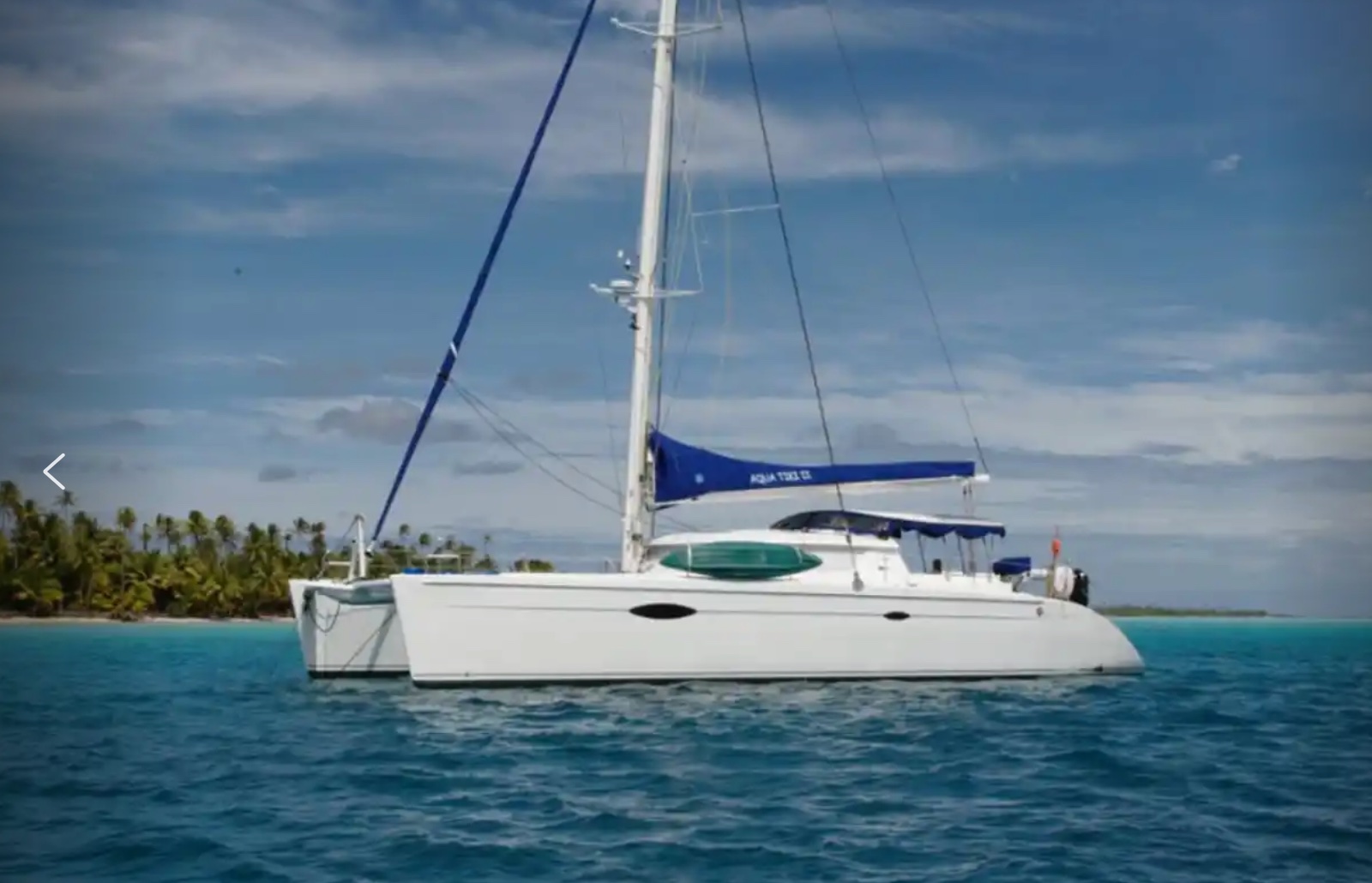
Aqua Tiki II
French Polynesia
8 guests
$579/day
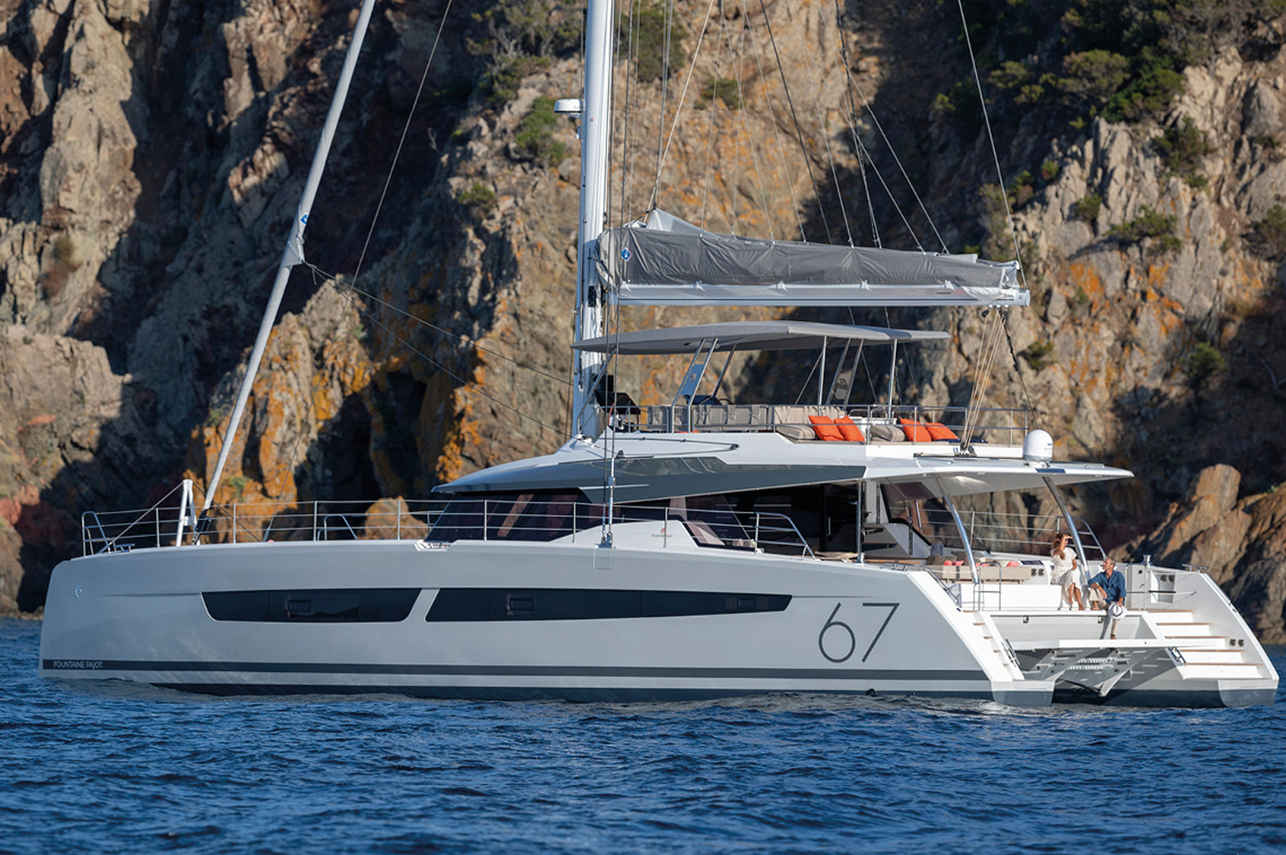
Aqua Tiki III
French Polynesia
10 guests20 m
$504/day
Dive sites similar to Moorea - The Canyons
Same character, same waters — six more sites divers love for the exact same reasons.Compare seasons, access and liveaboard routes — then pick the site that fits your trip best.
Fakarava - Ohotu Reef
French Polynesia
Ohotu Reef, situated in Fakarava's immense Garuae Pass, is a premier dive destination within the UNESCO Biosphere Reserve of French Polynesia.
- Suitable for
- Advanced
- Current
- Strong
- Access
- Liveaboard or dayboat
- Depth
- 5–18 m
- Theme
- Drift / Reef
Moorea - Ray Corridor
French Polynesia
The Ray Corridor in Moorea offers an exhilarating drift dive experience within a natural lagoon, making it a favorite for divers seeking dynamic encounters.
- Suitable for
- Beginner
- Current
- Moderate
- Access
- Liveaboard or dayboat
- Depth
- 3–12 m
- Theme
- Drift / Reef
The Sharks’ cavern
French Polynesia
The Sharks’ Cavern is a prominent dive site located within the Tiputa Pass of Rangiroa, French Polynesia, celebrated for its unique shark encounters and exhilarating drift diving experience.
- Suitable for
- Advanced
- Current
- Strong
- Access
- Dayboat
- Depth
- 12–35 m
- Theme
- Drift / Cavern
Garaue Pass
French Polynesia
Garaue Pass, located in the northern part of Fakarava Atoll within the Tuamotu Archipelago, is recognized as a premier diving destination, particularly for shark encounters.
- Suitable for
- Advanced
- Current
- Ripping
- Access
- Liveaboard or dayboat
- Depth
- 12–30 m
- Theme
- Drift
Fakarava - North Pass
French Polynesia
Fakarava's North Pass, officially known as Garuae Pass, is a world-renowned drift dive site in the Tuamotu Archipelago of French Polynesia.
- Suitable for
- Advanced
- Current
- Strong
- Access
- Dayboat
- Depth
- 8–40 m
- Theme
- Drift
Ohutu Pass
French Polynesia
Pakaka Pass, situated in the Apataki Atoll within French Polynesia's Tuamotu Archipelago, lies approximately 370 kilometers northeast of Tahiti.
- Suitable for
- Advanced
- Current
- Strong
- Access
- Liveaboard only
- Depth
- ≤ 30 m
- Theme
- Reef / Drift