About Menjangan Island Wall
Menjangan Island, nestled in the protected West Bali National Park, stands as Bali's pioneering internationally recognized dive destination. Celebrated for its dramatic wall dives, it offers a serene escape from Bali's more crowded southern coasts. The island's underwater topography is characterized by stunning vertical walls that plunge from depths of 10 meters down to 60 meters or more, intricately carved with overhangs, crevasses, and small cavelettes. These sun-drenched walls host an unparalleled diversity of soft corals, sponges, and the highest concentration of Gorgonian seafans in Bali, often sheltering elusive pygmy seahorses. The dive sites boast prolific reef fish populations, frequent turtle sightings, and occasional encounters with larger pelagics like reef sharks, though strong ocean currents are less common here compared to other Balinese locations. Macro enthusiasts will find a rich tapestry of nudibranchs and small critters camouflaged among the corals. The consistent water temperatures, ranging from 26°C to 31°C, coupled with excellent visibility that can exceed 50 meters during peak season, ensure a comfortable and visually spectacular diving experience for all levels. Diving at Menjangan Island is typically done from a boat, departing a short 30-minute ride from mainland Bali, specifically from Pemuteran or Sumberkima. Conditions are generally calm with mild to zero currents, making it accessible for beginners, while the profound wall dives offer ample exploration for advanced divers. The area's protected status helps maintain its pristine conditions, offering a unique blend of vibrant reef ecosystems and historical intrigue, such as the Anker Wreck at 40 meters, making it an essential stop for any Bali diving itinerary. Despite its tranquil conditions, divers should always practice safe diving protocols, especially given the depths available. While the conditions are often easy, the potential for deep dives means careful ascent and safety stop
Highlights
Dramatic vertical wall divesHighest concentration of Gorgonian seafansExceptional visibility up to 50mProlific reef fish and turtlesPygmy seahorse sightingsCalm conditions, mild currentsHistoric Anker WreckUnderwater temple garden
Season calendar
Best months to dive here
Jan
Feb
Mar
Apr
May
Jun
Jul
Aug
Sep
Oct
Nov
Dec
Excellent
Good
Apr – Nov (Apr–Nov)
The dry season brings calm seas, 25–30m+ visibility, and strong currents that attract mantas, sharks, and pelagics to Komodo. Alor offers pristine reef diving with 20–40m visibility. Bali's Nusa Penida delivers Mola Mola encounters from July to October. Water temperatures range from 24–28°C — a 3mm or 5mm wetsuit is recommended.
Dec – Mar (Oct–Apr)
Raja Ampat peaks during the wet season with calmer seas, plankton-rich waters attracting manta rays, and excellent biodiversity. Water is a warm 28–30°C with 15–25m visibility. The Banda Sea opens its rare expedition window from September to December, with hammerhead sharks and pristine seamounts. Lembeh Strait offers world-class muck diving year-round. A 3mm wetsuit is sufficient.
Dive site facts: Menjangan Island Wall
- Depth
- 5–60 m
- Typical dive
- 12–25 m, 50–60 min
- Current
- Zero to mild
- Visibility
- 15–50 m
- Water temperature
- 26–31°C
- Entry
- Boat
- Level
- All levels (OW to Advanced)
- Dive type
- Wall, reef, wreck, macro, drift
- Night dive
- Possible
- Region / port
- West Bali, Indonesia
- Coordinates
- -8.1234, 114.5412
Conditions & Currents
Currents at Menjangan Island are typically mild to non-existent, making it a highly accessible and comfortable dive site for divers of all experience levels. Unlike some other Balinese locations, Menjangan is protected from stronger ocean currents, which contributes to its generally calm conditions and exceptional visibility. Occasional gentle drift dives can occur, particularly along sites like Pos II, offering a relaxing way to experience the reef. Entry is almost exclusively by boat, allowing direct access to the prime dive areas, and exit is generally straightforward due to the minimal water movement. Divers should still be aware of their buoyancy, especially during wall dives, to avoid contact with the delicate coral structures. Visibility often ranges from 15 to 30 meters, frequently extending to 40-50 meters during the dry season, providing ample light and clear views.
Marine life & sighting chances

Garden Eel
common
Sea Turtle
common
Gorgonian Seafans
common
Pygmy Seahorse
occasional
Nudibranch
common
Reef Fish (various)
common
Angelfish
common
Clownfish
common
Lionfish
common
Trevally
occasional
Barracuda
occasional
Reef Shark
occasionalDive profile & how the dive runs
A typical dive at Menjangan Island's wall sites, like Garden Eel Point or The Wall, begins with a boat entry directly over the reef, usually in an area sheltered from any slight current. You will descend along the vibrant vertical wall, often starting around 10 meters and following its contours down to your desired depth, commonly between 18 to 30 meters. The route involves exploring the numerous overhangs, small caves, and crevasses that pepper the wall, keeping an eye out for macro life and garden eels on sandy patches. The turn point is determined by gas consumption and no-decompression limits, after which you will slowly ascend along the wall, allowing for thorough exploration of the shallower coral gardens. The safety stop is typically performed at 5 meters along the reef, providing a final opportunity to observe colorful reef fish before surfacing near the boat.
Underwater photography
Menjangan Island offers outstanding opportunities for both wide-angle and macro photography, thanks to its exceptional visibility and diverse marine life. For wide-angle shots, consider a fisheye or rectilinear lens to capture the dramatic vertical walls, extensive Gorgonian seafans, and vibrant soft corals. Early morning dives are particularly rewarding for wide-angle, as the natural light penetrates deeply, reducing backscatter and enhancing colors. Using external strobes will help bring out the true hues of the corals and fish. Macro photographers will delight in the abundance of nudibranchs, small crustaceans, and the elusive pygmy seahorses often found nestled within the seafans. A dedicated macro lens and a snoot can highlight these tiny subjects beautifully. Maintaining excellent buoyancy is crucial to avoid touching the delicate corals and to get steady shots. When photographing garden eels, approach slowly and avoid settling on the sand, which can disturb them. Always respect marine life and the protected status of the area by minimizing disturbance and not chasing subjects.
Combine with nearby dive sites
- USAT Liberty Wreck
A renowned wreck dive accessible from shore in Tulamben, offering a different type of diving experience.
- Coral Garden Tulamben
Located near the USAT Liberty, known for its healthy coral formations and rich marine life.
- Japanese Wreck Amed
A shallow wreck popular for macro photography and exploring artificial reef structures.
- Manta Point Nusa Penida
Famous for consistent manta ray sightings, though with potentially stronger currents.
Getting there & logistics
To dive Menjangan Island, you typically fly into Denpasar (DPS) airport. From there, a transfer of approximately 3-4 hours takes you to the northwest Bali towns of Pemuteran or Sumberkima, which serve as the main departure points. Most dive operators offer day trips, consisting of 2-3 dives, departing by local boat (jukung) for a 30-minute ride to the island. Longer dive safaris often combine Menjangan with other North Bali sites. A typical dive trip itinerary to the region might involve a 3-day minimum stay, with 6 days recommended for a more relaxed experience that includes other local attractions. The area is part of West Bali National Park, and park fees are usually included in dive package prices. Booking accommodation in Pemuteran or Banyuwedang is advisable for convenient early-morning starts.
Safety & environment
While Menjangan Island offers generally calm conditions, diver safety remains paramount. The closest recompression chamber is located in Denpasar, requiring a significant transfer time from Menjangan. Therefore, robust dive insurance covering emergency medical evacuation and recompression treatment is not just recommended, but essential. Specific hazards at Menjangan include the potential for deep dives along the walls (down to 60m+), which necessitates strict adherence to depth limits and no-decompression times, especially for less experienced divers. Maintaining proper buoyancy control is critical to protect the fragile coral ecosystems. Divers should always follow their guide's instructions and conduct safety stops diligently. Menjangan's protected status within West Bali National Park means strict rules apply to marine life interaction and waste disposal.
Who it suits — and who it doesn't
Suited for
- Beginner divers seeking calm conditions
- Advanced divers for deep wall exploration
- Underwater photographers (macro and wide-angle)
- Divers interested in diverse soft corals and sponges
- Snorkelers due to clear, calm shallow waters
- Those looking for minimal current diving
Less suited for
- Divers seeking strong currents and large pelagic action
- Those unwilling to travel to Northwest Bali
- Divers who prefer shore entry sites
- Individuals sensitive to long surface intervals between boat dives
FAQ
Menjangan Island Wall FAQ
Is Menjangan Island suitable for beginner divers?
Yes, Menjangan Island is highly suitable for beginner divers. Its calm waters, mild to zero currents, and excellent visibility create a comfortable and safe environment. Many dive sites feature walls starting at manageable depths, allowing Open Water certified divers to enjoy the vibrant marine life and coral formations without significant challenges.
What kind of marine life can I expect to see at Menjangan?
Menjangan Island is renowned for its diverse macro and reef life. You can expect to see an abundance of colorful reef fish, sea turtles, garden eels, and a high concentration of Gorgonian seafans. Lucky divers may also spot pygmy seahorses, various nudibranchs, and occasional reef sharks or barracudas, especially along the deeper sections of the walls.
How good is the visibility at Menjangan Island?
The visibility at Menjangan Island is exceptional, often ranging from 15 to 30 meters. During the dry season, particularly from October to November, visibility can frequently exceed 50 meters. This crystal-clear water provides fantastic conditions for photography and allows for breathtaking views of the extensive wall formations and marine ecosystems.
Are there any wrecks to dive at Menjangan Island?
Yes, Menjangan Island is home to the historic Anker Wreck. This wreck, dating back to the 19th century, lies at a depth of around 40 meters. It offers an intriguing site for advanced divers to explore, acting as an artificial reef covered in marine growth and attracting various fish species.
How do I get to Menjangan Island for diving?
To dive Menjangan Island, you typically travel to Pemuteran or Sumberkima in Northwest Bali, which are about a 3-4 hour drive from Denpasar airport. From these towns, local dive operators run daily boat trips to Menjangan Island, a journey that takes approximately 30 minutes. It's often combined with a stay in these quieter coastal villages.
Is it possible to dive Menjangan Island during the rainy season?
While diving at Menjangan Island is possible year-round, the rainy season (December to March) may bring reduced visibility, increased rainfall, and stronger winds. Mornings typically offer calmer conditions during this period. However, for the best experience with optimal visibility and weather, the dry season from April to November is highly recommended.
Why dive Menjangan Island Wall from a liveaboard?
Menjangan Island Wall is one of Indonesia's signature dive sites. A liveaboard sleeps you on the water and puts you in the water for three to four guided dives per day, including dawn and night dives that day-boat operators rarely offer. You skip the daily commute back to port and reach quieter, less-crowded sites in the same region on a single trip.
Below are the liveaboards that include Menjangan Island Wall on their Indonesia itineraries.
Liveaboards diving Menjangan Island Wall
These liveaboards may visit Menjangan Island Wall on selected itineraries — the exact dive sites depend on departure, weather and conditions.
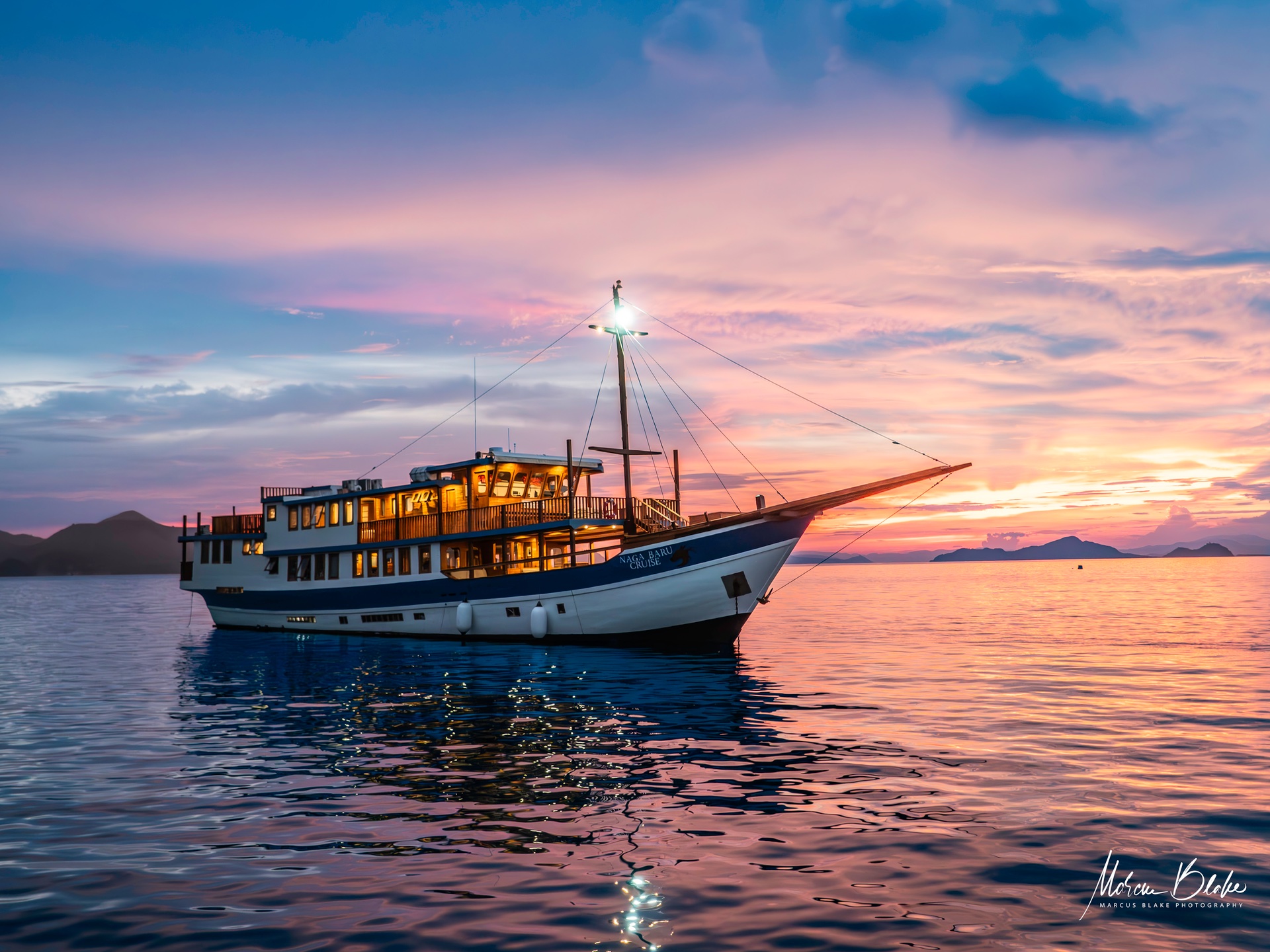
Naga Biru
Indonesia
12 guests40 m
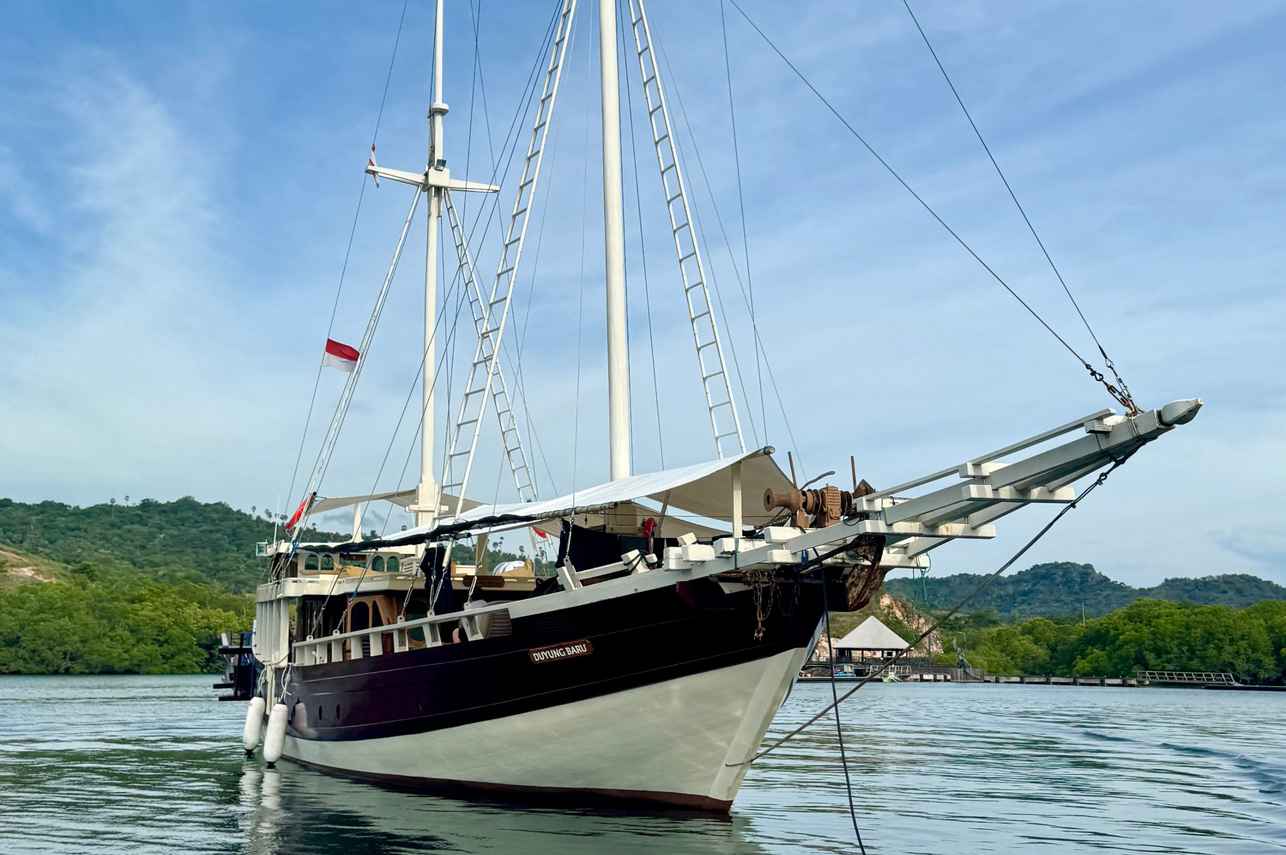
Ecopro Duyung Baru
Indonesia
6 guests27 m
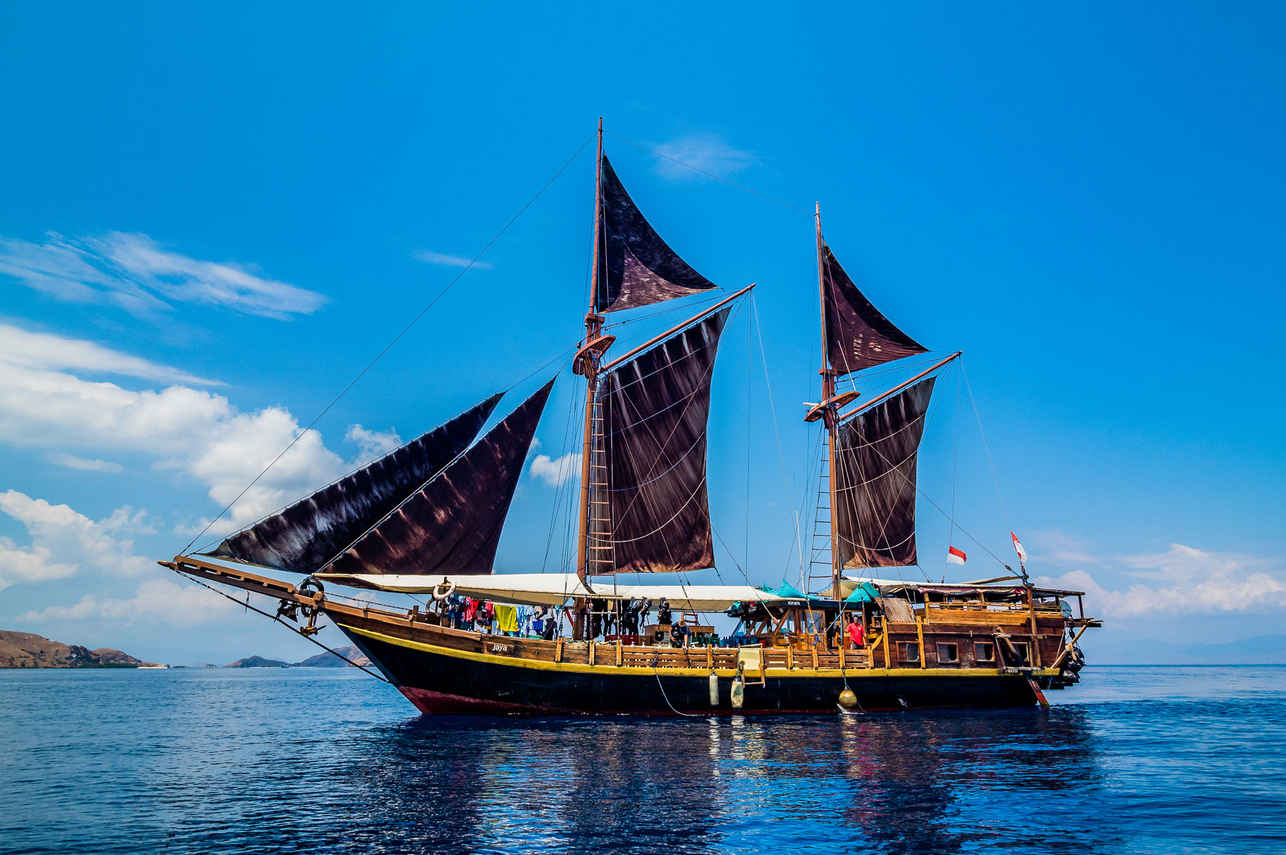
Jaya
Indonesia
14 guests23 m
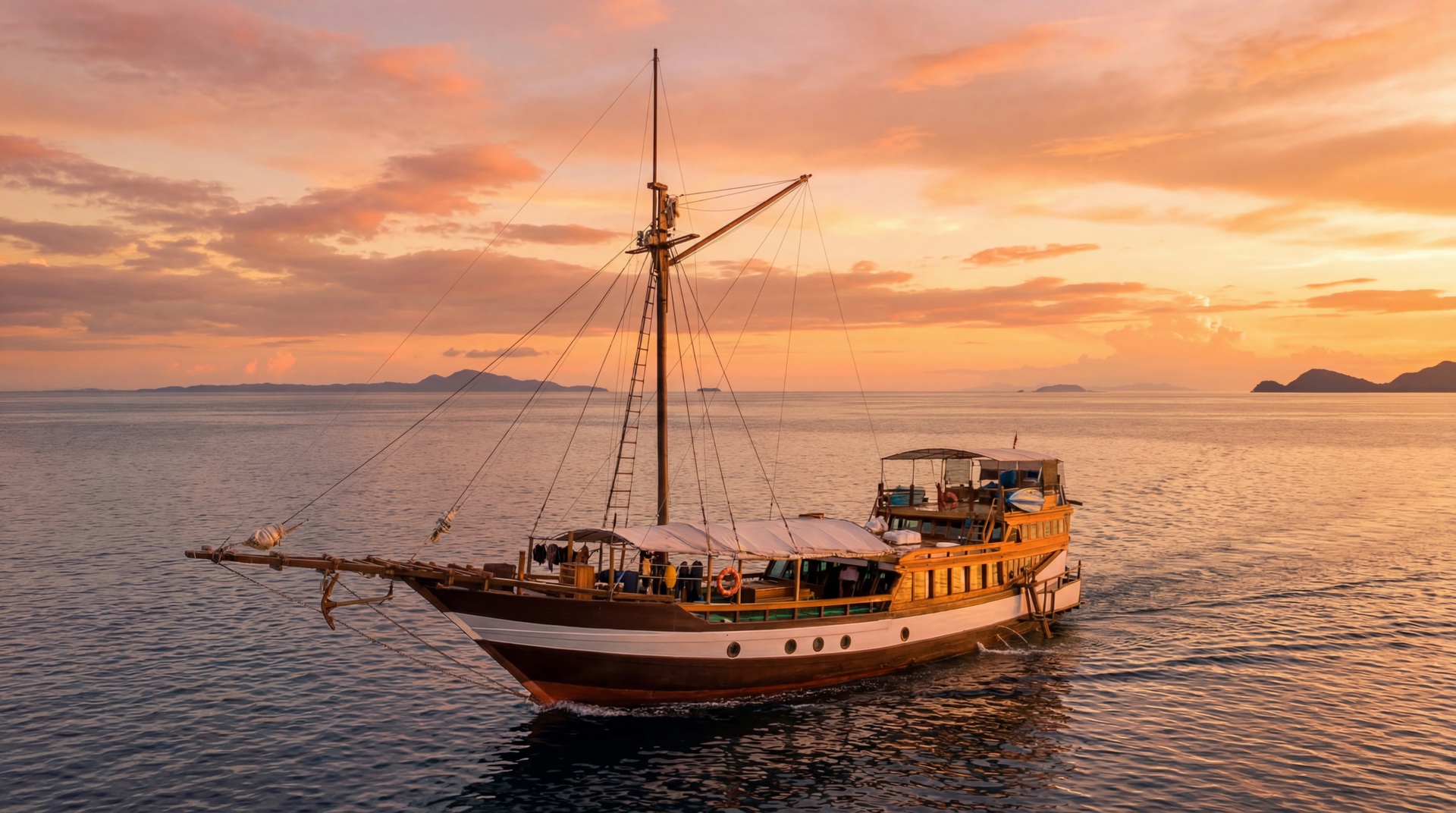
Wellenreng
Indonesia
9 guests25 m
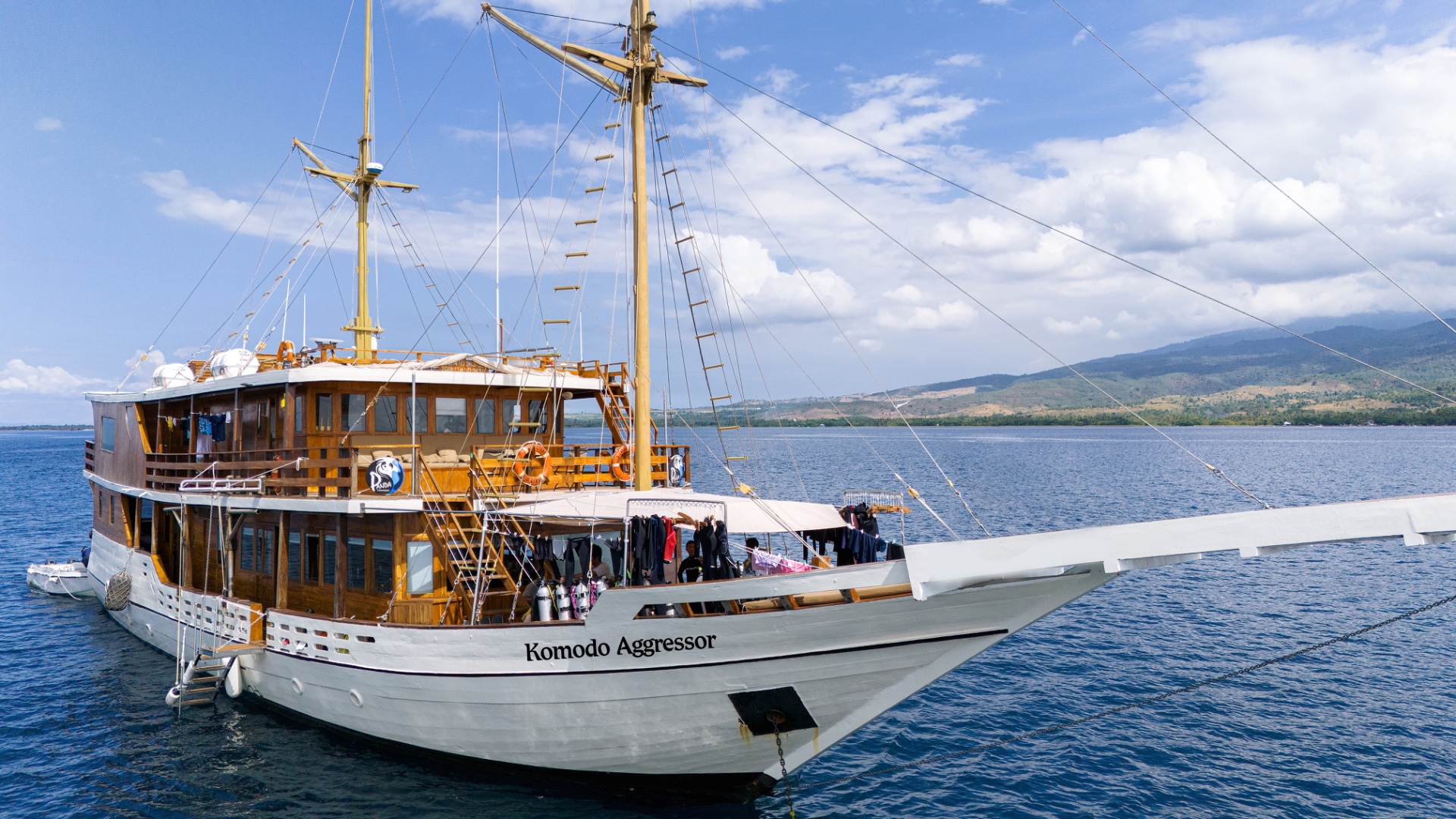
Komodo Aggressor
Komodo, Indonesia
16 guests29 m
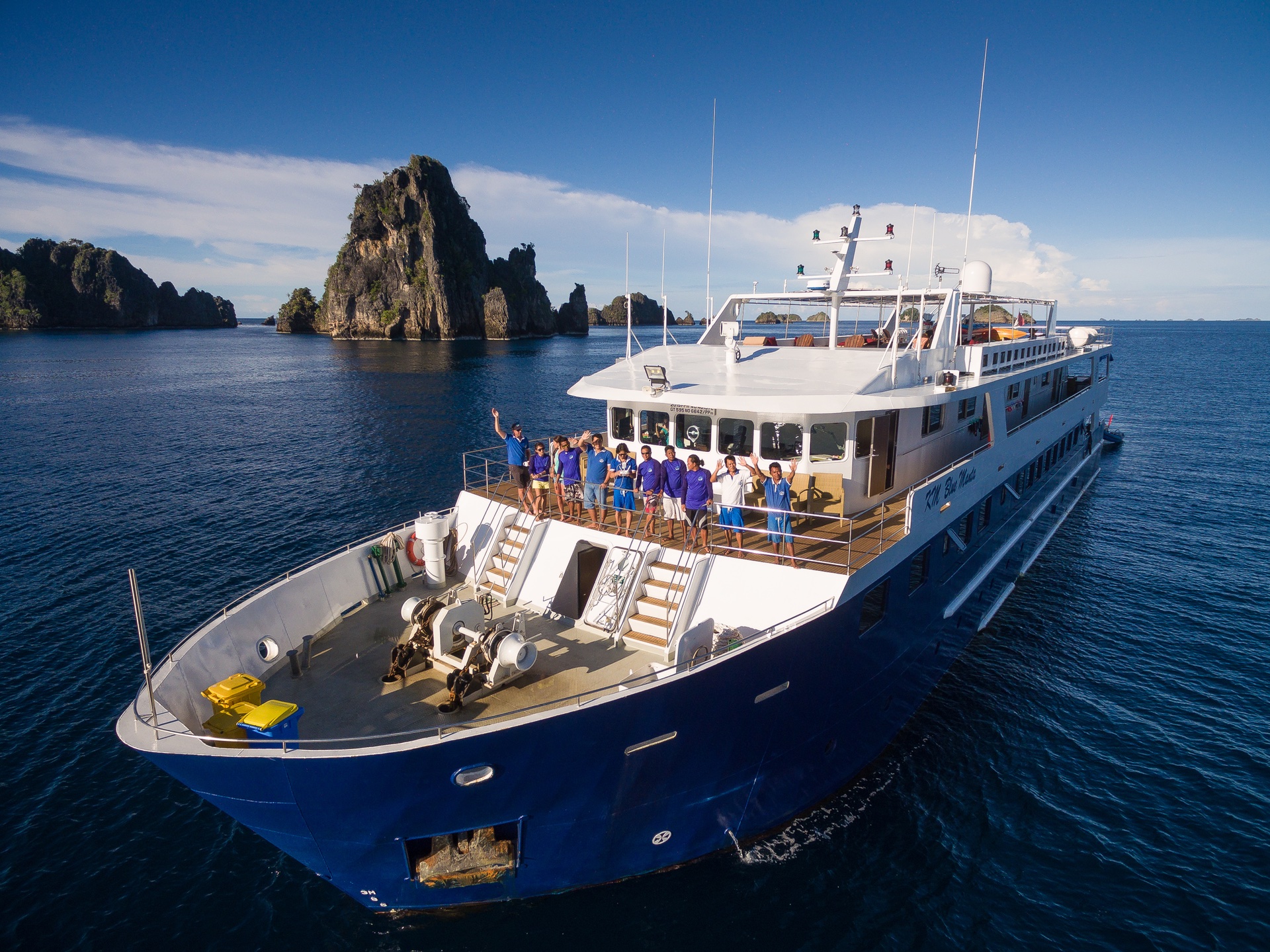
Blue Manta
Indonesia
20 guests45 m
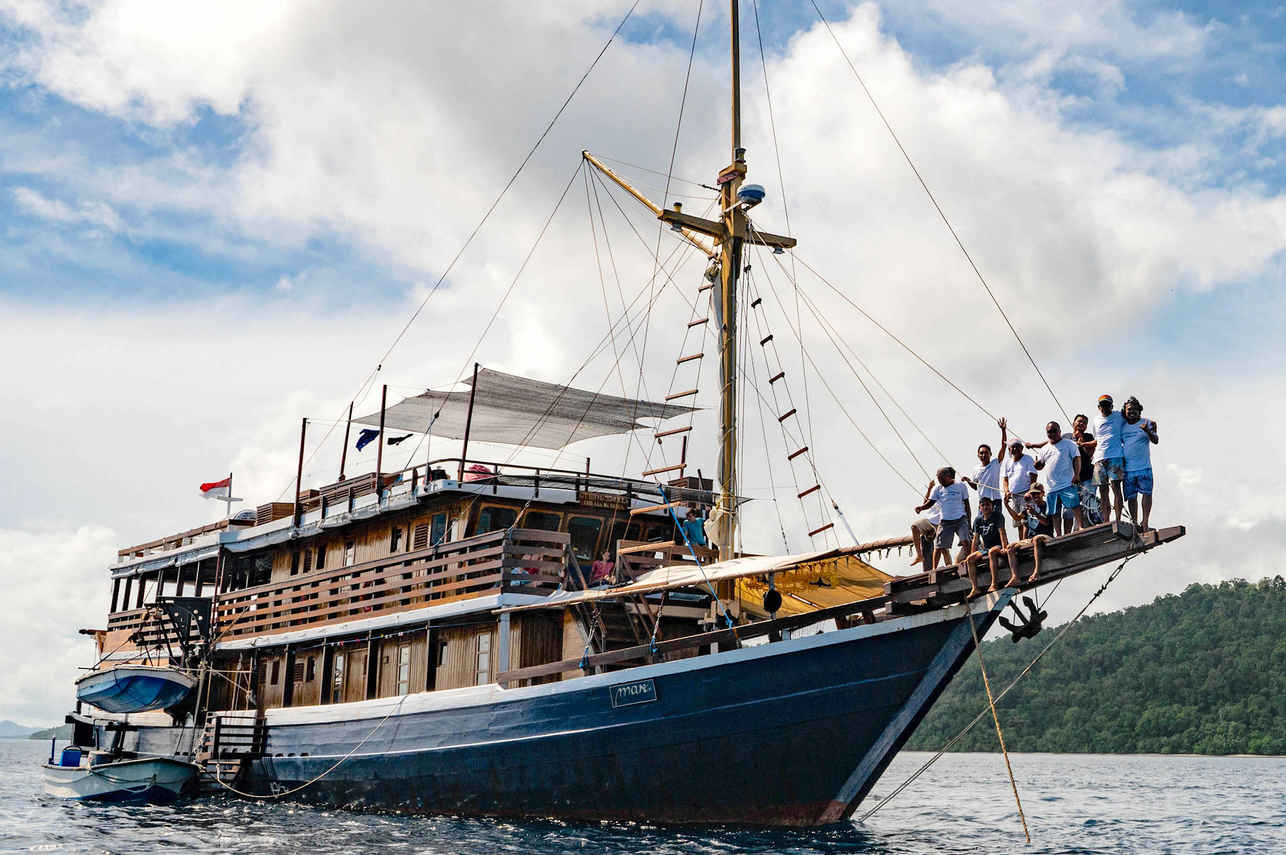
Mari
Indonesia
14 guests32 m
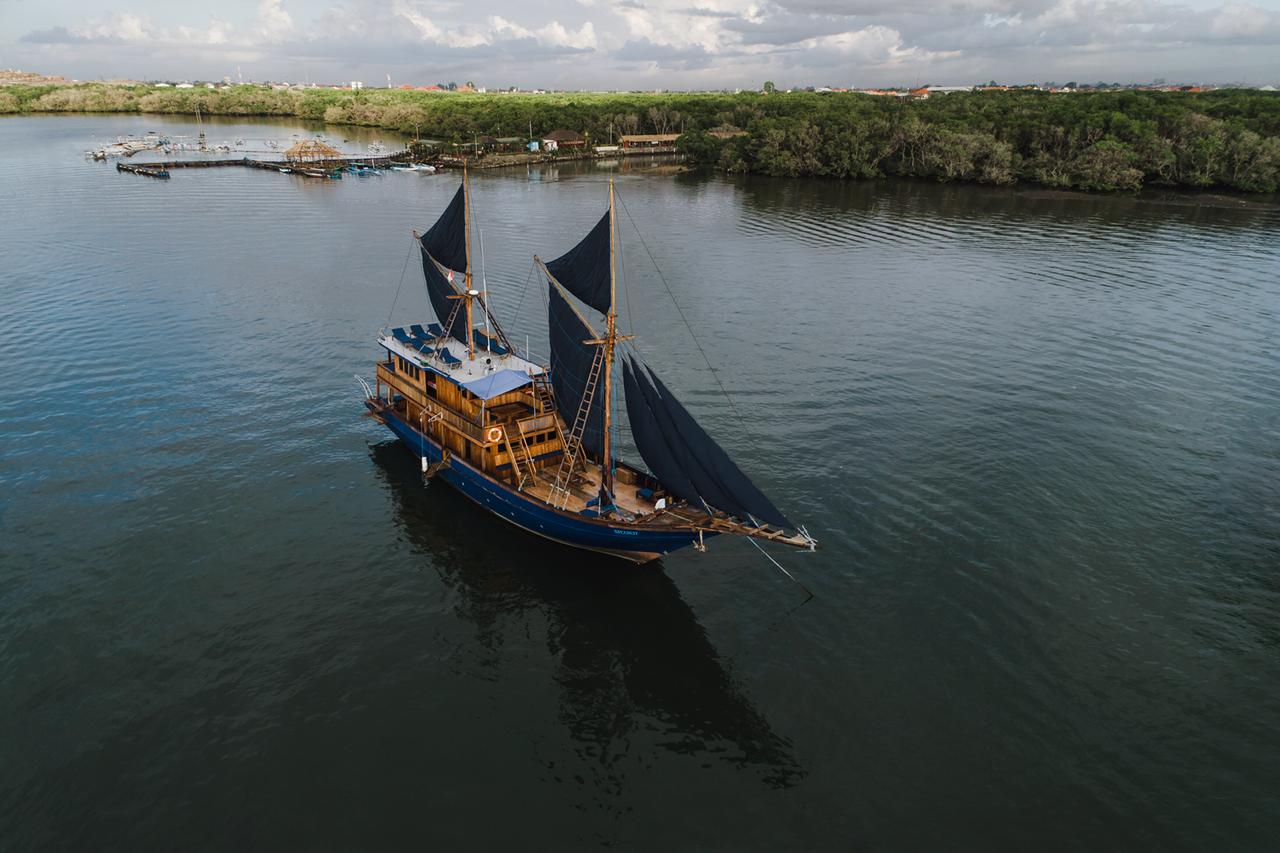
Situju7
Komodo, Indonesia
10 guests33 m
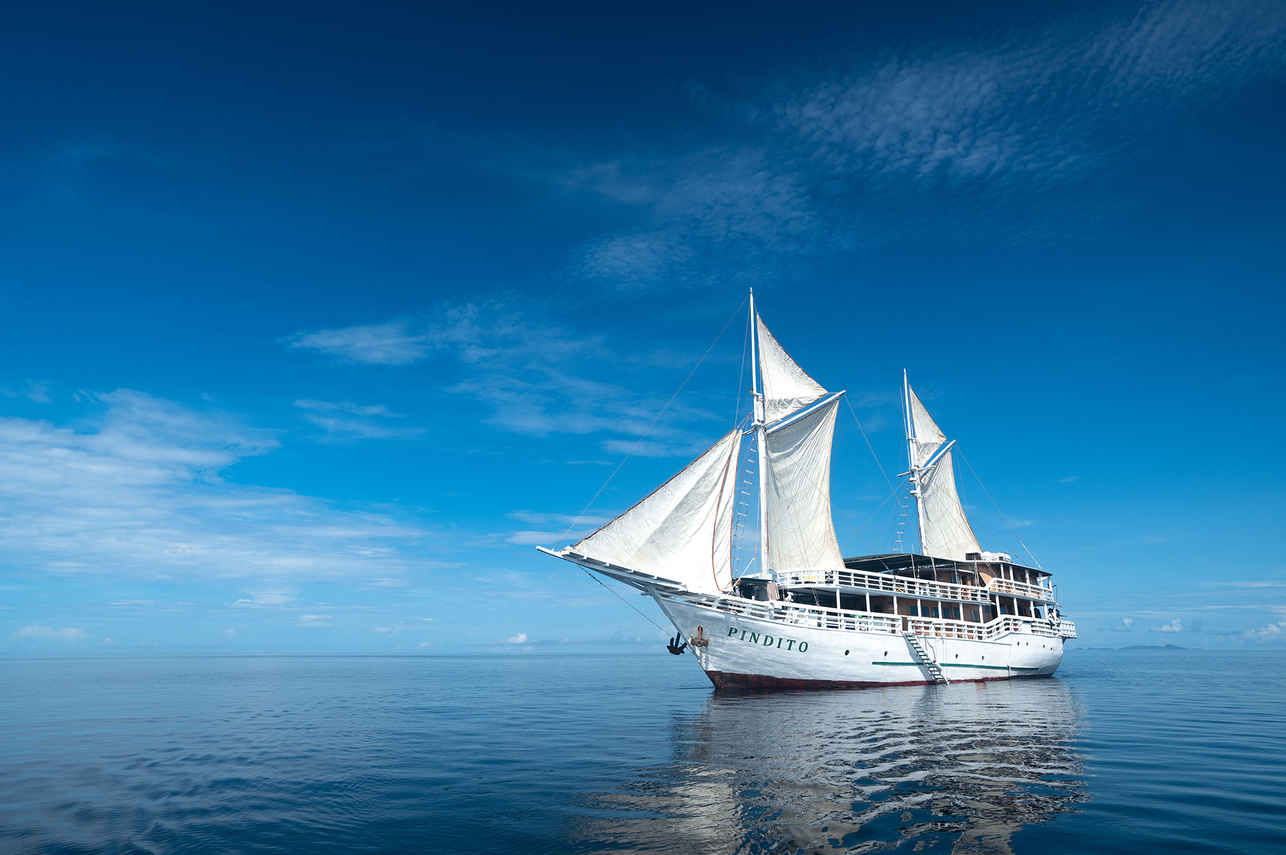
Pindito
Indonesia
16 guests38 m
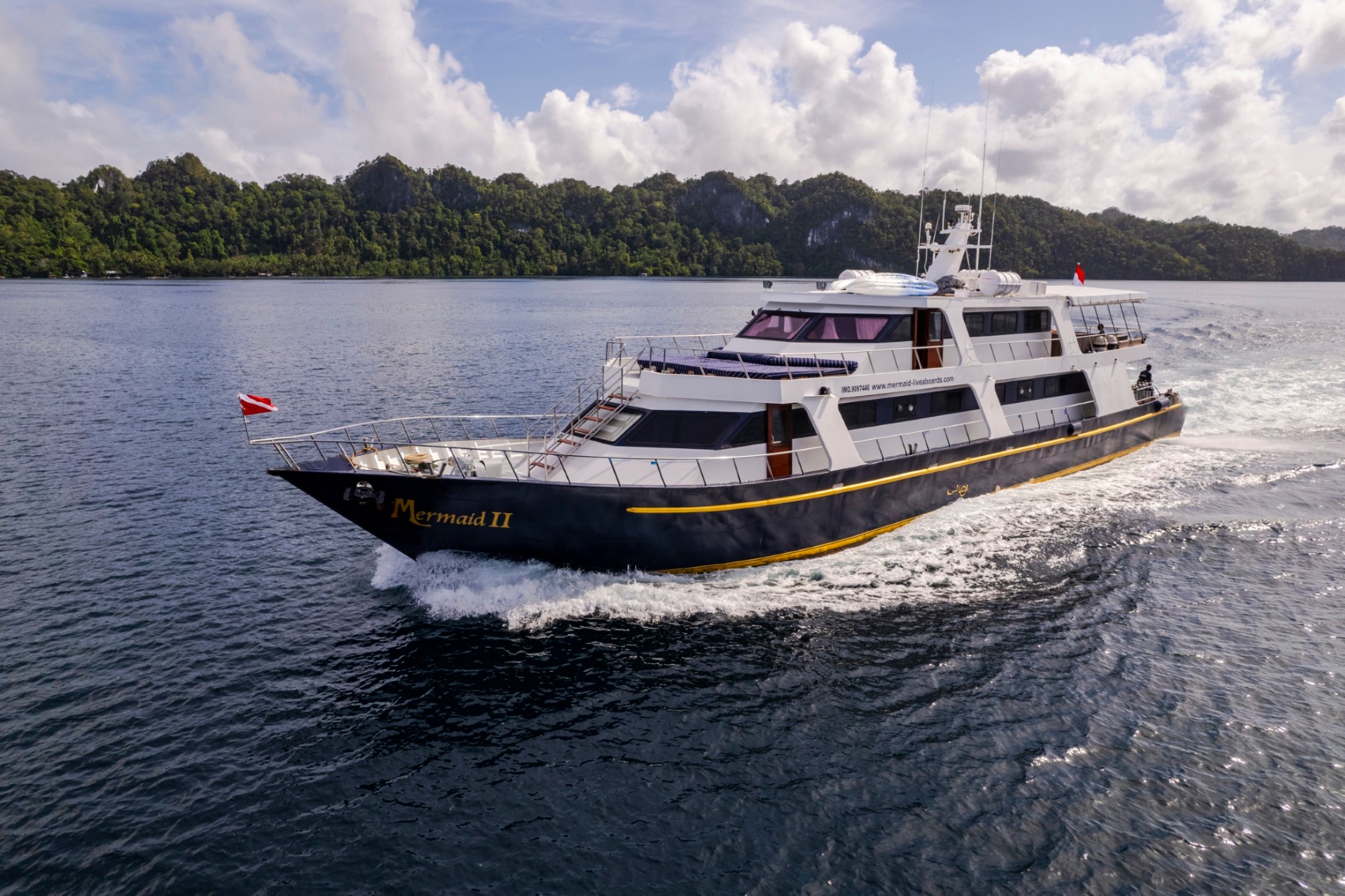
Mermaid II
Komodo, Indonesia
18 guests
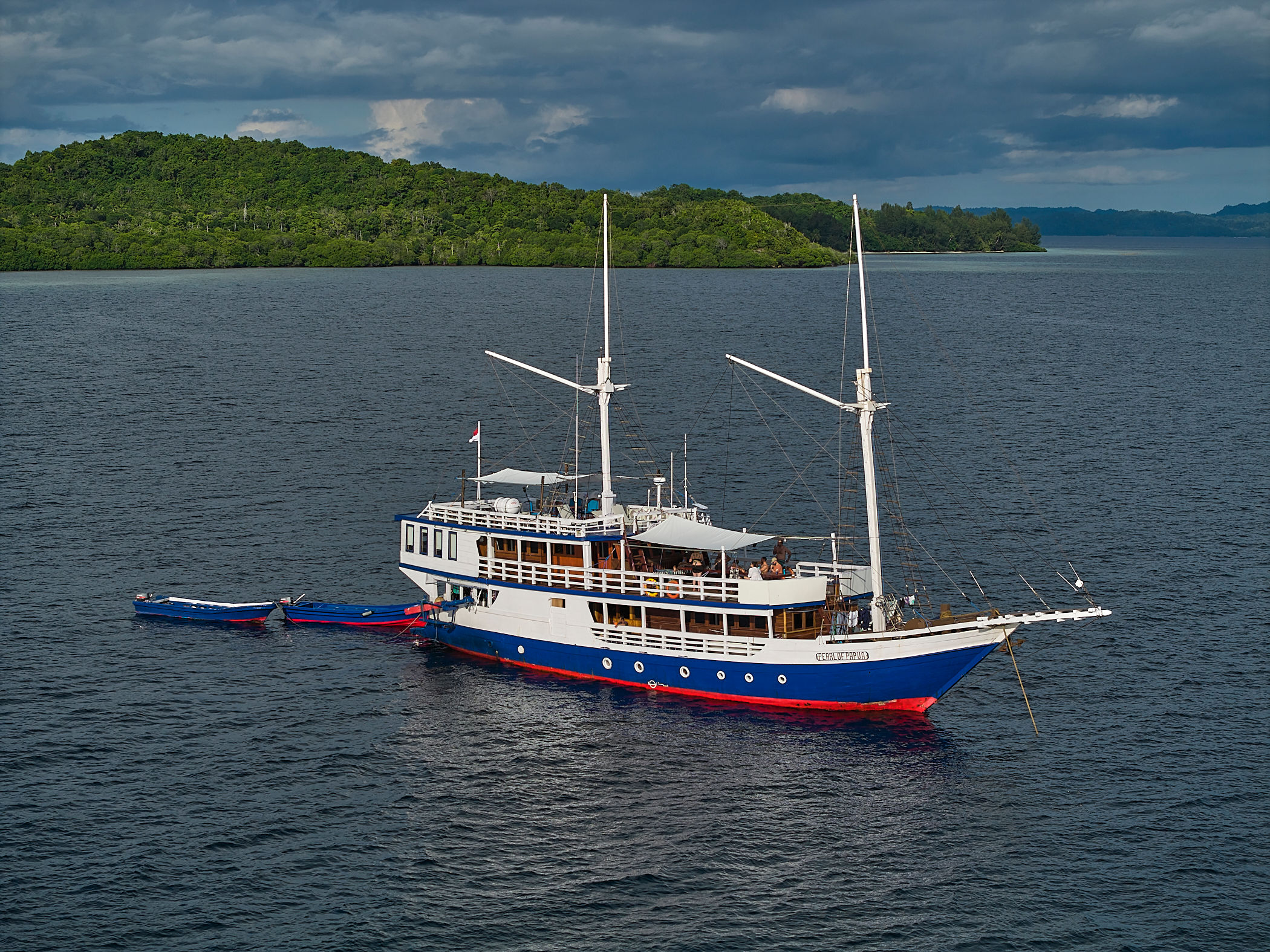
Pearl of Papua
Raja Ampat, Indonesia
14 guests30 m
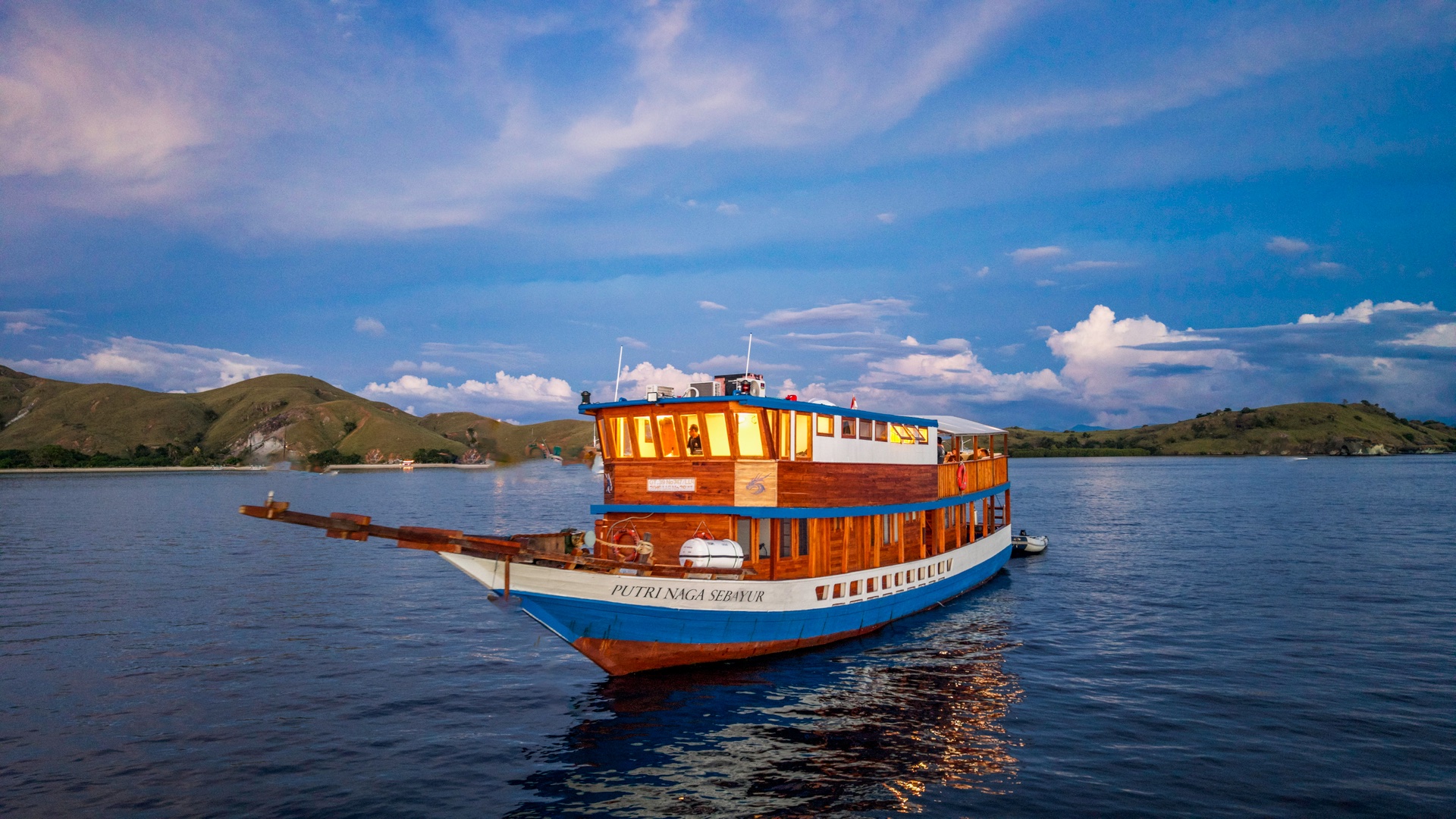
Putri Naga
Komodo, Indonesia
6 guests25 m
Dive sites similar to Menjangan Island Wall
Same character, same waters — six more sites divers love for the exact same reasons.Compare seasons, access and liveaboard routes — then pick the site that fits your trip best.
Abila is a notable dive site located within the Alor Islands Marine Park, an area celebrated for its rich marine biodiversity due to its position in the Coral Triangle.
- Suitable for
- Beginner
- Current
- Mild
- Access
- Liveaboard only
- Depth
- —
- Theme
- Reef
© Esri — Maxar, Earthstar, GIS
Adonara Channel
Alor
Adonara Channel stands as one of Alor's most iconic dive sites, celebrated for its dynamic currents and exceptionally rich biodiversity.
- Suitable for
- Advanced
- Current
- Strong
- Access
- Liveaboard or dayboat
- Depth
- 10–40 m
- Theme
- Drift / Wall
© Esri — Maxar, Earthstar, GIS
Adonara Wall
Indonesia
Adonara is an Indonesian island dive site, renowned for its vibrant underwater topography characterized by submerged seamounts.
- Suitable for
- Intermediate
- Current
- Strong
- Access
- Liveaboard or dayboat
- Depth
- 5–35 m
- Theme
- Seamount / Wall
© Esri — Maxar, Earthstar, GIS
Agnay Fish Sanctuary
Philippines
Agnay Fish Sanctuary is nestled in a sheltered bay near the village of Agnay in Romblon, a province celebrated for its rich marine biodiversity.
- Suitable for
- Beginner
- Current
- Mild
- Access
- Dayboat
- Depth
- 9–18 m
- Theme
- Reef
© Esri — Maxar, Earthstar, GIS
Ai Island Reef
Banda Sea
Ai Island Reef, nestled within the Banda Sea, offers a remarkable diving experience characterized by its rich marine biodiversity and varied underwater topography.
- Suitable for
- Beginner
- Current
- Strong
- Access
- Liveaboard only
- Depth
- 3–30 m
- Theme
- Reef / Seamount
© Esri — Maxar, Earthstar, GIS
Akitsushima
Philippines
The Akitsushima is a distinguished World War II Japanese seaplane tender, sunk in September 1944 during an American air raid in Coron Bay, Palawan.
- Suitable for
- Advanced
- Current
- Strong
- Access
- Dayboat
- Depth
- 22–38 m
- Theme
- Wreck