About Los Frailes
Los Frailes serves as the southernmost point of the Cabo Pulmo National Marine Park, a globally recognized conservation success story. This area is home to the only living hard coral reef in the Sea of Cortez, a 20,000-year-old system supporting exceptional biodiversity. The marine park, established in 1995, has seen an extraordinary recovery in fish biomass, leading to abundant marine life visible on every dive. The site's topography generally offers accessible depths, making it suitable for a range of divers eager to experience the richness of this protected habitat. Diving here reveals a vibrant underwater world, with healthy coral formations and a high density of schooling fish. The protected status of Cabo Pulmo ensures a dynamic environment where divers frequently observe large aggregations of marine species, including various types of jacks, snappers, and groupers. Pelagic sightings, such as mobula rays and even occasional bull sharks, are also possible, particularly during the warmer months when water temperatures are optimal. The practical dive experience at Los Frailes involves boat access, often as part of a multi-dive trip within the Cabo Pulmo park. Divers can expect generally mild currents, contributing to a relaxed exploration of the reef. Visibility is typically good to excellent, allowing for clear views of the intricate coral structures and the teeming fish populations that inhabit this remarkable marine sanctuary.
Highlights
Southern tip of Cabo PulmoLiving hard coral reefHigh fish biomassSchooling bigeye trevallyDiverse reef fishOccasional mobula raysProtected marine park
Season calendar
Best months to dive here
Jan
Feb
Mar
Apr
May
Jun
Jul
Aug
Sep
Oct
Nov
Dec
Excellent
Good
Dive site facts: Los Frailes
- Depth
- 9–18 m
- Current
- Mild to moderate
- Visibility
- 12–27 m
- Water temperature
- 19–30 °C
- Entry
- Boat
- Level
- Open Water
- Dive type
- Reef
- Region / port
- Cabo Pulmo, Baja California Sur
- Coordinates
- 23.3644, -109.4006
Conditions & Currents
Currents at Los Frailes, like much of Cabo Pulmo, are generally considered mild to moderate, providing comfortable drift diving opportunities without excessive effort. While specific tide dependencies are not detailed, experienced guides typically plan dives to optimize conditions. Entry is usually from a dive boat, with descents coordinated to begin exploring the reef. Visibility typically ranges from 12 to 27 meters, although it can fluctuate with seasonal plankton blooms, particularly affecting snorkel interactions with whale sharks. Thermoclines can occasionally be present, bringing cooler water at deeper levels, especially outside the warmest months. The dive site is within a national marine park, meaning boat traffic is regulated and managed by park authorities, ensuring a safe and controlled diving environment.
Marine life & sighting chances

Bigeye trevally
common
Snapper
common
Porkfish
common
Sea turtles
common
Giant groupers
common
Manta ray
occasional
Mobula ray
occasional
Bull shark
August to December · occasional
Whitetip reef shark
occasional
Blacktip reef shark
occasional
Nurse shark
occasional
Parrotfish
commonDive profile & how the dive runs
Dives at Los Frailes typically begin with a boat entry, usually a backroll, directly onto the reef or a specific feature. The dive often follows the contours of the hard coral reef system, staying within accessible depths suitable for Open Water certified divers. The typical depth range for exploration is between 9 and 18 meters, allowing for extended bottom times and thorough observation of the abundant reef life. Divers will navigate past schooling fish and diverse coral formations, making their way along the reef structure. The turn point is generally dictated by air consumption or bottom time limits. The safety stop is conducted at 5 meters, often over a shallower part of the reef, providing an additional opportunity to observe marine life before surfacing for boat pick-up.
Underwater photography
Los Frailes is excellent for wide-angle photography, capturing the expansive hard coral reef and the large schools of fish that frequent the site. A fisheye or wide rectilinear lens is ideal for showcasing the reef's scale and the impressive biomass. For capturing schooling bigeye trevally or the occasional mobula ray, a fast shutter speed and external strobes are beneficial to freeze action and bring out vibrant colors in the clear waters. Maintain neutral buoyancy to avoid contact with the delicate corals, which are the only living hard coral reef in the Sea of Cortez. While macro subjects exist within the reef's nooks, the site's main appeal lies in its broader ecosystems and pelagic encounters.
Combine with nearby dive sites
- El Vencedor
Wreck site known for resident bull sharks
- El Bajo
Reef bar inside the park with schooling groupers and mobula rays
- El Cantil
Shallow reef canyons with whitetip, blacktip, and nurse sharks
- Los Morros
Highlights include large schools of bigeye trevally
- El Islote
Point with a large rock, popular for schools of smaller bigeye trevally
Getting there & logistics
Access to Los Frailes, located within the Cabo Pulmo National Marine Park, typically involves a day trip from nearby hubs such as La Paz or Los Cabos. The drive to Cabo Pulmo from La Paz can take approximately three hours. Liveaboard options, such as those operating from La Paz, also offer dedicated trips to the park. Dive services usually include transfers, a qualified guide, and a park fee. Daily diver numbers are capped at marquee sites by lottery by PROFEPA and the park authority, especially for sites with specific attractions like shark dives, meaning advance booking is essential. Dive tours often consist of two boat dives, with lunch provided. Gratuities are not included and are typically 10-15% of the trip fare.
Safety & environment
Cabo Pulmo National Marine Park, including Los Frailes, operates under strict conservation regulations, and divers are expected to adhere to park rules. While specific locations for the nearest recompression chamber are not detailed in sources, emergency medical facilities would be located in larger towns such as La Paz or Los Cabos, requiring significant travel time in case of a serious incident. Divers should always carry comprehensive dive insurance that covers emergency medical treatment and evacuation. Site-specific hazards include occasional moderate currents, requiring good buoyancy control. Encountering larger pelagic species like sharks is possible; divers should maintain respectful distances and follow guide instructions. Always dive with a certified guide and ensure all equipment is in good working order.
Who it suits, and who it doesn't
Suited for
- Open Water divers seeking healthy reefs
- Divers interested in marine conservation success stories
- Photographers aiming for wide-angle reef shots
- Divers comfortable with mild to moderate currents
- Those wanting to see large schooling fish
Less suited for
- Divers seeking challenging technical dives
- Those uninterested in reef ecosystems
- Divers who prefer solitary diving experiences due to park regulations
- Beginner divers without adequate buoyancy control in currents
- Divers looking exclusively for deep wreck penetration
FAQ
Los Frailes FAQ
What kind of marine life can I expect at Los Frailes?
Los Frailes is celebrated for its abundant fish populations, including massive schools of bigeye trevally, snappers, and porkfish. You can also frequently encounter giant groupers and various sea turtles. Occasional sightings of mobula rays and even bull sharks are possible, especially during the warmer months, making for a very dynamic dive.
What are the typical dive conditions like at Los Frailes?
Dive conditions at Los Frailes are generally favorable, with water temperatures ranging from 19 to 30 degrees Celsius depending on the season, peaking in autumn. Visibility is often excellent, typically between 12 and 27 meters. Currents are usually mild to moderate, making it suitable for a relaxed exploration of the vibrant hard coral reef.
Do I need to be an experienced diver to visit Los Frailes?
No, Los Frailes is generally suitable for Open Water certified divers due to its accessible depths and typically mild currents. The site offers an excellent opportunity for divers of all levels to experience a thriving marine ecosystem. However, good buoyancy control is always recommended to protect the delicate coral reef.
How is access regulated for diving in Cabo Pulmo National Marine Park?
Access to dive sites within Cabo Pulmo National Marine Park, including Los Frailes, is carefully regulated by PROFEPA and park authorities. Daily diver numbers are capped at popular sites, sometimes allocated by a lottery system, especially for specific experiences like shark dives. It's advisable to book your dive trips well in advance to secure your spot.
What makes the Cabo Pulmo reef, including Los Frailes, so special?
The Cabo Pulmo reef is unique as the only living hard coral reef in the Sea of Cortez, making it an exceptional conservation success story. Since its designation as a national marine park in 1995, fish biomass has increased by over 463%, and top predator biomass by elevenfold. This protection has resulted in an incredibly biodiverse and healthy ecosystem, unparalleled globally.
Why dive Los Frailes from a liveaboard?
Los Frailes is one of Mexico's signature dive sites. A liveaboard sleeps you on the water and typically offers several guided dives per day (the exact number depends on the vessel and itinerary), including dawn and night dives that day-boat operators rarely offer. You skip the daily commute back to port and reach quieter, less-crowded sites in the same region on a single trip.
Liveaboards diving Los Frailes
These liveaboards may visit Los Frailes on selected itineraries, the exact dive sites depend on departure, weather and conditions.
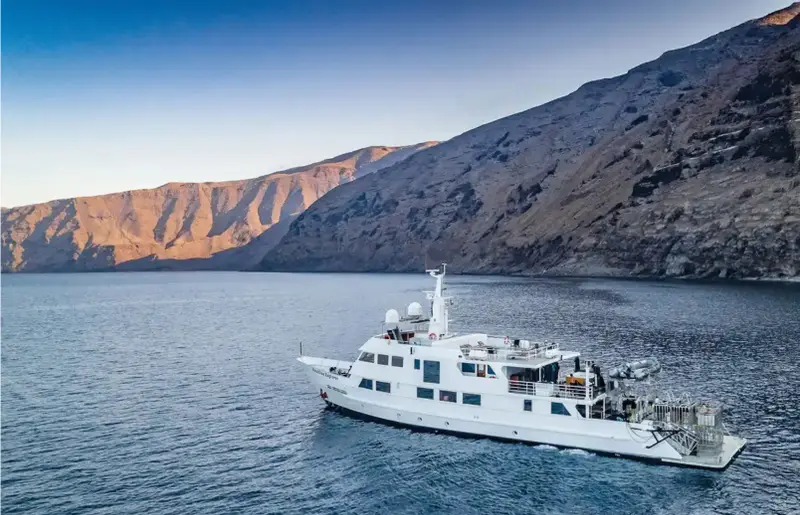
Nautilus Explorer
Mexico
25 guests45 m
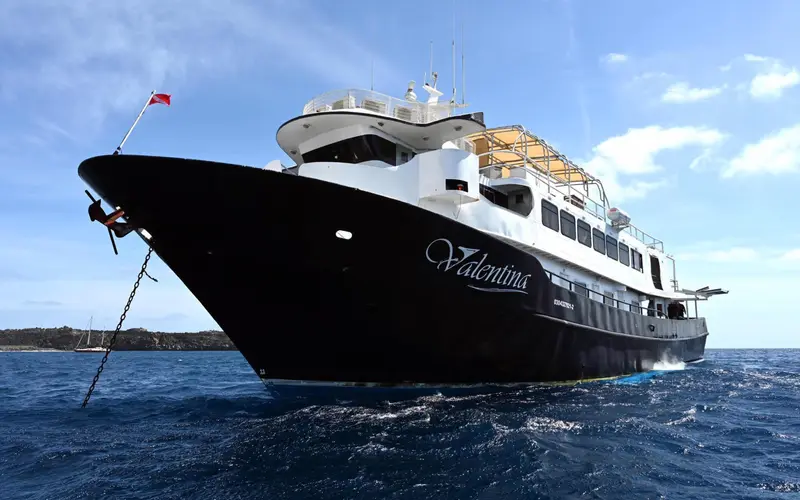
Valentina
Mexico
20 guests38 m
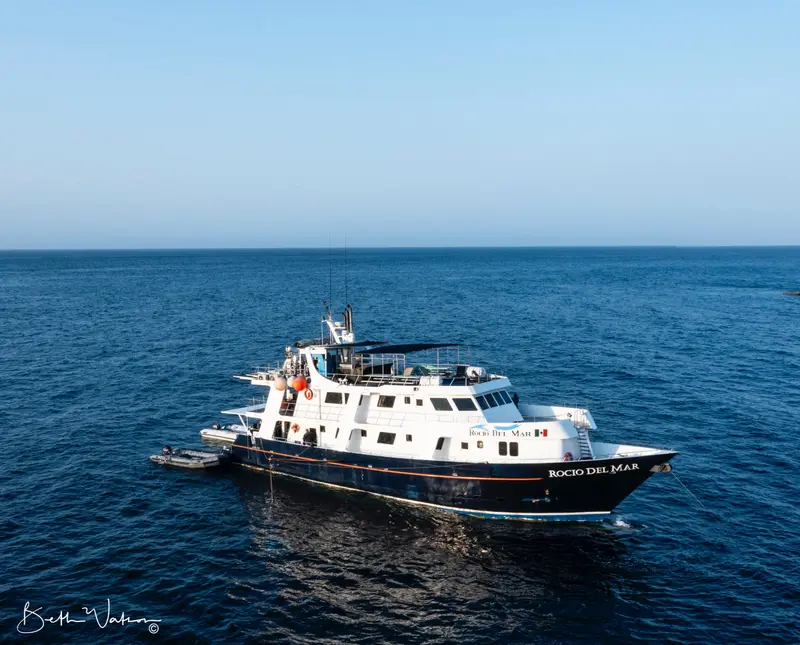
Rocio del Mar
Mexico
20 guests34 m
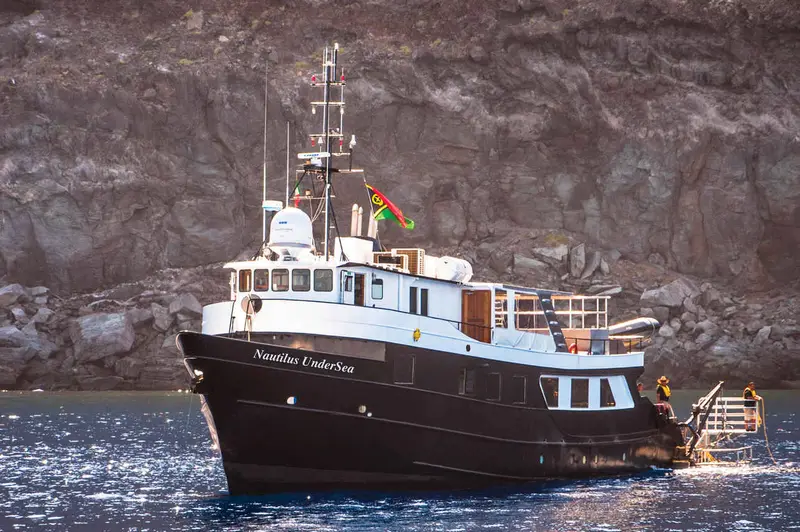
Nautilus Under Sea
Mexico
19 guests32 m
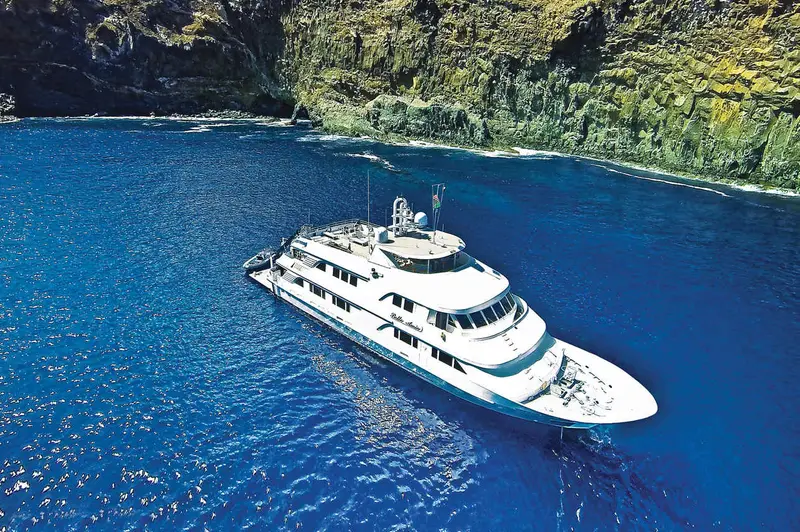
Nautilus Belle Amie
Mexico
32 guests45 m
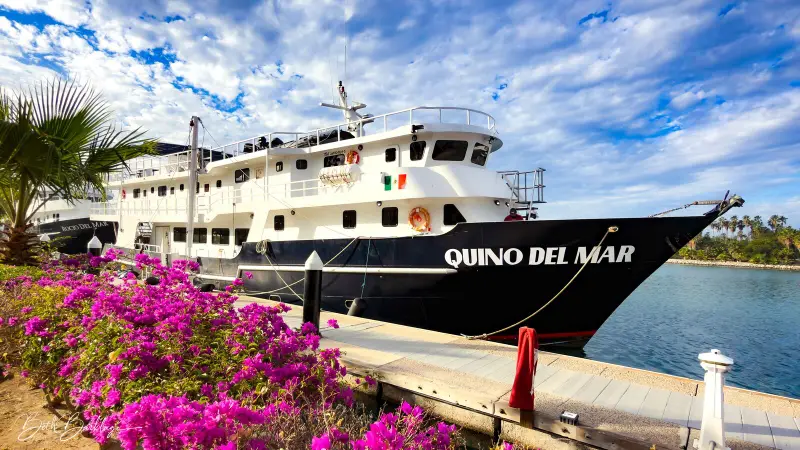
Quino del Mar
Mexico
20 guests36 m
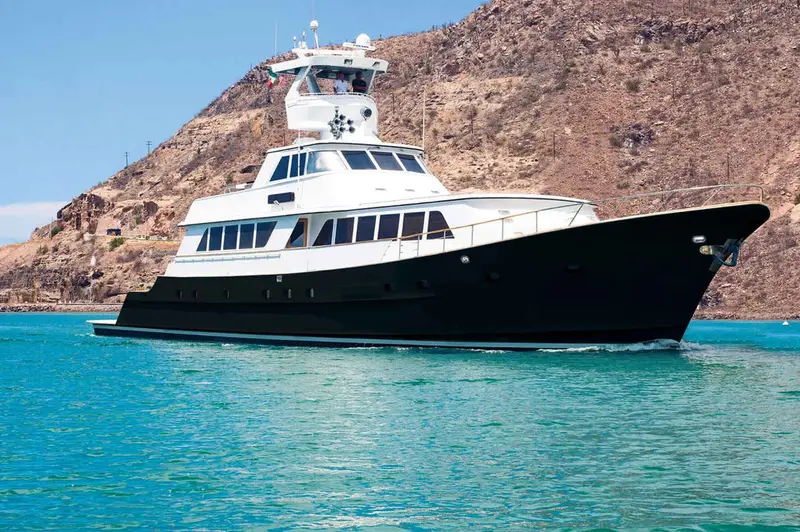
Nautilus Gallant Lady
Mexico
12 guests35 m
Dive sites similar to Los Frailes
Same character, same waters, six more sites divers love for the exact same reasons.Compare seasons, access and liveaboard routes, then pick the site that fits your trip best.
Arco Iris, or "Rainbow" in Spanish, is a prominent dive site located near Brumel Island (Penahuaste), approximately 8km north of Playa Potrero in Costa Rica.
- Suitable for
- Beginner
- Current
- Moderate
- Access
- Dayboat
- Depth
- 9–30 m
- Theme
- Reef
Balandra is a picturesque bay in Baja California Sur, near La Paz, famously recognized for its stunning natural beauty and calm, shallow waters.
- Suitable for
- Beginner
- Current
- Moderate
- Access
- Liveaboard only
- Depth
- 1–10 m
- Theme
- Reef
© EsriMaxar, Earthstar, GIS
Bartolomé Island
Galápagos
Bartolomé Island in the Galápagos archipelago is a distinctive dive site, known for its iconic Pinnacle Rock and accessible from Santa Cruz.
- Suitable for
- Beginner
- Current
- Strong
- Access
- Liveaboard only
- Depth
- 5–18 m
- Theme
- Drift / Reef
© EsriMaxar, Earthstar, GIS
Beagle Rocks
Galápagos
Beagle Rocks is a captivating dive site situated off Santiago Island in the central Galápagos Archipelago, renowned for its dramatic underwater topography.
- Suitable for
- Beginner
- Current
- Strong
- Access
- Liveaboard only
- Depth
- 10–30 m
- Theme
- Reef / Wall
© EsriMaxar, Earthstar, GIS
Brumel Shallow
Costa Rica
Brumel Shallow, located just a short 20-minute boat journey from Flamingo Bay, offers a serene diving experience on Costa Rica's Pacific northwest coast.
- Suitable for
- Beginner
- Current
- Strong
- Access
- Liveaboard only
- Depth
- 7–15 m
- Theme
- Reef
© EsriMaxar, Earthstar, GIS
Cabo San Lucas
Mexico
Cabo San Lucas, situated at the southern tip of Mexico's Baja California Peninsula, offers a surprisingly rich underwater environment despite its popular tourism.
- Suitable for
- Beginner
- Current
- Mild
- Access
- Dayboat
- Depth
- 8–40 m
- Theme
- Reef / Wall