About Limasawa Island
Limasawa Island, located off the southern tip of Southern Leyte in the Philippines, offers diverse diving experiences suitable for all skill levels. This island features vibrant coral reefs and generally calm conditions, making it a popular destination within Sogod Bay. The diving around Limasawa Island is characterized by picturesque reef systems. While specific depths aren't detailed, the area is known for its beautiful topography with healthy corals and abundant fish life. Adrian's Cove and Zach's Cove, both Marine Protected Areas (MPAs) around Limasawa, are particularly noted for their pristine conditions and beauty. Marine life here includes a wide variety of reef fish, although specific large pelagic sightings are less frequently highlighted for Limasawa itself compared to other parts of Southern Leyte. The MPAs ensure a rich reef ecosystem, with corals largely pristine, despite some shallow damage from past typhoons. The area is generally accessible and conditions are often easy, with typical dives lasting around 60 minutes. Limasawa Island's easy conditions make it suitable for a broad range of divers. It's often visited as part of a multi-site itinerary in Southern Leyte, offering a contrast to areas with stronger currents or deeper walls. The 30-minute boat ride from resorts in Sogod Bay makes it a convenient option for repeat dives.
Highlights
Adrian's CoveZach's CoveMarine Protected AreasPristine coral reefsAbundant reef fish
Season calendar
Best months to dive here
Jan
Feb
Mar
Apr
May
Jun
Jul
Aug
Sep
Oct
Nov
Dec
Excellent
Good
Off-Season
Dec – Apr (Dec–Apr)
Best diving conditions across most regions. Calm seas, excellent visibility. Tubbataha Reef accessible Mar–Jun only. Thresher sharks year-round at Malapascua.
May & Nov (May, Nov)
Weather shifts between seasons. Still excellent diving in many areas. Fewer crowds and lower prices. Some regions still offer perfect conditions.
Jun – Oct (Jun–Oct)
Typhoon season — mainly affects northern regions. Southern Visayas and Mindanao still offer good diving. Reduced visibility. Best prices and fewest crowds.
Dive site facts: Limasawa Island
- Depth
- 11–22 m
- Current
- Moderate
- Visibility
- Very Good
- Water temperature
- 25–30°C
- Entry
- Boat
- Level
- Beginner/Intermediate
- Dive type
- Coral reef, macro, pelagic
- Night dive
- Possible (bioluminescent plankton)
- Region / port
- Southern Leyte
- Coordinates
- 9.935, 125.021
Conditions & Currents
Limasawa Island frequently experiences moderate currents, particularly around sites like Adrian's Cove. These currents are beneficial for the reef's health, delivering nutrients that sustain the vibrant marine ecosystem. Divers should be prepared for potential drift diving conditions, where currents can dictate the dive's progression and exit strategy. Careful attention to dive briefings regarding current strength, direction, and buddy positioning is essential for safety and enjoyment. While currents contribute to the richness of the site, they also mean that divers, especially beginners, should be comfortable with varying water movement. Entry is typically by boat, allowing for optimal positioning relative to the current, and boat pick-ups are common at the end of a drift.
Marine life & sighting chances

Mandarinfish
occasional
Napoleon Wrasse
occasional
Midnight Snapper
occasional
Grouper
common
Trevally
occasional
Seamoth
occasional
Fusilier
common
Tuna
occasional
Rainbow Runner
common
Long nose emperor
occasionalDive profile & how the dive runs
A typical dive at Adrian's Cove on Limasawa Island begins with a boat entry, allowing divers to descend directly onto the vibrant reef. The dive generally follows the eastern side of the island, starting at an average depth of around 11 meters and gradually sloping down to a maximum of 22 meters. Divers navigate along healthy coral gardens, keeping an eye out for diverse reef fish and macro subjects. Depending on current conditions, the dive may be a gentle drift, with the boat following along the surface for pickup. The turn point is often dictated by air consumption or current changes, ensuring divers conserve enough air for a comfortable ascent. The safety stop is typically performed at 5 meters, often over a shallower section of the reef, before surfacing for boat retrieval.
Underwater photography
Limasawa Island's vibrant coral reefs and diverse macro life make it an excellent location for both wide-angle and macro underwater photography. For wide-angle shots, a fisheye or wide rectilinear lens will capture the expansive coral gardens and schooling fish, especially with the clear visibility during the dry season. Consider using strobes to bring out the true colors of the corals and marine life, as ambient light alone may not suffice in deeper sections. For macro subjects like mandarinfish, seamoths, and nudibranchs, a macro lens with a diopter is ideal. Patience is key, especially when seeking out smaller, shyer creatures. Maintain excellent buoyancy control to avoid disturbing the delicate reef and stirring up sediment, ensuring clear shots for everyone. Night dives, when available, offer unique opportunities to photograph bioluminescent plankton.
Combine with nearby dive sites
- Apo Island
Apo Island, located in the central Visayas region of the Philippines, is a globally recognized marine sanctuary celebrated for its…
- Monad Shoal
Monad Shoal is a submerged island positioned at the edge of a deep drop-off, approximately 200 meters, near Malapascua Island in the…
- Moalboal Sardine Run
The Moalboal Sardine Run, located off Panagsama Beach on Cebu Island, Philippines, offers a truly unique and accessible marine phenomenon.
- Sumilon Island
Sumilon Island, a small volcanic island located off the southeastern coast of Cebu, holds the distinction of being the Philippines' first…
Getting there & logistics
Access to Limasawa Island, part of Southern Leyte, is primarily through Tacloban airport (TAC) in Eastern Visayas. From Tacloban, a 3.5-hour land transfer south will bring you to Padre Burgos, the main diving hub in Sogod Bay. Dive operators typically arrange boat transfers from Padre Burgos to Limasawa Island, as it is often combined into multi-day dive itineraries. Liveaboard options also provide access to remote sites like Limasawa. Given the remote nature of Southern Leyte, it's advisable to carry sufficient cash, as ATMs are scarce in Padre Burgos. Trip durations vary, but expect full-day trips for diving around Limasawa, often including multiple dives and surface intervals.
Safety & environment
Diving at Limasawa Island requires adherence to standard safety protocols, with particular attention to currents, which can be moderate. Divers should always carry a surface marker buoy (SMB) for drift dives to ensure visibility for the dive boat. The nearest recompression chamber facilities are generally located in larger cities like Cebu, so comprehensive dive insurance with evacuation coverage is highly recommended. Power outages are not uncommon in the region, and mobile phone signals can be unreliable at sea, which may affect communication in emergencies. Always dive within your certification limits and follow your dive guide's instructions, especially regarding entry, descent, and exit procedures in current-affected areas. Responsible diving practices, such as maintaining good buoyancy and avoiding contact with marine life, are crucial to protect the pristine environment.
Who it suits — and who it doesn't
Suited for
- Beginner and intermediate divers
- Macro photography enthusiasts
- Divers seeking healthy coral reefs
- Those interested in biodiverse marine sanctuaries
- Divers comfortable with moderate currents
Less suited for
- Divers expecting luxury resort amenities at the dive site
- Those seeking abundant nightlife
- Divers unwilling to travel to remote locations
- Individuals without comprehensive dive insurance
FAQ
Limasawa Island FAQ
What is the marine life like at Limasawa Island?
Limasawa Island is renowned for its diverse marine life, benefiting from its status as a vital marine sanctuary. Divers can frequently spot various reef fish like fusiliers and rainbow runners, along with occasional sightings of larger species such as groupers, Napoleon wrasse, tuna, and trevally. Macro enthusiasts will enjoy searching for elusive creatures like seamoths and the highly sought-after mandarinfish.
What are the typical dive conditions at Limasawa Island?
Dive conditions around Limasawa Island typically feature good to very good visibility and moderate currents. Water temperatures are consistently warm, ranging from 25°C to 30°C. The dry season, from November to May, offers the best conditions with calm seas and excellent clarity. Divers should be prepared for potential drift dives, making attention to dive briefings crucial.
Is Limasawa Island suitable for beginner divers?
Yes, Limasawa Island is suitable for beginner and intermediate divers, especially sites like Adrian's Cove. While moderate currents can be present, the average depth of 11 meters and maximum depth of 22 meters are well within recreational limits. Dive operators provide guidance to ensure a safe and enjoyable experience for all skill levels.
How do I get to Limasawa Island for diving?
To dive Limasawa Island, you typically fly into Tacloban (TAC) airport in Eastern Visayas. From there, a land transfer of approximately 3.5 hours takes you to Padre Burgos in Southern Leyte, which serves as the main departure point. Dive operators then arrange boat trips to Limasawa Island, often integrating it into multi-day liveaboard or resort-based dive packages.
Are there any specific hazards to be aware of when diving Limasawa Island?
The primary hazard when diving Limasawa Island is the presence of moderate currents, which can vary. Divers should always listen carefully to their dive guide's briefing and be prepared for potential drift diving. It's also advisable to carry an SMB and have comprehensive dive insurance, as recompression chambers are not immediately available in the remote Southern Leyte region.
Can I do night dives at Limasawa Island?
Yes, night dives are possible at Limasawa Island and can offer a unique experience. Liveaboard itineraries visiting the area sometimes include night dives where divers can witness nocturnal marine life and, depending on conditions, even bioluminescent plankton. It's best to confirm night dive availability with your chosen dive operator.
Why dive Limasawa Island from a liveaboard?
Limasawa Island is one of Philippines's signature dive sites. A liveaboard sleeps you on the water and puts you in the water for three to four guided dives per day, including dawn and night dives that day-boat operators rarely offer. You skip the daily commute back to port and reach quieter, less-crowded sites in the same region on a single trip.
Below are the liveaboards that include Limasawa Island on their Philippines itineraries.
Liveaboards diving Limasawa Island
These liveaboards may visit Limasawa Island on selected itineraries — the exact dive sites depend on departure, weather and conditions.
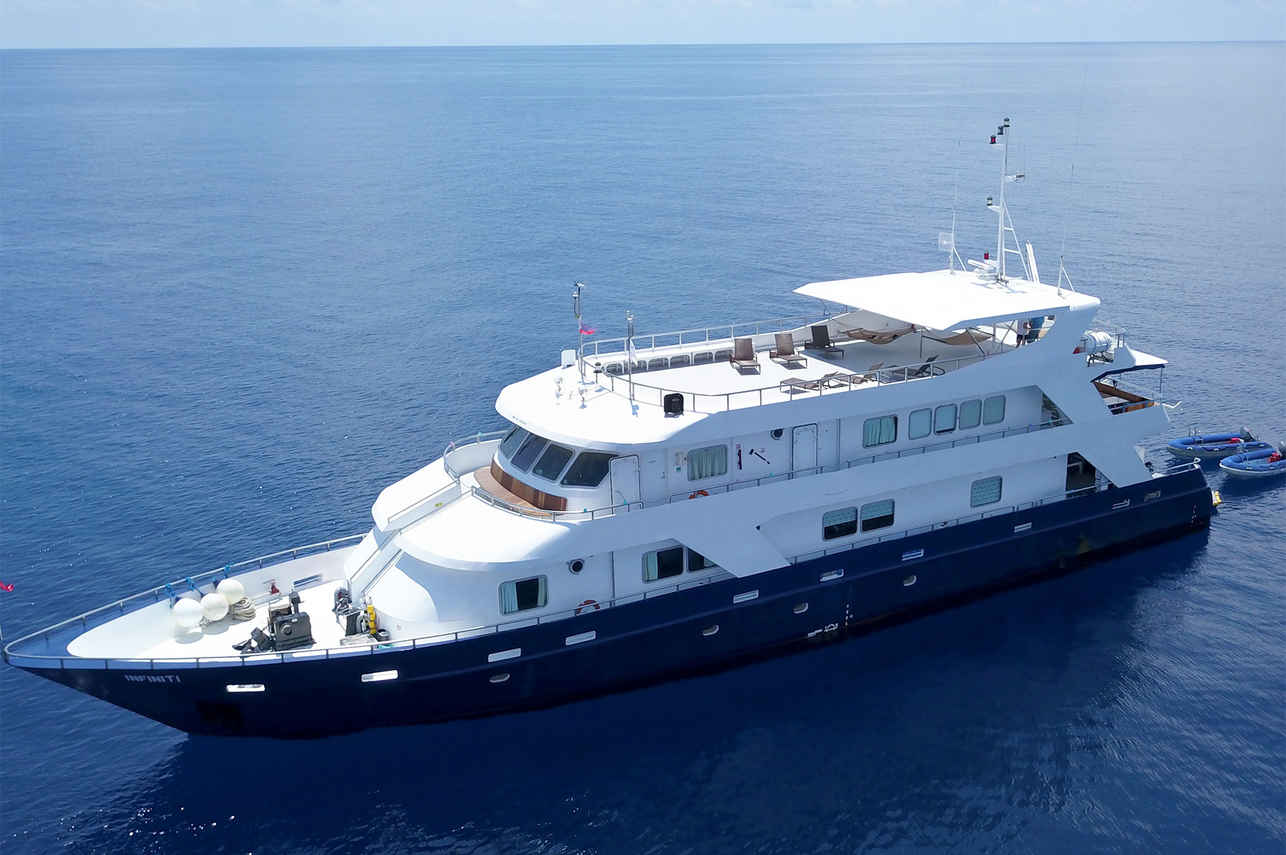
Infiniti
Philippines
25 guests39 m
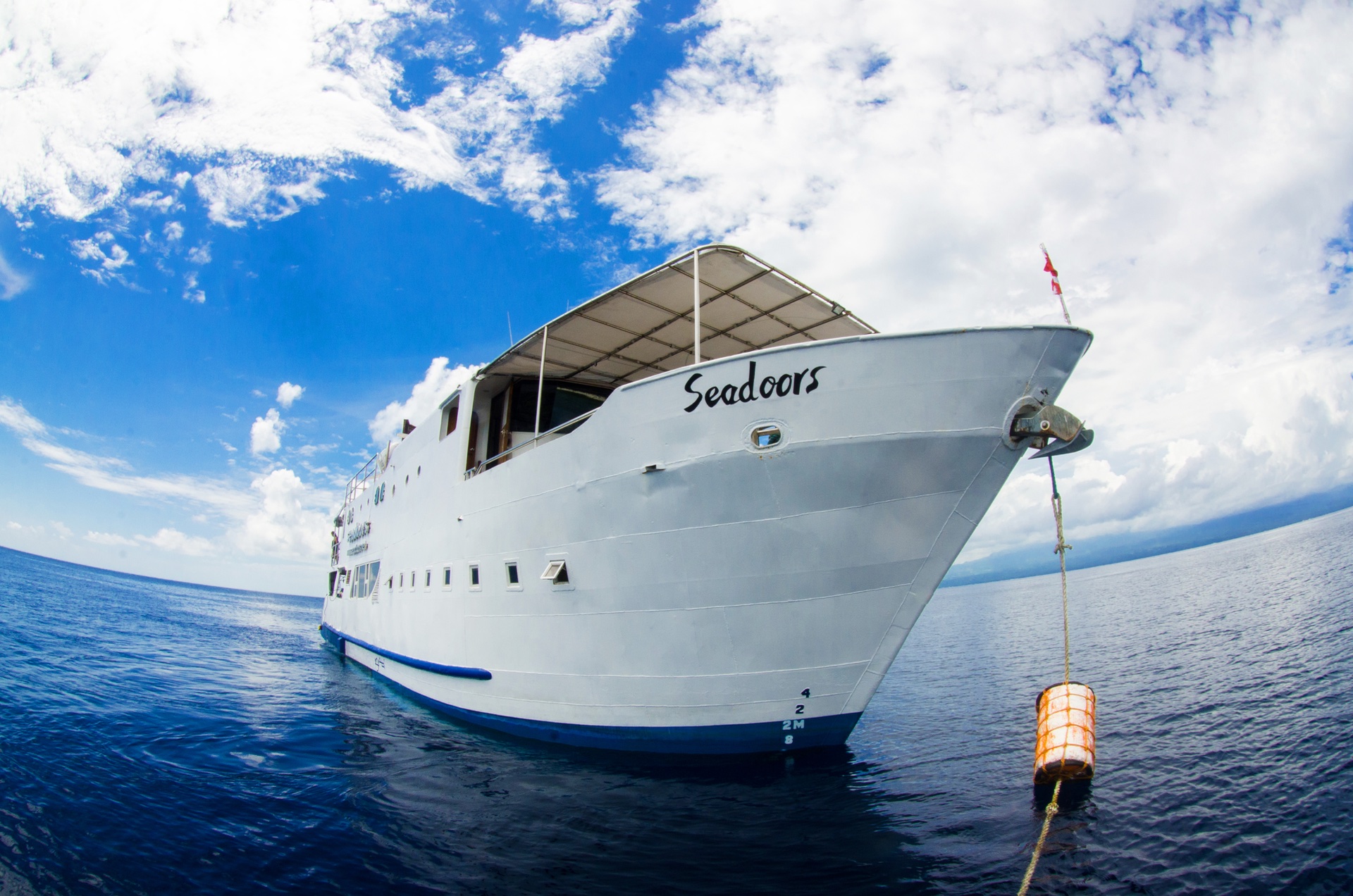
Seadoors
Philippines
16 guests25 m
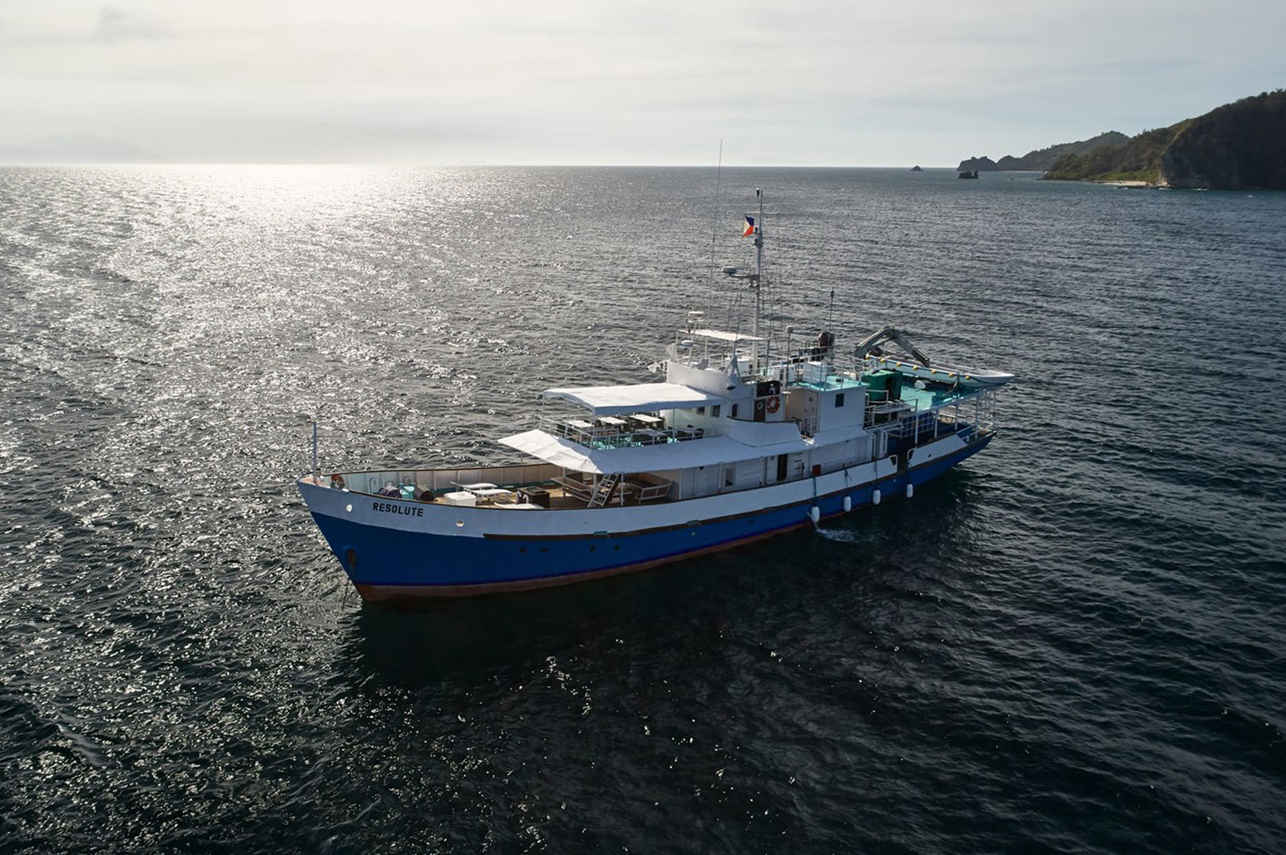
Resolute
Philippines
16 guests35 m
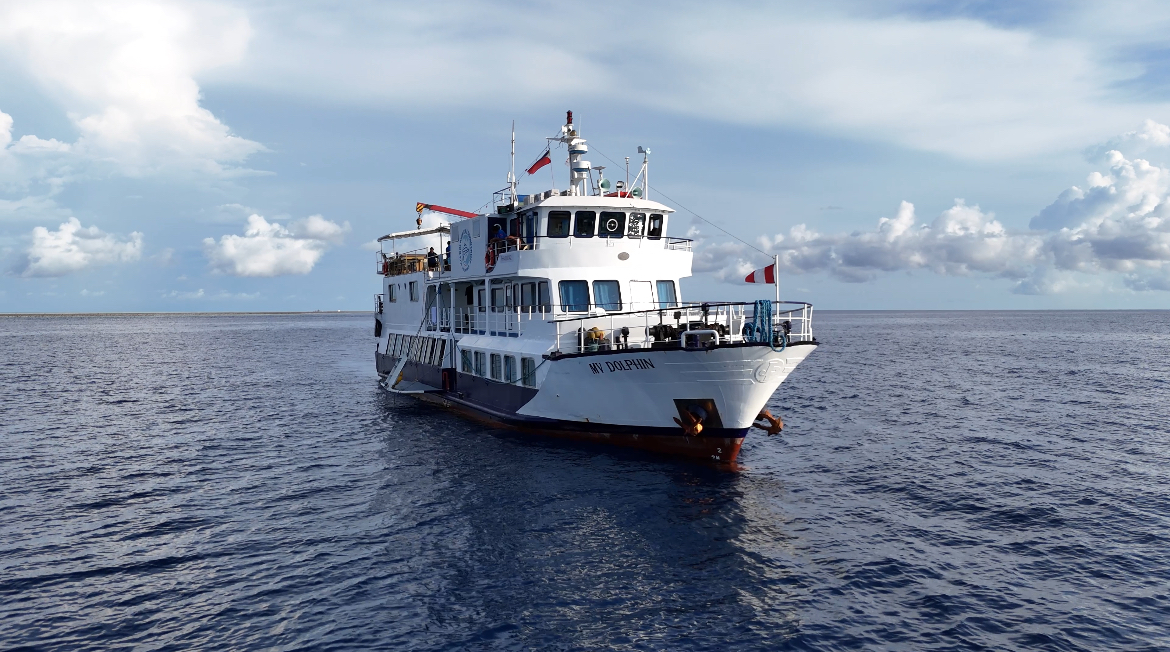
Dolphin
Philippines
18 guests31 m
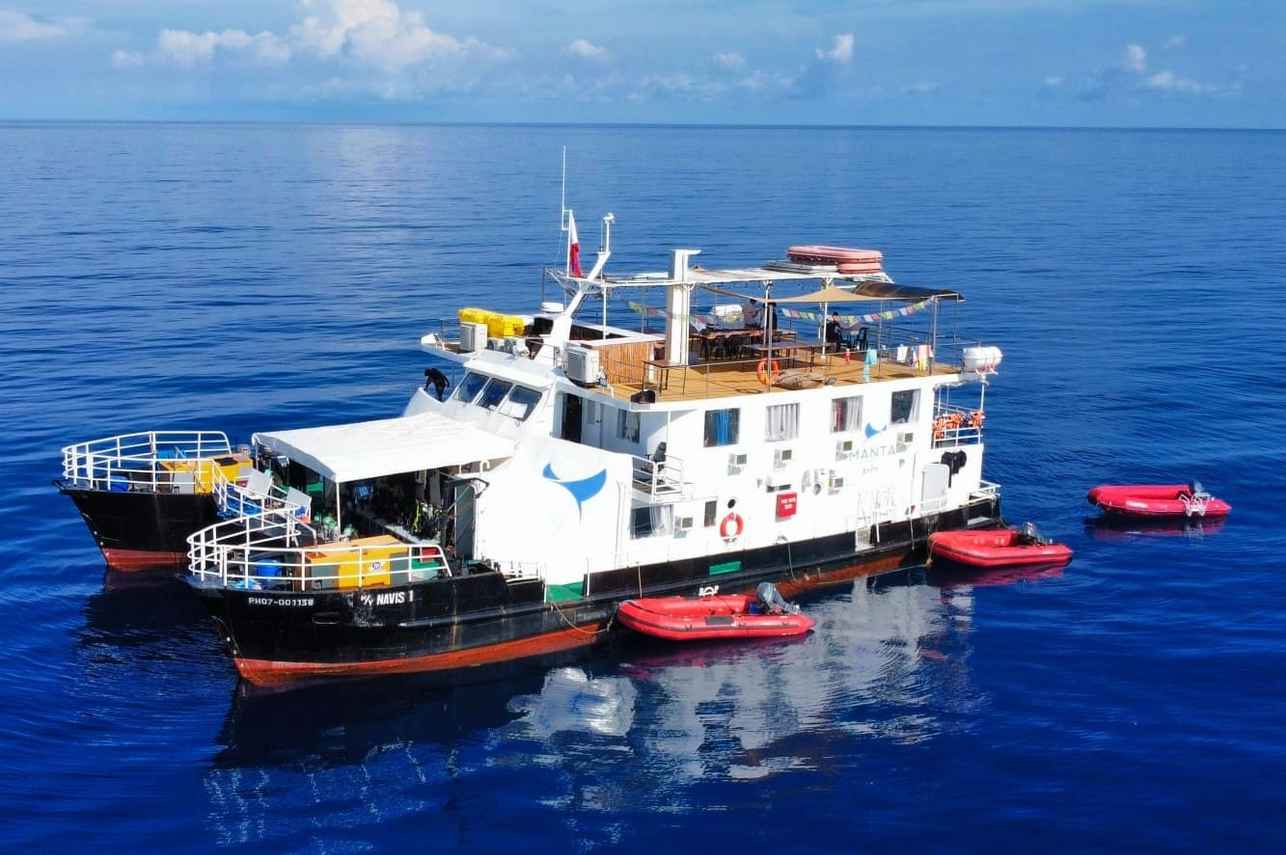
Navis 1
Philippines
22 guests23 m
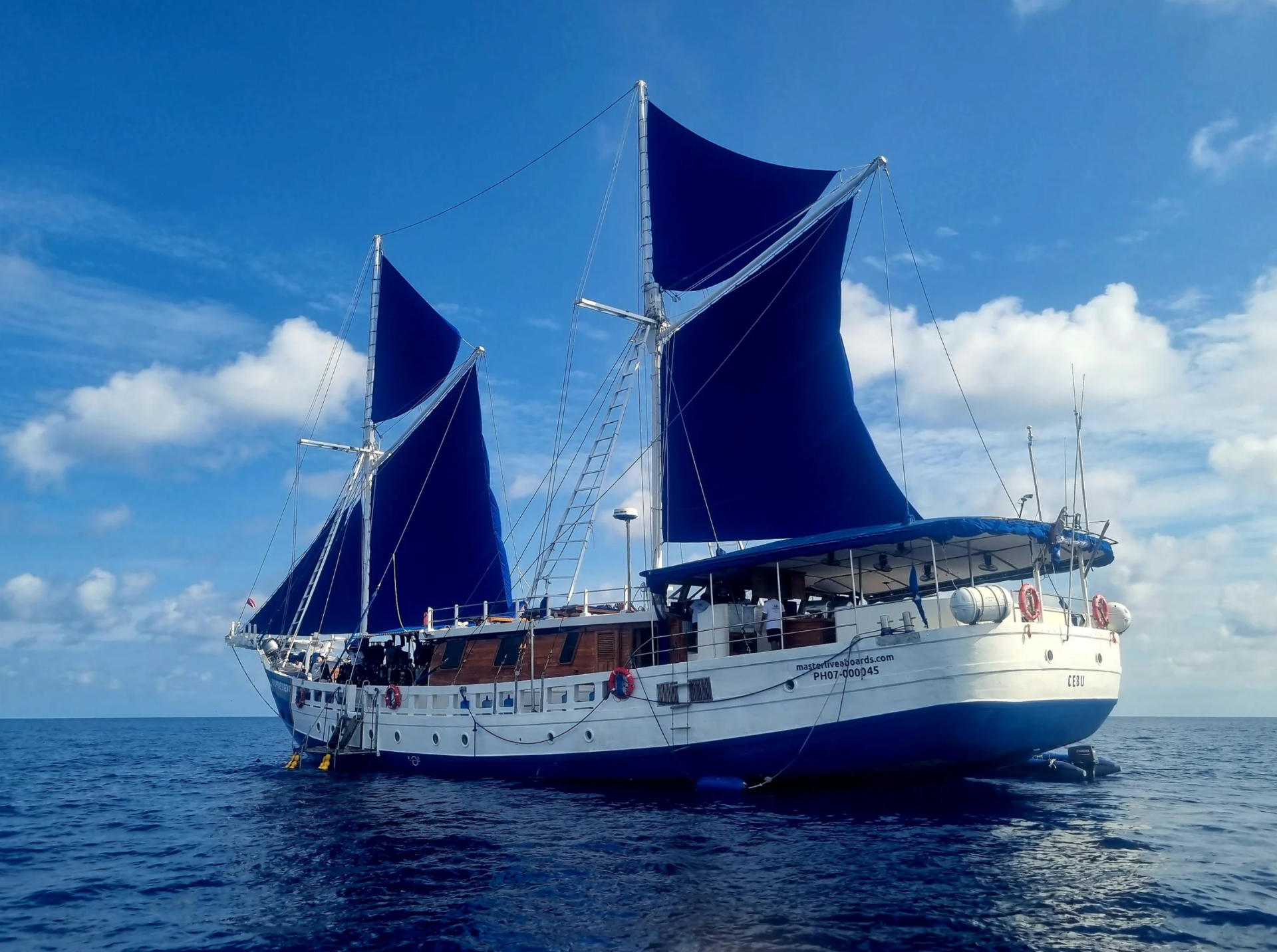
Philippine Siren
Philippines
16 guests
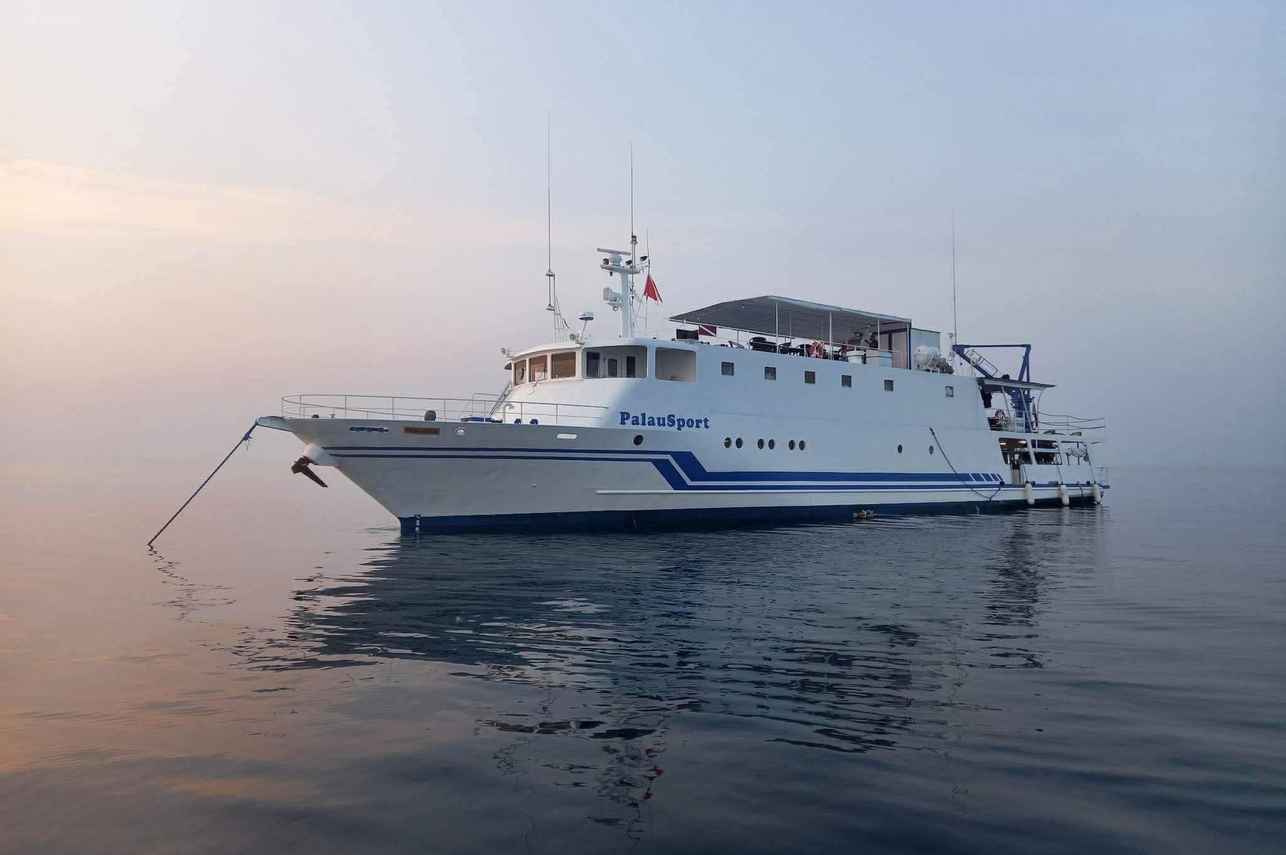
Palau Sport
Philippines
24 guests38 m
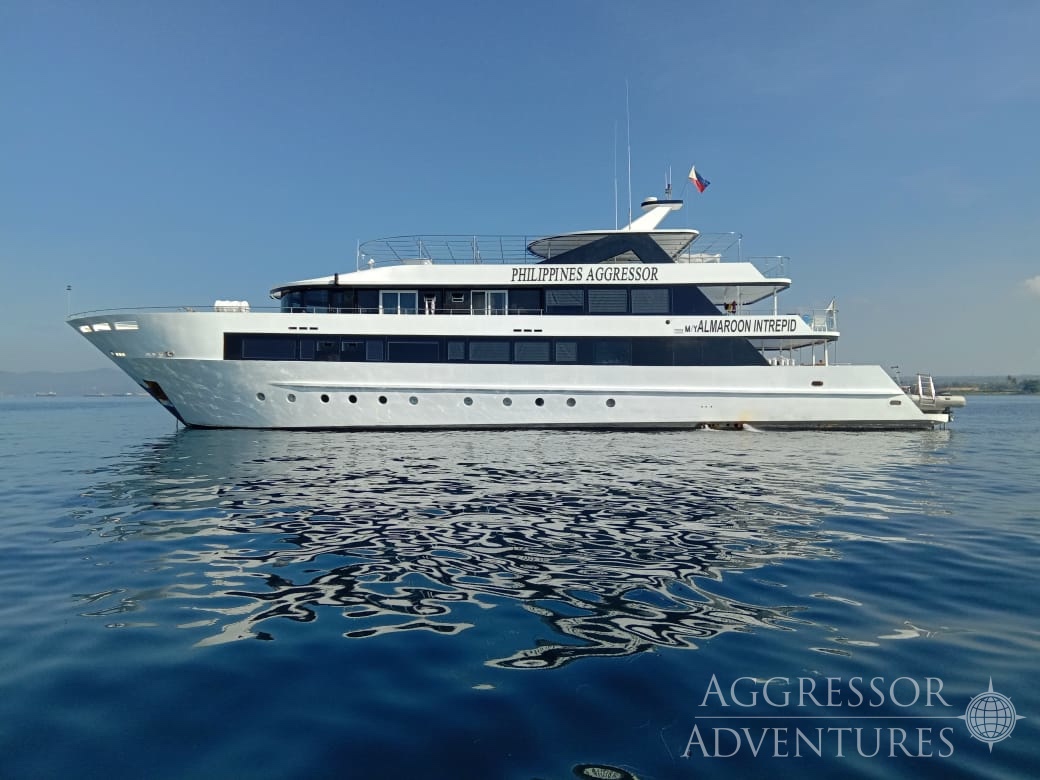
Philippines Aggressor
Philippines
26 guests43 m
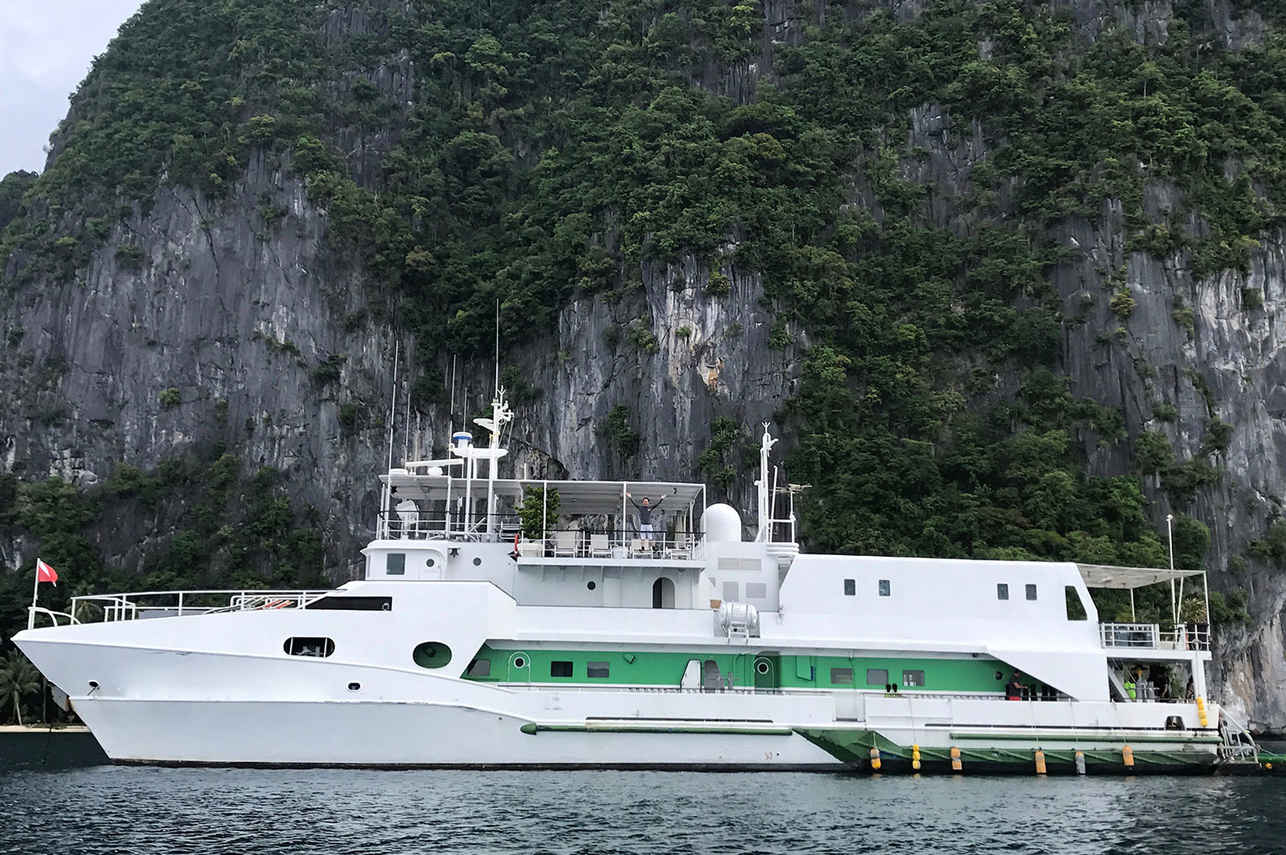
Stella Maris Explorer
Philippines
20 guests33 m
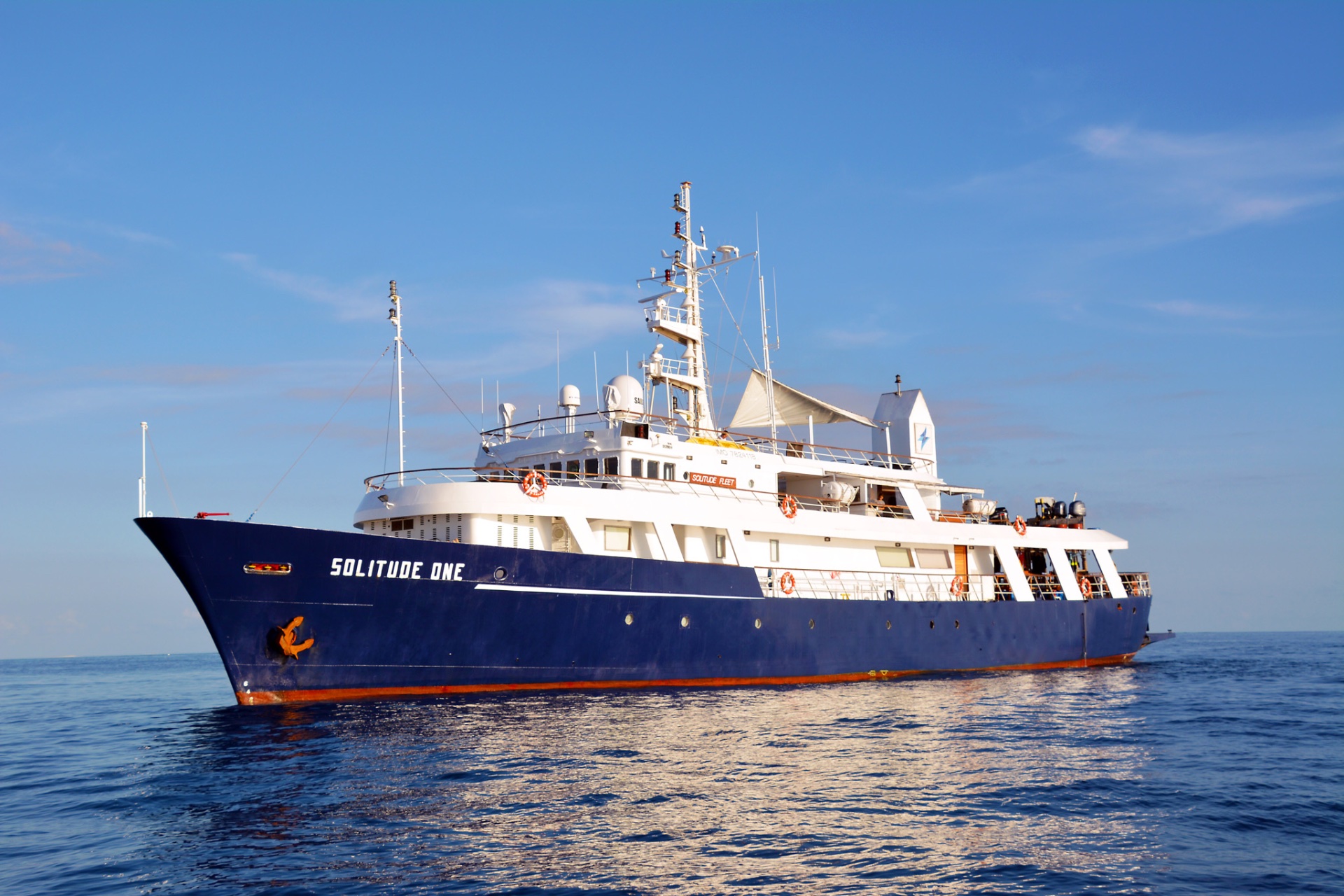
Solitude One
Philippines
24 guests52 m
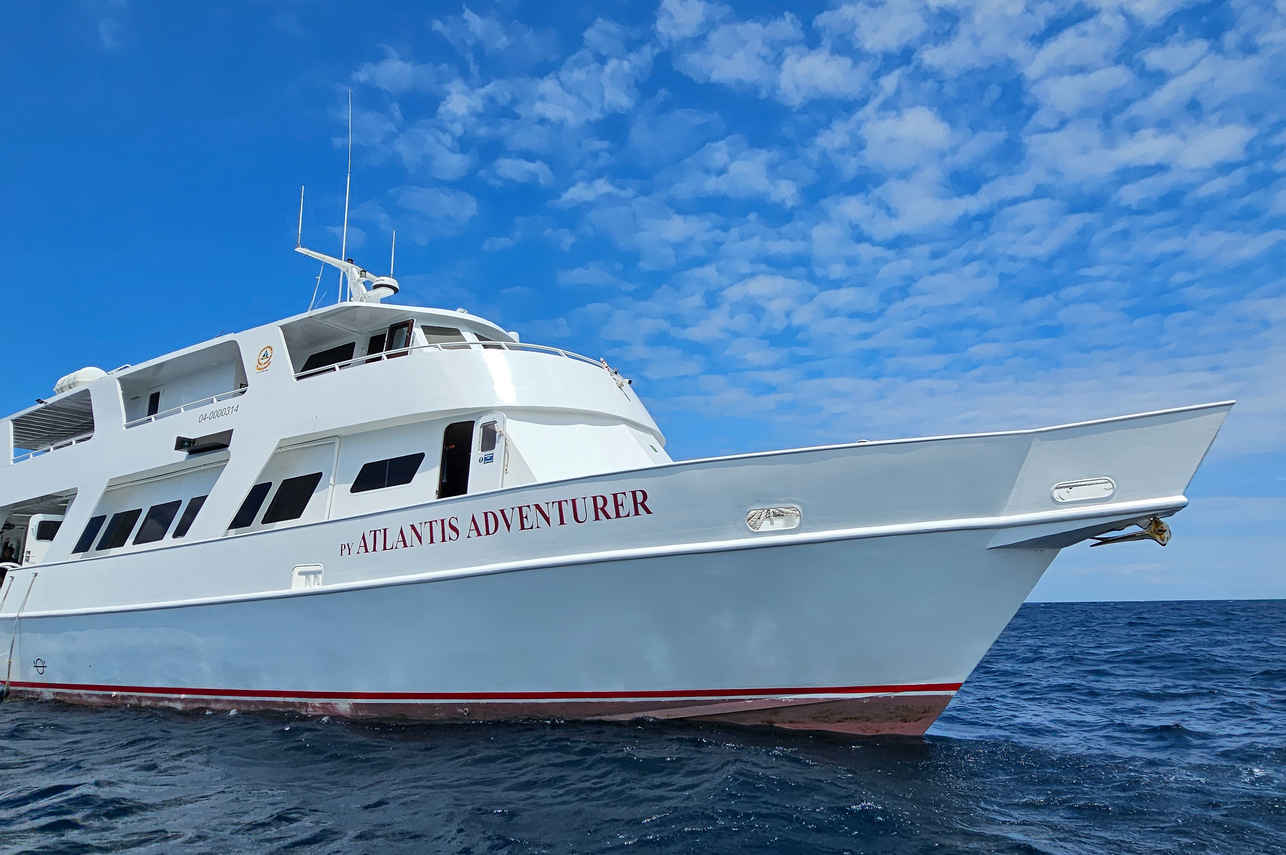
Atlantis Adventurer
Philippines
16 guests33 m
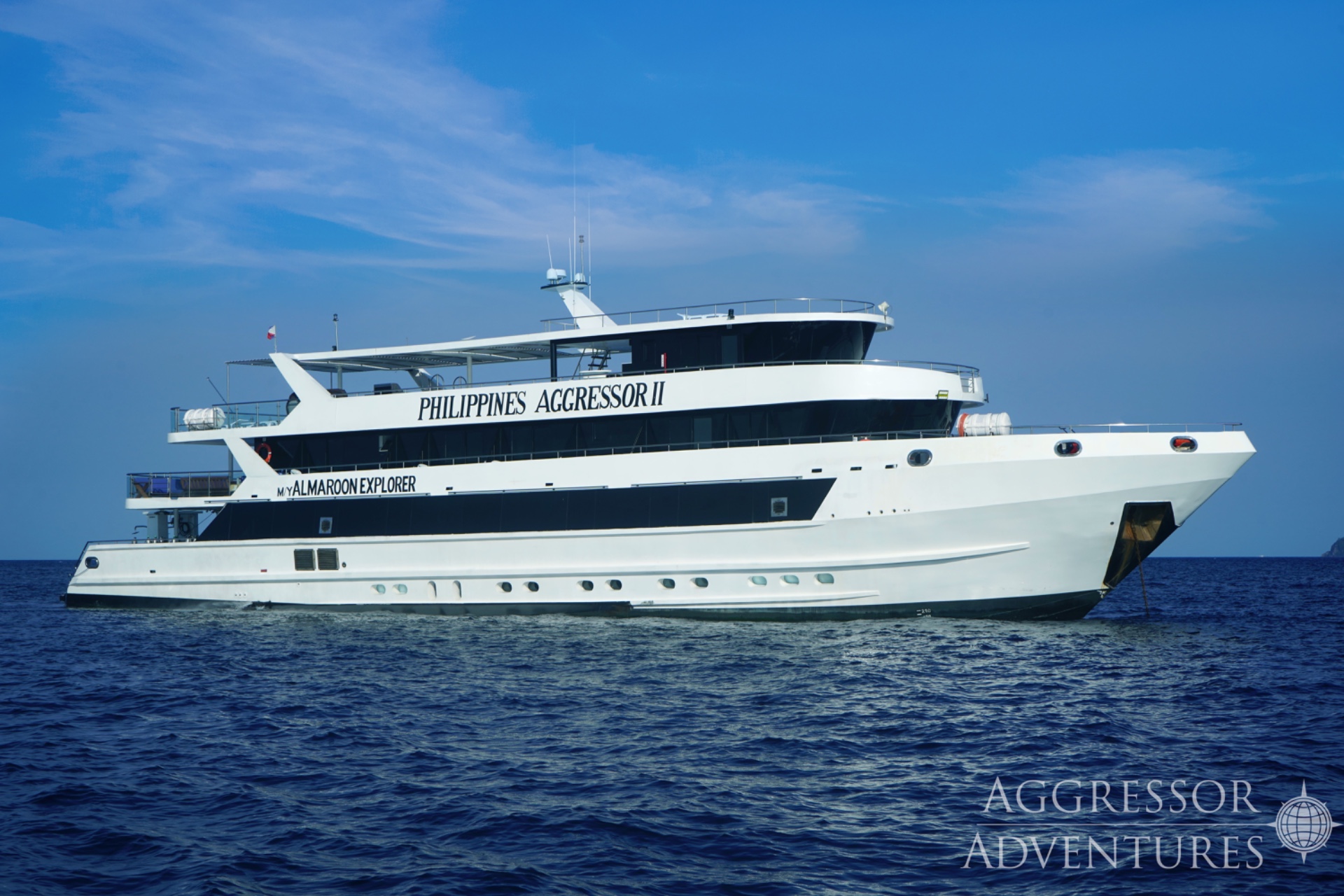
Philippines Aggressor II
Philippines
26 guests43 m
Dive sites similar to Limasawa Island
Same character, same waters — six more sites divers love for the exact same reasons.Compare seasons, access and liveaboard routes — then pick the site that fits your trip best.
Abila is a notable dive site located within the Alor Islands Marine Park, an area celebrated for its rich marine biodiversity due to its position in the Coral Triangle.
- Suitable for
- Beginner
- Current
- Mild
- Access
- Liveaboard only
- Depth
- —
- Theme
- Reef
© Esri — Maxar, Earthstar, GIS
Adonara Channel
Alor
Adonara Channel stands as one of Alor's most iconic dive sites, celebrated for its dynamic currents and exceptionally rich biodiversity.
- Suitable for
- Advanced
- Current
- Strong
- Access
- Liveaboard or dayboat
- Depth
- 10–40 m
- Theme
- Drift / Wall
© Esri — Maxar, Earthstar, GIS
Adonara Wall
Indonesia
Adonara is an Indonesian island dive site, renowned for its vibrant underwater topography characterized by submerged seamounts.
- Suitable for
- Intermediate
- Current
- Strong
- Access
- Liveaboard or dayboat
- Depth
- 5–35 m
- Theme
- Seamount / Wall
© Esri — Maxar, Earthstar, GIS
Agnay Fish Sanctuary
Philippines
Agnay Fish Sanctuary is nestled in a sheltered bay near the village of Agnay in Romblon, a province celebrated for its rich marine biodiversity.
- Suitable for
- Beginner
- Current
- Mild
- Access
- Dayboat
- Depth
- 9–18 m
- Theme
- Reef
© Esri — Maxar, Earthstar, GIS
Ai Island Reef
Banda Sea
Ai Island Reef, nestled within the Banda Sea, offers a remarkable diving experience characterized by its rich marine biodiversity and varied underwater topography.
- Suitable for
- Beginner
- Current
- Strong
- Access
- Liveaboard only
- Depth
- 3–30 m
- Theme
- Reef / Seamount
© Esri — Maxar, Earthstar, GIS
Akitsushima
Philippines
The Akitsushima is a distinguished World War II Japanese seaplane tender, sunk in September 1944 during an American air raid in Coron Bay, Palawan.
- Suitable for
- Advanced
- Current
- Strong
- Access
- Dayboat
- Depth
- 22–38 m
- Theme
- Wreck