About Kandooma Thila (Cocoa Thila)
Kandooma Thila, also known as Cocoa Thila, is a world-class dive site nestled in the South Kaafu Atoll of the Maldives, just a short boat ride from Guraidhoo. This unique underwater pinnacle rises from considerable depths, forming a vibrant ecosystem that attracts a remarkable diversity of marine life. Its fame stems from the consistent pelagic encounters and the thrilling drift dives it offers, making it a bucket-list destination for experienced divers seeking high-octane underwater adventures. The thila's structure creates dynamic current patterns, essential for a thriving reef. Divers navigate ledges, overhangs, and coral gardens, where schools of fish seek refuge and larger predators patrol the blue. Depths range considerably, allowing for exploration at various levels, though the most exhilarating action often occurs in the deeper sections where currents are strongest. While accessible year-round, the marine life spectacle here is particularly pronounced during certain seasons. The nutrient-rich currents bring in massive aggregations of reef sharks, eagle rays, and schooling barracuda, especially during the dry season from December to May. The vibrant soft corals adorning its walls are a constant visual feast. Diving Kandooma Thila typically involves a negative entry to quickly descend into the current and explore the pinnacle's rich features. Excellent buoyancy control and experience with drift diving are crucial to fully appreciate this site, ensuring a safe and rewarding experience amidst its powerful currents.
Highlights
Grey reef shark encountersDynamic drift divingAbundant eagle raysVibrant soft coralsUnderwater pinnacle topographySchools of barracuda
Season calendar
Best months to dive here
Jan
Feb
Mar
Apr
May
Jun
Jul
Aug
Sep
Oct
Nov
Dec
Excellent
Good
Dive site facts: Kandooma Thila (Cocoa Thila)
- Depth
- 5–30 m
- Current
- Moderate to strong
- Visibility
- 15–30 m
- Water temperature
- 26–30°C
- Entry
- Tender / negative entry
- Level
- Advanced
- Dive type
- Drift, pinnacle, pelagic
- Night dive
- Not typical
- Region / port
- South Kaafu Atoll
- Coordinates
- 3.9075, 73.4781
Conditions & Currents
Kandooma Thila is renowned for its strong, often unpredictable currents, which are a defining characteristic of the dive and contribute significantly to its rich marine ecosystem. Divers should anticipate moderate to strong currents, necessitating experience with drift diving techniques and excellent buoyancy control. Entry is typically a negative descent to quickly reach the protection of the thila. The currents can change direction and strength, particularly around the pinnacle's corners, requiring constant awareness and readiness to adjust. Visibility, while generally good, can vary with current strength and plankton density. This dynamic environment makes Kandooma Thila an exhilarating site but demands advanced dive skills and careful gas planning.
Marine life & sighting chances
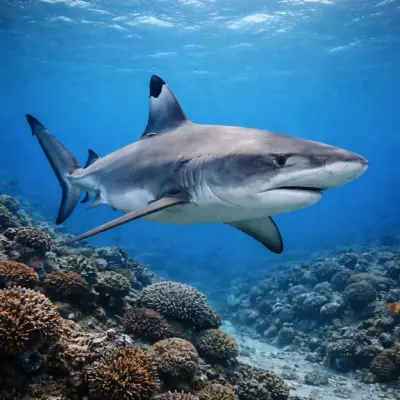
Grey reef shark
common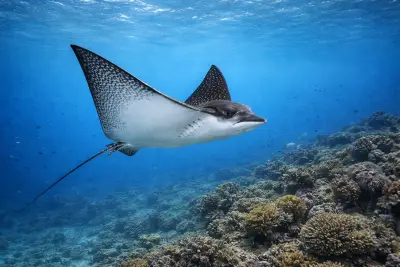
Eagle ray
common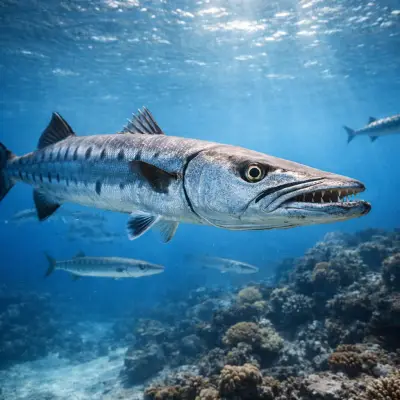
Barracuda
common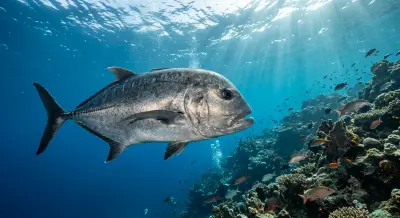
Trevallies
common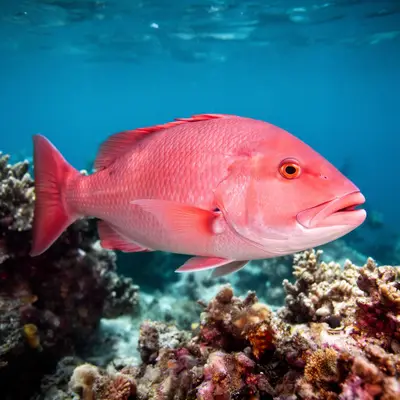
Snappers
common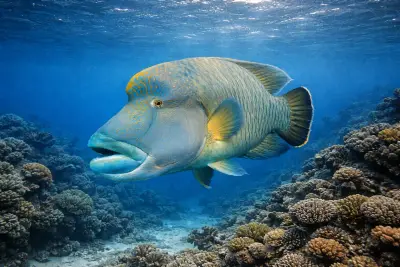
Napoleon wrasse
occasional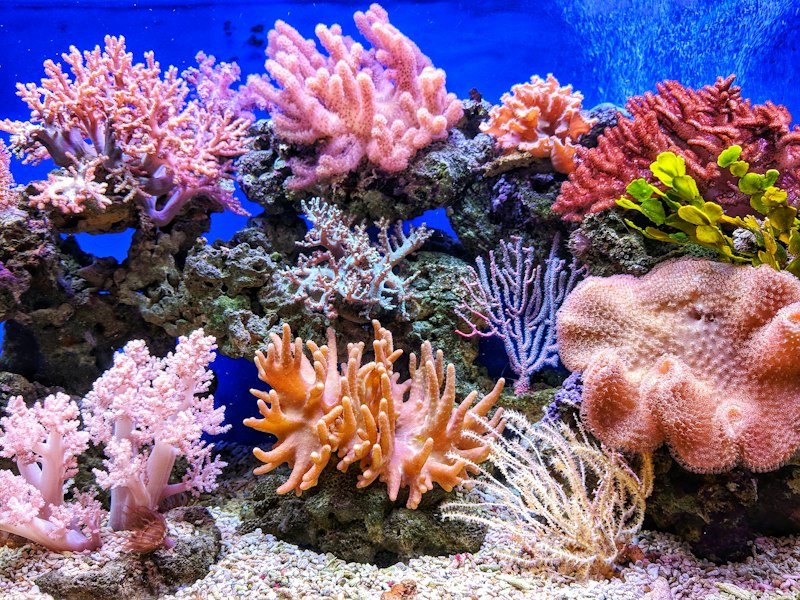
Soft corals
common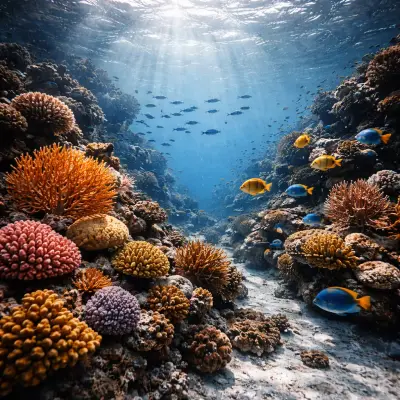
Hard corals
commonDive profile & how the dive runs
A dive at Kandooma Thila typically begins with a negative entry from the tender boat, allowing divers to quickly descend and latch onto the reef in the face of strong currents. The dive plan usually involves traversing the thila, moving from deeper sections where pelagic action is prevalent, along the reef wall and its numerous overhangs, then gradually shallower. Divers will often spend time observing the grey reef sharks and eagle rays that patrol the deeper corners, before drifting past schools of barracuda and snappers. The turn point is often dictated by air consumption and current conditions, leading towards a more sheltered side for the safety stop, where colourful soft corals provide a final spectacle before ascent.
Underwater photography
Kandooma Thila is a prime location for wide-angle photography, especially to capture the dramatic schooling fish, cruising sharks, and elegant eagle rays against the deep blue. A wide-angle lens is essential for encompassing the large pelagics and the expansive thila structure. Due to potential strong currents, excellent buoyancy control and streamlining are paramount to prevent damaging the delicate corals and to hold position for shots. External strobes are highly recommended to bring out the vibrant colours of the soft corals and to properly expose subjects in varying light conditions. Be prepared for fast-moving subjects; a quick autofocus system will be beneficial. Respect marine life by maintaining a safe distance, especially from larger creatures.
Combine with nearby dive sites
- Guraidhoo Corner
A world-class drift dive with grey reef sharks and eagle rays.
- Guraidhoo Kandu South
A channel dive known for pelagic encounters.
- Embudu Express
Another excellent drift dive in the Kaafu Atoll.
- Manta Point (Lankanfinolhu)
A renowned cleaning station for manta rays, active during specific seasons.
Getting there & logistics
Access to Kandooma Thila is typically via liveaboard cruises that cover the South Kaafu Atoll or through dive centers based on local islands like Guraidhoo or nearby resorts. The primary international gateway is Velana International Airport (MLE) near Malé. From there, transfer to Guraidhoo is possible by public ferry (approximately 2 hours 15 minutes) or speedboat (around 45 minutes). Liveaboards usually depart from Malé, offering itineraries that often combine several prime dive sites across various atolls. While no specific dive permits are needed for this site, park fees might apply depending on the itinerary. Trip lengths vary from day trips from nearby islands to multi-day liveaboard excursions, typically ranging from 7 to 10 days.
Safety & environment
Diving Kandooma Thila demands a high level of caution due to strong and unpredictable currents; only experienced divers should attempt it. Always dive with a reputable operator, follow your dive guide's instructions closely, and maintain excellent buoyancy control. A dive computer, safety sausage (SMB), and whistle are essential safety equipment. Recompression chambers in the Maldives are primarily located in Malé and Bandos Island, meaning evacuation from more remote sites could be lengthy. Comprehensive dive insurance, covering emergency evacuation and hyperbaric treatment, is therefore mandatory. Ensure your physical fitness is adequate for challenging drift conditions and never exceed your training limits.
Who it suits — and who it doesn't
Suited for
- Advanced divers comfortable with strong currents
- Photographers with wide-angle setups
- Divers seeking pelagic encounters (sharks, rays, large schools)
- Experienced drift divers
Less suited for
- Beginner divers or those without current experience
- Divers prone to seasickness
- Macro photographers primarily seeking small critters
- Divers uncomfortable with negative entries
FAQ
Kandooma Thila (Cocoa Thila) FAQ
What kind of marine life can I expect at Kandooma Thila?
Kandooma Thila is renowned for its large pelagic encounters. Divers frequently see grey reef sharks, eagle rays, and immense schools of barracuda, snappers, and trevallies. The site's strong currents attract these larger species, making for an exhilarating and action-packed dive.
Is Kandooma Thila suitable for beginner divers?
No, Kandooma Thila is generally not recommended for beginner divers. The site is known for strong and sometimes unpredictable currents, which require advanced diving skills, excellent buoyancy control, and experience with drift diving. It is best suited for experienced divers.
What are the typical diving conditions at Kandooma Thila?
Conditions at Kandooma Thila often feature moderate to strong currents that can change quickly. Visibility typically ranges from 15 to 30 meters, and water temperatures are consistently warm, between 26-30°C. Divers should be prepared for a negative entry.
What is the best time of year to dive Kandooma Thila?
Kandooma Thila offers excellent diving year-round for pelagic sightings. However, the dry season from December to May often provides the clearest water and calmer surface conditions. The wet season, from June to November, might bring slightly reduced visibility but can also lead to increased plankton, attracting even more filter feeders.
How do you access Kandooma Thila?
Kandooma Thila is typically accessed via dive boats from liveaboards operating in the South Kaafu Atoll or from dive centers located on nearby local islands like Guraidhoo. The dive involves a tender boat transfer to the site, followed by a negative entry to get down quickly.
Why dive Kandooma Thila (Cocoa Thila) from a liveaboard?
Kandooma Thila (Cocoa Thila) is one of Maldives's signature dive sites. A liveaboard sleeps you on the water and puts you in the water for three to four guided dives per day, including dawn and night dives that day-boat operators rarely offer. You skip the daily commute back to port and reach quieter, less-crowded sites in the same region on a single trip.
Below are the liveaboards that include Kandooma Thila (Cocoa Thila) on their Maldives itineraries.
Liveaboards diving Kandooma Thila (Cocoa Thila)
These liveaboards may visit Kandooma Thila (Cocoa Thila) on selected itineraries — the exact dive sites depend on departure, weather and conditions.
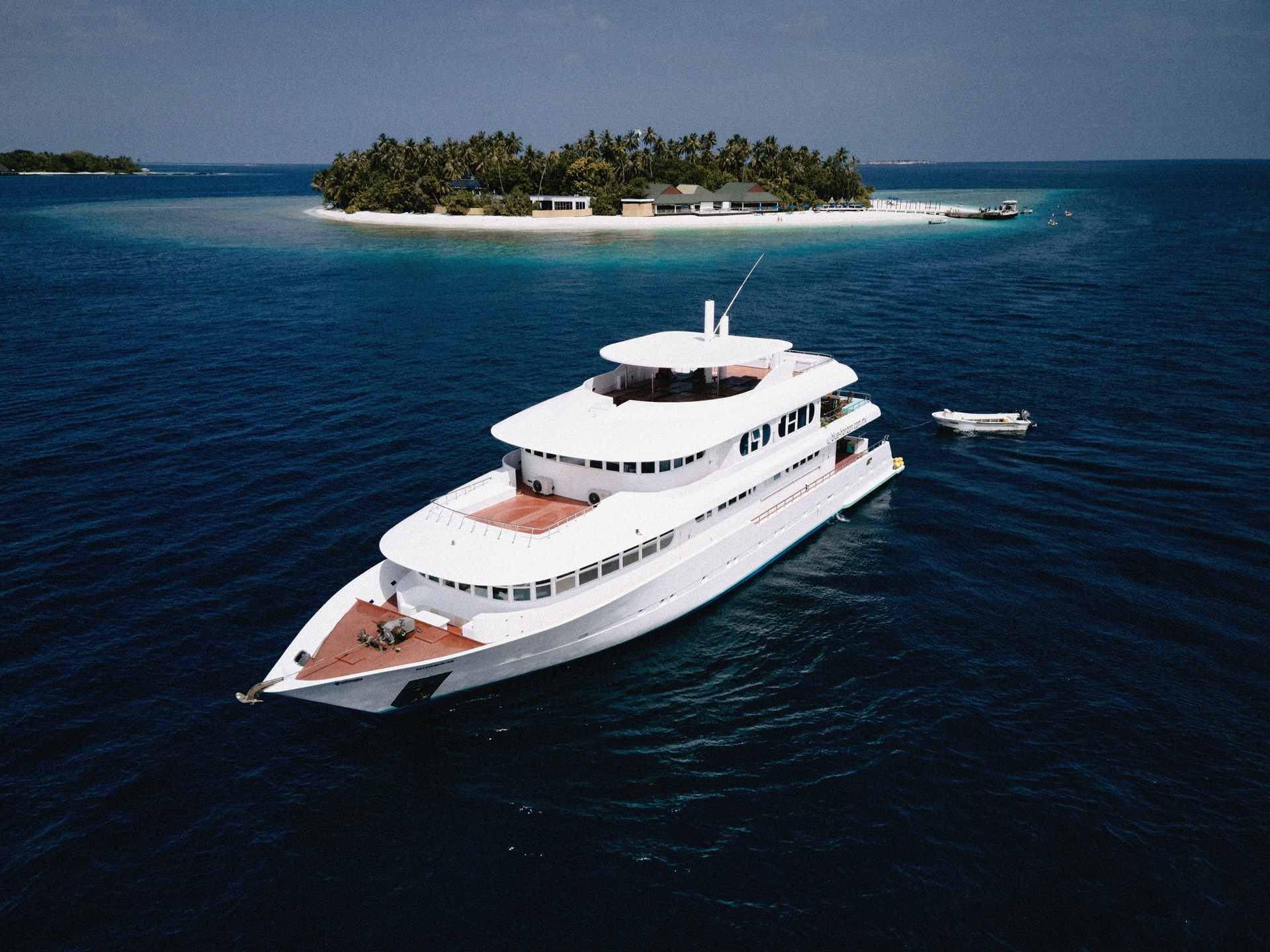
Horizon III
Maldives
25 guests
$204/day
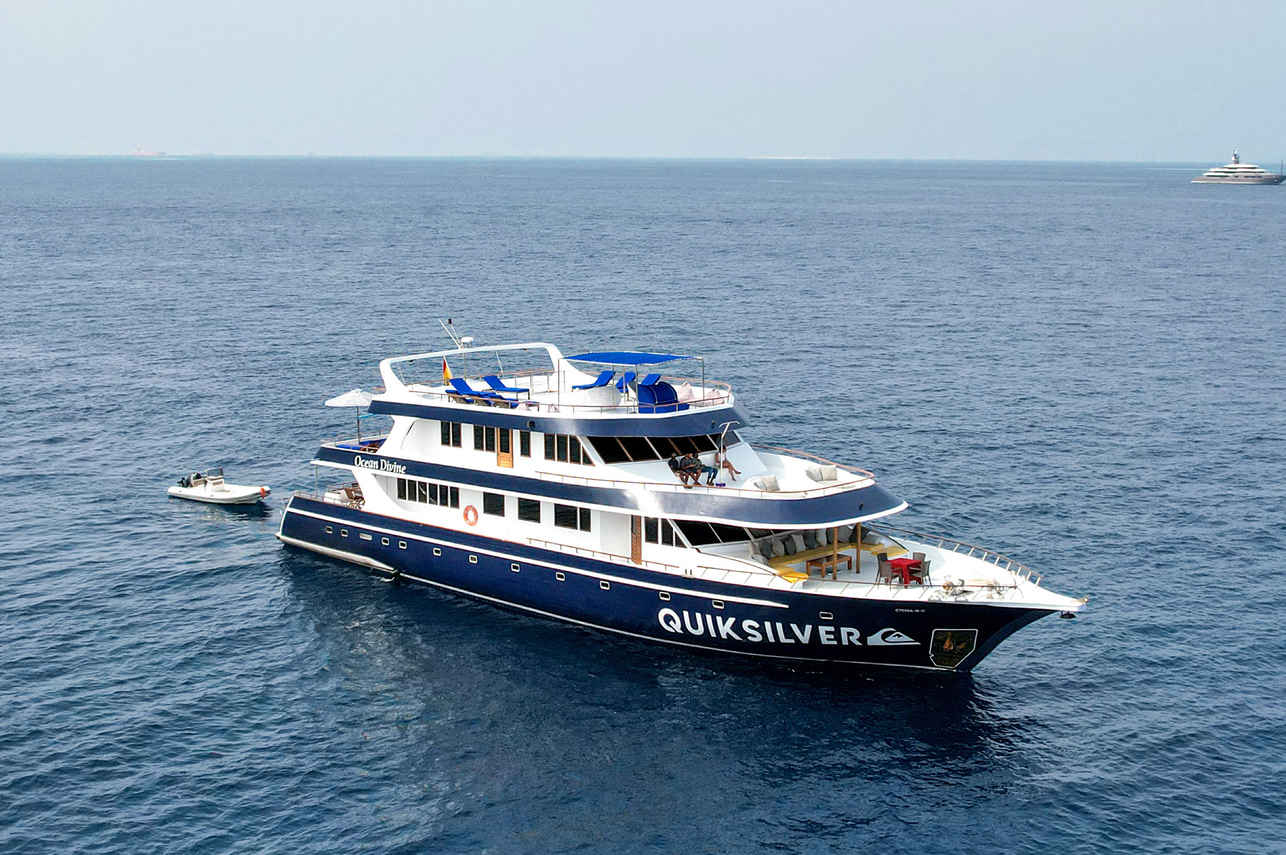
Ocean Divine
Maldives
16 guests33.528 m
$287/day
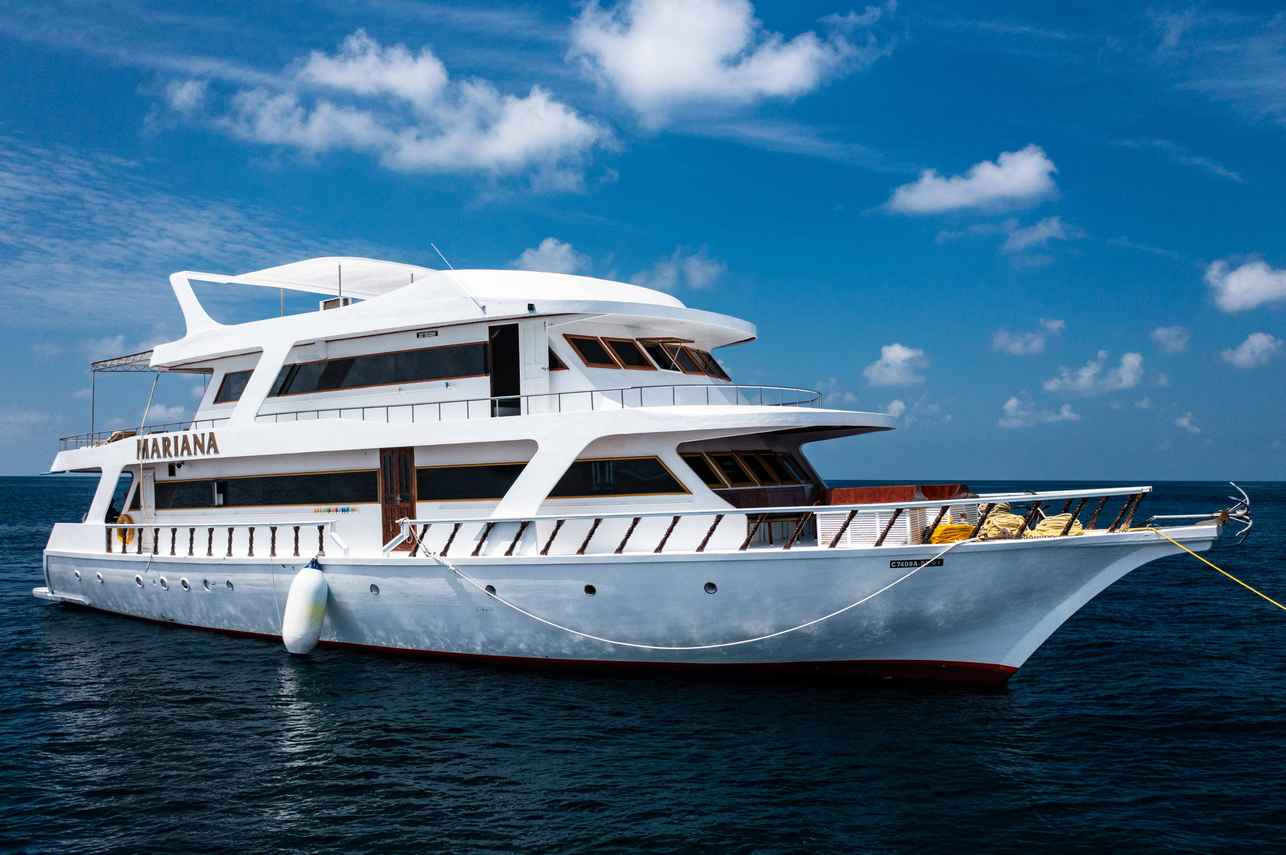
EcoPro Mariana
Maldives
16 guests30 m
$236/day
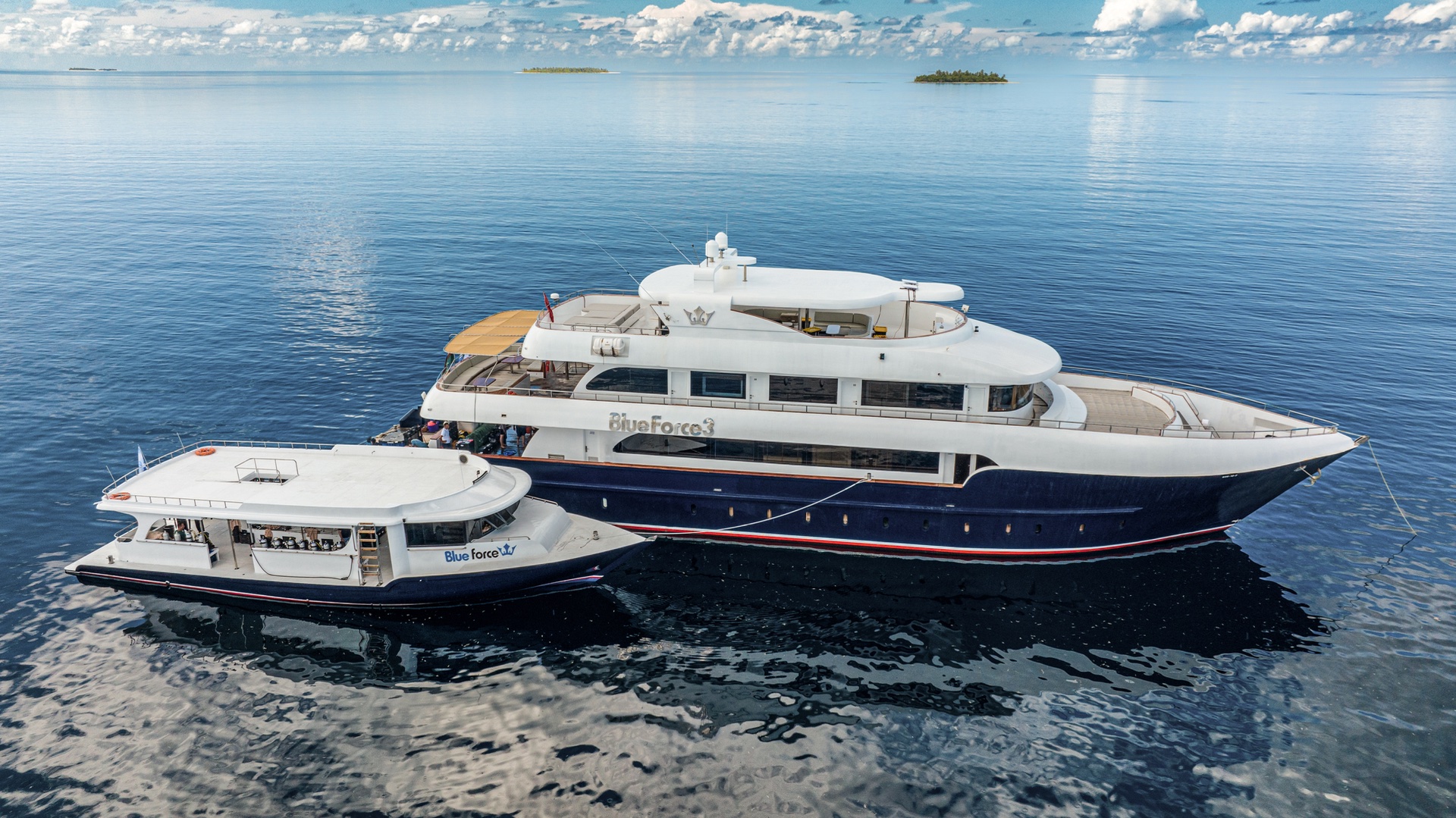
Maldives Blue Force 3
Maldives
26 guests42 m
$261/day
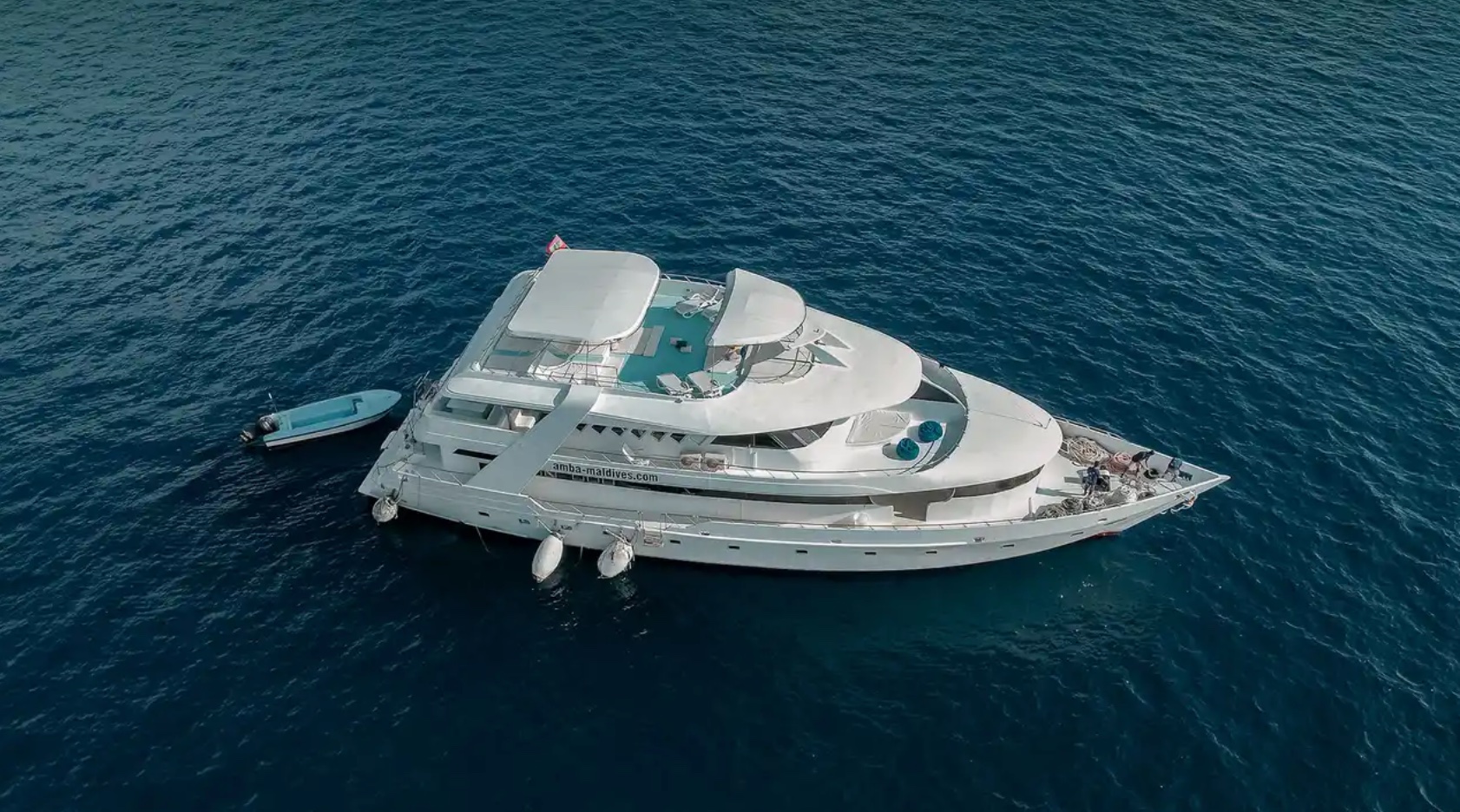
Amba
Maldives
20 guests
$178/day
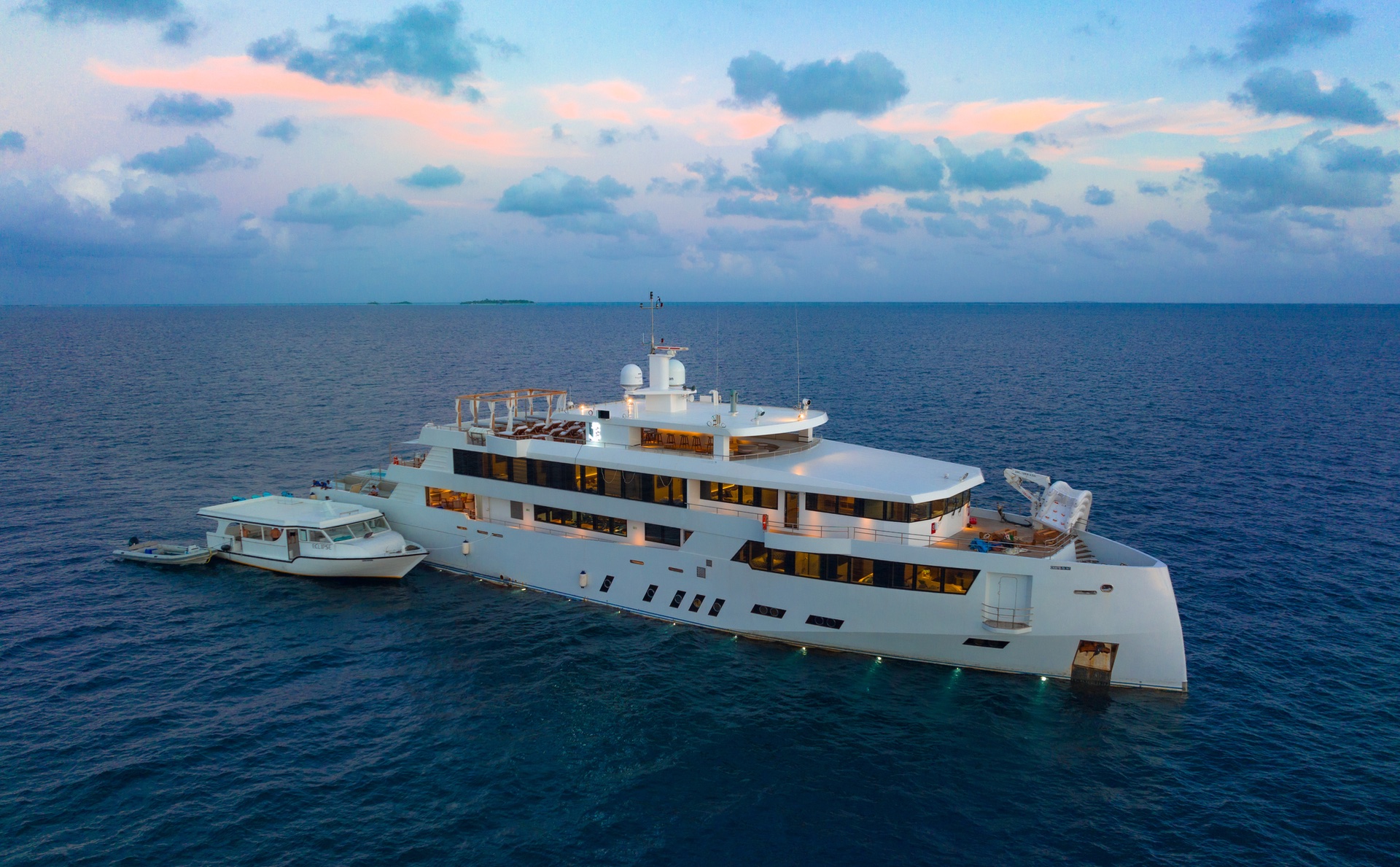
White Pearl
Maldives
26 guests
$375/day
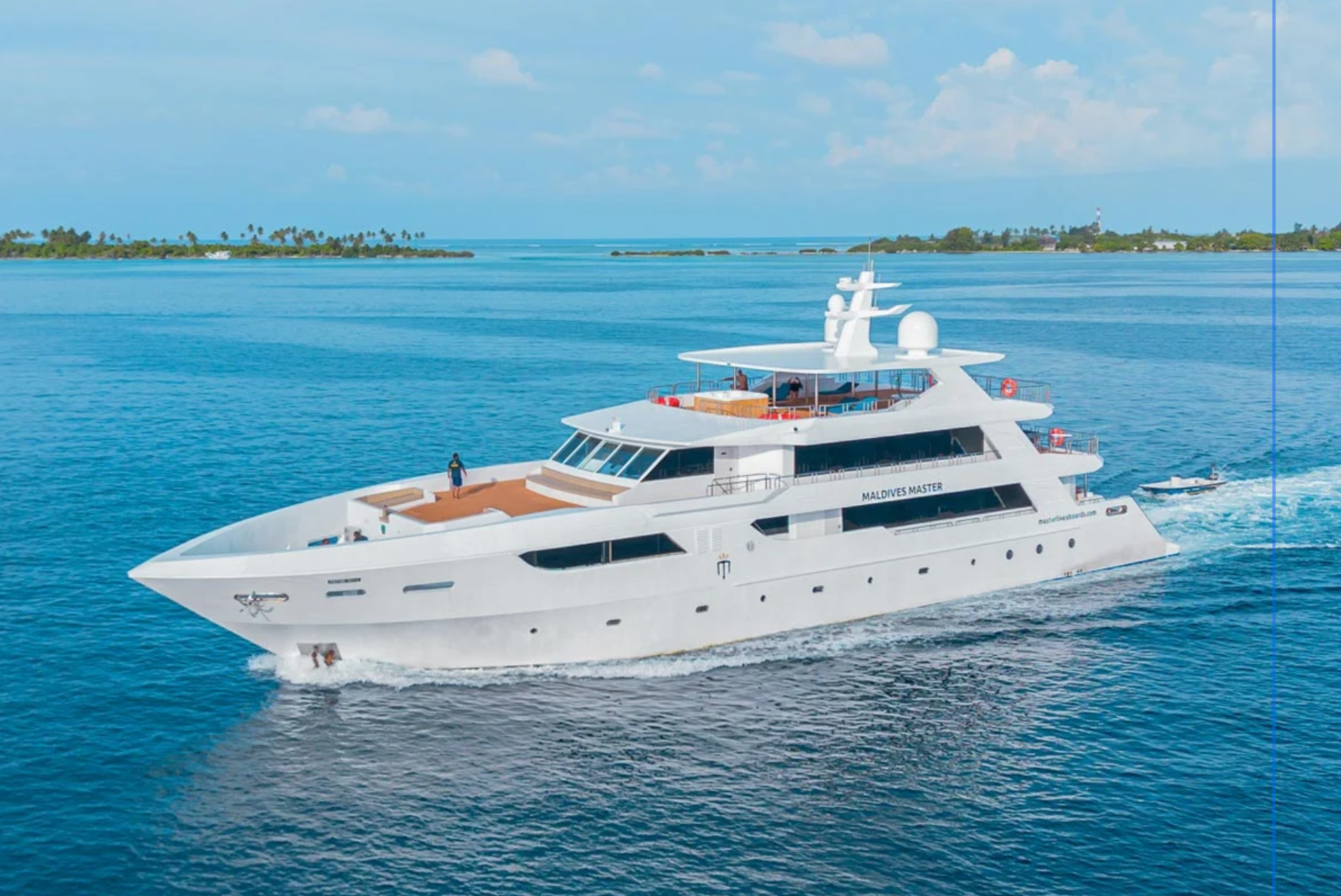
Maldives Master
Maldives
26 guests
$207/day
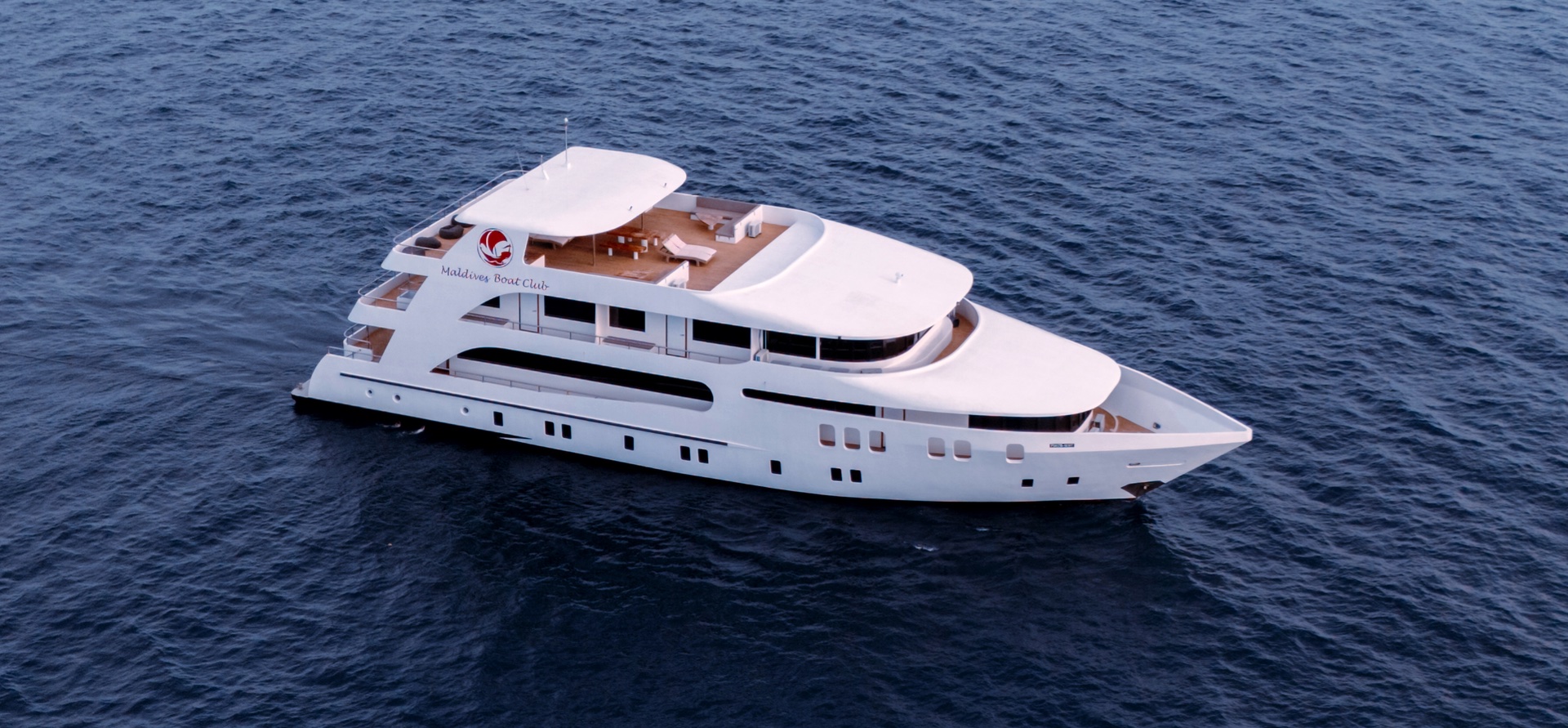
Adora
Maldives
22 guests
$297/day
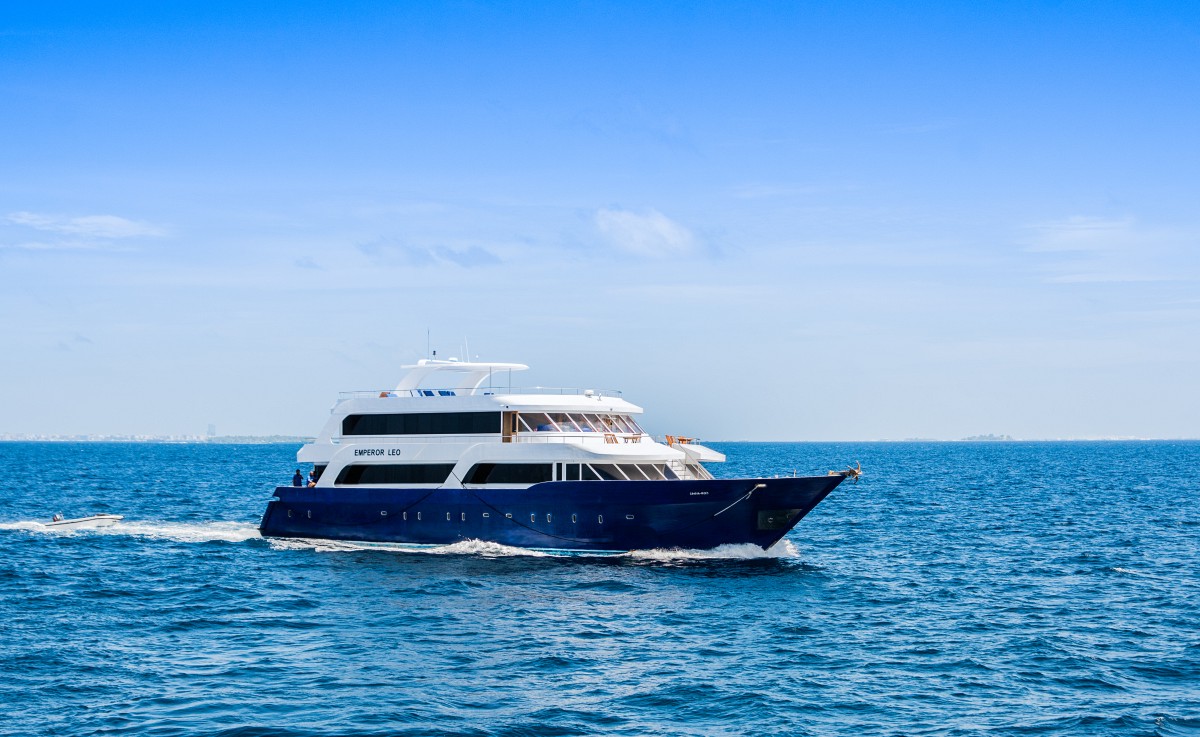
Emperor Leo
Maldives
24 guests35.1 m
$339/day
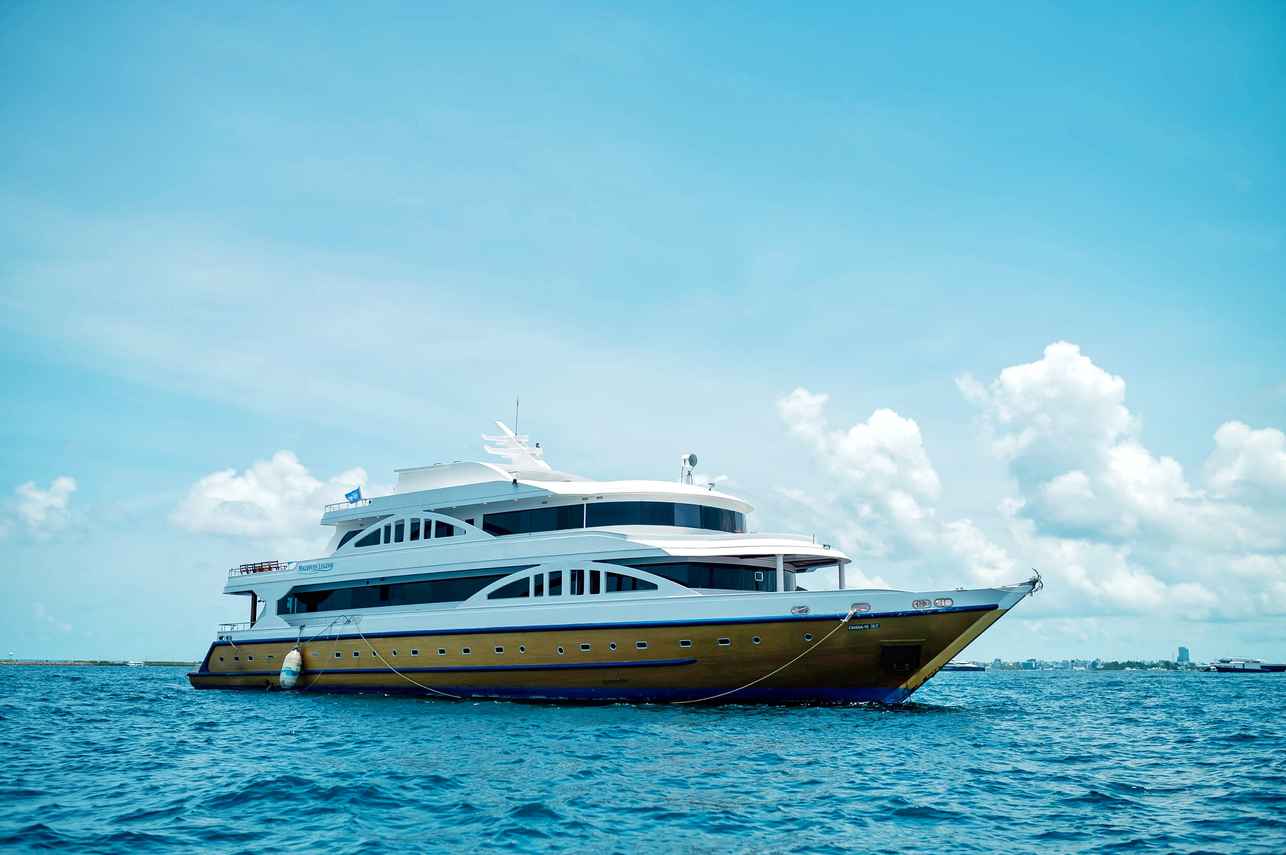
Maldives Legend Zen
Maldives
24 guests41 m
$316/day
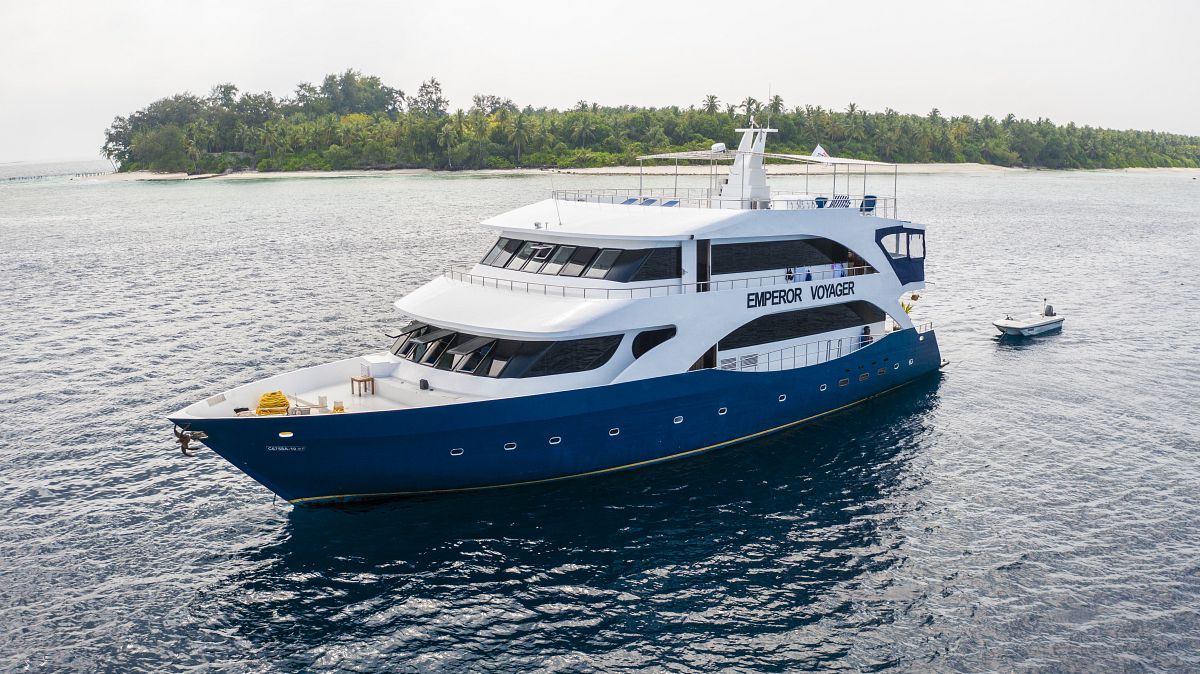
Emperor Voyager
Maldives
20 guests29.9 m
$332/day
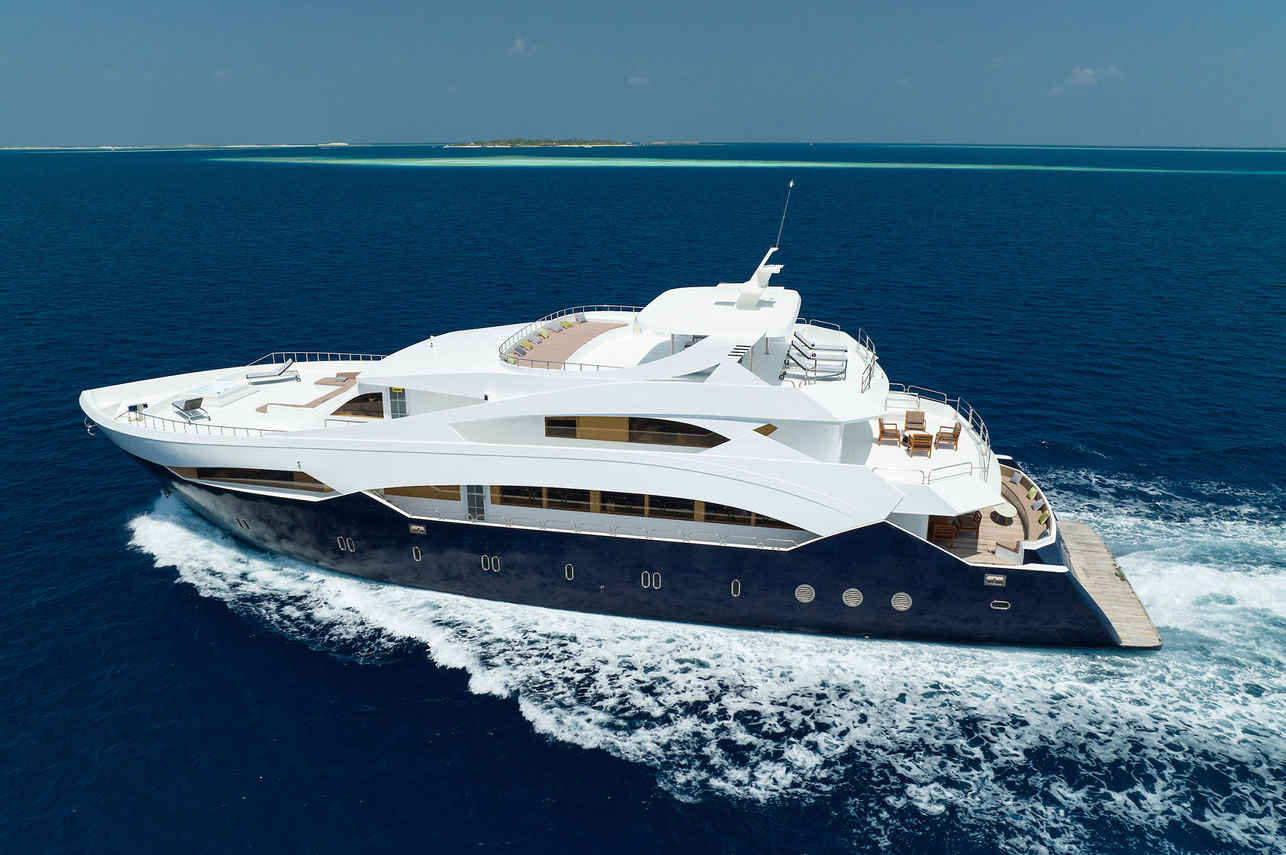
Felicity
Maldives
26 guests41 m
$229/day
Dive sites similar to Kandooma Thila (Cocoa Thila)
Same character, same waters — six more sites divers love for the exact same reasons.Compare seasons, access and liveaboard routes — then pick the site that fits your trip best.
© Esri — Maxar, Earthstar, GIS
Emas Thila (North Malé)
Maldives
Emas Thila is a renowned submerged reef pinnacle located in the South Ari Atoll, a protected Marine Protected Area in the Maldives.
- Suitable for
- Intermediate
- Current
- Strong
- Access
- Liveaboard or dayboat
- Depth
- 8–30 m
- Theme
- Cave & cavern / Pinnacle
© Esri — Maxar, Earthstar, GIS
Fushi Kandu (Lhaviyani)
Maldives
Fushi Kandu, located in the Lhaviyani Atoll, is an exciting channel dive site in the Maldives, offering some of the most dynamic drift diving experiences in the Indian Ocean.
- Suitable for
- Advanced
- Current
- Strong
- Access
- Liveaboard or dayboat
- Depth
- 15–35 m
- Theme
- Channel / Drift
© Esri — Maxar, Earthstar, GIS
Gan Corner (Addu Atoll)
Maldives
Gan Corner, locally known as Gan Kandu, is a prominent channel dive site nestled in the southwestern part of Addu (Seenu) Atoll, situated conveniently near the islands of Gan and Feydhoo.
- Suitable for
- Advanced
- Current
- Strong
- Access
- Liveaboard or dayboat
- Depth
- 5–40 m
- Theme
- Channel / Drift
© Esri — Maxar, Earthstar, GIS
Hithadhoo Corner (Addu)
Maldives
Hithadhoo Corner, situated in Addu Atoll, offers a unique opportunity for exceptional diving and snorkeling.
- Suitable for
- Advanced
- Current
- Moderate
- Access
- Liveaboard or dayboat
- Depth
- 3–30 m
- Theme
- Channel / Drift
© Esri — Maxar, Earthstar, GIS
Guraidhoo Corner
Maldives
Guraidhoo Corner, situated at the southern tip of Guraidhoo Island, stands as a marine protected area often celebrated for its exceptional fish diversity and photographic opportunities within the Maldives.
- Suitable for
- Advanced
- Current
- Ripping
- Access
- Liveaboard or dayboat
- Depth
- 5–35 m
- Theme
- Channel / Drift
© Esri — Maxar, Earthstar, GIS
Filitheyo Reef (Faafu)
Maldives
Filitheyo Reef, situated in the Faafu Atoll, offers an unspoiled underwater paradise, unique as the only tourist island in the atoll.
- Suitable for
- Beginner
- Current
- Strong
- Access
- Liveaboard or dayboat
- Depth
- 1–30 m
- Theme
- Reef / Wall