About Jigdup Shoal
Jigdup Shoal is an offshore dive site located in the Bohol Sea, accessible from Camiguin Island, known for its pristine and uncrowded conditions. This site is part of the volcanic underwater landscape of Camiguin, which contributes to dramatic formations and nutrient-rich waters supporting diverse marine ecosystems. The topography includes vibrant hard and soft coral gardens, as well as a distinct 'Wall' dive, both teeming with fish life. Depths typically range from shallow coral areas to deeper sections reaching around 30 meters or more, offering varied experiences for different skill levels. While specific seasonality for marine life is not detailed, the site is recognized for healthy corals and abundant fish. Divers can expect encounters with a variety of reef fish, nudibranchs, feather stars, giant clams, and occasional turtles. The rich waters are consistently active with marine creatures. Diving at Jigdup Shoal is often described as serene, with calm surface conditions contributing to an enjoyable experience. Due to its offshore location, it is not a routine destination, often requiring favorable weather. The absence of crowds provides a unique opportunity for an immersive underwater exploration.
Highlights
Uncrowded offshore shoalVolcanic underwater topographyHealthy hard and soft coralsRich reef fish diversityOccasional turtle sightingsCalm surface conditions
Season calendar
Best months to dive here
Jan
Feb
Mar
Apr
May
Jun
Jul
Aug
Sep
Oct
Nov
Dec
Excellent
Good
Dive site facts: Jigdup Shoal
- Depth
- 5-32 m
- Current
- Variable, potentially strong
- Water temperature
- 25-30°C (78-86°F)
- Entry
- Day boat
- Level
- Intermediate to Advanced recommended due to currents
- Dive type
- Coral garden, wall, reef, big animals possible
- Region / port
- Camiguin, Southern Philippines
- Coordinates
- 11.1698° N, 122.0242° E
Conditions & Currents
Jigdup Shoal is situated in the open seas, making it susceptible to changes in currents and waves. Divers should anticipate that conditions can vary, though calm waters are often experienced on favorable days. While not explicitly stated as a drift dive site, the offshore location implies the potential for currents, requiring divers to pay close attention to dive briefings regarding entry procedures, descent timing, and exit plans. Divers should be prepared for potential strong currents and understand how to stay streamlined and conserve air. Local dive guides are crucial for navigating the site's conditions and ensuring safe diving.
Marine life & sighting chances

Scorpionfish
occasional
Nudibranchs
common
Feather Stars
common
Giant Clams
common
Anemone Fish
common
Juvenile Fish
common
Green Sea Turtle
occasional
Hawksbill Turtle
occasional

Manta Ray
rareDive profile & how the dive runs
Divers typically access Jigdup Shoal by day boat from Camiguin, making an entry when conditions are favorable. The site often features two distinct dives: 'Black Forest' and 'The Wall'. For 'Black Forest', descents are typically limited to around 25-32 meters, with a dive duration of approximately 45-56 minutes, exploring rich hard and soft coral gardens. 'The Wall' dive, nearby, is shallower and focuses on critter spotting, including nudibranchs, feather stars, and giant clams, along a richly decorated wall. Divers gradually ascend towards shallower areas for safety stops, allowing for extended bottom times while observing marine life. Buoyancy control is paramount to avoid damaging fragile corals, especially during the safety stop period.
Underwater photography
Jigdup Shoal offers diverse photographic opportunities. For wide-angle shots, 'Black Forest' with its extensive coral gardens and volcanic formations is ideal. A fisheye lens can capture the scale of the healthy reefs. For macro enthusiasts, 'The Wall' is a treasure trove of subjects like nudibranchs, feather stars, and juvenile fish, where a macro lens is essential. External strobes are recommended to bring out the vibrant colors of corals and critters, especially at deeper sections. Due to potentially variable currents, maintaining good buoyancy is critical to avoid blur and protect the reef. Always respect marine life; do not touch or disturb subjects for a better shot.
Combine with nearby dive sites
- Monad Shoal
Famous for thresher shark encounters, requiring early morning dives.
- Lonos Marine Sanctuary
Protected area known for diverse marine life.
- Pescador Island
Renowned for sardine runs and healthy reefs.
- Donsol — Whale Shark Interaction
Known for seasonal whale shark encounters, primarily snorkeling.
Getting there & logistics
Jigdup Shoal is accessed via day boats departing from Camiguin Island. The primary gateway to Camiguin is via flights to Mambajao Airport (CMG) from Cebu, or by ferry from Balingoan on the Mindanao mainland. Dive trips to the shoal are dependent on weather and sea conditions, as it is an offshore site. It is advisable to book with local dive operators in Mambajao or Tupsan. There are no specific park fees mentioned for Jigdup Shoal, but standard dive fees apply. Trips typically last a full day, including surface intervals between two dives. Liveaboard access to Camiguin is less common than day trips, but the region can be combined with other Visayas destinations on extended itineraries.
Safety & environment
The nearest recompression chamber is likely in Cebu or Davao, requiring significant evacuation time by boat or air in case of a serious dive emergency. Dive insurance, specifically covering recompression and medical evacuation, is strongly recommended for all divers visiting Jigdup Shoal. Site-specific hazards include potentially strong and unpredictable currents, especially given its open-sea location; divers must be proficient in drift diving techniques and maintain excellent buoyancy control. Always follow your dive guide's instructions closely, maintain buddy contact, and be mindful of your dive profile and no-decompression limits. It's crucial to stay well-hydrated due to the tropical climate.
Who it suits — and who it doesn't
Suited for
- Experienced divers comfortable with currents
- Underwater photographers (macro and wide-angle)
- Divers seeking uncrowded, pristine reefs
- Marine life enthusiasts
- Divers interested in volcanic underwater topography
Less suited for
- Beginner divers without current experience
- Divers uncomfortable with offshore diving
- Those expecting guaranteed big animal sightings
- Divers seeking shore access or resort diving
FAQ
Jigdup Shoal FAQ
What is the best time of year to dive Jigdup Shoal?
The prime diving season for Jigdup Shoal, and the Camiguin region, is typically from November to May. During these months, you can expect calmer seas, clearer visibility, and more favorable weather conditions. March to May often offers the most consistent good weather and warm water temperatures.
Are there strong currents at Jigdup Shoal?
Jigdup Shoal is an offshore site in the open seas, meaning currents can be variable and potentially strong. While calm days are common, divers should be prepared for changing conditions and have experience with currents. Always listen carefully to your dive guide's briefing regarding current direction and dive plans.
What kind of marine life can I expect to see at Jigdup Shoal?
Jigdup Shoal boasts rich marine biodiversity, featuring healthy hard and soft coral gardens, abundant reef fish, nudibranchs, feather stars, and giant clams. You might also spot occasional green and hawksbill turtles. While rare, there's always a chance of encountering white-tip reef sharks or manta rays.
Is Jigdup Shoal suitable for beginner divers?
Due to its offshore location and the potential for strong currents, Jigdup Shoal is generally more suitable for intermediate to advanced divers. Beginners without experience in varying currents might find the conditions challenging. It is recommended to have good buoyancy control and comfort in open water environments.
How do I get to Jigdup Shoal?
Jigdup Shoal is accessed via day boat trips departing from Camiguin Island. You can reach Camiguin by flying from Cebu to Mambajao Airport or by taking a ferry from Balingoan on the Mindanao mainland. Once on Camiguin, local dive operators arrange trips to the shoal, subject to weather conditions.
Why dive Jigdup Shoal from a liveaboard?
Jigdup Shoal is one of Philippines's signature dive sites. A liveaboard sleeps you on the water and puts you in the water for three to four guided dives per day, including dawn and night dives that day-boat operators rarely offer. You skip the daily commute back to port and reach quieter, less-crowded sites in the same region on a single trip.
Below are the liveaboards that include Jigdup Shoal on their Philippines itineraries.
Liveaboards diving Jigdup Shoal
These liveaboards may visit Jigdup Shoal on selected itineraries — the exact dive sites depend on departure, weather and conditions.
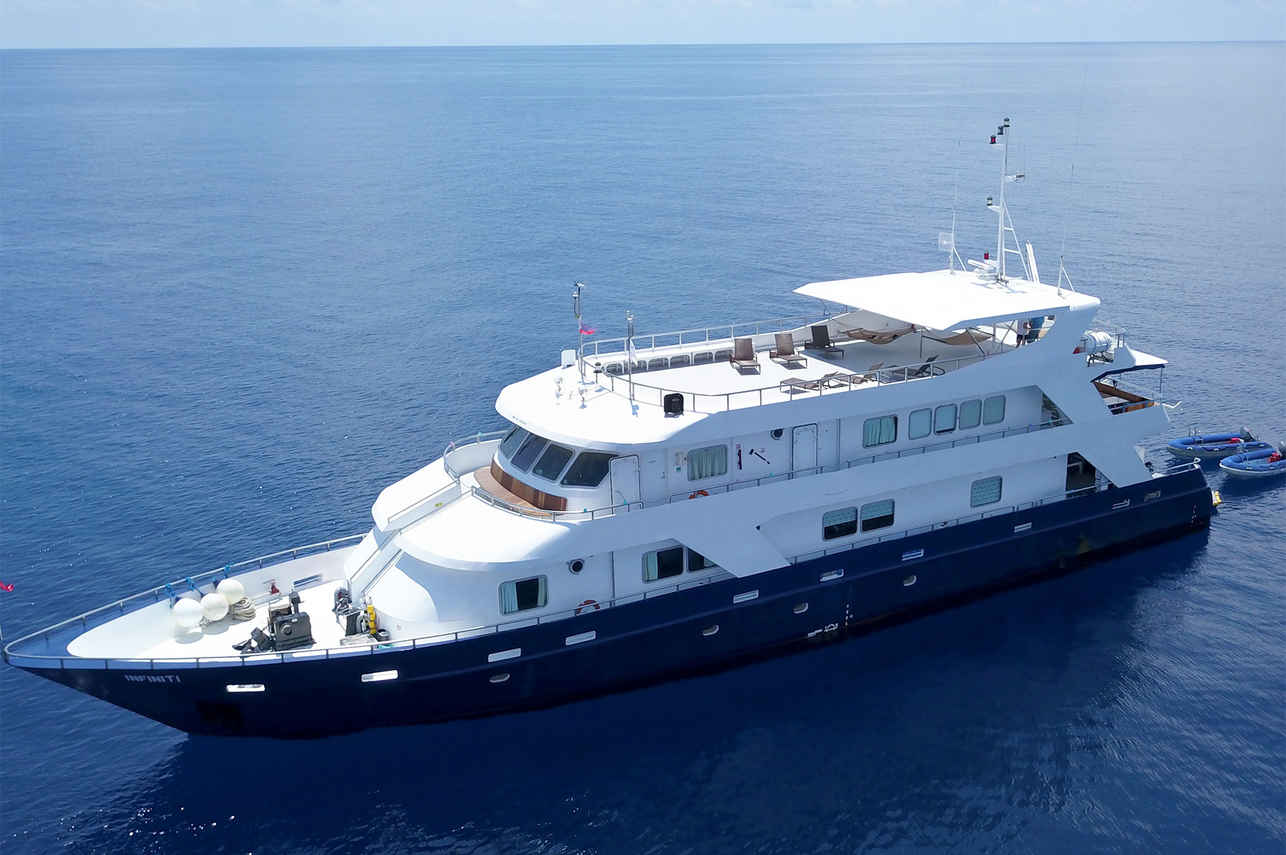
Infiniti
Philippines
25 guests39 m
$280/day
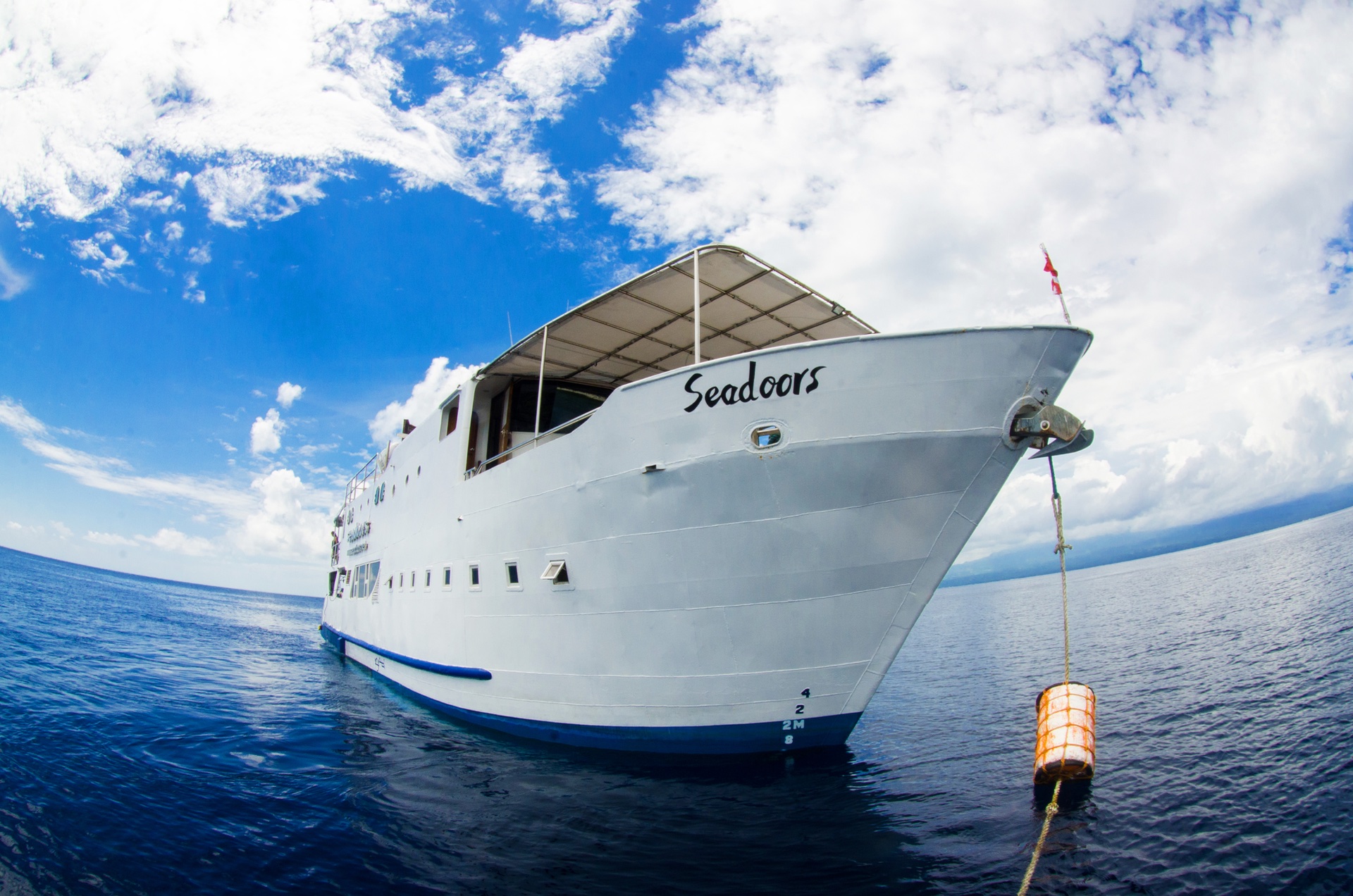
Seadoors
Philippines
16 guests25 m
$335/day
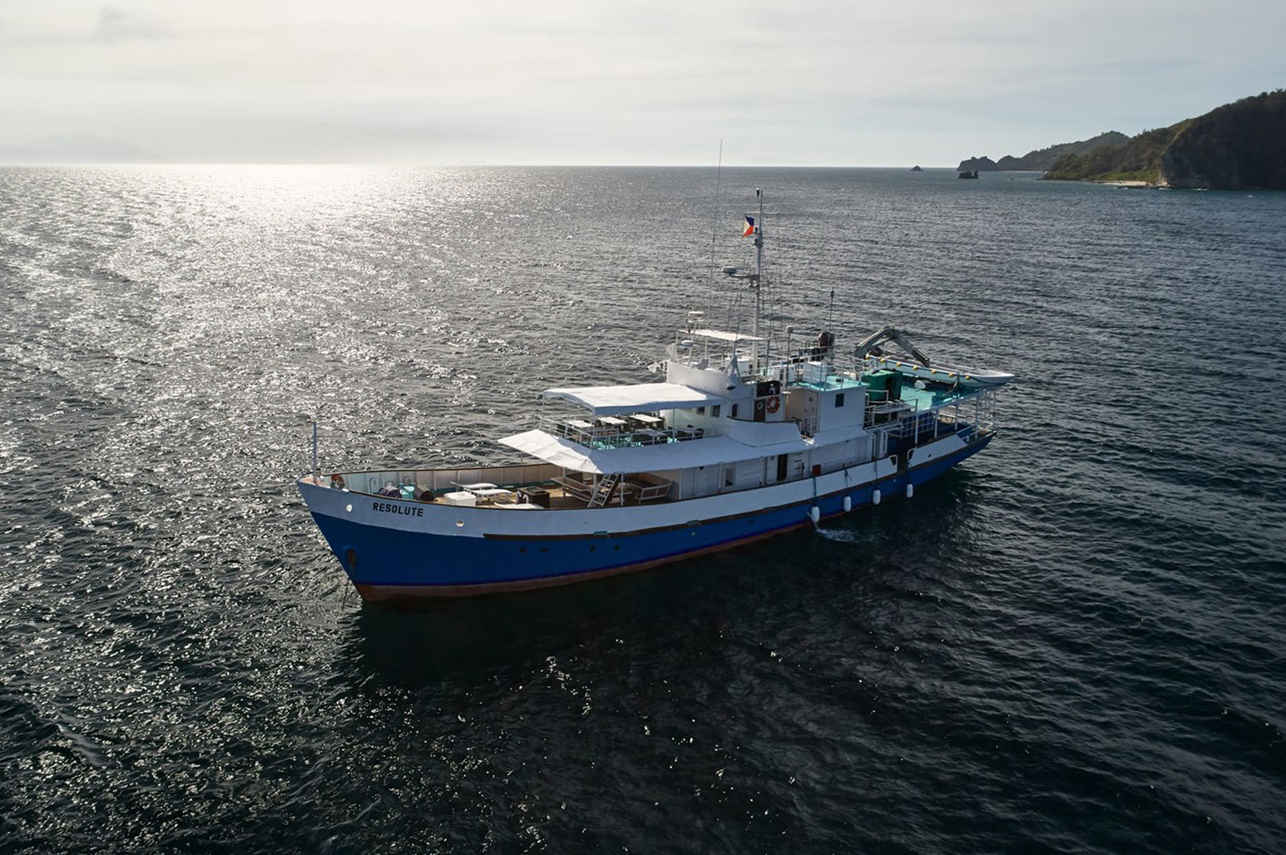
Resolute
Philippines
16 guests34.6 m
$314/day
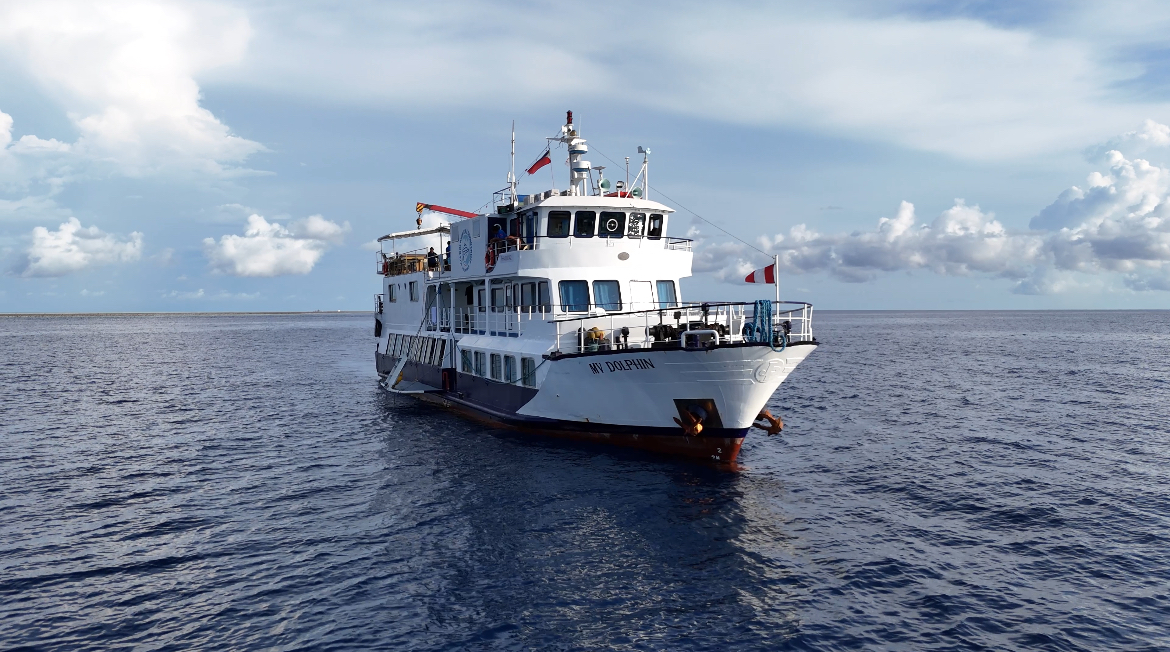
Dolphin
Philippines
18 guests31 m
$326/day
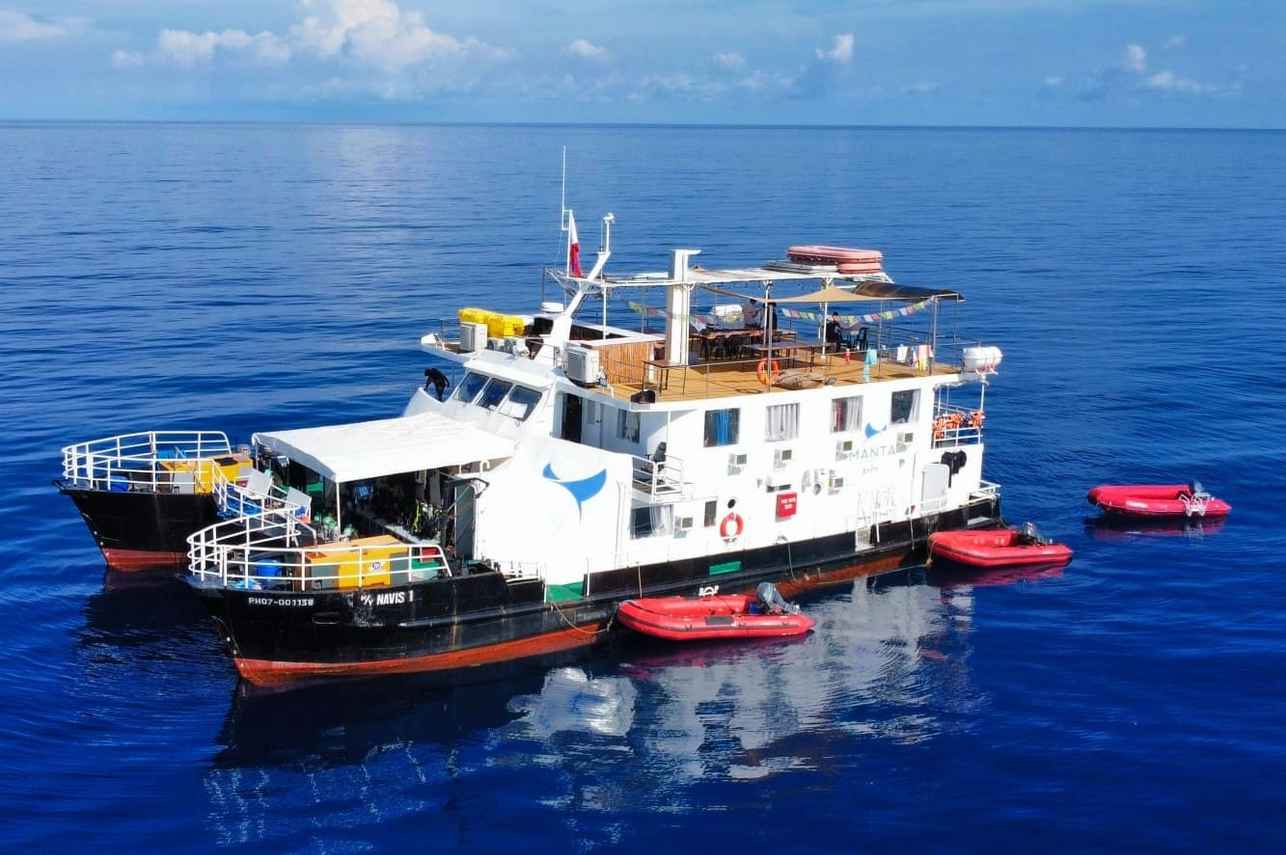
Navis 1
Philippines
22 guests23 m
$250/day
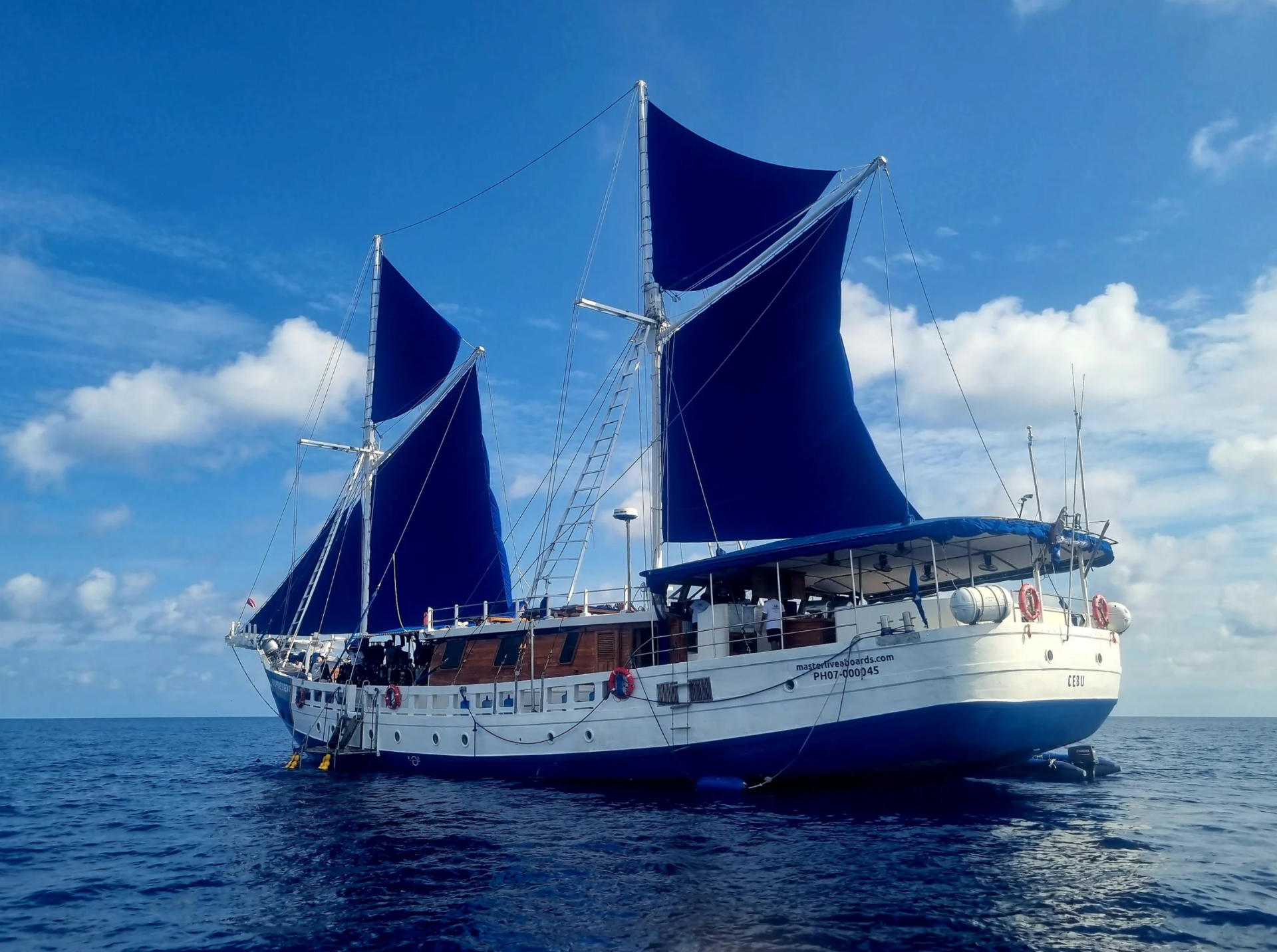
Philippine Siren
Philippines
16 guests
$309/day
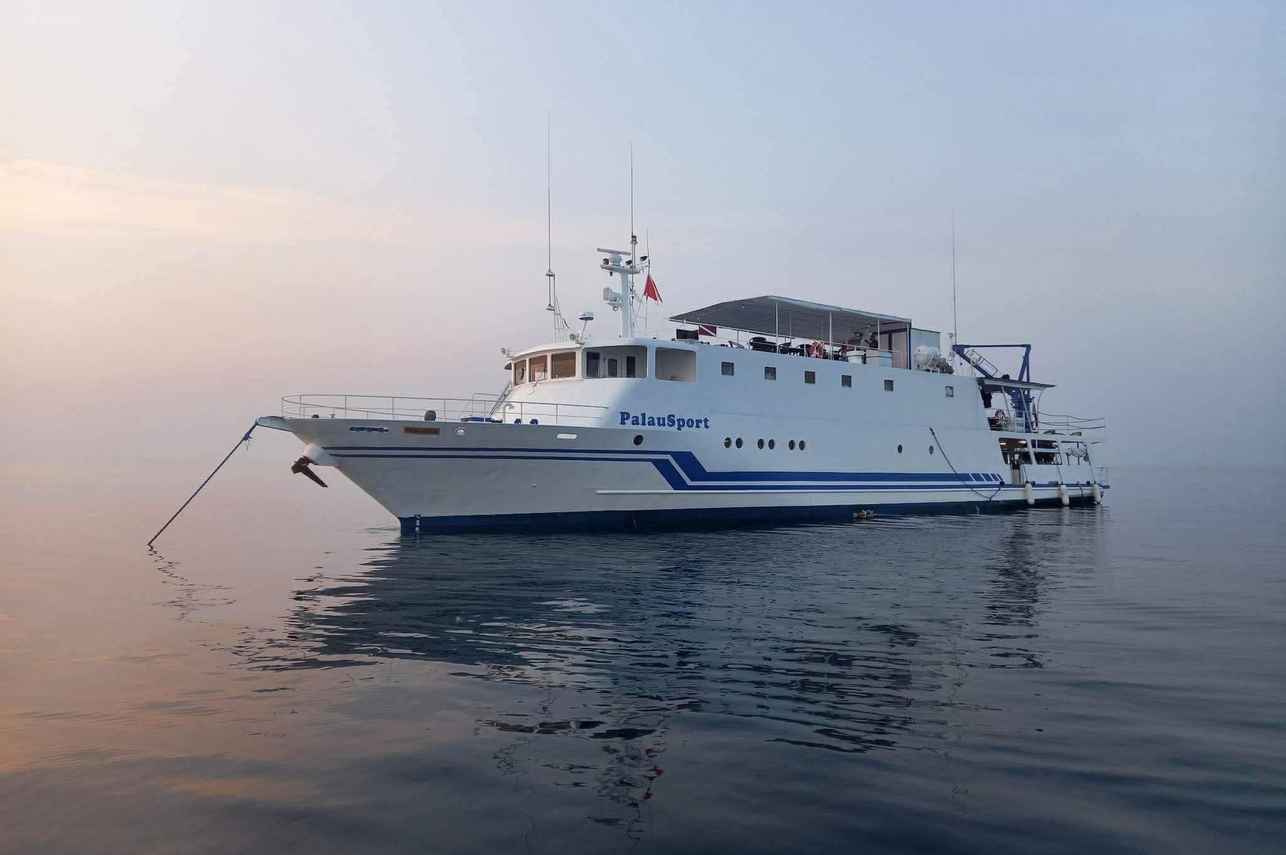
Palau Sport
Philippines
24 guests38.35 m
$215/day
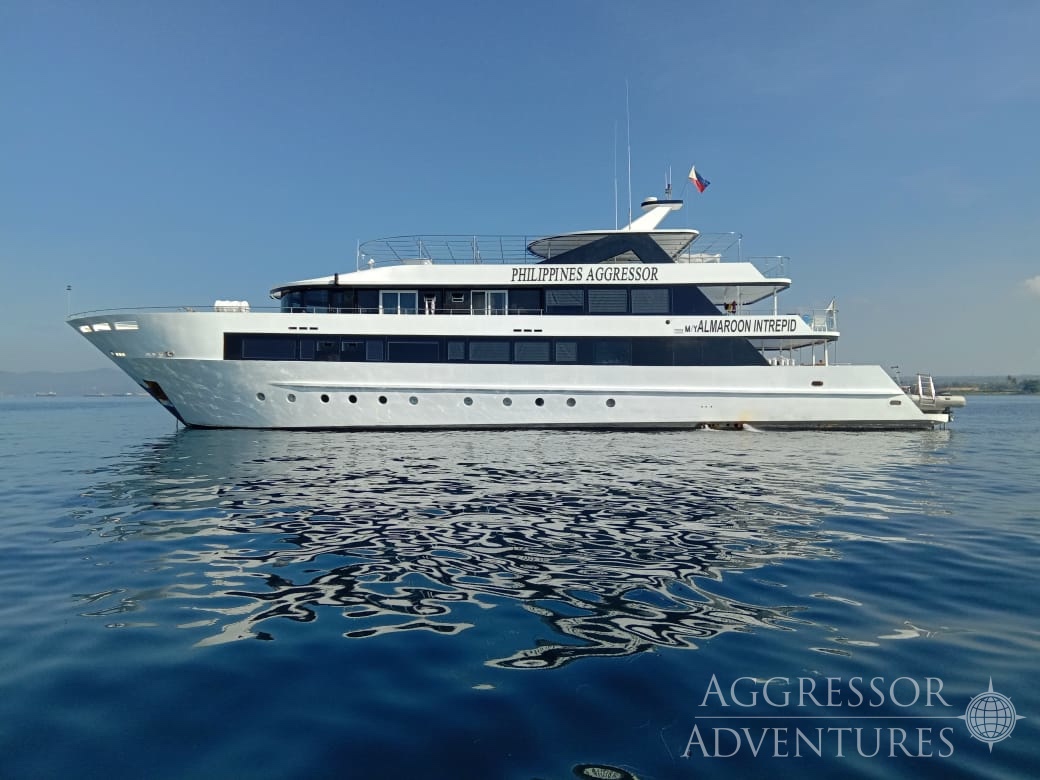
Philippines Aggressor
Philippines
26 guests42.7 m
$363/day
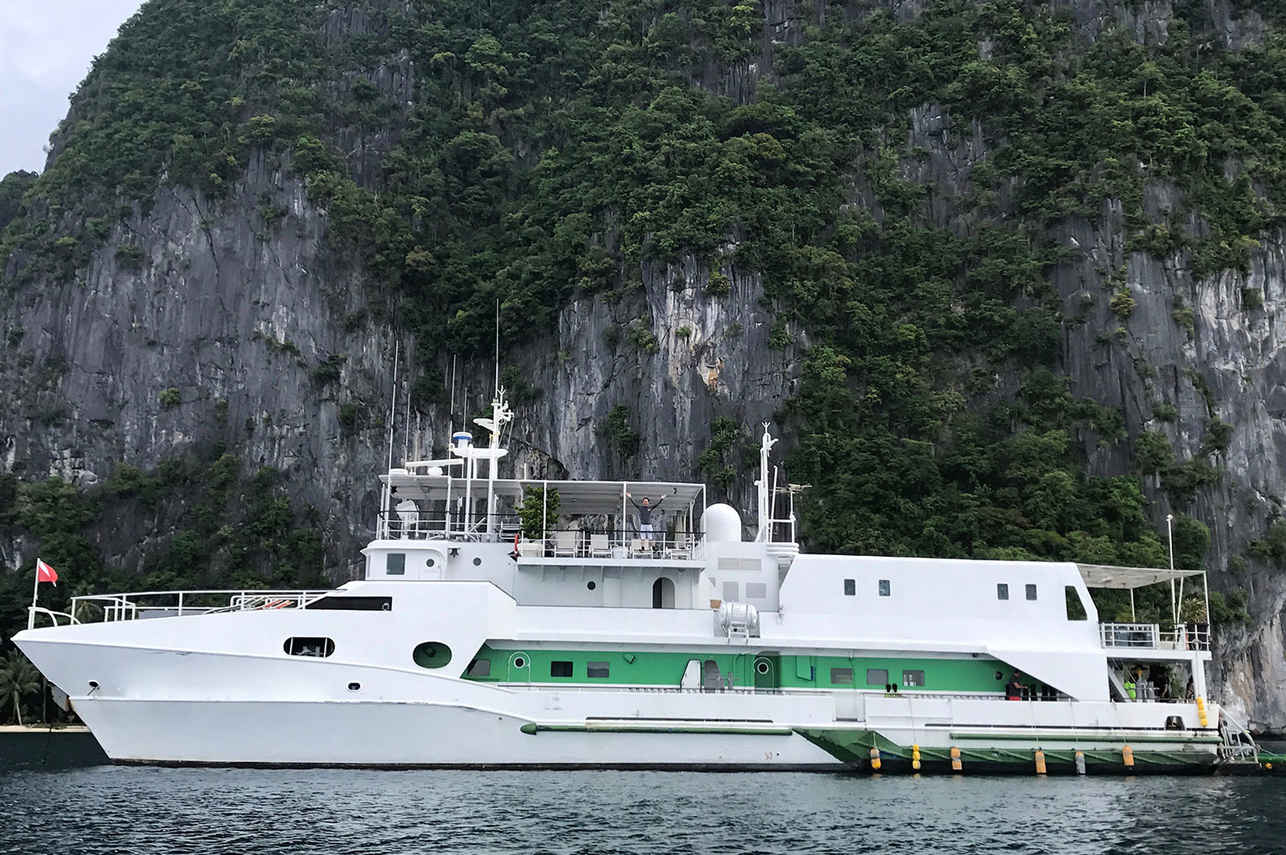
Stella Maris Explorer
Philippines
20 guests33 m
$398/day
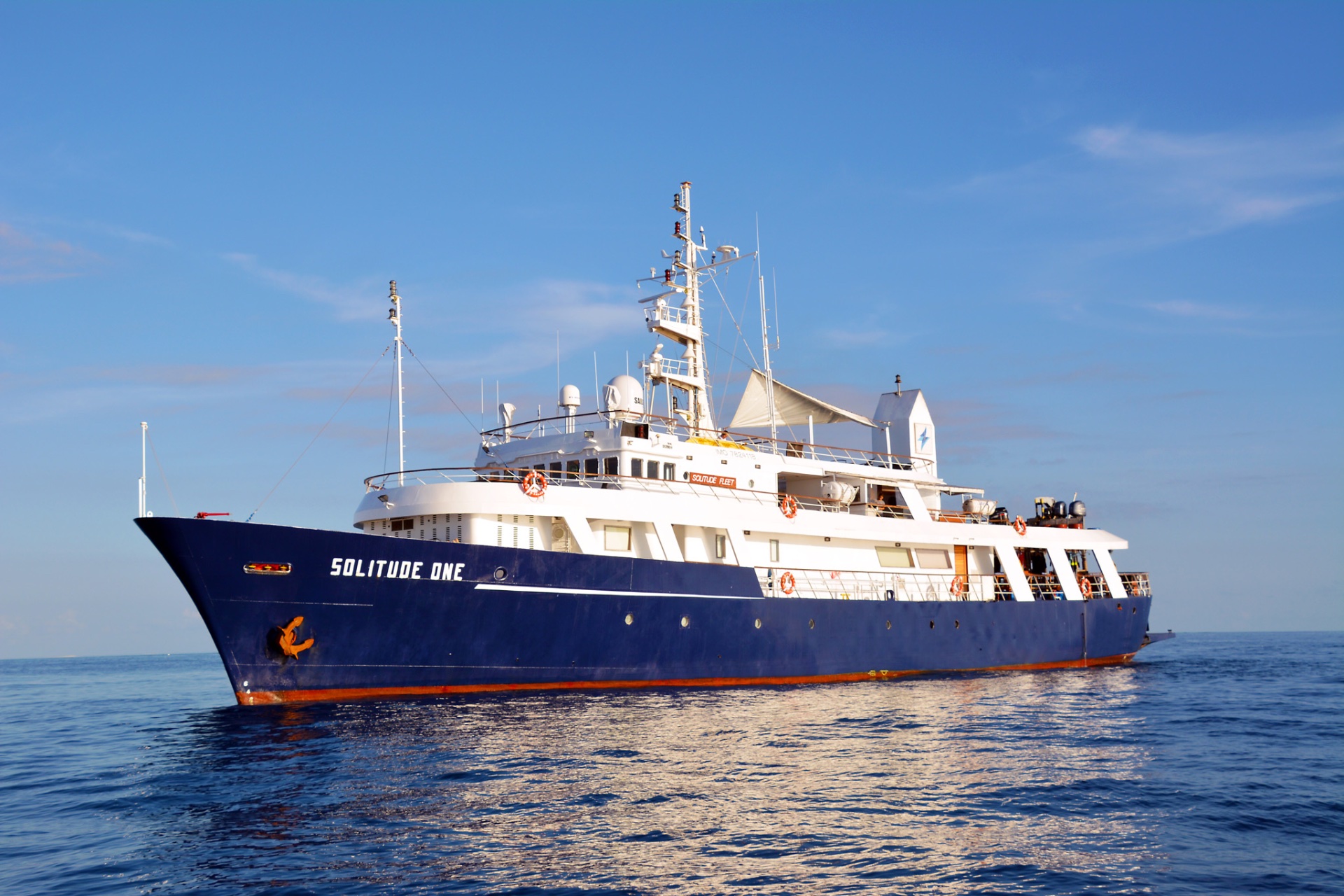
Solitude One
Philippines
24 guests52 m
$460/day
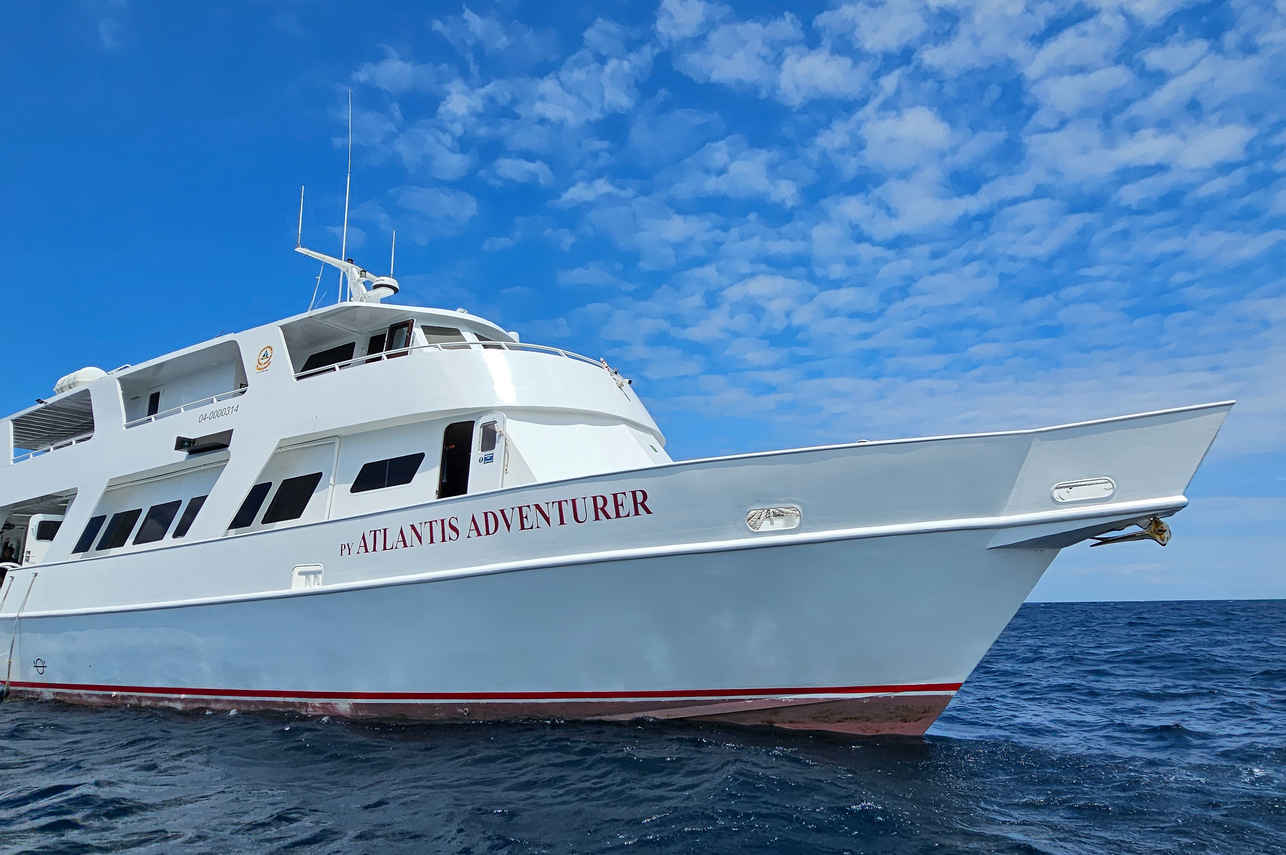
Atlantis Adventurer
Philippines
16 guests32.5 m
$421/day
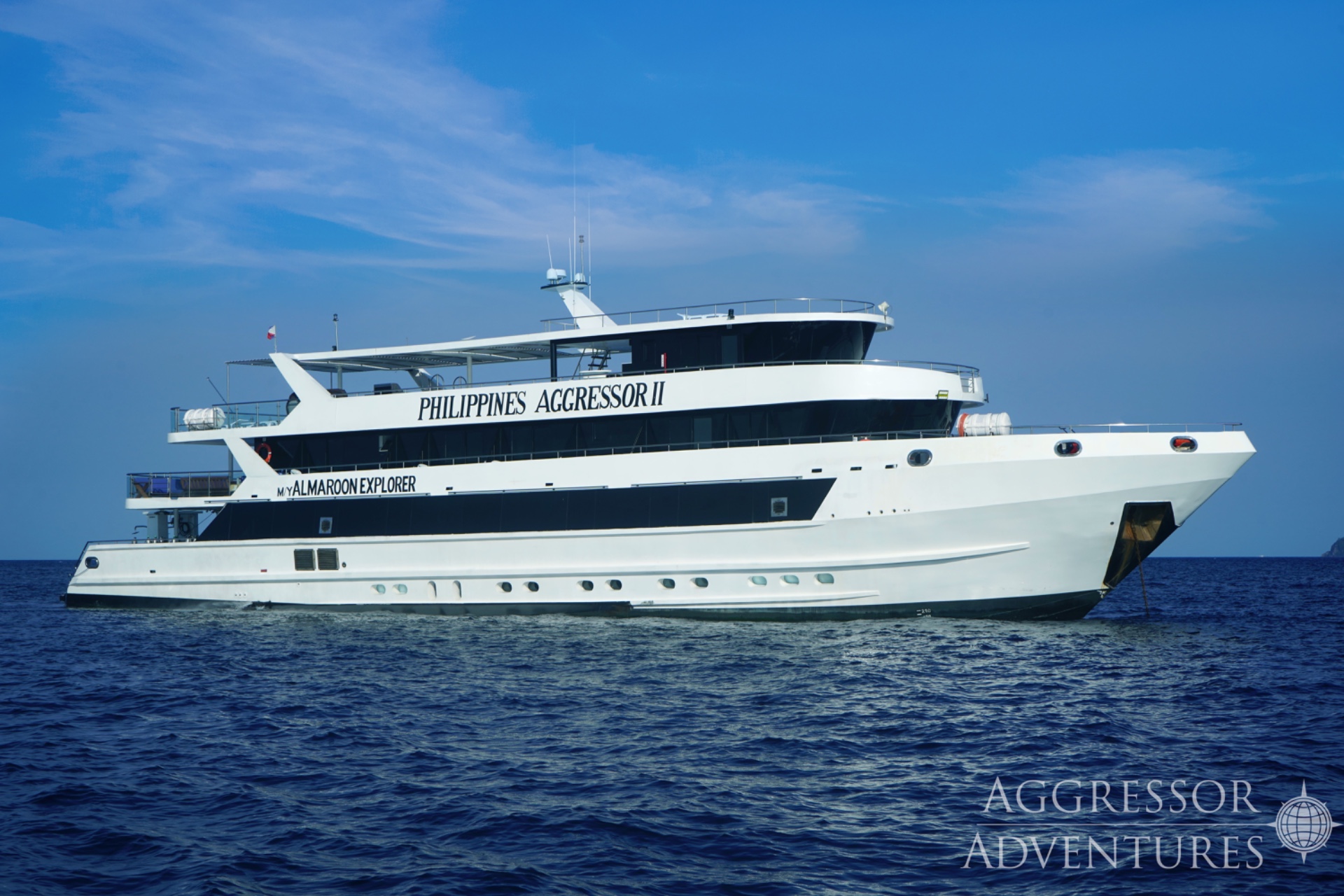
Philippines Aggressor II
Philippines
26 guests42.7 m
$247/day
Dive sites similar to Jigdup Shoal
Same character, same waters — six more sites divers love for the exact same reasons.Compare seasons, access and liveaboard routes — then pick the site that fits your trip best.
© Esri — Maxar, Earthstar, GIS
Big La Laguna
Philippines
Big La Laguna is a beach community situated on the western edge of the Sabang Peninsula, a popular dive region on Mindoro Island, Philippines.
- Suitable for
- Intermediate
- Current
- Moderate
- Access
- Dayboat
- Depth
- 5–35 m
- Theme
- Reef / Wall
© Esri — Maxar, Earthstar, GIS
Rusa Pinnacle
Alor
Rusa Pinnacle is a challenging yet highly rewarding dive site situated in the Alor archipelago, part of Indonesia's East Nusa Tenggara.
- Suitable for
- Advanced
- Current
- Strong
- Access
- Liveaboard only
- Depth
- 6–30 m
- Theme
- Reef
Lipah Bay is situated on Bali's northeast coast within the Amed area, nestled against the dramatic backdrop of Gunung Agung.
- Suitable for
- Beginner
- Current
- Mild
- Access
- Liveaboard or dayboat
- Depth
- 5–30 m
- Theme
- Reef / Drift
© Esri — Maxar, Earthstar, GIS
Tangked Cave
Bali
Tangked Cave, sometimes referred to as Tangked Taked Shark Cave, is an advanced dive site situated in the open ocean off Bali's southeastern coast.
- Suitable for
- Advanced
- Current
- Moderate
- Access
- Liveaboard or dayboat
- Depth
- 15–40 m
- Theme
- Cave & cavern / Reef
© Esri — Maxar, Earthstar, GIS
Schools Out
Alor
Schools Out in Alor offers divers an exceptional encounter with healthy coral reefs and a rich variety of marine species.
- Suitable for
- Intermediate
- Current
- Mild
- Access
- Liveaboard only
- Depth
- 20–30 m
- Theme
- Reef
© Esri — Maxar, Earthstar, GIS
Batununggul
Bali
Batununggul, also known as Suana or Batumulapan by some operators, is a dynamic wall and sloping reef dive site situated on the eastern side of Nusa Penida, Bali.
- Suitable for
- Advanced
- Current
- Strong
- Access
- Liveaboard or dayboat
- Depth
- 10–40 m
- Theme
- Wall