About Huahine - Avapeihi Pass
Avapeihi Pass is a premier dive site in Huahine, known for its dynamic marine life and healthy coral ecosystems. Situated in the Society Islands, this pass offers a distinct diving experience compared to the more crowded atolls, blending quiet charm with exciting encounters. The pass serves as a vital channel connecting the open ocean with the lagoon, creating conditions rich in nutrients that attract a diverse array of pelagic and reef species. The topography features a sloping reef at the entrance, transitioning to a sandy bottom that deepens from 15 meters to a maximum of 26-27 meters. Corals within the pass have shown significant growth and health since 2010. Diving here typically involves a drift along the current, allowing you to observe schools of barracudas, jacks, and various shark species that frequent the pass for feeding and reproduction. Leopard rays and green sea turtles are also common sights. The currents, influenced by tidal movements, can vary from mild to strong, offering a different dive experience each time. After drifting through the pass, dives usually conclude with safety stops in the calm, shallower waters of the lagoon, often near healthy coral gardens. While liveaboards like Aqua Tiki II and Aqua Tiki III may include Huahine in their itineraries, the diving here is often described as local and boat-based, allowing for relaxed two-tank mornings and plenty of time for land-based exploration. The site is accessible to a range of diver levels, with conditions dictating the pace and challenge. Huahine's overall atmosphere of authenticity and uncrowded nature extends to its dive sites, making Avapeihi Pass a rewarding choice for those seeking vibrant underwater encounters away from mass tourism.
Highlights
Dynamic drift divingSchools of barracudasAbundant reef sharksHealthy coral slopesLeopard rays encountersGreen sea turtles
Season calendar
Best months to dive here
Jan
Feb
Mar
Apr
May
Jun
Jul
Aug
Sep
Oct
Nov
Dec
Good
Dive site facts: Huahine - Avapeihi Pass
- Depth
- 10–27 m
- Current
- Variable, mild to strong
- Water temperature
- 27–28°C
- Entry
- Tender / drift entry
- Level
- Open Water or Level 1 minimum
- Dive type
- Drift, pelagic encounters, reef
- Region / port
- Huahine, Society Islands
- Coordinates
- -16.7333, -151.05
Conditions & Currents
Avapeihi Pass is a channel dive, meaning currents are a significant and defining feature, varying in strength and direction with tidal movements. Divers should expect drift dives where the current carries them through the pass. Conditions can range from mild to strong, necessitating good buoyancy control and comfort with current for an enjoyable experience. The intensity of the current dictates the pace of the dive, which attracts large pelagic species. Entry often involves a tender drop to begin the drift, with exit typically occurring in the calmer lagoon waters. Visibility can be affected by stronger currents or recent rainfall but generally remains good due to the constant water exchange. There are no notable thermoclines or surge issues mentioned. Divers should plan their gas consumption factoring in the drift nature of the dive, and be prepared to stay grouped with their guide.
Marine life & sighting chances

Grey reef shark
common
White tip reef shark
occasional
Barracuda
common
Bigeye trevally
common
Dogtooth tuna
occasional
Leopard ray
common
Green sea turtle
common
Napoleon wrasse
occasional
Batfish
occasional
Moray eel
occasional
Pufferfish
occasional
Manta ray
rareDive profile & how the dive runs
Dives at Avapeihi Pass typically begin with a boat drop at the ocean side entrance of the pass, allowing divers to descend onto a sloping reef. The initial depth is around 10 meters, gradually increasing as you drift with the current into the channel. The route follows the natural flow of the water, moving over a sandy bottom that descends to about 26-27 meters at its deepest point. Divers will observe coral formations along the reef slope and encounter schools of pelagic fish in the blue. The turn point is dictated by the current's direction and strength, and the dive progresses further into the pass, allowing for observations of sharks and rays. Safety stops are conducted in the calmer, shallower waters of the lagoon, often among vibrant coral gardens, before ascending to meet the boat.
Underwater photography
Avapeihi Pass offers excellent wide-angle photography opportunities due to the frequent presence of large pelagic species and schooling fish. A wide-angle lens is ideal for capturing the expansive schools of barracudas and jacks, as well as the grey reef sharks. When currents are strong, maintaining stable buoyancy is crucial to avoid stirring up sediment or colliding with the reef. External strobes are recommended to bring out the true colors of the corals and marine life, especially at deeper sections of the pass. For macro enthusiasts, there are some smaller reef inhabitants among the corals in calmer sections, though the primary draw is the larger fauna. Always be mindful of diver etiquette, especially when photographing sharks, by maintaining a respectful distance and avoiding sudden movements.
Combine with nearby dive sites
- Raiatea - Tepua Coral Garden
Tepua Coral Garden, located near Raiatea and Taha'a in French Polynesia, is a renowned drift snorkeling destination.
- Moorea - Tiki Point
Tiki Point is an outstanding dive site located off the picturesque island of Moorea in French Polynesia, easily accessible from Tahiti.
- Moorea - The Canyons
The Canyons is a notable dive site located off the mythical Ōpūnohu Bay in Moorea, one of French Polynesia's easily accessible Society…
- Tahiti - The Aquarium
Tahiti - The Aquarium offers a unique and accessible diving experience within the vibrant marine environment of French Polynesia.
Getting there & logistics
To reach Huahine, divers typically fly into Tahiti Faa'a International Airport (PPT) and then take a domestic flight to Huahine Fare Airport (HUH), which is about a 40-minute journey. The airport is approximately 15 minutes by car from the main town of Fare. While liveaboards occasionally visit, Huahine is often experienced as a land-based destination, with local dive operators taking small boats to sites like Avapeihi Pass. Dive trips often involve two-tank mornings. Huahine is commonly combined with other Society Islands such as Raiatea, Tahaa, Bora Bora, or Moorea for a broader French Polynesia itinerary. There are no specific dive site permits or fees mentioned for Avapeihi Pass, but national park fees or operator charges may apply for overall diving activities.
Safety & environment
Safety at Avapeihi Pass hinges on preparedness for currents, which can vary significantly. Divers should be comfortable with drift diving and possess good buoyancy control. It is imperative to stay with the dive guide and group, as strong currents can separate divers. The nearest recompression chamber is located in Tahiti, necessitating robust emergency evacuation plans. Divers should carry comprehensive dive insurance that covers emergency medical treatment and evacuation. Local dive operators prioritize safety briefings and will assess conditions before each dive. Always ensure your equipment is in excellent working order and adhere strictly to all instructions from your dive master.
Who it suits — and who it doesn't
Suited for
- Divers comfortable with currents
- Pelagic enthusiasts
- Underwater photographers with wide-angle setups
- Divers seeking uncrowded sites
- Those looking for a mix of diving and land-based exploration
Less suited for
- Beginner divers without current experience
- Divers uncomfortable with drift diving
- Individuals seeking purely macro photography opportunities
- Those expecting resort-style diving operations
- Divers who prefer static reef dives
FAQ
Huahine - Avapeihi Pass FAQ
What kind of currents can I expect at Avapeihi Pass?
Avapeihi Pass is known for its currents, which can range from mild to strong, depending on tidal movements. Dives are typically drift dives, meaning the current will carry you through the pass. Your dive guide will assess the conditions and plan the dive accordingly to ensure a safe and enjoyable experience.
What marine life is commonly seen at Avapeihi Pass?
The pass is rich in marine life, often featuring schools of barracudas, bigeye trevallies, and various sharks, including grey reef and white tip reef sharks. You can also frequently encounter leopard rays, green sea turtles, and occasional Napoleon wrasse. The vibrant coral gardens host a variety of smaller reef fish.
Is Avapeihi Pass suitable for beginner divers?
Avapeihi Pass requires a minimum certification of Open Water or Level 1. While some conditions can be mild, comfort with currents and drift diving is recommended. Less experienced divers should consult with their dive operator to ensure conditions are appropriate for their skill level, as strong currents can be challenging.
How do I get to Huahine to dive Avapeihi Pass?
To reach Huahine, you typically fly internationally to Tahiti Faa'a International Airport (PPT) and then take a short domestic flight to Huahine Fare Airport (HUH). From Fare, local dive operators will transport you by boat to the dive site. Huahine is often visited as part of an island-hopping itinerary in the Society Islands.
What is the best time of year to dive Avapeihi Pass?
The optimal time for diving Avapeihi Pass is during the austral winter, from May to October. This period offers drier weather, lower humidity, and comfortable water temperatures ranging from 27°C to 28°C. Visibility is generally excellent during these months, though the shoulder seasons of April and November can also provide good diving conditions.
Why dive Huahine - Avapeihi Pass from a liveaboard?
Huahine - Avapeihi Pass is one of French Polynesia's signature dive sites. A liveaboard sleeps you on the water and puts you in the water for three to four guided dives per day, including dawn and night dives that day-boat operators rarely offer. You skip the daily commute back to port and reach quieter, less-crowded sites in the same region on a single trip.
Below are the liveaboards that include Huahine - Avapeihi Pass on their French Polynesia itineraries.
Liveaboards diving Huahine - Avapeihi Pass
These liveaboards may visit Huahine - Avapeihi Pass on selected itineraries — the exact dive sites depend on departure, weather and conditions.
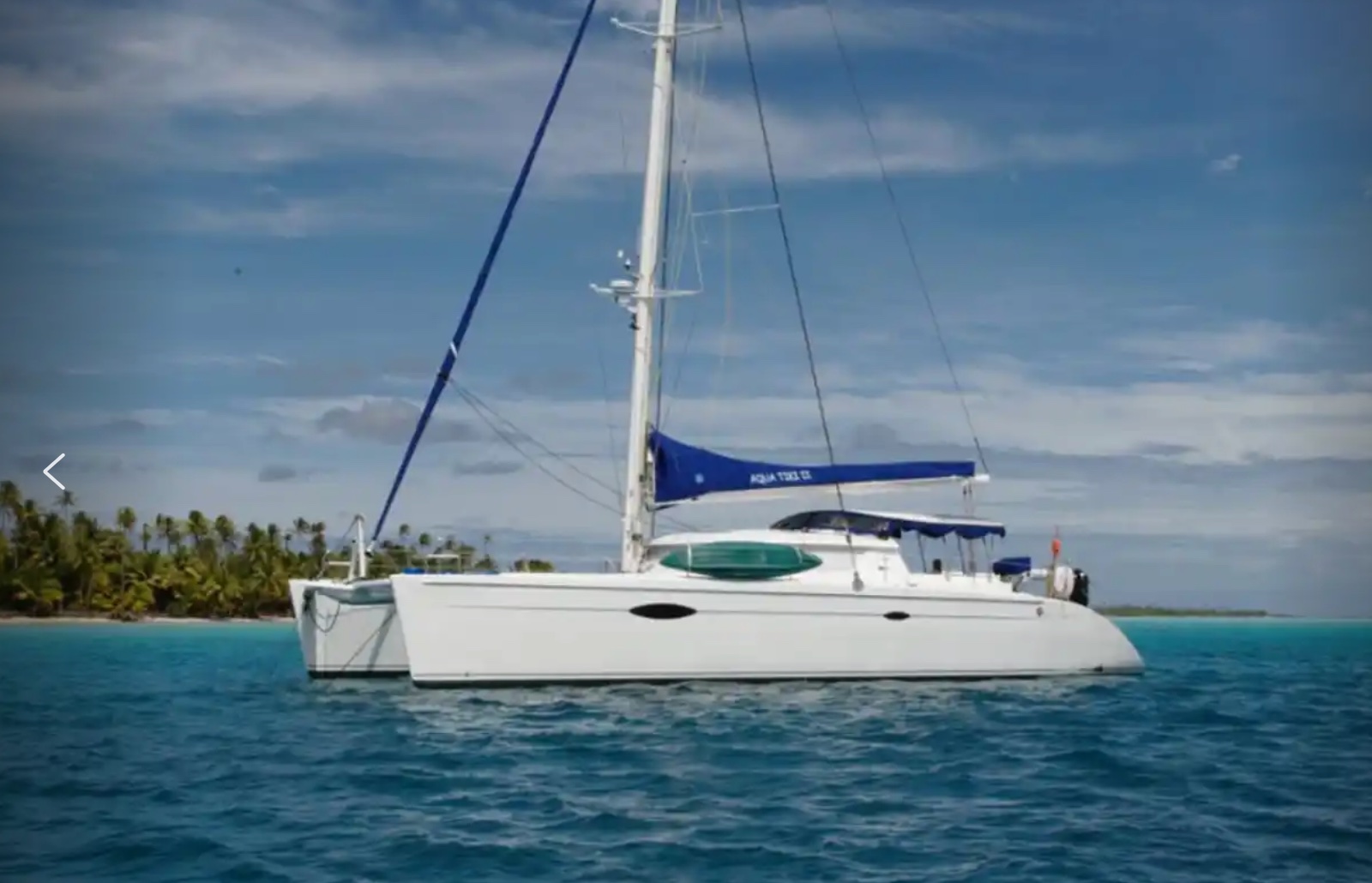
Aqua Tiki II
French Polynesia
8 guests
$572/day
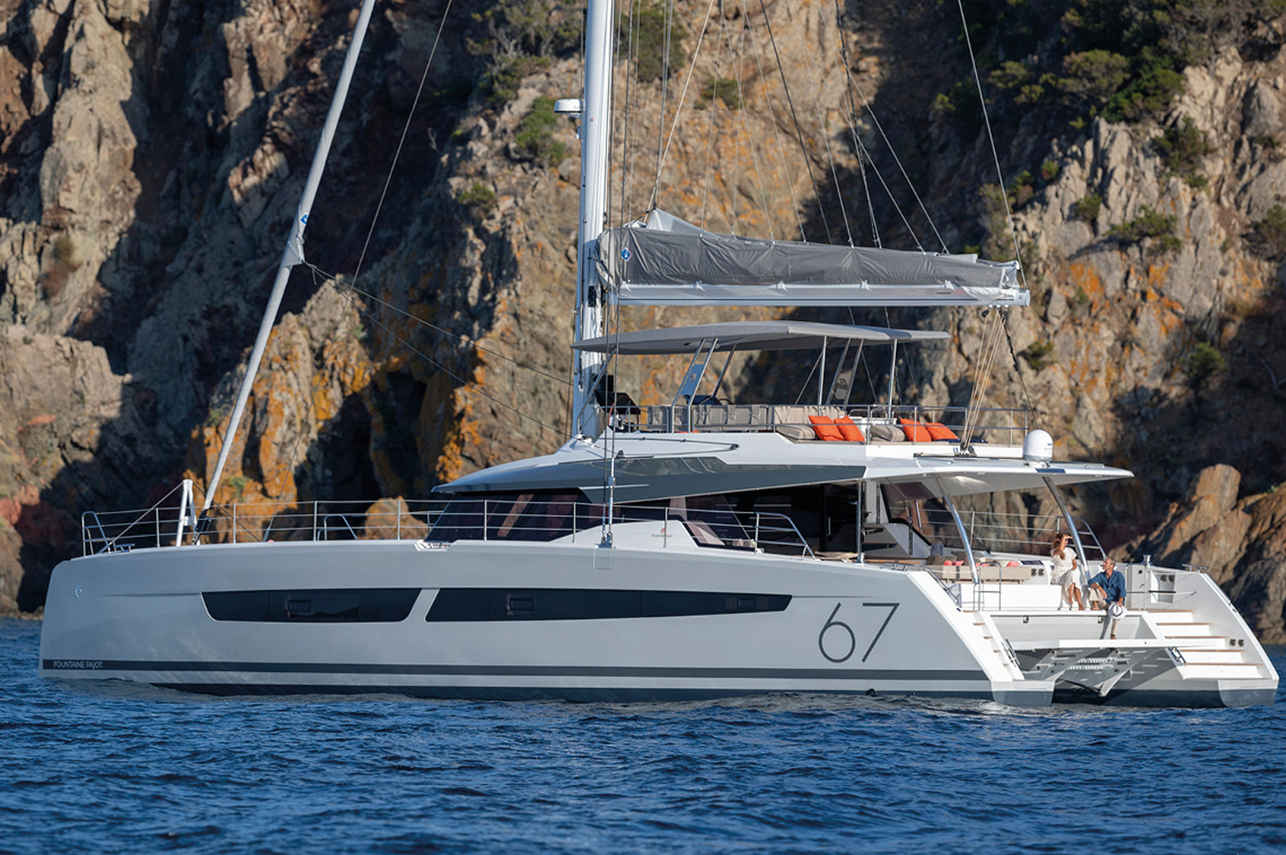
Aqua Tiki III
French Polynesia
10 guests20 m
$498/day
Dive sites similar to Huahine - Avapeihi Pass
Same character, same waters — six more sites divers love for the exact same reasons.Compare seasons, access and liveaboard routes — then pick the site that fits your trip best.
© Esri — Maxar, Earthstar, GIS
Challenger Bay
Australia
Challenger Bay, nestled on Ribbon Reef #10, approximately 176 kilometers north of Port Douglas, is a renowned dive site on the remote northern Great Barrier Reef.
- Suitable for
- Advanced
- Current
- Moderate
- Access
- Liveaboard only
- Depth
- 5–30 m
- Theme
- Reef
© Esri — Maxar, Earthstar, GIS
Trochus Sanctuary
Micronesia
Trochus Sanctuary is a distinctive dive site located north of the mid-point of Kosrae, southwest of the island's airport.
- Suitable for
- Beginner
- Current
- Mild
- Access
- Dayboat
- Depth
- 5–13 m
- Theme
- Reef
© Esri — Maxar, Earthstar, GIS
Bare Island East
Australia
Bare Island East is a highly regarded shore dive in Sydney, celebrated for its diverse and colourful sponge gardens.
- Suitable for
- Intermediate
- Current
- Mild
- Access
- Shore / dayboat
- Depth
- 2–11 m
- Theme
- Reef
© Esri — Maxar, Earthstar, GIS
Raine Island
Australia
Raine Island is a pivotal dive site located in the Far Northern Great Barrier Reef, approximately 85 kilometers east-north-east of Cape Grenville and just over 4 nautical miles south of the island itself.
- Suitable for
- Advanced
- Current
- Strong
- Access
- Liveaboard only
- Depth
- 5–40 m
- Theme
- Reef / Wall
© Esri — Maxar, Earthstar, GIS
Neptune Islands
Australia
The Neptune Islands, nestled at the mouth of South Australia's Spencer Gulf, offer an unparalleled opportunity to encounter great white sharks.
- Suitable for
- Advanced
- Current
- Strong
- Access
- Liveaboard or dayboat
- Depth
- 5–15 m
- Theme
- Drift
© Esri — Maxar, Earthstar, GIS
Walung Drop-Off
Micronesia
Walung Drop-Off is a well-known dive site situated off the southwest coast of Kosrae in the Federated States of Micronesia.
- Suitable for
- Intermediate
- Current
- Moderate
- Access
- Dayboat
- Depth
- ≤ 30 m
- Theme
- Wall / Reef