About South Georgia - Grytviken
Grytviken, located on South Georgia Island, offers a unique sub-Antarctic diving experience steeped in history and abundant wildlife. This isolated island, a British Overseas Territory, lies approximately 1,800 km from South America and 1,600 km from the Antarctic Peninsula, making it one of the planet's most remote dive destinations. The waters around Grytviken, though cold, are incredibly rich in nutrients, fueling a vibrant ecosystem. Diving here means exploring a landscape shaped by both nature and human history. You'll encounter the rusty remains of the former whaling station, including old piers and processing equipment, which now serve as unique artificial reefs. The marine topography consists of glacial runoff-filled waters, bergy bits, and dense kelp fronds, providing shelter and feeding grounds for a diverse array of Antarctic invertebrates and mammals. The marine life is exceptional, with massive populations of seals and penguins dominating the land, and incredible biodiversity beneath the surface. Divers can expect to see various invertebrates like sea spiders, nudibranchs, colorful sponges, tunicates, and ophiuroids. Leopard seals and fur seals are common inhabitants, often curious and playful. The peak season for wildlife viewing aligns with the austral summer, offering the best opportunities for encounters. Practical diving involves navigating cold, sometimes murky waters, with temperatures around 1.7°C (35°F). Drysuit diving with ample insulation is essential. The experience is rigorous but profoundly rewarding, allowing divers to witness a world few ever see, combining historical exploration with unparalleled wildlife observation.
Highlights
Historic whaling station ruinsGiant kelp forestsAbundant leopard and fur sealsUnique Antarctic invertebratesShackleton's nearby gravesiteSub-Antarctic diving experience
Season calendar
Best months to dive here
Jan
Feb
Mar
Apr
May
Jun
Jul
Aug
Sep
Oct
Nov
Dec
Excellent
Good
Dive site facts: South Georgia - Grytviken
- Depth
- 5–20 m
- Typical dive
- 50-60 min
- Current
- Variable
- Visibility
- Variable, can be murky
- Water temperature
- 1.7°C (35°F)
- Entry
- Zodiac / Tender
- Level
- Experienced drysuit diver
- Dive type
- Wreck, macro, cold water marine life
- Region / port
- South Georgia
- Coordinates
- -54.29, -36.52
Conditions & Currents
Currents at Grytviken are generally influenced by the Antarctic Circumpolar Current and local glacial meltwater, which can cause variable conditions. While precise current strengths vary, divers should be prepared for potential surge, especially near shorelines and in exposed areas. Visibility can fluctuate, often reduced by glacial runoff, creating murkier conditions that add to the atmospheric experience. Water temperatures consistently hover around 1.7°C (35°F), necessitating drysuit diving with excellent thermal protection and equalization methods for dry gloves. Dive entries are typically from Zodiacs, requiring careful coordination with the dive team. Divers must manage cold exposure effectively, as prolonged periods in the water can lead to cold-related issues, particularly with hands.
Marine life & sighting chances

Leopard Seal
November-January · occasional
Fur Seal
November-January · common
King Penguin
November-January · common
Elephant Seal
November · common
Sea Spider
common
Nudibranch
common
Sponge
common
Tunicate
common
Ophiuroid (Brittle Star)
common
Crinoid (Feather Star)
commonAsteroid (Sea Star)
common
Sea Cucumber
common
Giant Kelp
common
Wandering Albatross
November-December · occasionalDive profile & how the dive runs
Dives at Grytviken typically begin with a Zodiac entry, often around an old pier piling or within the sheltered bays. Divers descend into glacial runoff-filled water, navigating through bergy bits and dense fronds of giant kelp. The route often involves exploring the historical remnants of the whaling station, observing the artificial reef structures created by the submerged machinery and discarded try pots. Depths are generally shallow, allowing for extended bottom times to examine the abundant macro life such as nudibranchs, sea spiders, and colorful sponges clinging to the structures and kelp. Divers maintain careful buoyancy to avoid contact with the fragile environment and ensure the safety of both themselves and the wildlife. Turn points are usually dictated by air consumption or cold exposure, with safety stops performed in the relatively shallower, kelp-rich areas before ascending back to the Zodiac for exit.
Underwater photography
Underwater photography at Grytviken requires specialized gear due to the extreme cold and often murky conditions. A wide-angle lens is ideal for capturing the expansive kelp forests and the larger structures of the whaling station ruins, while a macro lens will prove invaluable for the intricate details of sea spiders, nudibranchs, and other invertebrates. Strong external strobes are essential to cut through the limited natural light and bring out the vibrant colors of sponges and tunicates. Pay close attention to buoyancy to avoid silting out the glacial particles. When photographing marine mammals like leopard seals, move slowly and calmly, maintaining a respectful distance to avoid disturbing their natural behavior. Patience is key, as the conditions can be challenging, but the unique subjects make for incredibly rewarding shots.
Combine with nearby dive sites
- Elephant Island
Elephant Island, an isolated landmass in the outer South Shetland Islands, holds a significant place in Antarctic history, most notably as…
- South Shetland Islands - Half Moon
Half Moon Island, nestled in the South Shetland Islands of Antarctica, offers a distinctive polar diving experience.
Getting there & logistics
Access to Grytviken is exclusively by ship, typically as part of extended expedition cruises combining South Georgia with the Falkland Islands and the Antarctic Peninsula. These trips usually depart from Ushuaia, Argentina, or occasionally from other ports like Punta Arenas, Chile. The journey to South Georgia itself involves a multi-day sea crossing. Trip durations are considerably longer than standard Antarctic Peninsula cruises, often ranging from 18 to 22 days to account for the distances and comprehensive itineraries. Visitors must comply with strict environmental regulations and may be subject to specific permits or fees for landing in sensitive areas. Dive operations are conducted directly from the expedition vessel via Zodiacs, requiring careful planning and adherence to expedition guidelines.
Safety & environment
Diving in Grytviken demands stringent safety protocols due to the remote and extreme environment. The nearest recompression chamber is thousands of kilometers away, likely in South America, making evacuation a complex and time-consuming process. Comprehensive dive insurance, including coverage for extreme cold-water diving and medical evacuation, is non-negotiable. Site-specific hazards include variable currents, limited visibility due to glacial runoff, and very cold water temperatures requiring robust drysuit equipment and experienced cold-water diving skills. Divers must be proficient in drysuit diving and able to manage cold exposure effectively. All dives are guided, and strict adherence to the dive brief, buddy system, and expedition rules is mandatory to ensure safety in this challenging sub-Antarctic wilderness.
Who it suits — and who it doesn't
Suited for
- Experienced cold-water divers
- Drysuit certified divers
- Wildlife photographers
- History enthusiasts
- Adventure seekers
Less suited for
- Novice divers
- Warm-water only divers
- Divers without drysuit experience
- Those sensitive to extreme cold
- Divers seeking tropical reef conditions
FAQ
South Georgia - Grytviken FAQ
What kind of marine life can I expect to see while diving in Grytviken?
Grytviken offers an incredible array of sub-Antarctic marine life. You can expect to encounter diverse invertebrates such as sea spiders, nudibranchs, colorful sponges, tunicates, and various echinoderms like ophiuroids and sea stars. Pinnipeds such as leopard seals and fur seals are common, often curious about divers, while penguins are frequently seen on land and in the shallower waters around the historical whaling station ruins.
What are the water temperatures like in Grytviken?
Water temperatures in Grytviken are consistently frigid, averaging around 1.7°C (35°F). This extreme cold necessitates advanced thermal protection, including a drysuit with thick undergarments, dry gloves, and a hood. Proper equipment and cold-water diving experience are essential to safely manage exposure to these low temperatures during your dive.
What is the best time of year to dive Grytviken?
The prime diving season for Grytviken aligns with the austral summer, from November to March. During these months, surface temperatures are at their warmest, and marine life activity is at its peak. November offers early season wildlife like elephant seal pups, while January and February provide the longest daylight hours and the highest concentration of king penguins and fur seals.
Are there any historical remnants to explore underwater in Grytviken?
Yes, Grytviken is unique for its underwater historical significance. The remnants of the former whaling station, including old pier pilings, submerged machinery, and discarded 'try pots' used for rendering blubber, now form artificial reefs. These structures are covered in vibrant marine growth and host a variety of invertebrates, offering a fascinating blend of history and biology for divers to explore.
What type of dive certification is required for Grytviken?
Given the challenging cold-water conditions, drysuit certification and extensive experience diving in similar environments are highly recommended for Grytviken. Divers should also possess advanced open water certification and a strong comfort level with cold-water diving techniques. This ensures the necessary skills to manage equipment, buoyancy, and thermal regulation in extreme conditions.
Why dive South Georgia - Grytviken from a liveaboard?
South Georgia - Grytviken is one of Antarctica's signature dive sites. A liveaboard sleeps you on the water and puts you in the water for three to four guided dives per day, including dawn and night dives that day-boat operators rarely offer. You skip the daily commute back to port and reach quieter, less-crowded sites in the same region on a single trip.
Below are the liveaboards that include South Georgia - Grytviken on their Antarctica itineraries.
Liveaboards diving South Georgia - Grytviken
These liveaboards may visit South Georgia - Grytviken on selected itineraries — the exact dive sites depend on departure, weather and conditions.
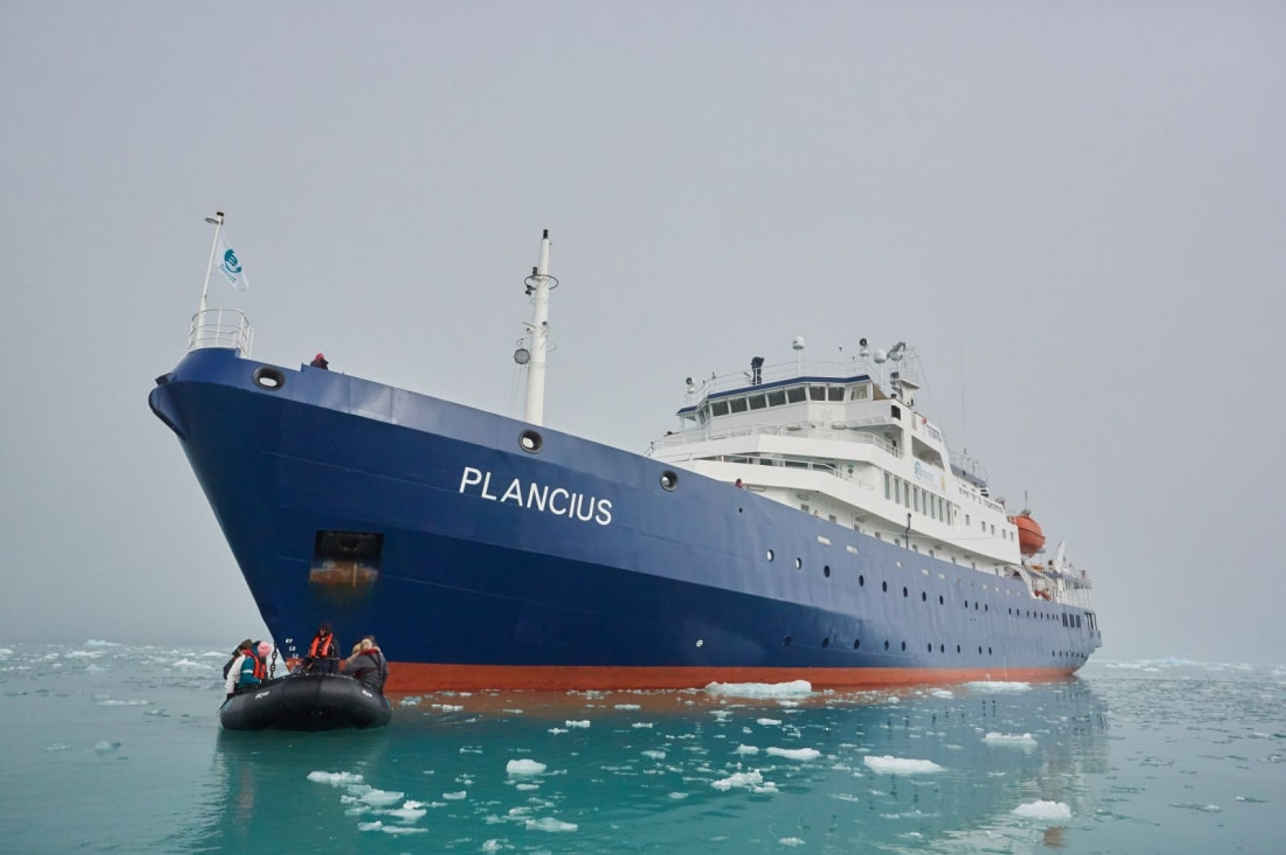
Plancius
Antarctica
108 guests89 m
$771/day
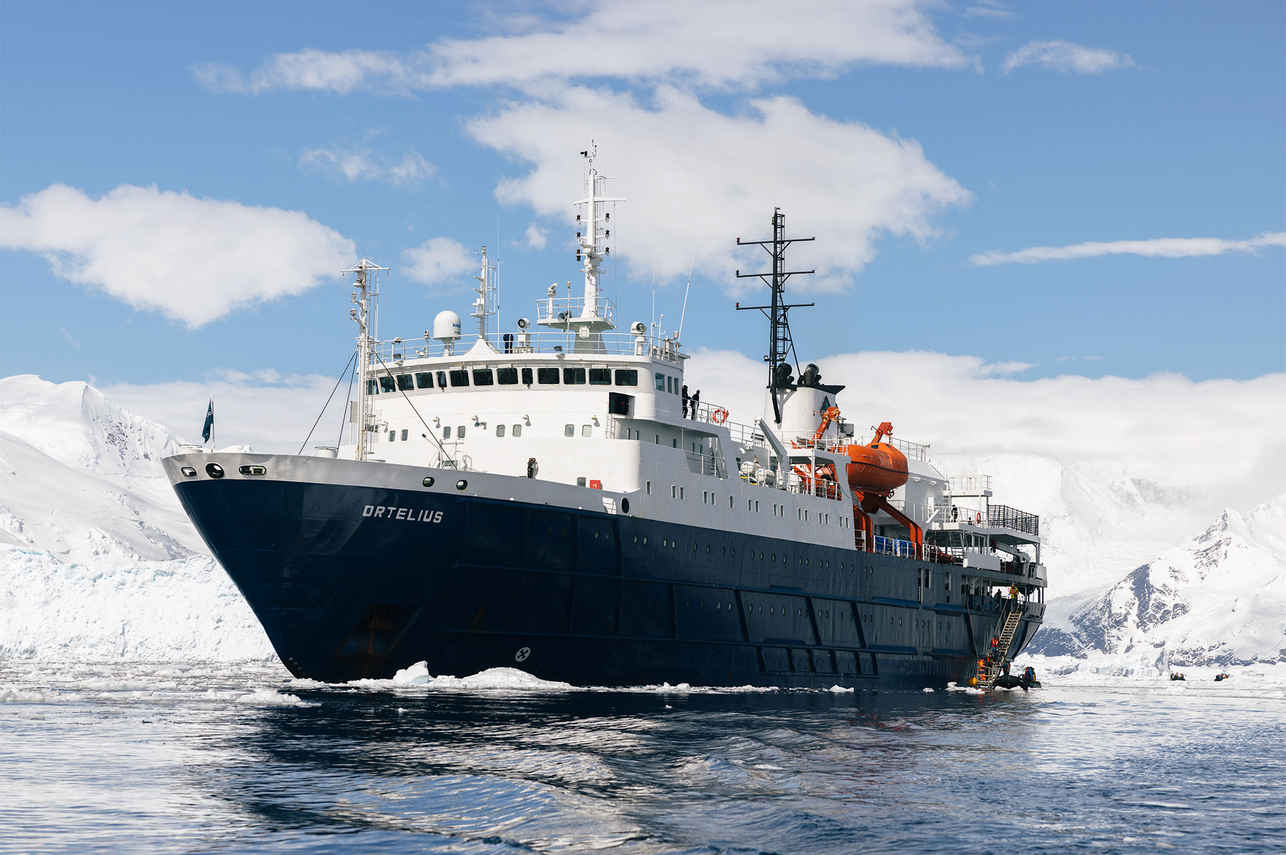
Ortelius
Antarctica
108 guests90.95 m
$661/day
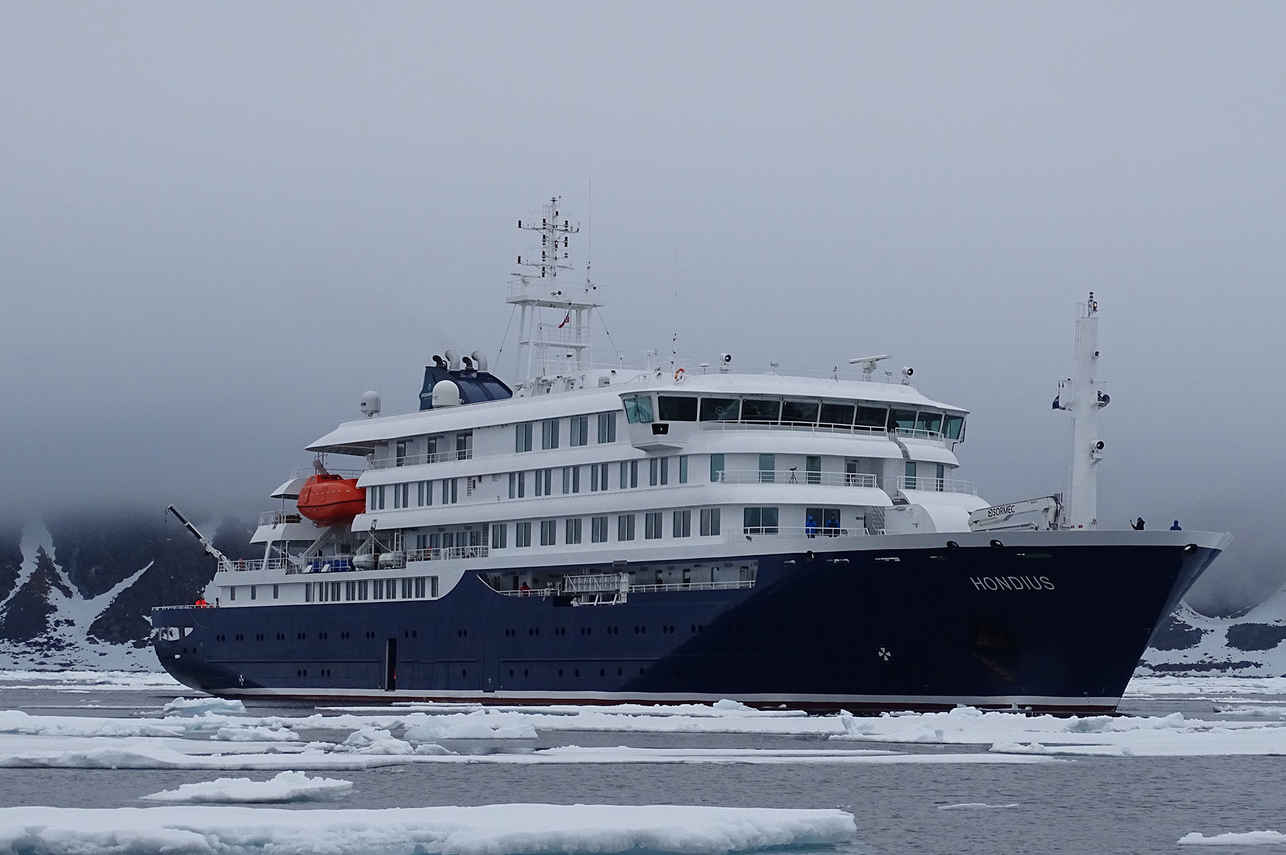
Hondius Antarctica Diving
Antarctica
170 guests107.6 m
$775/day
Dive sites similar to South Georgia - Grytviken
Same character, same waters — six more sites divers love for the exact same reasons.Compare seasons, access and liveaboard routes — then pick the site that fits your trip best.
© Esri — Maxar, Earthstar, GIS
Argentine Islands - Vernadsky
Antarctica
Diving at the Argentine Islands, near the Vernadsky Research Base, offers an exclusive opportunity to explore the underwater world of the Antarctic Peninsula.
- Suitable for
- Advanced
- Current
- Strong
- Access
- Liveaboard only
- Depth
- 3–15 m
- Theme
- Ice / Reef
© Esri — Maxar, Earthstar, GIS
Lemaire Channel
Antarctica
Lemaire Channel, a narrow passage between the Antarctic mainland and Booth Island, presents a truly majestic and impressive dive experience.
- Suitable for
- Advanced
- Current
- Strong
- Access
- Liveaboard only
- Depth
- 5–30 m
- Theme
- Ice / Wall
© Esri — Maxar, Earthstar, GIS
Useful Island
Antarctica
Useful Island, situated in the Western Antarctic Peninsula, presents an extraordinary opportunity for intrepid divers to explore a shallow-water ecosystem brimming with biodiversity.
- Suitable for
- Advanced
- Current
- Strong
- Access
- Liveaboard only
- Depth
- 5–25 m
- Theme
- Ice / Wall
© Esri — Maxar, Earthstar, GIS
Wilhelmina Bay
Antarctica
Wilhelmina Bay, nestled in the Antarctic Peninsula, is renowned as a prime location for observing humpback whales and experiencing the continent's pristine marine environment.
- Suitable for
- Advanced
- Current
- Moderate
- Access
- Liveaboard only
- Depth
- 5–20 m
- Theme
- Ice / Wall
© Esri — Maxar, Earthstar, GIS
under the iceberg scour
Antarctica
Diving in Antarctica offers a unique experience beneath its frigid waters, a stark contrast to typical warm-water destinations.
- Suitable for
- Advanced
- Current
- Moderate
- Access
- Liveaboard only
- Depth
- ≤ 70 m
- Theme
- Reef
© Esri — Maxar, Earthstar, GIS
Enterprise Island - Wreck Gouvernøren
Antarctica
The wreck of the Gouvernøren, nestled at Enterprise Island, stands as Antarctica's most accessible and atmospheric shipwreck.
- Suitable for
- Advanced
- Current
- Mild
- Access
- Liveaboard only
- Depth
- 5–18 m
- Theme
- Ice / Wreck