About Friwen Wall
Friwen Wall is a captivating dive site in Raja Ampat, Indonesia, renowned for its distinctive topography and rich marine biodiversity. This boat-accessed wall dive begins with a shallow reef section before plunging into a vertical face adorned with a stunning array of soft corals, gorgonians, and sponges. Divers can explore small caves and observe a vibrant ecosystem teeming with life. What makes Friwen Wall particularly appealing is its adaptability to varying conditions. On calmer days, it offers a relaxed exploration of the shallow coral gardens and the wall's intricate features, ideal for macro photography and tranquil snorkeling. When currents pick up, it transforms into an exhilarating drift dive, guiding divers along its colorful expanse. Marine life here is exceptional, including frequent sightings of blacktip and whitetip reef sharks patrolling the wall, along with green turtles, cuttlefish, octopuses, and a variety of nudibranchs. The site is also home to more unusual creatures like pygmy seahorses and wobbegong sharks, adding to its allure. Located in the nutrient-rich waters of Raja Ampat, Friwen Wall offers consistent warm water temperatures and good visibility for much of the year. Its diverse dive profile, from sheltered shallows to a deeper vertical wall, makes it a rewarding experience for a range of divers, especially those keen on underwater photography and encountering a broad spectrum of marine species.
Highlights
Vertical reef wallSoft corals and gorgoniansTwo small cavesDrift dive potentialBlacktip and whitetip reef sharksPygmy seahorsesGreen turtlesWobbegong sharks
Season calendar
Best months to dive here
Jan
Feb
Mar
Apr
May
Jun
Jul
Aug
Sep
Oct
Nov
Dec
Excellent
Good
Dive site facts: Friwen Wall
- Depth
- 2–25 m
- Current
- Moderate to strong
- Visibility
- 10–20+ m
- Water temperature
- 27–30°C
- Entry
- Boat access
- Level
- Intermediate
- Dive type
- Wall, drift, macro, wide-angle
- Region / port
- Raja Ampat, West Papua
- Coordinates
- -0.5234, 130.7256
Conditions & Currents
Friwen Wall offers a dynamic current profile, allowing for varied dive experiences depending on the conditions. The site can be a relaxed exploration along the shallow top on days with minimal current, suitable for calmer navigation and detailed observation. However, when tidal flows intensify, the site becomes a thrilling drift dive along the vertical wall, demanding good buoyancy control and an awareness of current direction. While currents can be moderate to strong, the site also offers sheltered areas, and guides skillfully plan dives to leverage the reef line, ensuring safe and enjoyable dives. Visibility generally holds well, but can occasionally be affected by plankton blooms that, while reducing clarity, often attract larger pelagic species.
Marine life & sighting chances

Blacktip Reef Shark
occasional
Whitetip Reef Shark
occasional
Wobbegong Shark
occasional
Green Turtle
common
Cuttlefish
common
Octopus
occasional
Nudibranch
common
Pygmy Seahorse
occasional
Crab
common
Batfish
commonDive profile & how the dive runs
Diving Friwen Wall typically begins with a boat entry onto the shallow reef top. From there, you'll descend to explore the vertical wall, adorned with soft corals and sponges. The dive progresses along the wall, offering opportunities to explore two small caves and observe diverse marine life. If currents are strong, the dive can become a drift, with the reef line guiding your progression. The turn point depends on current and air consumption, but generally, divers will work their way back up the wall to the shallower section for their safety stop, often in the calmest part of the reef top, before ascending to the boat.
Underwater photography
Friwen Wall offers excellent opportunities for both macro and wide-angle photography. For wide-angle shots, focus on the dramatic vertical wall, the intricate coral formations, and the schools of fish, especially when sunlight pierces the water. A fisheye or wide-angle lens will capture the grandeur of the reef structure and the caves. For macro subjects, explore the crevices and coral polyps for pygmy seahorses, nudibranchs, and other small critters. A dedicated macro lens with a diopter can be highly effective. Strobes are essential to bring out the vibrant colors of the soft corals and sponges, especially on the deeper sections of the wall. When diving with currents, maintain impeccable buoyancy to avoid disturbing the delicate reef and ensure stable shots. Patience and a keen eye for detail will yield stunning results at this versatile site.
Combine with nearby dive sites
- The Passage
The Passage is a truly unique dive site in Raja Ampat, formed by a natural saltwater river flowing between the islands of Gam and Waigeo.
- The Cauldron
The Cauldron, also known as The Shotgun, is a world-class dive site located in the northern reaches of Komodo National Park.
- Mahi Mahi Point
Mahi Mahi Point is a dive site located in Alor, Indonesia, forming part of an archipelago renowned for its rich marine biodiversity.
- Shotgun
Shotgun, also known as The Cauldron, is an iconic dive site nestled in the northern part of Komodo National Park, situated in the…
- Mandolin Point
Mandolin Point, often simply called Mandolin, is a premier dive site located in the strait between Bunaken and Manado Tua, part of…
Getting there & logistics
Access to Friwen Wall primarily involves flying into Sorong (SOQ) from major Indonesian hubs like Jakarta, Makassar, or Manado. From Sorong, liveaboards depart directly, or you can take a public ferry to Waisai, the capital of Raja Ampat, which takes about two hours. Most dive trips to Friwen Wall are part of liveaboard itineraries exploring the Dampier Strait region of Raja Ampat, typically ranging from 7 to 10 days. Marine park entry fees are required for all visitors to Raja Ampat. Consider combining your Raja Ampat trip with other world-class Indonesian dive destinations like Lembeh Strait for macro photography or the Banda Sea for pelagic encounters, depending on your itinerary's length and focus.
Safety & environment
Safety at Friwen Wall, and throughout Raja Ampat, is paramount due to its remote location. The nearest recompression chamber is in Manado, a significant distance and multiple flights away, emphasizing the critical need for conservative dive planning and strict adherence to no-decompression limits. Divers should have comprehensive dive insurance that covers emergency medical evacuation. Site-specific hazards include overhead environments within the small caves; divers must not enter without appropriate training and equipment. Currents can be strong, requiring good buoyancy control and awareness; always follow your dive guide's instructions. A reliable surface marker buoy (SMB) is recommended for all dives, especially for drift potential.
Who it suits — and who it doesn't
Suited for
- Experienced divers comfortable with currents
- Underwater photographers (macro and wide-angle)
- Divers seeking diverse marine life, including sharks and rare critters
- Liveaboard guests exploring Raja Ampat's Dampier Strait
- Snorkelers in calm conditions on the shallow top
Less suited for
- Absolute beginner divers (Open Water with very few dives)
- Divers unwilling to manage strong currents
- Those prone to seasickness on transit days
- Individuals seeking extensive land-based activities
FAQ
Friwen Wall FAQ
What kind of marine life can I expect at Friwen Wall?
Friwen Wall boasts a rich variety of marine life. You can frequently spot blacktip and whitetip reef sharks patrolling the area, along with green turtles, cuttlefish, and octopuses. Macro enthusiasts will delight in finding nudibranchs and the elusive pygmy seahorses, while wobbegong sharks occasionally make an appearance.
Are there strong currents at Friwen Wall?
Currents at Friwen Wall can range from mild to strong. On calm days, it's a relaxed wall dive, but when the current picks up, it becomes an exhilarating drift. Your dive guide will assess conditions to determine the best approach, making it suitable for divers comfortable with varying current strengths.
Is Friwen Wall suitable for underwater photography?
Yes, Friwen Wall is highly recommended for underwater photography. Its vibrant soft corals and dramatic wall structure are perfect for wide-angle shots, especially with schools of fish. For macro photography, the reef hosts numerous small critters, including pygmy seahorses and nudibranchs, providing endless subjects for detailed close-ups.
Can I snorkel at Friwen Wall?
Snorkeling is possible at Friwen Wall, particularly on the shallow reef top during calm conditions. However, the site is primarily known for its excellent wall diving opportunities. While the shallow areas offer some beauty, the deeper wall and its unique features are best experienced with scuba gear.
What is the typical depth for a dive at Friwen Wall?
Dives at Friwen Wall generally range from a shallow top at around 2 meters down to approximately 25 meters along the vertical wall. This depth profile allows for exploration of both the sunlit reef crest and the deeper, more dramatic wall sections, catering to different dive preferences and experience levels.
What should I do if I want to enter the caves?
Friwen Wall features two small caves along its vertical face. These are considered overhead environments, and entry should only be attempted by divers with appropriate cave or overhead-environment training and specialized equipment. Always consult with your dive guide, who will prioritize safety and advise on conditions and accessibility.
Why dive Friwen Wall from a liveaboard?
Friwen Wall is one of Indonesia's signature dive sites. A liveaboard sleeps you on the water and puts you in the water for three to four guided dives per day, including dawn and night dives that day-boat operators rarely offer. You skip the daily commute back to port and reach quieter, less-crowded sites in the same region on a single trip.
Below are the liveaboards that include Friwen Wall on their Indonesia itineraries.
Liveaboards diving Friwen Wall
These liveaboards may visit Friwen Wall on selected itineraries — the exact dive sites depend on departure, weather and conditions.
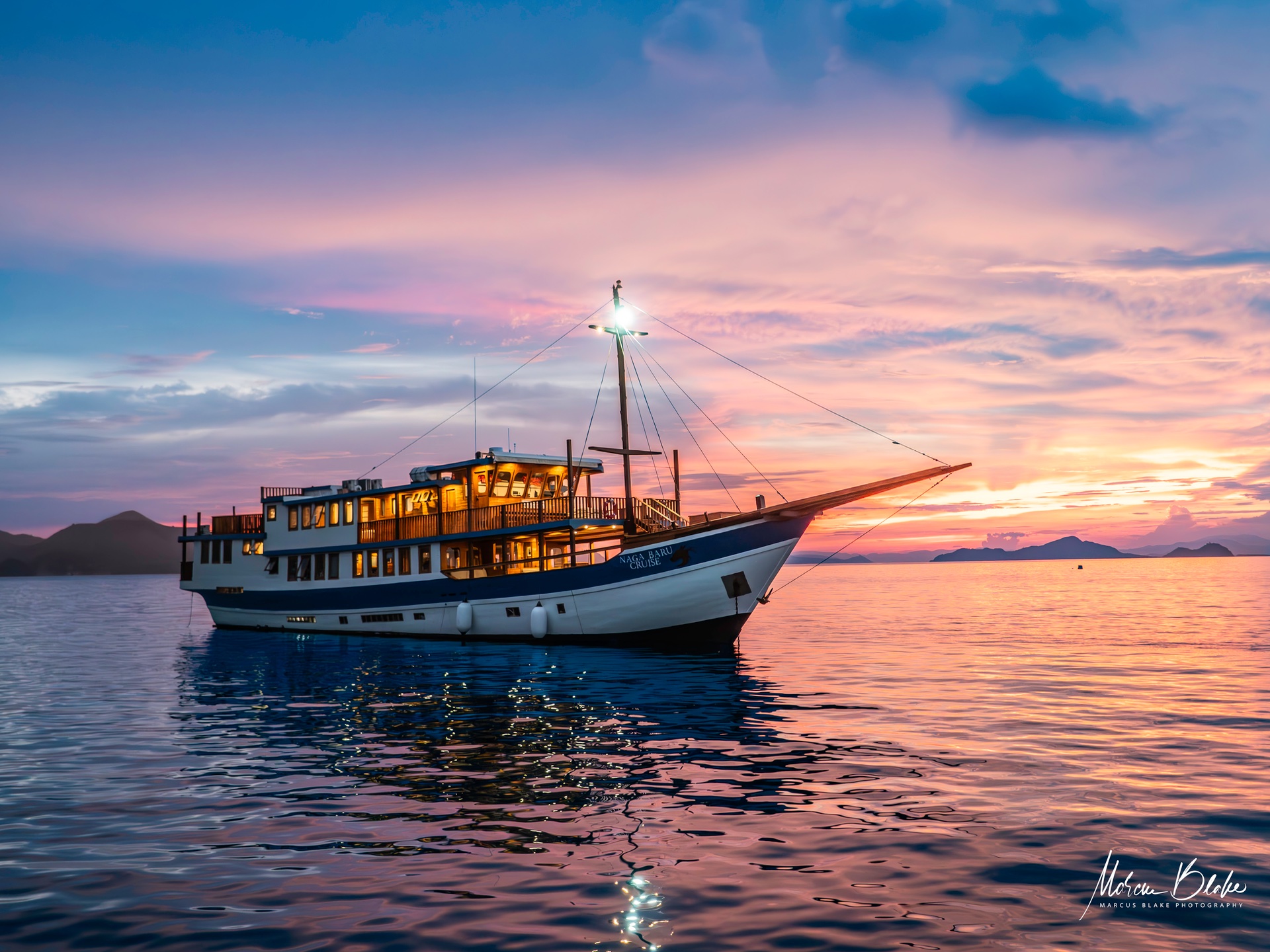
Naga Biru
Indonesia
12 guests40 m
$273/day
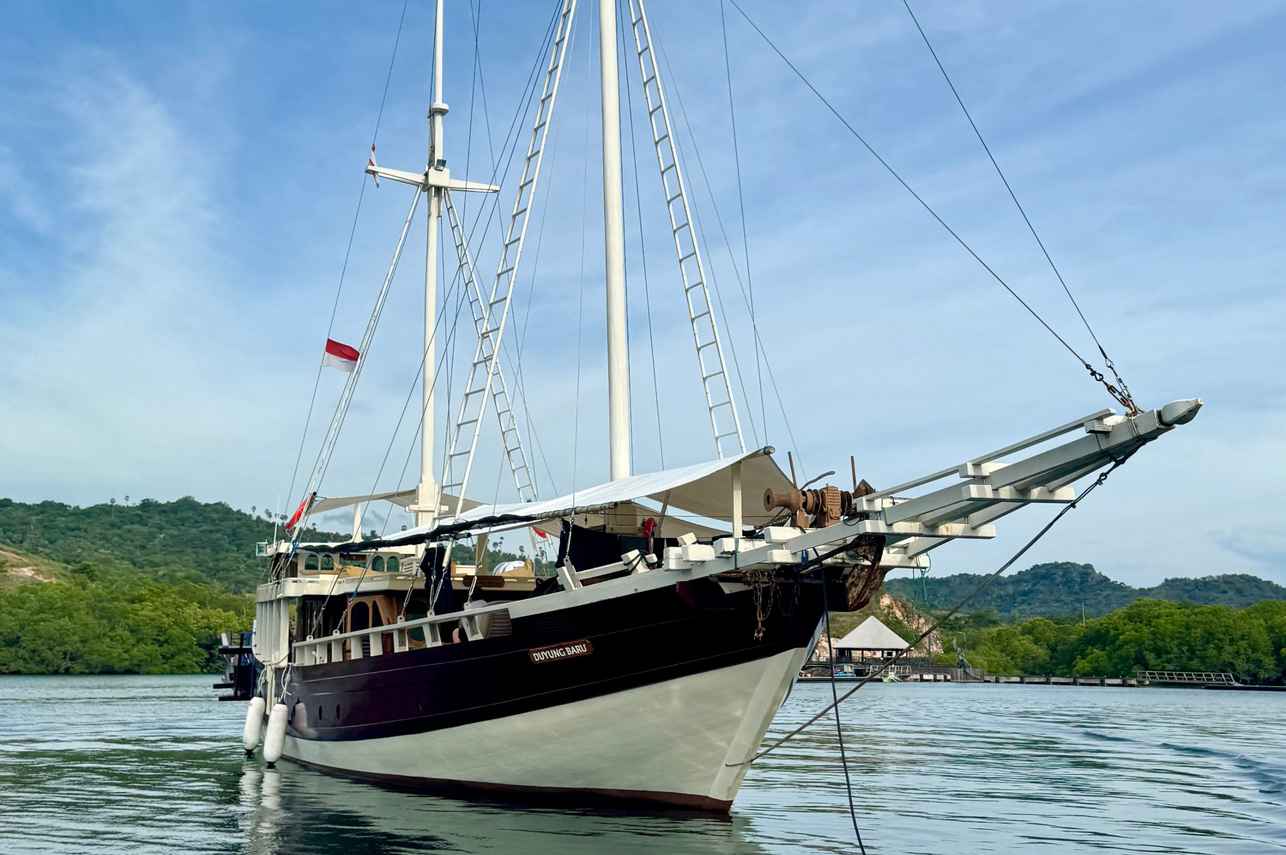
Ecopro Duyung Baru
Indonesia
6 guests27 m
$361/day
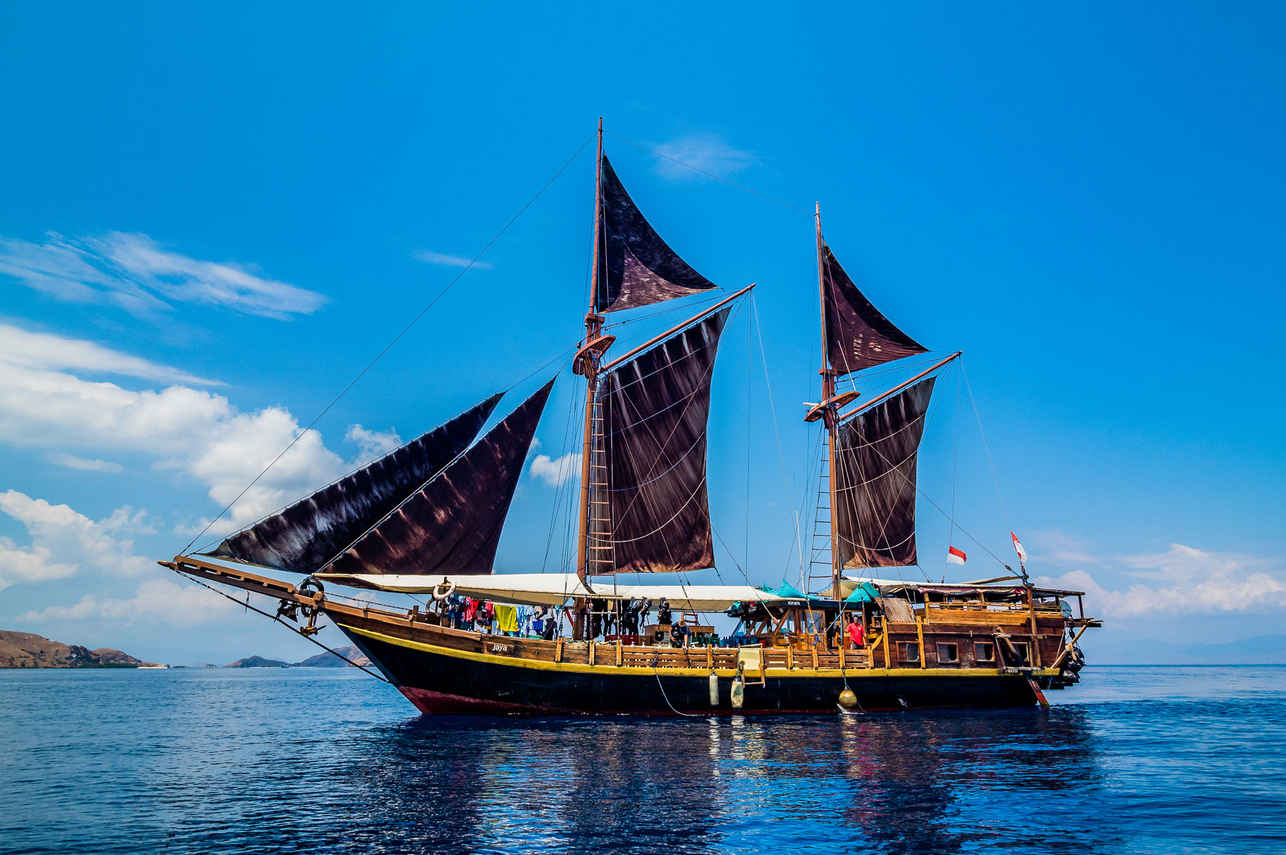
Jaya
Indonesia
14 guests23 m
$280/day
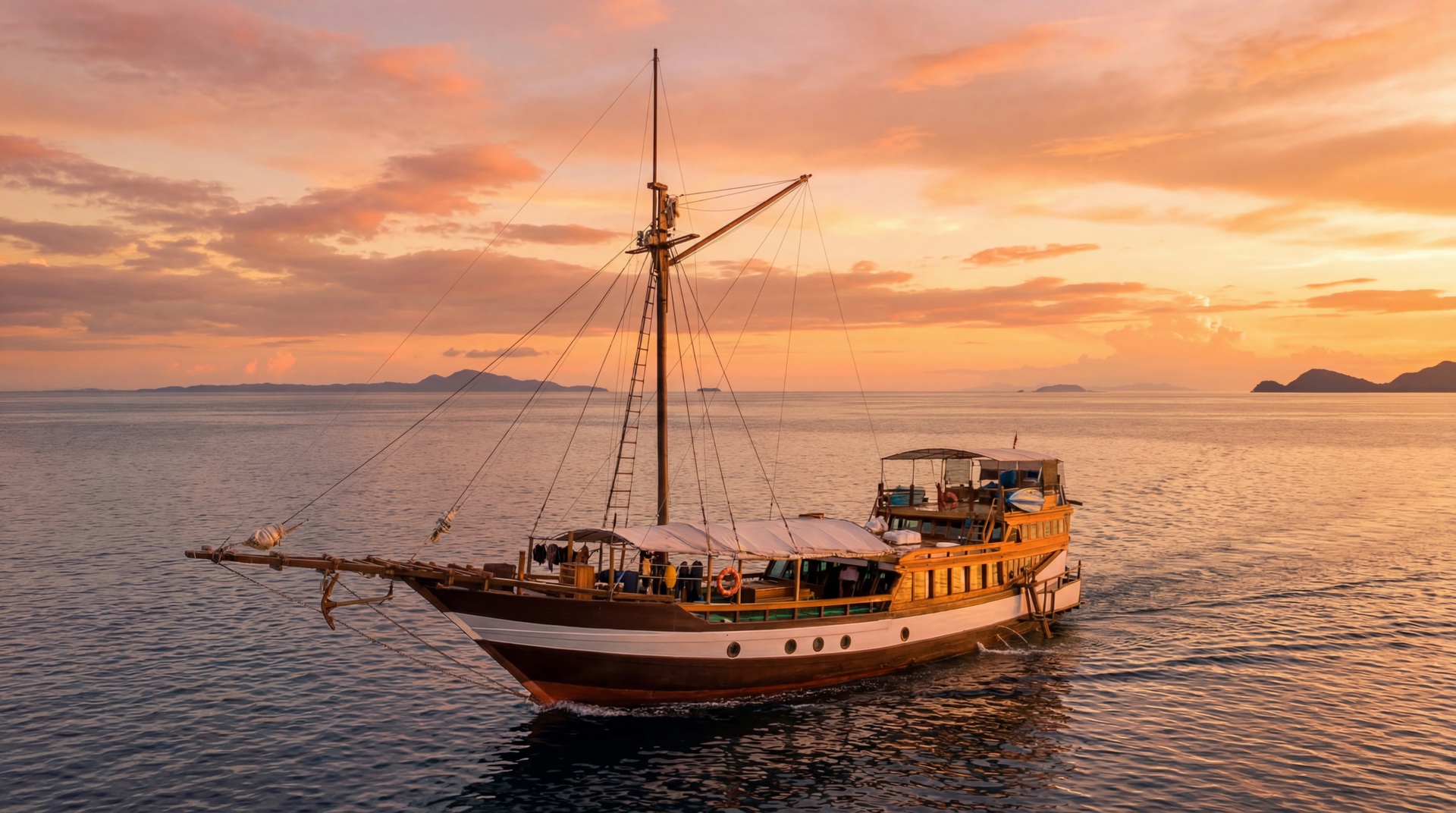
Wellenreng
Indonesia
9 guests25 m
$427/day
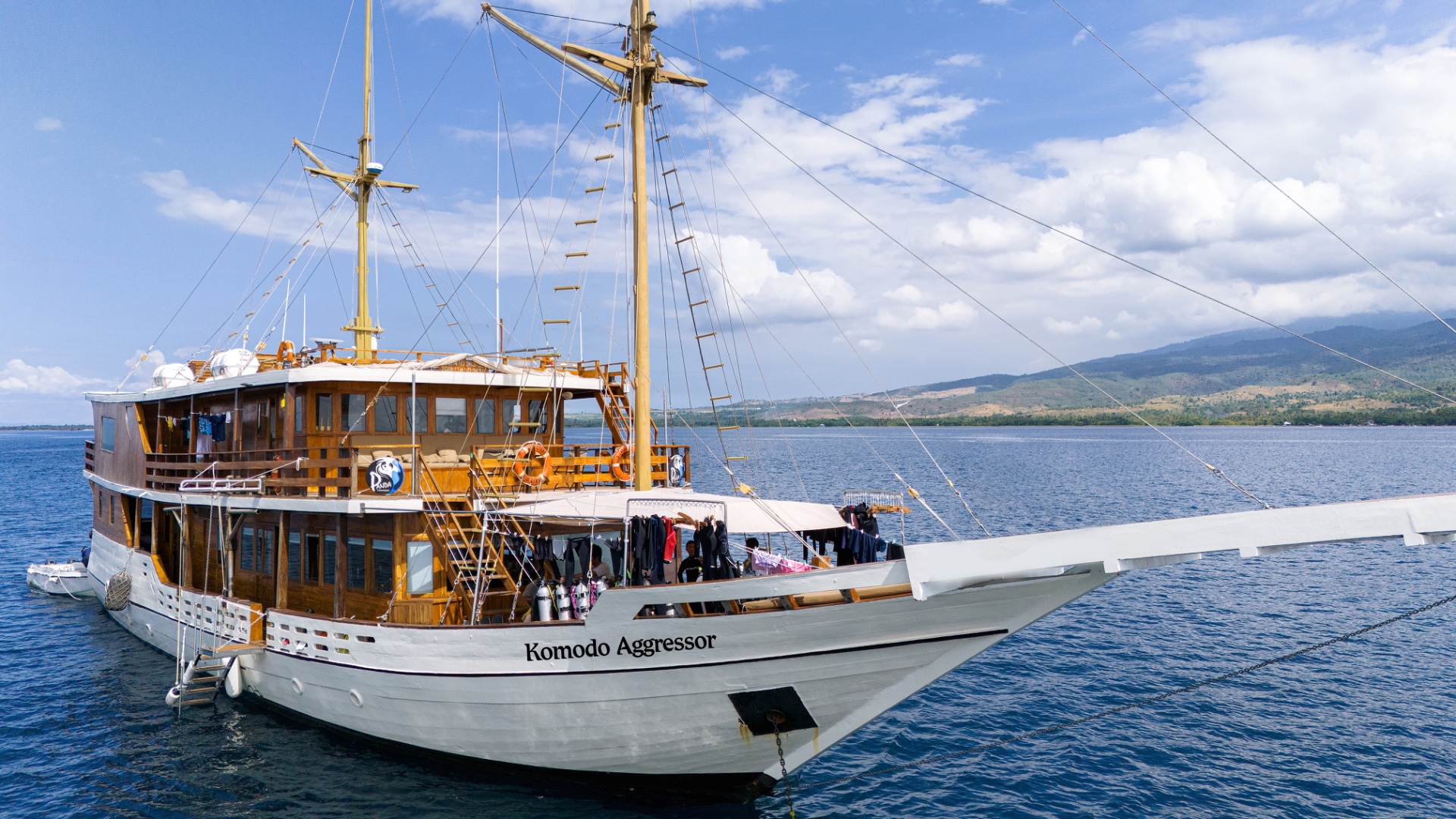
Komodo Aggressor
Komodo, Indonesia
16 guests29 m
$312/day
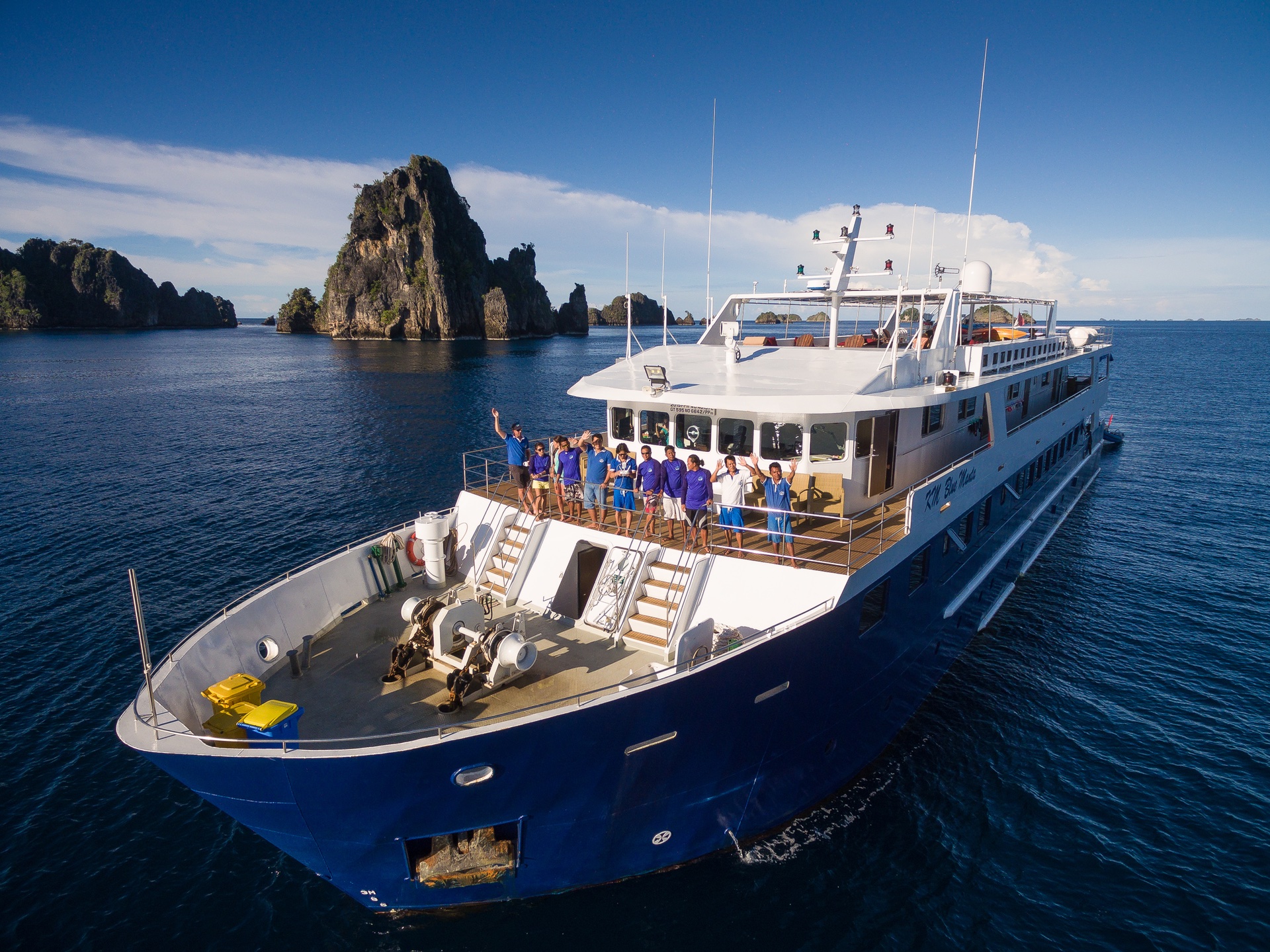
Blue Manta
Indonesia
20 guests45 m
$482/day
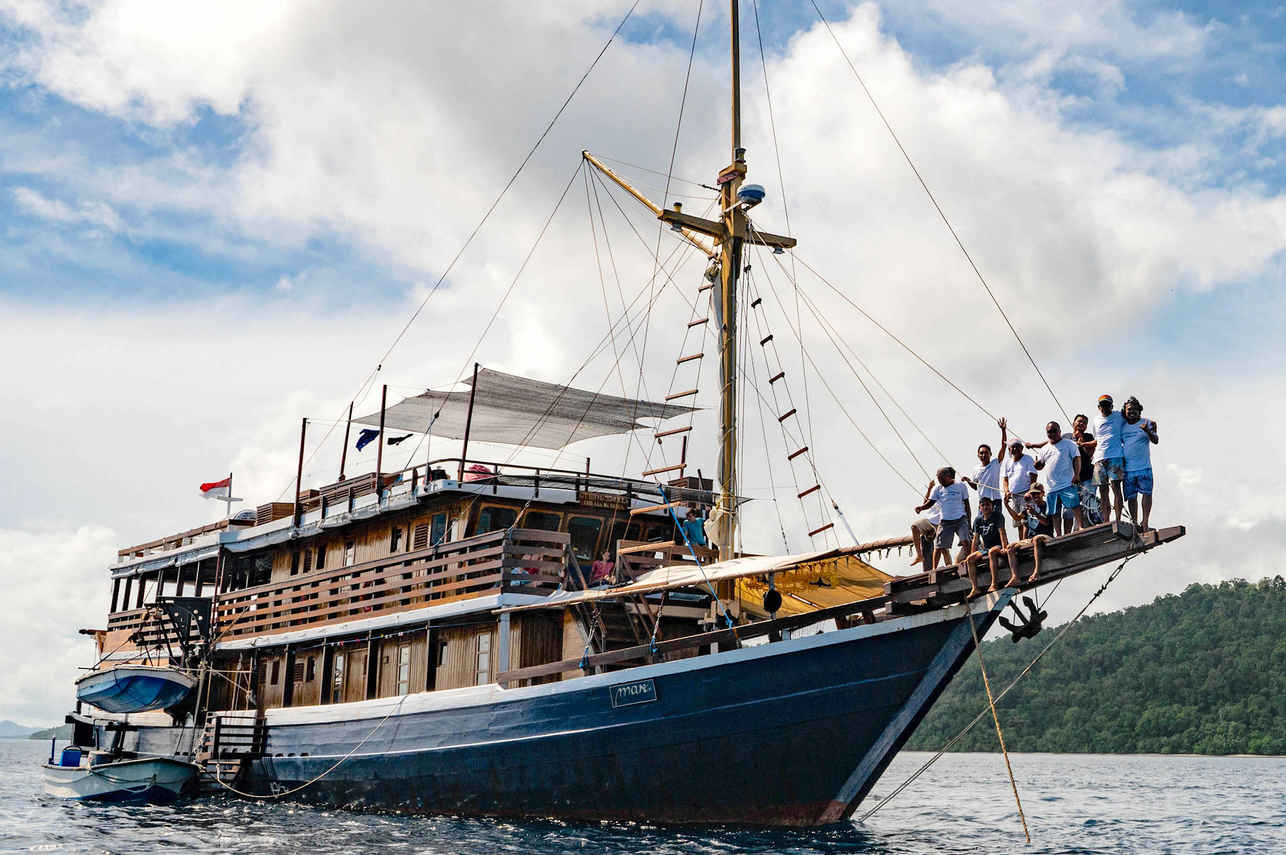
Mari
Indonesia
14 guests32.2 m
$328/day
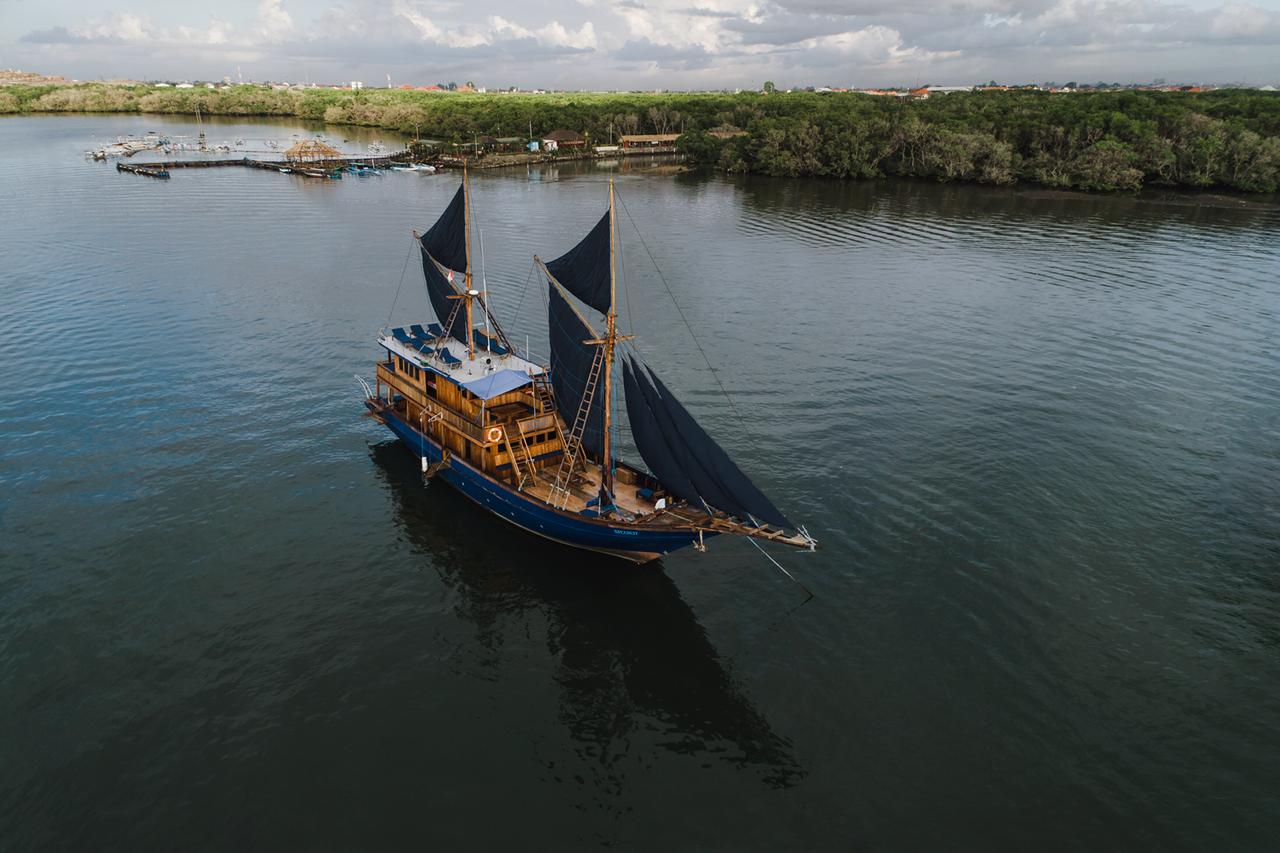
Situju7
Komodo, Indonesia
10 guests32.7 m
$362/day
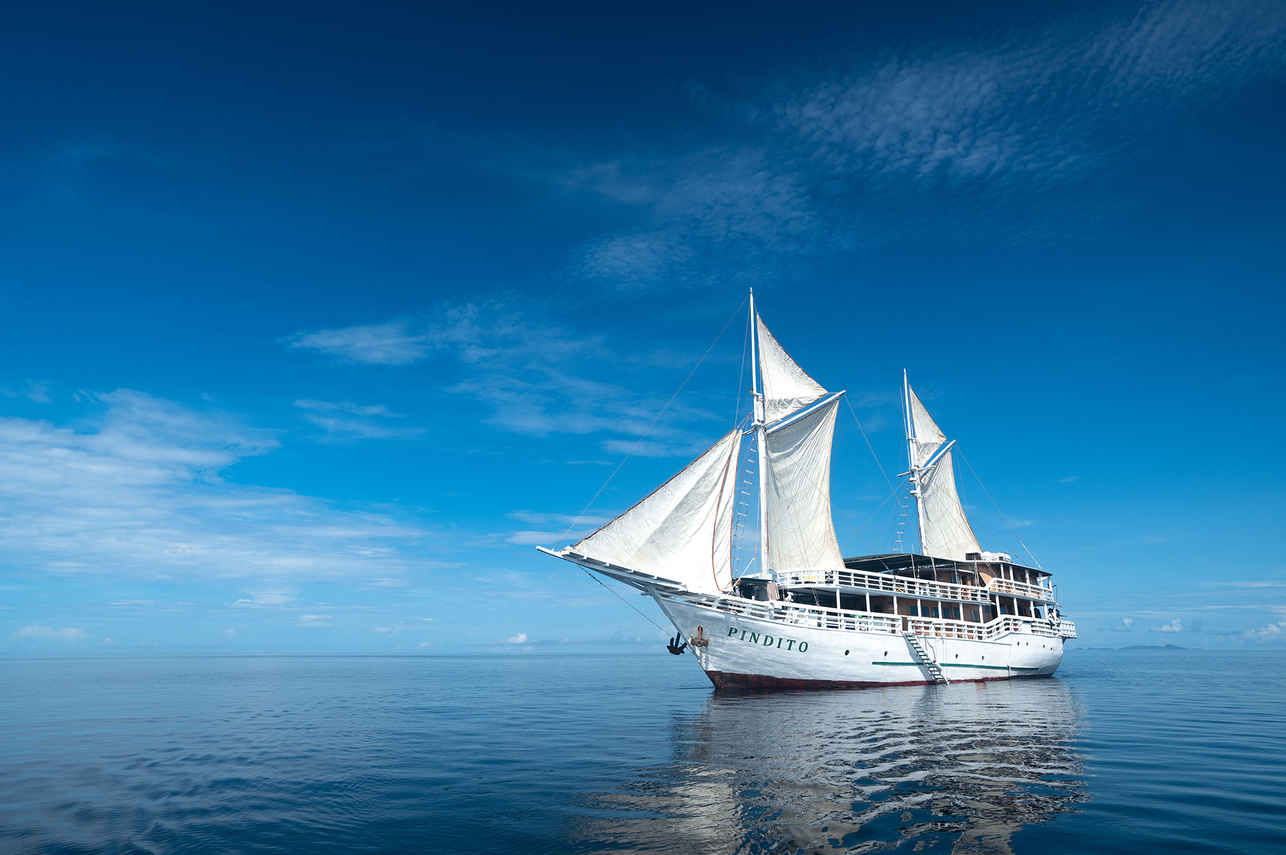
Pindito
Indonesia
16 guests37.79 m
$533/day
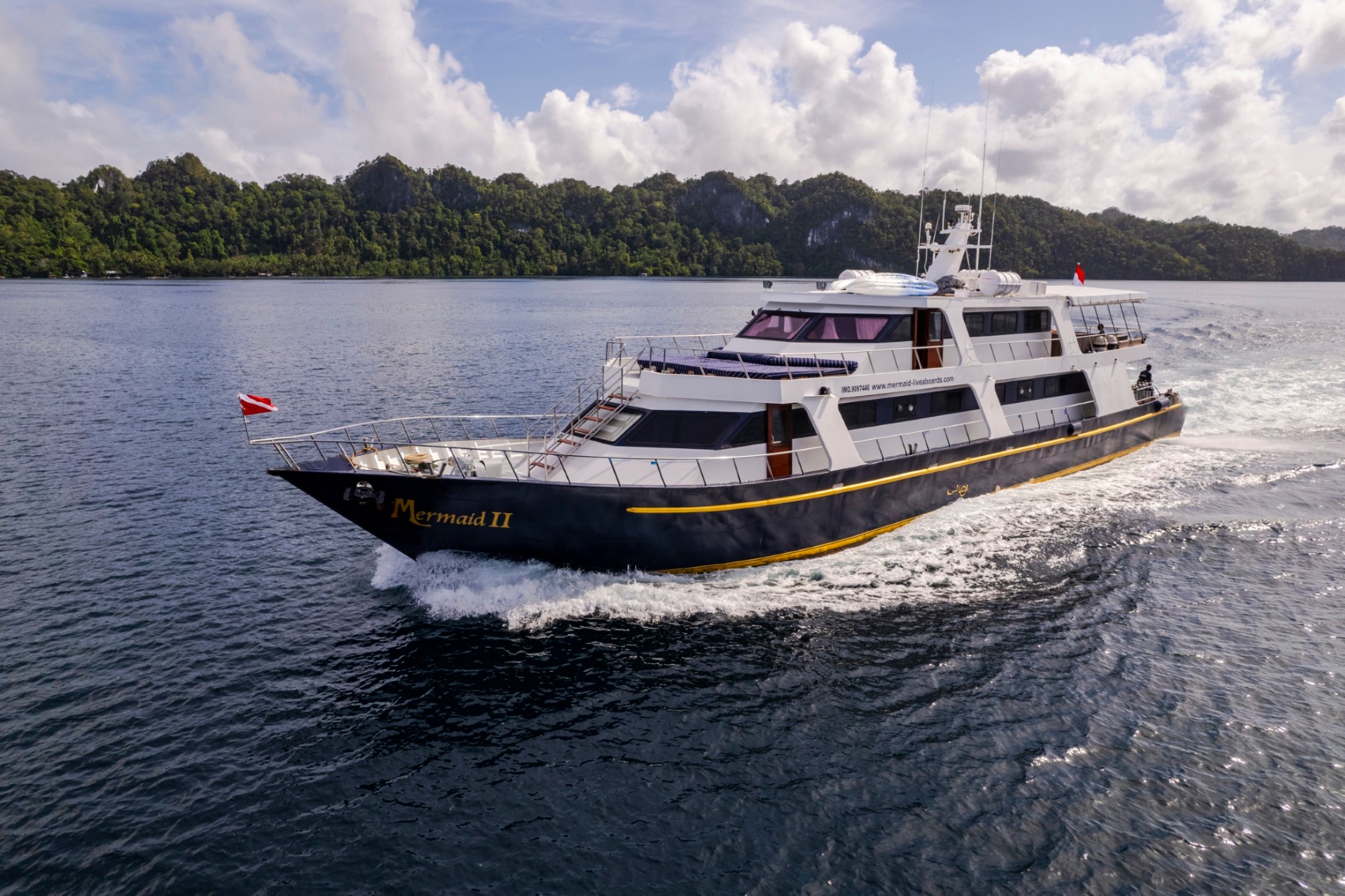
Mermaid II
Komodo, Indonesia
18 guests
$391/day
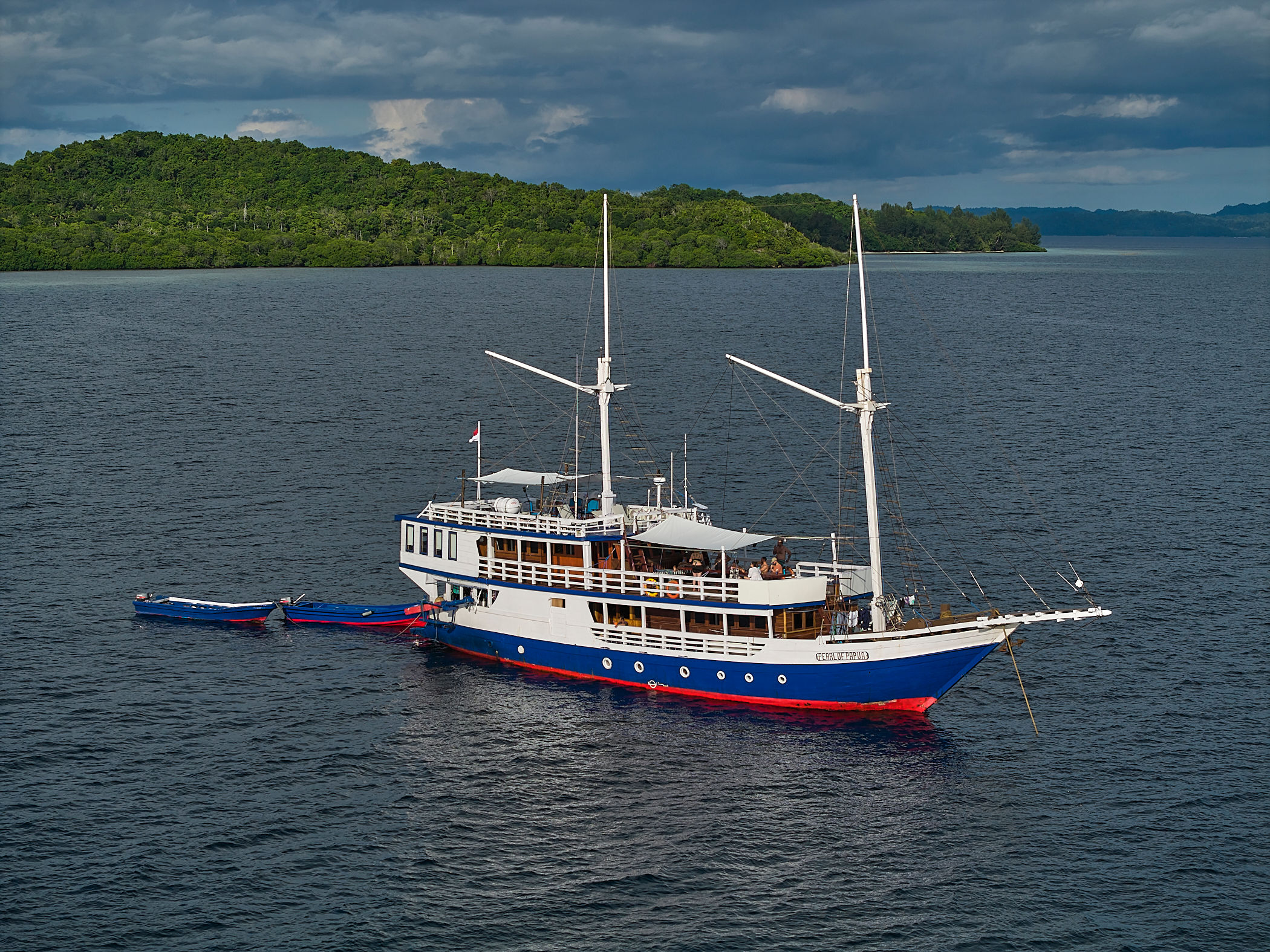
Pearl of Papua
Raja Ampat, Indonesia
14 guests30 m
$303/day
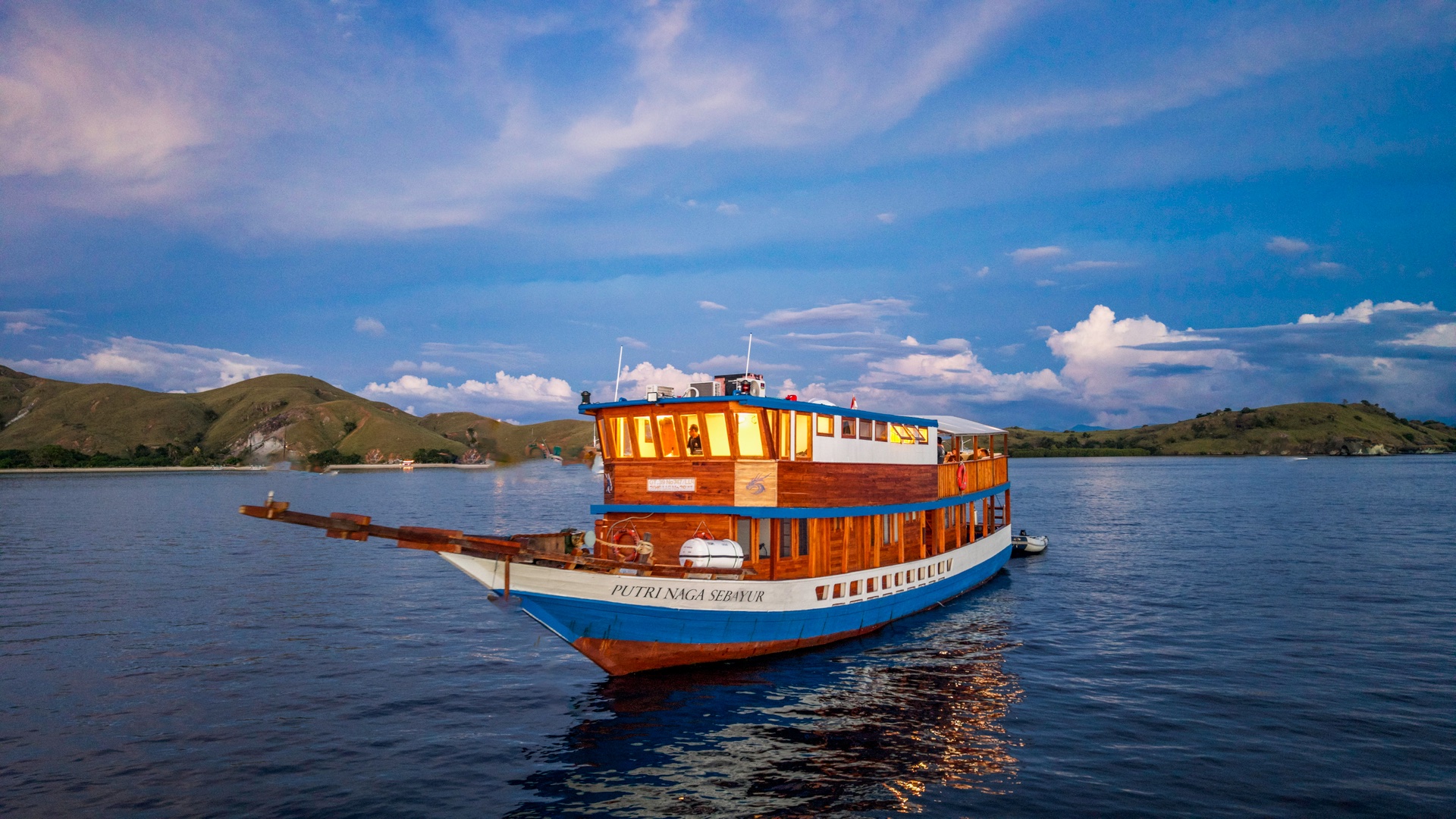
Putri Naga
Komodo, Indonesia
6 guests25 m
Dive sites similar to Friwen Wall
Same character, same waters — six more sites divers love for the exact same reasons.Compare seasons, access and liveaboard routes — then pick the site that fits your trip best.
© Esri — Maxar, Earthstar, GIS
Adonara Wall
Indonesia
Adonara is an Indonesian island dive site, renowned for its vibrant underwater topography characterized by submerged seamounts.
- Suitable for
- Intermediate
- Current
- Strong
- Access
- Liveaboard or dayboat
- Depth
- 5–35 m
- Theme
- Seamount / Wall
Babylon is a captivating dive site located in the Alor Sea, renowned for its exceptional visibility and vibrant marine ecosystem.
- Suitable for
- Intermediate
- Current
- Strong
- Access
- Liveaboard or dayboat
- Depth
- 3–20 m
- Theme
- Reef / Wall
© Esri — Maxar, Earthstar, GIS
Shark Close
Indonesia
Shark Close is an exhilarating dive site in the Indonesian portion of Borneo, renowned for its strong currents and abundant marine life.
- Suitable for
- Advanced
- Current
- Strong
- Access
- Liveaboard or dayboat
- Depth
- 5–25 m
- Theme
- Channel / Drift
Wakatobi, an acronym for the islands of Wangi-Wangi, Kaledupa, Tomia, and Binongko, lies in Southeast Sulawesi, Indonesia, at the heart of the Coral Triangle.
- Suitable for
- Beginner
- Current
- No current
- Access
- Liveaboard only
- Depth
- 5–30 m
- Theme
- Wall / Reef
© Esri — Maxar, Earthstar, GIS
Raymond’s Point
Indonesia
Raymond's Point is a distinguished dive site located south of Mike's Point within the Bunaken National Marine Park, renowned for its dramatic vertical wall.
- Suitable for
- Advanced
- Current
- Strong
- Access
- Dayboat
- Depth
- 5–35 m
- Theme
- Reef / Wall
© Esri — Maxar, Earthstar, GIS
Manado Tua
Indonesia
Manado Tua, or 'Old Manado,' is one of five islands that form the Bunaken Marine Park, a celebrated marine protected area in North Sulawesi, Indonesia.
- Suitable for
- Intermediate
- Current
- Moderate
- Access
- Dayboat
- Depth
- 5–80 m
- Theme
- Wall / Drift