About Mahi Mahi Point
Mahi Mahi Point is a dive site located in Alor, Indonesia, forming part of an archipelago renowned for its rich marine biodiversity. This region in Indonesia boasts some of the world's most vibrant and diverse marine ecosystems, making it a prime destination for liveaboard diving. The site itself contributes to Alor's reputation for rugged volcanic terrain and unspoiled underwater environments. The topography of Mahi Mahi Point generally ranges from 5 to 35 meters in depth. While specific details on its underwater structure are not provided, Alor's dive sites often feature dynamic underwater landscapes, with currents influencing dive plans. Divers can expect to explore areas that likely include coral formations and potentially some slopes or walls, given the typical underwater structures in the area. Alor's waters are known for their abundant marine life, though no specific species are mentioned for Mahi Mahi Point. However, in general, Indonesian dive sites are home to over 2,000 species of fish and more than 500 types of coral. Given its location in Indonesia, divers can anticipate encounters with a variety of reef fish and invertebrates, contributing to a vibrant underwater experience. Due to the depth range and the general nature of diving in Indonesian archipelagos, dives here typically involve boat entries. The mention of currents often suggests that this could be a drift dive site, requiring divers to be comfortable with moving water. It caters to a range of experience levels, from beginners to more advanced divers depending on the prevailing conditions.
Highlights
Alor marine biodiversityVolcanic underwater terrainRich reef fish populationsDiverse coral speciesIndonesian archipelago diving
Season calendar
Best months to dive here
Jan
Feb
Mar
Apr
May
Jun
Jul
Aug
Sep
Oct
Nov
Dec
Excellent
Good
Dive site facts: Mahi Mahi Point
- Depth
- 5–30 m
- Typical dive
- 15–25 m, 45–60 min
- Current
- Strong, unpredictable
- Visibility
- 15–30 m
- Water temperature
- 28–30°C
- Entry
- Negative entry / liveaboard tender
- Level
- Advanced, drift experience recommended
- Dive type
- Drift, coral gardens, pelagic encounters
- Night dive
- Not typical due to currents
- Region / port
- Raja Ampat, Indonesia
- Coordinates
- -0.4923, 130.7534
Conditions & Currents
Mahi Mahi Point is known for its strong and often unpredictable currents, typical of many nutrient-rich sites in Raja Ampat. Divers should expect a significant drift during most dives, requiring advanced buoyancy control and comfort with current. Entry is typically a negative entry to quickly descend to the reef and avoid being swept away, and divers must stay close to their guides. The currents are responsible for the site's incredible marine life, bringing in ample food for corals and fish alike, but they also necessitate careful dive planning and good air consumption management. Slack tide can offer a brief respite, but the site generally delivers an exhilarating, fast-paced experience. Visibility can be affected by plankton blooms brought in by these currents, yet the sheer volume of marine life usually compensates.
Marine life & sighting chances

Manta ray
December–March · occasional
Blacktip reef shark
common
Wobbegong shark
occasional
Pygmy seahorse
occasional
Barracuda
common
Giant trevally
occasional
Fusilier
common
Sweetlips
common
Tuna
occasional
Turtle
common
Nudibranch
commonDive profile & how the dive runs
A dive at Mahi Mahi Point typically begins with a negative entry from a liveaboard tender, allowing divers to quickly descend and latch onto the reef before being swept away by the strong currents. The dive plan is a classic drift, following the reef wall and slope as the current dictates. Divers maintain depth between 15-25 meters, gliding over extensive hard and soft coral gardens, keeping an eye out for schooling fish and patrolling pelagics in the blue. The dive progresses along the length of the point, with divers staying close to the reef for shelter and to observe macro life. The turnaround point is determined by air consumption and current strength, after which the group ascends slowly for a safety stop in the blue, potentially deploying an SMB, before surfacing and being picked up by the tender following the group's trajectory.
Underwater photography
Mahi Mahi Point offers fantastic opportunities for wide-angle photography, especially with its expansive coral formations and large schools of fish. A wide-angle lens is essential to capture the grandeur of the reef and the frequent pelagic encounters. Due to the strong currents, maintaining good buoyancy is critical to avoid damaging corals or being swept off course. For macro enthusiasts, there are sheltered spots along the reef where pygmy seahorses and nudibranchs can be found, though a dedicated macro dive might be better suited for less current-prone sites. Strobes are highly recommended to bring out the vibrant colors of the corals and marine life, which would otherwise appear muted in natural light at depth. Always be mindful of your surroundings and the current, prioritizing safety and reef protection over getting the perfect shot.
Combine with nearby dive sites
- Misool Island Reefs
Offers pristine reefs and cleaning stations, often combined with Raja Ampat itineraries.
- The Passage Raja Ampat
A unique narrow channel with swift currents and diverse ecosystems.
- Mandolin Point
Known for its vibrant soft corals and abundant fish life, also in Raja Ampat.
- Wayag Lagoon
Iconic Raja Ampat landscape above water, with rich reefs below.
Getting there & logistics
Access to Mahi Mahi Point, like most of Raja Ampat, is primarily via liveaboard vessels departing from Sorong. International flights typically arrive at Jakarta (CGK) or Makassar (UPG), followed by a domestic flight to Sorong (SOQ). Liveaboard trips usually range from 7 to 10 nights, often combining dive sites across Misool, Dampier Strait, and Batanta regions. It is advisable to book liveaboards 6-12 months in advance, especially for the high season. All divers must purchase a Raja Ampat Marine Park Entry Permit, valid for one calendar year. This permit helps support conservation efforts within the park.
Safety & environment
Diving at Mahi Mahi Point requires careful attention to safety protocols, particularly due to the strong and sometimes unpredictable currents. Divers must be proficient in drift diving techniques, including negative entries, maintaining streamlined positions, and deploying SMBs. Always stay close to your dive guide and buddy. The nearest recompression chamber is located in Waisai, Raja Ampat, but evacuation to more comprehensive medical facilities in Sorong or further to Jakarta may be necessary for serious incidents. Comprehensive dive insurance, including evacuation and recompression coverage, is highly recommended. Pay close attention to pre-dive briefings, understand emergency procedures, and be prepared for surface pickups after drift dives.
Who it suits — and who it doesn't
Suited for
- Experienced drift divers
- Advanced photographers seeking pelagic action
- Divers comfortable with strong currents
- Liveaboard enthusiasts
- Those seeking high marine biodiversity
Less suited for
- Beginner divers
- Divers uncomfortable with currents
- Macro-only photographers (as primary focus)
- Those prone to seasickness (especially in wet season)
- Divers with limited buoyancy control
FAQ
Mahi Mahi Point FAQ
What is the visibility generally like at Mahi Mahi Point?
Visibility at Mahi Mahi Point is typically excellent, often ranging from 15 to 30 meters, particularly during the dry season from October to April. While strong currents can sometimes bring in plankton blooms, temporarily reducing clarity, the water generally remains very clear, allowing for stunning views of the vibrant reef and abundant marine life.
Are there strong currents at Mahi Mahi Point?
Yes, Mahi Mahi Point is well-known for its strong and often unpredictable currents. These currents are a key factor in the site's rich biodiversity, bringing in nutrients that support the ecosystem. Divers should be experienced in drift diving techniques and comfortable managing strong water movement to fully enjoy this exhilarating dive site.
What kind of marine life can I expect to see at Mahi Mahi Point?
Mahi Mahi Point boasts exceptional marine biodiversity. Divers frequently encounter large schools of fish such as fusiliers and barracudas, blacktip reef sharks, and turtles. During the peak season (December-March), there's a good chance of spotting manta rays. The currents also support vibrant hard and soft coral gardens.
What dive level is required for Mahi Mahi Point?
Mahi Mahi Point is best suited for advanced divers with prior experience in drift diving. The strong and sometimes changing currents necessitate excellent buoyancy control, good air consumption management, and comfort in dynamic underwater conditions. Beginners or those uncomfortable with currents may find the site challenging.
How do I get to Mahi Mahi Point?
Mahi Mahi Point is located in Raja Ampat, Indonesia, and is primarily accessed via liveaboard trips departing from Sorong. Divers typically fly into Sorong (SOQ) after connecting through major Indonesian hubs like Jakarta (CGK) or Makassar (UPG). Liveaboards provide the best way to explore this remote and pristine region.
Why dive Mahi Mahi Point from a liveaboard?
Mahi Mahi Point is one of Indonesia's signature dive sites. A liveaboard sleeps you on the water and puts you in the water for three to four guided dives per day, including dawn and night dives that day-boat operators rarely offer. You skip the daily commute back to port and reach quieter, less-crowded sites in the same region on a single trip.
Below are the liveaboards that include Mahi Mahi Point on their Indonesia itineraries.
Liveaboards diving Mahi Mahi Point
These liveaboards may visit Mahi Mahi Point on selected itineraries — the exact dive sites depend on departure, weather and conditions.
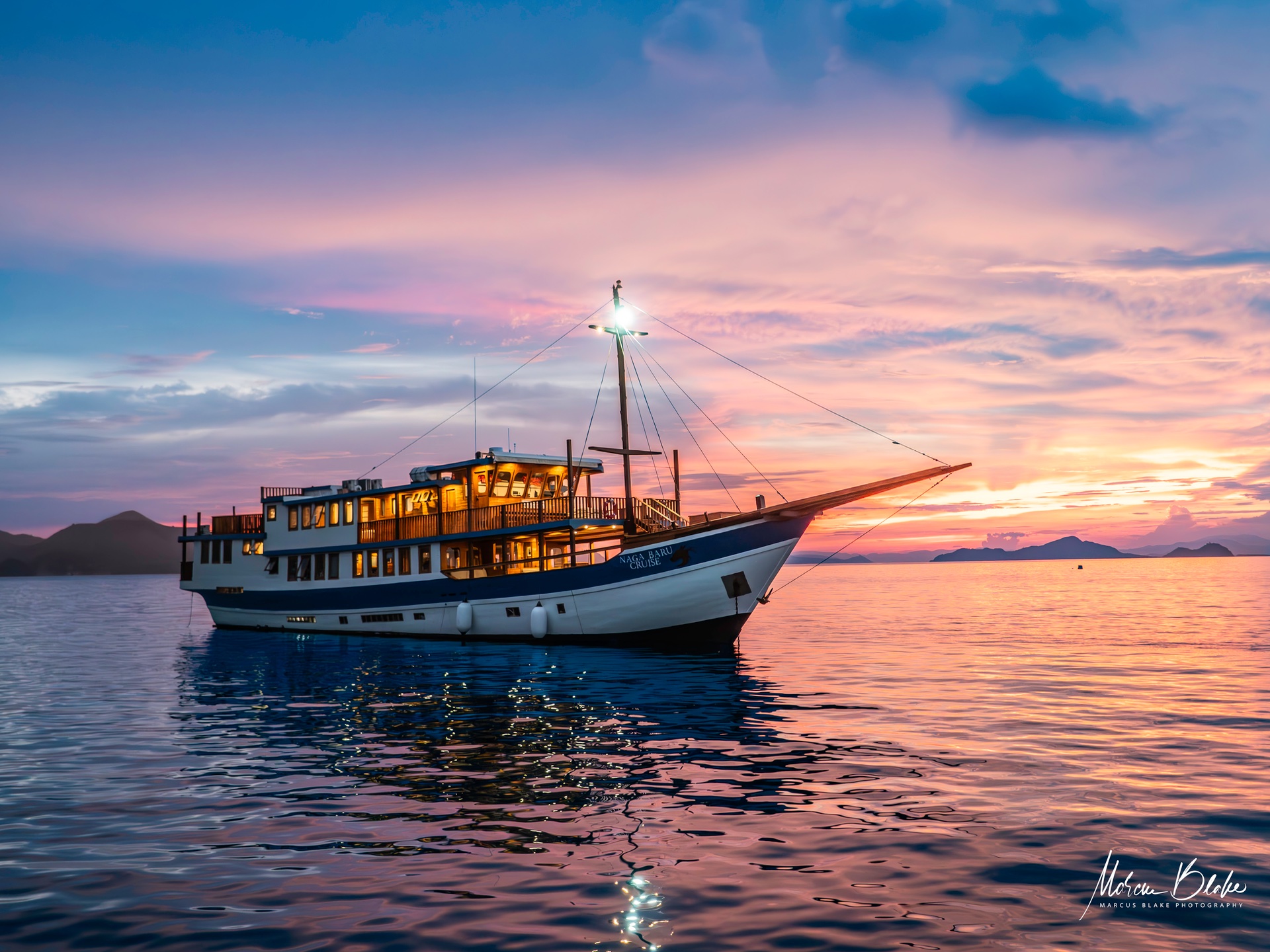
Naga Biru
Indonesia
12 guests40 m
$273/day
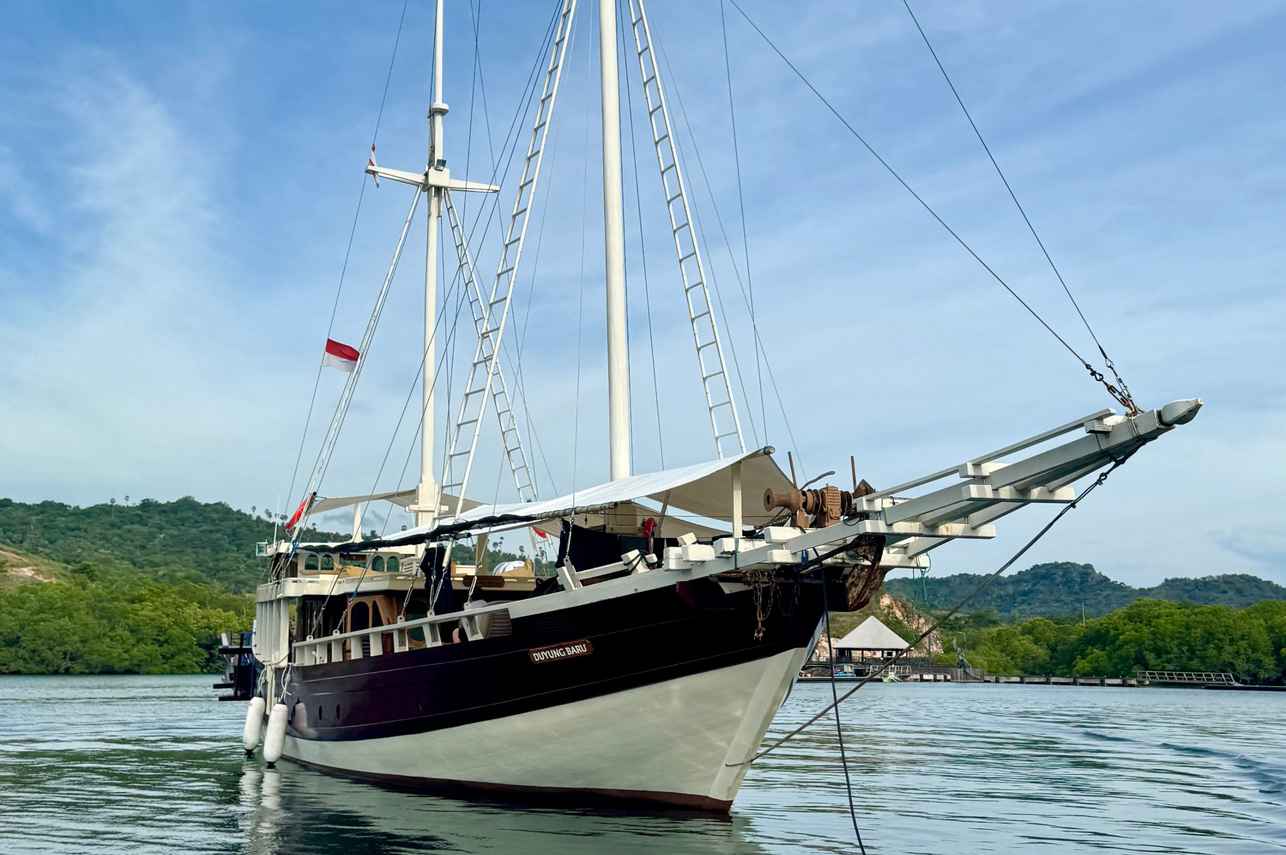
Ecopro Duyung Baru
Indonesia
6 guests27 m
$361/day
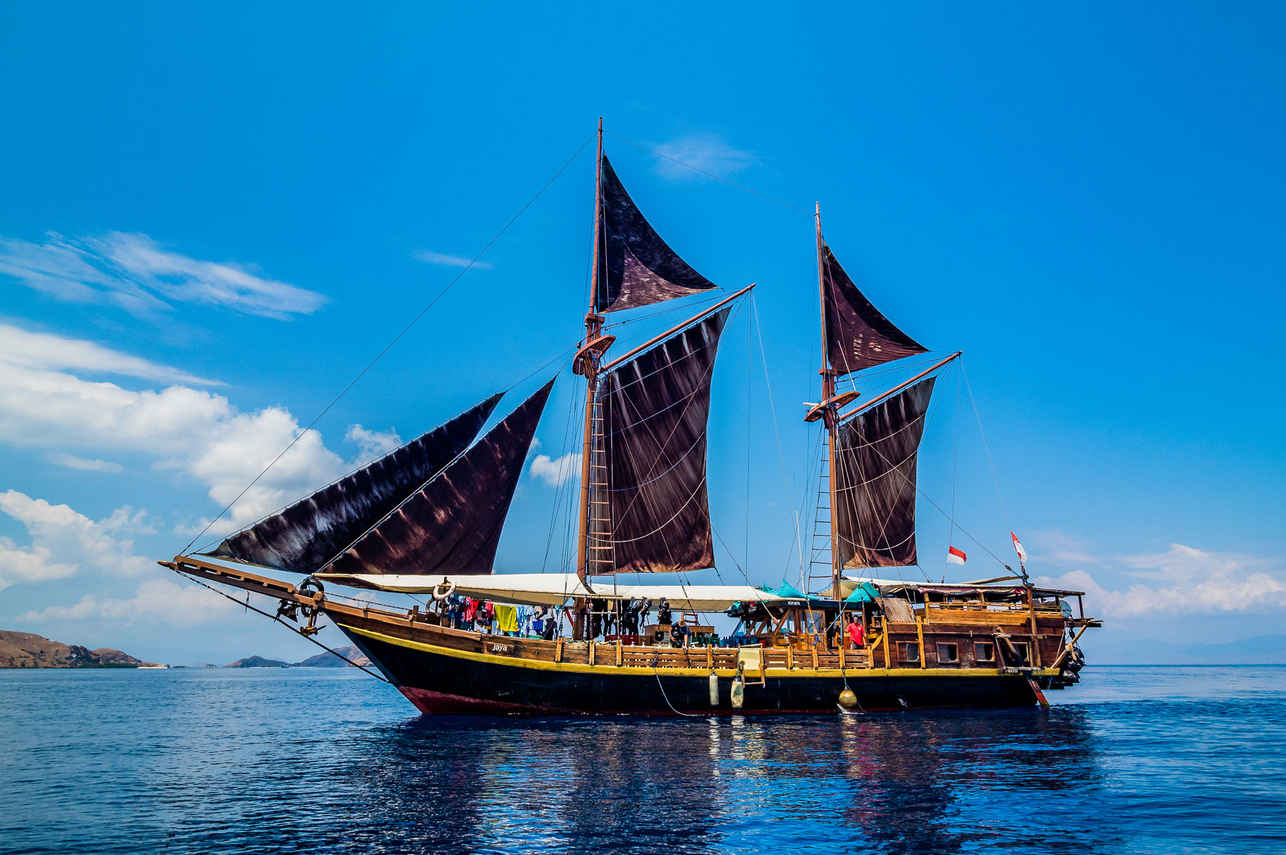
Jaya
Indonesia
14 guests23 m
$280/day
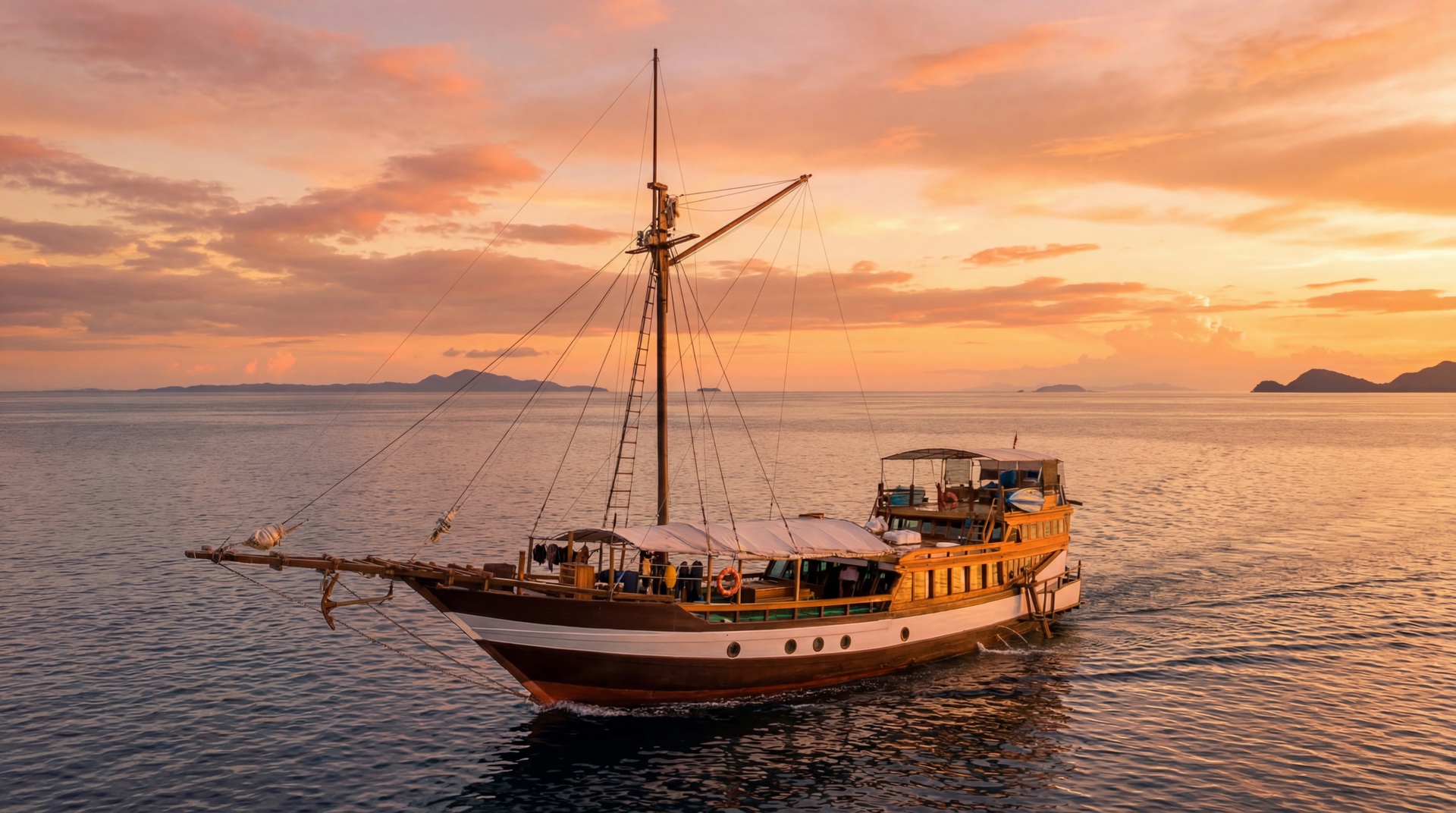
Wellenreng
Indonesia
9 guests25 m
$427/day
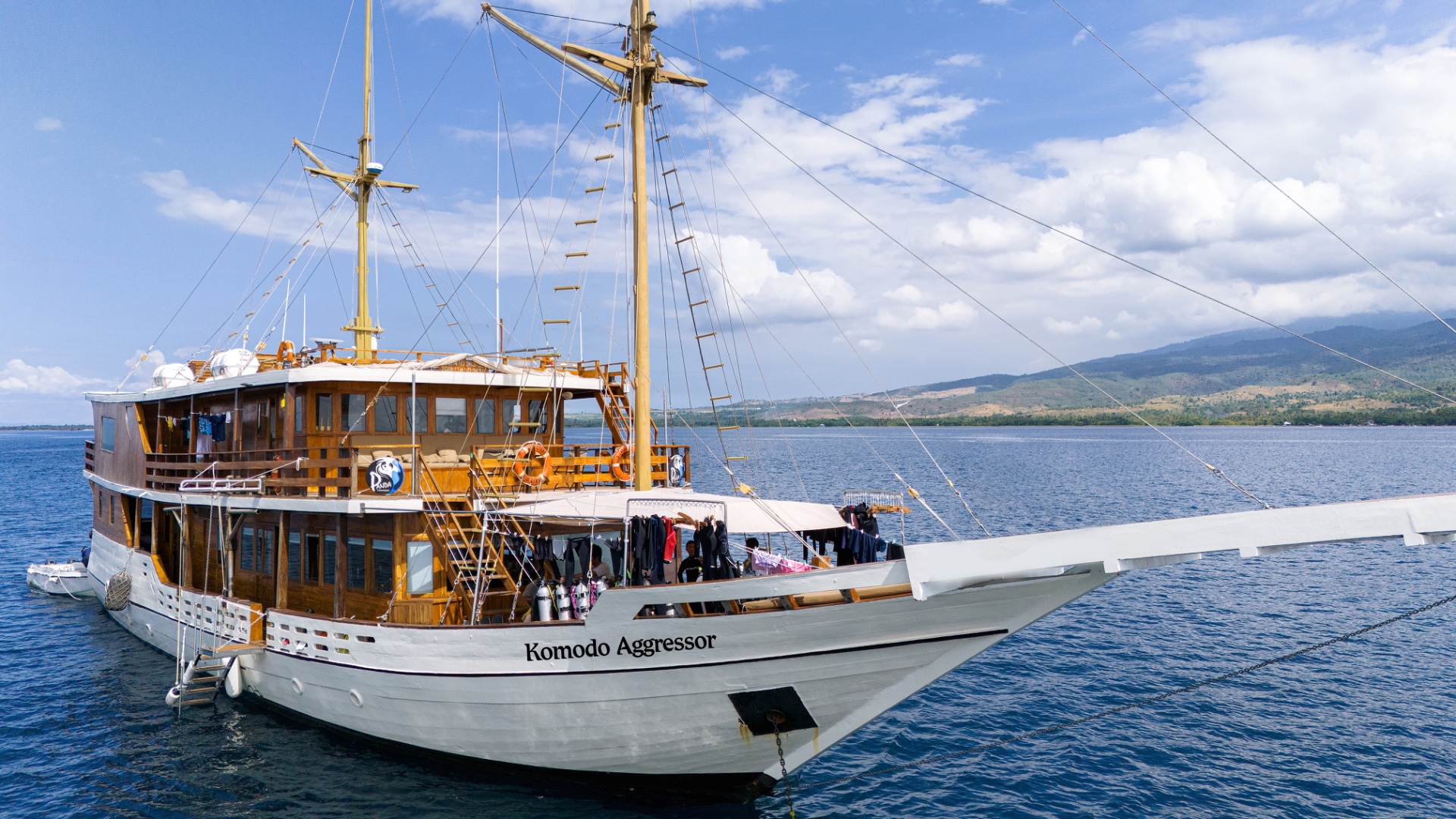
Komodo Aggressor
Komodo, Indonesia
16 guests29 m
$312/day
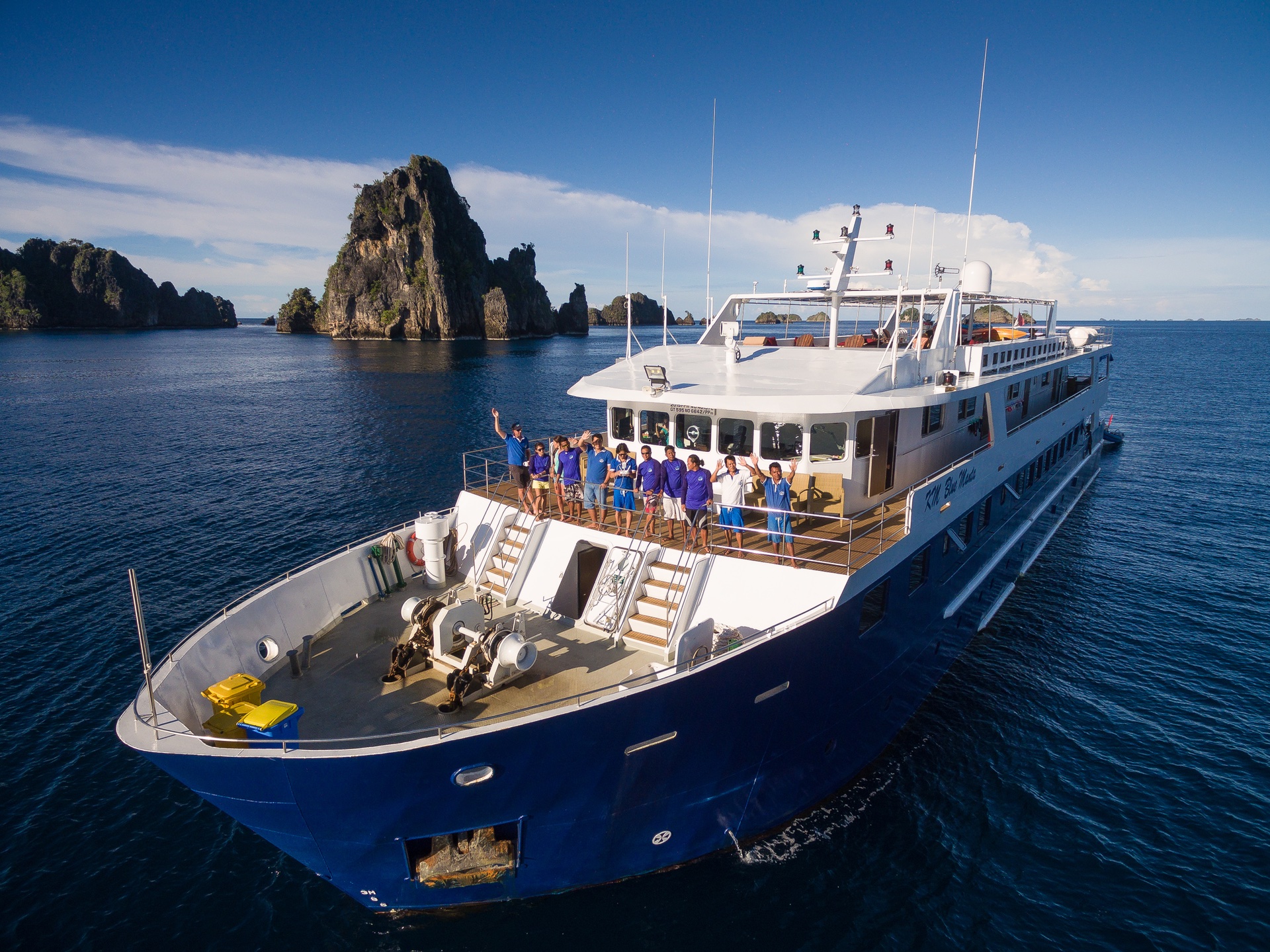
Blue Manta
Indonesia
20 guests45 m
$482/day
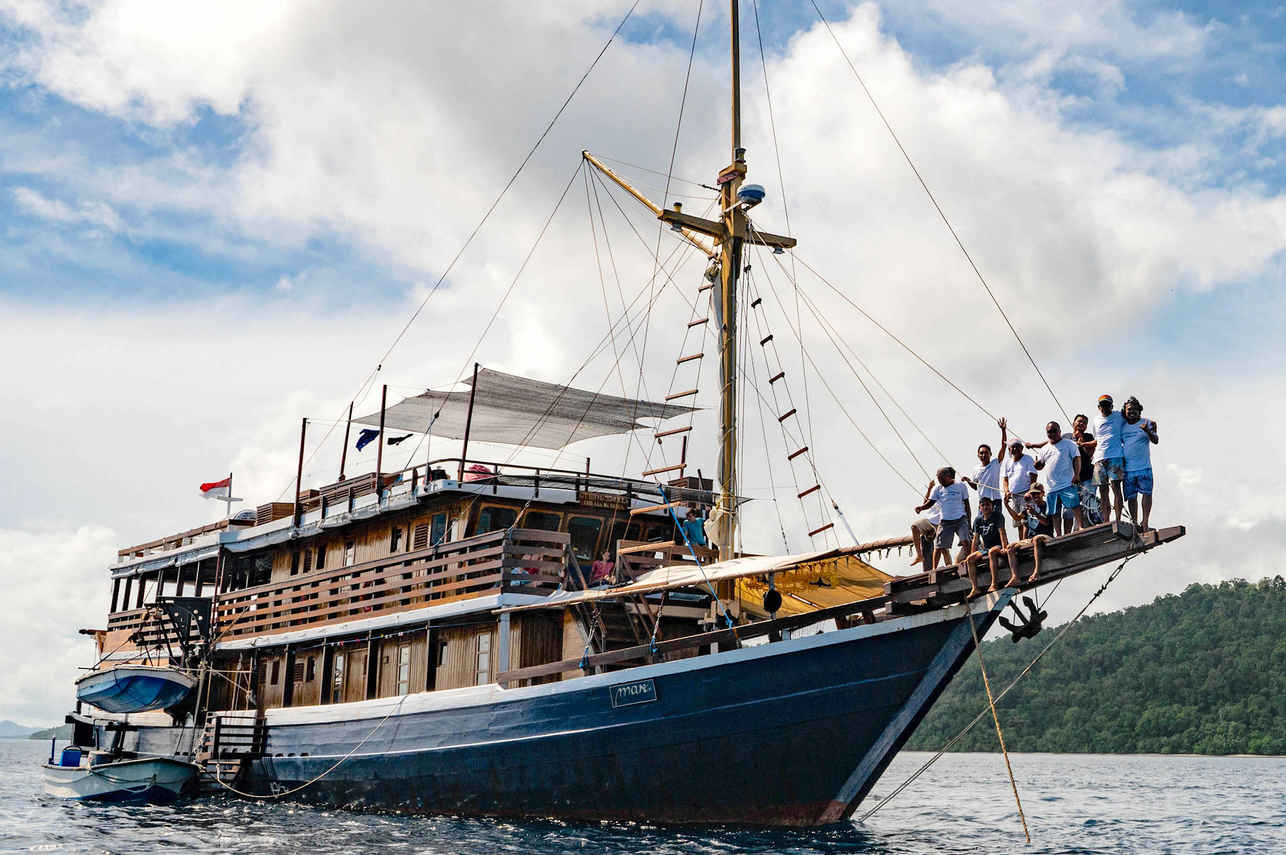
Mari
Indonesia
14 guests32.2 m
$328/day
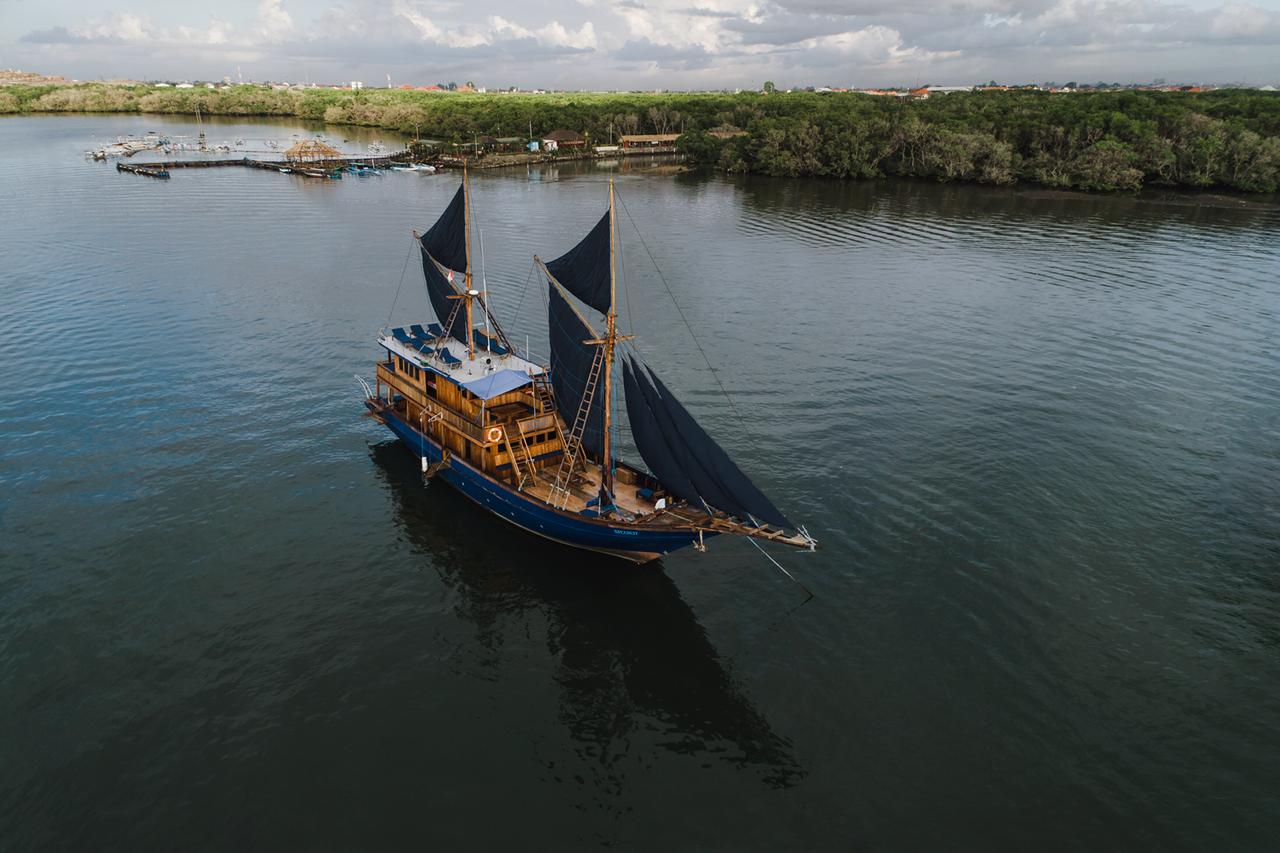
Situju7
Komodo, Indonesia
10 guests32.7 m
$362/day
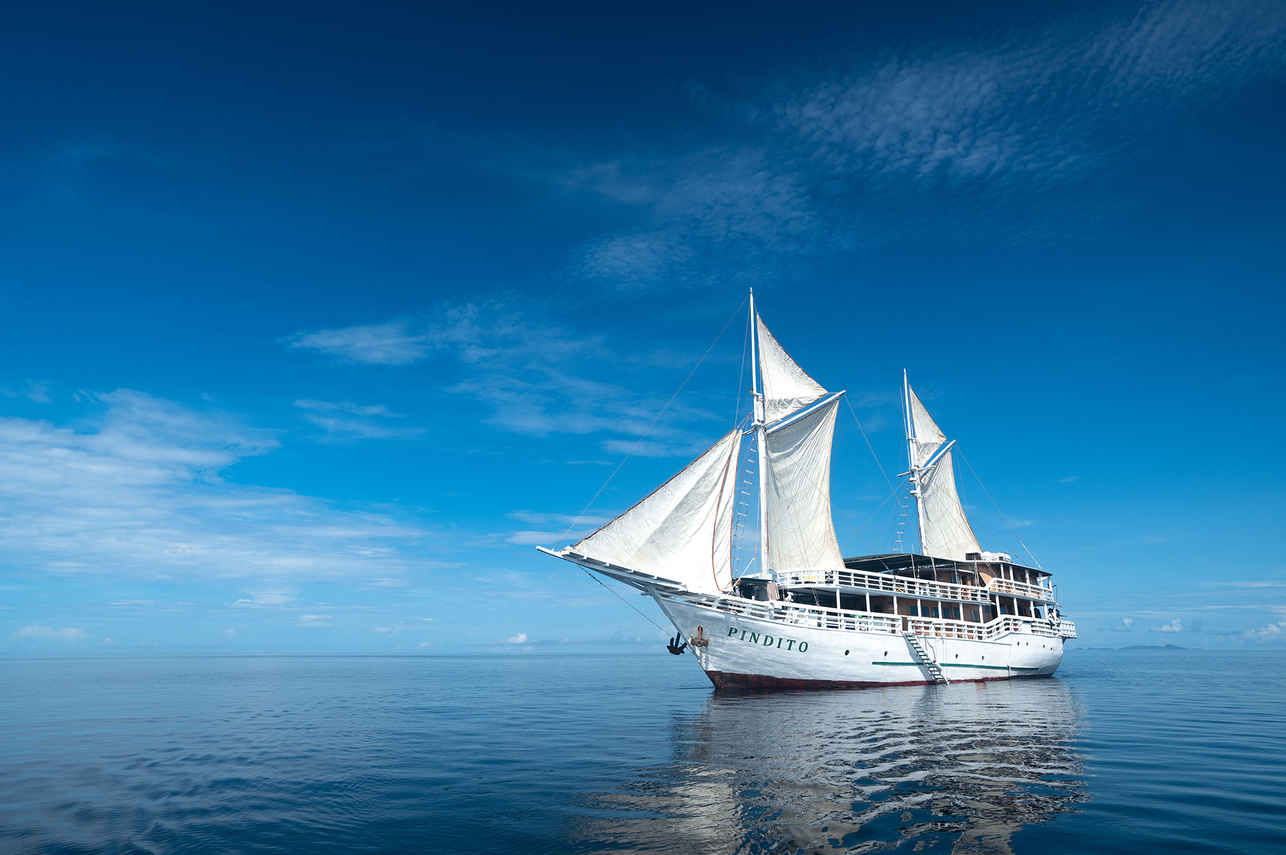
Pindito
Indonesia
16 guests37.79 m
$533/day
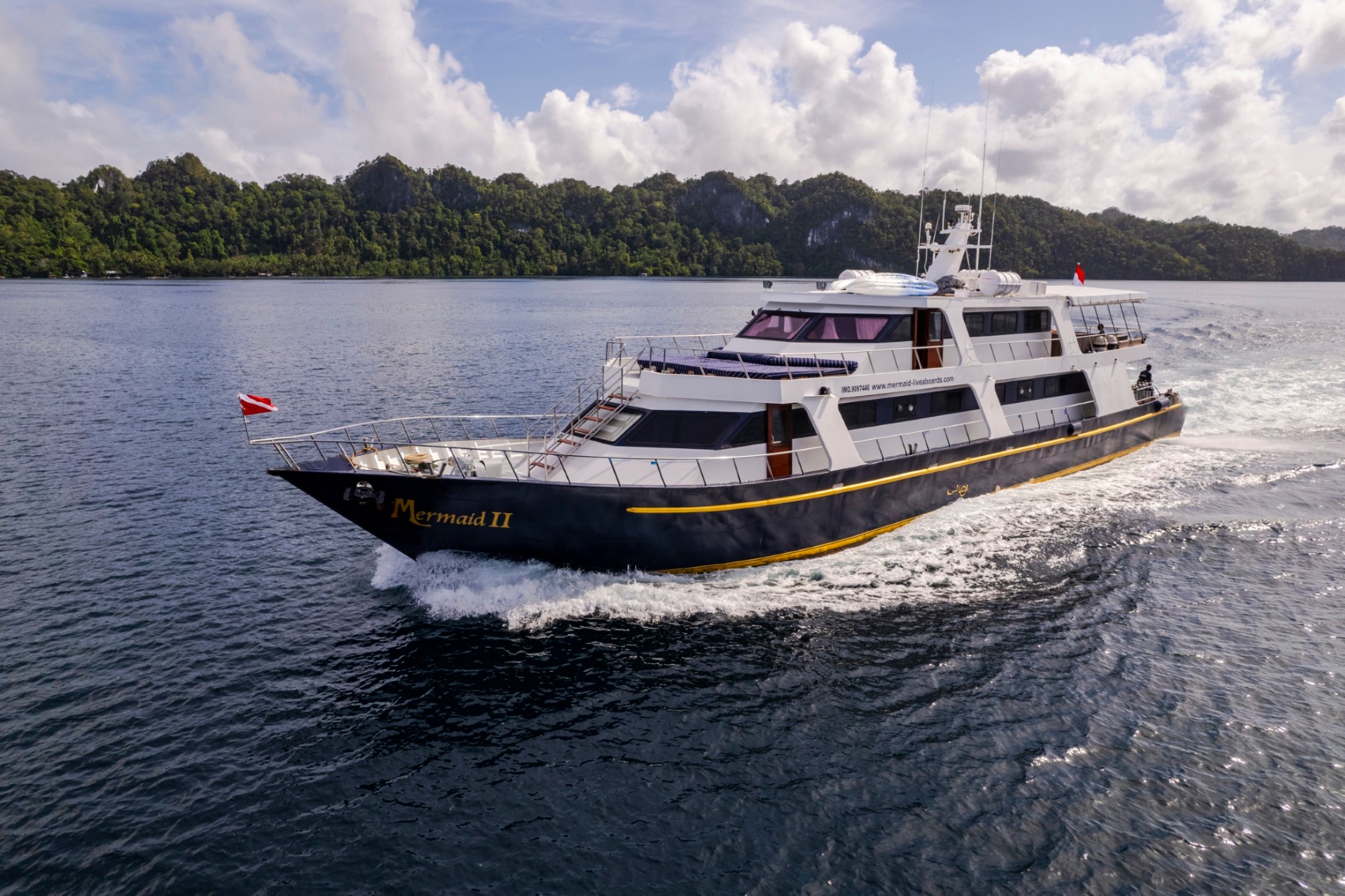
Mermaid II
Komodo, Indonesia
18 guests
$391/day
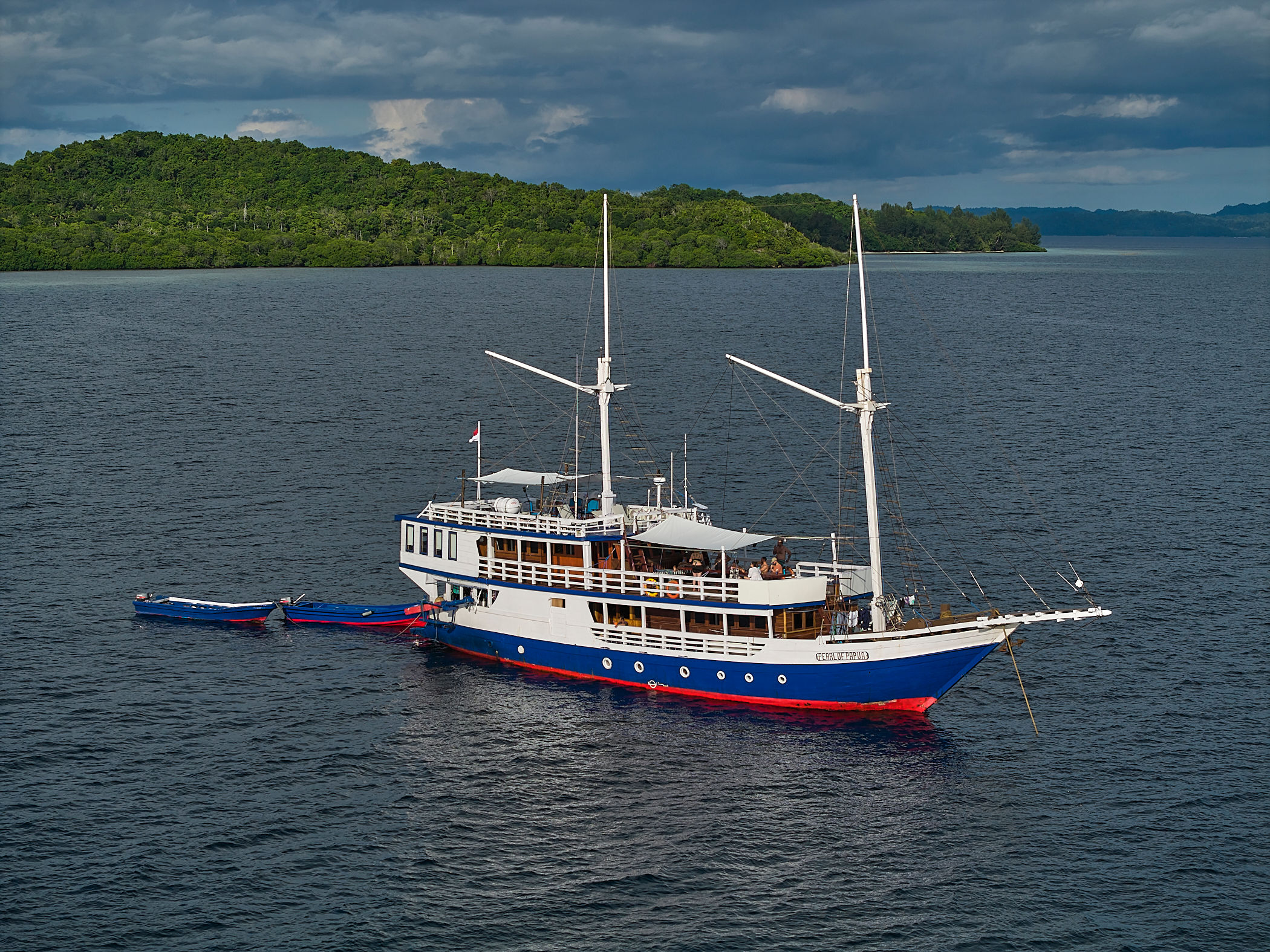
Pearl of Papua
Raja Ampat, Indonesia
14 guests30 m
$303/day
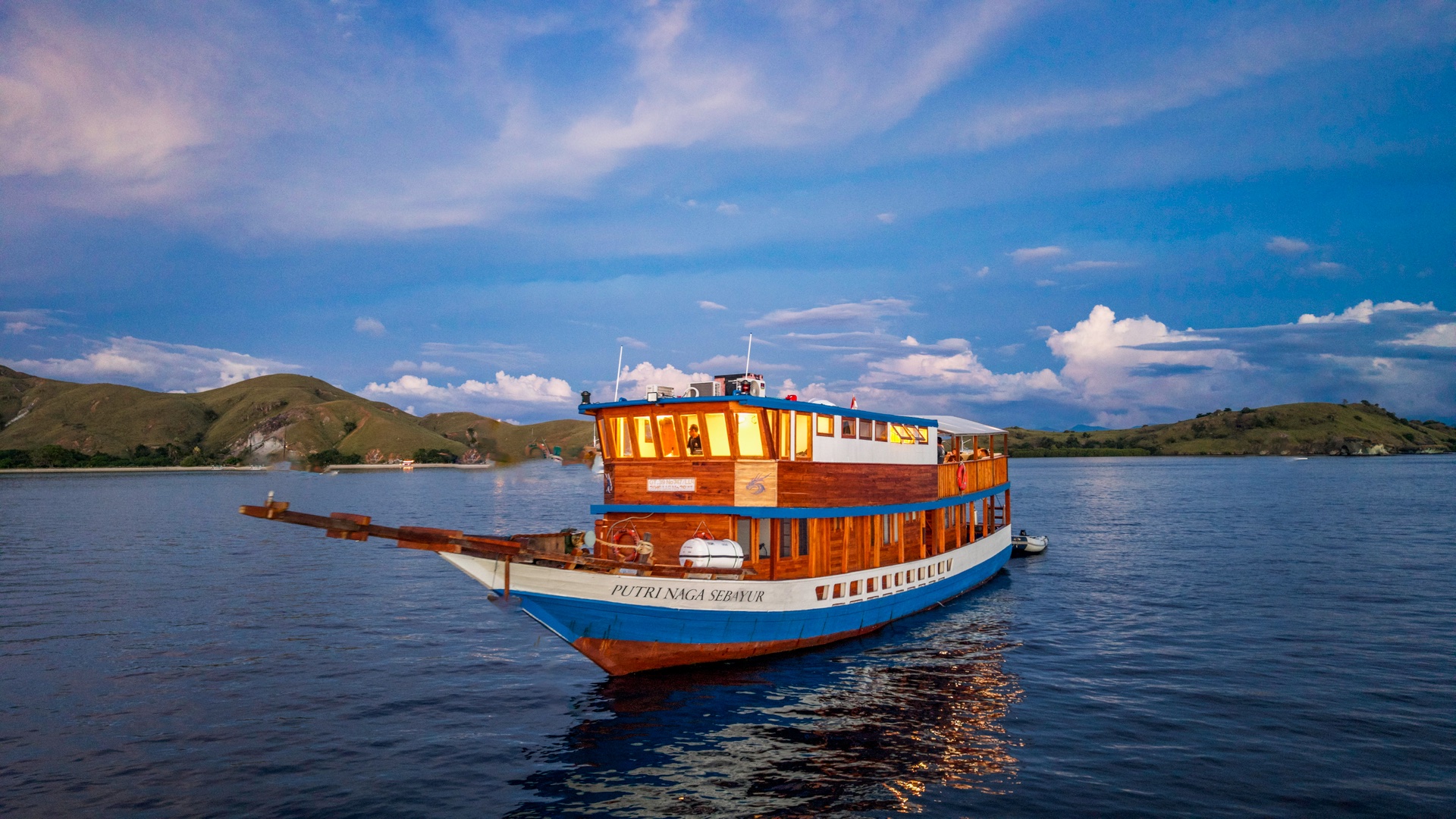
Putri Naga
Komodo, Indonesia
6 guests25 m
Dive sites similar to Mahi Mahi Point
Same character, same waters — six more sites divers love for the exact same reasons.Compare seasons, access and liveaboard routes — then pick the site that fits your trip best.
© Esri — Maxar, Earthstar, GIS
Adonara Wall
Indonesia
Adonara is an Indonesian island dive site, renowned for its vibrant underwater topography characterized by submerged seamounts.
- Suitable for
- Intermediate
- Current
- Strong
- Access
- Liveaboard or dayboat
- Depth
- 5–35 m
- Theme
- Seamount / Wall
Babylon is a captivating dive site located in the Alor Sea, renowned for its exceptional visibility and vibrant marine ecosystem.
- Suitable for
- Intermediate
- Current
- Strong
- Access
- Liveaboard or dayboat
- Depth
- 3–20 m
- Theme
- Reef / Wall
© Esri — Maxar, Earthstar, GIS
Shark Close
Indonesia
Shark Close is an exhilarating dive site in the Indonesian portion of Borneo, renowned for its strong currents and abundant marine life.
- Suitable for
- Advanced
- Current
- Strong
- Access
- Liveaboard or dayboat
- Depth
- 5–25 m
- Theme
- Channel / Drift
Wakatobi, an acronym for the islands of Wangi-Wangi, Kaledupa, Tomia, and Binongko, lies in Southeast Sulawesi, Indonesia, at the heart of the Coral Triangle.
- Suitable for
- Beginner
- Current
- No current
- Access
- Liveaboard only
- Depth
- 5–30 m
- Theme
- Wall / Reef
© Esri — Maxar, Earthstar, GIS
Raymond’s Point
Indonesia
Raymond's Point is a distinguished dive site located south of Mike's Point within the Bunaken National Marine Park, renowned for its dramatic vertical wall.
- Suitable for
- Advanced
- Current
- Strong
- Access
- Dayboat
- Depth
- 5–35 m
- Theme
- Reef / Wall
© Esri — Maxar, Earthstar, GIS
Manado Tua
Indonesia
Manado Tua, or 'Old Manado,' is one of five islands that form the Bunaken Marine Park, a celebrated marine protected area in North Sulawesi, Indonesia.
- Suitable for
- Intermediate
- Current
- Moderate
- Access
- Dayboat
- Depth
- 5–80 m
- Theme
- Wall / Drift