About Forgotten Wreck
The Banda Sea is one of Indonesia's most remote and rewarding dive destinations, often referred to as the "Forgotten Islands." This region, part of the legendary Spice Islands (Maluku), offers dramatic volcanic landscapes and some of the Indo-Pacific's most pristine marine ecosystems. Stretching approximately 600 miles east to west and 300 miles north to south, the Banda Sea lies at the heart of the Coral Triangle, boasting the highest marine biodiversity on the planet. Its remoteness ensures untouched reefs, crystal-clear visibility, and flourishing marine life, with no mass tourism. Diving here reveals a world of untouched coral walls, massive barrel sponges, and a high chance of encountering schooling pelagics. Many sites feature steep drop-offs adorned with impressive hard corals, huge sponges of all kinds, and pastel black coral bushes. The intense fish life includes tuna, Spanish mackerel, giant trevallies, and barracudas. A major highlight is the annual migration of schooling hammerhead sharks, especially around the southern islands. Other dive sites boast incredible critter life, particularly in Ambon Bay, and beautiful fringing reefs. The islands of Serua and Manuk are notable for their large populations of sea snakes. The nutrient-rich upwellings from Indonesia’s deepest ocean trench, plunging over 7,000 meters, feed this explosion of marine life. While currents are generally moderate on most dive sites in the Banda Sea, some locations can experience consistent currents. Dive operators monitor conditions closely and conduct current checks before each dive to ensure safety and optimal diving experiences. The region is best explored via liveaboard, as land-based diving is very limited. This destination is ideal for experienced divers seeking an adventure beyond the usual routes, offering a combination of raw, powerful underwater environments and rich cultural history.
Highlights
Schooling hammerhead sharksUntouched coral walls and reefsMassive barrel spongesVolcanic underwater landscapesAbundant pelagic fishSea snakes (Serua and Manuk)Pristine marine biodiversityHistorical Spice Islands
Season calendar
Best months to dive here
Jan
Feb
Mar
Apr
May
Jun
Jul
Aug
Sep
Oct
Nov
Dec
Excellent
Good
Off-Season
Sep – Nov (Sep–Nov)
Calmest seas and best visibility (25–30m). Hammerhead shark schools at their largest. Whale shark sightings increase. All liveaboard operators running Banda Sea expeditions.
Mar – May & Aug (Mar–May, Aug)
Transitional weather with generally good conditions. Visibility 18–25m. Fewer boats operating but still excellent diving.
Jun – Jul & Dec – Feb (Dec–Feb, Jun–Jul)
Monsoon brings rough seas, strong currents, and reduced visibility. Most operators do not run Banda Sea trips. Not recommended for diving.
Dive site facts: Forgotten Wreck
- Depth
- 5–30 m+
- Current
- Mild to strong
- Visibility
- 20–40 m
- Water temperature
- 25–28 °C
- Entry
- Liveaboard / Tender
- Level
- All levels, current experience beneficial
- Dive type
- Wall, drift, pelagic, reef
- Night dive
- Possible
- Region / port
- Banda Sea, Maluku Province
- Coordinates
- -7.0167, 131.35
Conditions & Currents
The Forgotten Wreck, situated in the Banda Sea, experiences variable currents that can range from gentle to very strong, largely influenced by the lunar cycle and specific topographical features. Currents are typically more pronounced in channels between islands and around seamounts, which act as conduits for nutrient-rich upwellings that attract abundant marine life. These dynamic conditions often lead to exhilarating drift dives, where divers are carried along by the flow, offering unique perspectives of the reef system. Surface entry with negative buoyancy might be necessary in stronger currents to quickly reach the shelter of the reef. Divers should be proficient in current diving techniques, including maintaining streamlining and conserving air. Visibility remains excellent, often 20-30 meters, even with significant current, though strong currents can sometimes stir up sediment near
Marine life & sighting chances

Hammerhead sharks
September-November · occasional
Mobula rays
occasional
Barracudas
common
Tuna
occasional

Sea turtles
common
Nudibranchs
common
Crustaceans
common
Sea snakes
occasional
Manta rays
occasional
Dolphins
occasional
Dive profile & how the dive runs
The Forgotten Wreck typically begins with a descent directly over the main wreck structure, which can extend to depths beyond 30 meters. Entry is usually via tender, often with a negative entry depending on current strength. Divers will initially explore the deeper sections, observing larger pelagics that frequent the open water around the wreck. The dive then proceeds as a gentle drift along the surrounding reef slope and walls, ascending gradually. The dive guide will lead the group, utilizing the current to cover significant distances and reveal various coral gardens and macro hideouts. Mid-dive, at around 15-20 meters, you will encounter diverse reef fish and smaller critters amongst the vibrant hard and soft corals. The turn point is determined by air consumption and current direction, typically signaled by the guide. The safety stop is conducted as part of the drift, often in the shallower parts of the reef (5-7 meters), ensuring a relaxed ascent before surfacing where the liveaboard or tender will be waiting for pickup.
Underwater photography
The exceptional visibility and diverse marine life at Forgotten Wreck make it an ideal location for underwater photography, particularly for wide-angle shots of schooling pelagics and vibrant coral landscapes. A wide-angle lens is recommended to capture the expansive reef structures and dynamic scenes with hammerheads or mobula rays. For macro enthusiasts, there are plenty of small critters, nudibranchs, and crustaceans, requiring a macro lens and good buoyancy control to avoid disturbing fragile habitats. Utilize external strobes to bring out the true colors of the corals and marine life, especially in deeper sections or on overcast days. Patience is key, especially when approaching pelagics, and maintaining a respectful distance is paramount to not stress the animals. Due to potential currents, stable camera handling and efficient finning techniques are important to secure your shots without compromising safety or reef integrity.
Combine with nearby dive sites
- Hatta Island Wall
Known for sloping reefs, large schools of fusiliers, and pelagic sightings including eagle rays and barracudas.
- Gunung Api Lava Flow
Famous for encounters with sea snakes and unique underwater topography formed by volcanic activity.
- Nil Desperandum
A seamount renowned for attracting large schools of hammerhead sharks.
- Banda Neira Jetty
Offers excellent macro diving opportunities for various small critters and unique species.
Getting there & logistics
Diving the Forgotten Wreck in the Banda Sea is exclusively done via liveaboard due to its remote location. The most common entry airport for Banda Sea itineraries is Ambon (AMQ), though some trips may depart from or conclude in Saumlaki (SXK). International flights usually land in Jakarta (CGK) or Bali (DPS), followed by domestic connections to these regional airports. Liveaboard trips typically range from 7 to 14 nights, covering a broad arc of the Forgotten Islands and Banda Sea. There are no fixed daily fees for diving at this specific site, as costs are integrated into the liveaboard package. Itineraries are carefully planned to maximize diving opportunities and minimize travel times between sites, often combining the Forgotten Wreck with other highlights like the sea snakes of Gunung Api or the hammerhead aggregations of Nil Desperandum. This ensures a comprehensive exploration of the region's diverse marine environments.
Safety & environment
Diving at the Forgotten Wreck, like all remote Banda Sea sites, requires careful safety planning. The nearest recompression chamber is likely in Ambon, which can be several days' travel by boat, emphasizing the importance of conservative dive practices and adequate dive insurance that covers emergency evacuation. Satellite communication is standard on liveaboards for urgent situations. Divers should be proficient in drift diving techniques, including maintaining proper buoyancy and managing air consumption in dynamic currents. Always carry an audible signaling device (whistle or air horn) and a visual signaling device (SMB/DSMB) for surface awareness and to aid boat pickup after surfacing. Due to the presence of larger pelagics, maintaining a respectful distance and avoiding erratic movements is advised. Always follow your dive guide's instructions, stick with your buddy, and report any equipment issues immediately to ensure a safe and enjoyable experience in this pristine but isolated environment.
Who it suits, and who it doesn't
Suited for
- Experienced divers comfortable with currents
- Underwater photographers seeking pelagic and macro subjects
- Divers interested in remote, pristine ecosystems
- Liveaboard enthusiasts
- Those seeking diverse marine life encounters
Less suited for
- Brand new open water divers
- Divers uncomfortable with drift diving
- Travelers prone to seasickness on liveaboards
- Divers on a tight budget
- Those expecting easily accessible shore dives
FAQ
Forgotten Wreck FAQ
What kind of currents can be expected at Forgotten Wreck?
The Forgotten Wreck experiences variable currents, ranging from mild to strong, depending on lunar cycles and specific location. These currents often create exhilarating drift dives, bringing in nutrient-rich waters that attract diverse marine life. Divers should be prepared for dynamic conditions and possess good current diving skills.
When is the best time to see hammerhead sharks?
The prime season for spotting schooling hammerhead sharks around the Forgotten Wreck and other Banda Sea sites is typically between September and November. During these months, conditions are favorable, and the pelagic action is often at its peak. However, sightings can occur outside this window.
What is the visibility like at this dive site?
Visibility at Forgotten Wreck is generally excellent, often ranging from 20 to 30 meters. On exceptional days, it can extend up to an impressive 40 meters. This pristine clarity is a hallmark of the Banda Sea, allowing for breathtaking underwater views and great photographic opportunities.
Is the Forgotten Wreck suitable for beginner divers?
While the Banda Sea offers sites for all levels, the Forgotten Wreck can sometimes have strong currents, making it more suitable for experienced divers. Less experienced divers should ensure they are comfortable with drift diving and follow their guide's instructions closely. Sheltered areas suitable for beginners are available elsewhere in the region.
How do I get to the Forgotten Wreck?
Access to the Forgotten Wreck is exclusively via liveaboard, as it is located in a remote part of the Banda Sea. Most liveaboard trips depart from or return to airports like Ambon (AMQ) or Saumlaki (SXK), which are reached by domestic flights from major Indonesian hubs like Jakarta or Bali.
What marine life can I expect to see beyond sharks?
Beyond hammerhead sharks, you can expect to encounter a wide array of marine life. This includes mobula rays, barracudas, tuna, and various reef fish. The healthy coral ecosystems also host abundant macro life like nudibranchs and crustaceans, along with sea turtles and occasional sea snakes.
Why dive Forgotten Wreck from a liveaboard?
Forgotten Wreck is one of Banda Sea's signature dive sites. A liveaboard sleeps you on the water and puts you in the water for three to four guided dives per day, including dawn and night dives that day-boat operators rarely offer. You skip the daily commute back to port and reach quieter, less-crowded sites in the same region on a single trip.
Below are the liveaboards that include Forgotten Wreck on their Banda Sea itineraries.
Liveaboards diving Forgotten Wreck
These liveaboards may visit Forgotten Wreck on selected itineraries, the exact dive sites depend on departure, weather and conditions.
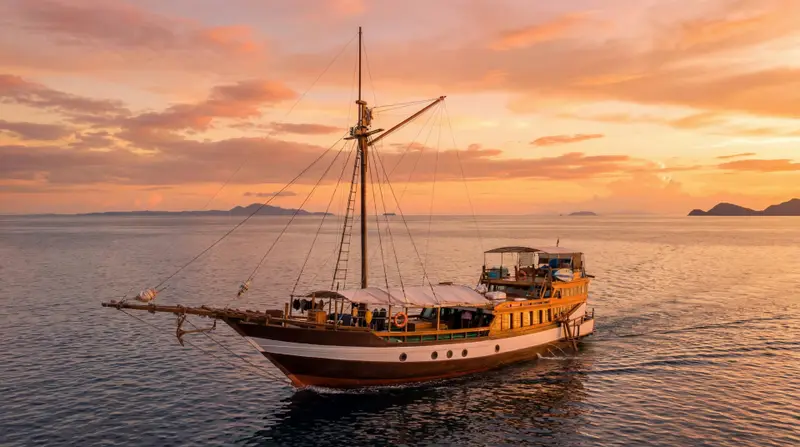
Wellenreng
Indonesia
9 guests25 m
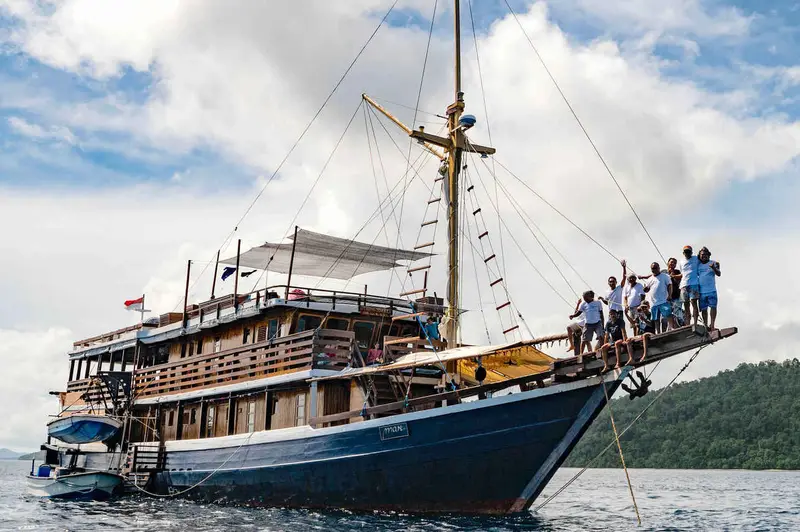
Mari
Indonesia
14 guests32 m
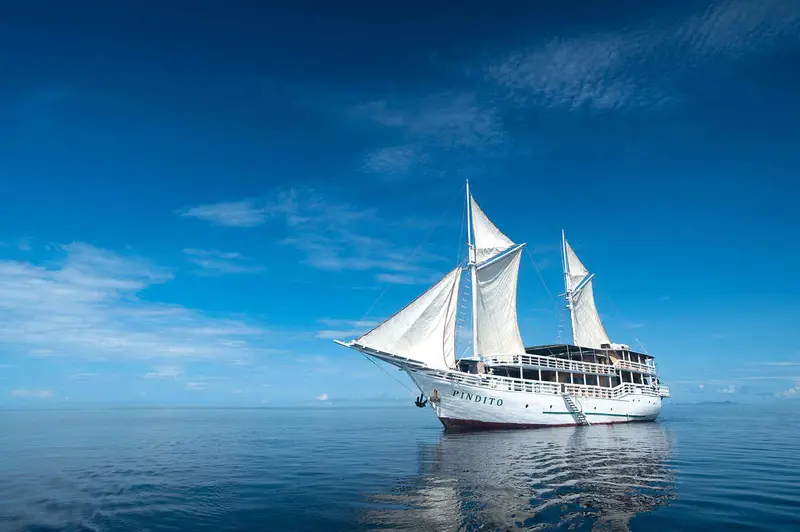
Pindito
Indonesia
16 guests38 m
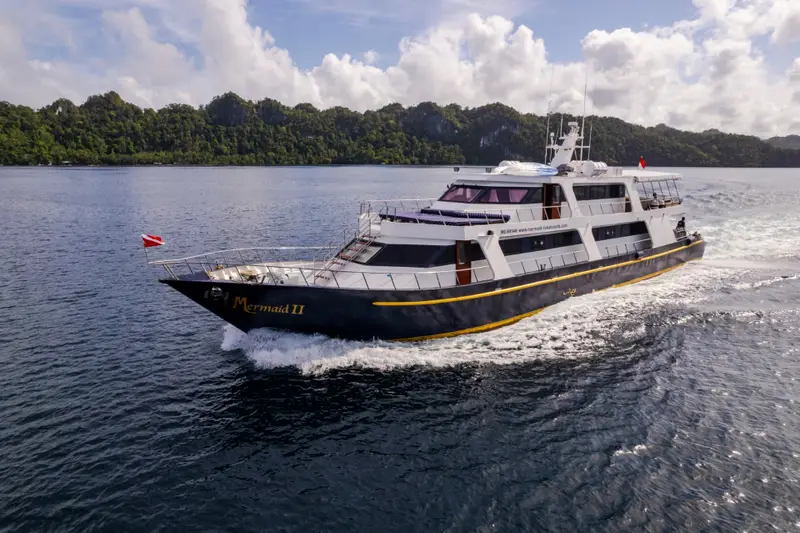
Mermaid II
Komodo, Indonesia
18 guests
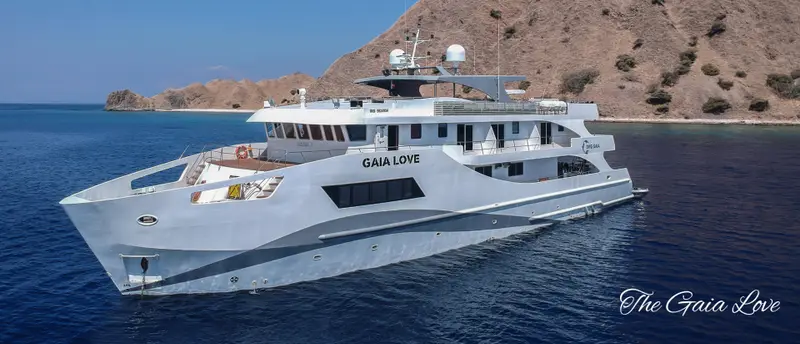
Gaia Love
Alor
20 guests
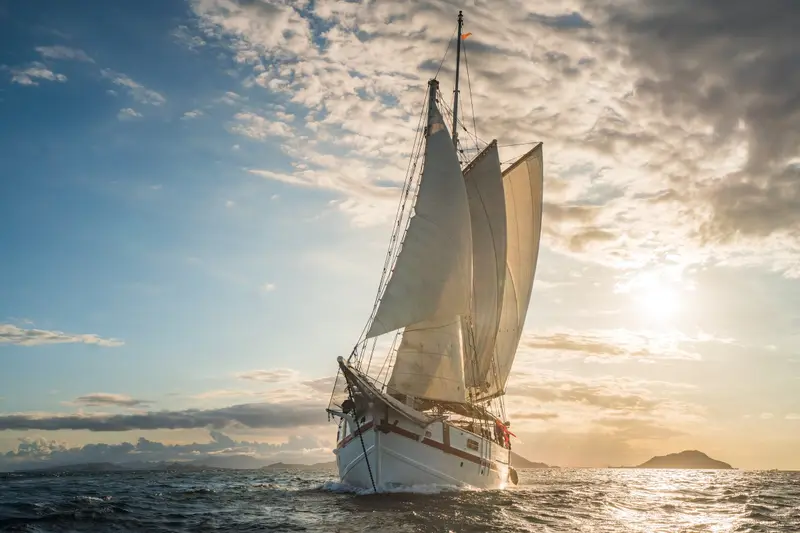
Emperor Raja Laut
Raja Ampat, Indonesia
12 guests31 m
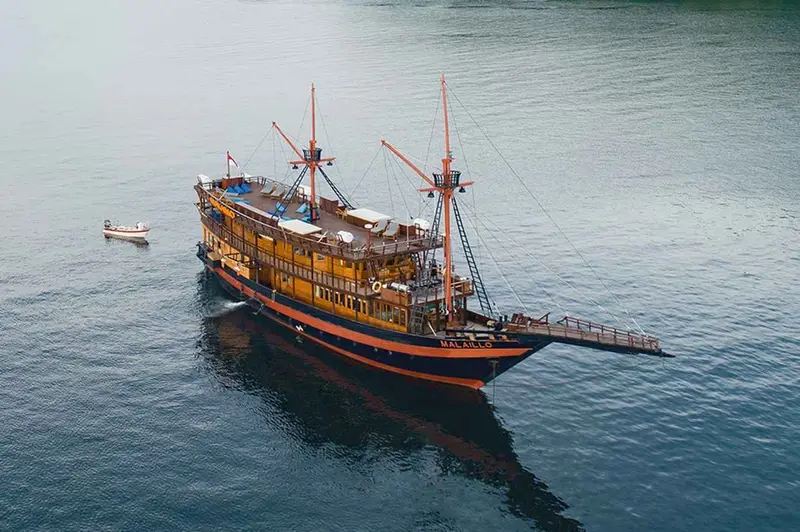
Malaillo
Indonesia
14 guests46 m
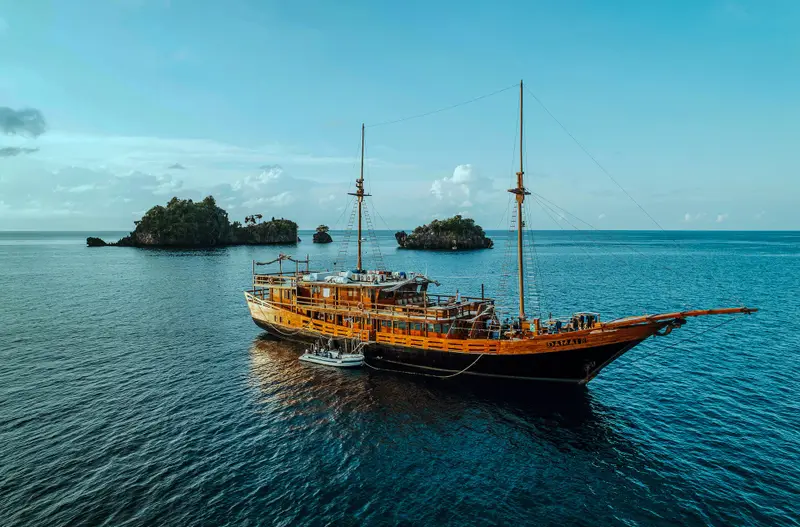
Damai II
Komodo, Indonesia
14 guests

DUNE Aurora
Indonesia
18 guests
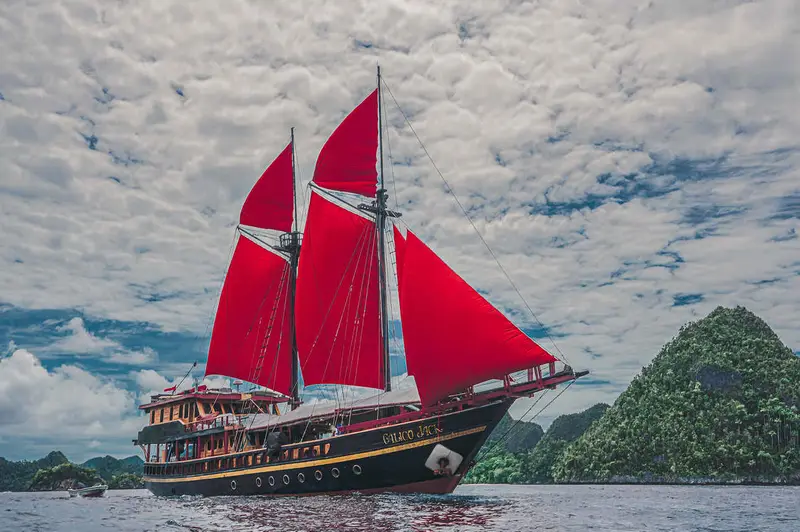
Calico Jack
Indonesia
10 guests30 m
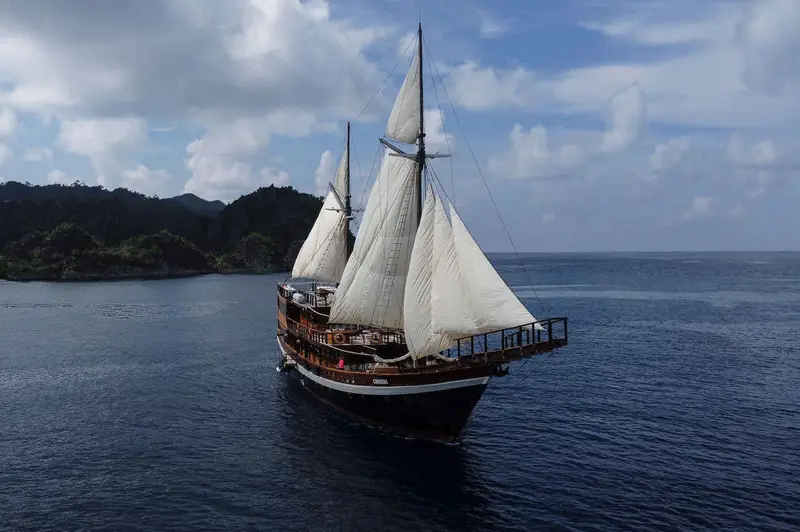
Coralia
Indonesia
16 guests48 m
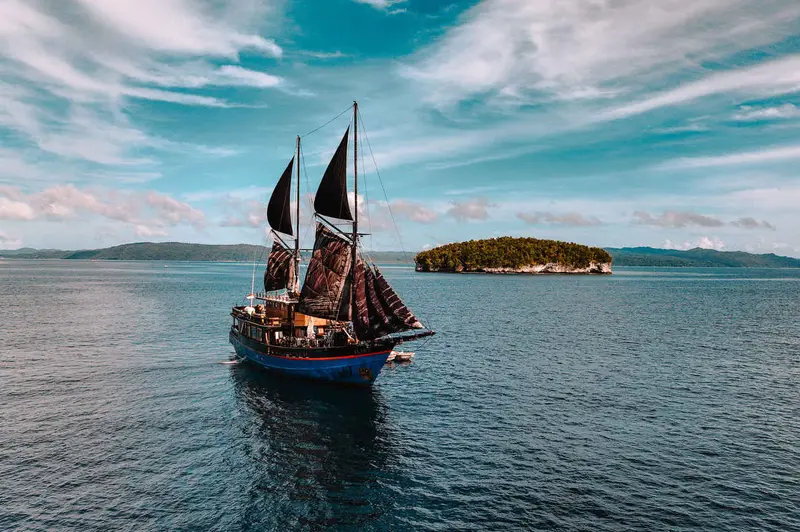
Ilike
Indonesia
16 guests40 m
Dive sites similar to Forgotten Wreck
Same character, same waters, six more sites divers love for the exact same reasons.Compare seasons, access and liveaboard routes, then pick the site that fits your trip best.
Abila is a notable dive site located within the Alor Islands Marine Park, an area celebrated for its rich marine biodiversity due to its position in the Coral Triangle.
- Suitable for
- Beginner
- Current
- Mild
- Access
- Liveaboard only
- Depth
- —
- Theme
- Reef
© EsriMaxar, Earthstar, GIS
Adonara Channel
Alor
Adonara Channel stands as one of Alor's most iconic dive sites, celebrated for its dynamic currents and exceptionally rich biodiversity.
- Suitable for
- Advanced
- Current
- Strong
- Access
- Liveaboard or dayboat
- Depth
- 10–40 m
- Theme
- Drift / Wall
© EsriMaxar, Earthstar, GIS
Adonara Wall
Indonesia
Adonara is an Indonesian island dive site, renowned for its vibrant underwater topography characterized by submerged seamounts.
- Suitable for
- Intermediate
- Current
- Strong
- Access
- Liveaboard or dayboat
- Depth
- 5–35 m
- Theme
- Seamount / Wall
© EsriMaxar, Earthstar, GIS
Agnay Fish Sanctuary
Philippines
Agnay Fish Sanctuary is nestled in a sheltered bay near the village of Agnay in Romblon, a province celebrated for its rich marine biodiversity.
- Suitable for
- Beginner
- Current
- Mild
- Access
- Dayboat
- Depth
- 9–18 m
- Theme
- Reef
© EsriMaxar, Earthstar, GIS
Ai Island Reef
Banda Sea
Ai Island Reef, nestled within the Banda Sea, offers a remarkable diving experience characterized by its rich marine biodiversity and varied underwater topography.
- Suitable for
- Beginner
- Current
- Strong
- Access
- Liveaboard only
- Depth
- 3–30 m
- Theme
- Reef / Seamount
© EsriMaxar, Earthstar, GIS
Akitsushima
Philippines
The Akitsushima is a distinguished World War II Japanese seaplane tender, sunk in September 1944 during an American air raid in Coron Bay, Palawan.
- Suitable for
- Advanced
- Current
- Strong
- Access
- Dayboat
- Depth
- 22–38 m
- Theme
- Wreck