About Angus's Aquarium
Angus's Aquarium is a highly regarded dive site within Roatan's extensive reef system, part of the Mesoamerican Barrier Reef. Roatan, the largest of the Bay Islands, is celebrated for its pristine waters and rich marine ecosystems, drawing divers year-round. The reef environment here showcases remarkable health, a result of dedicated conservation efforts by groups like the Roatan Marine Park. The site features a range of underwater topography, from vibrant coral gardens to walls and potentially sandy areas, supporting a wide array of marine species. Depths can vary, allowing for exploration at different levels, catering to various diving preferences. While specific details for "Angus's Aquarium" itself are not extensively covered in the sources, the general characteristics of Roatan diving apply: consistently warm water and excellent visibility. Divers can expect to encounter a healthy mix of Caribbean reef fish and larger pelagics depending on the season. The practical diving experience in Roatan typically involves short boat rides from shore to access numerous dive sites. Operations emphasize safety and comfort, with options for multiple dives daily. The relaxed conditions, including gentle currents and warm waters, make it an ideal location for both new and experienced divers to enjoy extended underwater exploration.
Highlights
Healthy coral reef systemDiverse marine inhabitantsExcellent year-round visibilityWarm Caribbean watersRelaxed dive conditions
Season calendar
Best months to dive here
Jan
Feb
Mar
Apr
May
Jun
Jul
Aug
Sep
Oct
Nov
Dec
Excellent
Dive site facts: Angus's Aquarium
- Depth
- 5–40 m
- Current
- Mild
- Visibility
- 18–40 m
- Water temperature
- 24–29 °C
- Entry
- Boat
- Level
- All levels
- Dive type
- Reef, wall, coral garden
- Night dive
- Possible
- Region / port
- Roatan, Bay Islands, Honduras
- Coordinates
- 16.3113° N, 86.5159° W
Conditions & Currents
Currents around Roatan's dive sites are generally mild, especially during the summer months when calm seas and low winds prevail. However, conditions can vary seasonally; winter months, particularly December through February, may bring stronger northern winds that can create choppier surface conditions on the north side of the island. When this occurs, dive operations often shift to the calmer south side. Visibility remains consistently good throughout the year, typically ranging from 18 to 30 meters or more, though heavy rains in the wet season (November-February) can temporarily reduce it due to stirred sediments. Divers can anticipate warm water temperatures, ranging from 24-29°C, with January sometimes seeing drops to 22°C, which may warrant a thicker wetsuit for comfort. The calm conditions generally present easy entry and exit, making for relaxed multi-dive days suitable for all le
Marine life & sighting chances
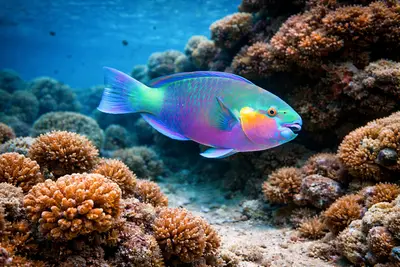
Parrotfish
Year-round · common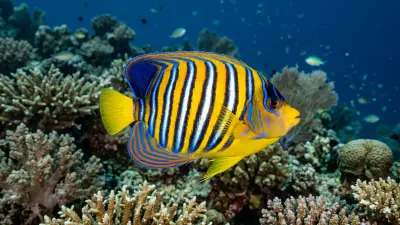
Angelfish
Year-round · common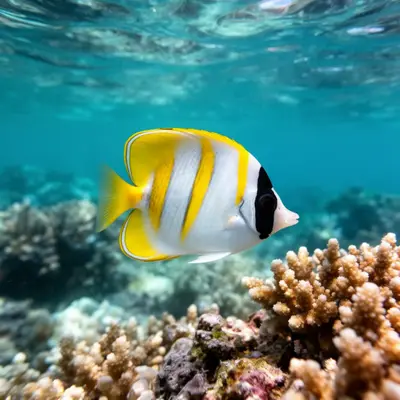
Butterflyfish
Year-round · common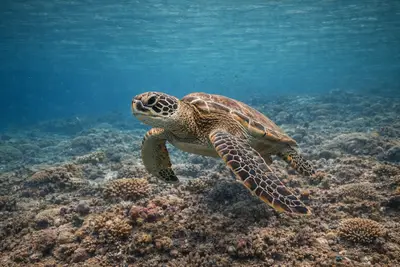
Green sea turtle
Year-round · common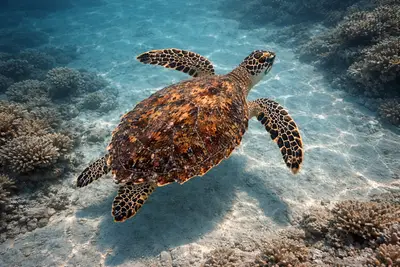
Hawksbill sea turtle
Year-round · common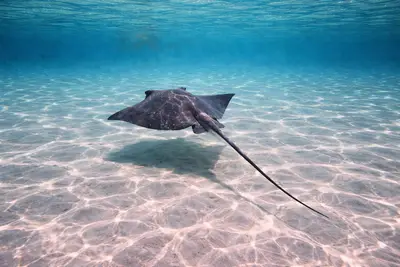
Southern stingray
Year-round · occasional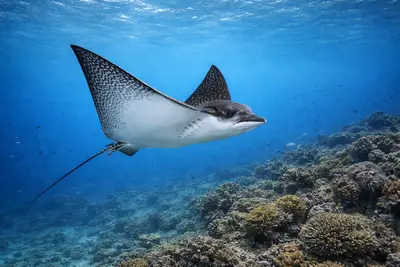
Spotted eagle ray
Year-round · occasional
Barracuda
Year-round · occasional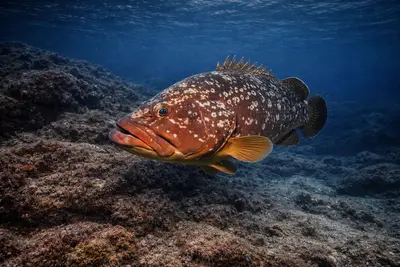
Grouper
Year-round · occasional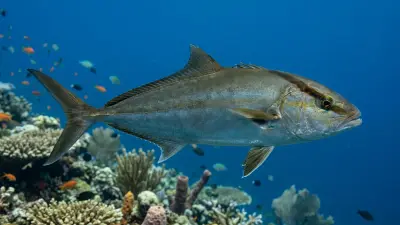
Jacks
Year-round · occasional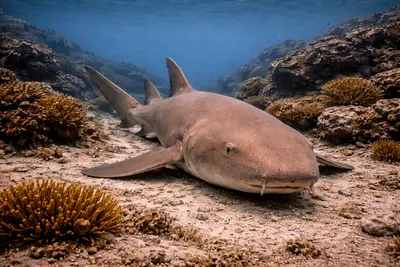
Nurse shark
Year-round · occasional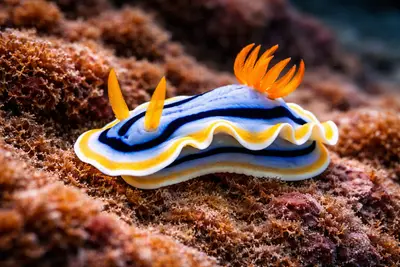
Nudibranch
Year-round · occasional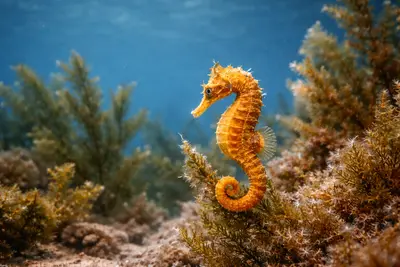
Seahorse
Year-round · occasional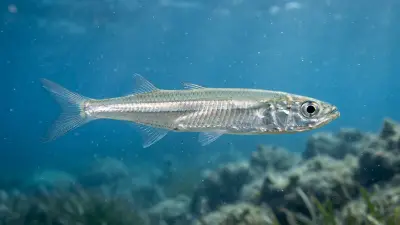
Silversides
June–July · commonDive profile & how the dive runs
A typical dive at sites like Angus's Aquarium in Roatan generally begins with a short boat ride from the dive center, given the reef's proximity to shore. Entry is usually a backward roll or giant stride from the boat. Divers then descend onto the reef, which often starts in shallow coral gardens and slopes gradually or drops off into walls. The dive profile typically follows the reef structure, exploring canyons, crevices, and swim-throughs. Guides lead divers along these features, pointing out macro life and larger fish. The average depth for many sites is between 12-25 meters, with maximum depths for recreational divers reaching around 30-40 meters. Turn points are determined by air consumption and no-decompression limits, after which divers gradually ascend, often spending the last part of the dive in shallower coral gardens. The safety stop is typically conducted at 5 meters for 3-5 minutes before a boat pick-up.
Underwater photography
Angus's Aquarium, like many Roatan dive sites, offers excellent opportunities for both wide-angle and macro photography due to its healthy corals, diverse topography, and abundant marine life. For wide-angle shots, a fisheye or wide-angle rectilinear lens is ideal to capture the expansive reef formations, walls, and schools of fish. Given the consistently good visibility, ambient light can often be sufficient in shallower areas, but strobes are recommended to bring out the true colors of the corals and fish. For macro subjects such as nudibranchs, seahorses, and shrimps, a dedicated macro lens is essential. Focus on controlled buoyancy to avoid disturbing delicate corals and marine life, as well as maintaining a safe distance from subjects. Patience is key to capturing marine behavior, and approaching subjects slowly will yield better results without stressing the animals.
Combine with nearby dive sites
- Hole in the Wall
Hole in the Wall is a celebrated dive site in Roatan, part of the extensive Mesoamerican Barrier Reef System, which is the second-largest…
- Coco Sea Mount
Coco Sea Mount is a distinctive offshore dive site near Roatan, characterized by its isolation and exposed blue-water environment.
- Black Coral Wall
Black Coral I and II are prominent dive sites within Cuba's renowned Jardines de la Reina marine reserve, an area celebrated for its…
- Mary’s Place
Mary's Place is a legendary dive site situated on the southeast side of Roatán, Honduras, renowned for its dramatic topography.
- Wreck of the Aguila
The Wreck of the Aguila, affectionately known as 'The Eagle,' is a 60-meter (200-foot) cargo ship purposefully sunk in 1997 to create an…
- Odyssey
The Odyssey is a significant artificial reef located off Roatan's northern coast in Honduras, deliberately sunk in 2002 after sustaining…
Getting there & logistics
Travelers typically reach Roatan by flying into Juan Manuel Gálvez International Airport (RTB). Dive resorts and operations are concentrated around West Bay and West End. Liveaboards, such as the Roatan Aggressor, depart from the Roatan Yacht Club & Marina for 7-night charters, with diving commencing the day after arrival. Most dive packages include 2-4 boat dives per day, tanks, weights, and often accommodation and meals at dive resorts. The short boat rides to dive sites allow for multiple dives daily with surface intervals back at shore. There are no specific park fees mentioned for general diving, but some specialized activities or day trips to outer islands may incur additional costs. Roatan's laid-back atmosphere and English-speaking population make it an easy destination for international visitors.
Safety & environment
Diving in Roatan is generally considered safe, with dive operations placing a strong emphasis on safety and comfort. It is highly recommended that all divers have comprehensive dive insurance covering medical emergencies and evacuation, as access to advanced medical facilities can be limited on the island. The nearest recompression chamber is located in Roatan itself. Divers should adhere strictly to dive briefings, particularly regarding depth limits, bottom times, and buddy procedures, as emergency evacuation can be a complex process. While currents are generally mild, conditions can change, especially during the wetter season, so maintaining good buoyancy control and situational awareness is crucial. Avoid touching marine life or corals to prevent injury to yourself and damage to the fragile reef ecosystem.
Who it suits — and who it doesn't
Suited for
- New divers and those seeking certification
- Experienced divers looking for relaxed multi-dive days
- Underwater photographers interested in varied subjects
- Families and mixed groups with snorkelers or non-divers
- Divers comfortable in warm water with mild currents
Less suited for
- Divers exclusively seeking large pelagic shark action
- Those who prefer strong drift dives with challenging currents
- Divers uncomfortable with boat-based diving
- Budget travelers during peak season (December-February)
- Individuals who dislike warm water temperatures or humidity
FAQ
Angus's Aquarium FAQ
When is the best time of year to dive Angus's Aquarium?
The ideal time to dive Angus's Aquarium and other Roatan sites is during the dry season, from March through October. This period offers the calmest seas, lowest winds, and exceptional visibility, often exceeding 30 meters. Water temperatures are also at their warmest, providing maximum comfort.
What kind of marine life can I expect to see at Angus's Aquarium?
Angus's Aquarium is part of a healthy reef system, so you can anticipate seeing a diverse array of Caribbean marine life. Common sightings include colorful parrotfish, angelfish, and butterflyfish, along with green and hawksbill sea turtles. You might also spot southern stingrays, eagle rays, barracuda, and various macro critters like nudibranchs and seahorses.
Are there strong currents at Angus's Aquarium?
Generally, currents around Roatan's dive sites, including Angus's Aquarium, are mild. However, conditions can vary seasonally, particularly during the winter months when northern winds can create choppier conditions on some parts of the island. Dive operators typically adapt by choosing calmer sites. Divers should always pay attention to the pre-dive briefing for specific current information.
What is the water temperature and visibility like at Angus's Aquarium?
Water temperatures at Angus's Aquarium range from 24-29°C (75-84°F) year-round, occasionally dropping to 22°C (72°F) in January. Visibility is consistently excellent, often between 18 to 30 meters (60-100 feet), and can extend to 36 meters (120 feet) or more during the dry season, offering clear views of the reef.
Is Angus's Aquarium suitable for new divers?
Yes, Angus's Aquarium, like many dive sites in Roatan, is well-suited for divers of all experience levels, including new divers. The generally calm conditions, mild currents, and warm, clear waters create a comfortable and enjoyable environment for learning and gaining experience. Dive operators in Roatan are known for catering to various skill levels.
Why dive Angus's Aquarium from a liveaboard?
Angus's Aquarium is one of Honduras's signature dive sites. A liveaboard sleeps you on the water and puts you in the water for three to four guided dives per day, including dawn and night dives that day-boat operators rarely offer. You skip the daily commute back to port and reach quieter, less-crowded sites in the same region on a single trip.
Below are the liveaboards that include Angus's Aquarium on their Honduras itineraries.
Liveaboards diving Angus's Aquarium
These liveaboards may visit Angus's Aquarium on selected itineraries — the exact dive sites depend on departure, weather and conditions.
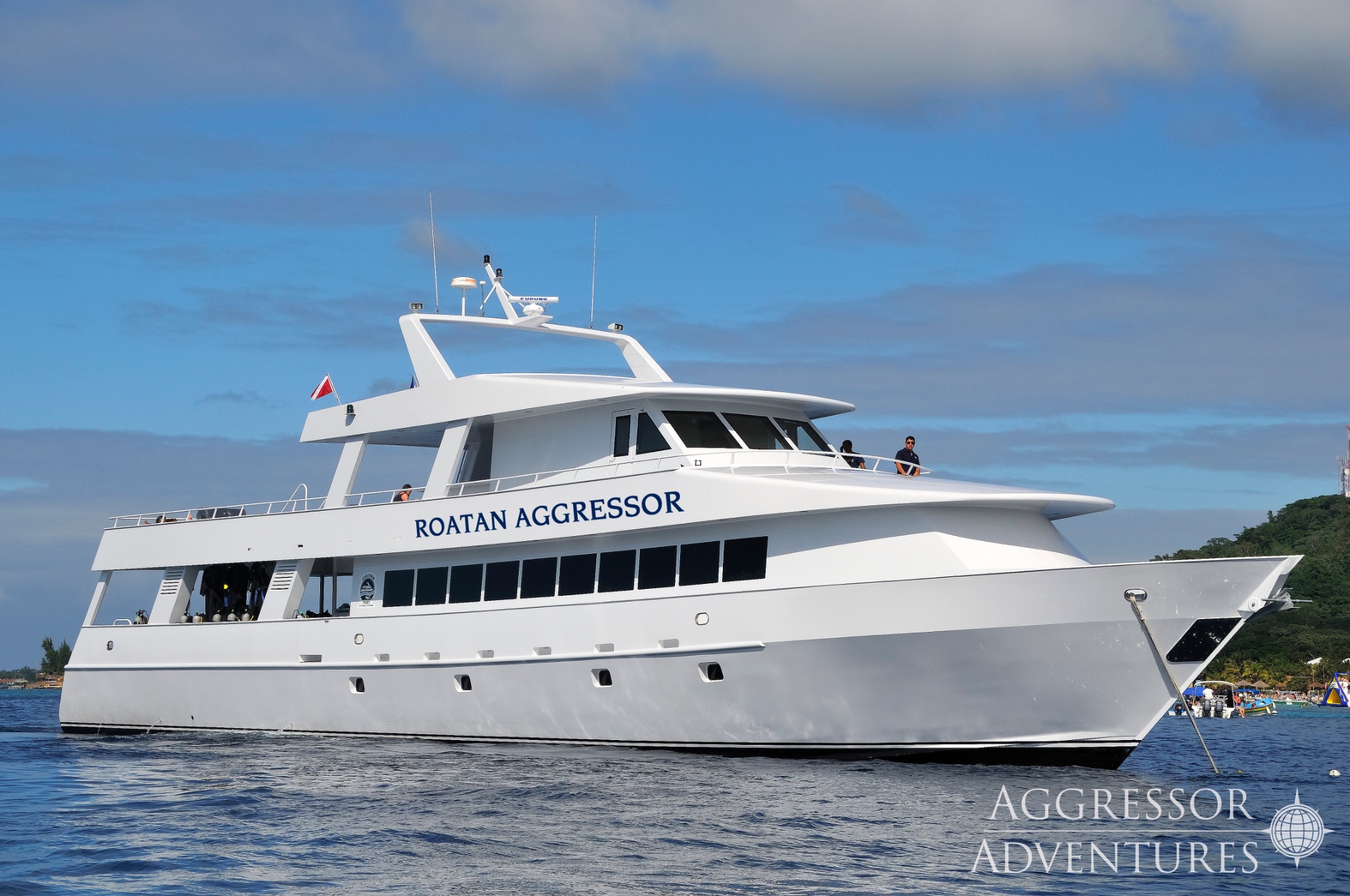
Roatan Aggressor
Honduras
18 guests31.1 m
$309/day
Dive sites similar to Angus's Aquarium
Same character, same waters — six more sites divers love for the exact same reasons.Compare seasons, access and liveaboard routes — then pick the site that fits your trip best.
Satoshi’s Grave
Honduras
Satoshi’s Grave is a distinctive wreck site located on the southern shore of Roatan, specifically the Wreck of Mr. Bud.
- Suitable for
- Beginner
- Current
- Moderate
- Access
- Liveaboard or dayboat
- Depth
- 18–18 m
- Theme
- Wreck / Reef
Butcher's Bank
Honduras
Butcher's Bank is a celebrated dive site in Roatan, Honduras, widely regarded as one of the island's most enjoyable locations, particularly for novice divers.
- Suitable for
- Beginner
- Current
- Mild
- Access
- Dayboat
- Depth
- 12–18 m
- Theme
- Reef
Wreck of the Aguila
Honduras
The Wreck of the Aguila, affectionately known as 'The Eagle,' is a 60-meter (200-foot) cargo ship purposefully sunk in 1997 to create an artificial reef within recreational diving limits.
- Suitable for
- Intermediate
- Current
- Mild
- Access
- Dayboat
- Depth
- 20–33 m
- Theme
- Wreck / Reef
Al's Garden
Honduras
Al's Garden is a notable dive site located in Roatan, part of Honduras's Bay Islands, a region renowned for its vibrant underwater topography and diverse marine ecosystems.
- Suitable for
- Intermediate
- Current
- Moderate
- Access
- Liveaboard or dayboat
- Depth
- 9–40 m
- Theme
- Reef
Aaron's Backyard
Honduras
Aaron's Backyard is a noted dive site within the Roatan Marine Park in Honduras, part of the extensive Mesoamerican Barrier Reef System.
- Suitable for
- Intermediate
- Current
- Moderate
- Access
- Liveaboard or dayboat
- Depth
- 9–40 m
- Theme
- Reef
Angie's
Honduras
Roatán, part of the Bay Islands of Honduras, offers a diverse underwater landscape situated along the Mesoamerican Barrier Reef System, which is the second largest barrier reef globally.
- Suitable for
- Intermediate
- Current
- Moderate
- Access
- Liveaboard or dayboat
- Depth
- 9–40 m
- Theme
- Reef