About Willaurie Wreck
The Willaurie Wreck, located in the southwestern waters of New Providence, Nassau, Bahamas, is a prominent dive site with a fascinating history. This 130-foot inter-island mail and freight boat initially sank in 1988 after breaking free during a storm and later, after an attempt to refloat it, settled permanently on its keel. The wreck is renowned for its incredible coral growth, particularly on a cage structure on its deck, where soft corals have formed a dense and colorful display. The stern's prop area further dazzles with a vibrant kaleidoscope of reds, oranges, purples, and greens, making it a must-see feature for divers exploring the site. Beyond the main wreck, off its starboard side, lie the scattered remnants of a Haitian sloop that sank years ago. Although largely disintegrated, these fragments add another layer of interest to the dive, offering additional areas to explore. Divers can search around engine blocks for inhabitants like the spotted drum, which has made its home there. The Willaurie's structure has maintained its integrity over time, providing a safe and engaging environment for various marine life to flourish, including colorful coral species and small reef creatures. Positioned a safe distance from the formidable Tongue of the Ocean drop-off, the Willaurie Wreck is accessible to a wide range of divers. Its historical significance, combined with its thriving ecosystem, has earned it appearances in films, television, and numerous dive publications. The site offers a consistently good dive experience for both beginners and advanced divers, with calm conditions generally prevailing due to its protected location.
Highlights
BarracudaGroupersMoray eels
Season calendar
Best months to dive here
Jan
Feb
Mar
Apr
May
Jun
Jul
Aug
Sep
Oct
Nov
Dec
Excellent
Good
Dive site facts: Willaurie Wreck
- Depth
- Approximately 18–25 m
- Typical dive
- 18–25 m, 35–45 min
- Current
- Mild to moderate
- Visibility
- 24–30 m
- Water temperature
- 22–29°C
- Entry
- Boat
- Level
- Open Water Diver
- Dive type
- Wreck, reef, photography
- Night dive
- Possible, conditions permitting
- Region / port
- New Providence, Nassau
- Coordinates
- 24.995, -77.49
Conditions & Currents
Currents at the Willaurie Wreck are generally manageable, reflecting the typical conditions around New Providence where strong currents are not the norm. However, local tidal changes and proximity to the Tongue-Of-The-Ocean can occasionally introduce mild to moderate flows. Visibility is consistently excellent, often reaching 24-30 meters, largely due to the deep oceanic trench nearby which quickly sweeps away stirred-up sediments after any stormy weather. Divers should be prepared for potential gentle drift, making controlled entry and exit techniques advisable. The clarity ensures clear sightlines for navigation and marine life spotting, contributing to a relaxed dive profile.
Marine life & sighting chances

Green sea turtle
occasional
Grunt
common
Goatfish
common
Blackbar soldierfish
occasional
Grey reef shark
occasionalReef shark
occasional
Eel
occasional
Tropical fish
commonDive profile & how the dive runs
Diving the Willaurie Wreck typically begins with a descent directly onto the wreck from a dive boat. The wreck rests on a sand bottom, allowing for easy navigation around its structure. Divers usually explore the exterior first, observing the coral growth and marine life that have colonized the vessel. A common route involves circling the main deck and superstructure, paying close attention to schools of grunts and other tropical fish seeking shelter. The depth of approximately 18-25 meters provides ample time for exploration before gradually ascending. The dive often concludes with a slow, controlled ascent along the wreck, completing a safety stop before surfacing.
Underwater photography
The Willaurie Wreck offers excellent opportunities for wide-angle and macro photography due to its clear waters and diverse inhabitants. For capturing the full scale of the wreck, a wide-angle lens is ideal. Consider bringing external strobes to illuminate the wreck's interior and bring out the vibrant colors of the corals and fish. For macro subjects like nudibranchs or small crustaceans hiding within the wreck, a macro lens will be beneficial. Maintaining excellent buoyancy is crucial to avoid stirring up sediment and to protect the delicate marine growth on the wreck. Be mindful of your fin kicks and approach marine life slowly to capture natural behavior.
Combine with nearby dive sites
- Runway Wall
Runway Wall, located off New Providence (Nassau), offers an exceptional dive experience, featuring a dramatic drop-off that begins at 12…
- The Vulcan Bomber
The Vulcan Bomber, a fiberglass mock-up used in the James Bond film "Thunderball," offers a unique and accessible dive experience off New…
- Tears of Allah
A wreck used in a James Bond film.
Getting there & logistics
Access to the Willaurie Wreck typically involves flying into Lynden Pindling International Airport (NAS) in Nassau, New Providence. Most dive operators in Nassau, such as Stuart Cove's Dive Bahamas, offer trips to this site. Liveaboards operating in the Bahamas may also include this wreck in their itineraries, often departing from Nassau or Freeport. Trip durations vary, with many liveaboard options ranging from 7 to 10 nights, often combining wreck dives with shark encounters, blue holes, and reef exploration. Marine and port fees are typically payable onboard liveaboards, ranging from 140-190 USD per person for 7-10 night trips.
Safety & environment
Diving at the Willaurie Wreck requires adherence to standard safety protocols. It is mandatory for all divers to have insurance covering scuba diving activities, including emergency evacuation and recompression chamber costs. The nearest recompression chamber is located in Nassau, New Providence, ensuring prompt medical attention if required. While currents are generally mild, divers should be aware of changing conditions and communicate any concerns to their dive guide. All divers should maintain proper buoyancy to avoid contact with the wreck and its marine life, preventing damage and potential injuries from sharp edges or fire coral. Dive briefings, conducted in English, will outline specific site hazards and emergency procedures. Ensure you have the appropriate certification level for wreck diving, as Advanced Open Water certification is recommended for optimal enjoyment of Bahamas dives.
Who it suits — and who it doesn't
Suited for
- Open Water certified divers
- Wreck enthusiasts
- Underwater photographers
- Divers interested in artificial reefs
- Marine life observers
Less suited for
- Absolute beginner divers (recommend some prior experience)
- Divers unwilling to follow specific wreck diving protocols
FAQ
Willaurie Wreck FAQ
What kind of wreck is the Willaurie?
The Willaurie Wreck is a purpose-sunk vessel that serves as an artificial reef. It was deliberately placed to create a new habitat for marine life and has since become a thriving ecosystem, attracting a diverse array of fish and corals.
What is the visibility like at the Willaurie Wreck?
Visibility at the Willaurie Wreck is consistently excellent, often ranging from 24 to 30 meters (80 to 100 feet). The clear waters are characteristic of the Nassau area, largely due to the nearby deep oceanic trench that helps clear sediments quickly.
What marine life can I expect to see at the Willaurie Wreck?
Divers frequently encounter schools of grunts, various tropical fish, and occasionally green sea turtles and grey reef sharks. The wreck also provides shelter for eels and smaller creatures, making it a vibrant site for marine observation.
Is the Willaurie Wreck suitable for beginner divers?
The Willaurie Wreck is generally suitable for Open Water certified divers due to its accessible depth and manageable currents. However, having some prior diving experience is recommended to fully enjoy the wreck exploration and navigate comfortably around the structure.
How deep is the Willaurie Wreck?
The Willaurie Wreck typically rests at a depth of approximately 18 to 25 meters (about 60 to 80 feet). This depth allows for good bottom time, enabling divers to thoroughly explore the wreck's features and surrounding marine life.
Why dive Willaurie Wreck from a liveaboard?
Willaurie Wreck is one of Bahamas's signature dive sites. A liveaboard sleeps you on the water and puts you in the water for three to four guided dives per day, including dawn and night dives that day-boat operators rarely offer. You skip the daily commute back to port and reach quieter, less-crowded sites in the same region on a single trip.
Below are the liveaboards that include Willaurie Wreck on their Bahamas itineraries.
Liveaboards diving Willaurie Wreck
These liveaboards may visit Willaurie Wreck on selected itineraries — the exact dive sites depend on departure, weather and conditions.
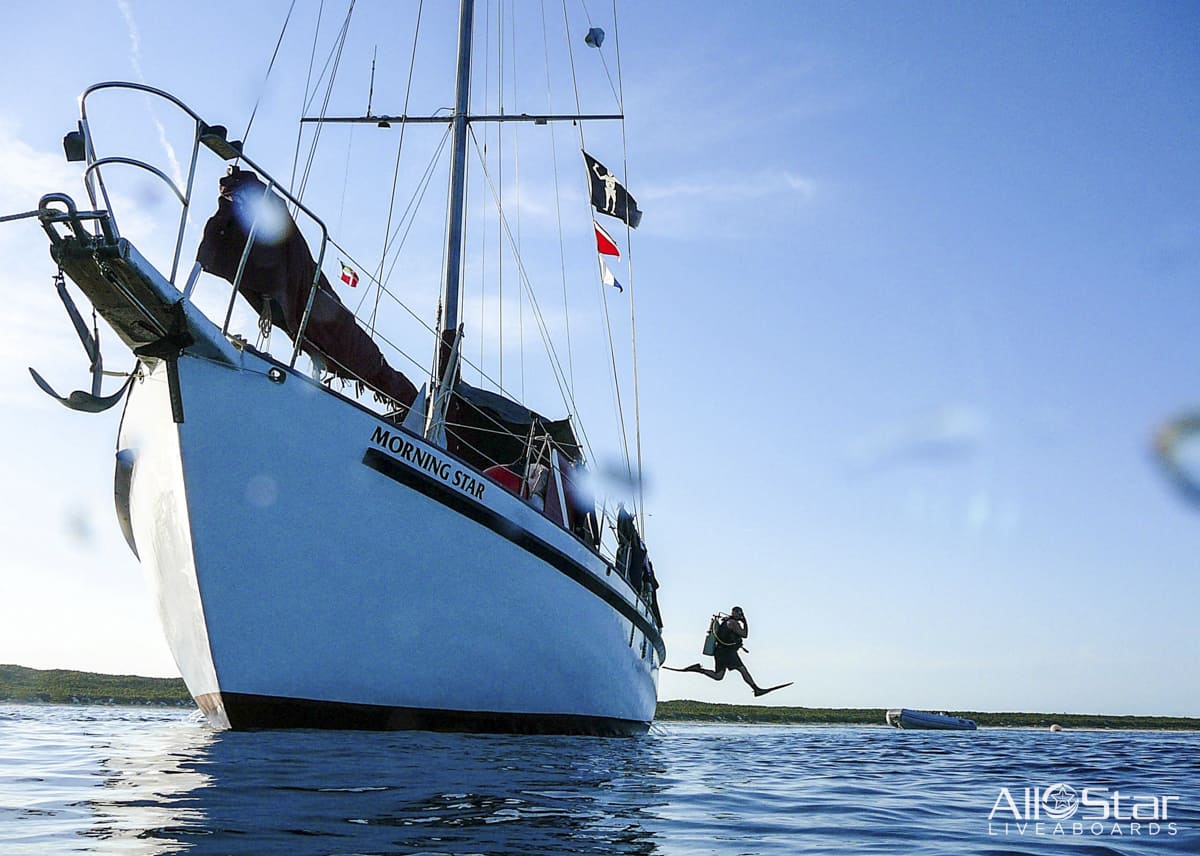
All Star Blackbeards Morning Star
Bahamas
24 guests19.81 m
$156/day
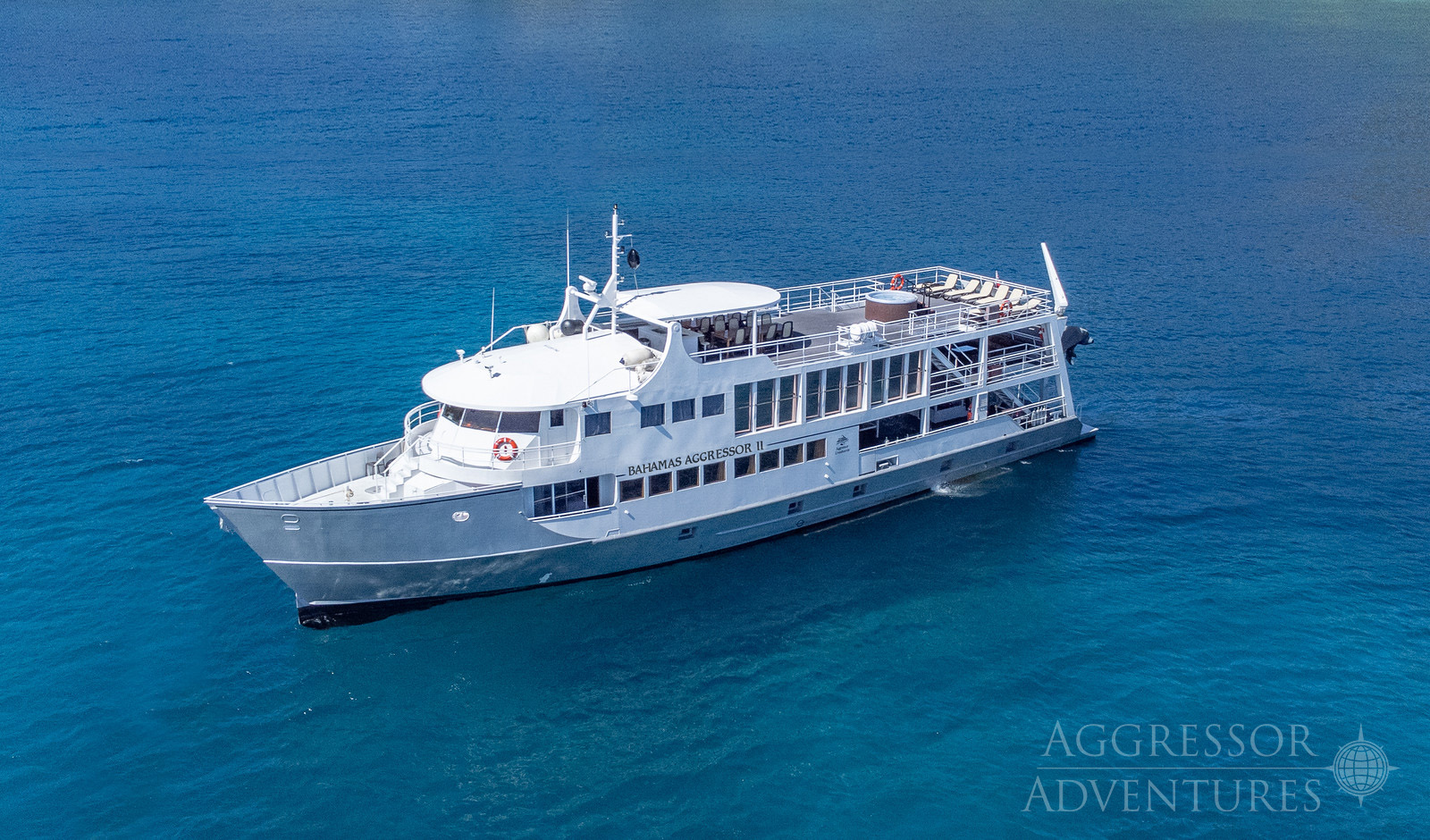
Bahamas Aggressor II
Bahamas
20 guests33.5 m
$328/day
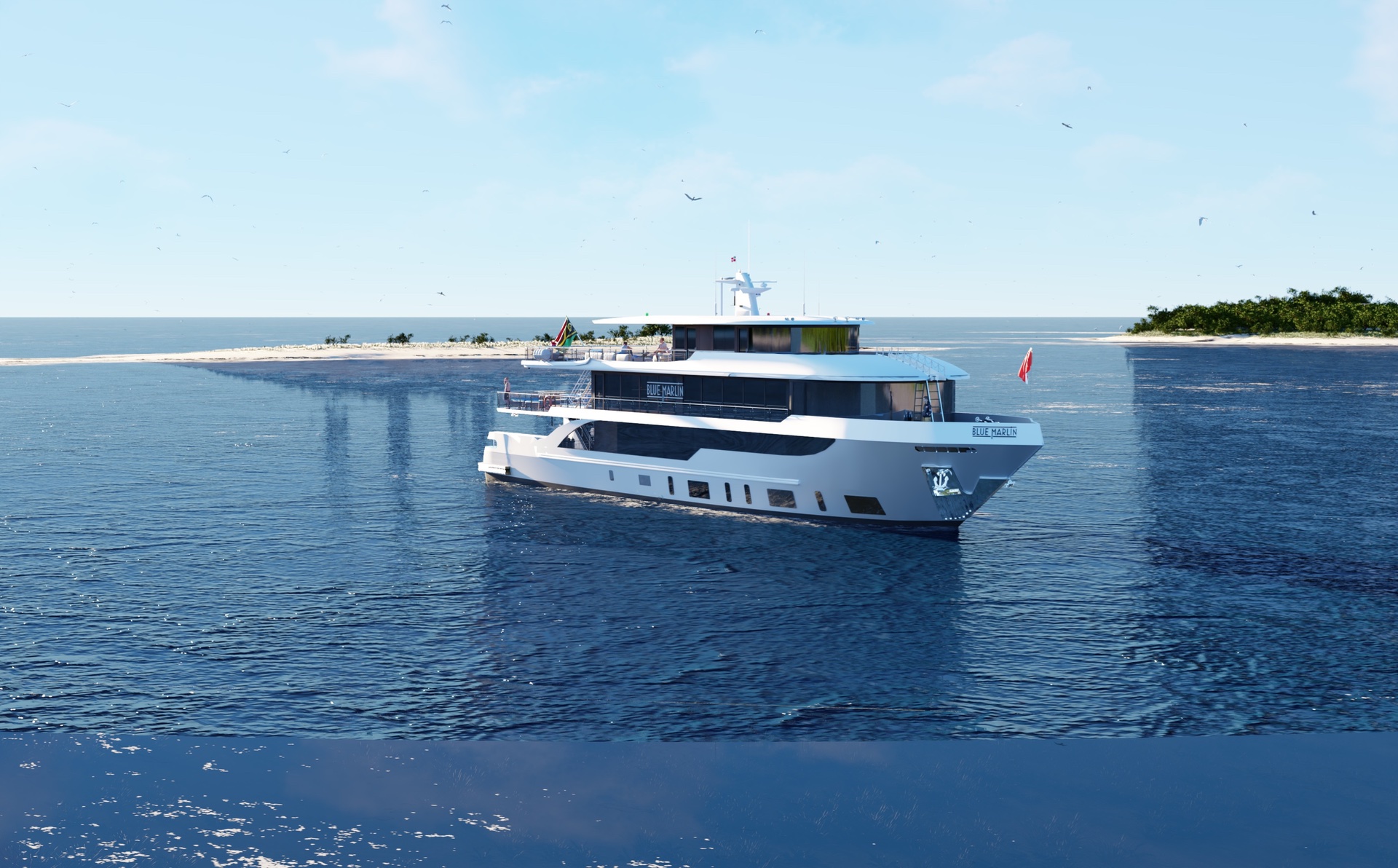
Blue Marlin
Bahamas
26 guests42 m
$318/day
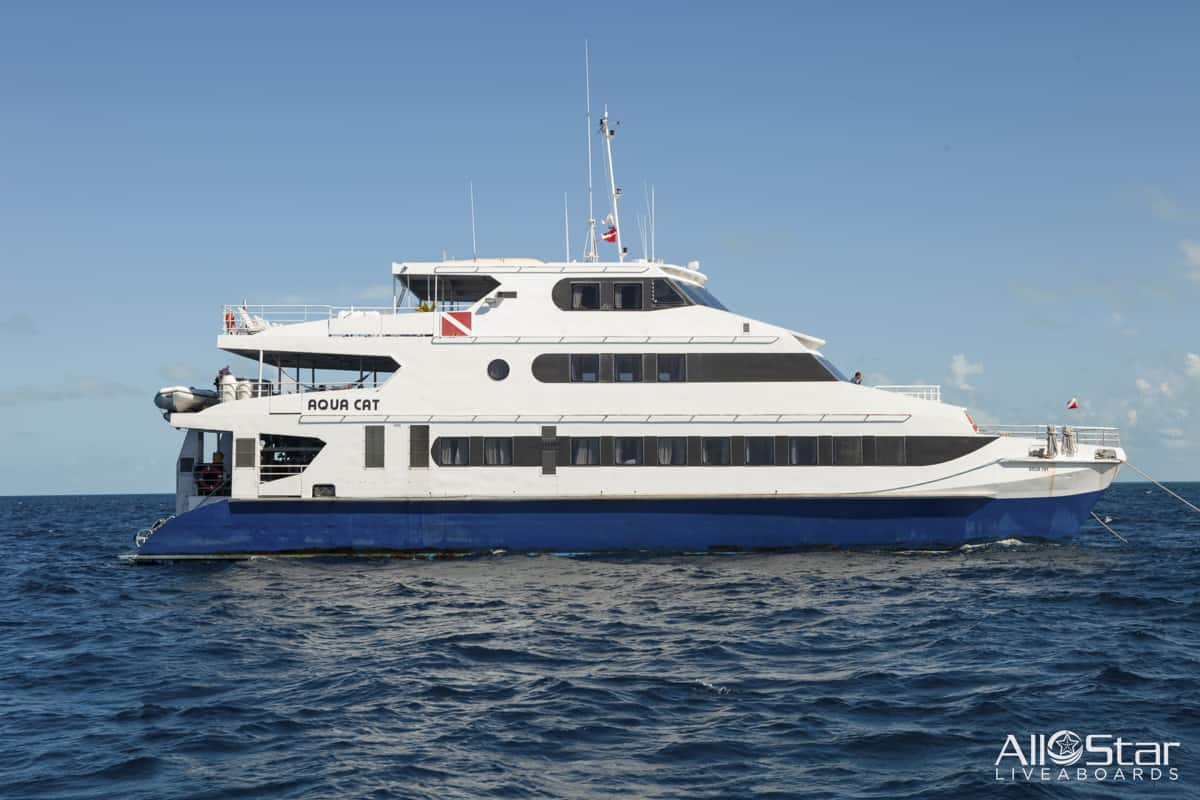
All Star Aqua Cat
Bahamas
30 guests31.09 m
$312/day
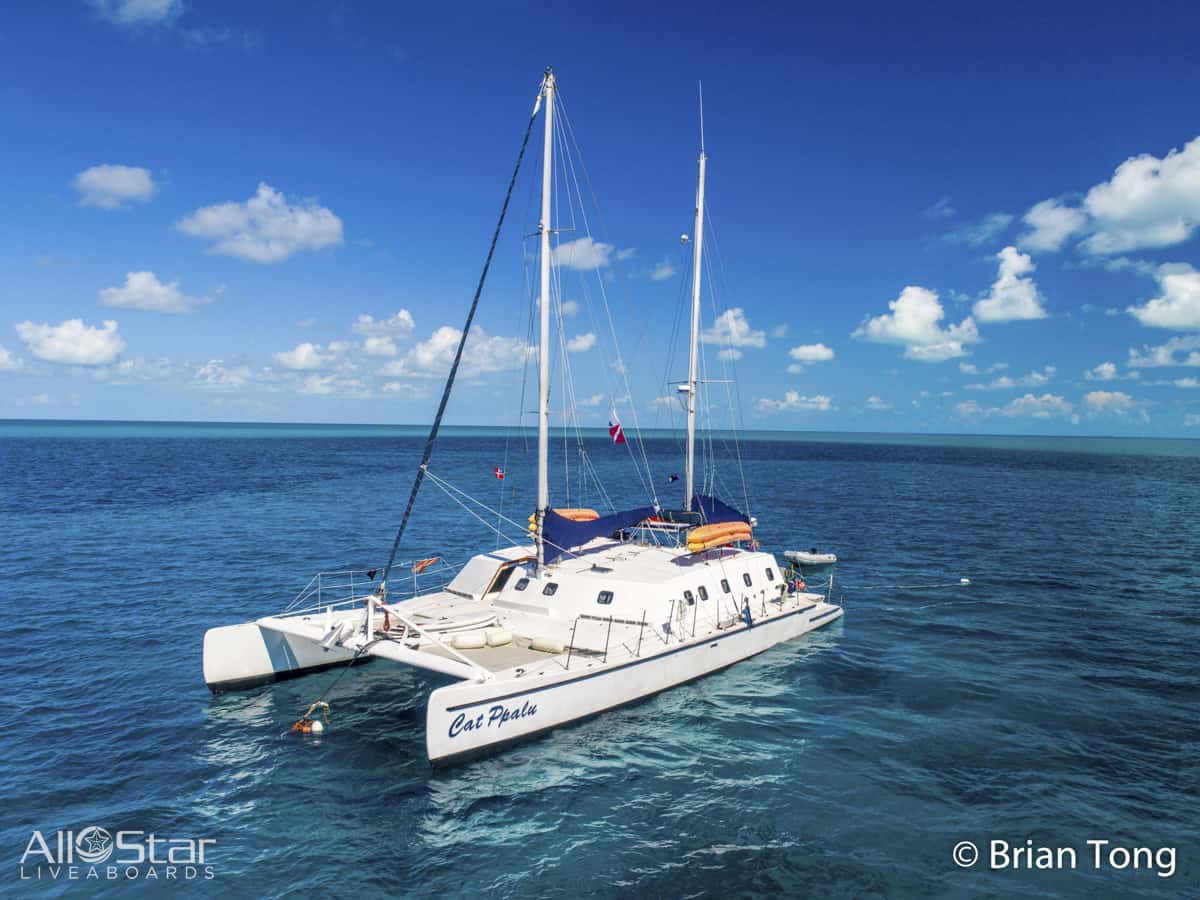
All Star Cat Ppalu
Bahamas
12 guests20 m
$237/day
Dive sites similar to Willaurie Wreck
Same character, same waters — six more sites divers love for the exact same reasons.Compare seasons, access and liveaboard routes — then pick the site that fits your trip best.
© Esri — Maxar, Earthstar, GIS
Columbus Point
Bahamas
Columbus Point, situated off Cat Island in the Bahamas, stands out as an advanced dive destination renowned for its dramatic wall diving along one of the region's most untouched reef systems.
- Suitable for
- Advanced
- Current
- Strong
- Access
- Dayboat
- Depth
- ≤ 40 m
- Theme
- Wall / Drift
© Esri — Maxar, Earthstar, GIS
Cut Through City
Bahamas
Cut Through City is a standout dive site located off the coast of Eleuthera in the Bahamas, a region renowned for its diverse underwater topography.
- Suitable for
- Intermediate
- Current
- Mild
- Access
- Liveaboard only
- Depth
- 27–40 m
- Theme
- Wall / Reef
© Esri — Maxar, Earthstar, GIS
The Bimini Barge
Bahamas
The Bimini Barge is a prominent wreck dive located on the extreme northwestern edge of the Great Bahama Bank, just a short distance from the deep wall and the powerful Gulf Stream currents.
- Suitable for
- Intermediate
- Current
- Moderate
- Access
- Liveaboard or dayboat
- Depth
- 30–30 m
- Theme
- Wreck / Drift
© Esri — Maxar, Earthstar, GIS
Twin Sister Wrecks
Bahamas
The Twin Sister Wrecks offer a compelling paired wreck dive experience off New Providence, presenting two small tanker hulls that rest at differing depths.
- Suitable for
- Intermediate
- Current
- Mild
- Access
- Dayboat
- Depth
- 13–30 m
- Theme
- Wreck
© Esri — Maxar, Earthstar, GIS
Tongue of the Ocean Wall
Bahamas
The Tongue of the Ocean Wall, located off New Providence near Nassau, represents a spectacular natural phenomenon—a deep oceanic trench that stretches for 120 miles and plunges to depths of 6,000 feet.
- Suitable for
- Advanced
- Current
- Strong
- Access
- Liveaboard or dayboat
- Depth
- 18–52 m
- Theme
- Wall