About Toau - Anse Amyot
Anse Amyot, located in the Toau Atoll of French Polynesia, is celebrated as a prime dive destination within the Tuamotu archipelago. This site is particularly favored by liveaboard vessels, offering pristine conditions away from more crowded areas. Divers here can expect remarkable encounters with a rich diversity of marine life, including numerous shark species, which thrive in the nutrient-rich currents of the pass. The topography features gentle slopes leading to deeper coral formations, accommodating various dive profiles. The atoll's clear waters provide excellent visibility, enhancing the experience of exploring both the outer reef and the dynamic pass. This area is a haven for both large pelagics and intricate reef ecosystems. Seasonal variations influence the exact species present, but the overall marine biodiversity remains consistently high, making each dive unique. Practical diving here involves careful planning around the strong tidal currents within the pass, which dictate optimal dive times for safety and marine life encounters. Most dives are drift dives, allowing divers to effortlessly glide past spectacular underwater scenery. Anse Amyot is often incorporated into longer itineraries that explore multiple Tuamotu atolls, providing a comprehensive French Polynesian dive adventure.
Highlights
Shark-filled drift divesPristine coral gardensAbundant pelagic speciesExceptional water clarityRemote, uncrowded diving
Season calendar
Best months to dive here
Jan
Feb
Mar
Apr
May
Jun
Jul
Aug
Sep
Oct
Nov
Dec
Excellent
Good
Off-Season
May – Oct (Dry Season)
Best visibility up to 40m. Humpback whales Jul–Nov. Shark wall at Fakarava peaks Jun–Jul (grouper spawning). Ideal conditions.
Feb – Apr & Nov (Transition)
Improving/declining conditions. Still good diving, occasional rain. Fewer tourists, good value.
Dec – Jan (Wet/Cyclone Season)
Peak wet season with reduced visibility, rough seas possible. Cyclone risk. Some operators still run trips to Rangiroa and Fakarava.
Dive site facts: Toau - Anse Amyot
- Depth
- 5–30 m
- Typical dive
- 15–25 m, 45–60 min
- Current
- Strong (tidal dependent)
- Visibility
- 30+ m
- Water temperature
- 26–29°C
- Entry
- Liveaboard / Tender, negative entry
- Level
- Advanced, current experience essential
- Dive type
- Drift dive, pelagic encounters, coral reef
- Night dive
- Possible
- Region / port
- Tuamotu Atolls
- Coordinates
- -15.8833, -145.9667
Conditions & Currents
Diving in Anse Amyot's pass is characterized by significant tidal currents, which can be very strong during incoming and outgoing tides. These currents necessitate careful planning and execution of drift dives, often requiring negative entries to quickly descend to the desired depth. Slack tide offers a more relaxed experience and opportunities for static observation of marine life congregating in calmer areas. Visibility remains consistently excellent, often exceeding 30 meters, even with strong currents. Divers must be proficient in buoyancy control and comfortable with drift diving techniques. Briefings will emphasize entry and exit procedures, as well as maintaining group cohesion in dynamic water. Thermoclines are generally not a significant concern, but divers should be prepared for potential minor temperature variations.
Marine life & sighting chances

Grey Reef Shark
common
Blacktip Reef Shark
common
Eagle Ray
occasional
Manta Ray
occasional
Humpback Whale
August-October · rare
Napoleon Wrasse
common
Schools of Snapper
common
Schools of Barracuda
common
Green Sea Turtle
occasional
Moray Eel
commonDive profile & how the dive runs
Dives at Anse Amyot typically begin with a negative entry from a tender, dropping quickly to depth to avoid being swept past the entry point by the strong currents. The dive often follows the incoming or outgoing current through the pass, allowing divers to drift effortlessly along vibrant coral slopes and encounter large schools of fish and pelagic predators. Depths usually range from 15 to 25 meters, where the most active marine life is observed. Divers will typically turn when air consumption dictates, or when the current shifts, then ascend slowly along the reef wall. The safety stop is performed in shallower, calmer waters, often clinging to a designated line from the tender or finding a sheltered spot, before surfacing for pickup.
Underwater photography
To capture the dynamic marine life of Anse Amyot, wide-angle lenses are essential for encompassing large schools of fish and the numerous sharks in the pass. External strobes are highly recommended to bring out the true colors of the coral and subjects in the clear, but often deep, waters. Due to strong currents, photographers should prioritize stable buoyancy and be prepared for quick adjustments to maintain position and compose shots. Patience is key, as conditions can change rapidly. Remember to maintain a respectful distance from marine life, especially the sharks, and avoid any actions that might disturb their natural behavior or the delicate coral ecosystems.
Combine with nearby dive sites
- North Pass - Fakarava
Renowned for its 'wall of sharks' and strong drift dives.
- South Pass - Fakarava
Famous for massive aggregations of grey reef sharks, often combined with North Pass.
- Tiputa Pass
A high-energy pass in Rangiroa known for dolphins, sharks, and pelagic action.
- Tetamanu - Grouper Wall
A specific site within Fakarava known for seasonal grouper spawning aggregations.
- Tikehau - Tuheiava Pass
Offers excellent opportunities for pelagic encounters in another Tuamotu atoll.
Getting there & logistics
Access to Toau - Anse Amyot is predominantly via liveaboard cruises, as it is a remote atoll within the Tuamotu archipelago. The main international gateway to French Polynesia is Faa'a International Airport (PPT) in Papeete, Tahiti. From Papeete, divers typically board a domestic flight to a larger Tuamotu atoll like Fakarava or Rangiroa, where liveaboards often begin their itineraries. Trip lengths for these liveaboard excursions vary, but usually range from 7 to 10 nights, allowing for exploration of multiple dive sites across several atolls, including Toau. No specific dive permits or fees beyond the liveaboard cost are generally required for diving at Anse Amyot.
Safety & environment
Diving at Anse Amyot, especially within its strong currents, demands adherence to strict safety protocols. Divers must possess advanced certification and extensive experience in drift diving. It is crucial to always follow the dive guide's instructions, maintain proper buoyancy, and stay within designated depth limits. The nearest recompression chamber is located in Papeete, Tahiti, which means evacuation in case of a serious dive emergency can be lengthy and complex. Comprehensive dive insurance, including coverage for emergency medical evacuation and recompression, is therefore absolutely mandatory. All divers should have a personal surface marker buoy (SMB) and know how to deploy it.
Who it suits — and who it doesn't
Suited for
- Advanced divers with current experience
- Liveaboard enthusiasts
- Underwater photographers seeking pelagic action
- Divers comfortable with drift techniques
- Those seeking remote, pristine dive sites
Less suited for
- Beginner divers or those without drift experience
- Divers uncomfortable with strong currents
- Individuals prone to seasickness on liveaboards
- Those who prefer resort-based diving
FAQ
Toau - Anse Amyot FAQ
What kind of marine life can I expect at Anse Amyot?
Anse Amyot is renowned for its vibrant pelagic action, with frequent sightings of Grey Reef Sharks, Blacktip Reef Sharks, and occasional Hammerheads. You can also expect to see large schools of Snapper and Barracuda, as well as Eagle Rays and Manta Rays. Turtles and Napoleon Wrasse are common residents of the coral reefs.
Is Anse Amyot suitable for beginner divers?
Due to the strong and sometimes unpredictable currents within the pass, Anse Amyot is best suited for advanced divers with considerable experience in drift diving. Beginner divers may find the conditions challenging and potentially overwhelming. We recommend building experience in calmer sites before attempting this dive.
How do I get to Anse Amyot?
Anse Amyot is located in the remote Toau Atoll, accessible primarily via liveaboard charters. These typically depart from major hubs like Fakarava or Rangiroa, which can be reached by domestic flights from Papeete, Tahiti. There are no direct commercial flights or regular ferry services to Toau.
What are the typical diving conditions at Anse Amyot?
Diving at Anse Amyot features excellent visibility, often exceeding 30 meters, and warm water temperatures ranging from 26-29°C. Currents can be very strong, especially during tidal changes, necessitating drift diving techniques. Dives usually range from 15 to 25 meters, exploring the rich marine life within the pass.
Are there any specific safety precautions I should take?
Beyond general dive safety, it's crucial to be proficient in drift diving and always follow your dive guide's instructions. A personal surface marker buoy (SMB) is essential for every diver. Due to the remote location, comprehensive dive insurance covering emergency medical evacuation is mandatory.
Why dive Toau - Anse Amyot from a liveaboard?
Toau - Anse Amyot is one of French Polynesia's signature dive sites. A liveaboard sleeps you on the water and puts you in the water for three to four guided dives per day, including dawn and night dives that day-boat operators rarely offer. You skip the daily commute back to port and reach quieter, less-crowded sites in the same region on a single trip.
Below are the liveaboards that include Toau - Anse Amyot on their French Polynesia itineraries.
Liveaboards diving Toau - Anse Amyot
These liveaboards may visit Toau - Anse Amyot on selected itineraries — the exact dive sites depend on departure, weather and conditions.
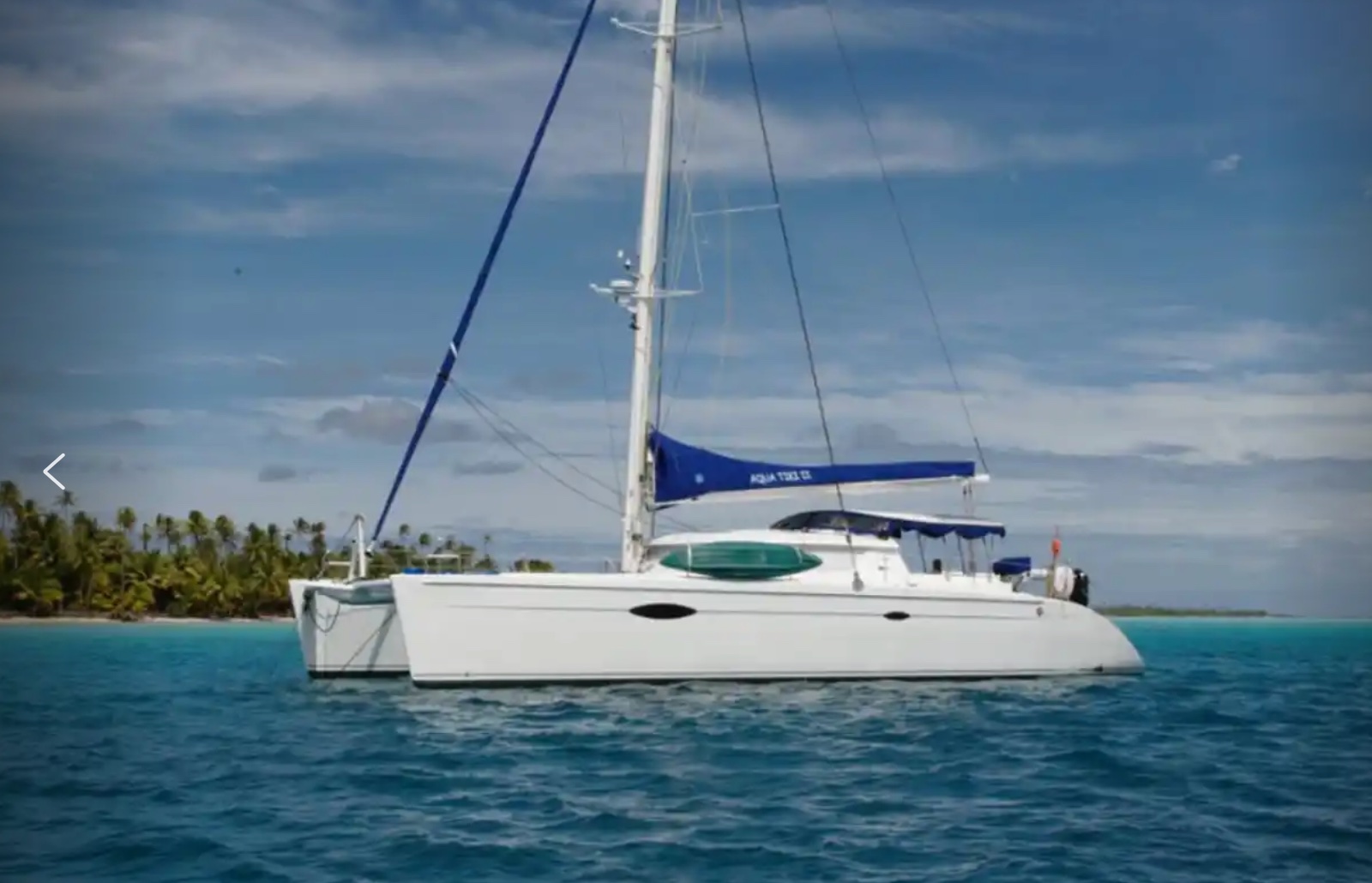
Aqua Tiki II
French Polynesia
8 guests
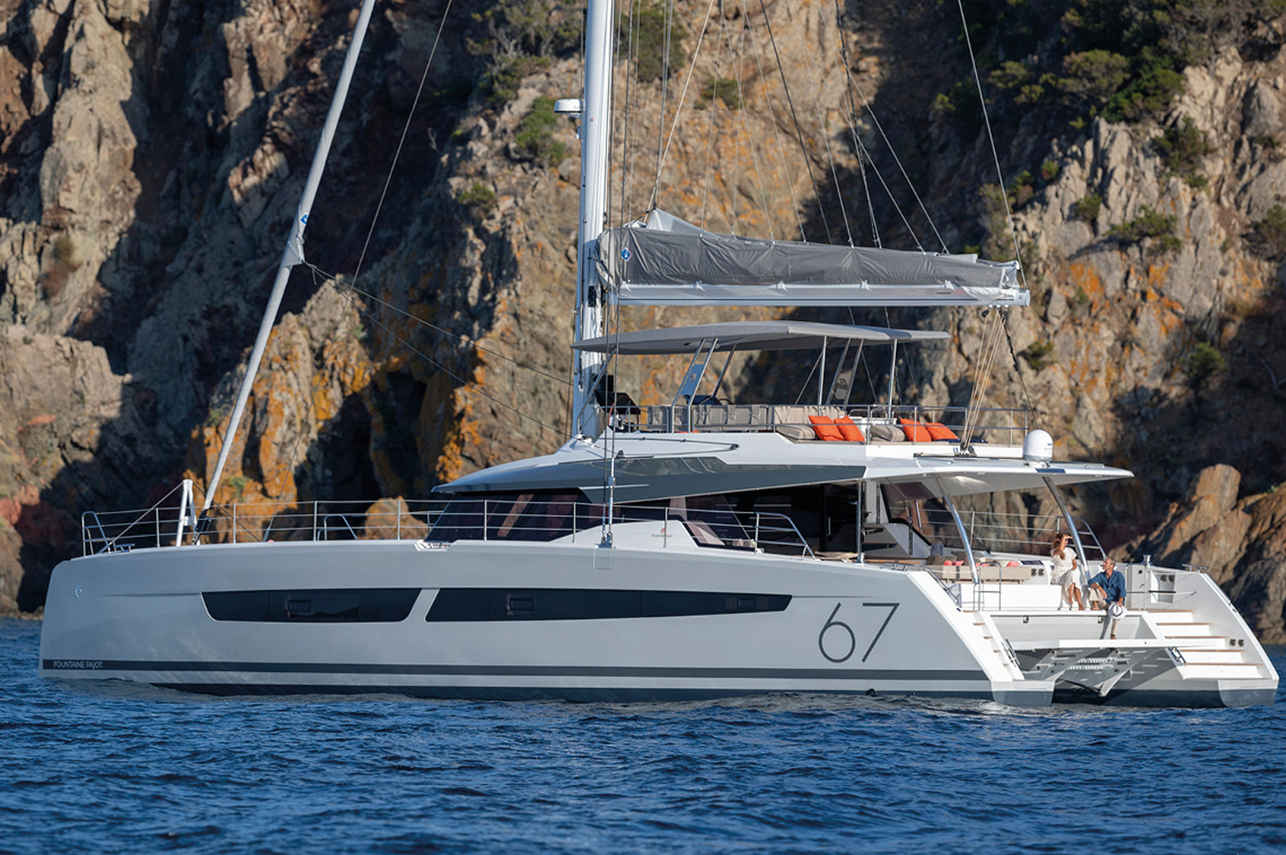
Aqua Tiki III
French Polynesia
10 guests20 m
Dive sites similar to Toau - Anse Amyot
Same character, same waters — six more sites divers love for the exact same reasons.Compare seasons, access and liveaboard routes — then pick the site that fits your trip best.
© Esri — Maxar, Earthstar, GIS
Agincourt Reef
Australia
Agincourt Reef sits on the outer edge of the Great Barrier Reef, roughly 60–72 km off Port Douglas in Far North Queensland, at the southern end of the true ribbon reefs that run…
- Suitable for
- Beginner
- Current
- Moderate
- Access
- Dayboat
- Depth
- 2–20 m
- Theme
- Reef / Wall
Ahe Atoll, a remote and authentic destination in French Polynesia, offers a dive experience deeply intertwined with its local pearl farming community.
- Suitable for
- Advanced
- Current
- Strong
- Access
- Liveaboard or dayboat
- Depth
- 5–22 m
- Theme
- Channel / Drift
© Esri — Maxar, Earthstar, GIS
Alacrity Shoal
Fiji
Alacrity Shoal is a premier dive site in Fiji, renowned for its spectacular drift diving opportunities and rich marine biodiversity.
- Suitable for
- Advanced
- Current
- Strong
- Access
- Liveaboard or dayboat
- Depth
- 12–40 m
- Theme
- Drift / Seamount
Alibaba is a renowned drift dive located within the Garuae Pass in northern Fakarava, a UNESCO Biosphere Reserve in the Tuamotu Archipelago.
- Suitable for
- Intermediate
- Current
- Strong
- Access
- Liveaboard only
- Depth
- 5–30 m
- Theme
- Reef
© Esri — Maxar, Earthstar, GIS
Aliko Reef
Micronesia
Aliko Reef is a prominent dive site within Yap, Micronesia, characterized by a captivating underwater topography that blends a mini-wall with an expansive coral plateau.
- Suitable for
- Intermediate
- Current
- Mild
- Access
- Dayboat
- Depth
- 6–15 m
- Theme
- Reef / Wall
© Esri — Maxar, Earthstar, GIS
Amity Point
Australia
Amity Point is a popular shore diving destination located at the northwestern tip of North Stradbroke Island, within the protected waters of Moreton Bay.
- Suitable for
- Beginner
- Current
- Moderate
- Access
- Shore / dayboat
- Depth
- 5–15 m
- Theme
- Reef