About Tanjung Nore
The Banda Sea, home to Tanjung Nore, is a remote and pristine region within Indonesia's Maluku Province, stretching approximately 600 miles east to west and 300 miles north to south. Its isolation from heavy human activity and fishing pressure ensures healthy coral ecosystems and a rich, diverse marine life, making it an exceptional liveaboard diving destination within the Coral Triangle. The area is characterized by deep-water bathymetry, with dive sites typically rising from depths of 4,500 to 6,000 meters to within 5 to 30 meters of the surface, creating a pelagic-focused diving experience. The topography includes steep walls, pinnacles, and fringing reefs, many formed by the region's volcanic activity. These unique geological features, combined with nutrient-rich upwellings, attract a wide array of marine species from macro critters to large pelagics. Visibility is consistently excellent, often ranging from 20 to 30 meters, and can extend up to 40 meters on ideal days, providing clear views of the vibrant underwater landscape. Diving at Tanjung Nore and similar sites in the Banda Sea offers dynamic conditions, from mild to strong currents, which are dependent on lunar cycles and specific locations. These currents deliver nutrients, supporting large schools of fish and attracting apex predators, including migrating hammerhead sharks. Liveaboards are the sole means to access these remote sites, ensuring an uncrowded and immersive diving experience.
Highlights
Schooling hammerhead sharksPristine coral reefsDiverse pelagic encountersExcellent visibilityRemote volcanic seamountsVaried current conditionsRich marine biodiversity
Season calendar
Best months to dive here
Jan
Feb
Mar
Apr
May
Jun
Jul
Aug
Sep
Oct
Nov
Dec
Excellent
Good
Dive site facts: Tanjung Nore
- Current
- Variable, mild to strong
- Visibility
- 15–40 m
- Water temperature
- 25–29 °C
- Entry
- Liveaboard / Tender
- Level
- AOWD recommended, drift diving experience beneficial
- Dive type
- Wall, drift, pelagic encounters, coral gardens
- Night dive
- Possible (for specific critter sites)
- Region / port
- Banda Sea, Maluku Province
- Coordinates
- 4.4377° S, 129.9575° E
Conditions & Currents
Currents in the Banda Sea are notably variable, ranging from mild to strong, with their intensity influenced by the lunar cycle and specific site location. Stronger currents are typically encountered in passages between islands and around seamounts, where nutrient-rich waters upwell from the depths, attracting a wide array of marine species. These dynamic conditions often create exhilarating drift dives, presenting ample opportunities for encounters with larger pelagic life. Divers should be comfortable with current, and advanced certifications like Deep Diver and Nitrox are recommended to safely navigate these conditions and extend bottom time. While many sites are suitable for all levels, some areas require experience with stronger currents. The region's open-ocean crossings can also experience significant wave action outside of the optimal diving seasons, which is a factor for liveabo
Marine life & sighting chances

Hammerhead sharks
Sep-Nov, Apr-May · common
Mobula rays
common
Manta rays
occasional
Barracudas
common
Tuna
common
Sea snakes (kraits)
common
Dolphins
occasional
Whales
occasional
Nudibranchs
common
Scorpionfish
common
Frogfish
occasional
Seahorses
occasional
Triggerfish
common
Groupers
commonDive profile & how the dive runs
Dives at Tanjung Nore typically begin with a tender entry close to a seamount or reef edge, initiating a drift along vibrant walls or sloping reefs. The profile often involves descending to depths suitable for pelagic encounters, such as 20-30 meters, to observe schooling hammerheads or other large fish drawn in by the currents. Divers maintain a relaxed buoyancy while drifting, paying attention to the reef on one side and the open blue on the other for pelagic action. The route is guided by the current, allowing divers to cover significant distances without strenuous finning. Ascent usually involves a gradual climb along the reef face, often culminating in a safety stop in shallower, sheltered areas or mid-water, depending on conditions. Surface support from tenders is essential for pick-up at the drift's conclusion.
Underwater photography
The Banda Sea's exceptional visibility and diverse marine life make it a prime location for underwater photography, particularly wide-angle shots. For capturing schooling hammerheads and expansive coral formations, a wide-angle lens is essential, ideally paired with powerful strobes to bring out the true colors of the reef. Given the potential for strong currents, maintaining precise buoyancy and mastering drift photography techniques will be beneficial. For macro subjects found in specific, often shallower, areas, a macro lens will be suitable. Patience and careful observation are key for capturing critters, while respectful distance is crucial when photographing pelagics, ensuring minimal disturbance to marine behavior. External lighting is recommended to highlight details and enrich colors.
Combine with nearby dive sites
- Manuk Ridge
Known as 'Snake Island' for its abundance of sea snakes, featuring coral-covered walls and geothermal vents.
- Nil Desperandum Atoll
A submerged seamount often visited for schooling hammerhead sharks.
- Koon
A wall dive site with rich fish life and gentle currents.
- Pulau Hatta
Features sloping reefs, large sponges, and schools of fusiliers, attracting trevally and groupers.
- Soangi
An offshore seamount attracting pelagic life.
Getting there & logistics
Access to the Banda Sea, including Tanjung Nore, is exclusively via liveaboard due to its remote location and vast distances between dive sites. Most trips depart from or arrive at airports such as Ambon or Saumlaki, which are typically reached by domestic flights from international hubs like Jakarta or Bali. Standard itineraries usually span 11 to 14 nights, though longer trips exist to cover more ground. The high-performance liveaboards can offer faster cruising speeds, allowing more time for diving across the extensive region. While specific permits or fees are often included in liveaboard packages, divers should confirm this beforehand. Itineraries are meticulously planned to maximize pelagic encounters and explore diverse reef structures, often combining multiple sub-regions like the central Banda Islands and the Forgotten Islands.
Safety & environment
Diving in the Banda Sea requires comprehensive dive accident insurance given the remote nature of the region. The nearest recompression chambers are located in more developed areas of Indonesia, which could entail significant evacuation time and logistical challenges in an emergency. Divers should be well-prepared, carrying appropriate certifications for drift diving, deep diving, and potentially using Nitrox to extend bottom time. Site-specific hazards include potentially strong and unpredictable currents, which demand good buoyancy control and an understanding of current mitigation techniques. Always follow your dive guide's instructions, maintain proper safety stops, and ensure your equipment is in excellent working order. Being in good physical condition is advisable for liveaboard trips with multiple daily dives.
Who it suits — and who it doesn't
Suited for
- Advanced Open Water divers with current experience
- Divers seeking pelagic encounters, especially hammerheads
- Underwater photographers interested in wide-angle and macro
- Explorers who prefer remote, uncrowded dive sites
- Divers comfortable with liveaboard travel and multiple daily dives
Less suited for
- Beginner divers or those without current experience
- Divers prone to seasickness on open-ocean crossings
- Those who prefer land-based diving with daily returns to shore
- Divers with limited physical stamina for multiple dives in dynamic conditions
- Individuals sensitive to remote medical access
FAQ
Tanjung Nore FAQ
What kind of marine life can I expect to see at Tanjung Nore and in the Banda Sea?
The Banda Sea is renowned for both large pelagics and macro life. Divers frequently encounter schooling hammerhead sharks, mobula rays, and large schools of barracudas and tuna. Smaller creatures like nudibranchs, scorpionfish, and frogfish are also common at specific sites. The region's rich biodiversity includes sea snakes, dolphins, and occasional whale sightings, making every dive a unique experience.
When is the best time to dive in the Banda Sea for hammerhead sharks?
The prime seasons for diving in the Banda Sea, particularly for spotting schooling hammerhead sharks, are from April to May and again from August to October. These periods offer optimal conditions with calm seas, excellent visibility, and the seasonal migration of these impressive pelagics around the southern islands.
Is the diving at Tanjung Nore suitable for all experience levels?
While some sites in the Banda Sea accommodate all levels, the region is known for its variable currents, which can range from mild to strong. For sites like Tanjung Nore, which may feature pelagic encounters in current-swept areas, Advanced Open Water certification and experience with drift diving are highly recommended. Divers should be comfortable with dynamic conditions.
How do I get to Tanjung Nore and other dive sites in the Banda Sea?
Tanjung Nore and other remote Banda Sea dive sites are exclusively accessible via liveaboard. Divers typically fly into domestic airports like Ambon or Saumlaki, usually connecting from international hubs such as Jakarta or Bali. From these ports, liveaboards embark on multi-day itineraries, as land-based diving operations are extremely limited in this vast and remote region.
What are the typical water conditions, including visibility and temperature?
The Banda Sea offers excellent diving conditions with water temperatures consistently ranging between 25 to 29 degrees Celsius (77 to 84 degrees Fahrenheit) year-round. Visibility is generally outstanding, often between 20 to 30 meters, and can extend up to an impressive 40 meters on particularly good days. Currents are variable, ranging from mild to strong depending on the specific location and lunar cycle.
Why dive Tanjung Nore from a liveaboard?
Tanjung Nore is one of Banda Sea's signature dive sites. A liveaboard sleeps you on the water and puts you in the water for three to four guided dives per day, including dawn and night dives that day-boat operators rarely offer. You skip the daily commute back to port and reach quieter, less-crowded sites in the same region on a single trip.
Below are the liveaboards that include Tanjung Nore on their Banda Sea itineraries.
Liveaboards diving Tanjung Nore
These liveaboards may visit Tanjung Nore on selected itineraries — the exact dive sites depend on departure, weather and conditions.
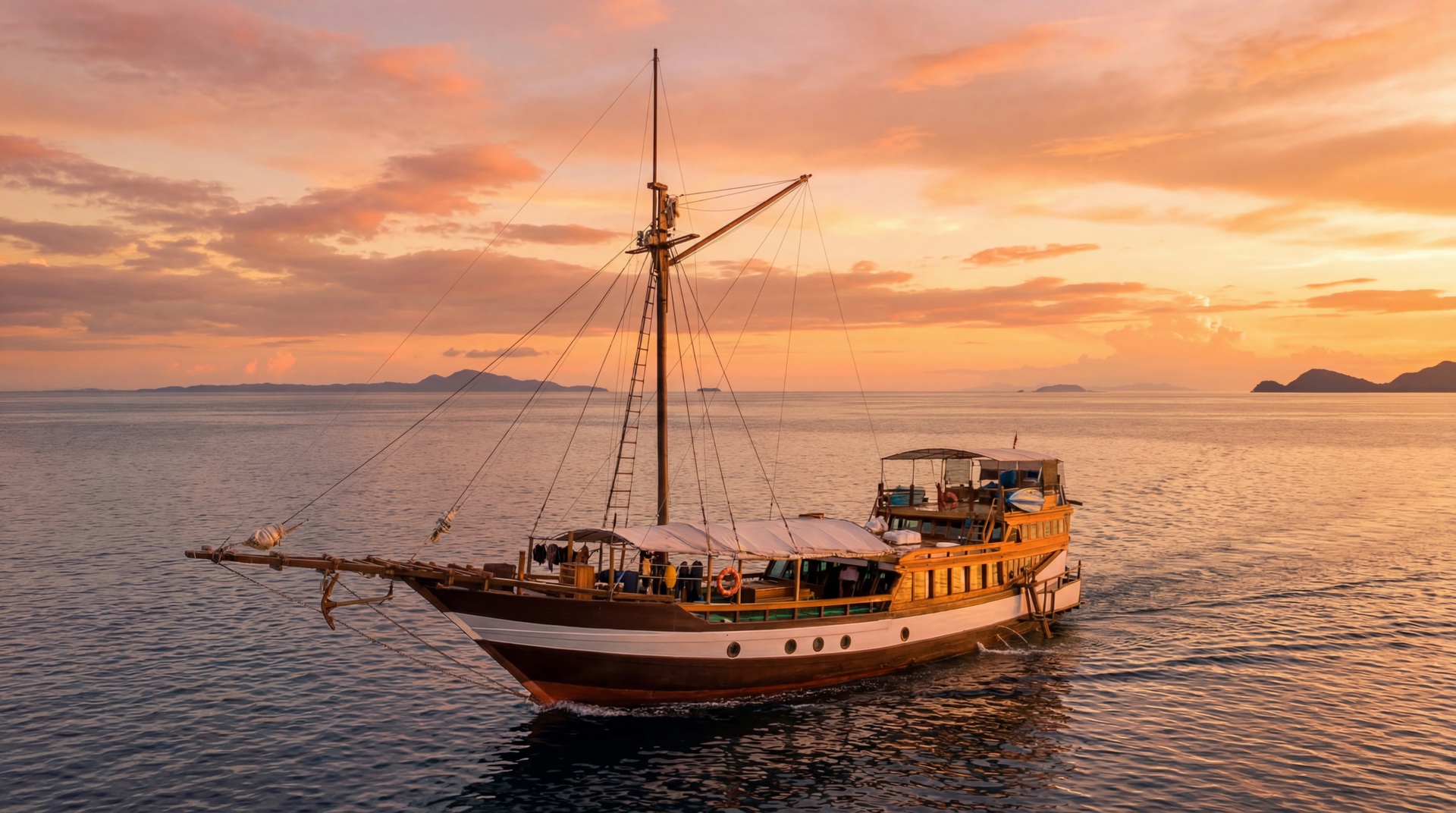
Wellenreng
Indonesia
9 guests25 m
$427/day
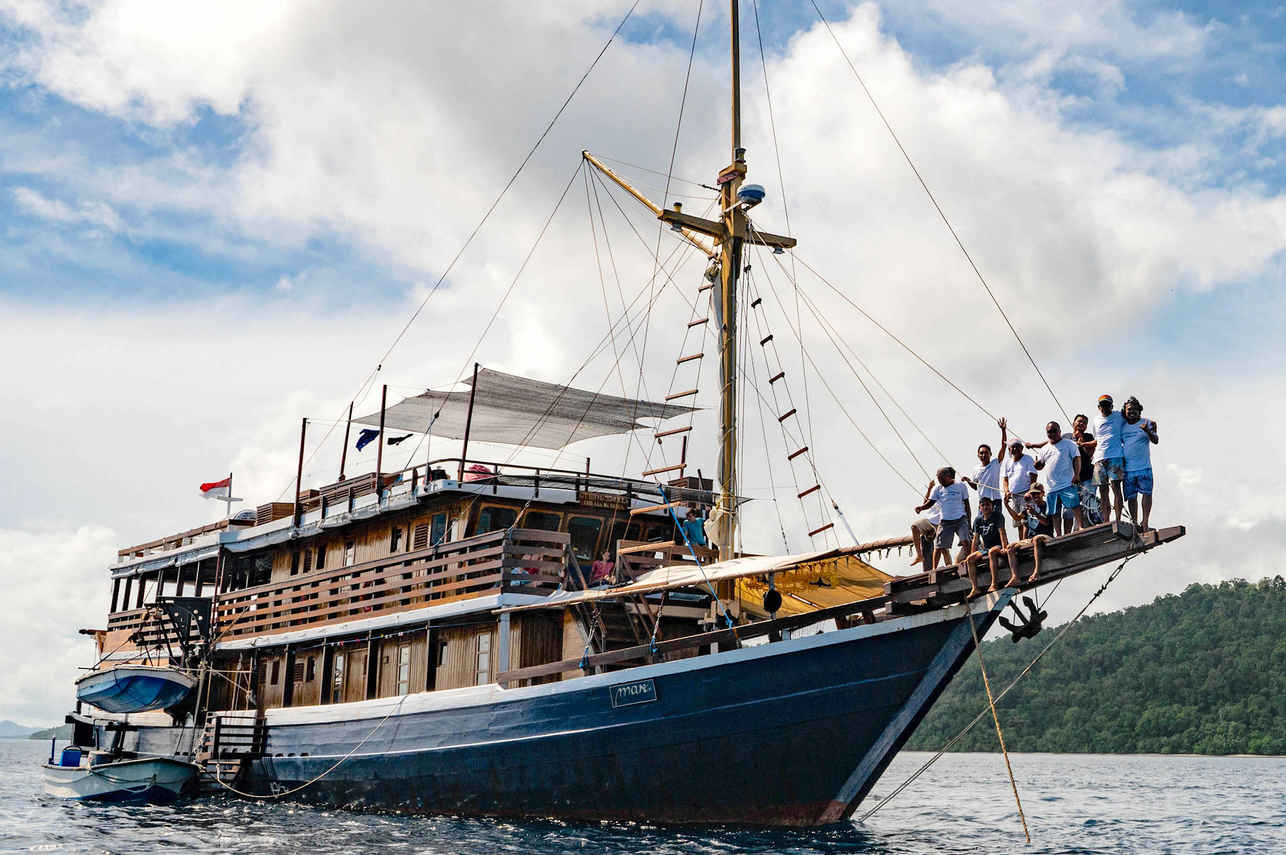
Mari
Indonesia
14 guests32.2 m
$328/day
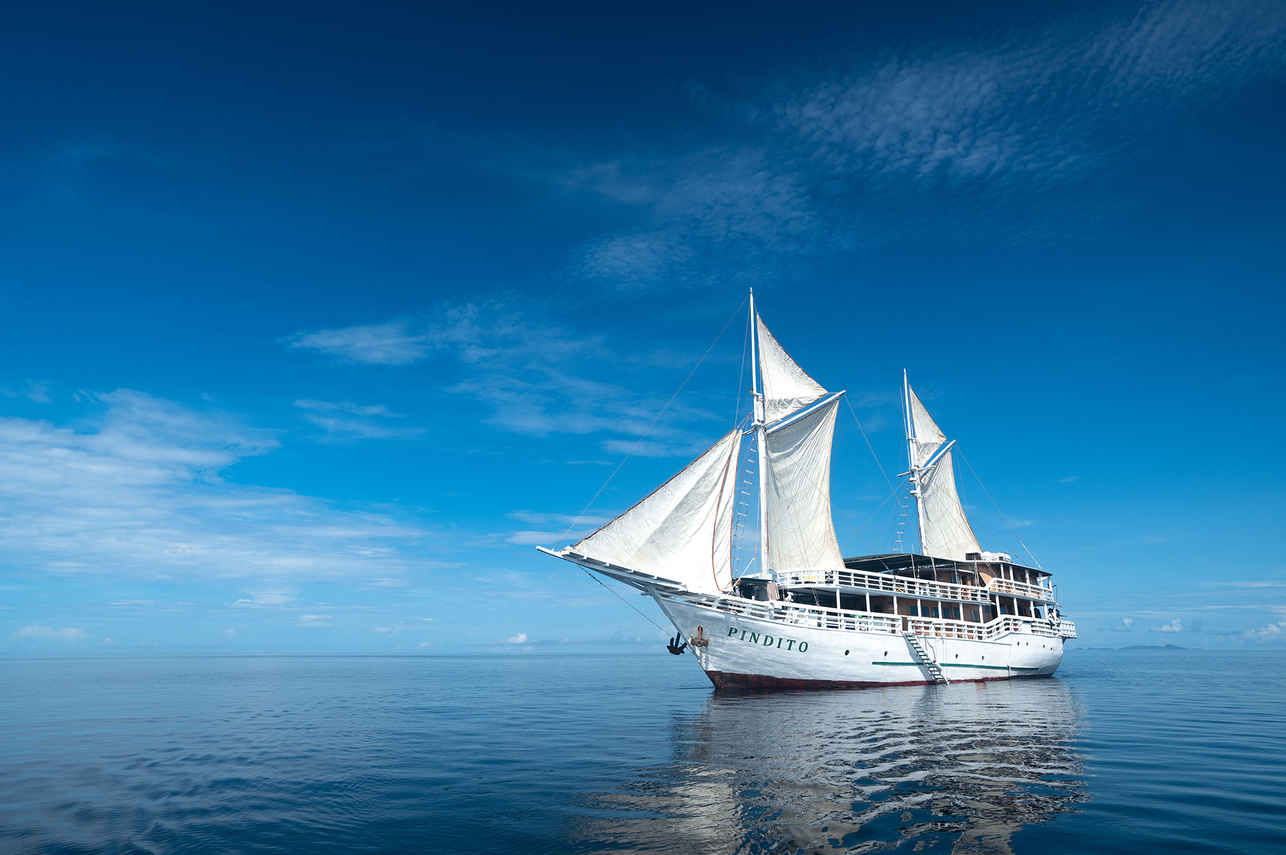
Pindito
Indonesia
16 guests37.79 m
$533/day
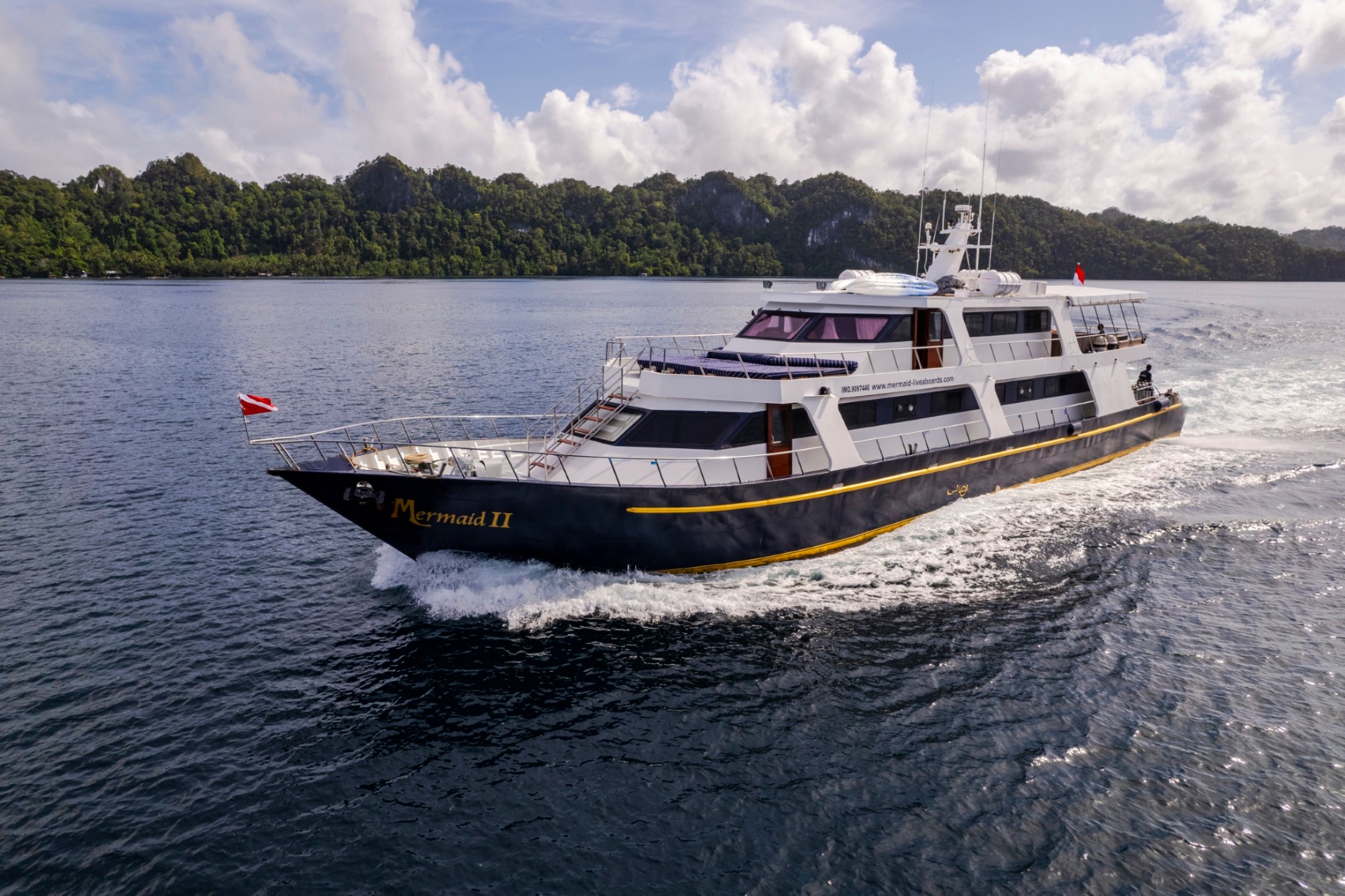
Mermaid II
Komodo, Indonesia
18 guests
$391/day
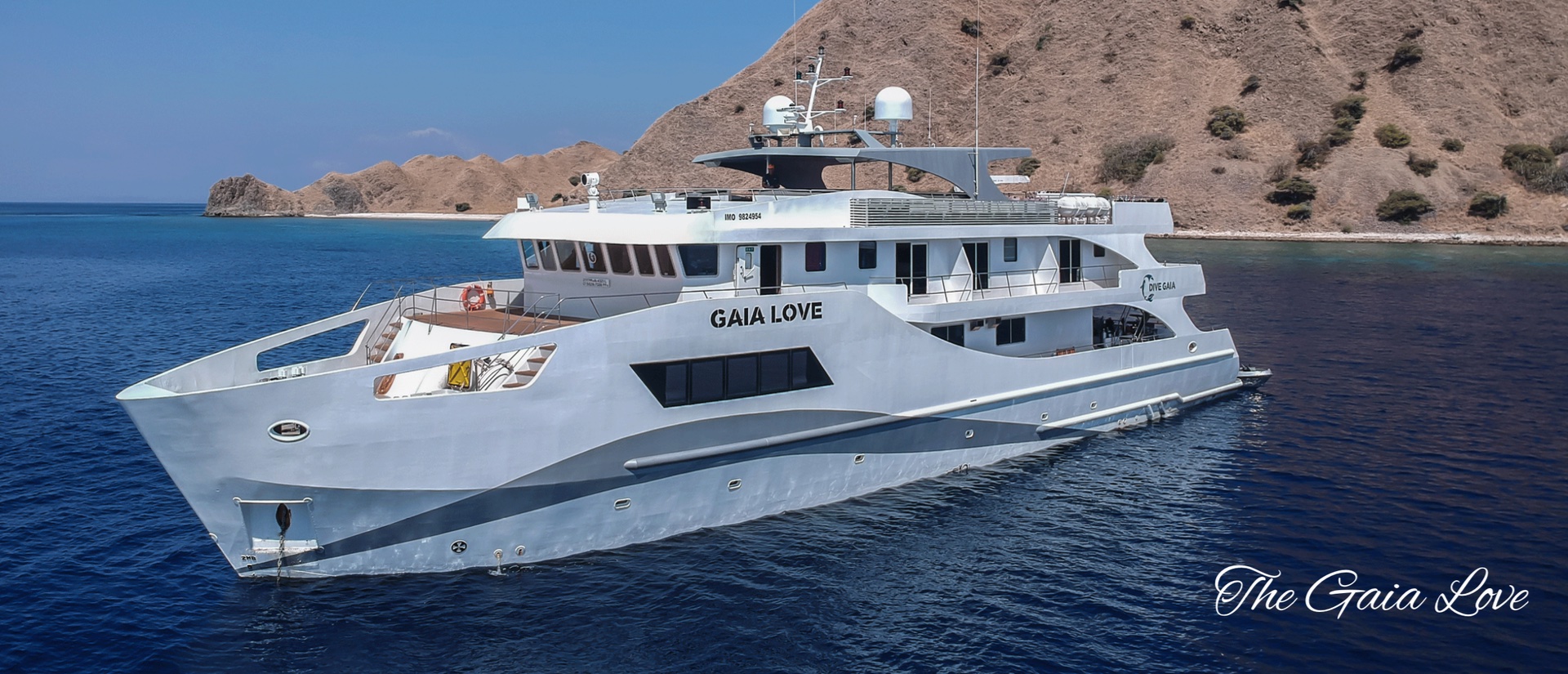
Gaia Love
Alor
20 guests
$554/day
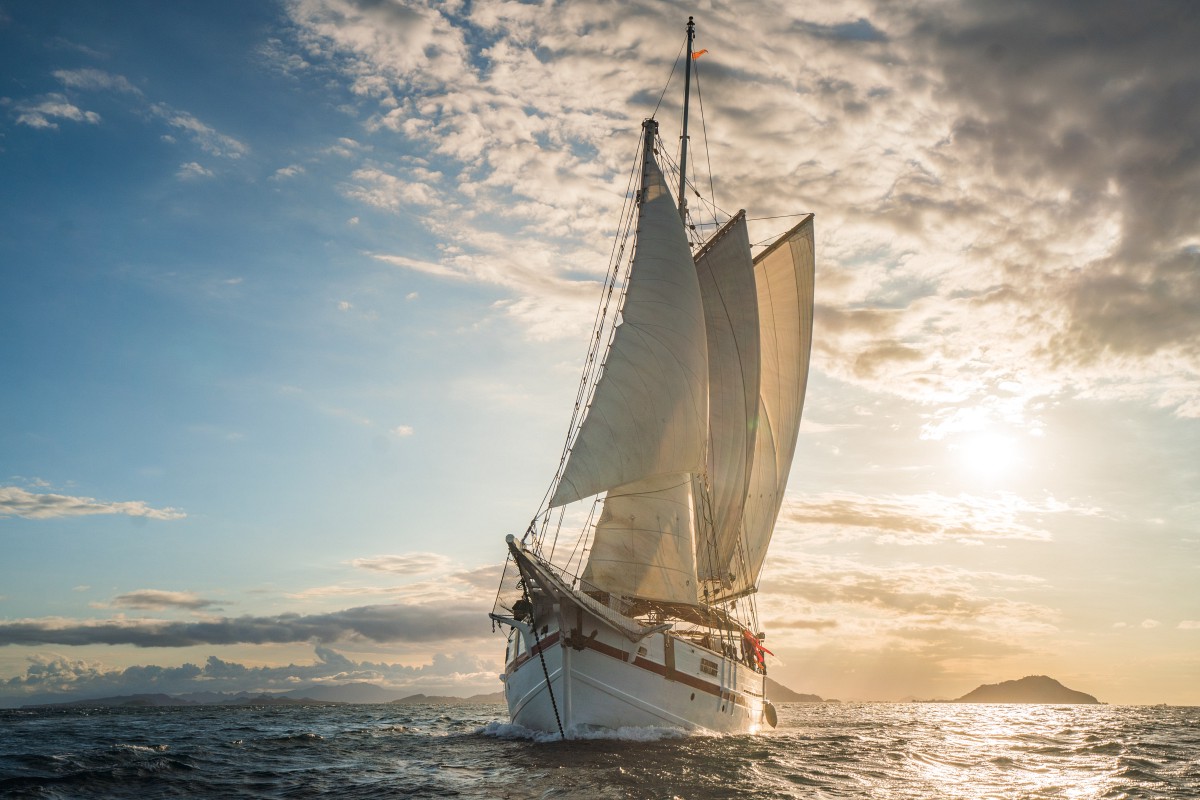
Emperor Raja Laut
Raja Ampat, Indonesia
12 guests31 m
$413/day
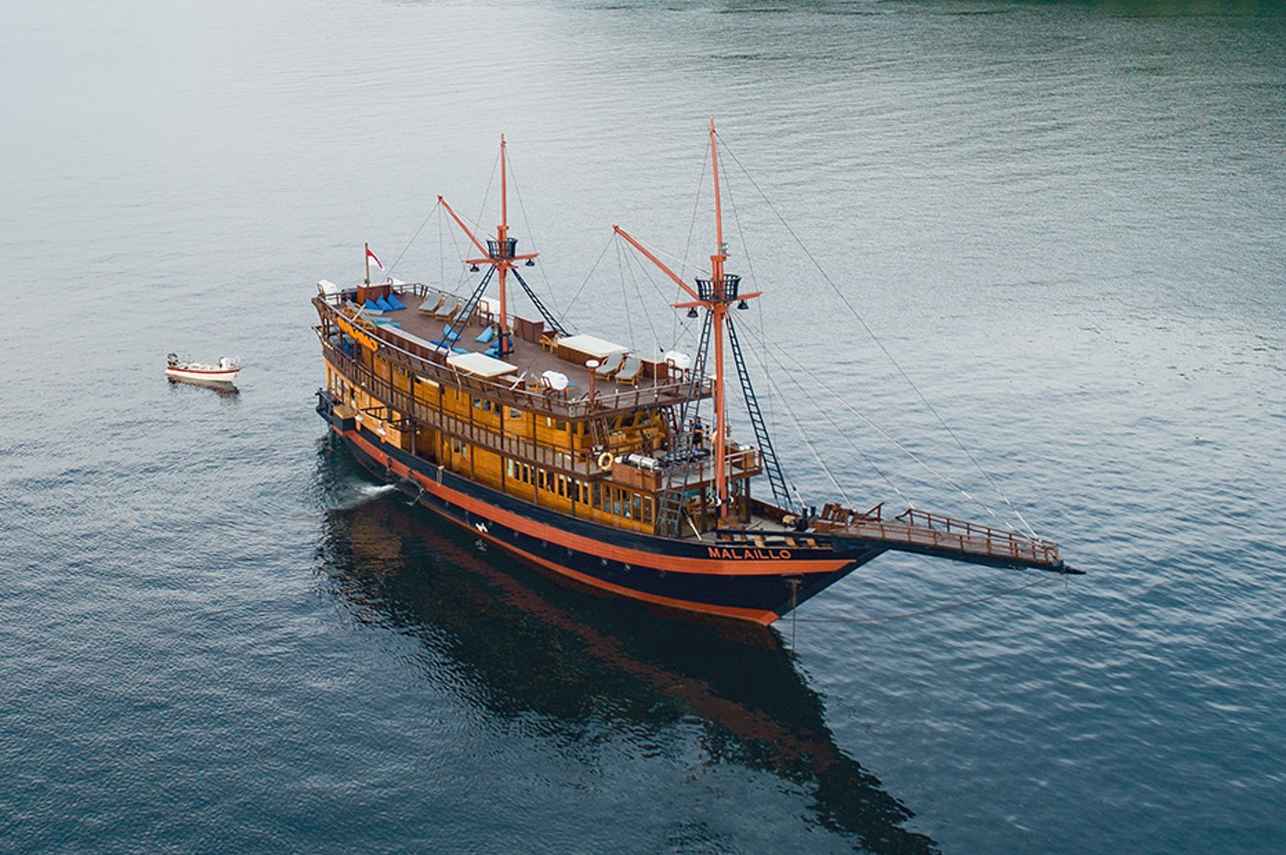
Malaillo
Indonesia
14 guests45.57 m
$348/day
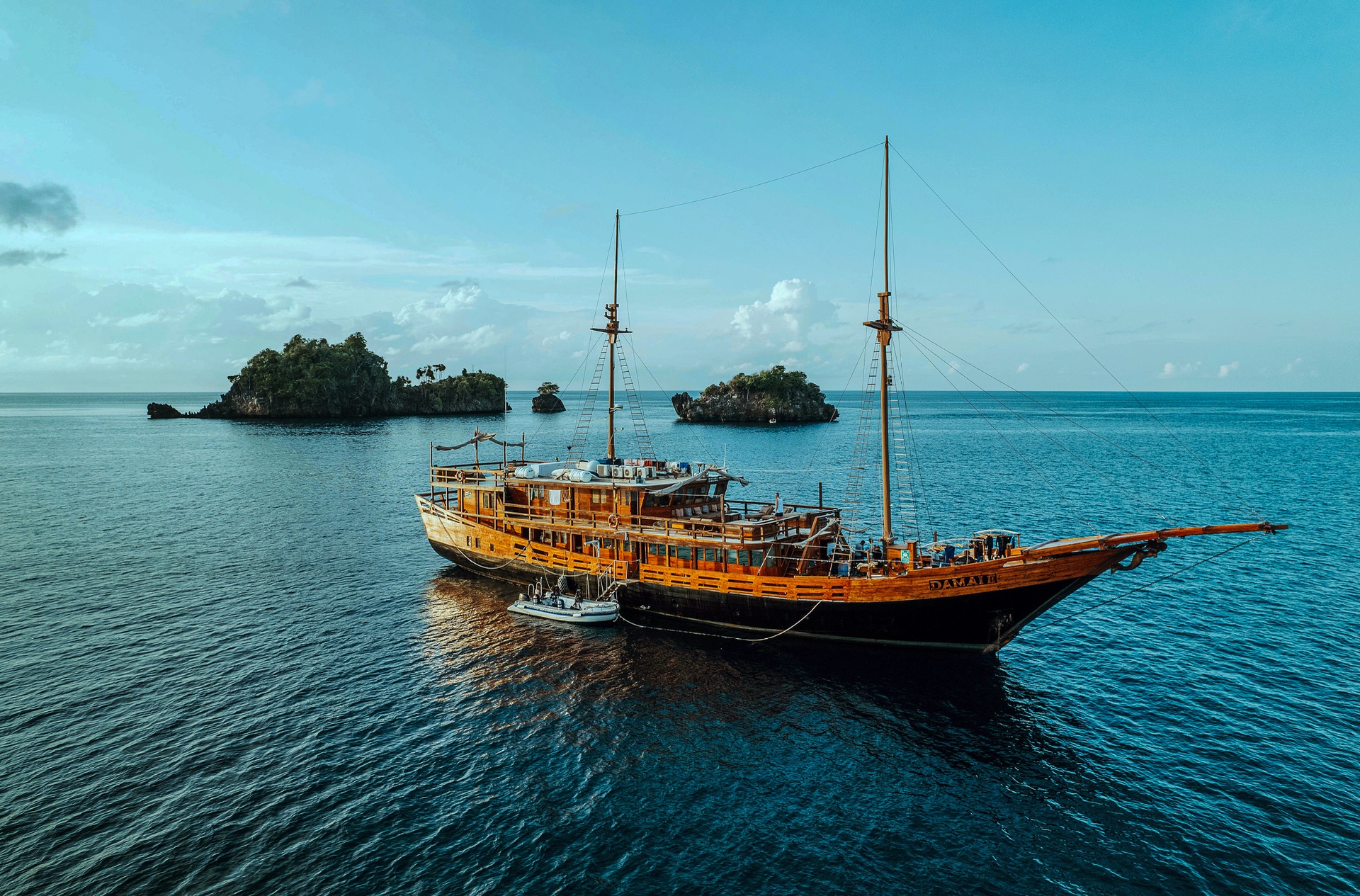
Damai II
Komodo, Indonesia
14 guests
$441/day
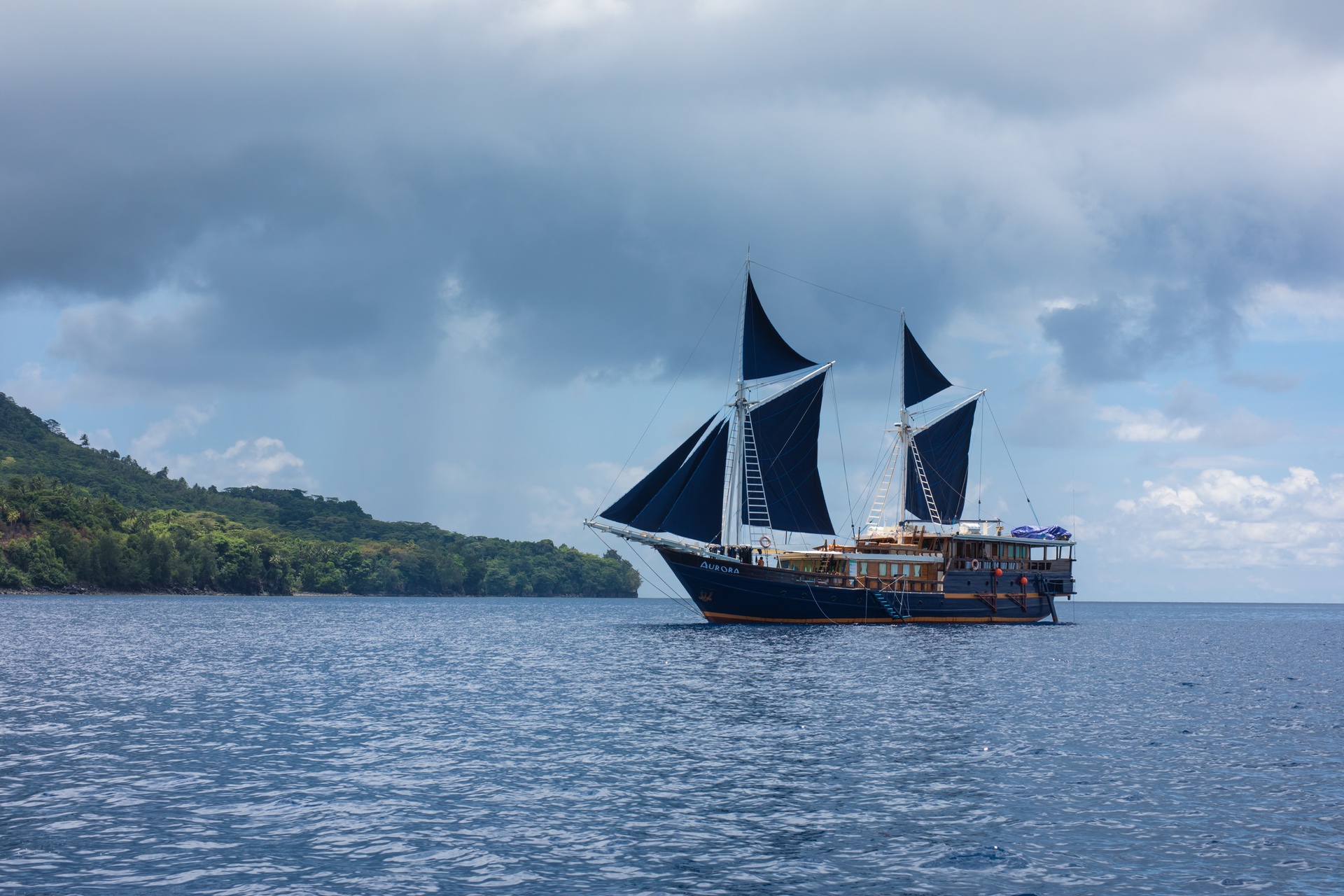
DUNE Aurora
Indonesia
18 guests
$344/day
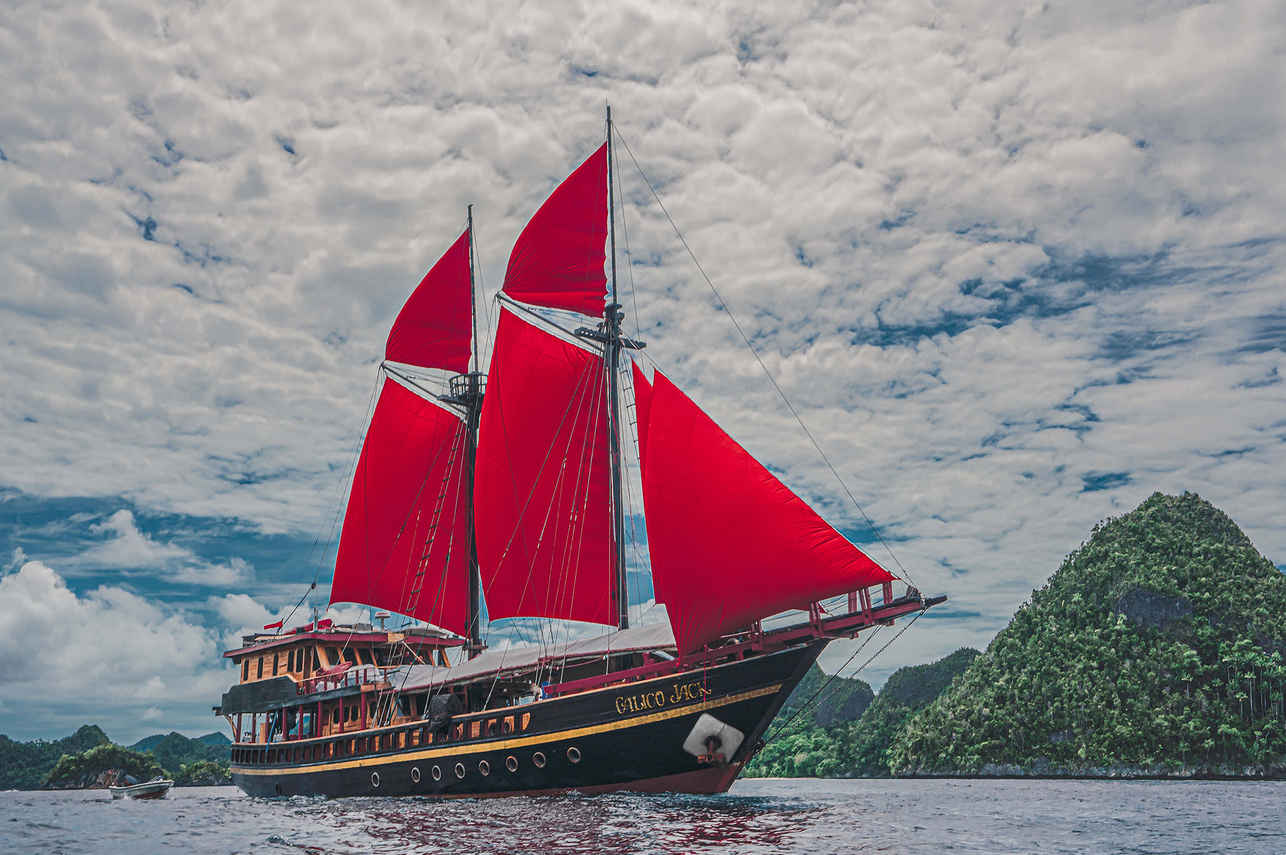
Calico Jack
Indonesia
10 guests30 m
$398/day
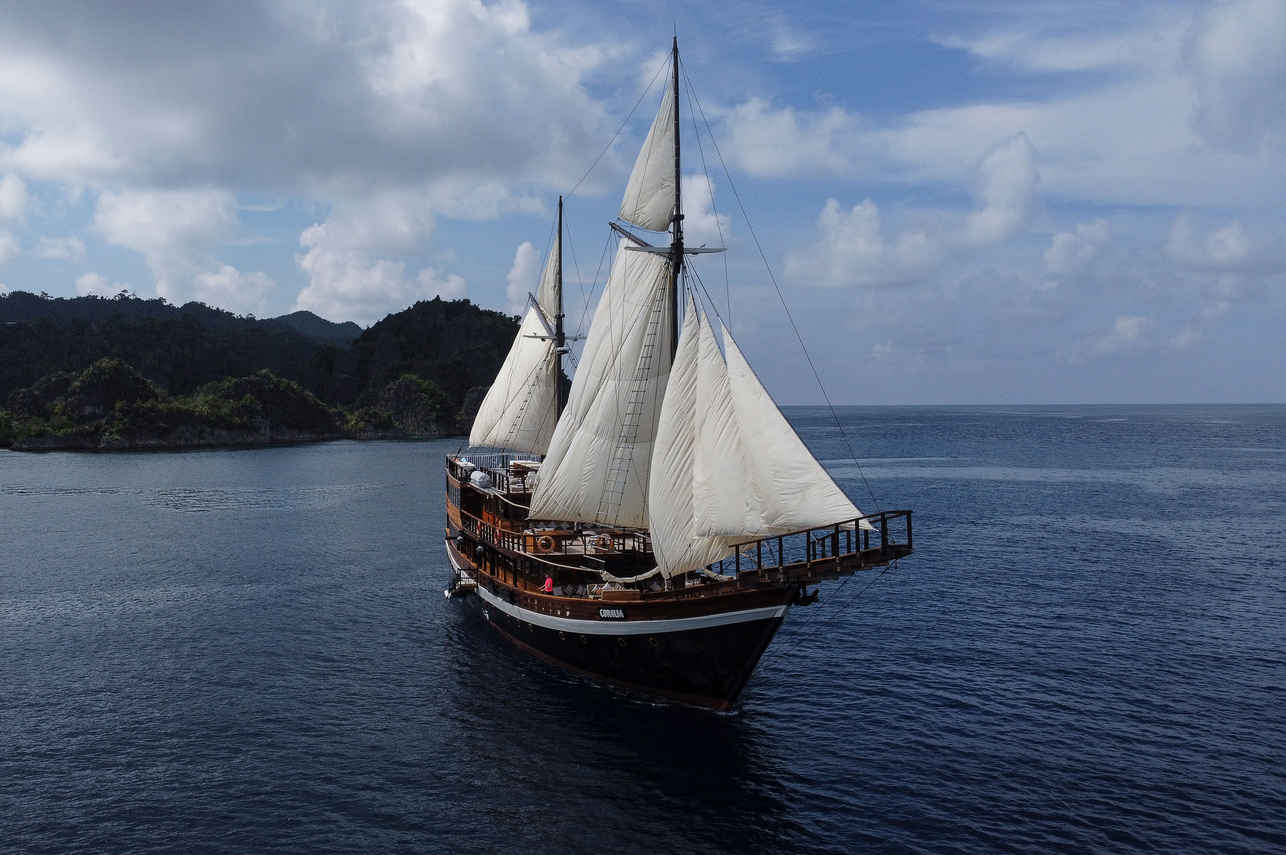
Coralia
Indonesia
16 guests48 m
$577/day
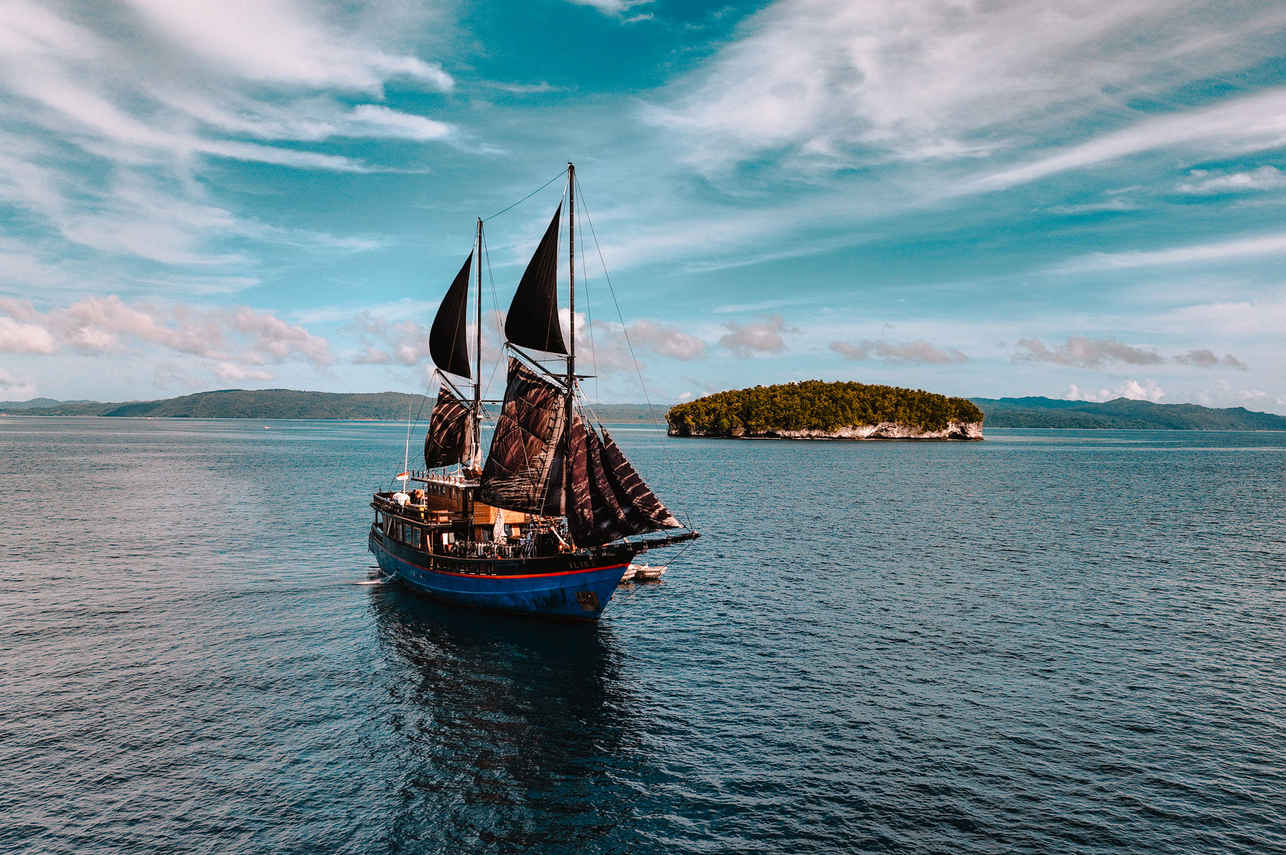
Ilike
Indonesia
16 guests40 m
$350/day
Dive sites similar to Tanjung Nore
Same character, same waters — six more sites divers love for the exact same reasons.Compare seasons, access and liveaboard routes — then pick the site that fits your trip best.
© Esri — Maxar, Earthstar, GIS
Ai Island Reef
Banda Sea
Ai Island Reef, nestled within the Banda Sea, offers a remarkable diving experience characterized by its rich marine biodiversity and varied underwater topography.
- Suitable for
- Beginner
- Current
- Strong
- Access
- Liveaboard only
- Depth
- 3–30 m
- Theme
- Reef / Seamount
Ameth is a premier dive site situated near Nusa Laut, a small island within the Banda Sea, an area famed as one of Asia's last dive frontiers.
- Suitable for
- Advanced
- Current
- Strong
- Access
- Liveaboard only
- Depth
- —
- Theme
- Reef
Babar Island is situated in the remote Southern Maluku region, part of Indonesia's 'Forgotten Islands,' an area known for its isolated and largely unexplored dive sites.
- Suitable for
- Intermediate
- Current
- Moderate
- Access
- Liveaboard only
- Depth
- —
- Theme
- Reef
© Esri — Maxar, Earthstar, GIS
Bacan Island
Banda Sea
Bacan Island, situated in Halmahera, Indonesia, stands as an unforgettable dive site within the Maluku archipelago and is a key part of the Coral Triangle, an epicenter of marine biodiversity.
- Suitable for
- Intermediate
- Current
- Mild
- Access
- Liveaboard only
- Depth
- —
- Theme
- Reef
© Esri — Maxar, Earthstar, GIS
Banda Api North
Banda Sea
Banda Api North, nestled within Indonesia's remote Banda Sea, offers an extraordinary dive experience shaped by its active volcanic past.
- Suitable for
- Intermediate
- Current
- Strong
- Access
- Liveaboard only
- Depth
- 5–30 m
- Theme
- Reef