About Stradbroke Island - Flat Rock
Flat Rock, located a few kilometers north of Brisbane's North Stradbroke Island, stands out as a highly exciting dive site in the area. This natural rocky island is surrounded by beautiful coral gardens and acts as a focal point for marine life due to its position in the current-fed Coral Sea. Its submerged rock platform, ranging from 15 to 18 meters at its top to 25-30 meters at its deeper edges where it meets the sandy bottom, concentrates marine biodiversity and supports both large aggregations of sharks and thriving fish communities. The site is particularly famous for its grey nurse shark population, which gathers reliably during the cooler months, offering divers a unique experience in Shark Alley. Beyond sharks, Flat Rock is a vibrant ecosystem home to turtles, wobbegongs, leopard sharks, eagle rays, reef fish, and pelagic species, with occasional manta ray sightings. The consistent presence of these creatures, combined with generally clear subtropical waters, makes every dive an adventure. Accessibility to Flat Rock is exclusively by boat from North Stradbroke Island, itself reached by ferry from Cleveland. Dive operators based in Point Lookout run regular day trips, typically requiring an Advanced Open Water certification due to depths up to 35 meters and potential currents. The site's diverse topography, including angular ridges, small caves, and overhangs, provides an engaging environment for exploration.
Highlights
Shark Alley grey nurse shark aggregationVibrant coral gardensEncounters with manta raysTurtle Cave explorationLeopard sharks and wobbegongsDiverse pelagic and reef fish
Season calendar
Best months to dive here
Jan
Feb
Mar
Apr
May
Jun
Jul
Aug
Sep
Oct
Nov
Dec
Excellent
Good
Off-Season
Jun – Oct
Dry season with best visibility on the Great Barrier Reef. Minke whale season June–July. Ningaloo whale sharks March–July.
Apr – May & Nov
Comfortable temperatures, good visibility, fewer crowds. Giant cuttlefish aggregation in South Australia May–August.
Dec – Mar
Wet season in the tropics. Reduced visibility, jellyfish season. Warmer water attracts coral spawning.
Dive site facts: Stradbroke Island - Flat Rock
- Depth
- 5–35 m
- Typical dive
- 8–30 m
- Current
- Can be strong
- Visibility
- 10–30 m
- Water temperature
- 20–27 °C
- Entry
- Boat
- Level
- Advanced Open Water
- Dive type
- Reef, pelagic, shark
- Region / port
- North Stradbroke Island, QLD
- Coordinates
- -27.405, 153.555
Conditions & Currents
Currents around Flat Rock can be strong, especially during spring tides, necessitating careful planning and advanced diving skills. The site's open ocean location means conditions can vary, influenced by the current-fed Coral Sea. Divers should be prepared for potential drift dives and use an SMB. Visibility ranges from 10 to 30 meters, with good conditions typically from June through November, where 15-25 meters is achievable. Summer months can bring reduced visibility due to runoff and elevated marine stinger risks. Water temperatures range from 20°C in cooler months to 27°C in summer.
Marine life & sighting chances

Grey nurse shark
April–September · common
Manta ray
July–October · occasional
Turtle
common
Wobbegong
common
Leopard shark
common
Eagle ray
common
Reef fish
common
Pelagic fish
common
White tip reef shark
occasional
Moray eel
occasional
Scorpionfish
occasional
Batfish
occasional
Jacks
occasionalDive profile & how the dive runs
Dives at Flat Rock typically begin with a boat entry, leading you to a submerged rock platform. The dive often explores the platform's elevated position, which starts at around 15-18 meters and slopes down to 25-30 meters, meeting a sandy bottom. A common route takes divers through Shark Alley, where grey nurse sharks congregate, usually at depths of 10-20 meters. Exploration continues around angular ridges, small caves, and overhangs, providing shelter for various reef and pelagic species. Dives may also include visits to Turtle Cave. The turn point is often dictated by air consumption and bottom time, with the safety stop conducted in the shallower sections of the rock platform before surfacing for boat pick-up.
Underwater photography
Flat Rock offers excellent wide-angle photography opportunities, especially when capturing the aggregations of grey nurse sharks or the majestic presence of manta rays. A fisheye lens is ideal for showcasing the expansive rock formations and schooling pelagics. For macro subjects like wobbegongs or smaller reef inhabitants within crevices, consider bringing a macro lens, though wide-angle remains the primary choice. Dual strobes are recommended to illuminate subjects and bring out the vibrant colors of the coral gardens, combating any loss of color at depth. Practicing good buoyancy is crucial to avoid disturbing the delicate coral and marine life, particularly in areas with stronger currents. When photographing sharks and rays, maintain a respectful distance and avoid aggressive pursuit to ensure natural behavior and clear shots.
Combine with nearby dive sites
- Shag Rock Dive Site
Shag Rock is a prominent dive site located off North Stradbroke Island, near Brisbane, Australia.
- Julian Rocks
Julian Rocks, known as Nguthungulli by the local Bundjalung people, is a prominent marine reserve located approximately 2.5–3 km off the…
- Fish Rock Cave
Fish Rock Cave, located off South West Rocks in New South Wales, Australia, is renowned as the country's only true ocean cave dive.
- Wolf Rock
Wolf Rock is a spectacular dive site located just 2 kilometers off Double Island Point, near Rainbow Beach, Queensland, and marks the last…
Getting there & logistics
Access to Flat Rock involves a multi-step journey. First, you'll need to reach Brisbane International Airport (BNE). From Brisbane, travel to the suburb of Cleveland, which is about a 45-minute drive. From Cleveland, a 25-minute to 45-minute ferry ride takes you to Dunwich on North Stradbroke Island, with options for both passenger-only and car ferries. Dive operators primarily run out of Point Lookout or Dunwich on North Stradbroke Island, offering day trips to Flat Rock with transit times of approximately 20-30 minutes. Full services, including accommodation and dining, are available in Point Lookout and Dunwich. It's advisable to book dive trips through Point Lookout-based operators and ensure you have an Advanced Open Water certification, as well as carrying an SMB.
Safety & environment
Diving at Flat Rock requires adherence to specific safety protocols due to its open ocean location and potential strong currents. An Advanced Open Water certification is a minimum requirement, and experience with currents is highly beneficial. Divers must carry an SMB for safe surface deployment and boat retrieval. The nearest recompression chamber is in Brisbane, necessitating prompt evacuation in case of a dive emergency, highlighting the importance of comprehensive dive insurance. Hazards include strong currents around the rock, especially during spring tides, which can impact gas management and decompression awareness. Summer months also bring an elevated marine stinger risk. Always follow your dive guide's instructions and maintain a safe distance from marine life, particularly the critical endangered grey nurse sharks.
Who it suits — and who it doesn't
Suited for
- Advanced Open Water certified divers
- Divers comfortable with strong currents
- Shark enthusiasts
- Underwater photographers seeking pelagic action
- Divers looking for vibrant coral gardens
- Experienced divers seeking diverse marine life
Less suited for
- Beginner divers or Open Water certified divers
- Divers uncomfortable with potential strong currents
- Divers prone to seasickness
- Those without comprehensive dive insurance
- Individuals sensitive to marine stingers in summer
FAQ
Stradbroke Island - Flat Rock FAQ
What kind of marine life can I expect to see at Flat Rock?
Flat Rock is renowned for its diverse marine life. You can regularly encounter grey nurse sharks, especially during the winter months, and often spot turtles, wobbegongs, leopard sharks, eagle rays, and a variety of reef and pelagic fish. Manta rays are an occasional highlight, particularly between July and October.
Is Flat Rock suitable for beginner divers?
Due to depths reaching up to 35 meters and the potential for strong currents, Flat Rock is best suited for Advanced Open Water certified divers. Experience with currents is highly recommended to ensure a safe and enjoyable dive. Beginner divers may find the conditions challenging.
When is the best time of year to dive Flat Rock?
The prime diving season for Flat Rock is during the cooler winter months, from April to September, when grey nurse shark aggregations are most reliable and dense. Manta rays are more frequently sighted between July and October. Generally, visibility is excellent from June through November.
How do I get to Flat Rock dive site?
To reach Flat Rock, you first travel to North Stradbroke Island via a ferry from Cleveland, near Brisbane. Once on the island, dive operators, primarily from Point Lookout, run boat trips to the site. The boat ride to Flat Rock typically takes 20-30 minutes from the island's departure points.
What is 'Shark Alley' at Flat Rock?
Shark Alley is a specific area within Flat Rock where grey nurse sharks reliably gather, especially during the winter. It's one of the site's main attractions, offering divers a unique opportunity to observe these critically endangered sharks moving through the mid-water column at depths of 10-20 meters.
Why dive Stradbroke Island - Flat Rock from a liveaboard?
Stradbroke Island - Flat Rock is one of Australia's signature dive sites. A liveaboard sleeps you on the water and puts you in the water for three to four guided dives per day, including dawn and night dives that day-boat operators rarely offer. You skip the daily commute back to port and reach quieter, less-crowded sites in the same region on a single trip.
Below are the liveaboards that include Stradbroke Island - Flat Rock on their Australia itineraries.
Liveaboards diving Stradbroke Island - Flat Rock
These liveaboards may visit Stradbroke Island - Flat Rock on selected itineraries — the exact dive sites depend on departure, weather and conditions.
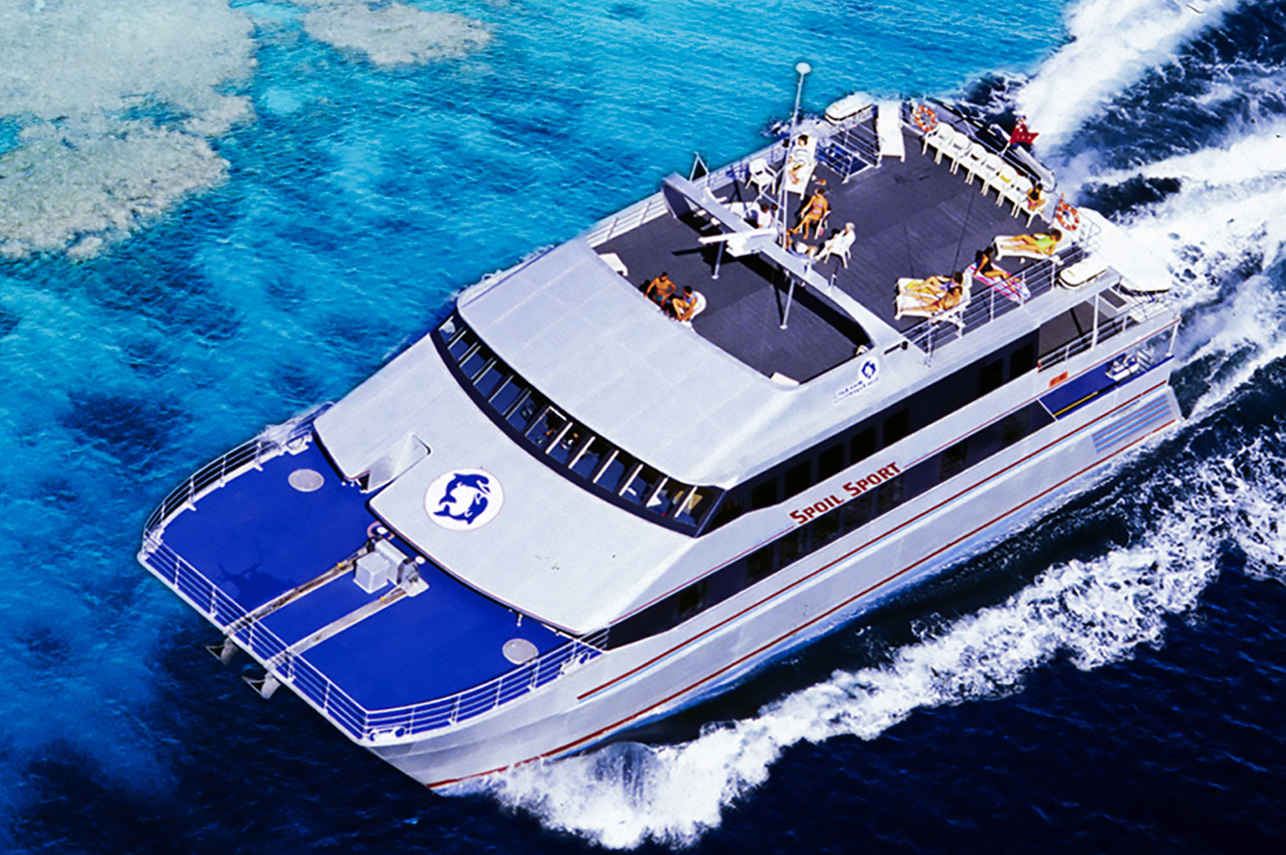
Spoilsport
Australia
28 guests30 m
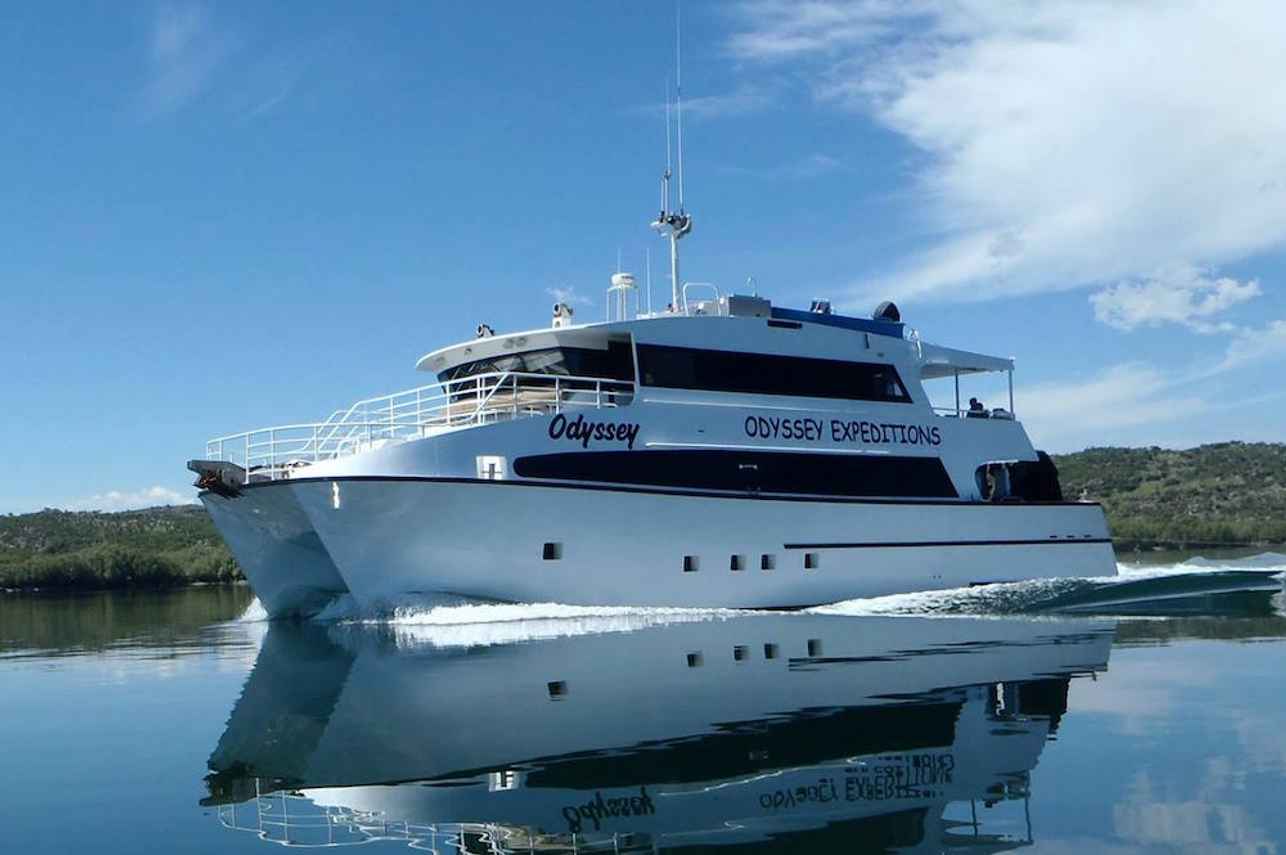
Odyssey Liveaboard
Australia
20 guests24 m
Dive sites similar to Stradbroke Island - Flat Rock
Same character, same waters — six more sites divers love for the exact same reasons.Compare seasons, access and liveaboard routes — then pick the site that fits your trip best.
© Esri — Maxar, Earthstar, GIS
Agincourt Reef
Australia
Agincourt Reef sits on the outer edge of the Great Barrier Reef, roughly 60–72 km off Port Douglas in Far North Queensland, at the southern end of the true ribbon reefs that run…
- Suitable for
- Beginner
- Current
- Moderate
- Access
- Dayboat
- Depth
- 2–20 m
- Theme
- Reef / Wall
Ahe Atoll, a remote and authentic destination in French Polynesia, offers a dive experience deeply intertwined with its local pearl farming community.
- Suitable for
- Advanced
- Current
- Strong
- Access
- Liveaboard or dayboat
- Depth
- 5–22 m
- Theme
- Channel / Drift
© Esri — Maxar, Earthstar, GIS
Alacrity Shoal
Fiji
Alacrity Shoal is a premier dive site in Fiji, renowned for its spectacular drift diving opportunities and rich marine biodiversity.
- Suitable for
- Advanced
- Current
- Strong
- Access
- Liveaboard or dayboat
- Depth
- 12–40 m
- Theme
- Drift / Seamount
Alibaba is a renowned drift dive located within the Garuae Pass in northern Fakarava, a UNESCO Biosphere Reserve in the Tuamotu Archipelago.
- Suitable for
- Intermediate
- Current
- Strong
- Access
- Liveaboard only
- Depth
- 5–30 m
- Theme
- Reef
© Esri — Maxar, Earthstar, GIS
Aliko Reef
Micronesia
Aliko Reef is a prominent dive site within Yap, Micronesia, characterized by a captivating underwater topography that blends a mini-wall with an expansive coral plateau.
- Suitable for
- Intermediate
- Current
- Mild
- Access
- Dayboat
- Depth
- 6–15 m
- Theme
- Reef / Wall
© Esri — Maxar, Earthstar, GIS
Amity Point
Australia
Amity Point is a popular shore diving destination located at the northwestern tip of North Stradbroke Island, within the protected waters of Moreton Bay.
- Suitable for
- Beginner
- Current
- Moderate
- Access
- Shore / dayboat
- Depth
- 5–15 m
- Theme
- Reef