About Shag Rock Dive Site
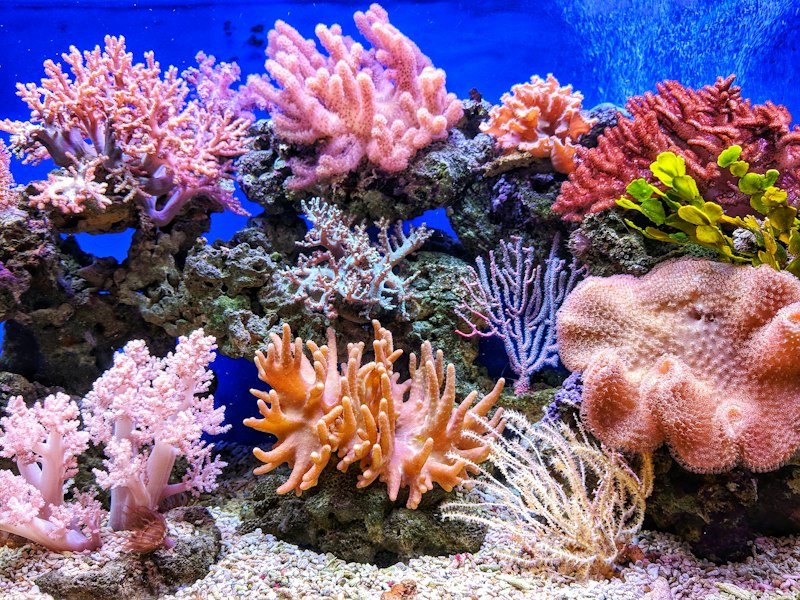
Shag Rock is a prominent dive site located off North Stradbroke Island, near Brisbane, Australia. It stands out for its unique topography, featuring a large rock formation partially exposed above the water and a significant submerged section referred to as Sunken Reef. This sheltered position on the north-western side of the island makes it a reliable diving option, particularly when other sites are affected by rough weather. The site's depth typically ranges from 6 to 18 meters, extending to 20 meters in some areas, encompassing rocky reefs and vibrant coral gardens. Divers can explore two distinct swim-throughs connecting the eastern and western sides, along with a deep trench known as the 'fake swim-through' that parallels the main passage. The varied underwater landscape supports both soft and hard corals, contributing to a rich ecosystem. Marine life is abundant and diverse, including tropical fish, several shark species, turtles, and various invertebrates. During summer, leopard sharks and manta rays are occasional visitors, while electric rays can be found camouflaged in the sand year-round. This rich biodiversity makes Shag Rock a compelling site for both new and experienced divers seeking a vibrant underwater experience. Diving here is generally considered easy, suitable for all experience levels. The ability to choose between the eastern or western side, depending on swell direction, ensures protected conditions. While currents can be present, the site's layout allows for flexible dive plans, making it a flexible and rewarding destination for underwater exploration.
Highlights
Sheltered rock formationsTwo swim-throughsDiverse coral gardensWobbegong sharks year-roundSeasonal manta ray sightingsElectric rays in sandAccessible for all levelsNear North Stradbroke Island
Season calendar
Best months to dive here
Jan
Feb
Mar
Apr
May
Jun
Jul
Aug
Sep
Oct
Nov
Dec
Excellent
Good
Off-Season
Jun – Oct
Dry season with best visibility on the Great Barrier Reef. Minke whale season June–July. Ningaloo whale sharks March–July.
Apr – May & Nov
Comfortable temperatures, good visibility, fewer crowds. Giant cuttlefish aggregation in South Australia May–August.
Dec – Mar
Wet season in the tropics. Reduced visibility, jellyfish season. Warmer water attracts coral spawning.
Dive site facts: Shag Rock Dive Site
- Depth
- 6–20 m
- Current
- Mild to moderate
- Entry
- Boat
- Level
- Beginner to Advanced
- Dive type
- Reef, drift, swim-throughs
- Region / port
- North Stradbroke Island, Queensland
- Coordinates
- -27.437, 153.552
Conditions & Currents
While Shag Rock is valued for its protected location, especially on its western or eastern sides depending on swell direction, currents can sometimes be present within the dive site. These currents can be notable, particularly within the swim-throughs, where surge might occur. Divers are advised to assess conditions carefully before entering the swim-throughs; alternative routes, such as the deep trench, are available if conditions are unfavorable or divers feel uncomfortable. Visibility can be excellent, though specific values are not provided. The site's inherent protection means it offers calm conditions even when other local sites are un-diveable due to ocean swells. Divers should be prepared for potential current fluctuations and plan their dive route accordingly.
Marine life & sighting chances
Soft coral
common
Hard coral
common
Tropical fish
common
Turtle
common
Wobbegong shark
common
Nudibranch
common
Moray eel
common
Crayfish
common
Cuttlefish
common
Brown-banded catshark
common
Stingray
common
Shovelnose ray
common
Electric ray
common
Leopard shark
Summer · occasionalDive profile & how the dive runs
A typical dive at Shag Rock often begins with anchoring on the western side of the rock formation. From here, divers can proceed towards the eastern side by navigating through a cave-like swim-through. It is important to evaluate conditions, as surge may be present within this passage; an alternative deep trench running parallel to the swim-through is available if needed. After exploring the eastern side, the return path leads back to the western side, often via the deep trench, which features high, vertical walls. Should conditions restrict access to both sides, the submerged 'Sunken Reef' on the western side offers another excellent dive option. Depths generally range from 6 to 18 meters, allowing for extended bottom times and thorough exploration of the diverse reef structures.
Underwater photography
Shag Rock offers varied opportunities for underwater photography, from wide-angle shots of the rock formations and swim-throughs to macro subjects among the corals. A wide-angle lens is ideal for capturing the scale of the swim-throughs and the overall reef topography, especially if you plan to incorporate schooling fish or larger marine life like wobbegong sharks. For macro enthusiasts, the abundant nudibranchs, frogfish, and small reef fish within the coral gardens are excellent subjects. Pay attention to buoyancy, particularly within the swim-throughs, to avoid stirring up sediment. Using strobes can help bring out the vibrant colors of the hard and soft corals and illuminate subjects in deeper or shaded areas. Be mindful of electric rays hidden in the sand when settling for macro shots.
Combine with nearby dive sites
Getting there & logistics
Access to Shag Rock is primarily by boat from North Stradbroke Island, with the dive site less than a 5-minute ride from the island's home beach. Divers can reach North Stradbroke Island via water taxis from Cleveland, followed by courtesy bus transfers. Alternatively, dive trips are organized from Brisbane (Manly), which typically involves an approximately 1.5-hour boat journey to the island. Local operators such as Manta Lodge and Scuba Centre on North Stradbroke Island, or Brisbane Scuba from Brisbane, arrange regular excursions. Gold Coast Dive Adventures also runs frequent day trips to the island.
Safety & environment
While Shag Rock is generally considered an easy dive suitable for all experience levels, divers should be aware that currents can occur, especially within the swim-throughs. Surge may also be present in these confined areas, necessitating careful assessment of conditions before entry; alternative routes are available. Divers should maintain good buoyancy control to navigate the rock formations and avoid contact with the marine environment. It is always recommended to have personal dive insurance. While no specific recompression chamber location is detailed in the sources, medical facilities are available in nearby urban centers like Brisbane. Divers should ensure they are properly equipped and follow dive brief instructions, particularly regarding entry and exit procedures and dive plan alternatives.
Who it suits — and who it doesn't
Suited for
- Newly certified divers seeking easy conditions
- Divers looking for sheltered dive options
- Photographers interested in varied marine life
- Divers keen on exploring swim-throughs
- Underwater naturalists observing diverse species
Less suited for
- Divers seeking extreme depth or current challenges
- Liveaboard-only divers (primarily day trips)
- Those uninterested in reef and rock formations
- Divers who prefer solely pelagic encounters
FAQ
Shag Rock Dive Site FAQ
What is the typical depth range at Shag Rock?
The dive site at Shag Rock typically ranges in depth from 6 meters to about 18 meters, though some areas can extend to 20 meters. This makes it accessible for divers of various experience levels, from beginners to more advanced enthusiasts, allowing for ample bottom time to explore the reefs and marine life.
What kind of marine life can I expect to see at Shag Rock?
Shag Rock boasts a diverse array of marine life, including various species of soft and hard corals, tropical fish, and turtles. You can also frequently spot wobbegong sharks, nudibranchs, moray eels, crayfish, and cuttlefish. During summer, there's a chance to encounter leopard sharks and even occasional manta rays, while electric rays are common in the sandy areas.
Are there any swim-throughs at Shag Rock?
Yes, Shag Rock features two main swim-throughs that connect its eastern and western sides, offering an exciting navigational element to the dive. There's also a deep trench that runs parallel to the main swim-through, sometimes referred to as the 'fake swim-through,' providing an alternative route, especially if conditions within the main passages are unfavorable due to surge.
Is Shag Rock suitable for beginner divers?
Yes, Shag Rock is classified as an easy dive and is suitable for all experience levels, including beginners. Its protected position means that one side of the rock is almost always sheltered from ocean swells, providing calm conditions for diving. Divers can also choose to avoid the swim-throughs if they feel uncomfortable, making it adaptable for less experienced divers.
How do I get to Shag Rock for diving?
Shag Rock is easily accessible via a short boat ride, typically less than 5 minutes, from North Stradbroke Island. If you're coming from Brisbane, it's about a 1.5-hour boat journey. Dive operators from both North Stradbroke Island and Brisbane offer regular day trips to the site, often combining it with other local attractions.
Why dive Shag Rock Dive Site from a liveaboard?
Shag Rock Dive Site is one of Australia's signature dive sites. A liveaboard sleeps you on the water and puts you in the water for three to four guided dives per day, including dawn and night dives that day-boat operators rarely offer. You skip the daily commute back to port and reach quieter, less-crowded sites in the same region on a single trip.
Below are the liveaboards that include Shag Rock Dive Site on their Australia itineraries.
Liveaboards diving Shag Rock Dive Site
These liveaboards may visit Shag Rock Dive Site on selected itineraries — the exact dive sites depend on departure, weather and conditions.
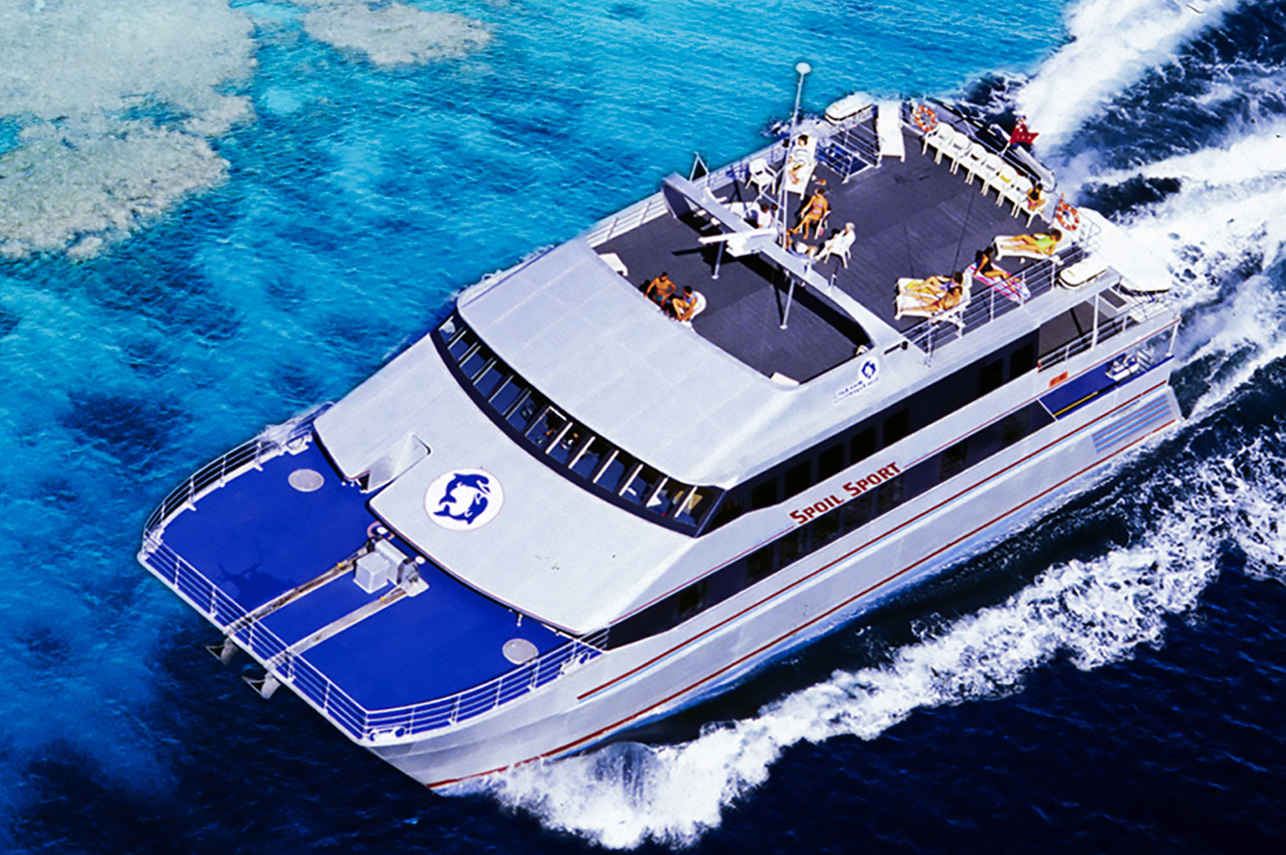
Spoilsport
Australia
28 guests30 m
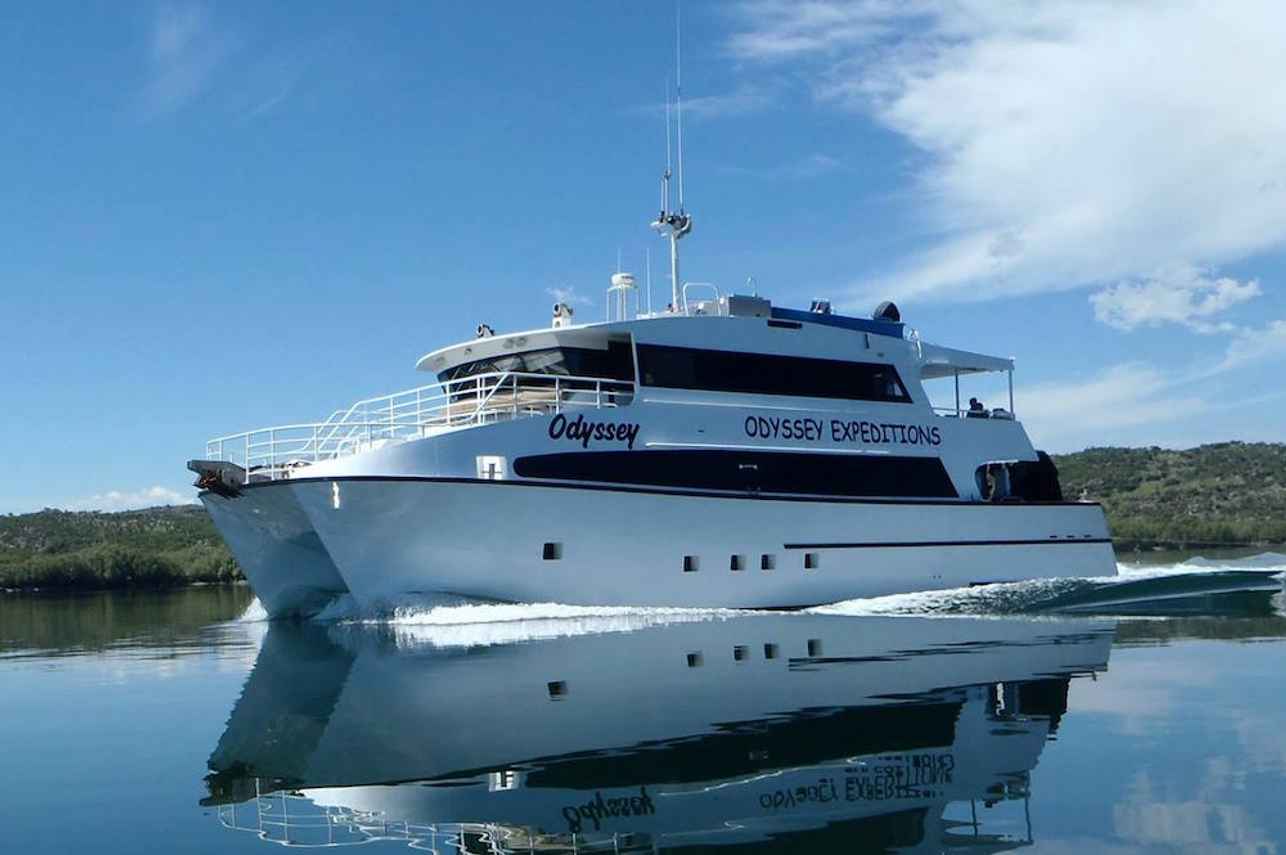
Odyssey Liveaboard
Australia
20 guests24 m
Dive sites similar to Shag Rock Dive Site
Same character, same waters — six more sites divers love for the exact same reasons.Compare seasons, access and liveaboard routes — then pick the site that fits your trip best.
© Esri — Maxar, Earthstar, GIS
Agincourt Reef
Australia
Agincourt Reef sits on the outer edge of the Great Barrier Reef, roughly 60–72 km off Port Douglas in Far North Queensland, at the southern end of the true ribbon reefs that run…
- Suitable for
- Beginner
- Current
- Moderate
- Access
- Dayboat
- Depth
- 2–20 m
- Theme
- Reef / Wall
Ahe Atoll, a remote and authentic destination in French Polynesia, offers a dive experience deeply intertwined with its local pearl farming community.
- Suitable for
- Advanced
- Current
- Strong
- Access
- Liveaboard or dayboat
- Depth
- 5–22 m
- Theme
- Channel / Drift
© Esri — Maxar, Earthstar, GIS
Alacrity Shoal
Fiji
Alacrity Shoal is a premier dive site in Fiji, renowned for its spectacular drift diving opportunities and rich marine biodiversity.
- Suitable for
- Advanced
- Current
- Strong
- Access
- Liveaboard or dayboat
- Depth
- 12–40 m
- Theme
- Drift / Seamount
Alibaba is a renowned drift dive located within the Garuae Pass in northern Fakarava, a UNESCO Biosphere Reserve in the Tuamotu Archipelago.
- Suitable for
- Intermediate
- Current
- Strong
- Access
- Liveaboard only
- Depth
- 5–30 m
- Theme
- Reef
© Esri — Maxar, Earthstar, GIS
Aliko Reef
Micronesia
Aliko Reef is a prominent dive site within Yap, Micronesia, characterized by a captivating underwater topography that blends a mini-wall with an expansive coral plateau.
- Suitable for
- Intermediate
- Current
- Mild
- Access
- Dayboat
- Depth
- 6–15 m
- Theme
- Reef / Wall
© Esri — Maxar, Earthstar, GIS
Amity Point
Australia
Amity Point is a popular shore diving destination located at the northwestern tip of North Stradbroke Island, within the protected waters of Moreton Bay.
- Suitable for
- Beginner
- Current
- Moderate
- Access
- Shore / dayboat
- Depth
- 5–15 m
- Theme
- Reef