About South Mahé Reef
South Mahé Reef, located off the southern coast of Mahé in the Seychelles, presents a distinctive dive site characterized by its ancient granitic topography. These underwater granite formations, unique globally for oceanic islands, create an intricate landscape of steep drop-offs, walls, and ledges. This particular reef benefits from the convergence of the South Equatorial Current and the East African Coastal Current, which deliver a continuous flow of nutrients and marine life to the area, fostering a rich and diverse ecosystem. Diving here exposes you to a vibrant spectrum of marine species, from colourful reef fish like angelfish and butterflyfish, to larger inhabitants such as Napoleon wrasse, stingrays, and various reef sharks. The nutrient-rich waters periodically attract pelagic species, offering opportunities for sightings of whale sharks, particularly during specific seasons. The site's varied depths and topography cater to a range of diving experiences, from exploring shallow, coral-blanketed areas to investigating deeper drop-offs. The practical dive experience often involves exploring the contours of the granite banks, navigating through natural swim-throughs and along impressive walls. While currents can be a factor, they are also responsible for the site's rich biodiversity, making it a dynamic environment for divers. Entry is typically by boat, allowing access to the best sections of the reef, with briefings emphasizing current awareness and buddy procedures to ensure a safe and enjoyable exploration of this thriving underwater world.
Highlights
Unique granite underwater topographyRich pelagic encountersVibrant coral gardensSeasonal whale shark sightingsDramatic drop-offsAbundant reef fish diversity
Season calendar
Best months to dive here
Jan
Feb
Mar
Apr
May
Jun
Jul
Aug
Sep
Oct
Nov
Dec
Excellent
Good
Mar – May & Sep – Nov (Transition)
Calmest seas, warmest water, best visibility up to 25m. Whale shark season Oct-Dec. Ideal for all levels.
Jun – Aug & Dec – Feb (Monsoon Seasons)
Dec–Feb (NW Monsoon): warmer but wetter, reduced visibility, interesting macro life. Jun–Aug (SE Monsoon): cooler water, stronger currents, pelagics and manta rays. Both seasons still diveable.
Dive site facts: South Mahé Reef
- Depth
- 8–30 m
- Current
- Mild to strong
- Visibility
- 15–30 m
- Water temperature
- 28–30 °C
- Entry
- Boat / drift
- Level
- All levels, current experience beneficial
- Dive type
- Reef, drift, pelagic encounters
- Night dive
- Possible
- Region / port
- Mahé, Inner Islands
- Coordinates
- -4.82, 55.5
Conditions & Currents
Currents at South Mahé Reef can vary from mild to strong, influenced by the prevailing monsoons and the confluence of major ocean currents. During the northwest monsoon (November-March), currents tend to be calmer, but localized runoff can affect visibility. The southeast trade winds (May-September) introduce stronger currents, which, while reducing visibility slightly, also attract significant pelagic life due to upwelling. Divers should expect drift diving conditions and be prepared for entry and exit procedures that account for moving water, including negative entries if necessary. Maintaining good buoyancy and awareness of the current direction is crucial for an enjoyable and safe dive, allowing you to go with the flow and conserve energy.
Marine life & sighting chances

Angelfish
common
Butterflyfish
common
Octopus
occasional
Lionfish
occasional
Nudibranchs
common
Napoleon wrasse
occasional
Humphead parrotfish
occasional
Stingrays
common
Reef sharks
common
Green turtles
common
Hawksbill turtles
common
Whale sharks
September-November · occasional
Eagle rays
occasional
Manta rays
occasionalDive profile & how the dive runs
Your dive at South Mahé Reef typically begins with a backroll entry from the dive boat, often timed to drift with the prevailing current. The descent follows the natural slope of the granite formations, starting in shallower coral gardens around 8-10 meters and gradually deepening along walls and ledges that can plunge to 30 meters or more. You'll navigate through swim-throughs and explore overhangs, keeping an eye out for hidden marine life. The dive route is often determined by the current, guiding you along the reef structure. Your turn point is usually signaled by air consumption or bottom time, at which point you'll begin a slow, controlled ascent, often still drifting, to a safety stop at 5 meters. The dive boat will track your progress and pick you up at the surface.
Underwater photography
South Mahé Reef offers diverse photographic opportunities, from wide-angle shots of stunning granite topography and schooling pelagics to macro captures of nudibranchs and smaller reef inhabitants. For wide-angle, a fisheye or wide rectilinear lens is ideal to capture the grandeur of the underwater landscape and any large marine life like whale sharks. Strobes are essential to bring out the vibrant colours of corals and fish, especially in deeper sections or when shooting against the sun. For macro, a dedicated macro lens will capture the intricate details of smaller creatures. Practice excellent buoyancy control to avoid damaging delicate corals and disturbing marine life, ensuring you leave no trace while composing your shots. Be mindful of currents, as they can challenge stability for sharp images.
Combine with nearby dive sites
- Ennerdale Wreck
A famous wreck dive for advanced divers located northeast of Mahé.
- L'Ilot
Granite island known for arches and swim-throughs, accessible from Beau Vallon.
- Shark Bank (Mahé)
A granite pinnacle popular for pelagic encounters.
- Conception Island
Offers additional reef diving experiences near Mahé.
- Lighthouse Reef (Mahé)
Another reef site offering diverse marine life off Mahé.
Getting there & logistics
Access to South Mahé Reef typically begins with arrival at Seychelles International Airport (SEZ) on Mahé. From there, you'll travel to a dive center, often located in areas like Beau Vallon, for day trips to the site. Many liveaboards also include South Mahé Reef in their itineraries, especially those focusing on Mahé's inner islands. Day trips usually depart in the morning, including two dives and returning in the afternoon. No specific permits are generally required for individual divers, but marine park fees may be incorporated into dive package costs. Consider combining a dive trip here with other Mahé dive sites like the Ennerdale Wreck or nearby L'Ilot to experience the full range of diving opportunities the main island offers.
Safety & environment
Diving at South Mahé Reef, particularly given the potential for currents, requires adherence to standard dive safety protocols. Always dive within your certified limits and be proficient in drift diving techniques. The nearest recompression chamber is located on Mahé, though evacuation logistics from remote dive sites can be complex and time-consuming. Therefore, comprehensive dive insurance that covers emergency medical evacuation and treatment is strongly recommended. Always dive with a reputable operator, follow your dive guide's instructions diligently, and ensure your equipment is well-maintained. Maintaining good buoyancy control is crucial to protect the delicate coral ecosystems from accidental damage.
Who it suits — and who it doesn't
Suited for
- Experienced drift divers
- Underwater photographers (wide-angle and macro)
- Pelagic enthusiasts
- Divers seeking unique granite topography
- Advanced Open Water divers
Less suited for
- Brand new divers without current experience
- Divers with poor buoyancy control
- Divers uncomfortable with potential drift conditions
- Individuals prone to seasickness in choppy waters
FAQ
South Mahé Reef FAQ
What is the best time of year to see whale sharks at South Mahé Reef?
Whale sharks are occasionally sighted around South Mahé Reef, particularly during their peak season from September to November. While sightings are never guaranteed, these months offer the highest probability due to specific ocean conditions that attract them. Planning your trip within this window increases your chances of encountering these magnificent creatures.
Are there strong currents at South Mahé Reef?
Currents at South Mahé Reef can range from mild to strong, depending on the season and specific dive conditions. The site is known for drift diving, which is often a highlight for experienced divers. Your dive guide will assess the conditions and provide a detailed briefing on how to best manage the currents for a safe and enjoyable dive.
What kind of marine life can I expect to see here?
South Mahé Reef boasts a rich diversity of marine life, from colourful reef fish like angelfish and butterflyfish to larger inhabitants. You can expect to encounter various stingrays, reef sharks, green and hawksbill turtles, and occasionally Napoleon wrasse and humphead parrotfish. The currents also attract pelagic species, offering opportunities for exciting encounters.
Is South Mahé Reef suitable for beginner divers?
While the site offers areas suitable for all levels, some sections with stronger currents or deeper profiles might be more challenging. Beginners with good buoyancy control and some experience with drift diving can enjoy the shallower, more sheltered parts. It's always best to discuss your experience level with your dive operator to ensure they can tailor the dive to your comfort and safety.
What makes the topography of South Mahé Reef unique?
The topography of South Mahé Reef is unique because it's formed by ancient granitic rock, a rarity for oceanic islands. These underwater granite formations create a dramatic landscape of steep drop-offs, walls, and ledges, along with natural swim-throughs and overhangs. This geological distinctiveness contributes to a visually stunning and ecologically rich dive environment.
Why dive South Mahé Reef from a liveaboard?
South Mahé Reef is one of Seychelles's signature dive sites. A liveaboard sleeps you on the water and puts you in the water for three to four guided dives per day, including dawn and night dives that day-boat operators rarely offer. You skip the daily commute back to port and reach quieter, less-crowded sites in the same region on a single trip.
Below are the liveaboards that include South Mahé Reef on their Seychelles itineraries.
Liveaboards diving South Mahé Reef
These liveaboards may visit South Mahé Reef on selected itineraries — the exact dive sites depend on departure, weather and conditions.
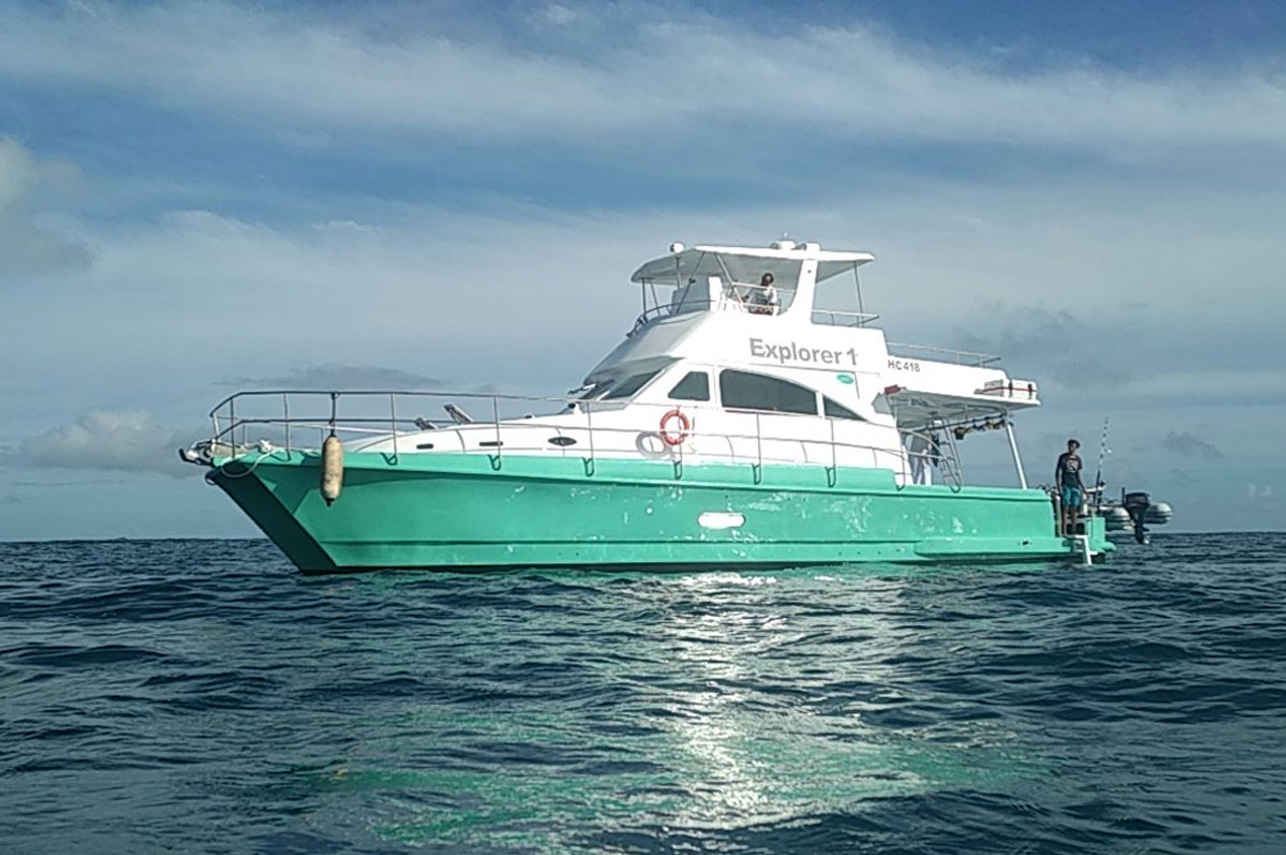
Explorer 1
Seychelles
6 guests17 m
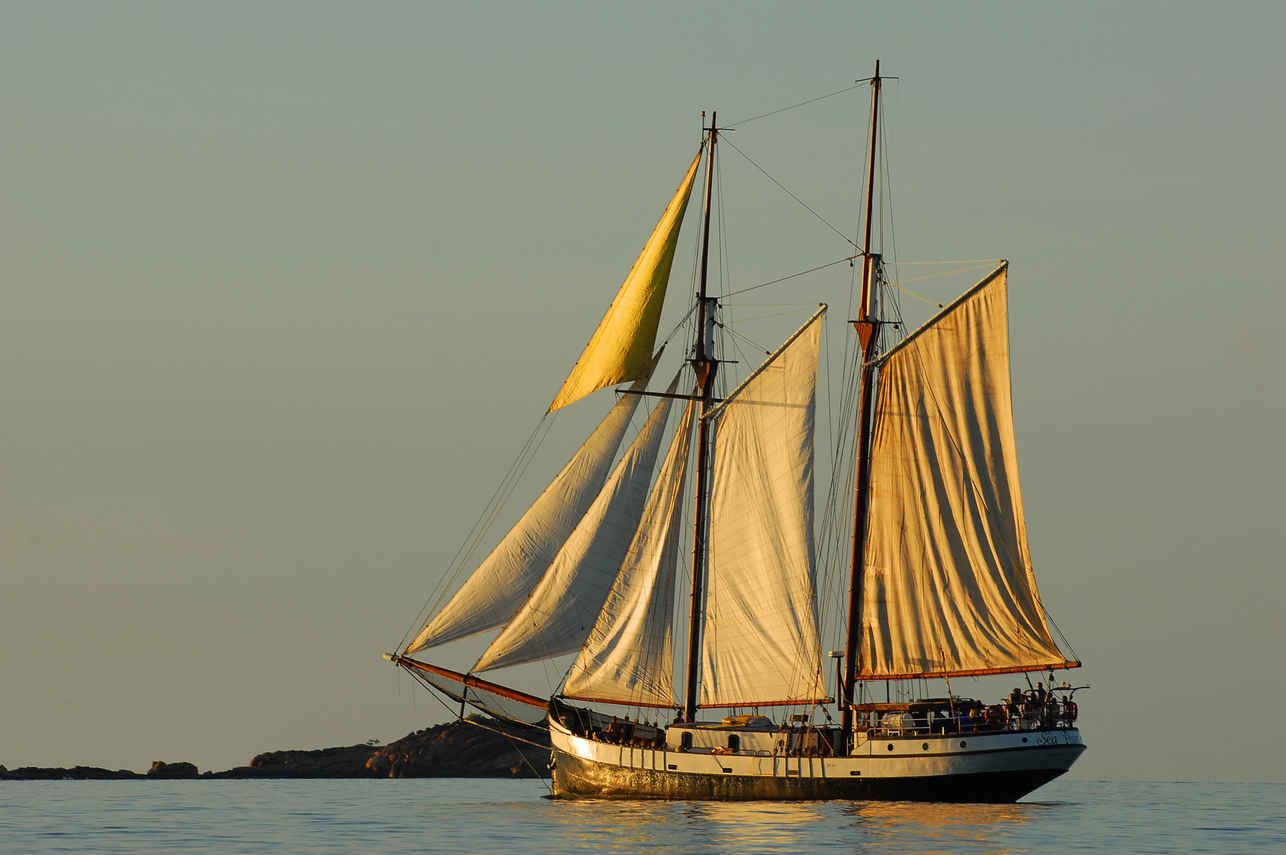
Sea Pearl
Seychelles
16 guests36 m
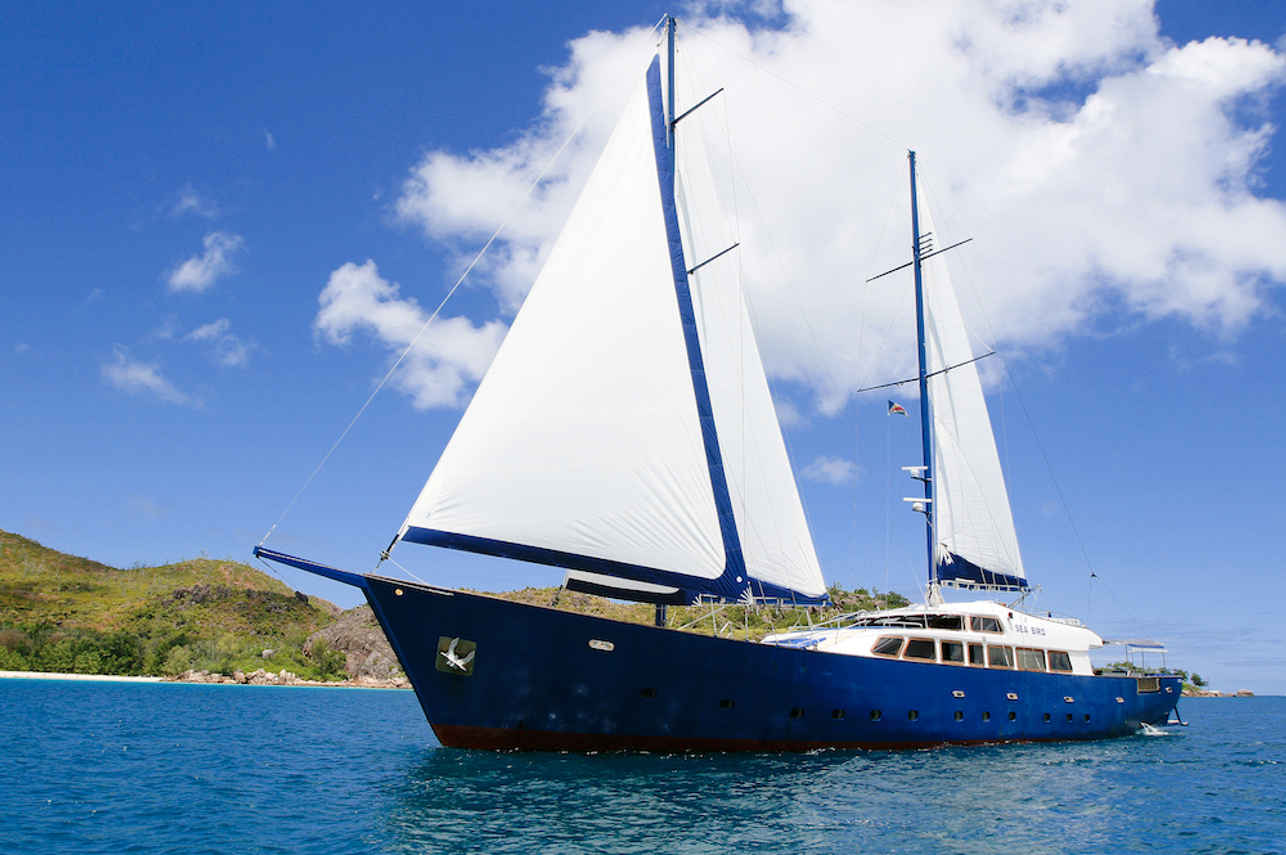
Sea Bird and Sea Star
Seychelles
18 guests42 m
Dive sites similar to South Mahé Reef
Same character, same waters — six more sites divers love for the exact same reasons.Compare seasons, access and liveaboard routes — then pick the site that fits your trip best.
© Esri — Maxar, Earthstar, GIS
7th Heaven
Maldives
7th Heaven is a vibrant channel reef located in the South Ari Atoll of the Maldives.
- Suitable for
- Intermediate
- Current
- Strong
- Access
- Liveaboard only
- Depth
- 10–30 m
- Theme
- Reef / Drift
The dive site known as "Abyss" is not specifically mentioned or described in the provided sources.
- Suitable for
- Intermediate
- Current
- Moderate
- Access
- Liveaboard or dayboat
- Depth
- 18–50 m
- Theme
- Reef
© Esri — Maxar, Earthstar, GIS
Addu Kandu
Maldives
Addu Kandu, also known as Addu Channel, is a significant natural waterway situated within the Addu Atoll, which is the southernmost atoll in the Maldives.
- Suitable for
- Advanced
- Current
- Strong
- Access
- Liveaboard only
- Depth
- 10–35 m
- Theme
- Drift
© Esri — Maxar, Earthstar, GIS
Aldabra Atoll
Seychelles
Aldabra Atoll, a remote UNESCO World Heritage Site in the Seychelles, offers an unparalleled diving experience that transports you back to a pristine, pre-industrial marine ecosystem.
- Suitable for
- Advanced
- Current
- Strong
- Access
- Liveaboard or dayboat
- Depth
- 5–40 m
- Theme
- Cave & cavern / Drift
© Esri — Maxar, Earthstar, GIS
Aldebaran Wreck
Seychelles
The Aldebaran Wreck, a 28-meter (92-foot) fishing vessel, was intentionally sunk on July 11, 2008, by the Seychelles Tourism Board to create an artificial reef.
- Suitable for
- Advanced
- Current
- Moderate
- Access
- Liveaboard or dayboat
- Depth
- 28–40 m
- Theme
- Wreck
© Esri — Maxar, Earthstar, GIS
Alimatha Jetty
Maldives
Alimatha Jetty, situated in the Vaavu Atoll beside the Alimatha Aquatic Resort's working pier, is celebrated as a premier night dive destination in the Maldives.
- Suitable for
- Beginner
- Current
- Moderate
- Access
- Liveaboard or dayboat
- Depth
- 2–12 m
- Theme
- Reef