About San Juan
San Juan is a dive site located off the coast of Cozumel, Mexico, specifically mentioned as one of the areas suitable for experienced divers in the southern part of the island. Cozumel itself is renowned for its healthy coral reefs, which form part of the extensive Mesoamerican Barrier Reef system. This site is distinguished by its potential for deeper dives and is situated in a region known for more dramatic seascapes and stronger currents. While specific topographical details like walls or swim-throughs are not detailed for San Juan, the general characteristics of Cozumel's southern sites include impressive formations and drift diving. Experienced divers can expect deeper profiles, potentially exceeding typical recreational depths, as is common in this advanced diving zone. Marine life at San Juan is not explicitly listed, but the southern Cozumel region offers higher chances of encountering larger pelagic animals due to its strong currents. Overall, Cozumel is known for high marine diversity, including turtles and sharks, which are sighted when looking out into the blue. This site is recommended for advanced divers, not just those with a PADI Advanced certification, primarily due to the likelihood of strong and potentially shifting currents. Dive operations typically visit such advanced sites in the morning, which provides more time for search and rescue in the unlikely event a diver drifts off. Divers should be prepared for drift diving conditions, which are prevalent throughout Cozumel.
Highlights
Fast drift diveExtensive finger coral gardensVibrant sponge formationsSeasonal eagle ray sightingsUnique seaweed landscapesExhilarating current experience
Season calendar
Best months to dive here
Jan
Feb
Mar
Apr
May
Jun
Jul
Aug
Sep
Oct
Nov
Dec
Excellent
Good
Nov – Apr (Peak)
Socorro season open (Nov–May) for giant mantas and hammerheads. Cozumel bull sharks Dec–Mar. Cenotes excellent year-round. Best overall conditions.
May – Oct (Transition & Sea of Cortez)
Socorro closing, Cozumel still good. Whale sharks arrive at Isla Mujeres Jun–Sep. From August, the Sea of Cortez comes alive: Midriff Islands offer massive sea lion colonies and schooling mobulas. September and October bring world-class diving around La Paz and Cabo Pulmo with whale sharks, hammerheads, and bull sharks on the Explore Baja route.
Dive site facts: San Juan
- Typical dive
- 3–4 km drift, 60–70 min
- Current
- Fast running, strong
- Entry
- Boat
- Level
- Experienced divers only
- Dive type
- Drift, coral reef, big animals (seasonal)
- Region / port
- Cozumel, Yucatan Peninsula, Mexico
- Coordinates
- 20.492754, -86.989825
Conditions & Currents
San Juan is known for strong currents, a characteristic of the more advanced dive sites found in Cozumel's southern region. These currents can be intense and may also change direction, which necessitates a higher level of diving proficiency. Due to these challenging conditions, dive boats typically schedule visits to San Juan and similar southern sites exclusively during morning excursions. This practice ensures that in the event a diver is swept away, there is ample daylight for search and recovery operations. Divers should carry an SMB and a whistle for safety. The site's demanding conditions make it suitable for experienced divers capable of handling variable and powerful currents, implying the need for sound gas planning and drift diving experience. Specifics on visibility or thermoclines are not provided, but Cozumel generally offers good visibility.
Marine life & sighting chances

Eagle Rays
Winter · occasional
Moray Eels
occasional
Shrimp
occasional
Crabs
occasional
Lobsters
occasionalBony Fish
common

Butterfly Fish
common
Damsel Fish
common
Bat Fish
occasional
Trumpet Fish
occasional
Parrotfish
commonDive profile & how the dive runs
Dives at San Juan Reef are typically exhilarating drift dives, initiated from a live boat drop-off. Divers immediately enter a fast-moving current, which propels them across the reef. The route follows the reef's contour, characterized by large sections of finger coral and sponges. The dive progresses over an extended distance, often covering several kilometers in about an hour, showcasing various formations and marine life. The final section of the dive frequently features a large, thriving coral garden abundant with fish. Due to the continuous movement, safety stops are often performed while still drifting, carefully monitored by the dive boat, which follows the divers' progress for a seamless surface pickup.
Underwater photography
Capturing the fast-paced drift and extensive reefscapes at San Juan Reef requires careful planning. Wide-angle lenses are ideal for sweeping shots of the broad coral gardens, sponges, and the unique seaweed landscapes. Given the potential for rapid movement, a fast shutter speed is crucial to freeze action, especially when attempting to photograph active fish or the seasonal eagle rays. Strobe placement should aim for broad coverage to illuminate the diverse colors of the corals and sponges, combating any loss of vibrance due to depth. Due to the strong currents, maintaining stable buoyancy and position for framing shots can be challenging, demanding highly proficient diving skills. Focus on subjects that can be captured quickly as you drift past, or utilize natural reef anchors (without touching) to briefly stabilize for a shot.
Combine with nearby dive sites
- Atlantis
Atlantis Reef is a captivating dive site located off the coast of Isla Mujeres, Mexico, offering certified divers an exciting exploration…
- Paso de Cedral
Paso de Cedral is a dynamic drift dive site located off the coast of Cozumel, Mexico, forming part of the Mesoamerican Barrier Reef.
- Moc-Che Shallow
Moc-Che Shallow is a vibrant reef dive situated directly off Playa del Carmen in Mexico, forming part of the Mesoamerican Barrier Reef.
- Middle Wall
Middle Wall is a prominent dive site within the protected Cabo San Lucas Marine Park, located just minutes by boat from the bustling marina.
Getting there & logistics
Access to San Juan Reef is exclusively via day boats departing from Cozumel, which is easily reachable by ferry from Playa del Carmen or direct flights to Cozumel International Airport (CZM). Divers typically embark on two-tank morning trips, often combining San Juan with another Cozumel site. The fast drift nature of the dive means careful coordination with the boat crew for drop-off and pickup points. No specific park fees for this site are mentioned, but Cozumel Marine Park fees typically apply to all diving activities in the area. Trip durations usually span half a day for diving activities, with divers returning to Cozumel's main port.
Safety & environment
Diving at San Juan Reef demands a high level of experience due to its very strong, fast-running currents, which can be challenging even for advanced divers. Divers must maintain excellent buoyancy control and comfort with drift diving techniques. The nearest recompression chamber is located in Cozumel, ensuring prompt medical attention if needed. However, evacuation in swift currents requires immediate surface support from the dive boat. Comprehensive dive insurance covering hyperbaric treatment and emergency evacuation is highly recommended. Always stay close to your buddy and follow the dive guide's instructions precisely, as the rapid movement can quickly separate divers. Due to the strong currents, monitoring air consumption is critical to ensure ample reserve for safety stops.
Who it suits — and who it doesn't
Suited for
- Experienced drift divers
- Divers seeking strong currents
- Underwater photographers with good buoyancy
- Enthusiasts of large reefscapes
- Divers hoping to see eagle rays in winter
Less suited for
- Beginner divers
- Divers uncomfortable with strong currents
- Those prone to seasickness (due to boat movement)
- Divers with poor air consumption
FAQ
San Juan FAQ
What makes San Juan Reef a unique dive site?
San Juan Reef is distinctive for its fast drift diving experience, where divers are carried by strong currents across an expansive reef. The site features unique landscapes composed of large finger coral gardens, colorful sponges, and unusual seaweed formations, creating a dynamic visual experience unlike many other Cozumel sites.
What is the current like at San Juan Reef?
The currents at San Juan Reef are notoriously strong and fast-running, defining it as a premier drift dive. Divers can expect to cover significant distances, often 3-4 kilometers, in about 60-70 minutes. This makes it an exhilarating dive, but one that requires comfort and proficiency in drift diving techniques.
What marine life can I expect to see at San Juan Reef?
Beyond the diverse hard and soft corals, sponges, and various reef fish, San Juan Reef is a known spot for eagle rays during the winter months. Divers may also encounter moray eels, various crabs, lobsters, and schooling fish, particularly in the large coral gardens at the dive's culmination.
Is San Juan Reef suitable for beginner divers?
No, San Juan Reef is not recommended for beginner divers due to its very strong and fast-running currents. It is best suited for experienced divers who are comfortable with rapid drift diving, have excellent buoyancy control, and can manage their air consumption effectively in dynamic conditions.
Why are some corals described as 'bleached' at San Juan Reef?
Some of the finger corals at San Juan Reef have been observed to be bleached. Coral bleaching occurs when corals expel algae living in their tissues, causing them to turn white. This can be due to various environmental stressors like increased water temperature, and it can impact the reef's overall health if prolonged.
Why dive San Juan from a liveaboard?
San Juan is one of Mexico's signature dive sites. A liveaboard sleeps you on the water and puts you in the water for three to four guided dives per day, including dawn and night dives that day-boat operators rarely offer. You skip the daily commute back to port and reach quieter, less-crowded sites in the same region on a single trip.
Below are the liveaboards that include San Juan on their Mexico itineraries.
Liveaboards diving San Juan
These liveaboards may visit San Juan on selected itineraries — the exact dive sites depend on departure, weather and conditions.
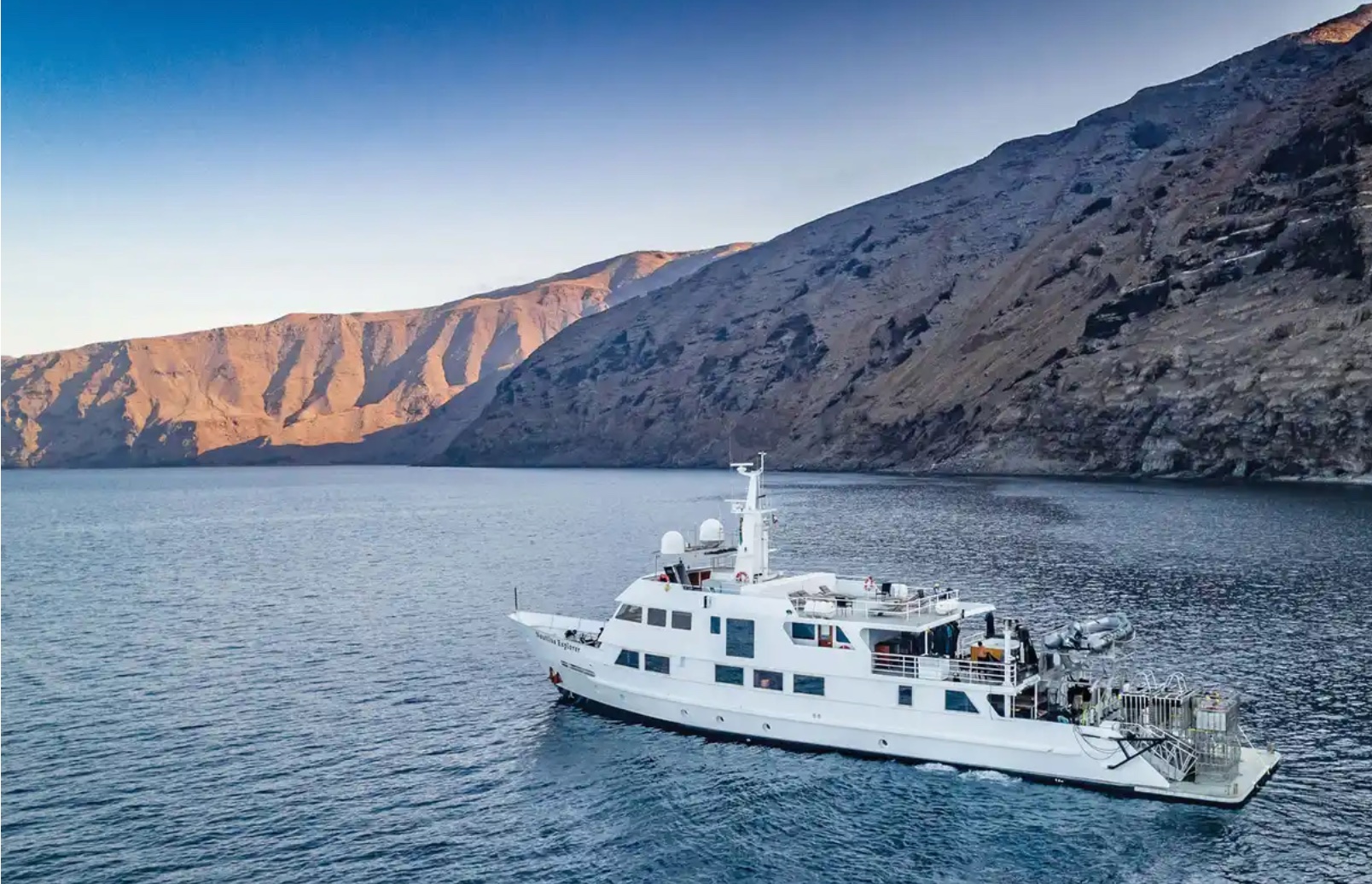
Nautilus Explorer
Mexico
25 guests45 m
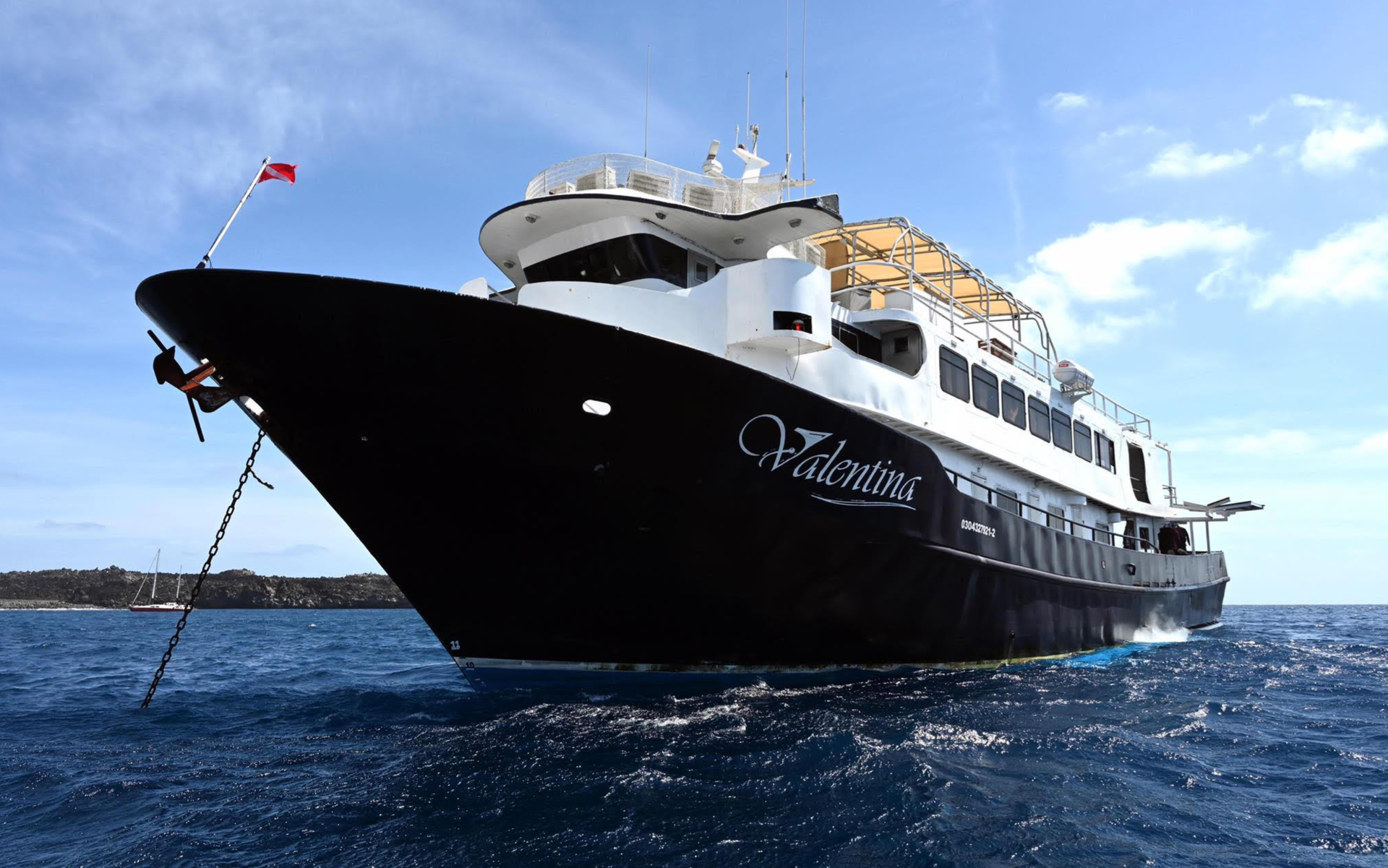
Valentina
Mexico
20 guests38 m
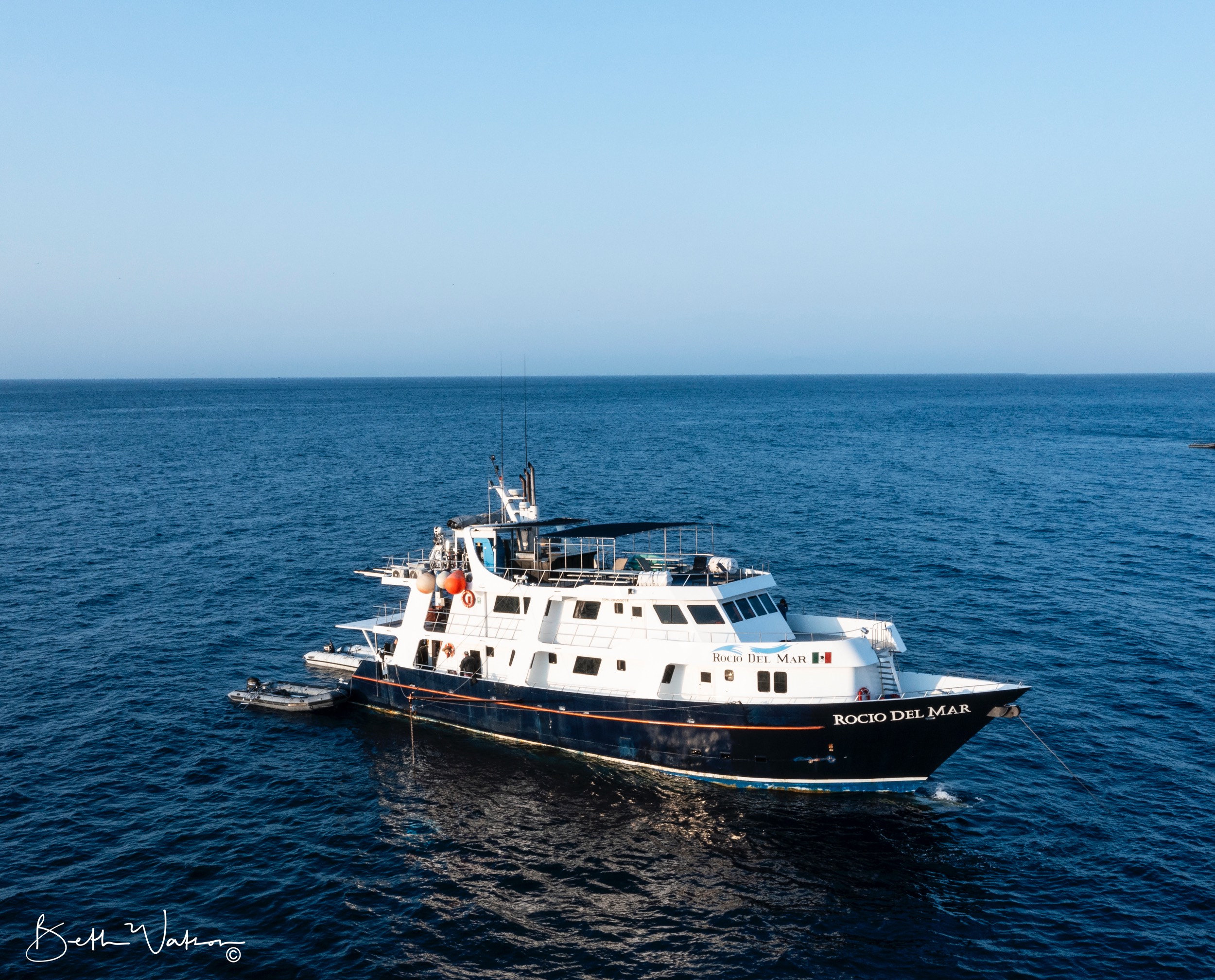
Rocio del Mar
Mexico
20 guests34 m
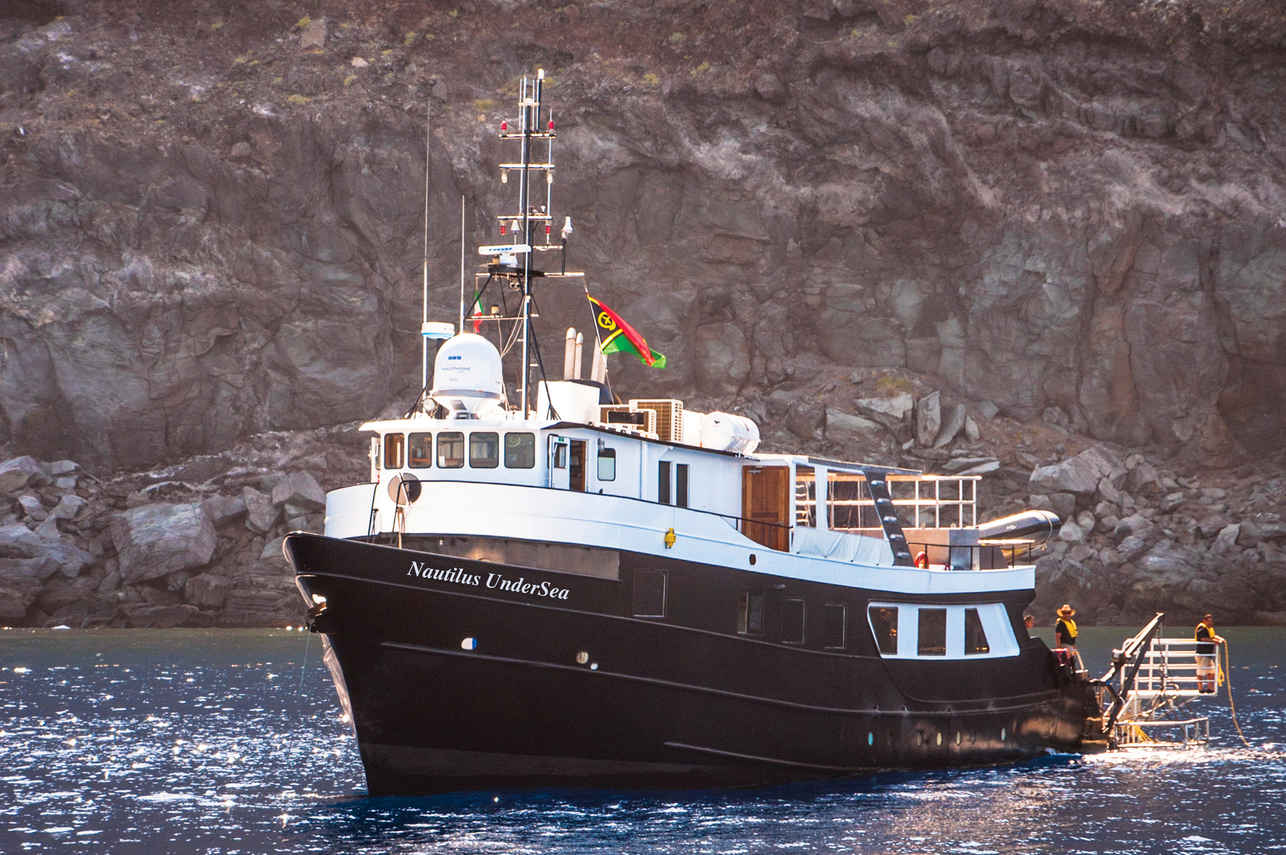
Nautilus Under Sea
Mexico
19 guests32 m
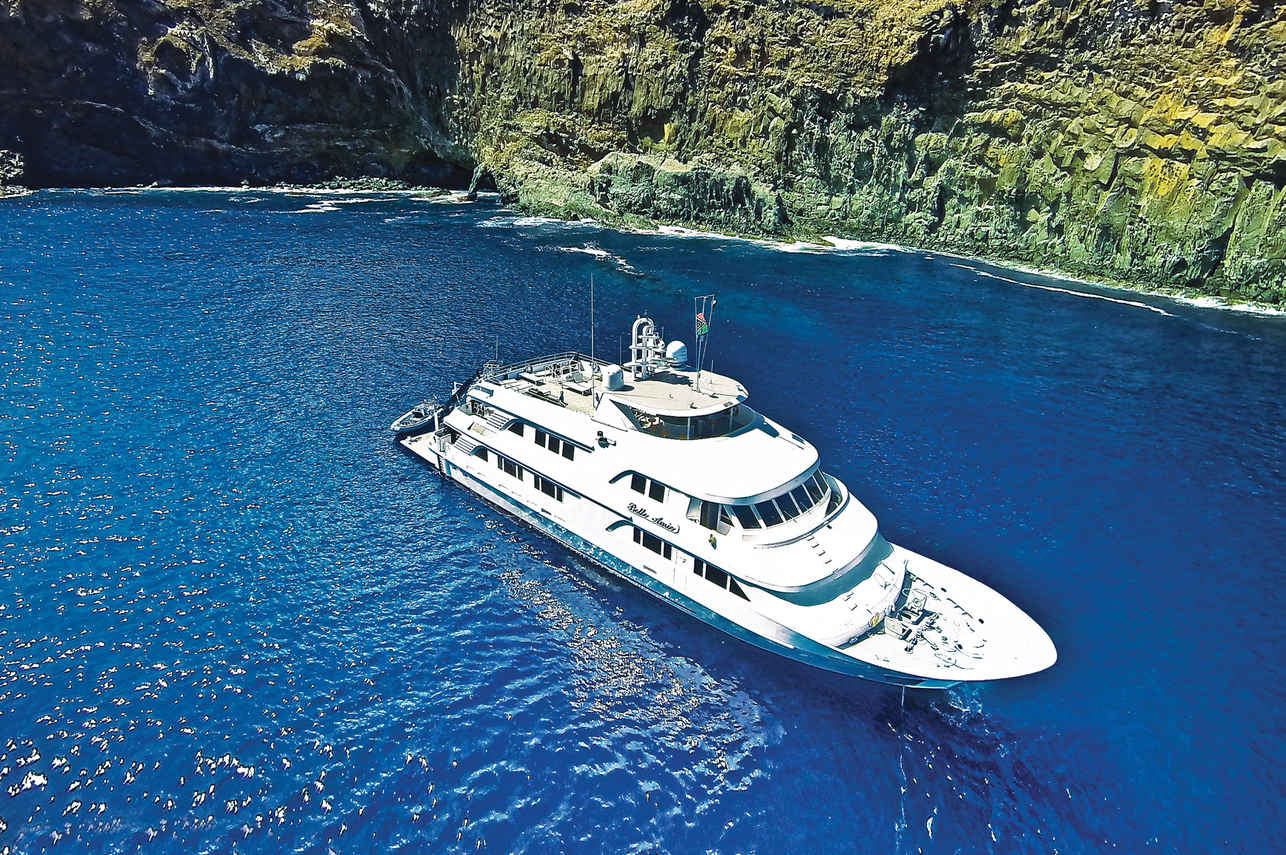
Nautilus Belle Amie
Mexico
32 guests45 m
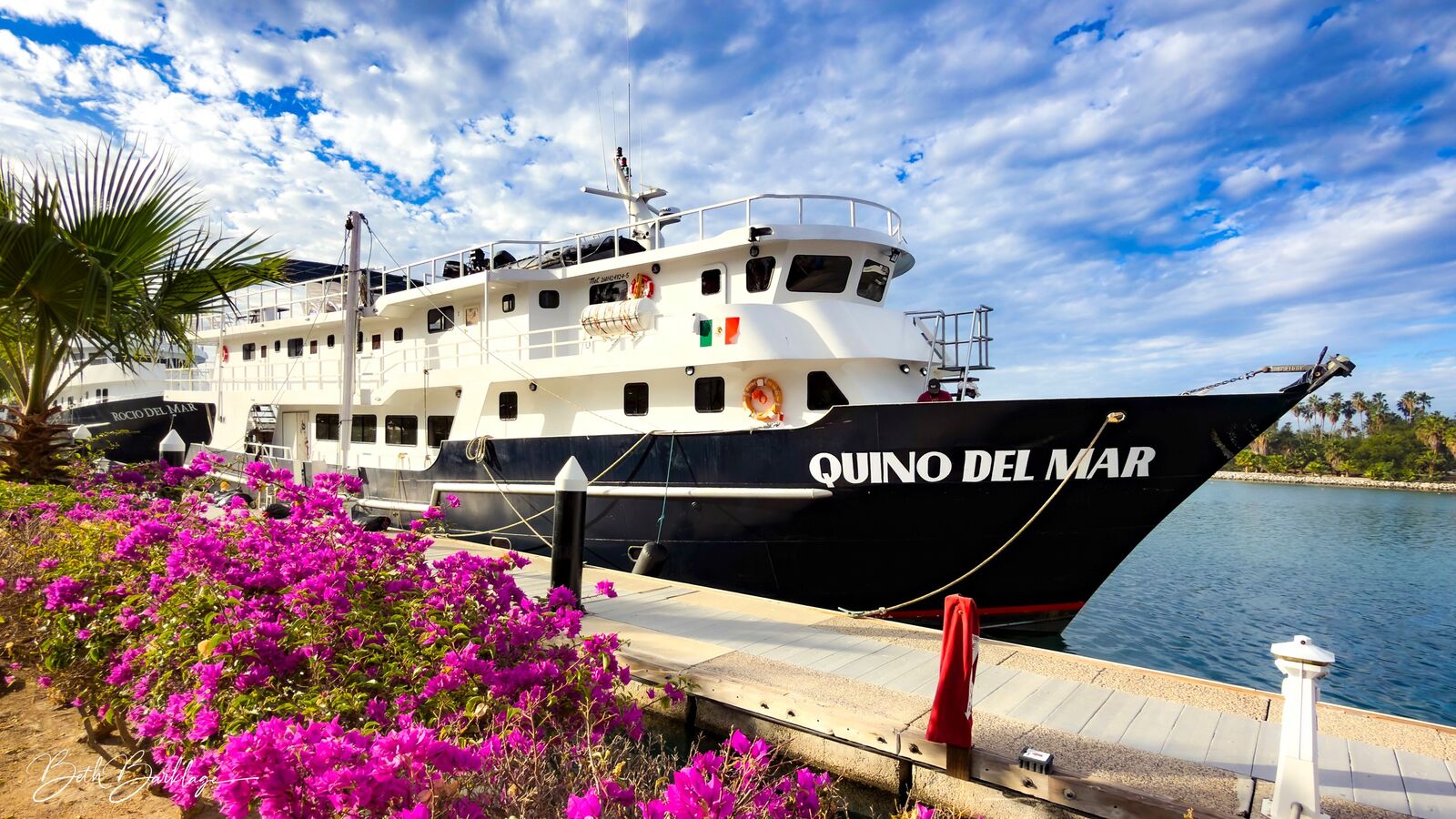
Quino del Mar
Mexico
20 guests36 m
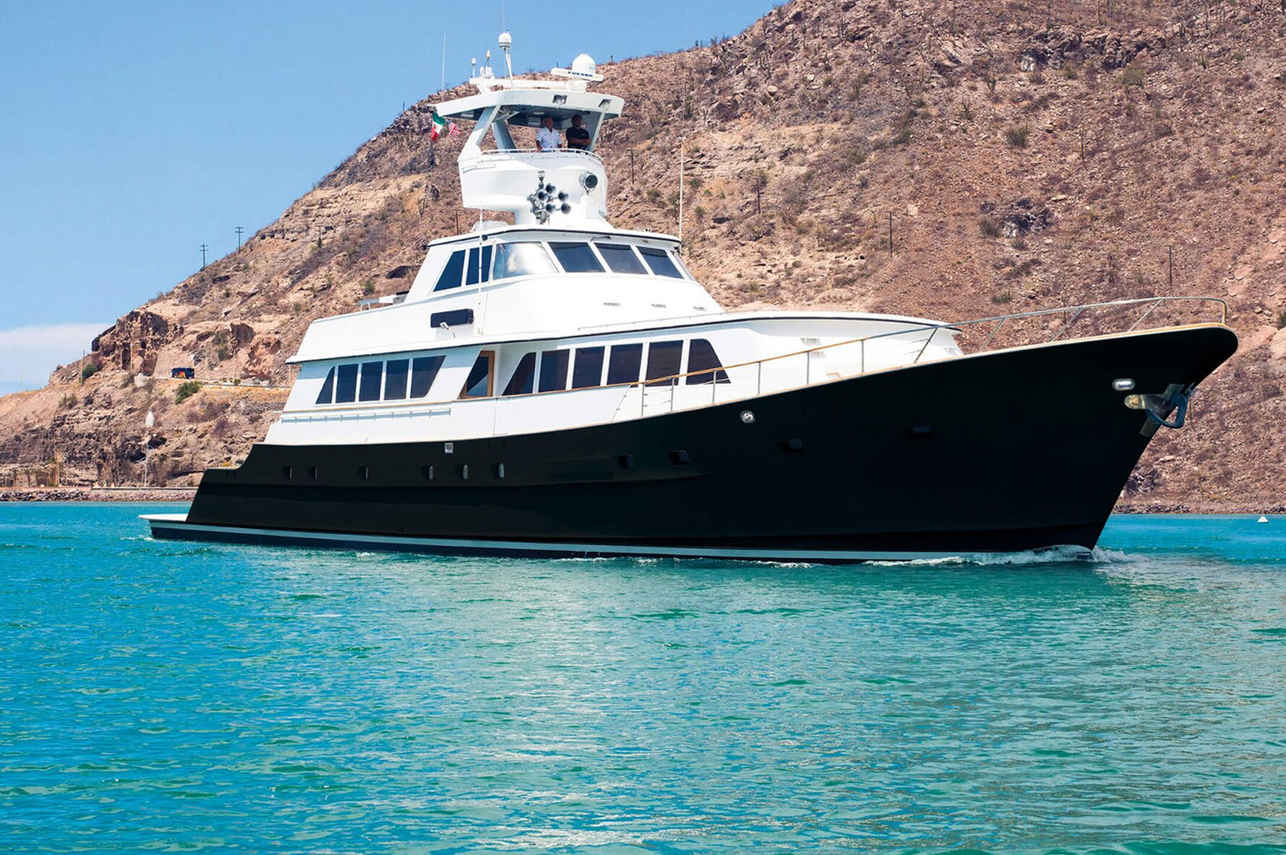
Nautilus Gallant Lady
Mexico
12 guests35 m
Dive sites similar to San Juan
Same character, same waters — six more sites divers love for the exact same reasons.Compare seasons, access and liveaboard routes — then pick the site that fits your trip best.
© Esri — Maxar, Earthstar, GIS
3 Fathom Wall
Cayman Islands
3 Fathom Wall is an exciting and fish-filled dive site located in the Cayman Islands, specifically at the intersection of the renowned Bloody Bay Wall.
- Suitable for
- Intermediate
- Current
- Mild
- Access
- Liveaboard only
- Depth
- ≤ 3000 m
- Theme
- Reef
While specific details for a dive site named "3 Riff" are not present in the provided sources, general diving conditions and characteristics for the Dominican Republic…
- Suitable for
- Advanced
- Current
- Mild
- Access
- Dayboat
- Depth
- 30–55 m
- Theme
- Reef
The dive site known as 3 Rocks is located off the coast of Sosúa in Puerto Plata, Dominican Republic, offering an accessible and lively underwater experience.
- Suitable for
- Beginner
- Current
- Mild
- Access
- Dayboat
- Depth
- 2–8 m
- Theme
- Reef
4 Amigos is a notable dive site located in the Bay Islands of Honduras, an area renowned for its extensive Mesoamerican Barrier Reef System, which is the world's second-longest.
- Suitable for
- Intermediate
- Current
- Moderate
- Access
- Liveaboard or dayboat
- Depth
- 9–40 m
- Theme
- Reef
© Esri — Maxar, Earthstar, GIS
6 Toed Cat
Mexico
The dive site known as "6 Toed Cat" is not a recognized dive location in Mexico; rather, it refers to the polydactyl felines, many with six toes, that inhabit the Ernest Hemingway Home and Museum in Key West, Florida.
- Suitable for
- Beginner
- Current
- Mild
- Access
- Liveaboard or dayboat
- Depth
- —
- Theme
- Reef
© Esri — Maxar, Earthstar, GIS
Aaron's Backyard
Honduras
Aaron's Backyard is a noted dive site within the Roatan Marine Park in Honduras, part of the extensive Mesoamerican Barrier Reef System.
- Suitable for
- Intermediate
- Current
- Moderate
- Access
- Liveaboard or dayboat
- Depth
- 9–40 m
- Theme
- Reef