About Rowley Shoals
The Rowley Shoals Marine Park lies approximately 260 to 300 kilometers west of Broome, Western Australia, a truly remote and unspoiled marine environment. These three ancient coral atolls—Mermaid Reef, Clerke Reef, and Imperieuse Reef—rise dramatically from ocean depths between 300 and 700 meters, showcasing some of Australia's most perfect shelf atolls, believed to be over 10 million years old. Life within the shoals is profoundly shaped by extreme tides, which funnel in and out through narrow channels, creating powerful, exhilarating drift dives. The topography features spectacular outer walls that plunge to 50 meters and beyond, shallow inner lagoons, and protected coral gardens. These diverse habitats support an extraordinary biodiversity. More than 200 species of coral and 700 species of fish inhabit these reefs, alongside larger pelagic species, sharks, and turtles. The isolation of Rowley Shoals ensures its reef systems remain in near-pristine condition, offering exceptional visibility and an unparalleled diving experience. Due to its remote location and short season, access is exclusively via liveaboard from Broome, making it a unique expeditionary dive destination. Trips typically run for 5 to 8 nights, focusing on Clerke and Mermaid Atolls, with some extending to Imperieuse, offering a dive adventure unlike any other.
Highlights
Adrenaline-filled channel drift divesPristine coral atolls from deep seaExceptional visibility up to 60mDiverse marine life, 700+ fish speciesWall diving into deep blueGiant potato cod encountersRemote, untouched reef systemsShallow lagoon coral gardens
Season calendar
Best months to dive here
Jan
Feb
Mar
Apr
May
Jun
Jul
Aug
Sep
Oct
Nov
Dec
Good
Dive site facts: Rowley Shoals
- Depth
- 5–40 m (recreational limit)
- Typical dive
- 12–30 m, 45–60 min
- Current
- Strong tidal drifts, gentle to swift
- Visibility
- 20–60 m
- Water temperature
- 25–30°C
- Entry
- Liveaboard tender / negative entry
- Level
- Advanced recommended, drift experience essential
- Dive type
- Wall, drift, coral garden, pelagic
- Night dive
- Possible
- Region / port
- Western Australia, Broome
- Coordinates
- -17.3333, 119.3333
Conditions & Currents
Diving at Rowley Shoals is defined by its extreme tidal influences, which create currents ranging from gentle drifts to powerful, adrenaline-filled rides through narrow channels. These currents are a key feature, dictating drift dives where you are swept from the outside of the atoll into the lagoon or vice-versa. Visibility remains excellent, often 20 to 30 meters or even up to 60 meters, thanks to the incoming clear oceanic waters. Divers must be comfortable with drift diving techniques and managing varying current strengths, making careful dive planning essential to align with tide states and ensure safe entry and exit points.
Marine life & sighting chances

Coral Trout
common
Clownfish
common
Humphead Parrotfish
common
Maori Wrasse
common
Spanish Mackerel
occasional
Giant Potato Cod
common
Dogtooth Tuna
occasional
Green Turtles
common
White-tip Reef Sharks
common
Grey Reef Sharks
occasional
Manta Rays
September to December · occasional
Moray Eels
common
Nudibranchs
occasional
Humpback Whales
September to December · rareDive profile & how the dive runs
Dive profiles at Rowley Shoals vary greatly, from calm lagoon explorations to exhilarating channel drifts. For a typical channel drift, you'll enter the water from the liveaboard tender directly into the current, often with a negative entry to descend quickly. The current then propels you along the channel walls, which are adorned with coral and schools of fish. Depths can range from 10 to 30 meters, often following the reef slope. Your guide will direct you to observe the marine life passing by, such as schools of snapper or bumphead parrotfish. The drift continues until the current disperses, usually pushing you into the calmer inner lagoon, where you can slow down and conduct your safety stop before being picked up by the tender.
Underwater photography
Capturing the vibrant ecosystem of Rowley Shoals benefits from a versatile setup. For wide-angle reefscapes, a fisheye or wide-angle lens is ideal to encompass the expansive coral gardens, steep walls, and incoming clear oceanic water. External strobes are highly recommended to bring out the true colors of the corals and fish in the consistently clear water. For macro subjects like nudibranchs, a macro lens is essential, potentially paired with a snoot to isolate subjects. During exhilarating drift dives, fast shutter speeds and pre-focused settings are crucial to freeze the action of rapidly passing marine life. Given the strong currents, excellent buoyancy control is paramount to avoid disturbing delicate corals and to maintain position for stable shots.
Getting there & logistics
Access to Rowley Shoals is exclusively by liveaboard, departing from Broome, Western Australia. Flights to Broome are available from major Australian capital cities, typically via Perth. Liveaboard expeditions to the shoals range from 5 to 8 nights. Due to the short season (late September to early November/December) and limited operator availability, bookings must be made well in advance, often a year ahead. Marine park rules apply, and moorings must be booked; anchoring is heavily restricted to protect the pristine environment. There are no day trips or independent travel options due to the remote offshore location.
Safety & environment
Given its remote location 260-300 km offshore, safety at Rowley Shoals requires meticulous planning. The nearest recompression chamber is in Perth, necessitating efficient emergency evacuation procedures, which can be challenging due to distance and weather. Comprehensive dive insurance, including coverage for remote medical evacuation, is non-negotiable. Site-specific hazards include strong tidal currents that demand advanced drift diving skills and careful monitoring by guides. Recreational depth limits are typically capped at 40 meters. Divers must maintain excellent buoyancy control to protect the fragile coral systems and adhere strictly to marine park regulations, which protect all coral, cod, groper, and wrasse species.
Who it suits — and who it doesn't
Suited for
- Experienced divers comfortable with drift diving
- Advanced photographers seeking pristine reefscapes
- Divers desiring remote, untouched marine environments
- Liveaboard enthusiasts seeking expeditionary trips
- Those interested in high biodiversity and pelagic encounters
Less suited for
- Beginner divers or those without drift diving experience
- Divers seeking shore-based or day-trip options
- Individuals prone to seasickness in open ocean conditions
- Those with limited budget (due to liveaboard-only access)
- Travelers unable to book trips well in advance
FAQ
Rowley Shoals FAQ
What kind of diving can divers expect at Rowley Shoals?
Divers can expect a diverse range of experiences, including thrilling drift dives through narrow channels with strong tidal currents, spectacular wall dives plunging to depths of 50 meters, and explorations of shallow, vibrant coral gardens within protected lagoons. The atolls also feature swim-throughs and bommies, all set against a backdrop of exceptionally clear water.
Is Rowley Shoals suitable for beginner divers?
Rowley Shoals is generally considered better suited for advanced divers due to the strong tidal influences and remote offshore location. While some shallow, protected areas exist for check-out dives, the overall experience involves managing currents and deeper wall dives. Operators often require a minimum of 10-20 logged dives.
How good is visibility at Rowley Shoals?
Visibility at Rowley Shoals is exceptional, frequently ranging from 20 to 30 meters, and can often extend up to 60 meters. This crystal-clear water is a result of the atolls' remote location far from continental runoff and the constant influx of clear oceanic water brought in by the tides.
What marine life is common at Rowley Shoals?
The shoals boast over 700 fish species and 200 coral species. Common sightings include coral trout, clownfish, humphead parrotfish, Maori wrasse, and giant potato cod. Divers also frequently encounter green turtles, white-tip reef sharks, grey reef sharks, and occasionally manta rays or even humpback whales during their season.
Where are Rowley Shoals located?
The Rowley Shoals are a group of three coral atolls situated approximately 260 to 300 kilometers west of Broome on the north-western coast of Australia. They rise from the edge of the continental shelf in the Indian Ocean, making them one of Australia's most remote dive destinations.
Do divers need permits or special rules for Rowley Shoals?
Yes, marine park rules apply across the Rowley Shoals, which is a protected marine park. Moorings must be booked in advance, anchoring is heavily restricted, and fishing for certain species like cod, groper, and wrasse is prohibited. Liveaboard operators manage most of these logistical and permit requirements for divers.
Why dive Rowley Shoals from a liveaboard?
Rowley Shoals is one of Australia's signature dive sites. A liveaboard sleeps you on the water and puts you in the water for three to four guided dives per day, including dawn and night dives that day-boat operators rarely offer. You skip the daily commute back to port and reach quieter, less-crowded sites in the same region on a single trip.
Below are the liveaboards that include Rowley Shoals on their Australia itineraries.
Liveaboards diving Rowley Shoals
These liveaboards may visit Rowley Shoals on selected itineraries — the exact dive sites depend on departure, weather and conditions.
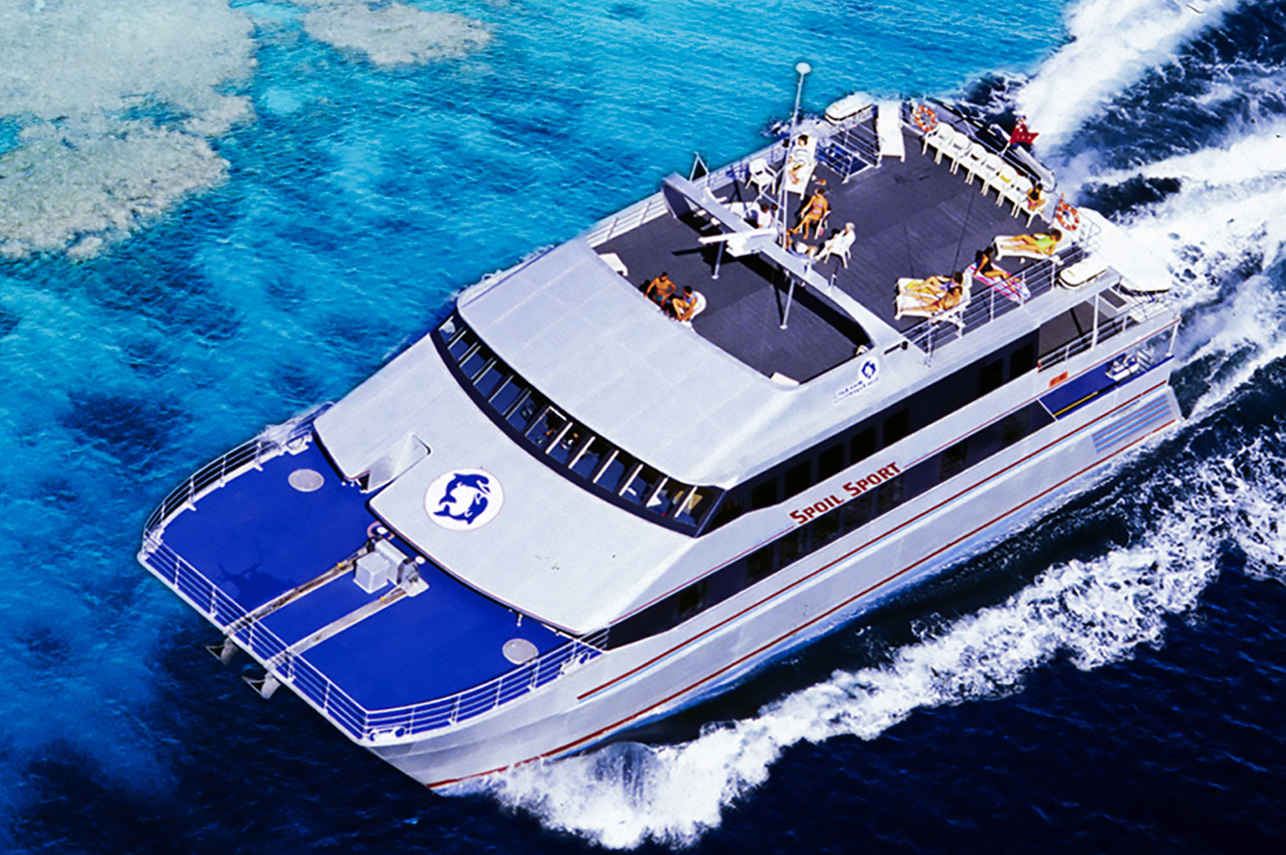
Spoilsport
Australia
28 guests30 m
$404/day
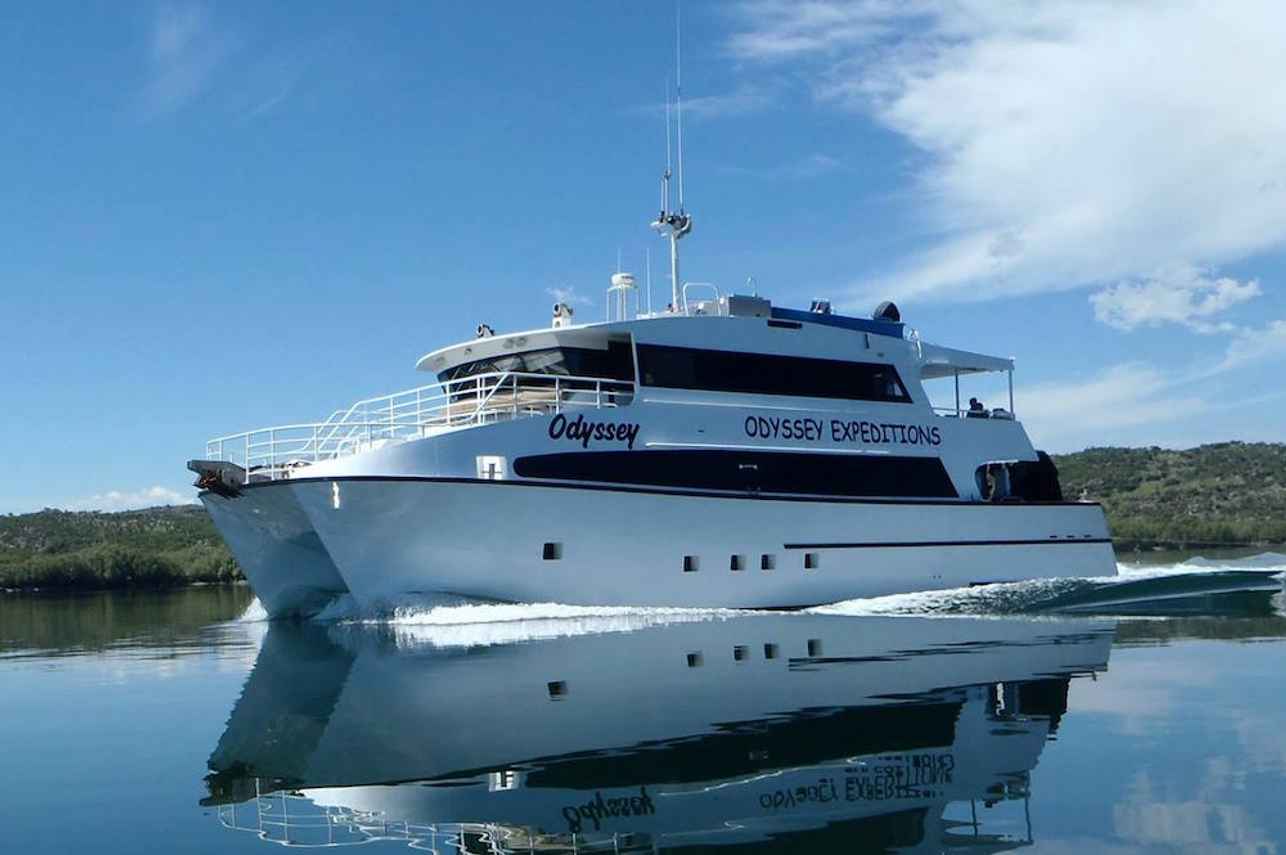
Odyssey Liveaboard
Australia
20 guests24 m
$392/day
Dive sites similar to Rowley Shoals
Same character, same waters — six more sites divers love for the exact same reasons.Compare seasons, access and liveaboard routes — then pick the site that fits your trip best.
© Esri — Maxar, Earthstar, GIS
Agincourt Reef
Australia
Agincourt Reef sits on the outer edge of the Great Barrier Reef, roughly 60–72 km off Port Douglas in Far North Queensland, at the southern end of the true ribbon reefs that run…
- Suitable for
- Beginner
- Current
- Moderate
- Access
- Dayboat
- Depth
- 2–20 m
- Theme
- Reef / Wall
© Esri — Maxar, Earthstar, GIS
Raine Island
Australia
Raine Island is a pivotal dive site located in the Far Northern Great Barrier Reef, approximately 85 kilometers east-north-east of Cape Grenville and just over 4 nautical miles south of the island itself.
- Suitable for
- Advanced
- Current
- Strong
- Access
- Liveaboard only
- Depth
- 5–40 m
- Theme
- Reef / Wall
© Esri — Maxar, Earthstar, GIS
Neptune Islands
Australia
The Neptune Islands, nestled at the mouth of South Australia's Spencer Gulf, offer an unparalleled opportunity to encounter great white sharks.
- Suitable for
- Advanced
- Current
- Strong
- Access
- Liveaboard or dayboat
- Depth
- 5–15 m
- Theme
- Drift
© Esri — Maxar, Earthstar, GIS
Boarfish Reef
Australia
Boarfish Reef is a renowned boat-access reef located in Victoria, Australia, specifically near Queenscliff on the Bellarine Peninsula.
- Suitable for
- Intermediate
- Current
- Strong
- Access
- Dayboat
- Depth
- 1–25 m
- Theme
- Reef / Drift
© Esri — Maxar, Earthstar, GIS
Jeff’s Edge
Australia
Jeff's Edge is a renowned dive site situated on the outer reef of Lady Musgrave Island, an exquisite part of the Southern Great Barrier Reef in Queensland, Australia.
- Suitable for
- Advanced
- Current
- Strong
- Access
- Dayboat
- Depth
- 6–22 m
- Theme
- Wall / Drift
© Esri — Maxar, Earthstar, GIS
Sutherland Point
Australia
Sutherland Point offers an accessible shore diving experience along the dramatic coastline of Kurnell in Botany Bay, Sydney, New South Wales.
- Suitable for
- Beginner
- Current
- Mild
- Access
- Shore / dayboat
- Depth
- ≤ 12 m
- Theme
- Reef / Wall