About Pemuteran Bio-Rock Project
The Pemuteran Bio-Rock Project stands as Indonesia's most extensive coral reef restoration initiative, established in 2000 through the collaborative efforts of scientists Professor Wolf H. Hilbertz and Doctor Thomas Goreau, alongside local community support. Utilizing an innovative 'Electrical Mineral Accretion' process powered by a self-sustaining photovoltaic generator, the project significantly accelerates coral growth. This landmark conservation effort began as a grassroots response to destructive fishing practices prevalent in the late 1990s, transforming the local underwater landscape and providing a sustainable livelihood for former fishermen who now serve as reef guards and dive guides. Located just offshore from Pemuteran village, this site is easily accessible from the beach, catering to both snorkelers and divers. The project encompasses approximately two hectares, featuring numerous steel structures that host a diverse array of hard and soft corals, sea fans, sponges, and anemones. These artificial reefs are arranged parallel to the coastline, typically found at depths between three and seven meters, extending across several hundred meters at about 50 meters from shore. The Bio-Rock structures have successfully created a thriving habitat. You can observe a remarkable variety of reef fish, including clownfish nestled in magnifica anemones, butterflyfish, blackspot snappers, damselfish, and cornetfish. Occasional sightings of sea turtles further enrich the experience, showcasing the project's success in restoring ecological balance. The area generally experiences gentle conditions, making it an ideal location for relaxed exploration and macro photography. Diving here offers a unique opportunity to witness firsthand the positive impact of marine conservation. It provides an engaging and educational dive experience amidst healthy, growing coral gardens and abundant fish life, suitable for divers of all levels, including those just starting their underwate
Highlights
Indonesia's largest coral restorationOver 115 artificial structuresElectrical Mineral Accretion technologyAbundant reef fish speciesAccessible shore divingCommunity-led conservation successDiverse hard and soft coralsIdeal for macro photography
Season calendar
Best months to dive here
Jan
Feb
Mar
Apr
May
Jun
Jul
Aug
Sep
Oct
Nov
Dec
Good
Dive site facts: Pemuteran Bio-Rock Project
- Depth
- 3–13 m
- Typical dive
- 3–7 m, ~54 min
- Current
- Mild to none
- Visibility
- 15 m
- Water temperature
- 27–30°C
- Entry
- Shore entry
- Level
- Beginner to Advanced
- Dive type
- Coral restoration, macro, reef
- Night dive
- Possible
- Region / port
- Pemuteran, North Bali
- Coordinates
- 8.1408° S, 114.6540° E
Conditions & Currents
The Pemuteran Bio-Rock Project is known for its generally calm and mild conditions, making it a comfortable dive for all experience levels. Currents are typically minimal or absent, especially within the shallow bay where the project is located. Entry is usually directly from the shore, providing straightforward access to the dive site. Visibility often averages around 15 meters, though this can vary. Water temperatures are consistently warm, ranging from 27-30°C. Due to the site's sheltered nature and gentle conditions, divers can enjoy extended bottom times focusing on macro life and coral observation without significant concern for strong currents or surge, making gas planning relatively simple.
Marine life & sighting chances

Clownfish
common
Butterflyfish
common
Blackspot Snapper
common
Damselfish
common
Cornetfish
common
Moray Eel
occasional
Sea Turtle
occasional
Frogfish
occasional
Nudibranch
occasional
Pygmy Seahorse
occasionalDive profile & how the dive runs
Your dive at Pemuteran Bio-Rock begins with a comfortable shore entry directly into the calm, shallow waters of the bay. The site is a large, sprawling area with over 115 artificial structures situated parallel to the coastline, roughly 50 meters from shore. These structures are typically found at depths ranging from three to seven meters, making for a relaxed and accessible dive. You'll navigate through a network of these steel frames, each heavily encrusted with diverse corals and teeming with small reef fish. The route is flexible, allowing you to explore the various formations and search for macro life at your own pace. Maximum depth for typical dives here is around 13 meters. Given the shallow profile and typically mild currents, the entire dive can be spent observing the rehabilitation efforts and resident marine life. Safety stops are easily conducted at five meters, offering additional time to enjoy the vibrant coral gardens before ascending.
Underwater photography
The Pemuteran Bio-Rock Project offers exceptional opportunities for underwater photography, particularly macro and wide-angle. For macro, a dedicated macro lens (e.g., 60mm or 100mm) is ideal to capture the intricate details of nudibranchs, pipefish, and juvenile critters hiding among the coral structures. Utilizing snoots or powerful strobes can help highlight subjects against the artificial framework and bring out their true colors. For wide-angle, a rectilinear wide-angle lens (e.g., 16-35mm equivalent) or a fisheye lens will allow you to frame the large, elaborate Bio-Rock structures and their overall health. Pay attention to composition, using the repeating patterns of the structures as leading lines. Good buoyancy control is crucial to avoid damaging the growing corals or stirring up the sandy bottom, which can impact visibility. Patience and a keen eye are rewarded, as the site constantly reveals new macro subjects.
Combine with nearby dive sites
- Napoleon Reef
A boat-accessed reef with a flat top, often visited from Pemuteran.
- Glashouse Pemuteran
A sheltered shore muck dive known for its diverse critter life.
- Close Encounters
A reef slope offering macro life and schooling fish, a short boat ride away.
- Puri Jati
A renowned muck diving hotspot on Bali's north coast, known for rare macro species.
- Secret Bay (Gilimanuk)
A paradise for macro photography and muck diving, ideal for spotting rare critters.
- Japanese Wreck
A small WWII-era shipwreck accessible from shore, encrusted with corals.
Getting there & logistics
Diving at the Pemuteran Bio-Rock Project typically involves staying in Pemuteran village, located on Bali's tranquil north coast. Access to the dive site is conveniently from the shore, often directly in front of local dive centers or resorts. Denpasar's Ngurah Rai International Airport (DPS) is the main entry point to Bali, requiring a roughly 3-4 hour drive to reach Pemuteran. Most dive trips are day excursions, with multiple dives possible at the Bio-Rock site or combined with nearby boat-accessed reefs like Napoleon Reef or Glashouse Pemuteran. Liveaboard options are available for broader Bali exploration but are not essential for diving this specific site. Park fees are generally not applicable directly at the Bio-Rock project, though marine park fees might apply for excursions to other areas like Menjangan Island.
Safety & environment
For safety at the Pemuteran Bio-Rock Project, general dive insurance is always recommended to cover unforeseen circumstances. The nearest recompression chamber is located in Denpasar, approximately 25 kilometers away, necessitating careful dive planning and adherence to safe diving practices. While Pemuteran is a tranquil location, medical evacuations for serious incidents would involve land transport to Denpasar, which can take several hours. The site itself presents few inherent hazards due to its shallow depth and typically calm conditions. Divers should maintain good buoyancy control to avoid contact with the delicate, growing corals and steel structures. Always dive with a reputable local operator who understands the site and its nuances, and ensure you are comfortable with shore entries.
Who it suits — and who it doesn't
Suited for
- Beginner divers seeking easy conditions
- Photographers focused on macro subjects
- Divers interested in marine conservation
- Families with snorkelers and divers
- Divers seeking calm, shallow experiences
Less suited for
- Divers seeking strong currents or drift dives
- Those prioritizing large pelagic encounters
- Divers looking for deep wall or wreck dives (specifically at this site)
- Individuals preferring remote, uncrowded sites (can be popular)
- Technical divers
FAQ
Pemuteran Bio-Rock Project FAQ
What is the Pemuteran Bio-Rock Project?
The Pemuteran Bio-Rock Project is Indonesia's largest coral reef restoration initiative, established in 2000. It uses an innovative electrical mineral accretion technology to accelerate coral growth on artificial metal structures, creating a thriving marine habitat and supporting local community livelihoods. It serves as both a conservation success story and a popular dive site.
What marine life can I expect to see at the Bio-Rock site?
Divers at the Bio-Rock site can observe a wide variety of reef fish, including clownfish, butterflyfish, snappers, damselfish, and cornetfish. The site is also known for occasional sightings of moray eels, frogfish, nudibranchs, and sea turtles, making it excellent for macro enthusiasts and general reef observation.
Is the Pemuteran Bio-Rock Project suitable for beginners?
Yes, the Pemuteran Bio-Rock Project is highly suitable for beginner divers. Its shallow depths, typically calm conditions, and easy shore entry make it an ideal location for those new to diving or seeking a relaxed underwater experience. Certified open water courses often use this site for training dives.
How do I access the Pemuteran Bio-Rock Project?
The Bio-Rock Project is easily accessible directly from the shore in Pemuteran village, located on Bali's north coast. Many local dive centers and resorts are situated beachfront, providing convenient access to the site. You can simply walk into the water and begin your dive.
What is 'Electrical Mineral Accretion' used in the project?
Electrical Mineral Accretion is a technique that applies a low-voltage electrical current to submerged metal structures. This process causes minerals dissolved in seawater to accrete onto the structures, forming a substrate that promotes rapid coral growth and reef rehabilitation. At Pemuteran, this is powered by a self-sustaining photovoltaic generator.
Why dive Pemuteran Bio-Rock Project from a liveaboard?
Pemuteran Bio-Rock Project is one of Bali's signature dive sites. A liveaboard sleeps you on the water and puts you in the water for three to four guided dives per day, including dawn and night dives that day-boat operators rarely offer. You skip the daily commute back to port and reach quieter, less-crowded sites in the same region on a single trip.
Below are the liveaboards that include Pemuteran Bio-Rock Project on their Bali itineraries.
Liveaboards diving Pemuteran Bio-Rock Project
These liveaboards may visit Pemuteran Bio-Rock Project on selected itineraries — the exact dive sites depend on departure, weather and conditions.

Naga Biru
Indonesia
12 guests40 m
$271/day
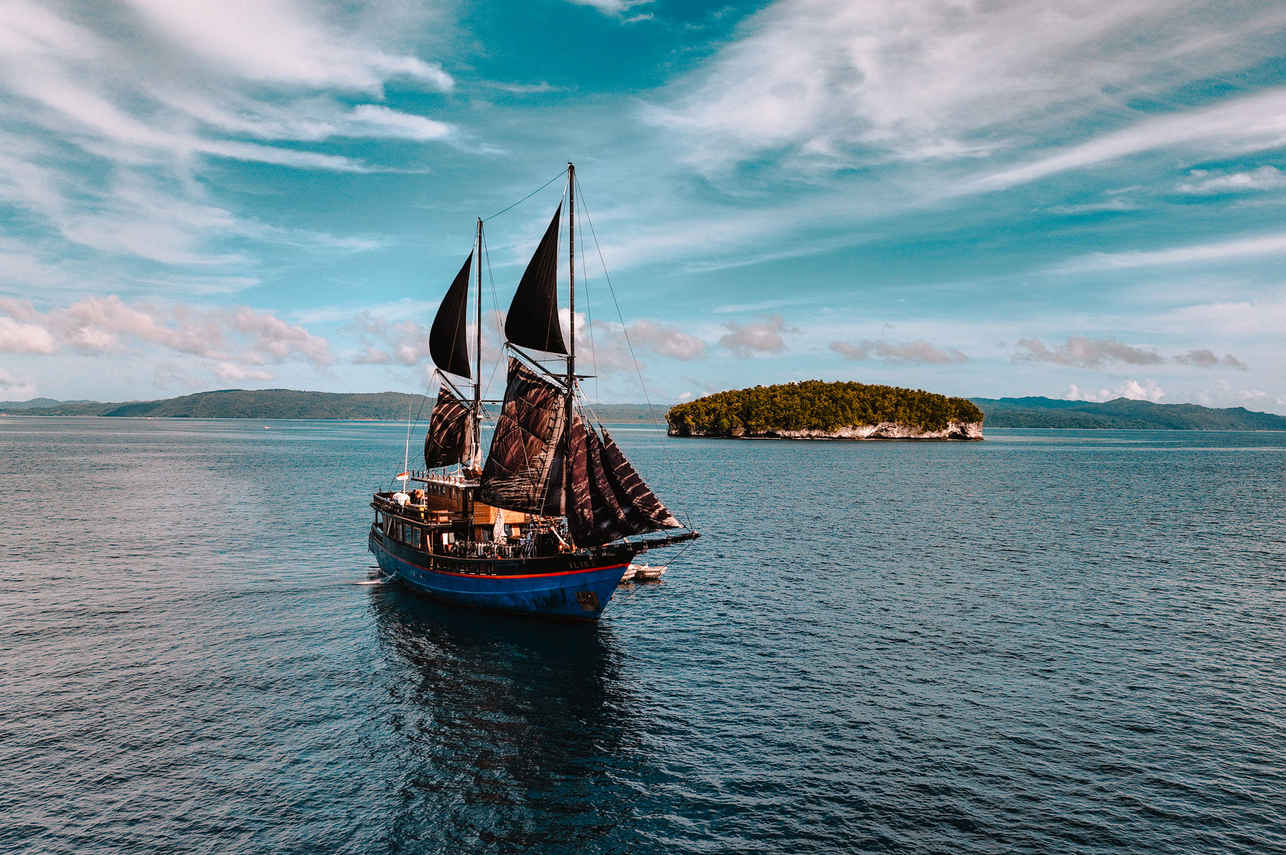
Ilike
Indonesia
16 guests40 m
$350/day
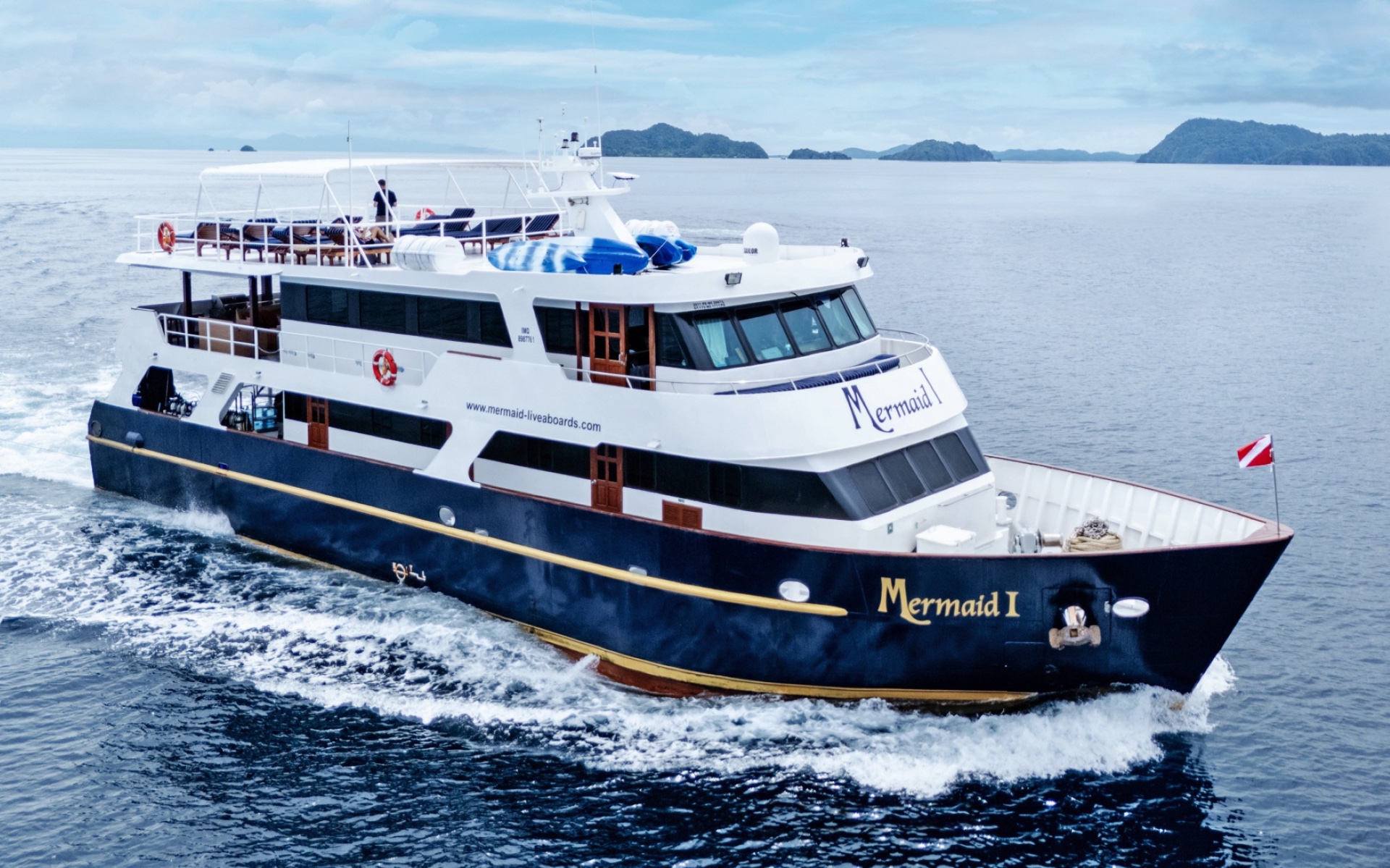
Mermaid I
Alor
15 guests28 m
$474/day
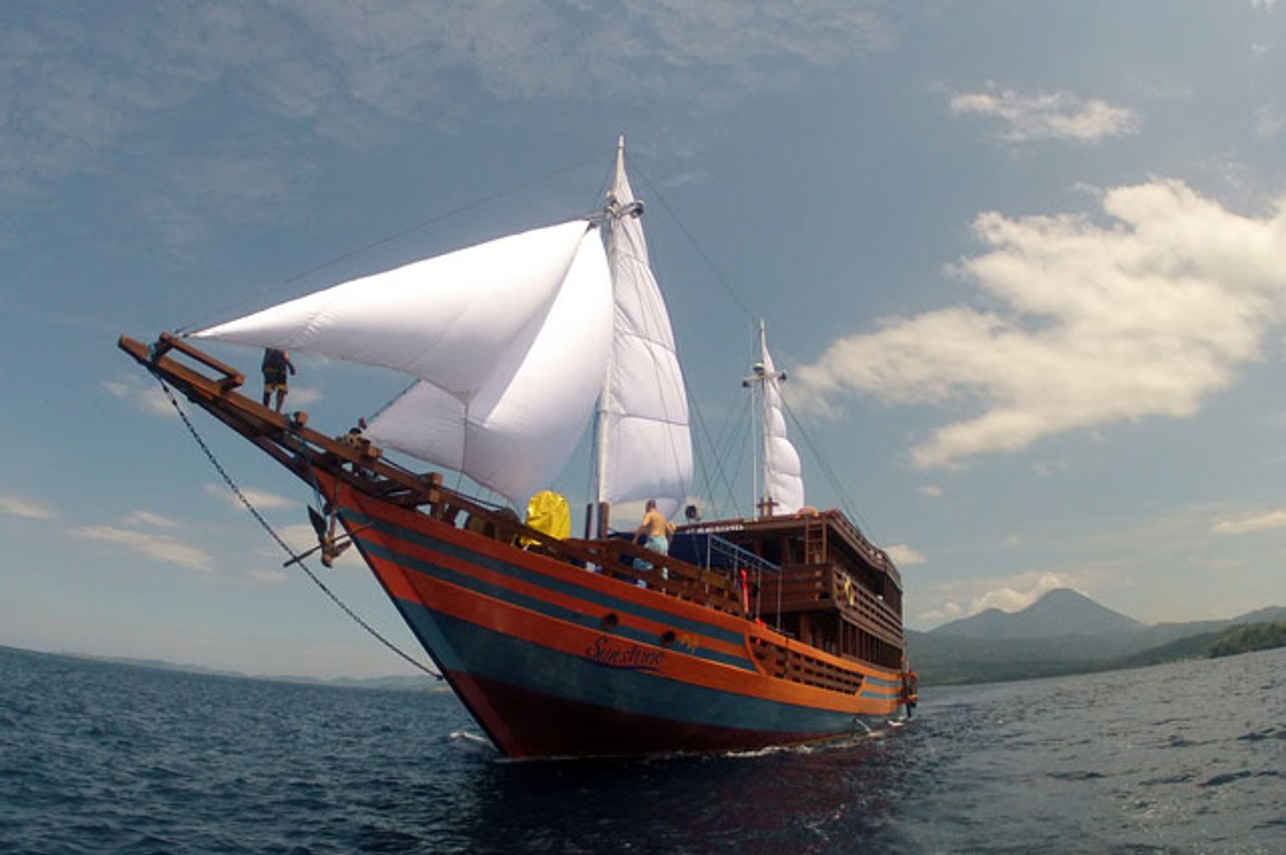
Sunshine Liveaboard
Indonesia
10 guests31 m
$190/day
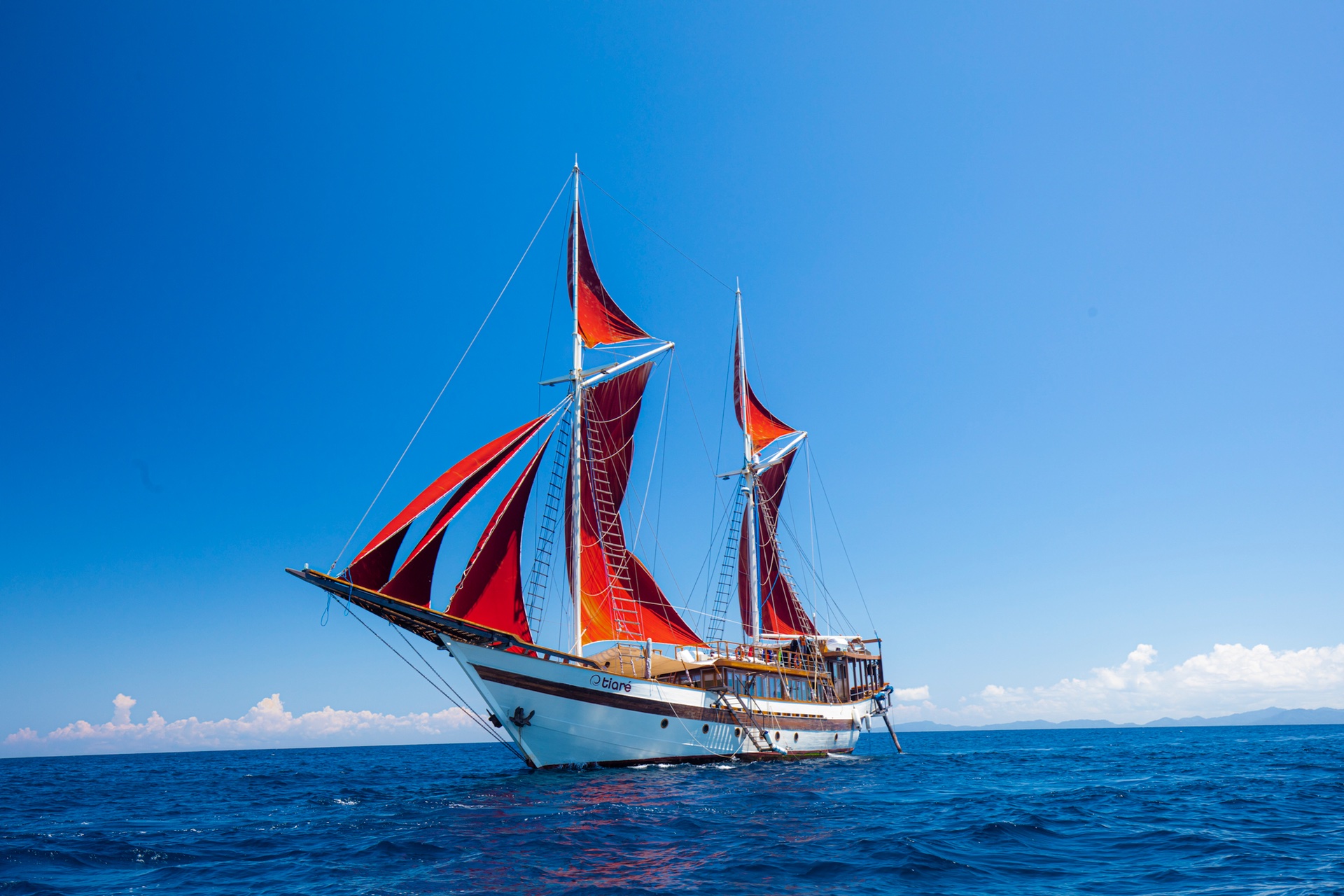
Tiare Cruise
Indonesia
12 guests36.5 m
$473/day
Dive sites similar to Pemuteran Bio-Rock Project
Same character, same waters — six more sites divers love for the exact same reasons.Compare seasons, access and liveaboard routes — then pick the site that fits your trip best.
Lipah Bay is situated on Bali's northeast coast within the Amed area, nestled against the dramatic backdrop of Gunung Agung.
- Suitable for
- Beginner
- Current
- Mild
- Access
- Liveaboard or dayboat
- Depth
- 5–30 m
- Theme
- Reef / Drift
© Esri — Maxar, Earthstar, GIS
Tangked Cave
Bali
Tangked Cave, sometimes referred to as Tangked Taked Shark Cave, is an advanced dive site situated in the open ocean off Bali's southeastern coast.
- Suitable for
- Advanced
- Current
- Moderate
- Access
- Liveaboard or dayboat
- Depth
- 15–40 m
- Theme
- Cave & cavern / Reef
© Esri — Maxar, Earthstar, GIS
Japanese Wreck
Bali
The Japanese Wreck is a compelling dive site located in Banyuning Bay, just off the beach in Amed, Bali.
- Suitable for
- Beginner
- Current
- Moderate
- Access
- Shore / dayboat
- Depth
- 6–12 m
- Theme
- Wreck / Reef
© Esri — Maxar, Earthstar, GIS
Biaha Reef
Bali
Situated near Candidasa, Biaha Reef is a captivating dive site characterized by its dramatic underwater landscapes and the potential for exhilarating encounters with large pelagic marine life.
- Suitable for
- Intermediate
- Current
- Moderate
- Access
- Liveaboard or dayboat
- Depth
- 10–35 m
- Theme
- Reef
© Esri — Maxar, Earthstar, GIS
Dream Wall
Bali
Dream Wall is one of Menjangan Island's premier dive sites, located within the protected West Bali National Park marine area.
- Suitable for
- Beginner
- Current
- Mild
- Access
- Dayboat
- Depth
- 10–60 m
- Theme
- Wall / Reef