About Glashouse Pemuteran
Glashouse Pemuteran is a renowned muck diving site located in Pemuteran, Bali, accessible directly from the beach. It stands out for its gently sloping grey sand bottom, interspersed with occasional coral growth, making it a prime location for discovering fascinating macro life and unusual critters. Divers frequently spot a wide array of reef fish, nudibranchs, octopuses, and seahorses here. The site's topography begins with a shallow coral top, transitioning into sloping sides that lead to a sandy base around 25 to 30 meters deep, though the typical dive focuses on shallower areas. This characteristic environment provides a rich habitat for tiny marine creatures that thrive in the substrate. While specific seasonality for marine life at Glashouse is not detailed, Pemuteran as a region offers year-round opportunities for observing marine turtles, schooling reef fish, and healthy coral reefs. The calm and sheltered conditions contribute to the consistent presence of its diverse critter population. Accessed by a short minibus ride from local accommodations, Glashouse offers easy entry from the shore. It is particularly suited for divers seeking a relaxed experience focused on macro photography and spotting unique benthic species, offering a tranquil alternative to busier dive spots.
Highlights
Critter hunting paradiseGently sloping sandy bottomAbundant macro lifeNudibranchs, octopuses, seahorsesShore access muck diveOccasional coral growth
Season calendar
Best months to dive here
Jan
Feb
Mar
Apr
May
Jun
Jul
Aug
Sep
Oct
Nov
Dec
Good
Dive site facts: Glashouse Pemuteran
- Depth
- 3–30 m
- Typical dive
- 14 m, ~54 min
- Current
- Light
- Visibility
- 15 m
- Water temperature
- 27–29°C
- Entry
- Shore
- Level
- Beginner
- Dive type
- Muck, macro, sandy slope
- Region / port
- Pemuteran, Bali
- Coordinates
- 8.1403° S, 115.4213° E
Conditions & Currents
Glashouse Pemuteran is typically a sheltered dive site, experiencing light currents that contribute to its calm nature and ease of access. While the overall Bali region can experience strong currents, Pemuteran's location, particularly this shore-accessed site, usually offers more tranquil conditions. The visibility averages around 15 meters, which is standard for a muck dive where the focus is often on smaller, closer subjects. Water temperatures generally range between 27 to 29°C. These mild conditions mean that the site is suitable for divers of various experience levels, allowing for relaxed bottom time to observe the abundant macro life without significant concerns for drift or challenging entries.
Marine life & sighting chances
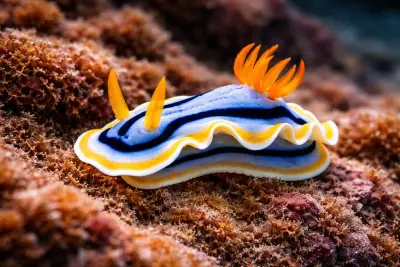
Nudibranchs
Year round · common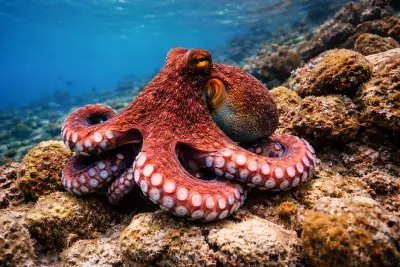
Octopuses
Year round · occasional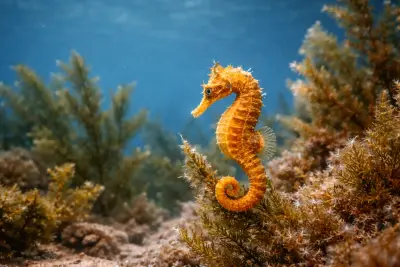
Seahorses
Year round · occasional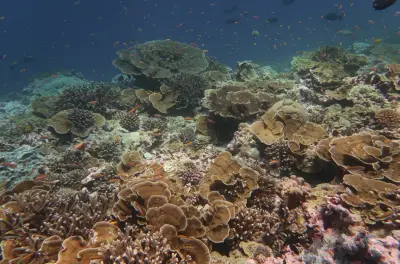
Reef fish
Year round · common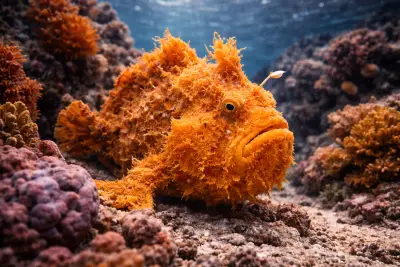
Frogfish
Year round · occasional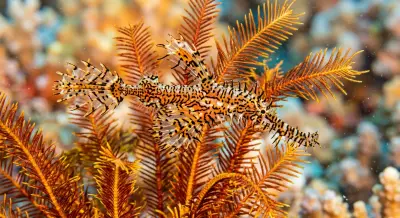
Pipefish
Year round · occasional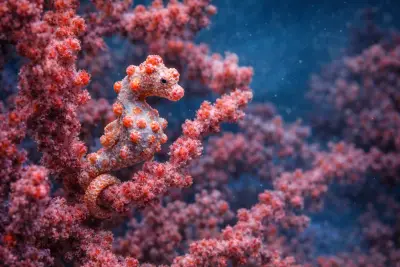
Pygmy seahorse
Year round · rare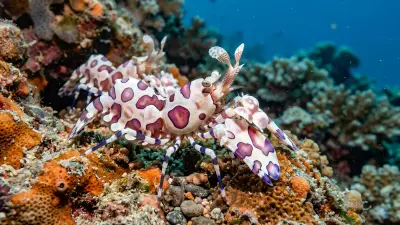
Harlequin shrimp
Year round · rare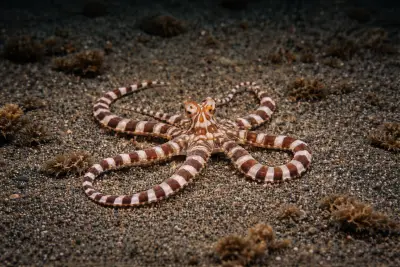
Mimic octopus
Year round · rare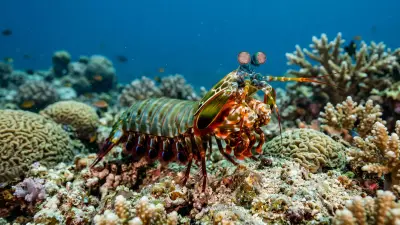
Skeleton shrimps
Year round · occasional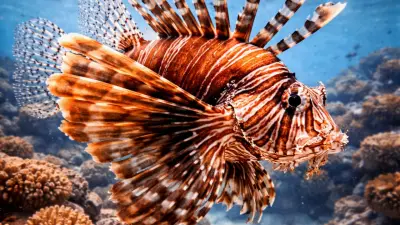
Lionfish
Year round · occasional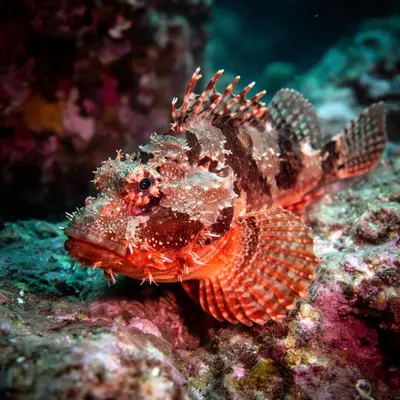
Scorpionfish
Year round · occasionalDive profile & how the dive runs
Diving at Glashouse Pemuteran begins with an easy shore entry, navigating the gently sloping grey sand from the beach. Divers typically follow the gradual descent, which features occasional coral patches amidst the sandy substrate. The dive profile involves exploring depths ranging from 3 to 14 meters, focusing on the sandy bottom and small growths where macro critters reside. The maximum reported depth for the site is 30 meters, but the abundance of life in shallower areas means a typical dive remains around 14 meters. There is no specific turn point mentioned, allowing for flexible exploration. Safety stops are conducted in the shallow, calm waters near the shore, making for a relaxed and accessible exit.
Underwater photography
Glashouse Pemuteran is a dedicated macro photography site, ideal for capturing unusual critters against a sandy background. A macro lens (e.g., 60mm or 100mm/105mm) is essential to highlight the intricate details of nudibranchs, seahorses, and octopuses. External strobes are highly recommended to bring out vibrant colors and create dramatic lighting, especially when working with small subjects. Pay close attention to buoyancy to avoid disturbing the silty bottom and to maintain stability for sharp images. Patience is key, as many subjects are camouflaged or move slowly. Use focus lights to aid in subject detection and focusing in low light conditions. Respect marine life by observing without touching.
Combine with nearby dive sites
- Pemuteran Bio Rock Project
Largest coral reef restoration project in Indonesia, easily accessible from shore.
- Napoleon Reef
Popular site known for Napoleon wrasse, suitable for all diver levels.
- Close Encounters
Boat-accessed reef with clear water and abundant macro life, 15 minutes from Pemuteran beach.
- Gumi Cenik 1
Macro dive site featuring sandy slopes, sponges, and diverse critters.
- Puri Jati
Renowned muck diving site for mimic octopuses, ghost pipefish, and other rare creatures.
Getting there & logistics
Access to Glashouse Pemuteran typically involves a 20-minute minibus ride from local accommodations in Pemuteran. The nearest major international airport is Ngurah Rai International Airport (DPS) in Denpasar, Bali. From the airport, Pemuteran is about a four-hour drive to the northwest of Bali. Most resorts in Pemuteran can arrange transfers. Daily dive trips to Glashouse are common from local dive centers, often as part of a two-dive package exploring Pemuteran's local sites. There are no specific park fees mentioned for this particular site, but some nearby national park areas like Menjangan Island have entry fees. Liveaboard options are available in Bali, but Pemuteran sites are usually dived via day trips.
Safety & environment
The nearest recompression chamber in Bali is approximately 25 km from Pemuteran, requiring ground transport which can be lengthy. Divers should ensure they have comprehensive dive insurance covering medical emergencies and evacuation. Glashouse Pemuteran is a relatively shallow and calm site, but divers should still maintain excellent buoyancy control to avoid stirring up the silty bottom, which can reduce visibility for others and disturb marine life. Always dive with a reputable local operator and follow their safety briefings. Be mindful of potential venomous critters common in muck diving environments, such as stonefish or scorpionfish, and avoid touching anything. Always carry an SMB for surface signaling.
Who it suits — and who it doesn't
Suited for
- Macro photography enthusiasts
- Critter hunters
- Beginner divers seeking easy conditions
- Divers preferring shore entries
- Those looking for tranquil, uncrowded dives
Less suited for
- Divers seeking large pelagic encounters
- Those preferring dramatic wall dives
- Divers interested in strong currents
- Individuals with poor buoyancy control (due to silty bottom)
- Snorkelers (due to the focus on deeper macro life)
FAQ
Glashouse Pemuteran FAQ
What kind of marine life can I expect to see at Glashouse Pemuteran?
Glashouse Pemuteran is famous for its rich macro life. Divers frequently encounter a variety of nudibranchs, octopuses, and seahorses. Occasional sightings include frogfish, pipefish, and rare finds such as mimic octopuses and harlequin shrimp, making it a paradise for critter enthusiasts.
Is Glashouse Pemuteran suitable for beginner divers?
Yes, Glashouse Pemuteran is highly suitable for beginner divers. It offers a gentle shore entry, mild currents, and a relatively shallow profile with a typical dive depth of 14 meters. These calm conditions provide an excellent environment for newer divers to practice skills and enjoy marine observation.
What are the typical dive conditions like at Glashouse Pemuteran?
Dive conditions at Glashouse Pemuteran are generally calm. The site typically experiences light currents, and visibility averages around 15 meters. Water temperatures usually range between 27 and 29°C, offering comfortable diving conditions year-round.
How do I access Glashouse Pemuteran?
Glashouse Pemuteran is accessed via a short shore entry. Divers typically take a 20-minute minibus ride from local accommodations in Pemuteran to the dive site. From there, it's a straightforward entry into the water, making it very convenient.
Is Glashouse Pemuteran good for underwater photography?
Glashouse Pemuteran is an excellent site for underwater photography, particularly macro. Its abundant and diverse critter population, combined with calm conditions, provides ample opportunities for capturing detailed images of unique subjects like nudibranchs and seahorses. A macro lens and external strobes are recommended for the best results.
Why dive Glashouse Pemuteran from a liveaboard?
Glashouse Pemuteran is one of Bali's signature dive sites. A liveaboard sleeps you on the water and puts you in the water for three to four guided dives per day, including dawn and night dives that day-boat operators rarely offer. You skip the daily commute back to port and reach quieter, less-crowded sites in the same region on a single trip.
Below are the liveaboards that include Glashouse Pemuteran on their Bali itineraries.
Liveaboards diving Glashouse Pemuteran
These liveaboards may visit Glashouse Pemuteran on selected itineraries — the exact dive sites depend on departure, weather and conditions.
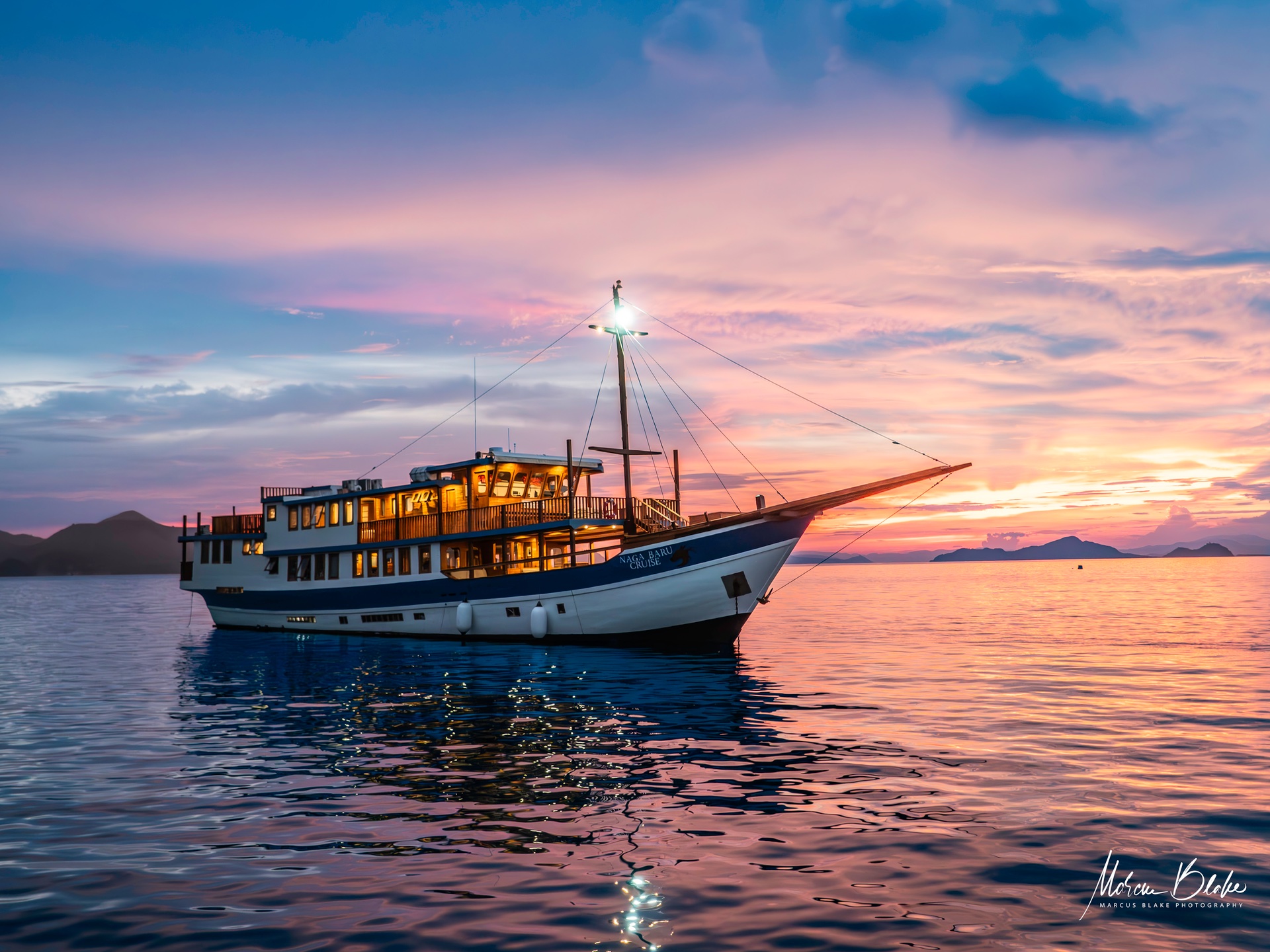
Naga Biru
Indonesia
12 guests40 m
$274/day
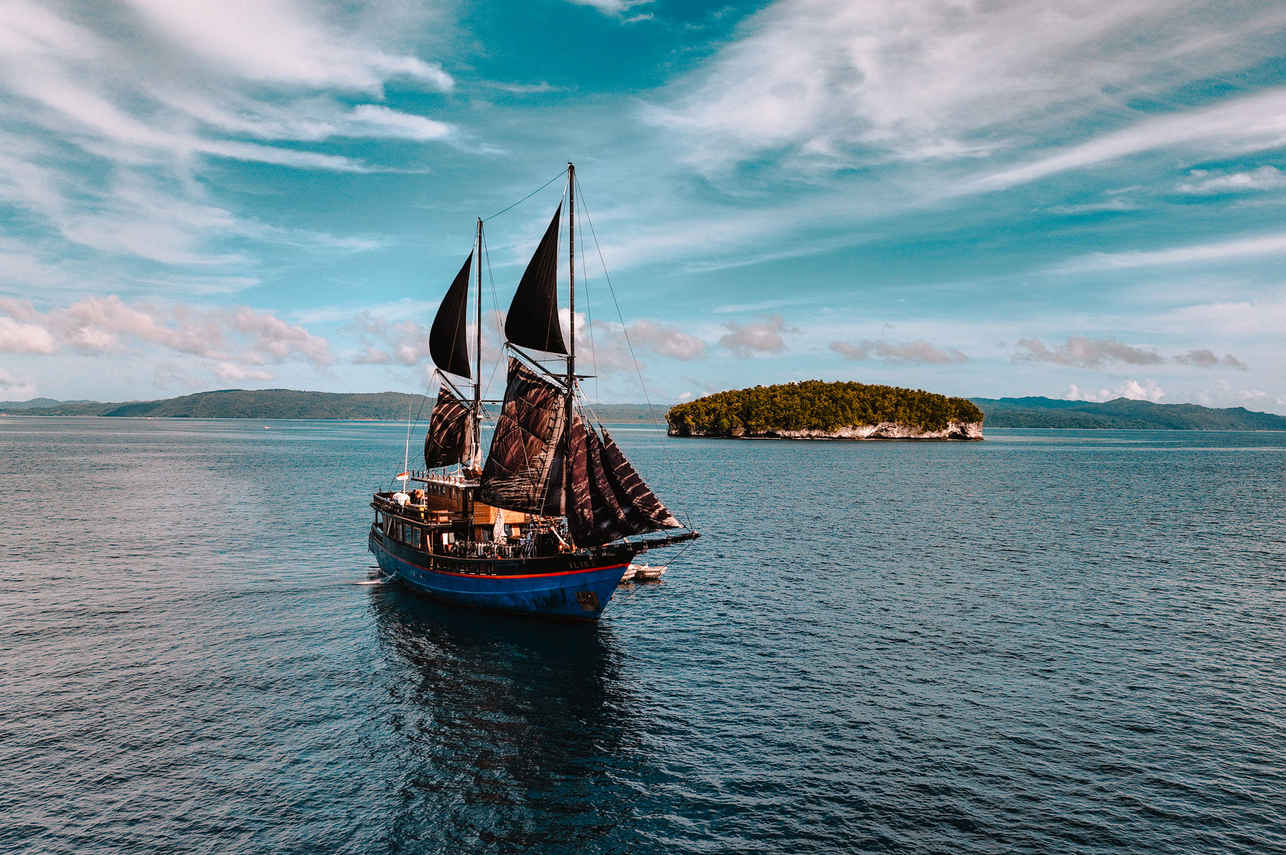
Ilike
Indonesia
16 guests40 m
$298/day
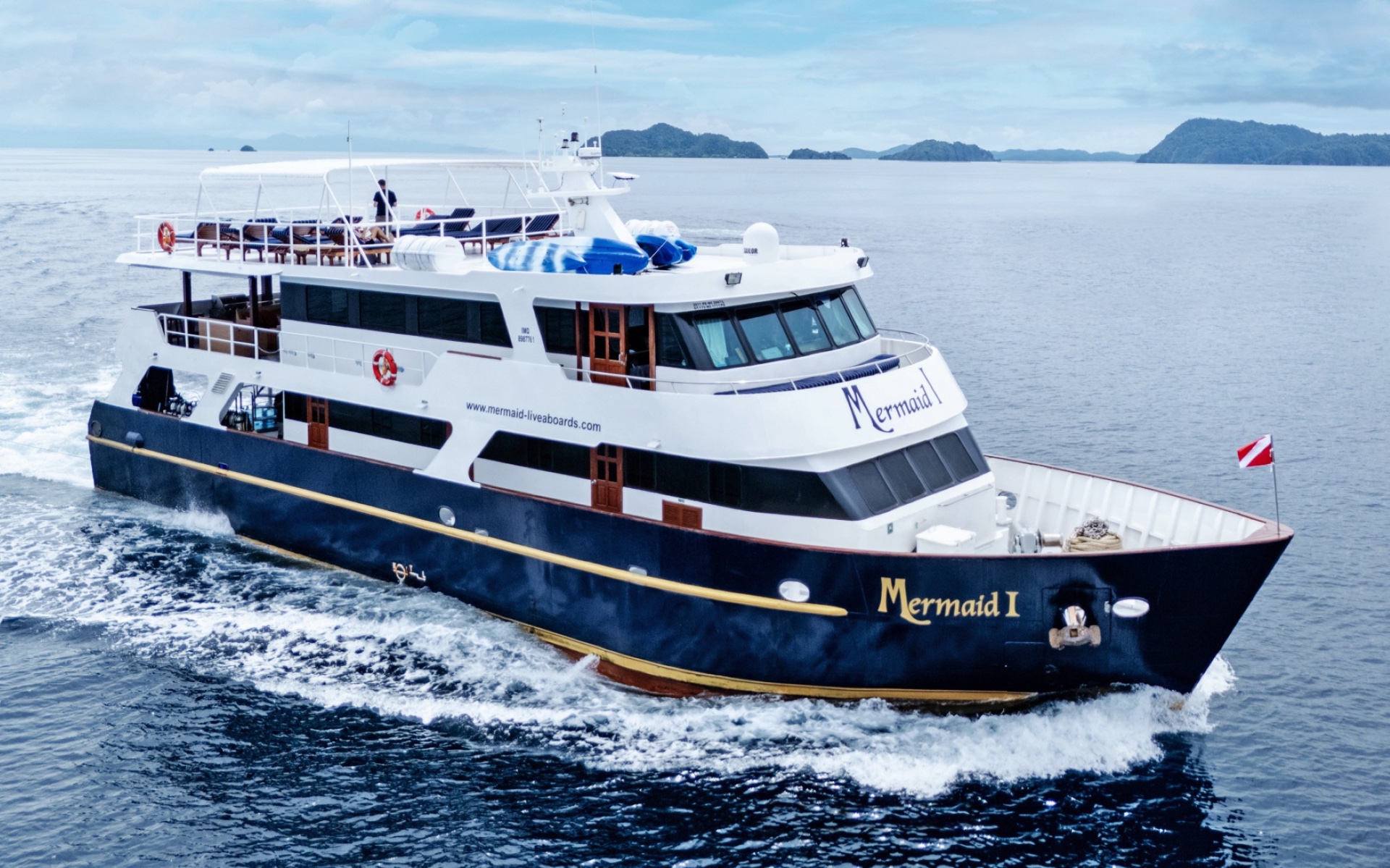
Mermaid I
Alor
15 guests28 m
$372/day
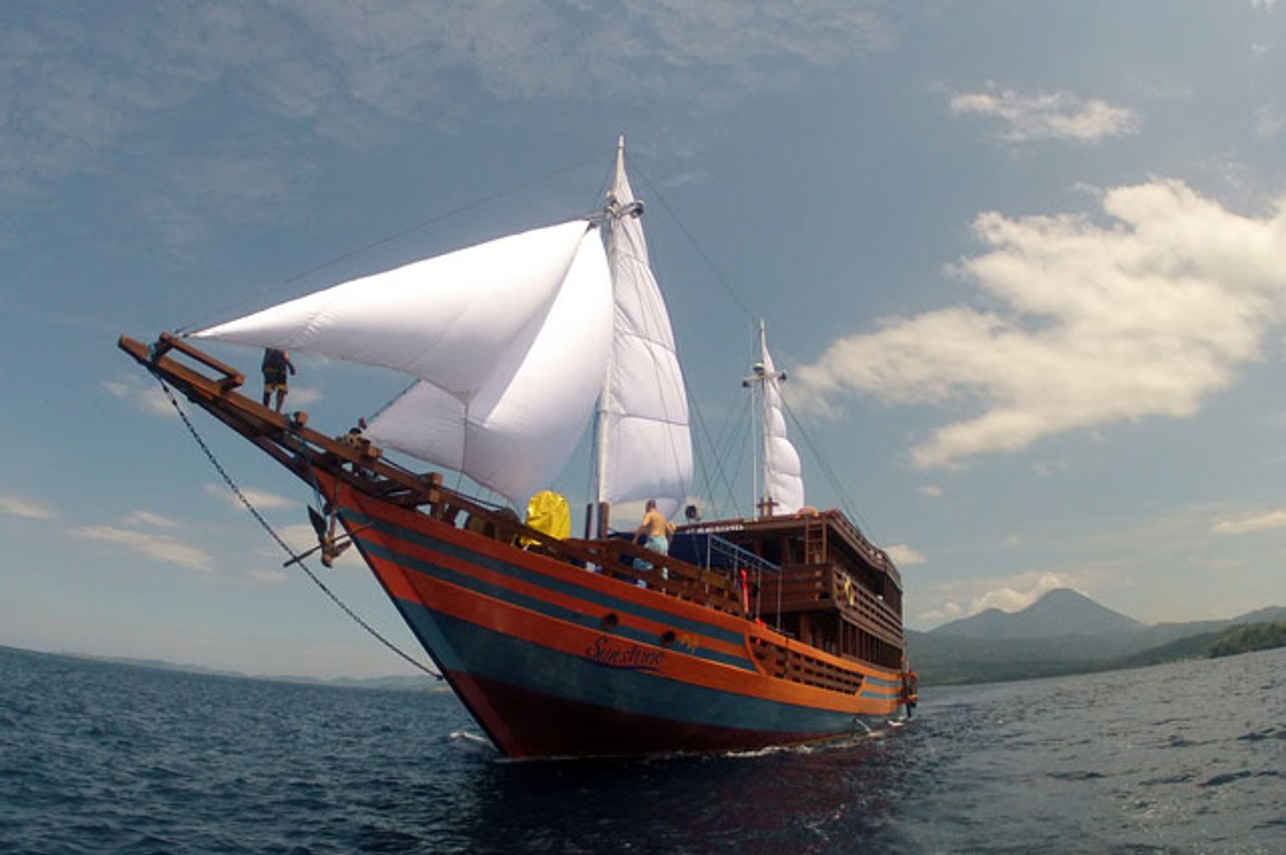
Sunshine Liveaboard
Indonesia
10 guests31 m
$191/day
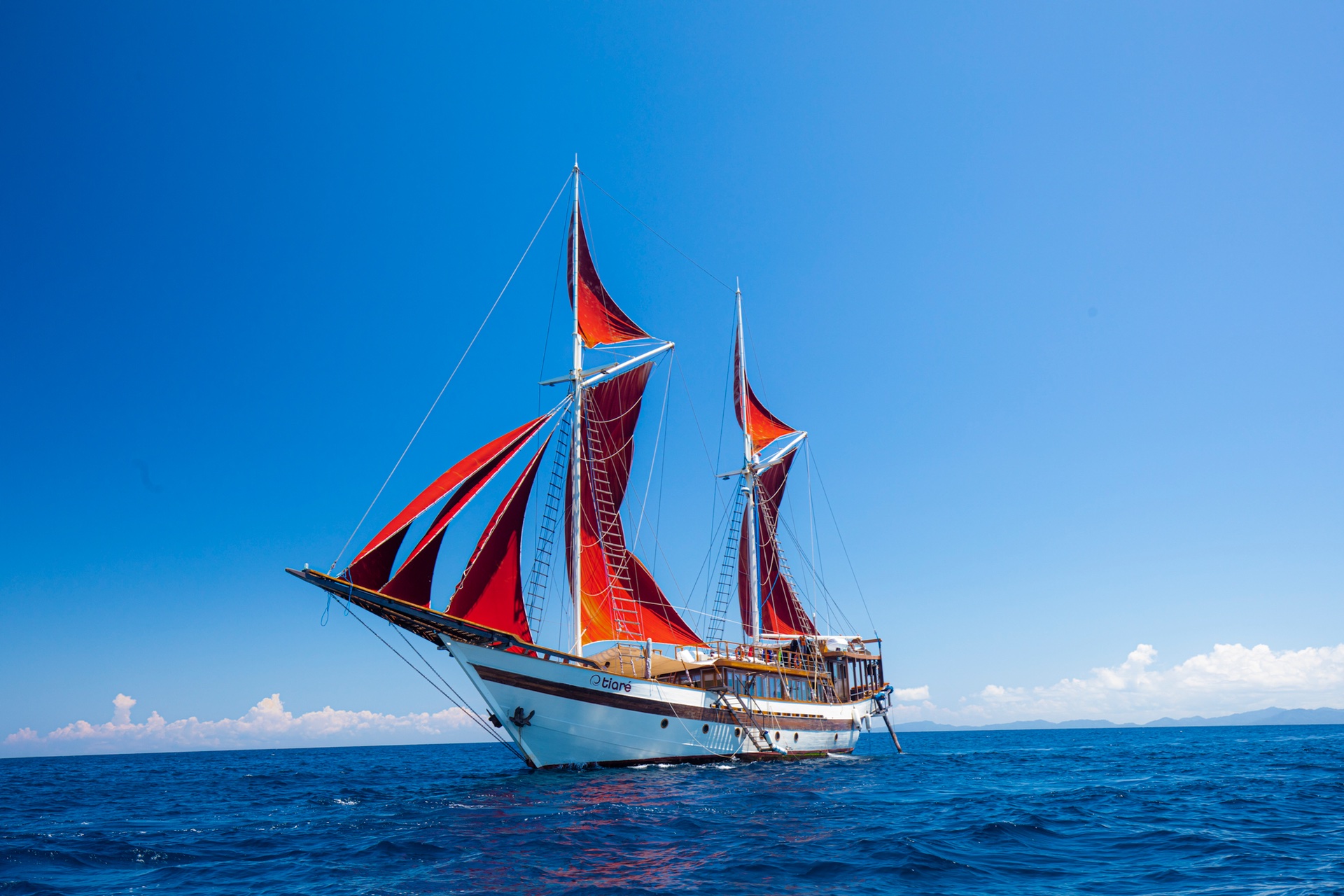
Tiare Cruise
Indonesia
12 guests36.5 m
$419/day
Dive sites similar to Glashouse Pemuteran
Same character, same waters — six more sites divers love for the exact same reasons.Compare seasons, access and liveaboard routes — then pick the site that fits your trip best.
Melasti is a classic macro dive site situated in the Tulamben area on Bali's east coast, also referred to as Melasti Bay in Amed.
- Suitable for
- Beginner
- Current
- Mild
- Access
- Dayboat
- Depth
- 10–30 m
- Theme
- Muck diving
© Esri — Maxar, Earthstar, GIS
Melasti Beach
Bali
Melasti Beach, located in northern Amed, is a renowned shore-entry muck dive site particularly popular with underwater photographers and macro life enthusiasts.
- Suitable for
- Beginner
- Current
- Mild
- Access
- Shore / dayboat
- Depth
- 3–20 m
- Theme
- Muck diving
© Esri — Maxar, Earthstar, GIS
Seraya Secrets
Bali
Seraya Secrets stands out as a highly celebrated muck diving site situated approximately three kilometers southeast of Tulamben on Bali's northeastern coast.
- Suitable for
- Intermediate
- Current
- Mild
- Access
- Shore / dayboat
- Depth
- 3–20 m
- Theme
- Muck diving
Pemuteran Jetty, often simply called "Jetty," is a premier muck diving site located in North Bali, specifically within the Pemuteran area.
- Suitable for
- Intermediate
- Current
- No current
- Access
- Shore / dayboat
- Depth
- 6–12 m
- Theme
- Muck diving
© Esri — Maxar, Earthstar, GIS
Secret Bay, affectionately known as Secret Bay Gilimanuk, is a premier macro diving destination located at Bali's far western tip, near the ferry terminal connecting Bali with Java.
- Suitable for
- Beginner
- Current
- Strong
- Access
- Shore / dayboat
- Depth
- 1–10 m
- Theme
- Muck diving
© Esri — Maxar, Earthstar, GIS
Batununggul
Bali
Batununggul, also known as Suana or Batumulapan by some operators, is a dynamic wall and sloping reef dive site situated on the eastern side of Nusa Penida, Bali.
- Suitable for
- Advanced
- Current
- Strong
- Access
- Liveaboard or dayboat
- Depth
- 10–40 m
- Theme
- Wall