About Panglao House Reef
Panglao House Reef, located on Panglao Island in Bohol, Philippines, stands out as an ideal entry point for new divers and those seeking relaxed underwater exploration. This site provides an easy, shore-accessible diving experience, distinguished by its shallow entry points and gentle underwater topography. It's a key location for beginners to gain confidence with minimal currents and excellent visibility, often exceeding 15 meters. The reef features a gradually sloping environment, moving from a shallow reef top down to approximately 12 meters, allowing divers to comfortably progress deeper. The healthy coral gardens are a highlight, teeming with a variety of both hard and soft corals that support abundant small reef life. This makes the House Reef an exceptional spot for observing macro subjects and colorful fish. Marine life commonly encountered includes vibrant clownfish, curious pufferfish, and intricate nudibranchs. Sea turtles are also frequent visitors, gracefully navigating the reef. The consistent presence of these species, combined with the calm conditions, ensures a rewarding dive experience year-round, although the dry season offers peak clarity. Instructors often utilize Panglao House Reef for introductory dives, guiding new students through basic skills in shallow water before venturing further along the reef. Divers can expect a relaxed pace, with ample opportunity to practice buoyancy and observe the rich biodiversity. This dive site epitomizes accessible, beautiful, and educational diving for all skill levels.
Highlights
Shallow entry pointsGentle currentsVibrant coral gardensClownfish and pufferfishFrequent sea turtle sightingsExcellent visibilityIdeal for beginnersShore-accessible diving
Season calendar
Best months to dive here
Jan
Feb
Mar
Apr
May
Jun
Jul
Aug
Sep
Oct
Nov
Dec
Excellent
Good
Off-Season
Dec – Apr (Dec–Apr)
Best diving conditions across most regions. Calm seas, excellent visibility. Tubbataha Reef accessible Mar–Jun only. Thresher sharks year-round at Malapascua.
May & Nov (May, Nov)
Weather shifts between seasons. Still excellent diving in many areas. Fewer crowds and lower prices. Some regions still offer perfect conditions.
Jun – Oct (Jun–Oct)
Typhoon season — mainly affects northern regions. Southern Visayas and Mindanao still offer good diving. Reduced visibility. Best prices and fewest crowds.
Dive site facts: Panglao House Reef
- Depth
- 5–12 m
- Typical dive
- 5–12 m, 45–60 min
- Current
- Mild
- Visibility
- 15–20 m
- Water temperature
- 26–30°C
- Entry
- Shore / easy boat entry
- Level
- Beginner to Open Water
- Dive type
- Reef, macro, beginner training
- Night dive
- Possible
- Region / port
- Panglao, Bohol
- Coordinates
- 9.552, 123.761
Conditions & Currents
Panglao House Reef is characterized by consistently gentle currents, making it an excellent choice for divers of all experience levels, especially beginners. The calm conditions minimize effort during entry and exit, typically conducted from shore or a short boat ride. Visibility remains excellent, frequently surpassing 15 meters, though minor fluctuations can occur during periods of heavier rainfall outside the dry season. There are no significant thermoclines reported, ensuring a comfortable water temperature year-round. This stable environment allows for leisurely dives, ample time for photography, and a relaxed atmosphere without concern for strong pushes or pulls.
Marine life & sighting chances

Clownfish
Year-round · common
Pufferfish
Year-round · common
Nudibranch
Year-round · common
Sea Turtle
Year-round · occasional
Lionfish
Year-round · common
Reef fish variety
Year-round · commonDive profile & how the dive runs
Dives at Panglao House Reef typically begin with an easy shore entry, or a very short boat ride, moving into shallow, sandy areas perfect for gear checks and skill review. The reef then gradually slopes downwards, allowing divers to explore coral gardens between 5 and 12 meters. You can follow the natural contour of the reef, observing various corals and small marine life like clownfish, pufferfish, and nudibranchs. The gentle slope allows for a relaxed progression without sudden depth changes. Towards the end of the dive, you can ascend slowly along the same slope, making a safety stop at 5 meters over vibrant shallow corals before an easy exit back to shore.
Underwater photography
Panglao House Reef is an excellent site for underwater photography, particularly for macro subjects and wide-angle shots of the vibrant coral gardens. For macro, a 60mm or 100mm lens will be ideal for capturing the intricate details of nudibranchs, small crabs, and other tiny critters found within the corals. For wider scenes, a fisheye or wide-angle rectilinear lens can beautifully frame the extensive coral formations and schools of reef fish. Natural light is often sufficient in the shallower areas due to excellent visibility, but strobes or video lights will bring out the true colors and enhance contrast, especially when shooting into shaded areas or deeper parts of the reef. Practicing good buoyancy is crucial here to avoid disturbing the delicate corals and to get stable shots of the relatively stationary marine life. Keep a respectful distance, especially from any resident sea turtles, to capture their natural behavior without causing stress.
Combine with nearby dive sites
- Doljo Reef
A quiet site on Panglao's northern coast, featuring a gradual slope with hard and soft corals.
- Balicasag Island
A protected marine sanctuary known for abundant marine life and sea turtles in its shallow areas.
- Napaling
Known for its resident sardine schools, with upper reef sections suitable for newer divers.
- Pamilacan Island
Features healthy, colorful reefs and calm conditions in sheltered bays, seeing fewer visitors.
Getting there & logistics
Access to Panglao House Reef typically begins with arrival at Bohol-Panglao International Airport (TAG). From there, numerous resorts and dive centers on Panglao Island, particularly around Alona Beach, offer easy access to the house reef, often directly from their shorelines or via short boat trips. Dive packages usually include equipment rental, guiding, and boat transfers for other sites. Most trips involve daily dives and do not require lengthy liveaboard expeditions, although multi-day stay-and-dive packages are common. There are generally no specific marine park fees for the house reef itself, though fees apply for protected areas like Balicasag Island. Divers often combine dives at the house reef with excursions to nearby sites like Balicasag and Doljo for a varied experience.
Safety & environment
For diving at Panglao House Reef, safety is paramount, particularly for new divers. Always adhere to your certification limits and dive with a certified guide or instructor, especially if it's your first time in the area. The nearest recompression chamber is located in Cebu City, which is a significant distance away, highlighting the importance of safe diving practices and conservative dive profiles. Divers should carry personal dive insurance that covers emergency medical evacuation and recompression treatments. Site-specific hazards are minimal due to the gentle conditions, but maintaining proper buoyancy is crucial to avoid contact with the fragile coral and marine life. Always respect local marine park rules, such as not touching marine animals or corals, to preserve the ecosystem.
Who it suits — and who it doesn't
Suited for
- Beginner divers seeking an easy entry
- Open Water certified divers practicing skills
- Macro photographers
- Divers preferring calm, shallow conditions
- Those looking for shore-accessible diving
Less suited for
- Advanced divers seeking deep walls or strong currents
- Technical divers
- Divers looking for large pelagic encounters
- Those who prefer remote, undeveloped sites
FAQ
Panglao House Reef FAQ
Is Panglao House Reef suitable for beginner divers?
Yes, Panglao House Reef is highly recommended for beginners. It features shallow entry points, gentle currents, and clear waters, making it an ideal environment for introductory dives and building confidence. Instructors frequently use this site for teaching basic dive skills and for Open Water certifications.
What kind of marine life can I expect to see?
The reef is home to a diverse array of small reef creatures. You can expect to encounter colorful clownfish, various species of pufferfish, intricate nudibranchs, and occasional sea turtles. The healthy coral gardens also support a wide range of other tropical reef fish.
What is the best time of year to dive Panglao House Reef?
The best time to dive is during the dry season, which runs from November to May. During these months, the waters are calm, and visibility is at its peak. December through March is considered prime time for optimal diving conditions.
How deep is Panglao House Reef?
Panglao House Reef is relatively shallow, with typical dive depths ranging from 5 to 12 meters. This depth range is perfect for beginner divers and allows for extended bottom times to explore the vibrant coral gardens without feeling overwhelmed by deeper water.
Do I need a boat to access Panglao House Reef?
No, many sections of Panglao House Reef are shore-accessible, particularly from resorts and dive centers along Alona Beach. This easy access adds to its appeal for beginners and those looking for convenient diving experiences without the need for extensive boat travel.
Are there strong currents at Panglao House Reef?
The currents at Panglao House Reef are generally mild, contributing to its reputation as a calm and relaxed dive site. This makes it an excellent location for new divers to practice buoyancy and enjoy the marine environment without concerns about strong water movement.
Why dive Panglao House Reef from a liveaboard?
Panglao House Reef is one of Philippines's signature dive sites. A liveaboard sleeps you on the water and puts you in the water for three to four guided dives per day, including dawn and night dives that day-boat operators rarely offer. You skip the daily commute back to port and reach quieter, less-crowded sites in the same region on a single trip.
Below are the liveaboards that include Panglao House Reef on their Philippines itineraries.
Liveaboards diving Panglao House Reef
These liveaboards may visit Panglao House Reef on selected itineraries — the exact dive sites depend on departure, weather and conditions.
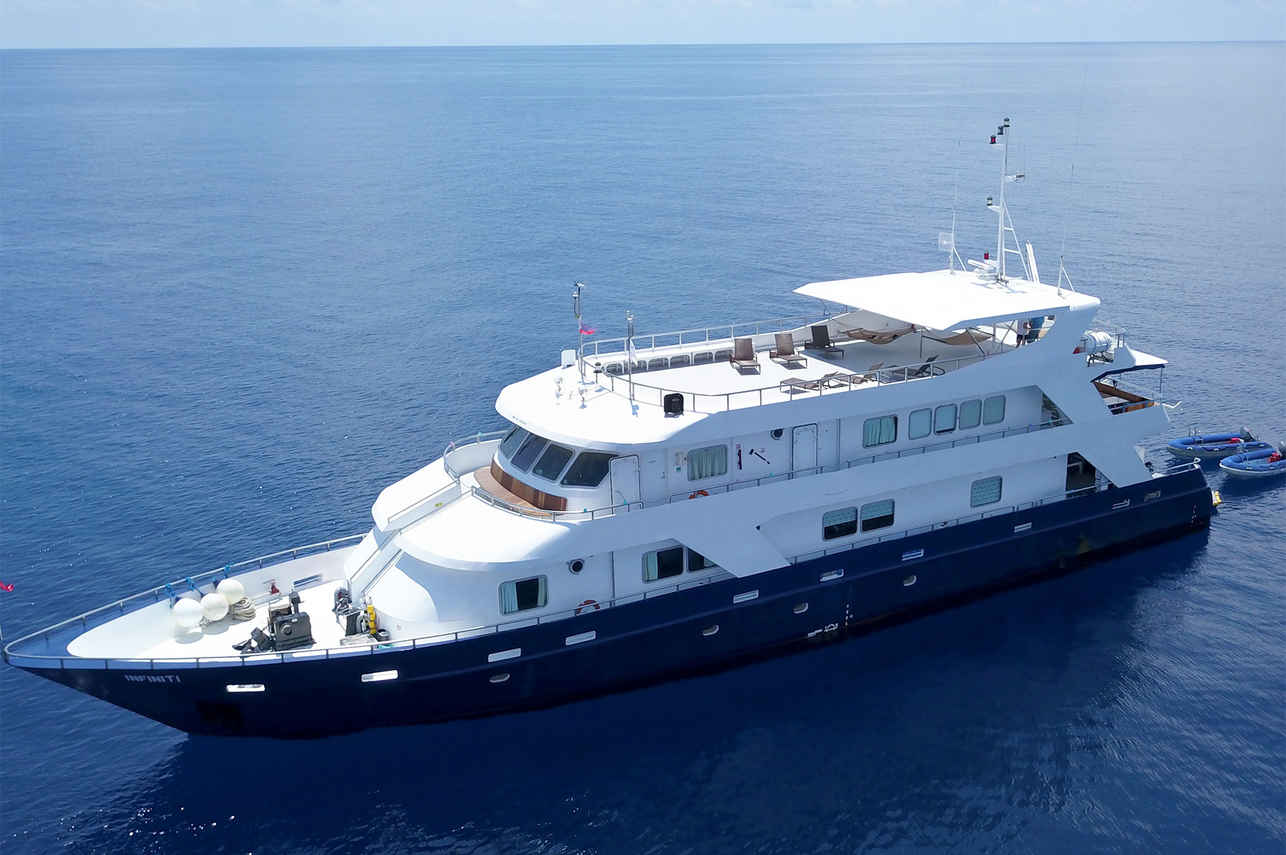
Infiniti
Philippines
25 guests39 m
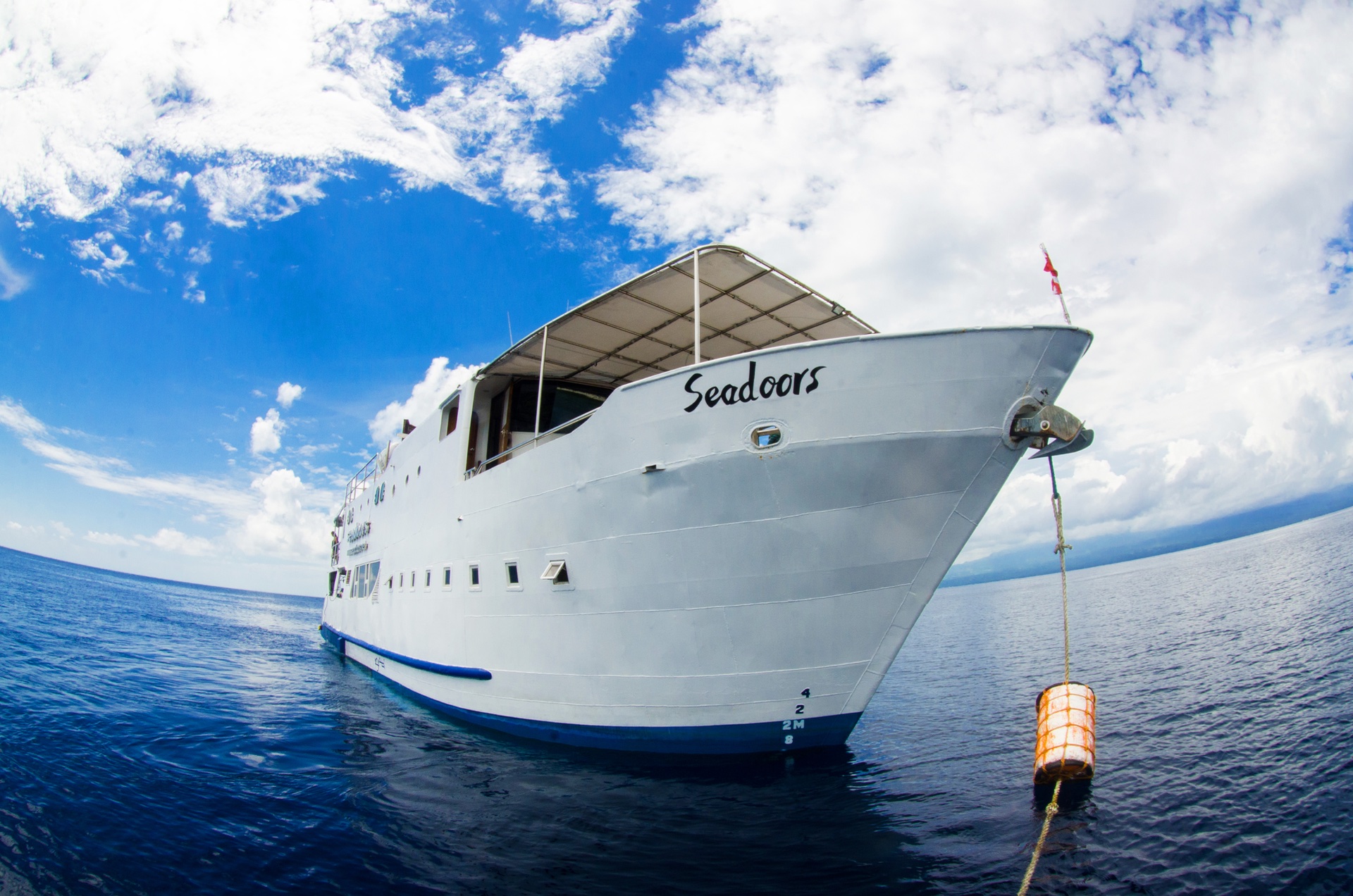
Seadoors
Philippines
16 guests25 m
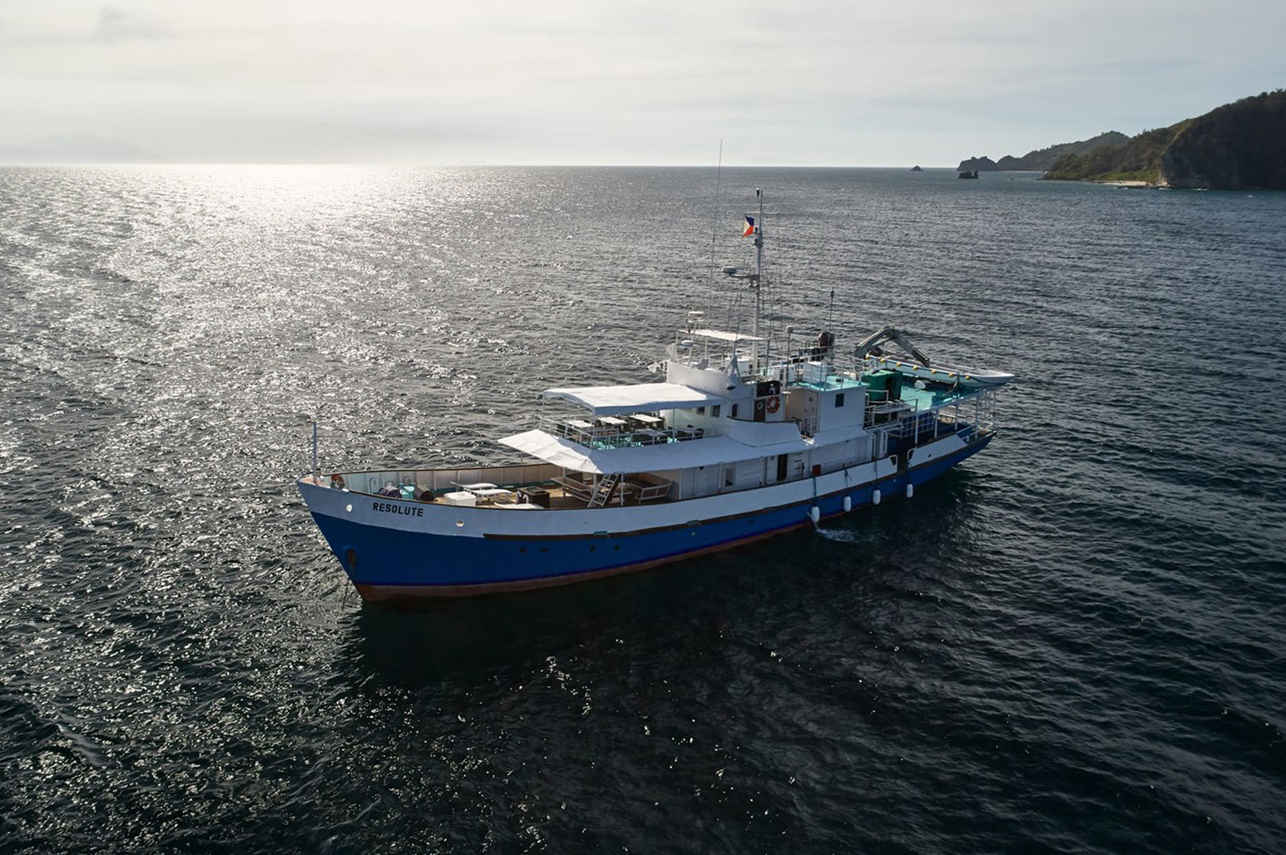
Resolute
Philippines
16 guests35 m
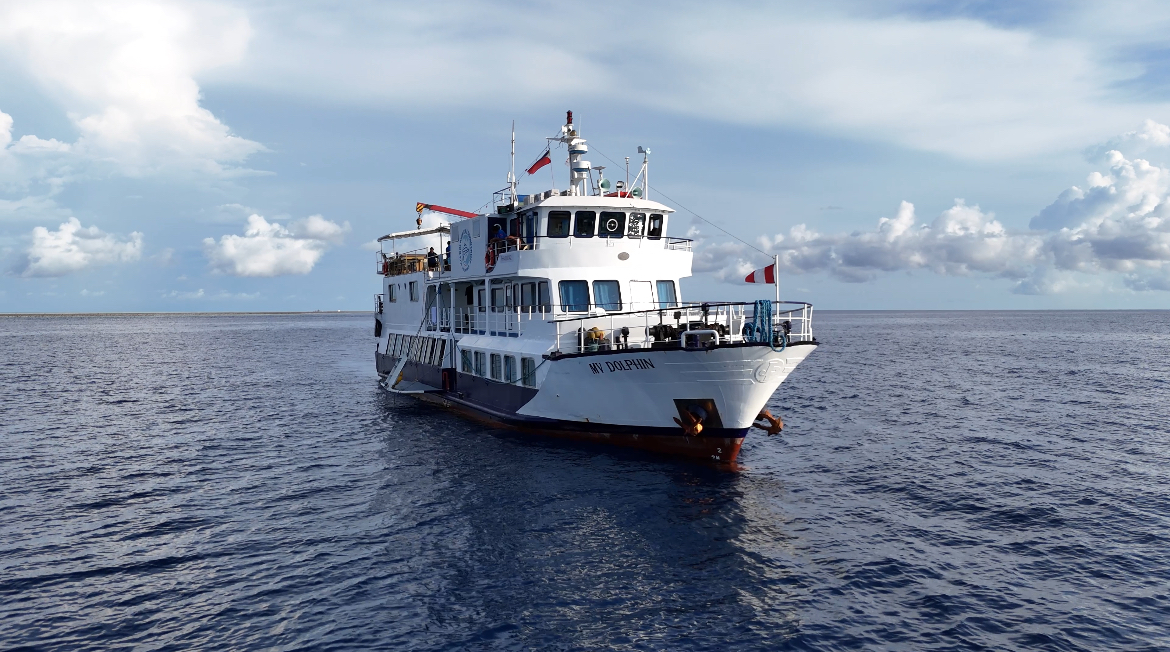
Dolphin
Philippines
18 guests31 m
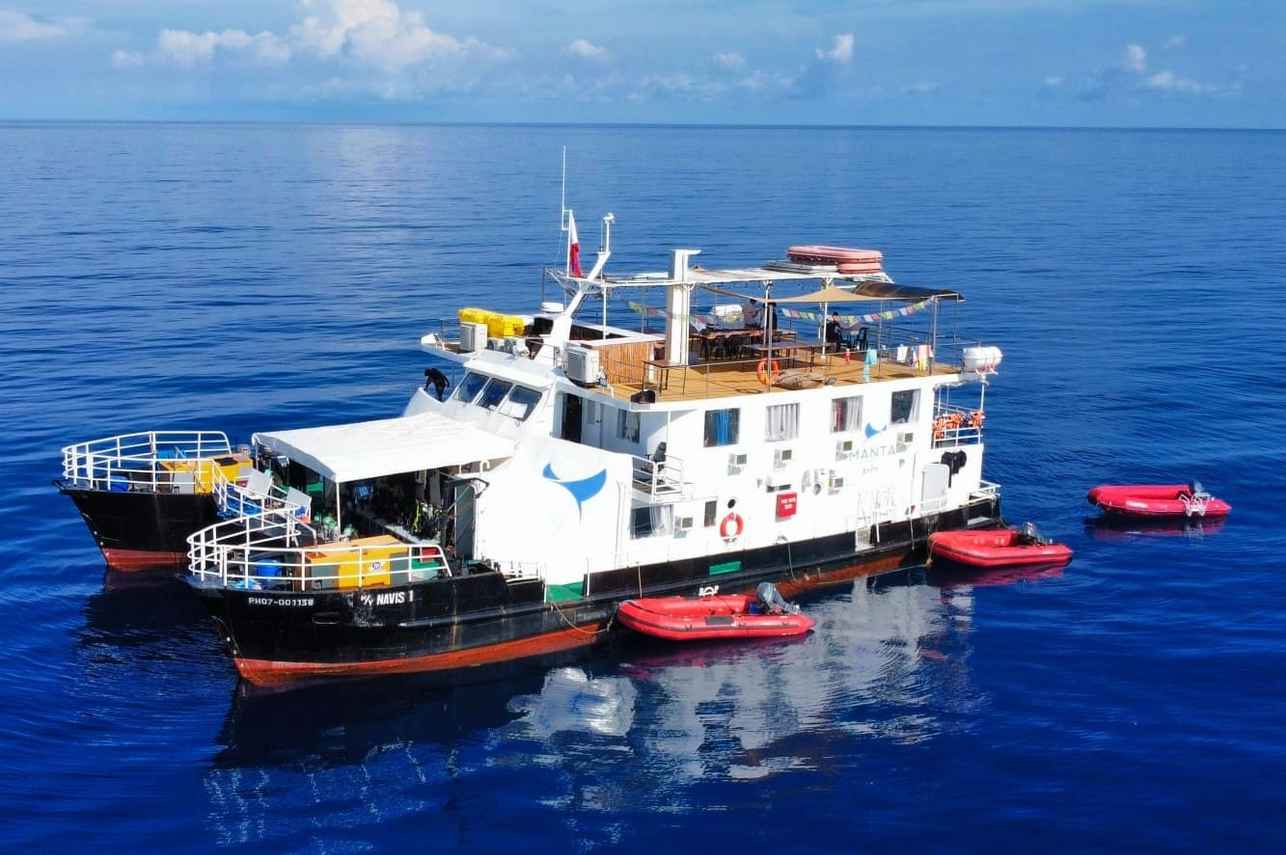
Navis 1
Philippines
22 guests23 m
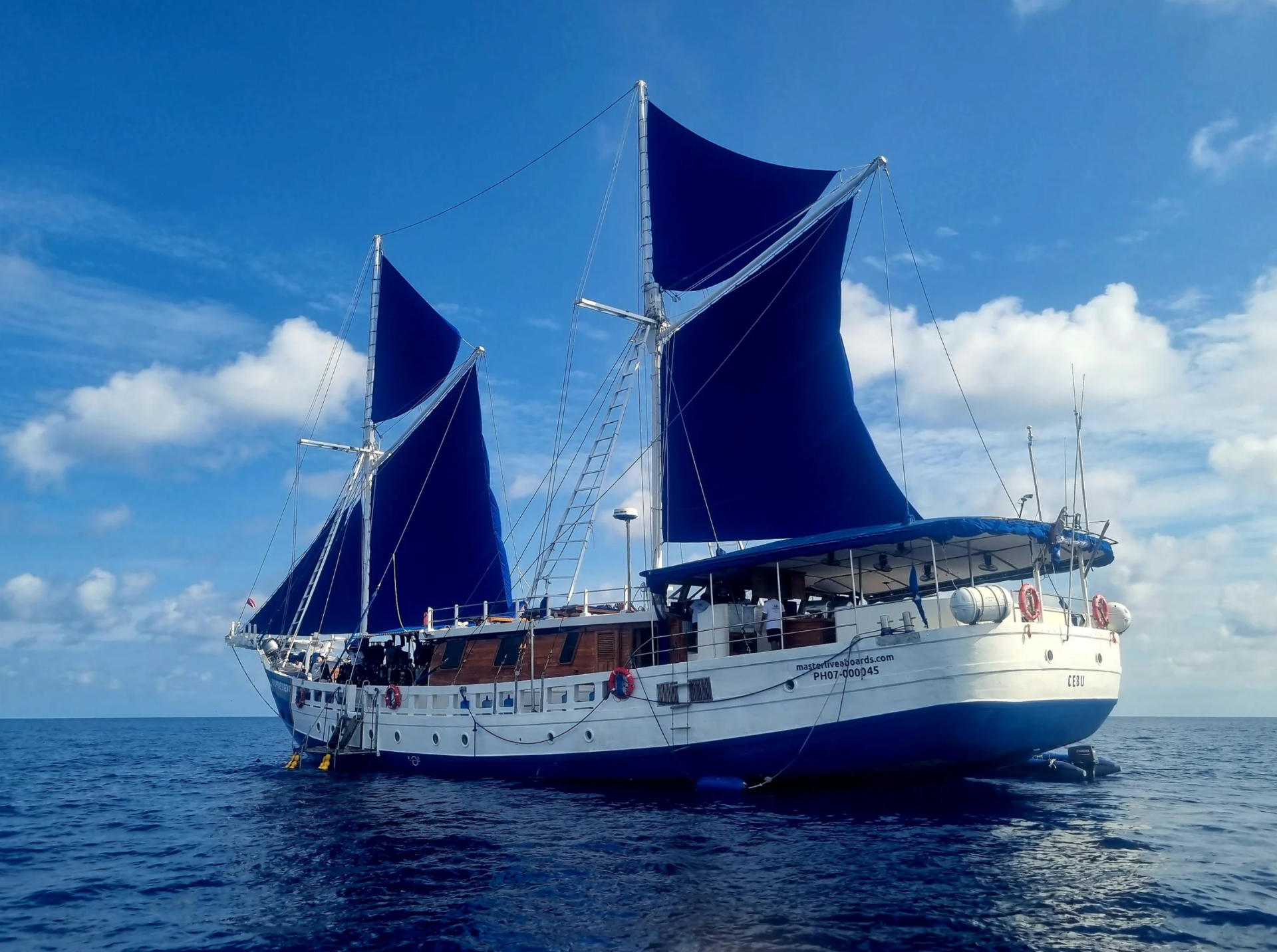
Philippine Siren
Philippines
16 guests
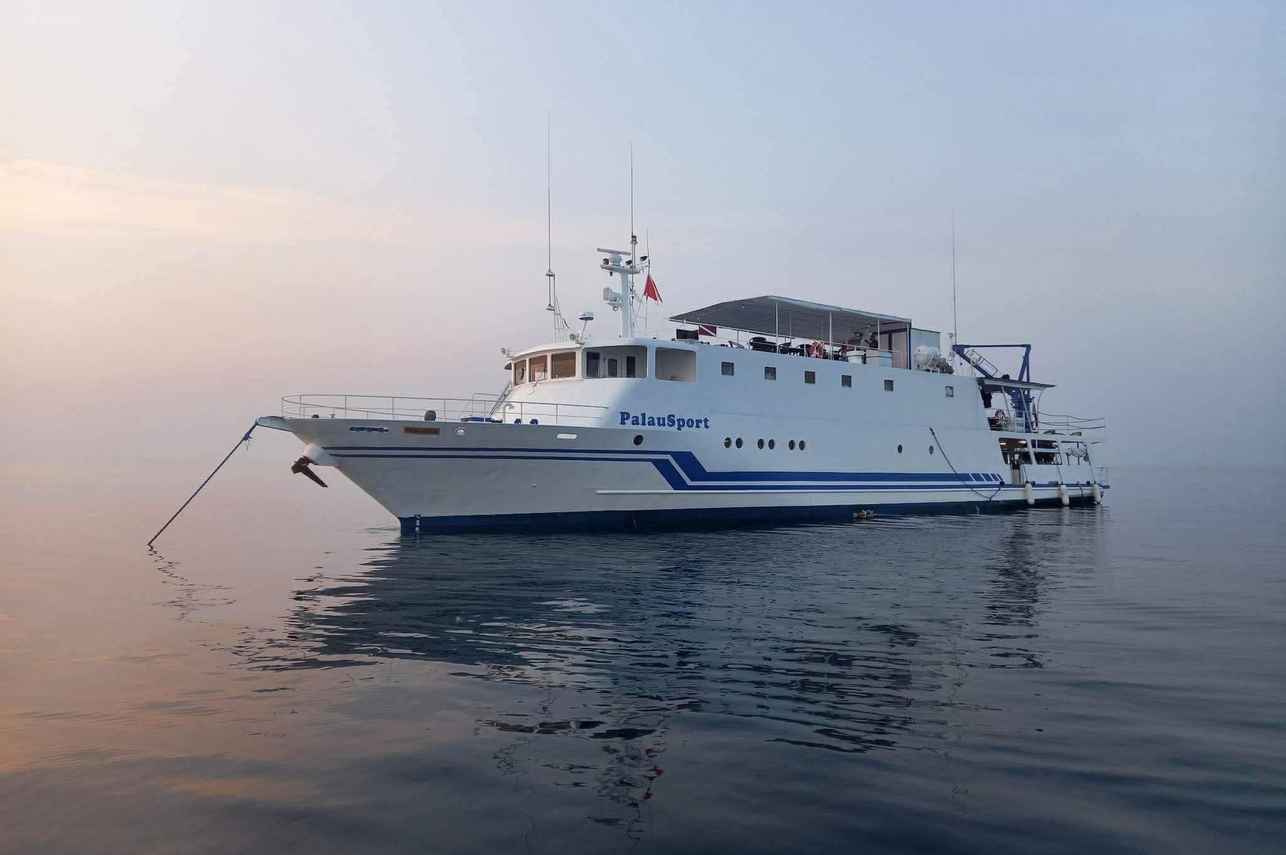
Palau Sport
Philippines
24 guests38 m
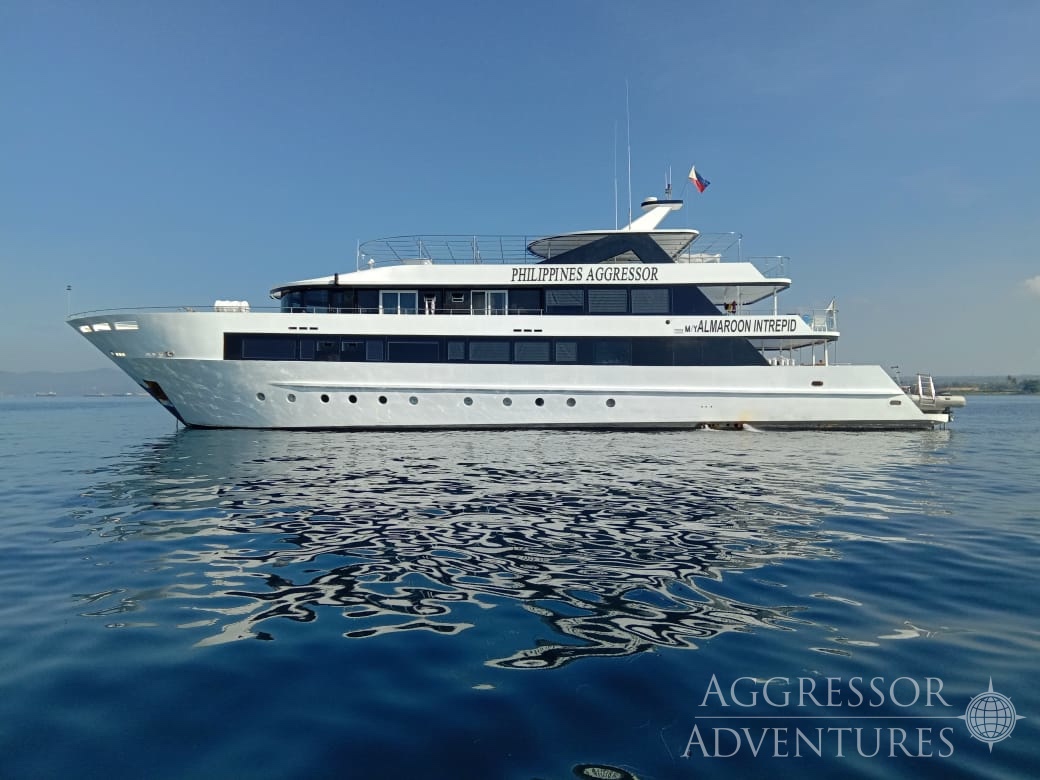
Philippines Aggressor
Philippines
26 guests43 m
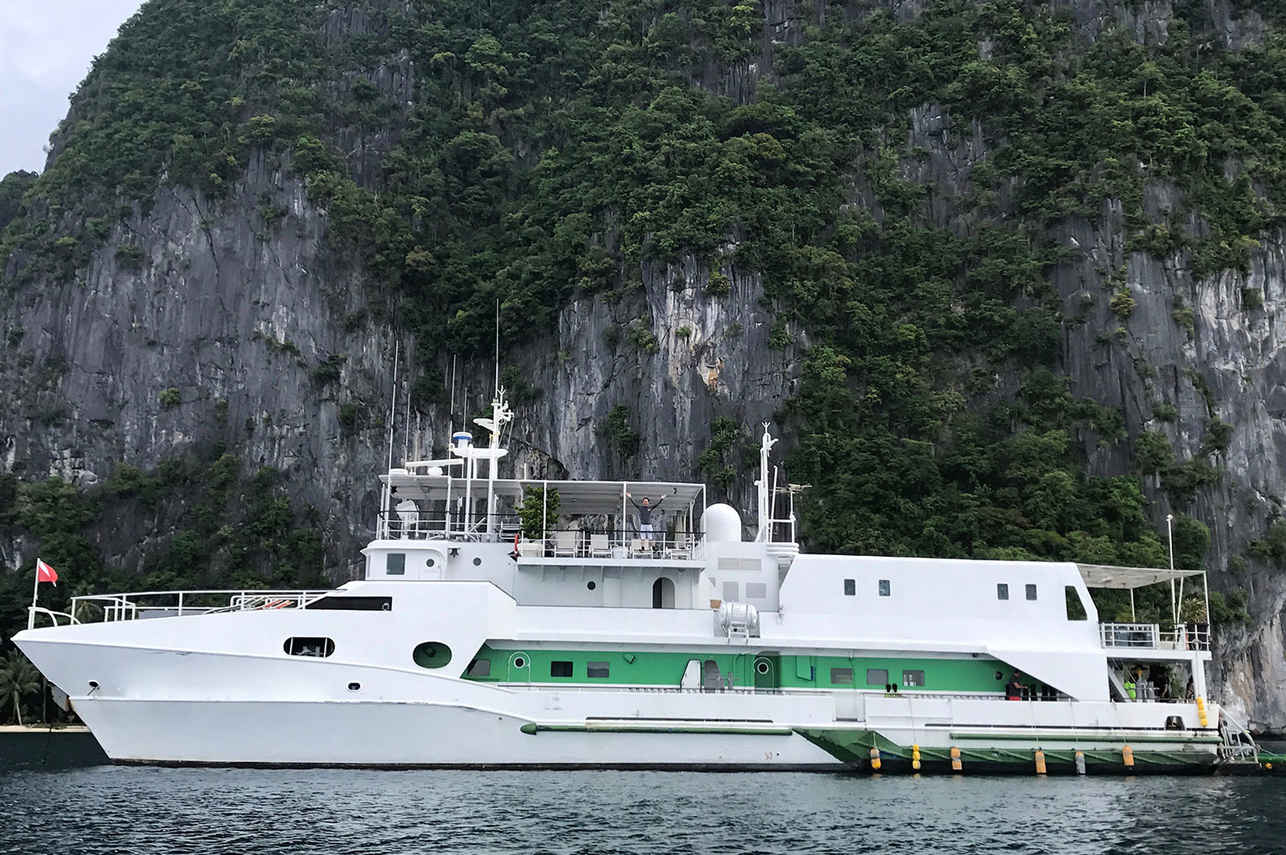
Stella Maris Explorer
Philippines
20 guests33 m
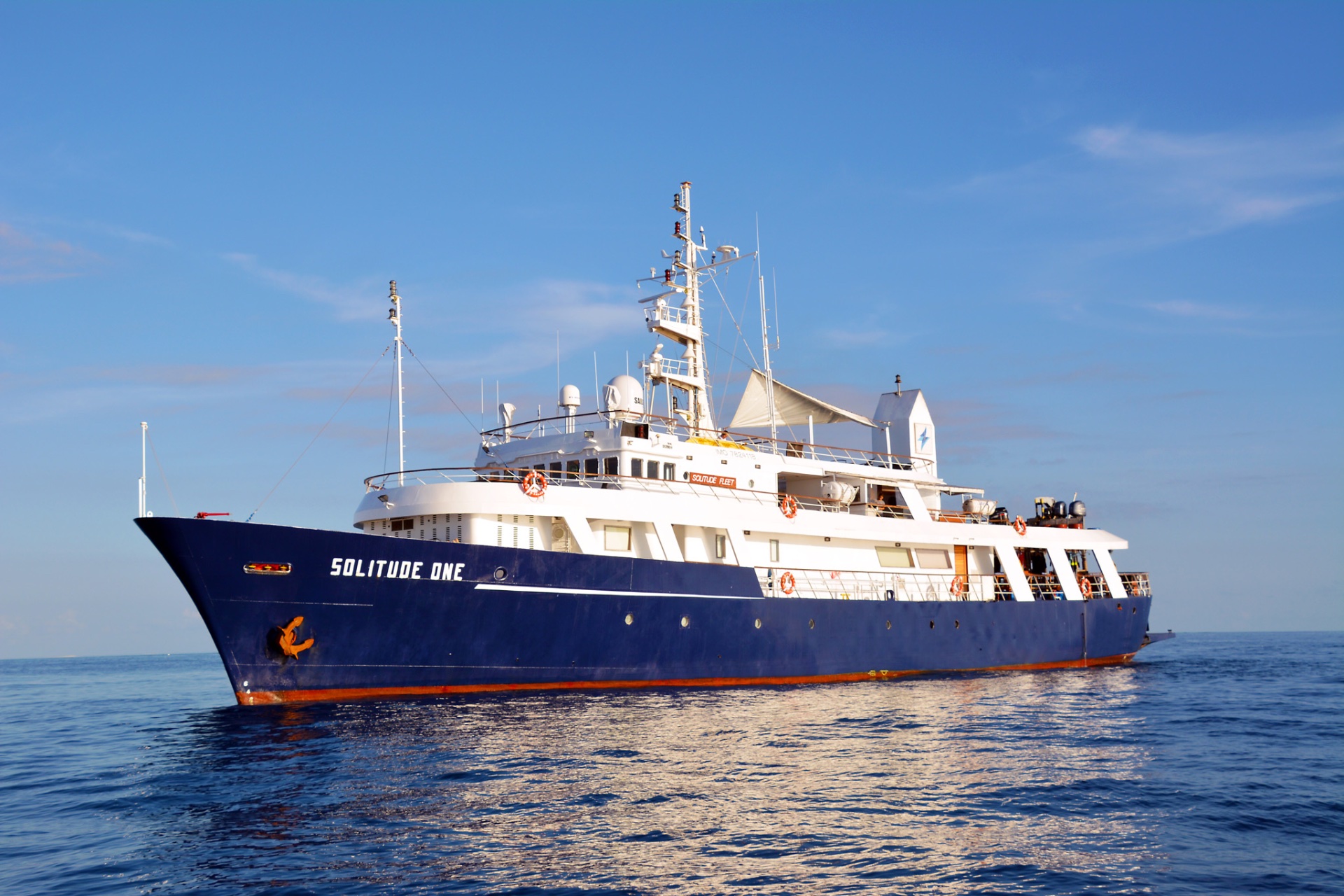
Solitude One
Philippines
24 guests52 m
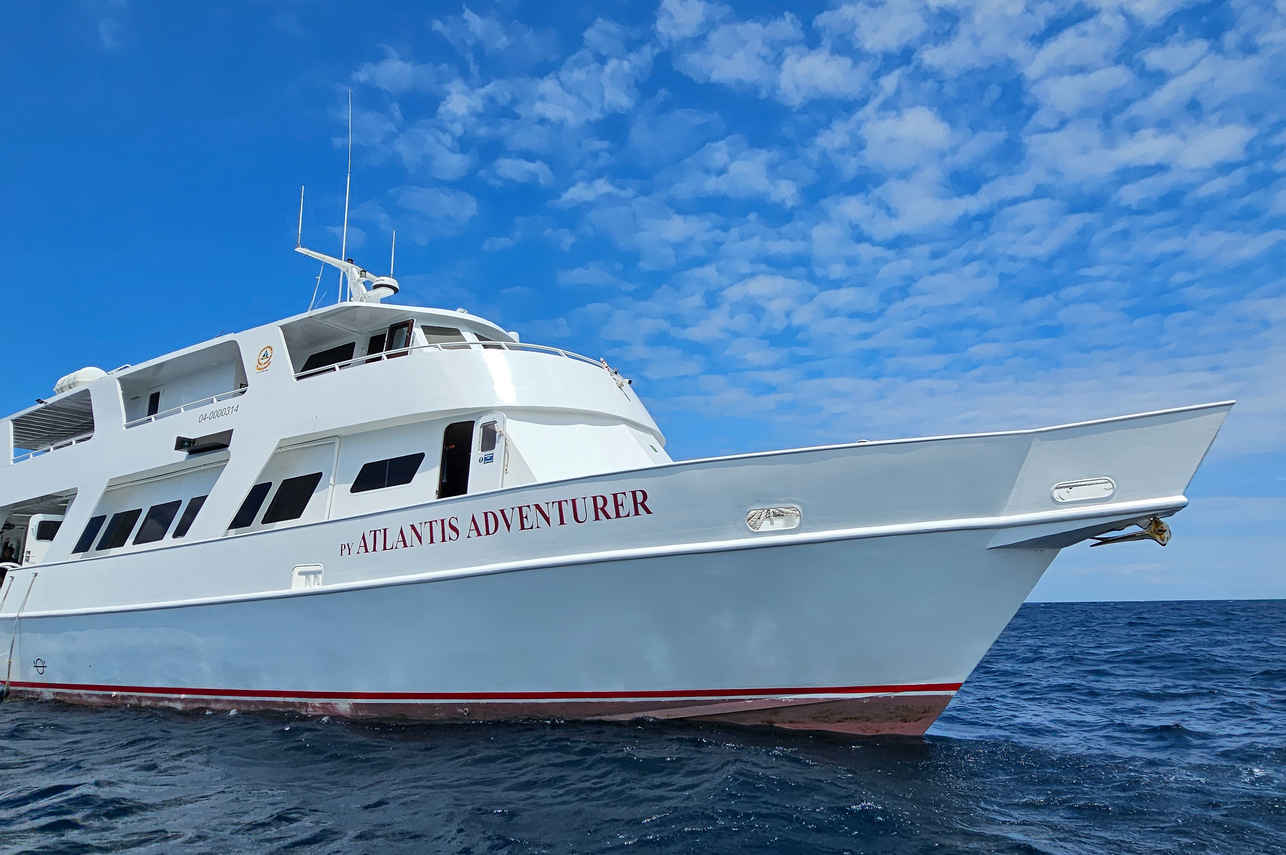
Atlantis Adventurer
Philippines
16 guests33 m
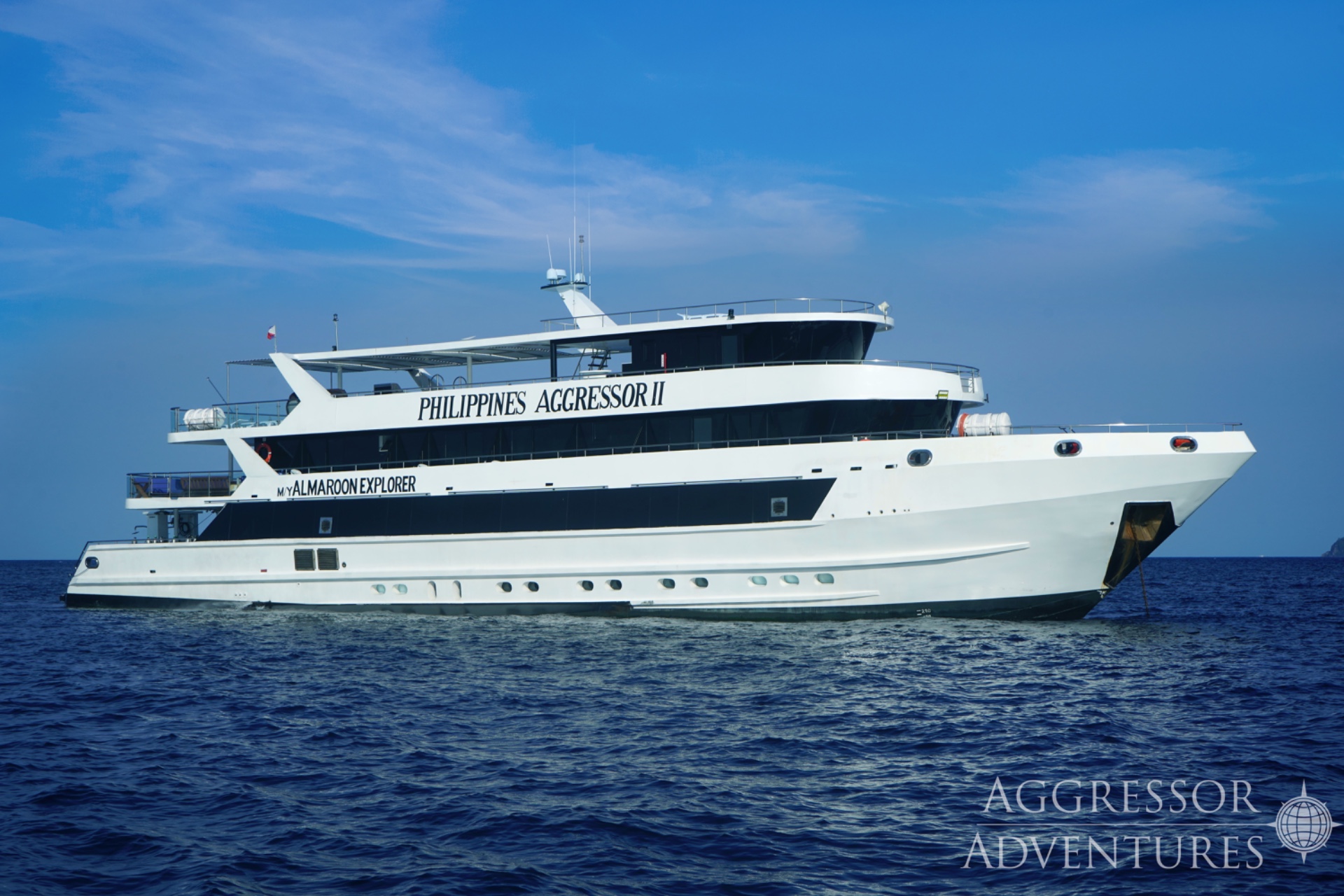
Philippines Aggressor II
Philippines
26 guests43 m
Dive sites similar to Panglao House Reef
Same character, same waters — six more sites divers love for the exact same reasons.Compare seasons, access and liveaboard routes — then pick the site that fits your trip best.
Abila is a notable dive site located within the Alor Islands Marine Park, an area celebrated for its rich marine biodiversity due to its position in the Coral Triangle.
- Suitable for
- Beginner
- Current
- Mild
- Access
- Liveaboard only
- Depth
- —
- Theme
- Reef
© Esri — Maxar, Earthstar, GIS
Adonara Channel
Alor
Adonara Channel stands as one of Alor's most iconic dive sites, celebrated for its dynamic currents and exceptionally rich biodiversity.
- Suitable for
- Advanced
- Current
- Strong
- Access
- Liveaboard or dayboat
- Depth
- 10–40 m
- Theme
- Drift / Wall
© Esri — Maxar, Earthstar, GIS
Adonara Wall
Indonesia
Adonara is an Indonesian island dive site, renowned for its vibrant underwater topography characterized by submerged seamounts.
- Suitable for
- Intermediate
- Current
- Strong
- Access
- Liveaboard or dayboat
- Depth
- 5–35 m
- Theme
- Seamount / Wall
© Esri — Maxar, Earthstar, GIS
Agnay Fish Sanctuary
Philippines
Agnay Fish Sanctuary is nestled in a sheltered bay near the village of Agnay in Romblon, a province celebrated for its rich marine biodiversity.
- Suitable for
- Beginner
- Current
- Mild
- Access
- Dayboat
- Depth
- 9–18 m
- Theme
- Reef
© Esri — Maxar, Earthstar, GIS
Ai Island Reef
Banda Sea
Ai Island Reef, nestled within the Banda Sea, offers a remarkable diving experience characterized by its rich marine biodiversity and varied underwater topography.
- Suitable for
- Beginner
- Current
- Strong
- Access
- Liveaboard only
- Depth
- 3–30 m
- Theme
- Reef / Seamount
© Esri — Maxar, Earthstar, GIS
Akitsushima
Philippines
The Akitsushima is a distinguished World War II Japanese seaplane tender, sunk in September 1944 during an American air raid in Coron Bay, Palawan.
- Suitable for
- Advanced
- Current
- Strong
- Access
- Dayboat
- Depth
- 22–38 m
- Theme
- Wreck