About Nelivaru Haa (Lhaviyani)
Nelivaru Haa, situated in the quieter Lhaviyani Atoll, offers a distinct Maldivian dive experience away from the bustling main routes. This site is characterized by its underwater pinnacle topography, featuring abundant whip corals, bushy black corals, and impressive sea fans that create a vibrant underwater landscape. Divers often encounter schools of snapper thriving around the pinnacle, alongside regular sightings of manta rays which are a significant highlight here. The Lhaviyani Atoll itself is known for excellent shark activity, making it a thrilling destination for those seeking encounters with larger pelagic species. Diving at Nelivaru Haa involves exploring these pinnacle formations, often revealing a rich diversity of reef fish and other macro life nestled within the corals. The site benefits from the nutrient-rich currents, typical of the Maldivian waters influenced by the Indian Monsoon, which support its flourishing marine ecosystem. While some diving in the northern atolls, including Lhaviyani, can be suitable for beginners with moderate currents, channel dives promising shark life often imply stronger conditions. The remote nature of this area means less boat traffic, offering a more pristine and intimate diving adventure. Experienced divers will particularly appreciate the potential for robust current dives, which bring the larger marine life closer to the pinnacles. Depths can vary, but generally explore formations starting from around 5 meters down to 30 meters. Entry is typically from a liveaboard, as this site is part of itineraries exploring the northern atolls, allowing for maximum dive time and minimal travel disruption.
Highlights
Manta RaysGrey Reef SharksEagle RaysGiant ClamsTurtles
Season calendar
Best months to dive here
Jan
Feb
Mar
Apr
May
Jun
Jul
Aug
Sep
Oct
Nov
Dec
Good
Dive site facts: Nelivaru Haa (Lhaviyani)
- Depth
- 5–30 m+
- Typical dive
- 15–25 m, 45–60 min
- Current
- Moderate to strong, unpredictable
- Visibility
- 15–30 m
- Water temperature
- 27–30°C (81–86°F)
- Entry
- Liveaboard / tender, negative entry common
- Level
- Advanced Open Water, current experience mandatory
- Dive type
- Drift dive, pelagic encounters, thila exploration
- Region / port
- Lhaviyani Atoll, Maldives
- Coordinates
- 5.3694, 73.5083
Conditions & Currents
Nelivaru Haa is famous for its moderate to strong currents, a defining feature that contributes significantly to the site's rich biodiversity. These currents are often unpredictable, shifting in strength and direction, and are largely driven by the prevailing monsoons. Divers should expect drift diving conditions and be prepared for negative entries to quickly reach the thila and avoid being swept past the main action. The currents deliver nutrients that attract large schools of fish and pelagic species, creating an exhilarating, fast-paced dive experience. Due to these conditions, divers need to be proficient in current management and buoyancy control, and the use of reef hooks is often encouraged for safety and stability.
Marine life & sighting chances

Grey Reef Shark
common
Eagle Ray
common
Barracuda
common
Napoleon Wrasse
occasional
Snapper
common
Jackfish
common
Moray Eel
common
Hawksbill Turtle
occasional
Triggerfish
common
Anthias
commonDive profile & how the dive runs
Diving Nelivaru Haa typically begins with a negative entry, as the boat positions divers upstream of the thila to allow for an immediate descent into the current. The dive plan usually involves drifting along one side of the thila, observing the pelagic action attracted by the currents, including grey reef sharks patrolling the deeper sections and eagle rays gliding by. Divers will follow the contour of the reef, utilizing its overhangs and crevices for shelter and to observe smaller reef inhabitants. The depth generally progresses from around 15-20 meters along the main thila, potentially reaching deeper sections down to 30 meters or more for experienced divers. The turn point is often dictated by air consumption or current direction, after which the dive concludes with a drift in the blue, followed by a safety stop. Surface signaling with an SMB is crucial upon ascent due to potential boat traffic and strong surface currents.
Underwater photography
Nelivaru Haa is an excellent site for wide-angle photography, especially when capturing the schooling fish and larger pelagic species against the backdrop of the thila. A wide-angle lens is ideal for documenting the dynamic scenes of grey reef sharks and eagle rays that frequent the area. Given the strong currents, maintaining good buoyancy is critical to avoid stirring up sediment and to position yourself effectively for shots. External strobes are highly recommended to bring out the vibrant colors of the corals and marine life, as natural light can diminish quickly at depth or in strong current conditions. For close-up shots of smaller reef dwellers within the thila's shelters, a macro lens could be used, but the primary photographic appeal here lies in the broad seascape and pelagic action. Always be mindful of your fin kicks and proximity to the reef, especially when currents are strong.
Combine with nearby dive sites
Getting there & logistics
Access to Nelivaru Haa is primarily via liveaboard vessels exploring the Central Atolls and Baa Atoll region, which may extend into the Lhaviyani Atoll during longer itineraries (e.g., 10 nights). Liveaboards typically depart from Malé International Airport (MLE), with transfers to the boat arranged for specific times, often around 12:30 PM. Disembarkation also occurs at Malé Airport, usually by 8:00 AM. Divers flying into the Maldives should plan their arrival and departure flights around these transfer times. While no specific permits are required for diving, ensure your liveaboard handles any local regulations. It's crucial to have comprehensive dive insurance covering emergency evacuation and recompression chamber costs.
Safety & environment
Diving Nelivaru Haa requires careful attention to safety protocols due to the strong and potentially unpredictable currents. All divers must carry a dive computer, an SMB, and a reel, and be proficient in deploying the SMB underwater. Negative entries are common and demand quick equalization and buoyancy control. It is mandatory to have dive insurance that covers emergency evacuation and recompression chamber treatments, as these costs are the diver's responsibility at the time of service. The nearest recompression chamber in the Lhaviyani Atoll is located at Kuredu Island Resort. Divers should always stay with their group and follow the dive guide's instructions, especially regarding current mitigation strategies like reef hooks, and adhere strictly to personal dive computer limits and certification depths. Conservative diving practices are always encouraged.
Who it suits — and who it doesn't
Suited for
- Advanced Open Water divers
- Divers comfortable with strong currents
- Experienced drift divers
- Underwater photographers focusing on wide-angle pelagics
- Divers seeking adrenaline-filled dives
Less suited for
- Open Water divers without deep dive training
- Inexperienced divers
- Divers prone to seasickness
- Divers without current experience
- Beginner underwater photographers
FAQ
Nelivaru Haa (Lhaviyani) FAQ
What kind of currents can I expect at Nelivaru Haa?
Nelivaru Haa is known for its moderate to strong currents, which can be unpredictable in direction and intensity. These currents are a key feature of the dive, attracting a rich array of marine life. Divers should be comfortable with drift diving techniques and prepared for potential negative entries.
What marine life is commonly seen at Nelivaru Haa?
Divers at Nelivaru Haa frequently encounter grey reef sharks, eagle rays, and large schools of barracuda. The thila also hosts diverse reef fish, snappers, jacks, moray eels, and occasionally Napoleon wrasse and hawksbill turtles. The strong currents make it a hotspot for pelagic action.
Is Nelivaru Haa suitable for beginner divers?
Nelivaru Haa is generally not recommended for beginner divers due to its strong and unpredictable currents. A minimum of Advanced Open Water certification is advised, along with proven experience in strong current conditions and drift diving. It is a site best enjoyed by more experienced divers.
What photography equipment is best for this site?
For Nelivaru Haa, wide-angle photography gear is ideal to capture the large pelagics and schooling fish against the thila. A wide-angle lens, along with external strobes, will help illuminate the vibrant reef colors and dynamic underwater scenes. Good buoyancy control is essential for stable shots in the current.
What safety precautions should be taken when diving Nelivaru Haa?
Safety at Nelivaru Haa involves carrying a dive computer, an SMB, and a reel, and knowing how to deploy them. Divers must have dive insurance covering emergency evacuations and recompression. Always follow your dive guide's instructions, adhere to your computer's limits, and be prepared for swift entries and exits due to currents.
How is Nelivaru Haa typically accessed?
Nelivaru Haa is primarily accessed via liveaboard itineraries that cover the Central Atolls and Baa Atoll, often extending into the Lhaviyani Atoll for longer trips. These liveaboards typically operate out of Malé International Airport (MLE), providing convenient transfers to and from the vessel.
Why dive Nelivaru Haa (Lhaviyani) from a liveaboard?
Nelivaru Haa (Lhaviyani) is one of Maldives's signature dive sites. A liveaboard sleeps you on the water and puts you in the water for three to four guided dives per day, including dawn and night dives that day-boat operators rarely offer. You skip the daily commute back to port and reach quieter, less-crowded sites in the same region on a single trip.
Below are the liveaboards that include Nelivaru Haa (Lhaviyani) on their Maldives itineraries.
Liveaboards diving Nelivaru Haa (Lhaviyani)
These liveaboards may visit Nelivaru Haa (Lhaviyani) on selected itineraries — the exact dive sites depend on departure, weather and conditions.
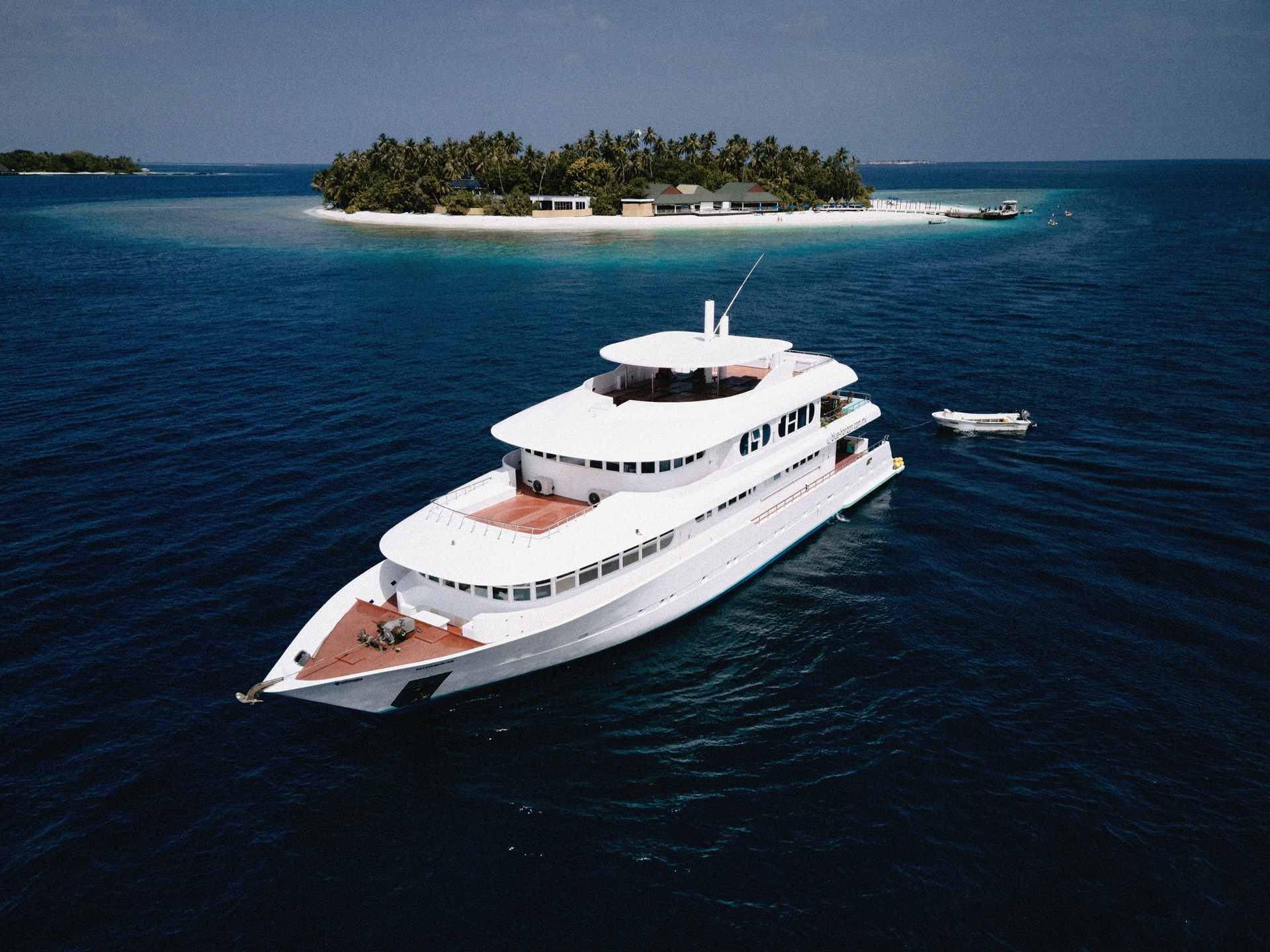
Horizon III
Maldives
25 guests
$204/day
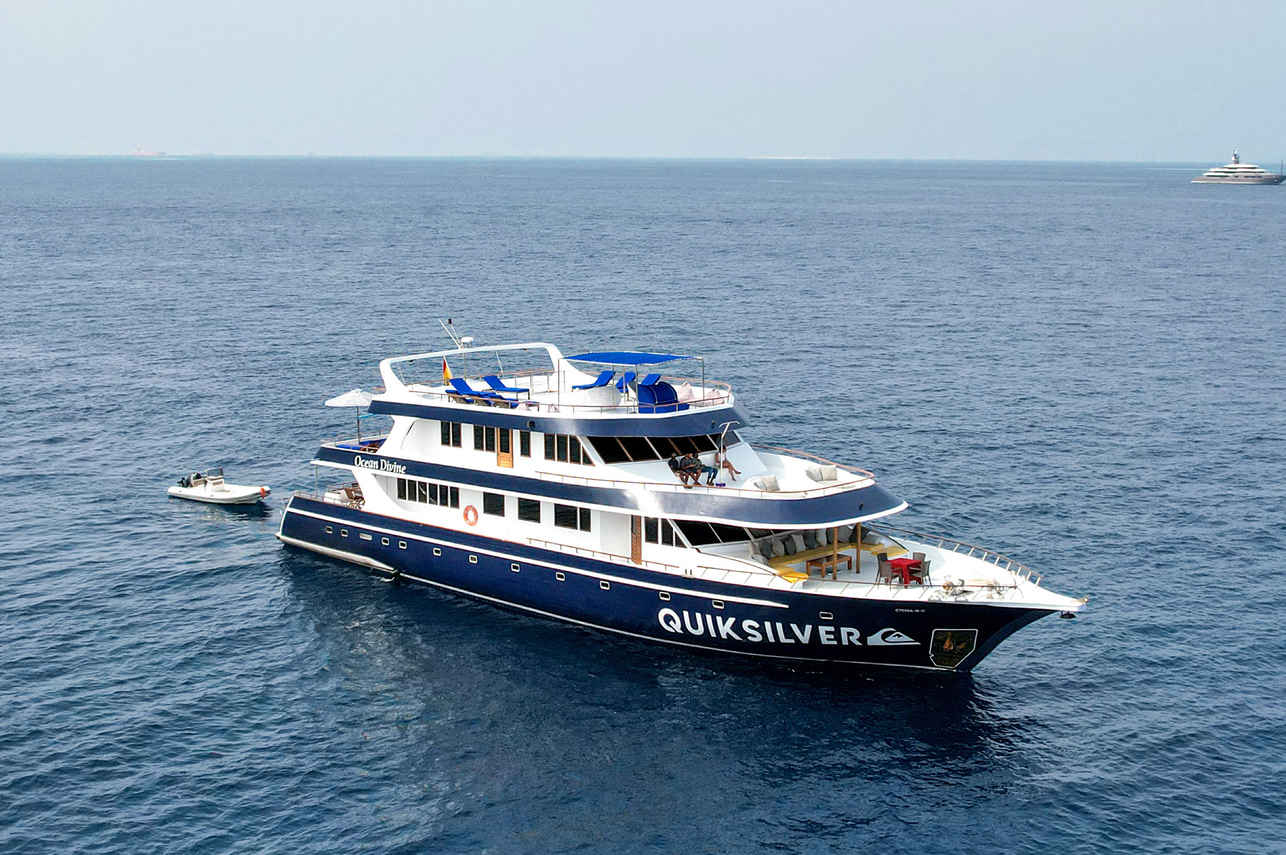
Ocean Divine
Maldives
16 guests33.528 m
$287/day
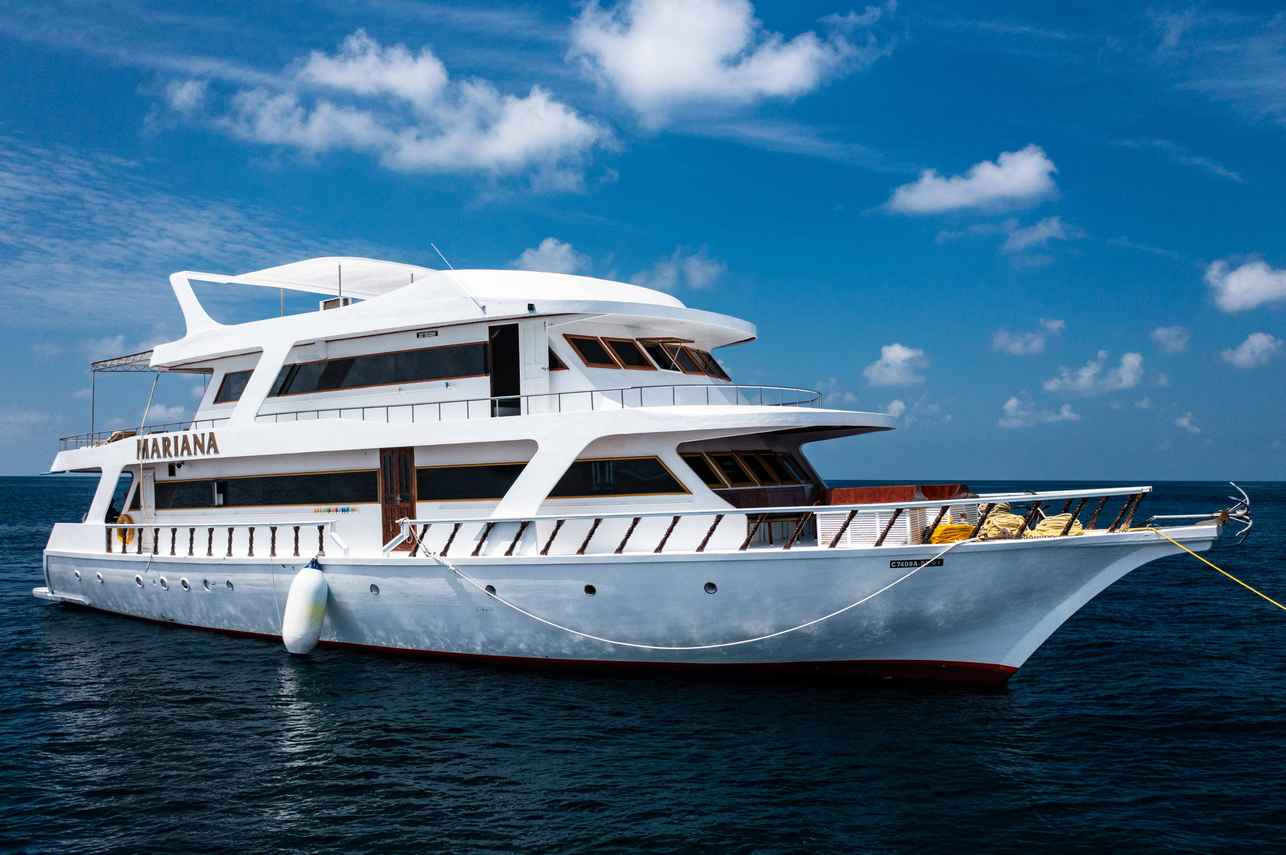
EcoPro Mariana
Maldives
16 guests30 m
$236/day
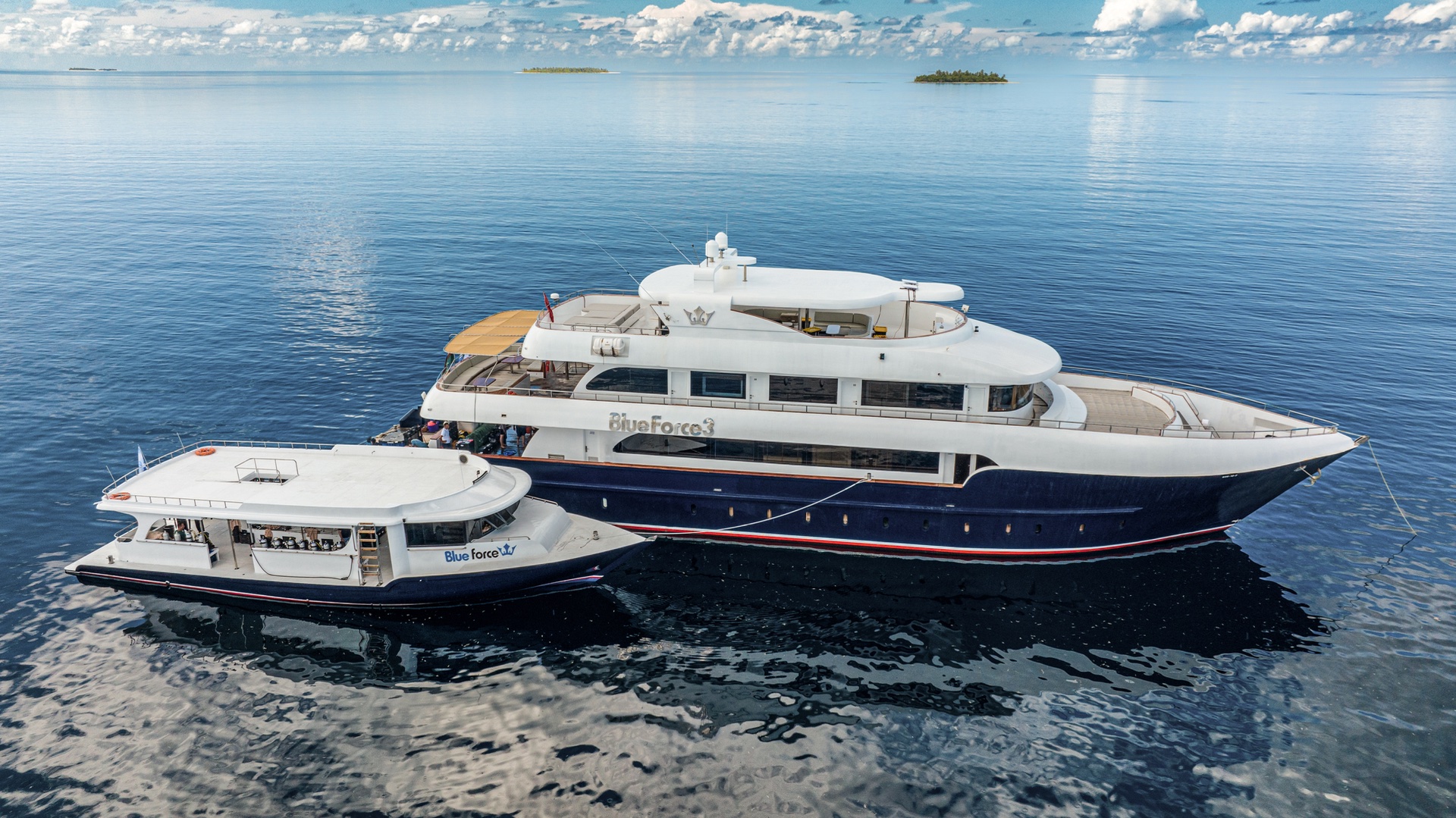
Maldives Blue Force 3
Maldives
26 guests42 m
$236/day
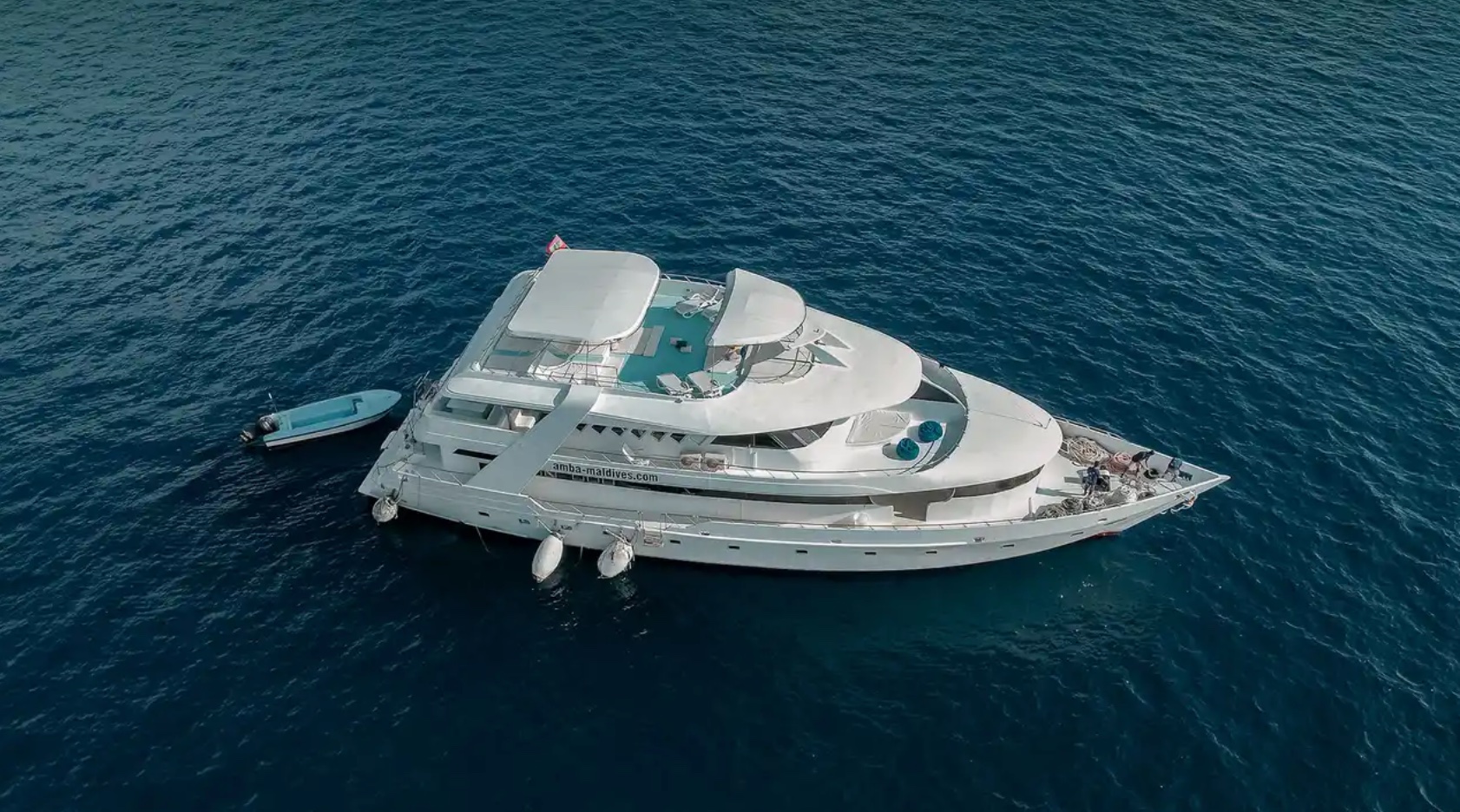
Amba
Maldives
20 guests
$178/day
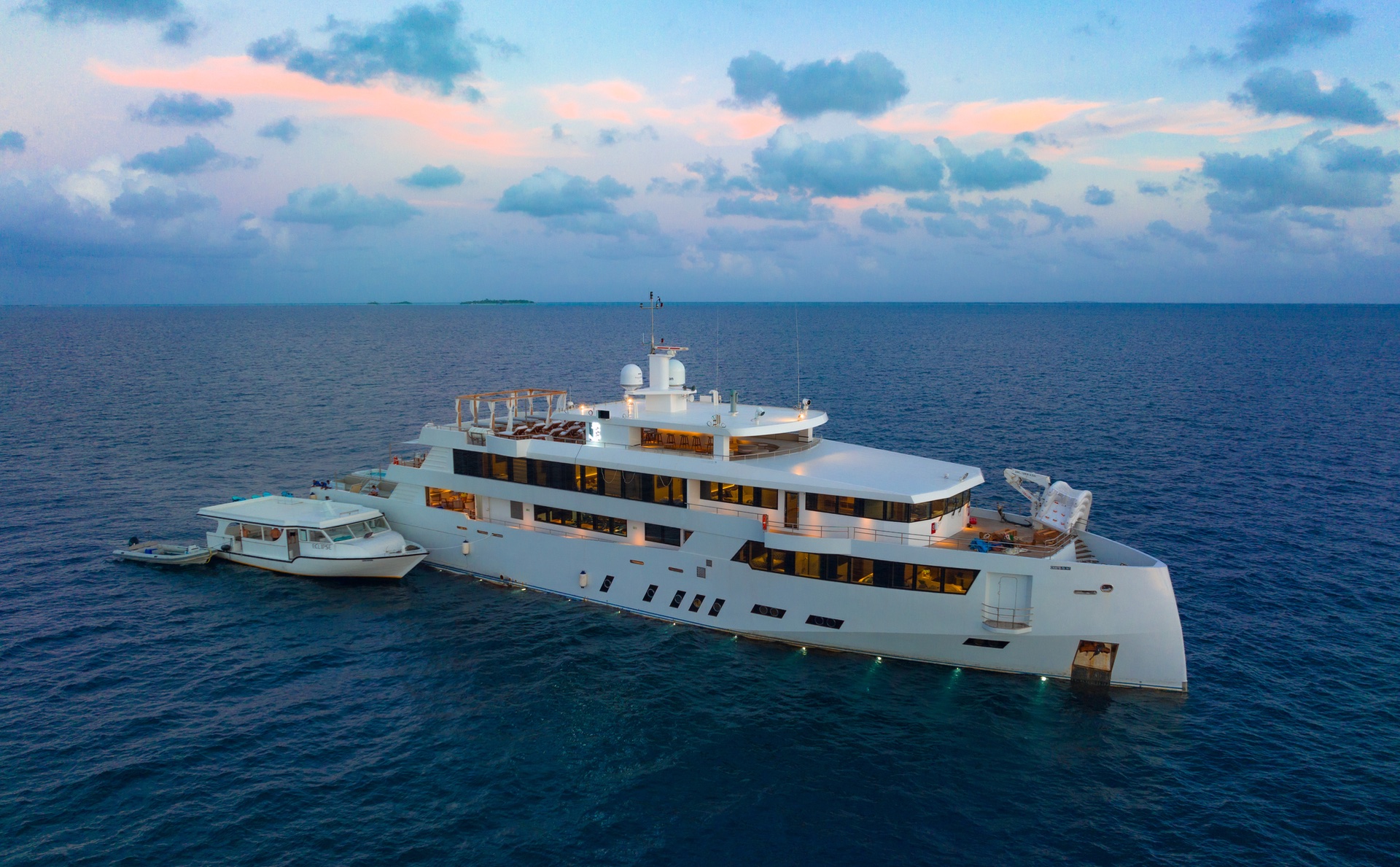
White Pearl
Maldives
26 guests
$375/day
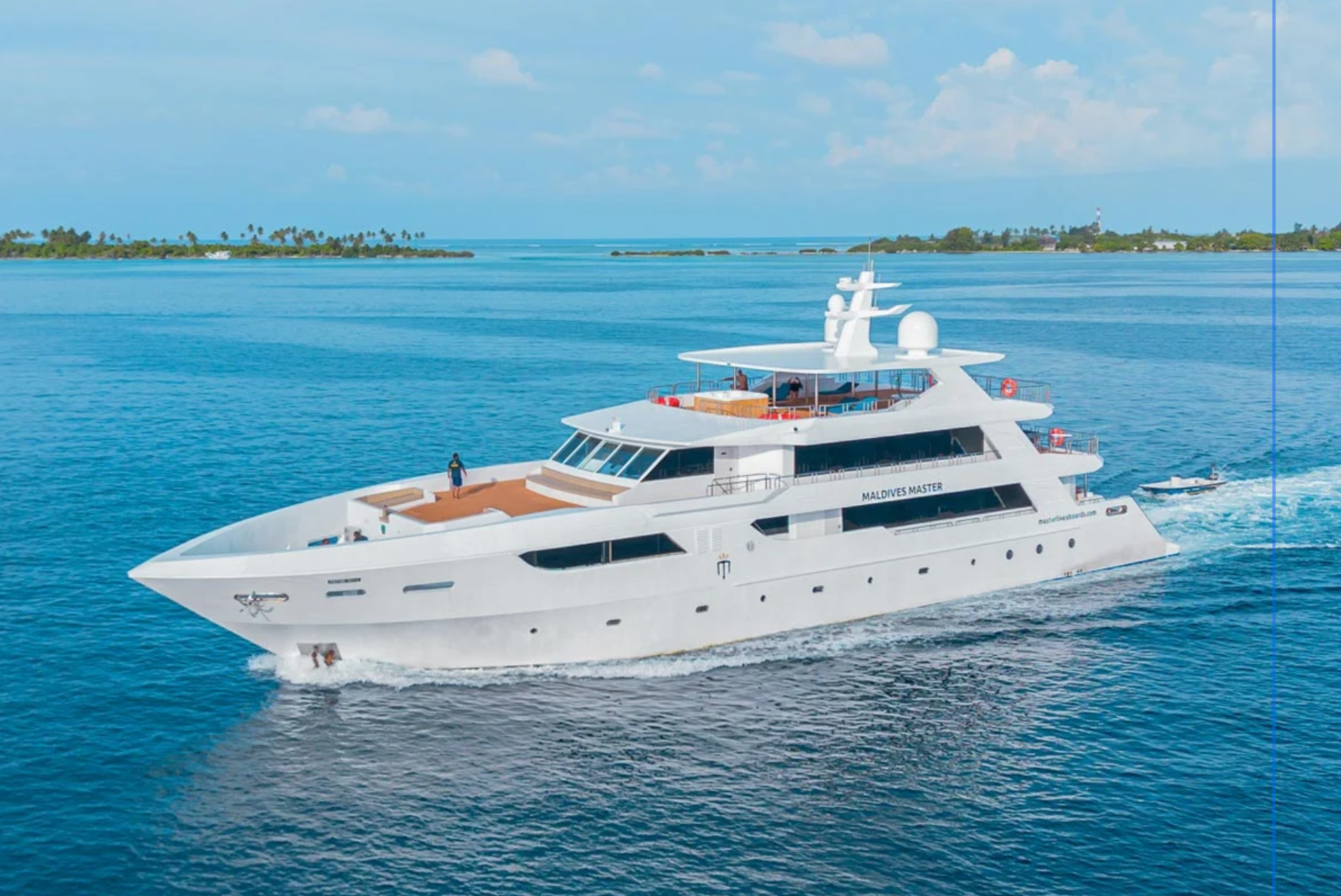
Maldives Master
Maldives
26 guests
$207/day
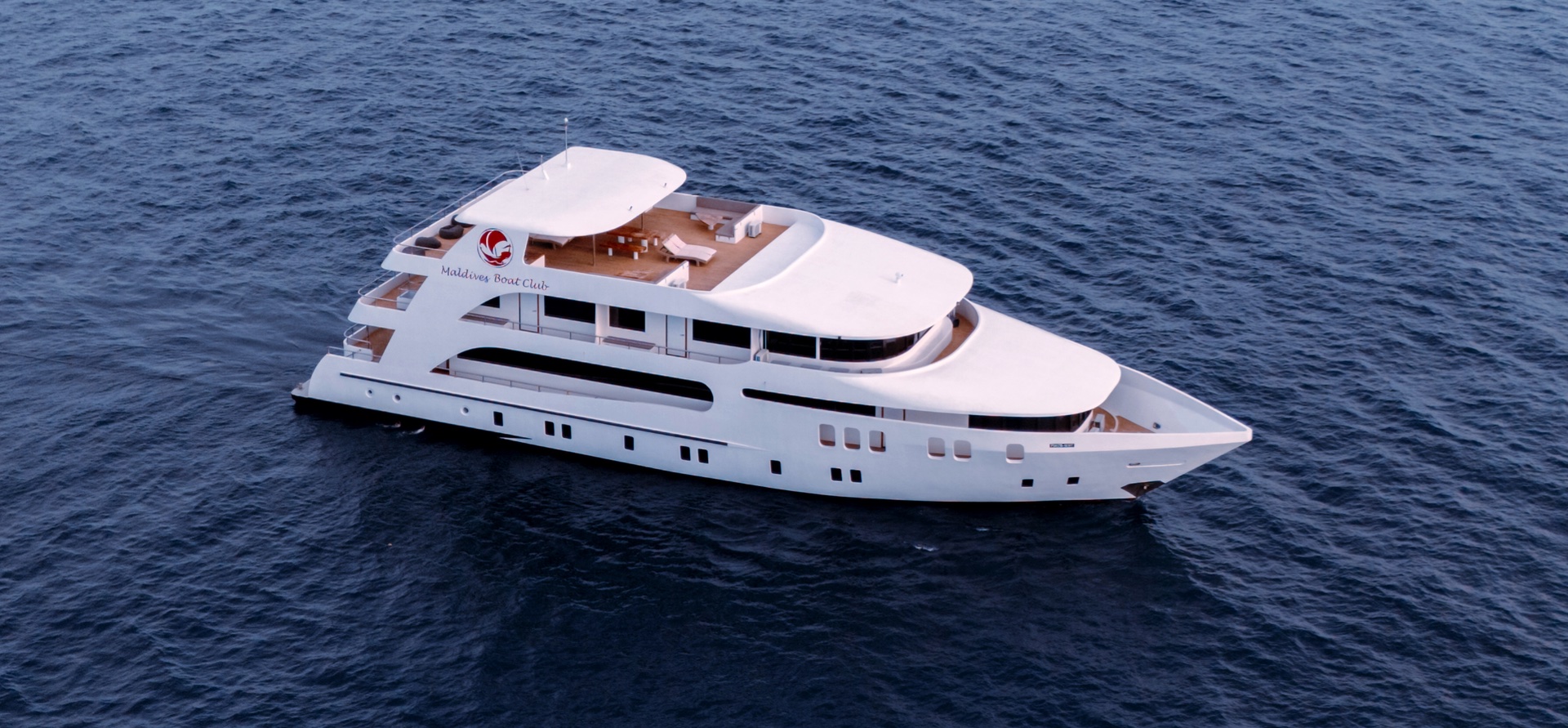
Adora
Maldives
22 guests
$297/day
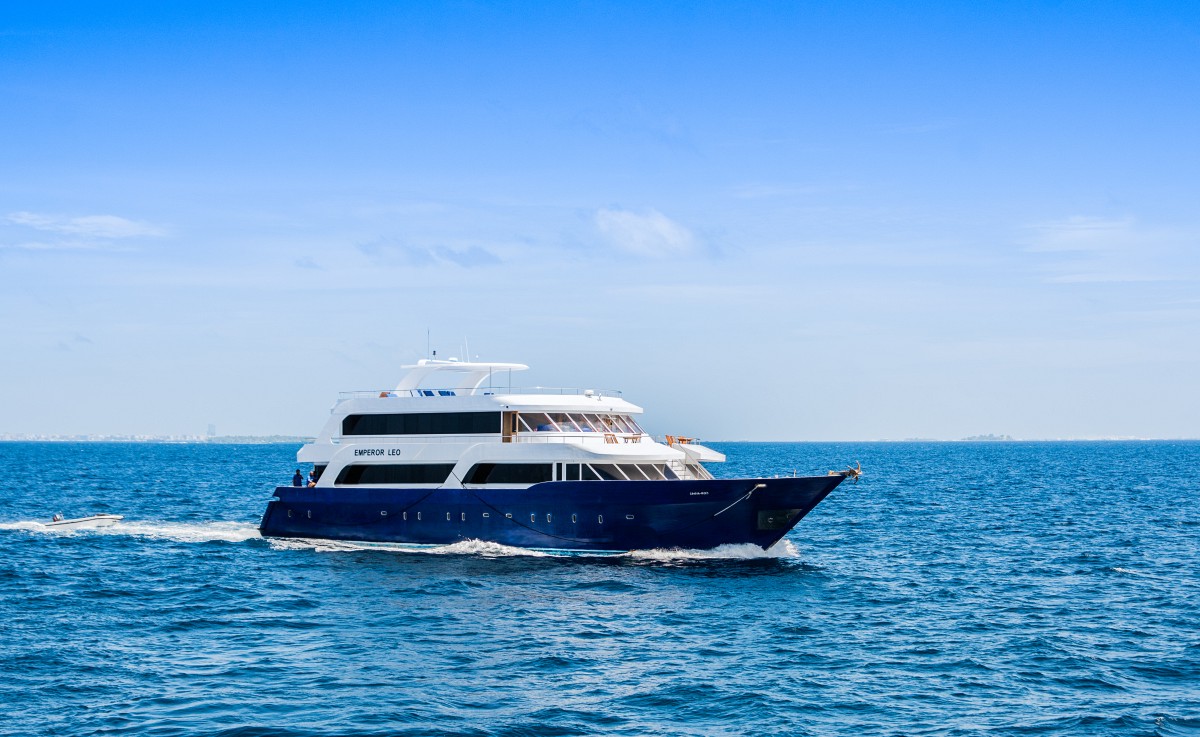
Emperor Leo
Maldives
24 guests35.1 m
$339/day
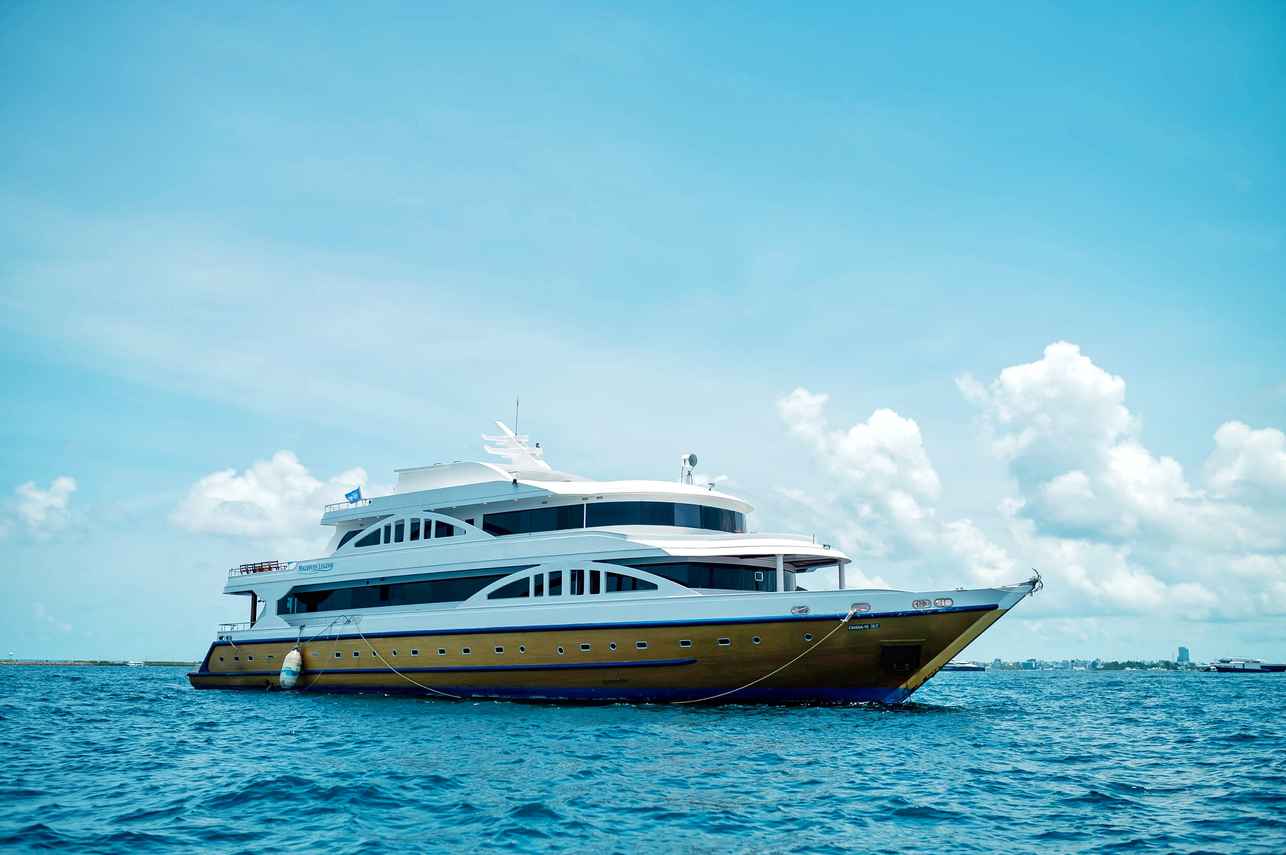
Maldives Legend Zen
Maldives
24 guests41 m
$316/day
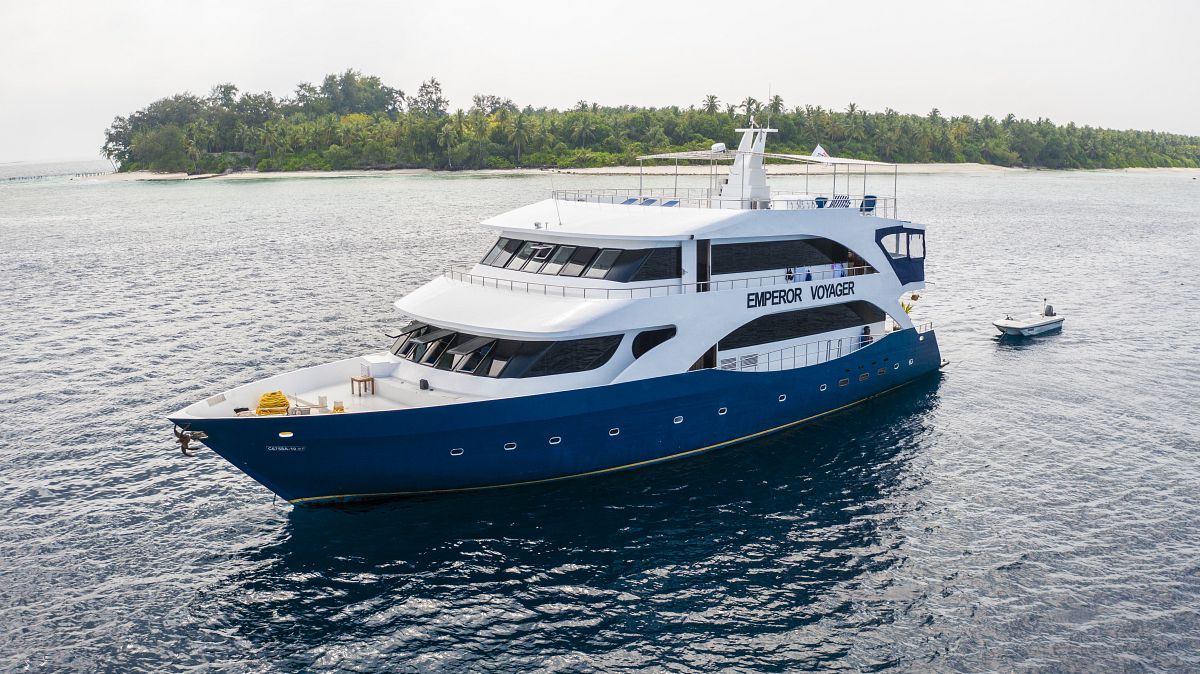
Emperor Voyager
Maldives
20 guests29.9 m
$332/day
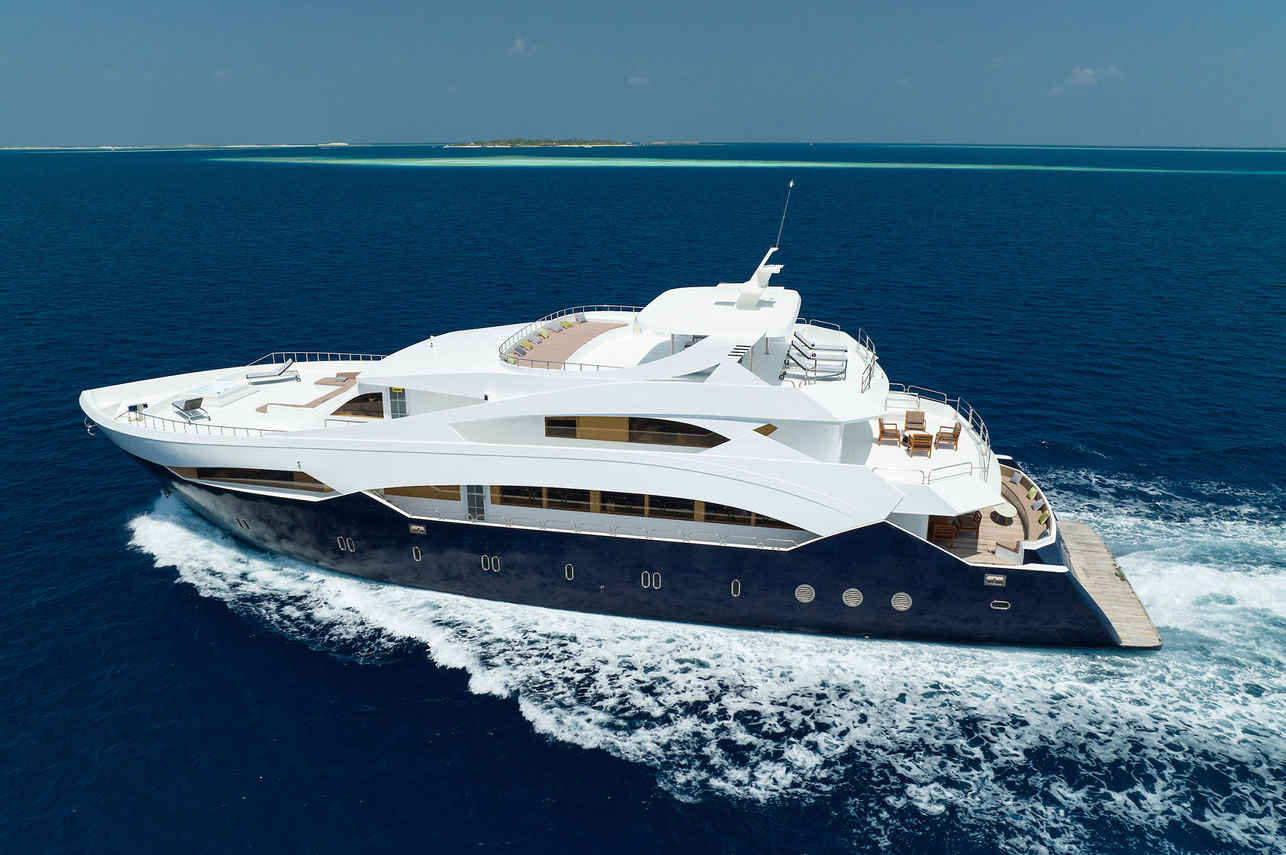
Felicity
Maldives
26 guests41 m
$229/day
Dive sites similar to Nelivaru Haa (Lhaviyani)
Same character, same waters — six more sites divers love for the exact same reasons.Compare seasons, access and liveaboard routes — then pick the site that fits your trip best.
© Esri — Maxar, Earthstar, GIS
Emas Thila (North Malé)
Maldives
Emas Thila is a renowned submerged reef pinnacle located in the South Ari Atoll, a protected Marine Protected Area in the Maldives.
- Suitable for
- Intermediate
- Current
- Strong
- Access
- Liveaboard or dayboat
- Depth
- 8–30 m
- Theme
- Cave & cavern / Pinnacle
© Esri — Maxar, Earthstar, GIS
Felidhoo Thila (Vaavu)
Maldives
Felidhoo Thila is a stunning submerged pinnacle located in the central Vaavu Atoll, Maldives.
- Suitable for
- Intermediate
- Current
- Strong
- Access
- Liveaboard or dayboat
- Depth
- 12–35 m
- Theme
- Pinnacle
© Esri — Maxar, Earthstar, GIS
Maaya Thila
Maldives
Maaya Thila, a protected Marine Reserve located in the North Ari Atoll of the Maldives, is a prominent pinnacle dive site.
- Suitable for
- Advanced
- Current
- Strong
- Access
- Liveaboard or dayboat
- Depth
- 6–30 m
- Theme
- Drift / Cave & cavern
© Esri — Maxar, Earthstar, GIS
Miyuga Thila
Maldives
Miyuga Thila is a prominent underwater pinnacle, or thila, stretching approximately 80 meters in length within the North Ari Atoll of the Maldives.
- Suitable for
- Intermediate
- Current
- Moderate
- Access
- Liveaboard only
- Depth
- ≤ 40 m
- Theme
- Reef / Drift
© Esri — Maxar, Earthstar, GIS
Reethi Thila
Maldives
Reethi Thila, sometimes referred to as Rheeti Thila, is a celebrated dive site in the Maldives, found within Raa Atoll, also known as Northern Maalhosmadulu, located in the northwest.
- Suitable for
- Advanced
- Current
- Strong
- Access
- Liveaboard or dayboat
- Depth
- 6–30 m
- Theme
- Reef / Drift
© Esri — Maxar, Earthstar, GIS
Boduhithi Thila (North Malé)
Maldives
Boduhithi Thila is a renowned dive site located in the North Malé Atoll, celebrated for its dynamic drift diving experiences.
- Suitable for
- Intermediate
- Current
- Strong
- Access
- Liveaboard or dayboat
- Depth
- 12–40 m
- Theme
- Drift / Pinnacle