About Misool
Misool, part of the Raja Ampat archipelago, is a premier dive destination nestled in the Coral Triangle, the global epicentre of marine biodiversity. Situated approximately 200 kilometres south of Sorong, it is one of the 'Four Kings' that give Raja Ampat its name. This region is especially celebrated for its spectacular soft coral gardens, teeming with an unparalleled density of fish and invertebrate species. The topography here features dramatic soft coral walls, intricate swim-throughs, and narrow, twisted blue-water mangrove forests that create unique compressed habitats. Depths typically range from shallow, vibrant reef tops down to over 30 meters on deeper walls and seamounts, accommodating a wide range of dive profiles. The rich nutrient flow sustains a healthy ecosystem, supporting both resident reef fish and larger pelagic species. Marine life encounters are consistently extraordinary, with abundant schools of fusiliers, jacks, snapper, and barracuda. Misool is also a prime location for observing both reef and oceanic manta rays at cleaning stations, particularly from December to April. Encounters with wobbegong sharks are common, often found resting under coral overhangs, alongside frequent sightings of grey reef and blacktip sharks. Diving in Misool is predominantly accessed via liveaboard, often requiring a 12 to 18-hour crossing from Sorong due to its remote location. The diving experience is characterized by drift dives along current-swept reefs, showcasing the area's pristine corals and abundant fish life, making it suitable for divers with intermediate to advanced skills.
Highlights
Vibrant soft coral wallsBoth manta species at Magic MountainUnique swim-throughsBlue-water mangrove forestsHigh fish diversityWobbegong sharks
Season calendar
Best months to dive here
Jan
Feb
Mar
Apr
May
Jun
Jul
Aug
Sep
Oct
Nov
Dec
Excellent
Good
Off-Season
Sep – Nov (Sep–Nov)
Calmest seas and best visibility (25–30m). Hammerhead shark schools at their largest. Whale shark sightings increase. All liveaboard operators running Banda Sea expeditions.
Mar – May & Aug (Mar–May, Aug)
Transitional weather with generally good conditions. Visibility 18–25m. Fewer boats operating but still excellent diving.
Jun – Jul & Dec – Feb (Dec–Feb, Jun–Jul)
Monsoon brings rough seas, strong currents, and reduced visibility. Most operators do not run Banda Sea trips. Not recommended for diving.
Dive site facts: Misool
- Depth
- Shallow to 30+ m
- Current
- Mild to strong
- Visibility
- 15–30 m (can drop to 10 m)
- Water temperature
- 27–30°C
- Entry
- Liveaboard / tender
- Level
- Intermediate to advanced
- Dive type
- Coral gardens, walls, drift, pelagic
- Region / port
- Southern Raja Ampat
- Coordinates
- 2.0272° S, 129.9878° E
Conditions & Currents
Currents are a defining feature of diving in Misool and Raja Ampat, acting as a crucial element that sustains the rich marine ecosystem. These nutrient-rich flows can range from gentle drifts to strong, demanding currents, requiring divers to possess good buoyancy control and experience. Tidal phases significantly influence current strength and direction, with many sites best dived during specific tidal windows to maximize marine life sightings and ensure safety. Visibility typically ranges from 15 to 30 meters, often improving during the calmer dry season months from November to March. However, plankton blooms, while potentially reducing visibility to 10 meters, are a natural part of the ecosystem and attract large pelagics like mantas. Water temperatures remain consistently warm, between 27–30°C year-round. Divers should be prepared for potential reef-hook dives at current-heavy sites
Marine life & sighting chances

Manta rays (reef and oceanic)
December-April · common
Fusiliers
common
Jacks
common
Snapper
common
Barracuda
common
Grey reef sharks
common
Blacktip sharks
common
Wobbegong sharks
common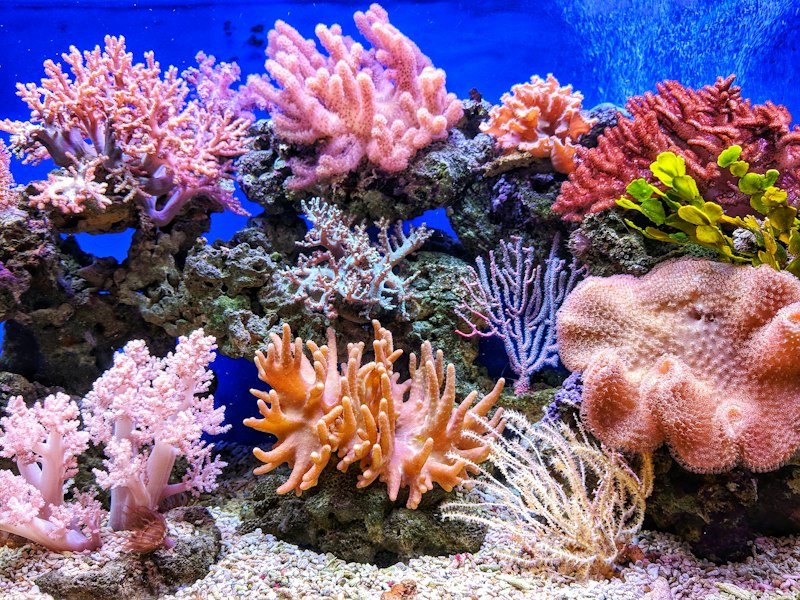
Soft corals
common
Sea fans
common
Pygmy seahorses
occasionalDive profile & how the dive runs
Diving in Misool often begins with a tender drop close to the reef, sometimes necessitating a negative entry to quickly descend into the current. Routes typically involve drift diving along the vibrant soft coral walls or across seamounts. Divers follow the topography, exploring overhangs, crevices, and swim-throughs that are characteristic of the area. Depth progression is managed by the guide, often starting deeper, such as 18-30 meters on a seamount corner, and gradually ascending towards shallower reef tops. Turn points are dictated by current changes or air consumption, ensuring a comfortable return. Safety stops are usually conducted as part of the drift in the shallows, where rich coral gardens provide an excellent backdrop for the final minutes underwater, before surfacing and being picked up by the tender.
Underwater photography
Misool offers superb opportunities for both wide-angle and macro photography due to its diverse marine life and pristine corals. For wide-angle, a fisheye or wide rectilinear lens is ideal to capture the expansive soft coral walls, dense schooling fish, and manta ray cleaning stations. Strobes are essential to bring out the vibrant colors of the corals and fish in the clear waters. When shooting mantas, be mindful of their behavior and maintain a respectful distance to avoid disturbing them. For macro, a 60mm or 100/105mm lens will be excellent for capturing pygmy seahorses, nudibranchs, and other small critters hidden within the corals. Buoyancy control is paramount to avoid damaging the delicate reefs and for stable shots in current. Patience is key, especially when waiting for shy subjects to emerge or for the perfect light.
Getting there & logistics
Misool is primarily accessed via liveaboard, as it is a remote island group located approximately 200 kilometers south of Sorong, in West Papua, Indonesia. The journey from Sorong to Misool typically takes 12 to 18 hours by boat. Most liveaboard itineraries in Raja Ampat, especially those of 10 to 12 days or longer, are able to include Misool. Sorong is the main gateway airport for Raja Ampat, reachable via domestic flights from major Indonesian hubs like Jakarta (CGK) or Makassar (UPG). All divers visiting Raja Ampat are required to purchase a Marine Park Entry Permit, valid for one calendar year, which contributes to conservation efforts.
Safety & environment
Diving in Misool, like much of Raja Ampat, involves strong currents that can be physically demanding; therefore, good buoyancy control and experience in current are essential. Divers should always dive within their certification limits and be attentive to dive briefings, especially concerning entry techniques and exit points. The nearest recompression chamber is located in Sorong, which is a significant distance away, making evacuation complex and potentially time-consuming. Comprehensive dive insurance, covering medical emergencies and evacuation, is highly recommended for all divers. Always carry a surface marker buoy (SMB) and know how to deploy it, especially during drift dives where surfacing away from the main group is possible. Respect for marine life and coral ecosystems is paramount; avoid touching or disturbing any underwater inhabitants.
Who it suits, and who it doesn't
Suited for
- Experienced divers comfortable with strong currents
- Wide-angle underwater photographers
- Manta ray enthusiasts
- Divers seeking pristine soft coral environments
- Liveaboard adventurers
Less suited for
- Beginner divers without current experience
- Divers prone to seasickness on long crossings
- Those preferring shore-based diving
- Divers on short liveaboard itineraries (under 7 days)
- Photographers uncomfortable with variable visibility
FAQ
Misool FAQ
What kind of marine life can I expect to see in Misool?
Misool is a biodiversity hotspot. You can expect to encounter dense schools of fusiliers, jacks, snapper, and barracuda. It is particularly famous for frequent sightings of both reef and oceanic manta rays at cleaning stations, especially between December and April. Wobbegong sharks are commonly found, along with grey reef sharks and blacktip sharks patrolling the reefs.
When is the best time to visit Misool for diving?
The peak diving season for Misool and Raja Ampat generally runs from October to April. During these months, the seas are calmer, visibility is at its best, and water temperatures are consistently warm. December to March is considered prime time for manta ray encounters, offering an exceptional dive experience.
Are the currents strong in Misool?
Yes, currents in Misool can be strong, as they are a vital part of the ecosystem, bringing nutrients to the reefs. Divers should be comfortable with drift diving and possess good buoyancy skills. Liveaboard operators will plan dives according to tidal phases to optimize conditions and ensure diver safety.
How do I get to Misool?
Misool is a remote destination best accessed via a liveaboard. The journey typically starts from Sorong, West Papua, which serves as the main embarkation point for Raja Ampat liveaboards. The boat transfer from Sorong to Misool can take 12 to 18 hours. Shorter liveaboard trips often cannot reach Misool due to its distance.
Is Misool suitable for beginner divers?
Misool is generally recommended for intermediate to advanced divers due to the presence of strong currents and the remote nature of the diving. While some calmer sites exist, the most iconic dives often involve challenging conditions. Open Water divers with limited experience in currents may find certain sites difficult.
Why dive Misool from a liveaboard?
Misool is one of Banda Sea's signature dive sites. A liveaboard sleeps you on the water and puts you in the water for three to four guided dives per day, including dawn and night dives that day-boat operators rarely offer. You skip the daily commute back to port and reach quieter, less-crowded sites in the same region on a single trip.
Below are the liveaboards that include Misool on their Banda Sea itineraries.
Liveaboards diving Misool
These liveaboards may visit Misool on selected itineraries, the exact dive sites depend on departure, weather and conditions.

Wellenreng
Indonesia
9 guests25 m

Mari
Indonesia
14 guests32 m

Pindito
Indonesia
16 guests38 m

Mermaid II
Komodo, Indonesia
18 guests

Gaia Love
Alor
20 guests

Emperor Raja Laut
Raja Ampat, Indonesia
12 guests31 m

Malaillo
Indonesia
14 guests46 m

Damai II
Komodo, Indonesia
14 guests

DUNE Aurora
Indonesia
18 guests

Calico Jack
Indonesia
10 guests30 m

Coralia
Indonesia
16 guests48 m

Ilike
Indonesia
16 guests40 m
Dive sites similar to Misool
Same character, same waters, six more sites divers love for the exact same reasons.Compare seasons, access and liveaboard routes, then pick the site that fits your trip best.
Abila is a notable dive site located within the Alor Islands Marine Park, an area celebrated for its rich marine biodiversity due to its position in the Coral Triangle.
- Suitable for
- Beginner
- Current
- Mild
- Access
- Liveaboard only
- Depth
- —
- Theme
- Reef
© EsriMaxar, Earthstar, GIS
Adonara Channel
Alor
Adonara Channel stands as one of Alor's most iconic dive sites, celebrated for its dynamic currents and exceptionally rich biodiversity.
- Suitable for
- Advanced
- Current
- Strong
- Access
- Liveaboard or dayboat
- Depth
- 10–40 m
- Theme
- Drift / Wall
© EsriMaxar, Earthstar, GIS
Adonara Wall
Indonesia
Adonara is an Indonesian island dive site, renowned for its vibrant underwater topography characterized by submerged seamounts.
- Suitable for
- Intermediate
- Current
- Strong
- Access
- Liveaboard or dayboat
- Depth
- 5–35 m
- Theme
- Seamount / Wall
© EsriMaxar, Earthstar, GIS
Agnay Fish Sanctuary
Philippines
Agnay Fish Sanctuary is nestled in a sheltered bay near the village of Agnay in Romblon, a province celebrated for its rich marine biodiversity.
- Suitable for
- Beginner
- Current
- Mild
- Access
- Dayboat
- Depth
- 9–18 m
- Theme
- Reef
© EsriMaxar, Earthstar, GIS
Ai Island Reef
Banda Sea
Ai Island Reef, nestled within the Banda Sea, offers a remarkable diving experience characterized by its rich marine biodiversity and varied underwater topography.
- Suitable for
- Beginner
- Current
- Strong
- Access
- Liveaboard only
- Depth
- 3–30 m
- Theme
- Reef / Seamount
© EsriMaxar, Earthstar, GIS
Akitsushima
Philippines
The Akitsushima is a distinguished World War II Japanese seaplane tender, sunk in September 1944 during an American air raid in Coron Bay, Palawan.
- Suitable for
- Advanced
- Current
- Strong
- Access
- Dayboat
- Depth
- 22–38 m
- Theme
- Wreck