About Manta Bay
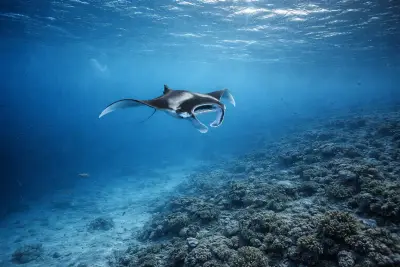
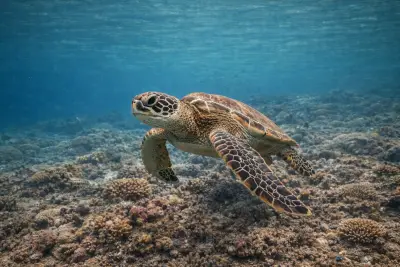
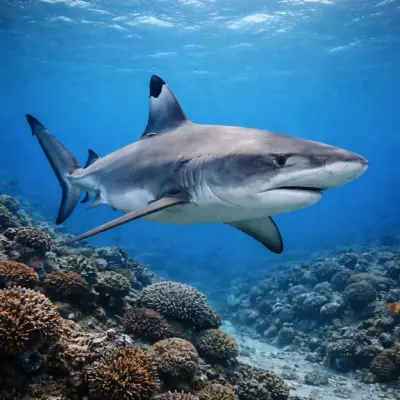
Manta Bay, situated on the south side of Nusa Penida, is renowned for its consistent sightings of manta rays. Unlike the nearby Manta Point, Manta Bay does not feature a dedicated cleaning station, yet mantas are frequently observed playing and feeding in its shallow waters. The site encompasses multiple bays, allowing for varied exploration. The topography of Manta Bay features a sandy bottom that gently slopes from a depth of 5 meters down to 12 meters, eventually reaching depths of up to 30 meters. Most of the manta activity, however, occurs in the very shallow range of 1 to 6 meters, making it accessible for both divers and snorkelers. The surrounding underwater environment includes sandy areas and rocky features. While manta rays are the primary draw and are present year-round, occasional sightings of green sea turtles and sharks also enrich the dive experience. The bay's location, though often calmer than Manta Point, can still experience swell due to its exposed position, necessitating careful dive planning. Diving at Manta Bay is generally suitable for all levels, particularly due to the shallow depth where mantas are typically encountered. Dive trips usually depart from Sanur on Bali's southeast coast, with a speedboat journey of approximately 45 to 60 minutes. It is often combined with other dive sites around Nusa Penida or Nusa Lembongan.
Highlights
Year-round manta ray sightingsShallow manta encountersSandy slope and rocky terrainOccasional turtles and sharksAccessible for all diver levels
Season calendar
Best months to dive here
Jan
Feb
Mar
Apr
May
Jun
Jul
Aug
Sep
Oct
Nov
Dec
Good
Dive site facts: Manta Bay
- Depth
- 2-30 m
- Typical dive
- 1-12 m
- Current
- Mild to moderate swell
- Visibility
- 10-15 m
- Water temperature
- 26-28°C (surface), 18-20°C (thermoclines)
- Entry
- Boat / negative entry
- Level
- All Levels
- Dive type
- Reef, pelagic, shallow encounters
- Region / port
- Nusa Penida, Bali
- Coordinates
- 8.7610° S, 115.4590° E
Conditions & Currents
Manta Bay generally experiences milder conditions compared to other Nusa Penida sites, though swell can be a notable factor, particularly in exposed areas. While strong currents are less common, the site is not entirely immune to ocean movements. Divers should be prepared for varying surge, especially near the surface, which can impact buoyancy control. Visibility typically ranges from 10 to 15 meters, but can be influenced by plankton-rich waters, which, while reducing clarity, contribute to the presence of filter-feeding mantas. Water temperature usually hovers around 26-28°C at the surface, but can drop to 18-20°C during thermoclines, especially in the deeper sections from July to October. Experienced dive operators are crucial for assessing daily conditions and ensuring a safe and enjoyable dive.
Marine life & sighting chances
Dive profile & how the dive runs
Entry at Manta Bay is typically a negative or controlled backward roll from the speedboat, allowing for immediate descent. The dive primarily focuses on the shallow sandy bottom area, ranging from 1 to 12 meters, where manta rays frequently congregate. Divers often maintain this shallow profile, observing mantas as they cruise or play. The site features a gently sloping sandy bottom, with some rocky outcrops. Depending on the guide's assessment and diver experience, the dive may extend to depths of 30 meters to explore the deeper sandy areas. The turnaround point is often determined by air consumption and current conditions. Safety stops are conducted in the protected shallower waters of the bay, typically around 5 meters, before a surface interval.
Underwater photography
For capturing the majestic manta rays at Manta Bay, a wide-angle lens is essential to frame their impressive size and elegant movements. Given the frequent shallow encounters, natural light photography is often sufficient, especially with mantas cruising between 1 and 6 meters. If deeper areas or potentially lower visibility are anticipated, strobes can help bring out color and detail. Maintain good buoyancy control to avoid disturbing the sandy bottom and to allow for smooth, unobtrusive movement around these gentle giants. Always give mantas ample space and avoid chasing or touching them to ensure respectful interactions and capture natural behavior.
Combine with nearby dive sites
- Manta Point
Another famous site for manta ray cleaning stations, often combined with Manta Bay.
- Crystal Bay
Known for Mola Mola sightings during season and vibrant reef life, frequently paired with manta dives.
- Toya Pakeh Drop-Off
A drift dive site with healthy coral gardens between Nusa Penida and Nusa Lembongan.
- Sidem
A drift dive site along a coral slope with diverse fish species.
- Jepun Wreck
The Jepun Wreck is a dive site nestled in Padang Bai, Bali, a coastal town offering a diverse range of underwater experiences.
Getting there & logistics
Access to Manta Bay is primarily via daily speedboat trips departing from Sanur on Bali's southeast coast. The boat journey typically takes 45 to 60 minutes. Most dive operators in Bali, especially those around Sanur, offer day trips that combine Manta Bay with other sites like Manta Point or Crystal Bay, usually including two to three dives. While it's possible to stay on Nusa Penida or Nusa Lembongan to reduce travel time, day trips from Bali are common and convenient. Dive packages often include transfers from accommodations, equipment rental, and lunch. No specific permits or park fees beyond standard dive trip costs are mentioned for this site.
Safety & environment
The nearest recompression chamber is located in Denpasar, Bali. In the event of a dive emergency requiring chamber treatment, evacuation would involve a speedboat transfer back to Bali, followed by land transport, which could take several hours. Comprehensive dive insurance is therefore highly recommended. While Manta Bay is generally considered suitable for all levels, divers must be aware of potential surge, particularly at the surface, and be comfortable with boat entries and exits. Maintaining excellent buoyancy control is crucial to avoid contact with the marine environment and ensure respectful interaction with manta rays. Always follow your dive guide's instructions and maintain a safe distance from marine life.
Who it suits — and who it doesn't
Suited for
- All certified divers
- Divers seeking consistent manta ray encounters
- Underwater photographers with wide-angle setups
- Snorkelers looking for pelagic interactions
- Divers comfortable with mild swell
Less suited for
- Divers expecting vibrant coral reefs as the primary attraction
- Divers sensitive to cooler water temperatures (during thermoclines)
- Divers prone to seasickness in swell
- Divers uncomfortable with potential lower visibility due to plankton
FAQ
Manta Bay FAQ
What is the best time of year to see manta rays at Manta Bay?
Manta rays are present at Manta Bay year-round, offering consistent encounters throughout the seasons. While visibility can vary, the mantas remain a reliable attraction. The dry season, from May to October, often brings calmer sea conditions, which can enhance the diving experience.
Is Manta Bay suitable for beginner divers?
Yes, Manta Bay is considered suitable for all diver levels, including beginners. The main manta activity often occurs in shallow waters, between 1 to 6 meters, making it accessible and less challenging. However, divers should be comfortable with potential swell and boat entries typical of the area.
How does Manta Bay differ from Manta Point?
Manta Bay and Manta Point are both excellent for mantas but differ in key aspects. Manta Point is known for dedicated cleaning stations where mantas visit for grooming, leading to more stationary encounters. Manta Bay, while lacking cleaning stations, is where mantas are often seen playing and feeding in shallower waters. Manta Bay generally has milder conditions, while Manta Point can be more exposed.
What is the typical water temperature and visibility at Manta Bay?
The water temperature at Manta Bay generally ranges from 26-28°C at the surface. However, thermoclines can occur, particularly from July to October, bringing temperatures down to 18-20°C in deeper sections. Visibility is typically between 10-15 meters, though it can vary due to plankton, which paradoxically attracts the mantas.
Can I snorkel with manta rays at Manta Bay?
Yes, Manta Bay is an excellent site for snorkeling with manta rays. Since the mantas frequently cruise and play in very shallow waters, often between 1 to 6 meters, snorkelers have a high chance of observing them from the surface. This makes it a great option for non-divers or those who prefer snorkeling.
Why dive Manta Bay from a liveaboard?
Manta Bay is one of Bali's signature dive sites. A liveaboard sleeps you on the water and puts you in the water for three to four guided dives per day, including dawn and night dives that day-boat operators rarely offer. You skip the daily commute back to port and reach quieter, less-crowded sites in the same region on a single trip.
Below are the liveaboards that include Manta Bay on their Bali itineraries.
Liveaboards diving Manta Bay
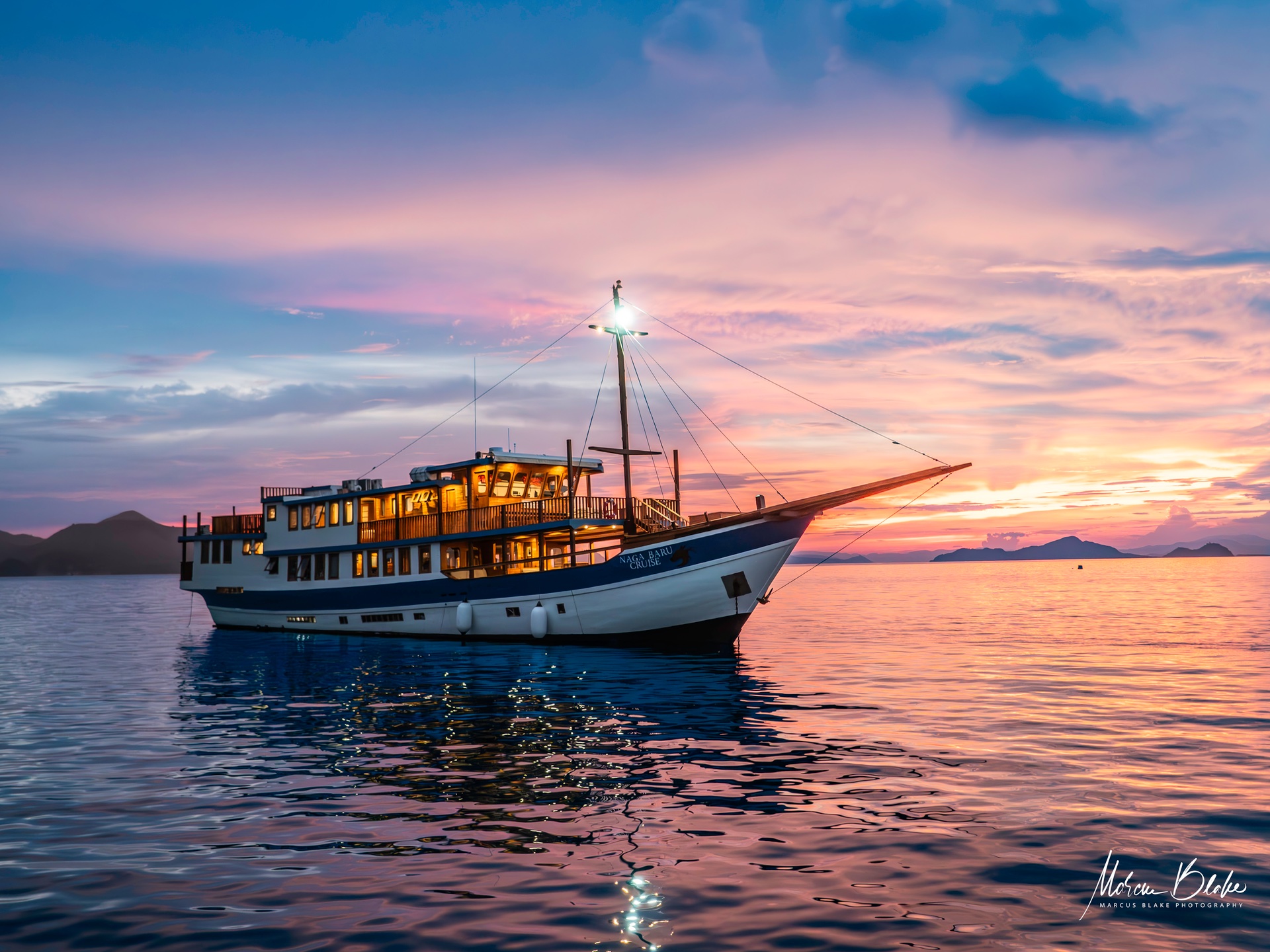
These liveaboards may visit Manta Bay on selected itineraries — the exact dive sites depend on departure, weather and conditions.
Naga Biru
Indonesia
12 guests40 m
$274/day
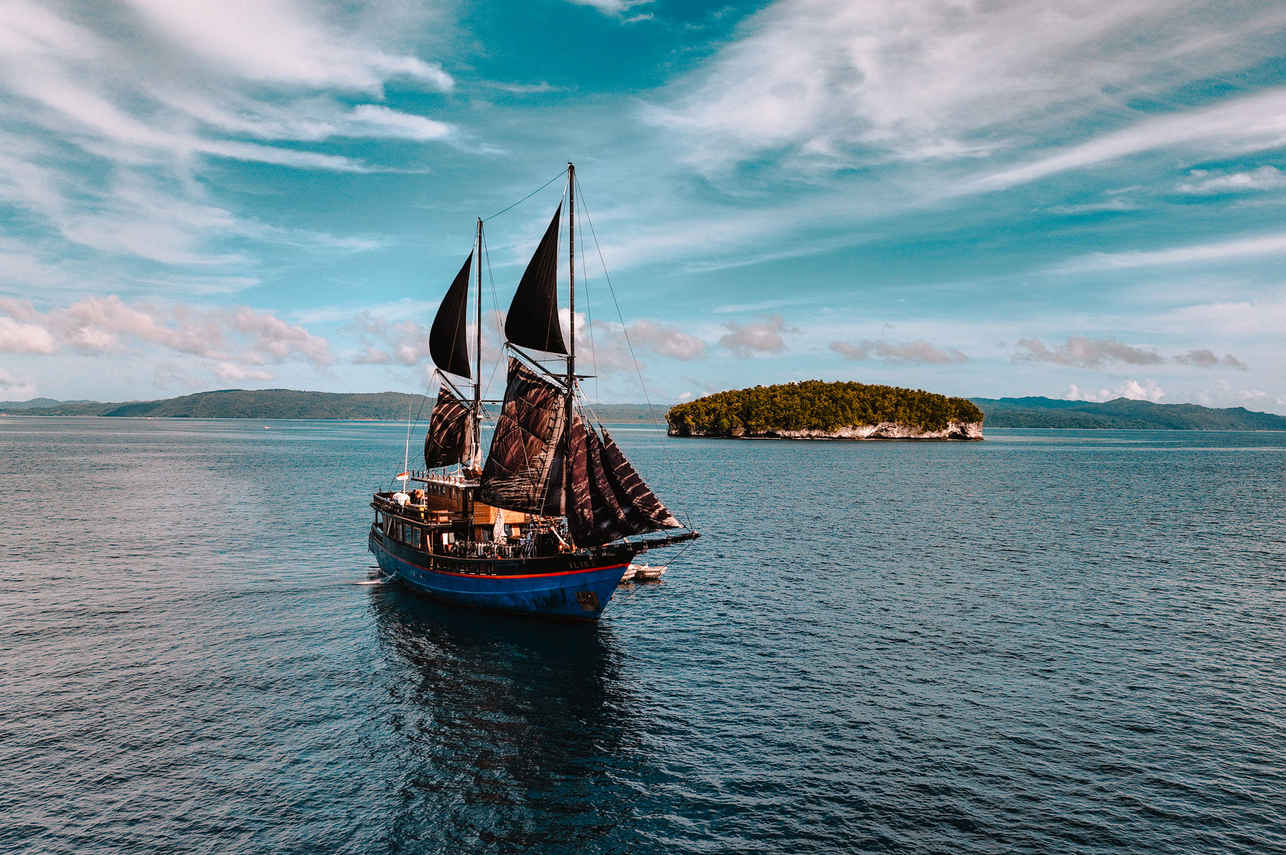
Ilike
Indonesia
16 guests40 m
$298/day
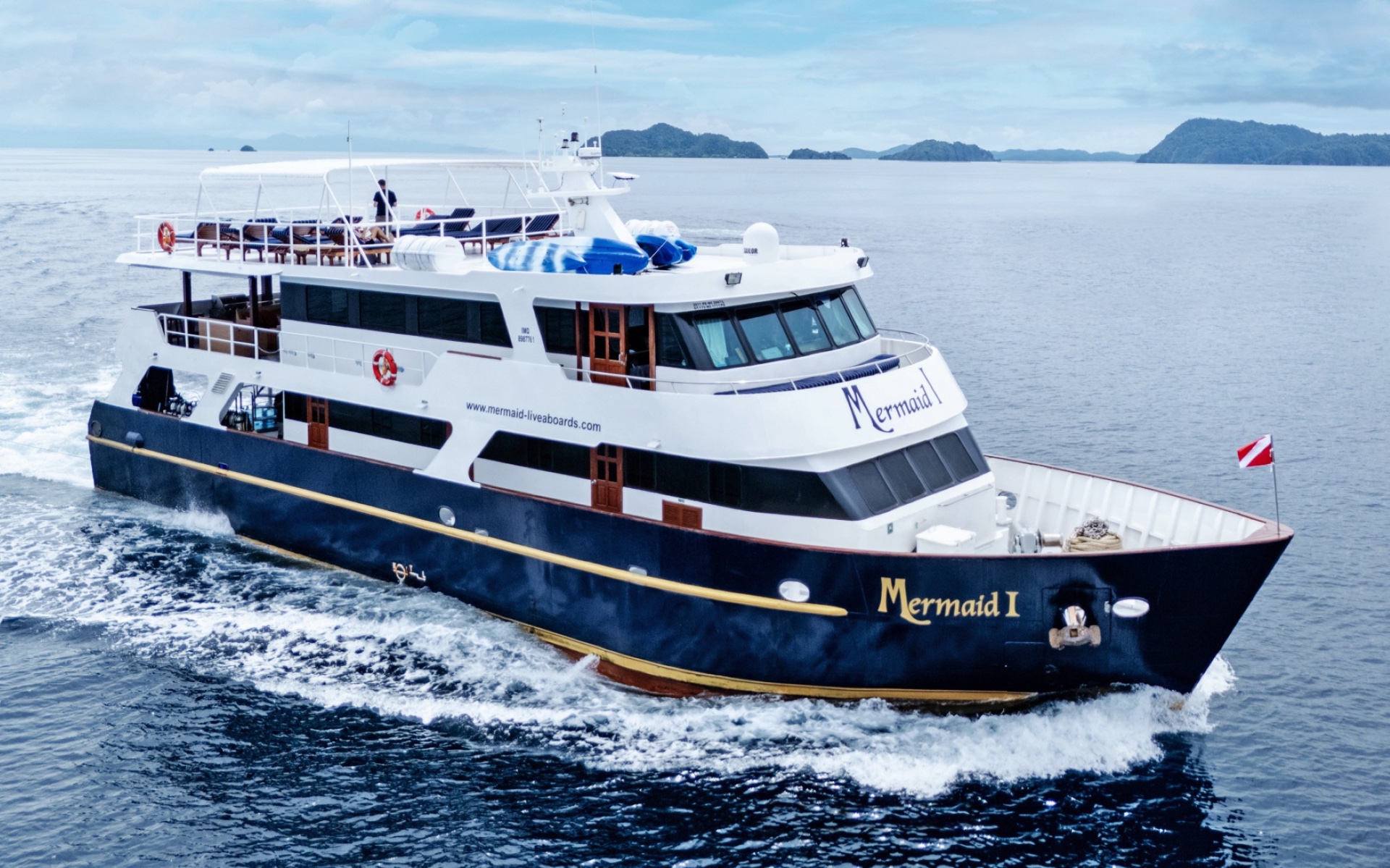
Mermaid I
Alor
15 guests28 m
$372/day
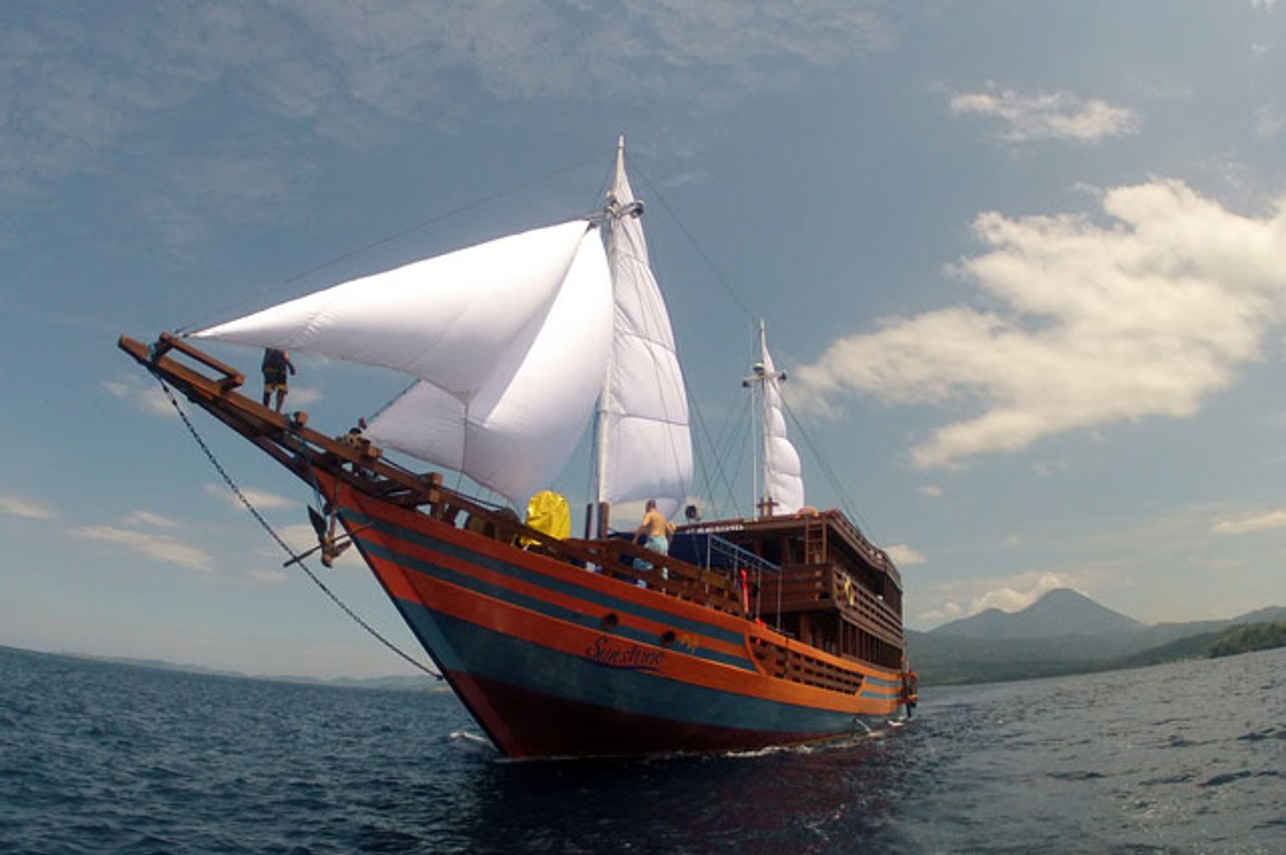
Sunshine Liveaboard
Indonesia
10 guests31 m
$191/day
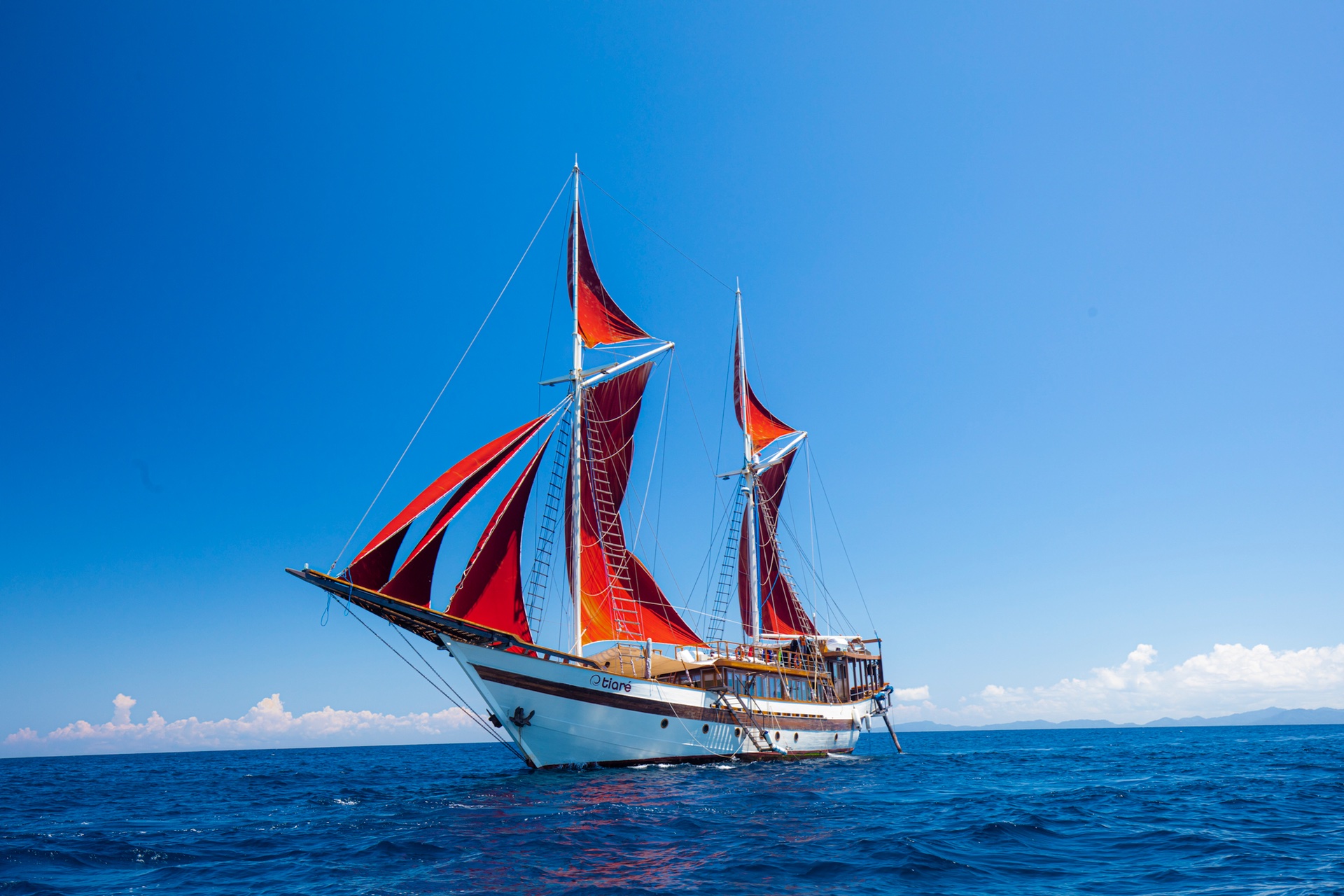
Tiare Cruise
Indonesia
12 guests36.5 m
$419/day
Dive sites similar to Manta Bay
Same character, same waters — six more sites divers love for the exact same reasons.Compare seasons, access and liveaboard routes — then pick the site that fits your trip best.
Lipah Bay is situated on Bali's northeast coast within the Amed area, nestled against the dramatic backdrop of Gunung Agung.
- Suitable for
- Beginner
- Current
- Mild
- Access
- Liveaboard or dayboat
- Depth
- 5–30 m
- Theme
- Reef / Drift
© Esri — Maxar, Earthstar, GIS
Eel Garden
Bali
Eel Garden is a renowned dive site located on the north-western side of Menjangan Island, a protected marine area within West Bali National Park.
- Suitable for
- Intermediate
- Current
- Moderate
- Access
- Liveaboard or dayboat
- Depth
- 8–40 m
- Theme
- Drift / Reef
Puri Jati, often referred to as PJ, is located on Bali's north coast near Lovina, on the outskirts of Seririt village.
- Suitable for
- Intermediate
- Current
- No current
- Access
- Shore / dayboat
- Depth
- 6–12 m
- Theme
- Reef
© Esri — Maxar, Earthstar, GIS
Japanese Wreck
Bali
The Japanese Wreck is a compelling dive site located in Banyuning Bay, just off the beach in Amed, Bali.
- Suitable for
- Beginner
- Current
- Moderate
- Access
- Shore / dayboat
- Depth
- 6–12 m
- Theme
- Wreck / Reef
© Esri — Maxar, Earthstar, GIS
Dream Wall
Bali
Dream Wall is one of Menjangan Island's premier dive sites, located within the protected West Bali National Park marine area.
- Suitable for
- Beginner
- Current
- Mild
- Access
- Dayboat
- Depth
- 10–60 m
- Theme
- Wall / Reef